1st January. The English Calendar New Year is celebrated with fanfare, parties and fireworks.

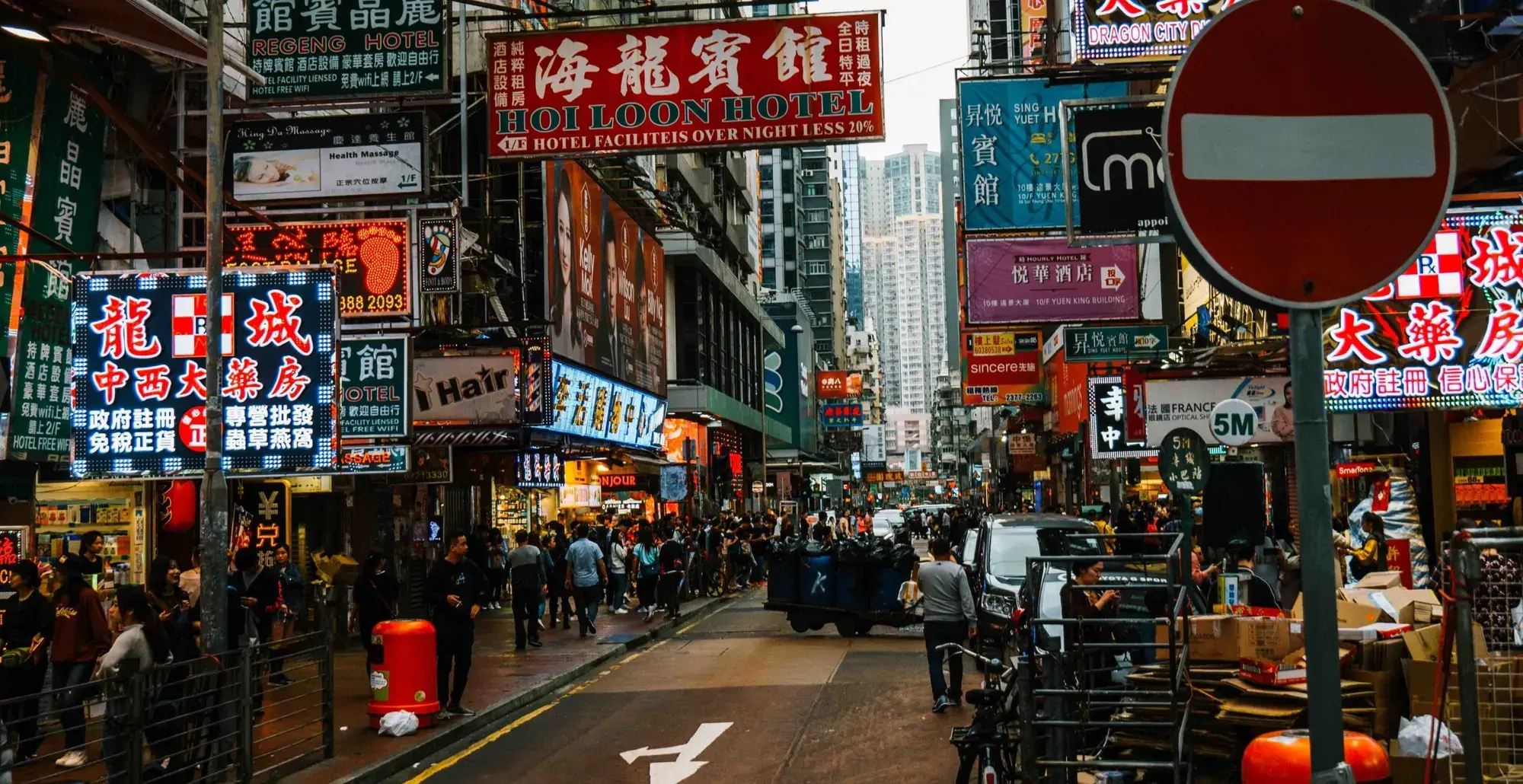
1st January. The English Calendar New Year is celebrated with fanfare, parties and fireworks.
19 results
City overview1st January. The English Calendar New Year is celebrated with fanfare, parties and fireworks.
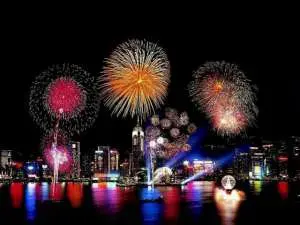
Chinese New Year is the first day of the lunar month. This is the most important festival in the calendar based on the legend of Nien, the fearsome monster that attacked the homes and people of the Yellow river area. Nien was afraid only of the color red, noise and bright lights. It is believed that on the 365th evening the dragon disappeared after the villagers used this against him. Every year, traditionally the 365th evening (and at least for three days afterwards, traditionally for 15 days) is celebrated with drums, bright lights, fireworks, parades, dragon and lion dancers. A lot of red is used in the dresses, head gear, the painted masks, and street decorations. Children run around with bright red envelopes carrying money (Lai see). This dazzling fervor and gaiety is bewitching and probably this is one of the most unique festivals of the world. Bonus is given in companies, great feasts are held and delicious food prepared, Chinese age old traditions and the Gods of wealth, food and prosperity are remembered.
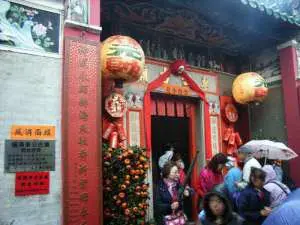
Birthday of Che Kung falls on the second day of the first lunar month. This is celebrated in memory of Che Kung. It is believed the Sung Dynasty general became a Taoist deity after he saved many from plague. Thousands now go to his temple. Luck is believed to befall those visiting the temple at this time.
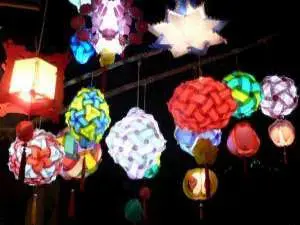
Spring Lantern Festival- Also known as Valentine's Day, is celebrated on the 15th day of the Chinese New Year, marking the end of the New Year festivities. One will find colorful lanterns with beautiful designs everywhere; in the markets, streets, parks, homes, food joints. In the evening there is a special public celebration in popular places of the city like the Victoria Park.
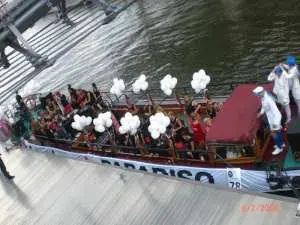
Tin Hau festival falls on the 23rd day of the third lunar month. It is in honor of the God of the sea and is celebrated in all places near the sea. A special day is set aside to offer prayers and go to the Tin Hau temple. Boats are decorated and offerings are made to the sea.
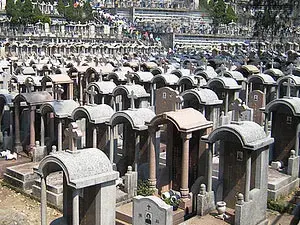
The Ching Ming Festival falls on in the third lunar month. It is celebrated to mark the beginning of spring. This is also known as the Tomb Sweeping or Spring Remembrance festival. Ching Ming means clear and bright and on this day ancestors graves are visited and respect given, weeds removed, tombstones touched up and offerings made.
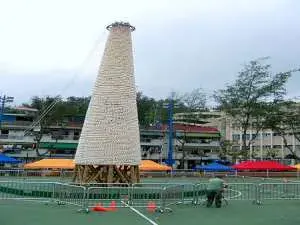
Cheung Chau Bun festival is held every May. It is celebrated by the people of Hong Kong by carrying White Chinese Buns on huge bamboo sticks. They carry these to the Pak Tai temple where there is a huge celebration. Like the other festivals this too lasts a week. Legend has it that when the island was going through plague, villagers dressed themselves as Gods and Goddesses to drive away evil spirits.
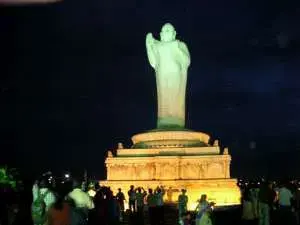
Birthday of Buddha falls on the 8th day of the 4th lunar month. This is a Buddhist festival where Buddha's statues are bathed and worshipped, monasteries visited and ceremonies are held. The largest statue of Buddha in bronze is believed to be the one at Po Lin Monastery on Lantau Island. This becomes a place thronged by many at this time. Vegetarian food is served on this day.
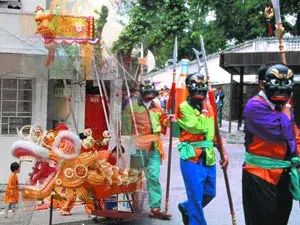
Tam Kung Festival falls on the 8th day of the 4th month in Chinese calendar. This is to honor a sea god Tam Yung, and to bless fishermen for safe journeys and happiness. His temple is visited and devotion expressed.
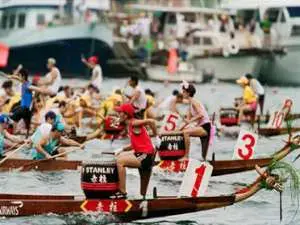
Dragon Boat Festival or the Tuen Ng Festival is held on the 5th day of the 5th Chinese lunar month. It is celebrated in honor of Qu Yuan, a national hero, who gave his life by jumping into the sea to protest Government corruptions. Various thin Dragon boats about 10 meters or more in length and beautifully painted in Oriental colors, with more than 20 rowers each, compete in a boat race across Hong Kong Harbor. This is an awesome spectacle. Drums are beaten as crowds loudly cheer for their favourite teams.
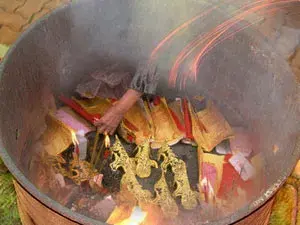
Yue Laan-The hungry ghost festival-(Aug/Sep) This is the festival to appease ghosts who it is believed come down on the earth during this lunar month. Paper money is burnt and offerings given to keep the ghosts appeased and let them go back.
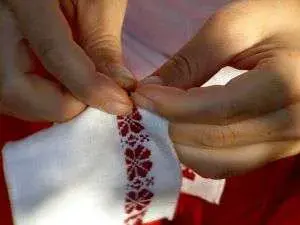
Seven Sisters Festival falls on the seventh day of the seventh lunar month. This festival is especially for girls and young lovers and is based on Chinese folklore. The youngest of seven sisters who are the daughters of the King from Heaven, works extremely hard on her loom through the year and is finally allowed to marry a cow herd. She then forgets to work on her loom and is ordered back and allowed to go back to her husband only on the seventh day of the seventh moon. Young women make offerings to the sky and take part in needlework competitions.
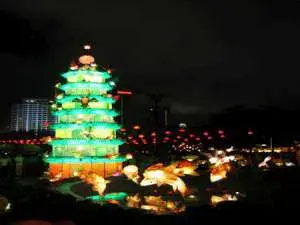
Mid Autumn Festival -(Sep/Oct) This festival is celebrated on the 15th day of the eighth moon. This is again a very big and charming festival to view. The background is the 14th century uprising against the Mongols. The revolutionaries hid the message to revolt within cake pieces which were distributed to fellowmen. Hence till today moon cakes made of ground lotus and sesame seed paste are eaten and distributed. Paper lanterns in beautiful colors shaped like animals, airplanes and spacecrafts etc are hung all over the place. Entire families go in the evening to see this beautiful sight. On the 14th and 16th day, at Tai Hang, Causeway Bay, a huge fire dragon measuring 67 meters is the main stay of the dragon dance which carries on for three days
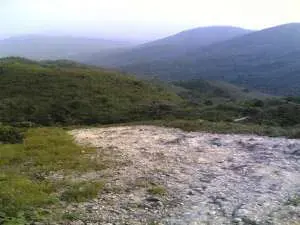
Chung Yeung (9th moon, 9th day), like the Ching Ming, is a day to pay respects to and remember the departed loved ones. It is also known as Autumn Remembrance. People move to the hills and make offerings. It is based on a folktale of how Woon King on the advice of a soothsayer took his whole family to the higher regions on this 9th day and on his return saw that the whole village had been slaughtered. It is an occasion to share food and go for hiking trips and picnics.
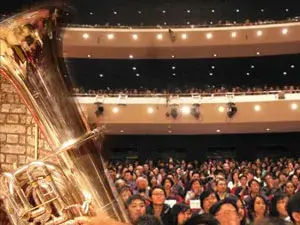
Hong Kong Music festival and Hong Kong Youth Arts festival is held in October every year.
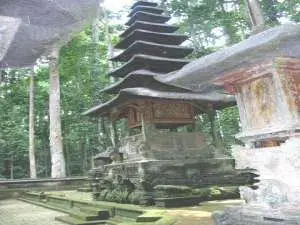
Monkey God Festival -Sep / Oct, Day 16th of the Moon. It is believed that the Monkey God gained immortality by accompanying Buddhist pilgrim Tang Xuan in his quest to understand Lord Buddha's teachings. Today people go to the Monkey God temple at Kowloon and give offerings there.
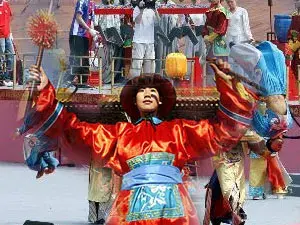
Confucius's Birthday, 27th day of the eighth moon. One of the greatest philosophers and thinkers of China, Confucius is highly revered in Hong Kong and his birthday is celebrated with traditional reverence.
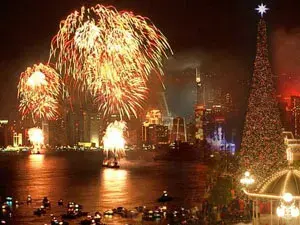
Christmas and New Year is again a time of revelry. East meets West in the true spirit of this festive season.
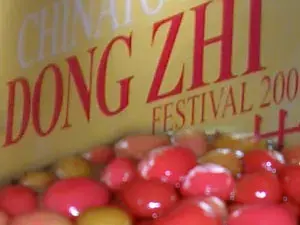
Dong Zhi (Winter Solstice) Festival (11th moon). This is the second biggest festival of the Chinese calendar celebrated on the day when it is the shortest day and the longest night. Families get together and celebrate with new clothes, lots of food, and gifts. Chinese Yin and Yang principals are at work where in the pessimism of darkness and cold is the optimism that it can only get better from here.