
A valid passport for the duration of stay is needed to enter Malaysia. Also, depending on your type of nationality and visit, visa requirements will vary.

Explore city history, fast facts, climate and practical visitor information for Kuala Lumpur.
9 results
City overviewA valid passport for the duration of stay is needed to enter Malaysia. Also, depending on your type of nationality and visit, visa requirements will vary.

No drastic climatic changes occur in Kuala Lumpur, so expect its typical temperament of humidity, heat, and wetness as the norm. Yet, there are two seasons when these three climatic characteristics may take a bit of leap: between March and April and between September and November.

Though the people of KL are not an explicitly friendly bunch, they are a very welcoming and accepting crowd. Therefore, do not let their timid and shy exterior fool you, for Kualumpurians are one of the most culturally diverse and ethnically accepting people around. In fact, an admirable characteristic of KL residents is the minute level of racial problems in occurrence (which is tremendously less than those found in the West).
January; High:: 31.9 °C ( 89.4 °F ); Low :: 22.1 °C ( 71.8 °F ) February
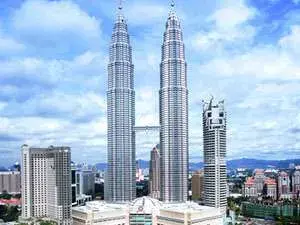
In just one hundred years, Kuala Lumpur, or “muddy confluence” in Malay, has transformed itself from a small mining town into a cosmopolitan metropolis. It can be thought of as halfway between the developing and chaotic Bangkok to the north and the high-tech and orderly Singapore to the south.
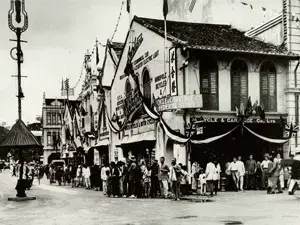
Kuala Lumpur was founded in 1857 by a group of miners searching for tin by the Kelang and Gombak Rivers, for which the city is named. Kuala Lumpur is Malay for “muddy confluence”. These early miners were ill equipped to deal with tropical diseases like malaria, and many fell ill and died. But the tin lured even more miners to KL, and it soon became a sprawling and anarchic boomtown.
Location:: Western Peninsula Malaysia.; Dialling code:: 60 ( country ) 03 ( city ); Population:: 1.4 million (city); 1.9 million (metropolitan area).
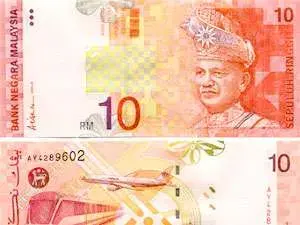
Malaysia's currency is the ringgit, available in banknotes of 1 ringgit, 2 ringgit, 5 ringgit, 10 ringgit and 50 ringgit, as well as 100 ringgit, 500 ringgit and 1000 ringgit. Coins are available in denominations of 1 sen, 5 sen, 10 sen, 50 sen and 100 sen. Note that 1 ringgit equals 100 sen.