Skip to content
Kuala Lumpur
Kuala Lumpur

Top places to visit

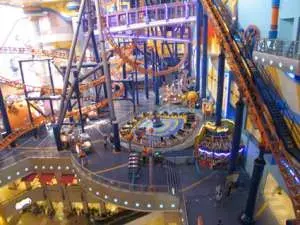
This is considered to be Malaysia's largest indoor theme park. It has two sections: one for children, and the other for thrill-seekers. You need only one ticket to get into both sections. Its most popular ride is the seven-story indoor roller coaster.

14 results

City overview
Image

This is considered to be Malaysia's largest indoor theme park. It has two sections: one for children, and the other for thrill-seekers. You need only one ticket to get into both sections. Its most popular ride is the seven-story indoor roller coaster.

National Science Center

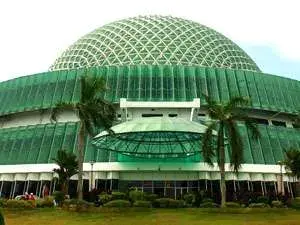
The National Science Center was built in 1996 as a way of promoting science and technology. The exhibitions highlight themes which link science and daily life and the environment and religion.

Image

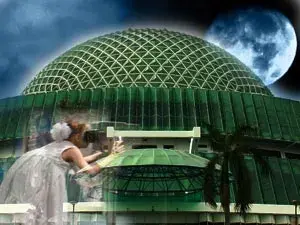
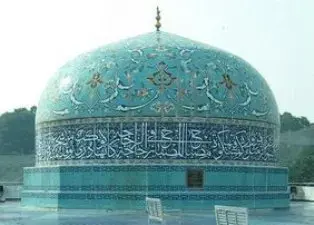
Space always holds a fascination for kids and they are sure to love this Planetarium where they can peer through a 14 inch telescope which gives them a stunning view of the sky. A space-themed park has replicas of ancient observatories. An overhead pedestrian bridge connects the Planetarium with the National Museum. With an impressive blue-domed structure, the Planetarium signifies Malaysia's stride towards becoming a scientifically progressive society.

Image

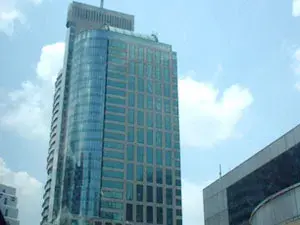
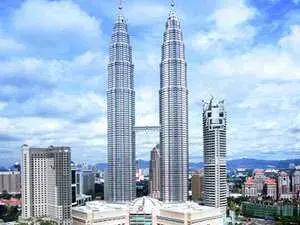
The Golden Triangle is known as KL's commercial, shopping, and entertainment hub. Here you'll find all the major shops and outlets, along with towering skyscrapers (such as the Petronas Towers) and top-end hotels.

Petronas Towers

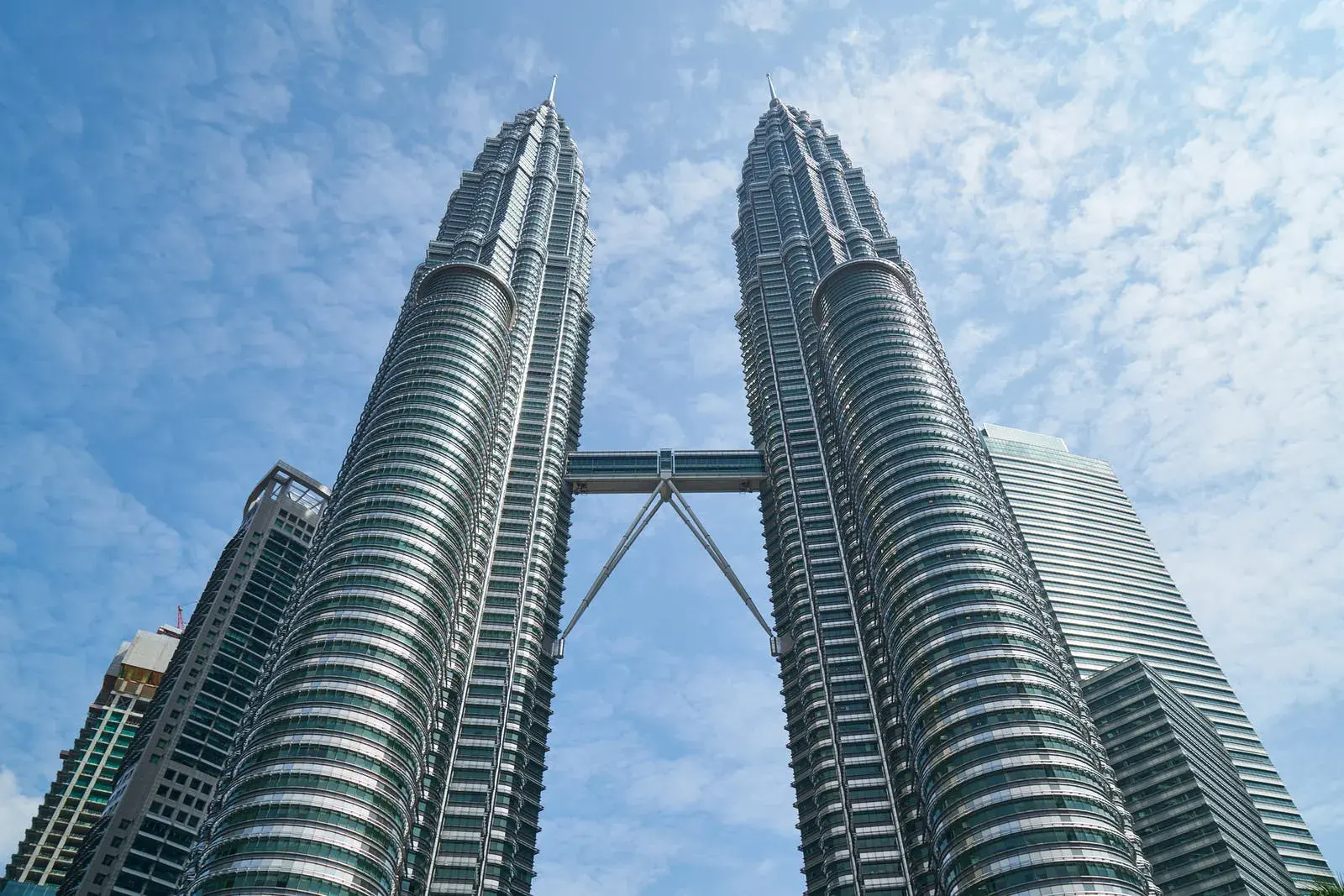
The Southeast Asian equivalents of the Empire State Building, the Petronas Towers are Kuala Lumpur’s most iconic buildings. They were the tallest in the world from their completion in 1998 until 2004, when they were surpassed by Taipei 101. The Petronas Towers rise to a height of 378m (450m including the spires). The frame was constructed with reinforced concrete, and because of the extra weight the buildings’ foundations are the deepest in the world at 120m. The first tower is fully occupied by Malaysia’s oil company, Petronas.

Image

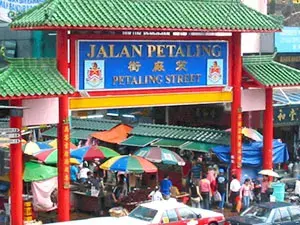
If you are in the mood to try some dim sum or are in need for a specific pirated item, then there is no better neighborhood to be in than Chinatown. Chinatown is famous for having a large and extensive selection of Chinese food along with being the best place to go for inexpensive and knock-off goods. Be assured, though, that you will need some serious bargaining skills clothing and pirated items can go as low as 70% less than the offered price.

Image

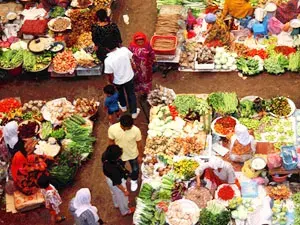
Known as the Art Deco Central Market, this vibrant bazaar has been around since 1936 and has grown to hold over 130 arts and crafts shops along with regular cultural performances. Before such a cultural explosion, the Central Market was popular for being KL's top destination when buying fresh produce. In 1986 the market took a turn and became what it is today: a conglomeration of diverse items sold in one place.

Image

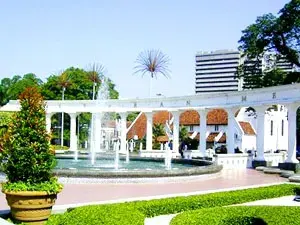
Translated as “Independence Square" KL's Merdeka Square is the place where at midnight on August 31, 1957 the Malayan Flag was hoisted for the first time after lowering the Union Flag.

Image

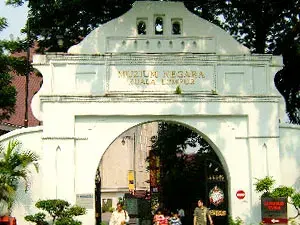
If you want to know more about Malaysian history, then this is the place for you. The Muzium Negara (National Museum) was opened in 1963 to introduce visitors to Malaysian's rich history. Various exhibitions, the building's architectural style, and a number of craftworks are some of the things to expect when in the museum.

Image

If you want to escape city life but still want to feel the movement of people, then head over to Bangsar, a much sought after residential and entertainment suburb in the Klang Valley.

alt

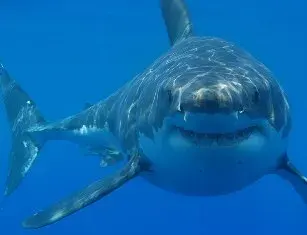
Located beneath the Kuala Lumpur Convention Center, this aquarium features aquatic life and animals from Malaysia and around the world. Exhibits include depictions of the Malaysian jungle, from the highlands down to the ocean. There is also a plentiful collection of reptiles, insects, amphibians, and small mammals (otters, large rodents, etc.). More than 20,000 animals from 250 different species call this aquarium home. The highlight is a 90m long underwater tunnel, which gives a great view of the fish.

alt

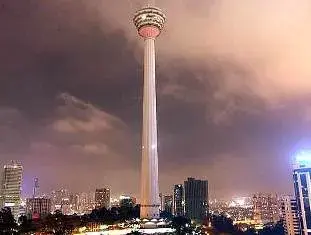
At 421m, the Kuala Lumpur Tower is the sixth largest telecommunications tower in the world. It was constructed between 1991 and 1995 for Telekom Malaysia. Because it is built on a hill (Bukit Nanas, or Pineapple Hill), the KL Tower actually appears taller than the Petronas Towers. Malaysia’s Islamic tradition is reflected here. The interior features Arabic script, and other Islamic motifs. The tower also acts as an Islamic falak observatory.

alt

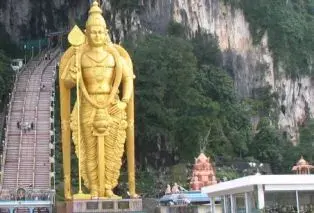
The Batu Caves lie thirteen kilometers north of Kuala Lumpur in the appropriately titled suburb of Batu Caves. Inside is a temple dedicated to the Hindu deity Lord Murugan, a popular god among the Tamil people. The temple was founded in 1891 by Tamil immigrants to Malaysia. The caves are one of Hindu’s holiest sites outside of India.

alt

Founded in 1998, this is a comprehensive museum dedicated to art in the Islamic world. It is one of just a few museums dedicated solely to Islamic art, and perhaps the best. The building itself is elegantly designed and decorated. There are five different domes. In the entrance hall is an inverted dome, adorned with arabesque and gilded cartouches.