
Overview
Keep a small amount of dirhams for markets, informal purchases and transport contingencies. Compare airport, hotel and city exchange rates, and notify your bank before travel if overseas fraud controls might block payments.
City guide article
Abu Dhabi uses the UAE dirham (AED). Cards and contactless payments are widely accepted in hotels, malls, restaurants, taxis and attractions, while cash remains useful for small purchases, souks, tips and contingency use. Prices may include VAT; check the final bill and any service or tourism charge before paying, and remember that exchange rates and foreign-card fees depend on your bank.
Keep a small amount of dirhams for markets, informal purchases and transport contingencies. Compare airport, hotel and city exchange rates, and notify your bank before travel if overseas fraud controls might block payments.
Continue reading
Abu Dhabi rewards visitors who plan by zone. The city centre, Corniche, Saadiyat Island, Yas Island and the Grand Mosque corridor are all straightforward, but they are not tightly walkable as one continuous tourist district. A good first trip groups each day by island or corridor rather than trying to cross the city repeatedly.
Entry to Abu Dhabi follows United Arab Emirates immigration rules. GCC citizens do not need a visa, some nationalities receive a visa on arrival, and other travellers must arrange an entry permit or tourist visa in advance through an approved airline, hotel or travel agent. Use the UAE government's current eligibility guidance and keep passport validity, onward travel and accommodation details ready.
November through March is generally the most comfortable period for Abu Dhabi's Corniche, Saadiyat beaches, heritage sites, desert landscapes and outdoor festivals. December and January bring higher demand around school holidays, while Ramadan and Eid can change opening hours, dining rhythms, prayer arrangements and evening traffic. April, May, October and early November can work well when outdoor blocks are shorter and midday plans move indoors.
Abu Dhabi has a hot desert climate with mild winters, long hot summers, strong sunshine and limited rainfall. Coastal humidity can be noticeable, while inland areas such as Al Ain and Al Wathba can feel hotter and drier. Pack breathable clothing, sun protection, a refillable water bottle and a light layer for heavily air-conditioned interiors; modest dress is the practical choice for mosques and heritage sites.
Add practical stops to your Abu Dhabi plan across places, hotels, shopping, and food.
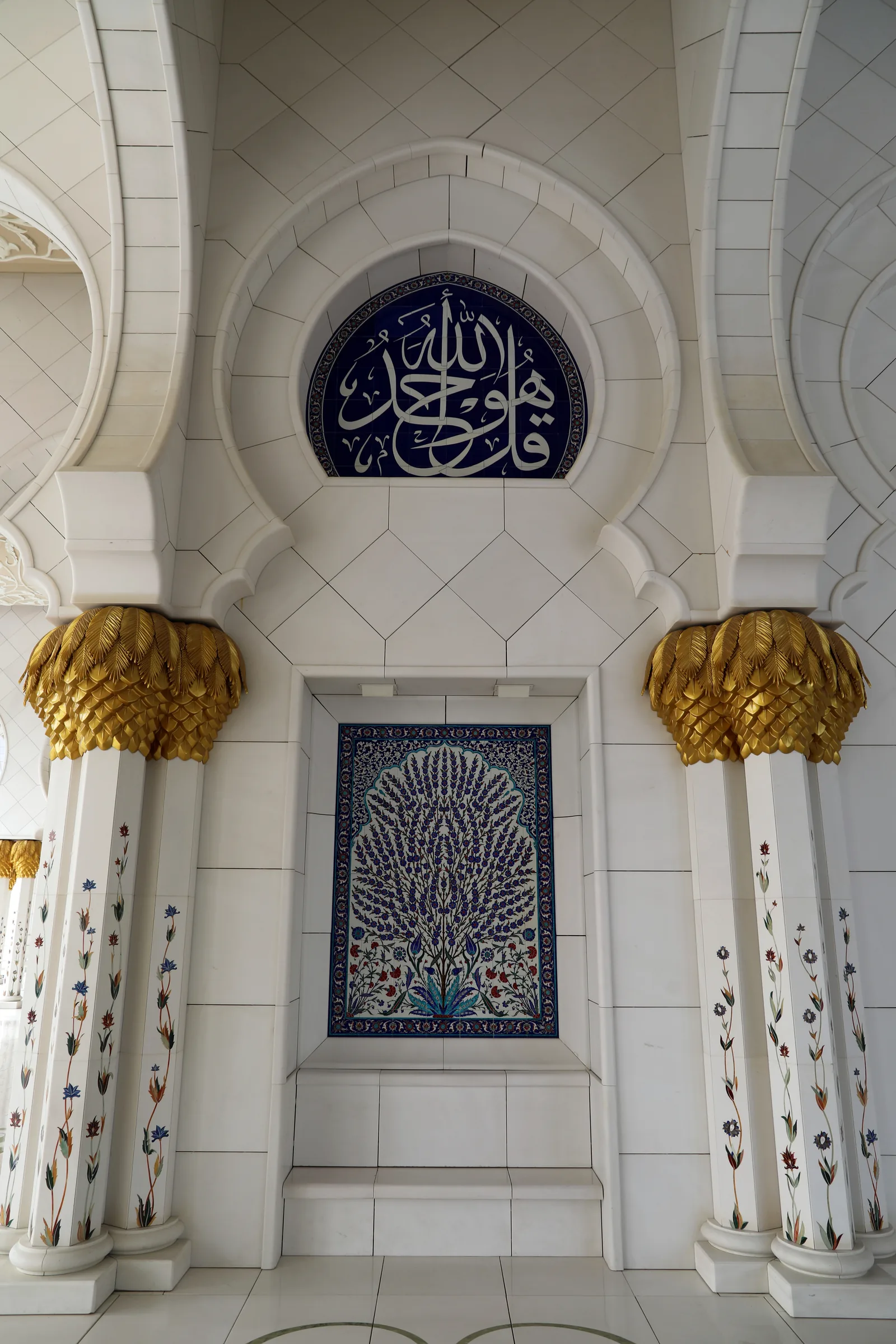 Grand Mosque and Eastern Corridor
Abu Dhabi's defining mosque deserves more than a quick photo stop: visit for Sheikh Zayed's national legacy, contemporary Islamic architecture, prayer relevance and the way the marble complex changes from daylight to evening.
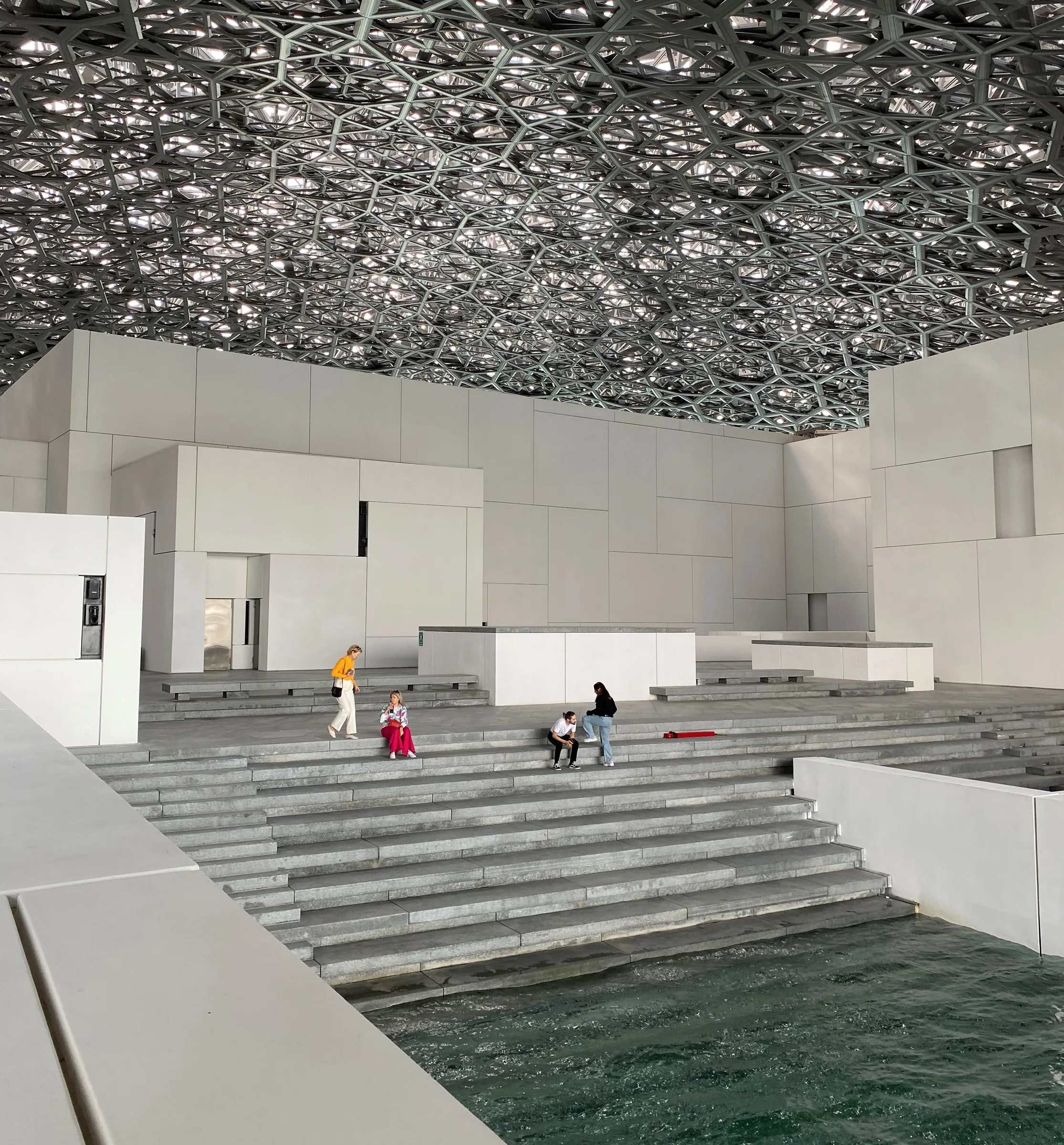 Saadiyat Island
A museum worth planning around, not just passing through: Louvre Abu Dhabi combines Jean Nouvel's shaded dome, a global collection and Saadiyat's cultural ambition into one of the capital's most rewarding indoor stops.
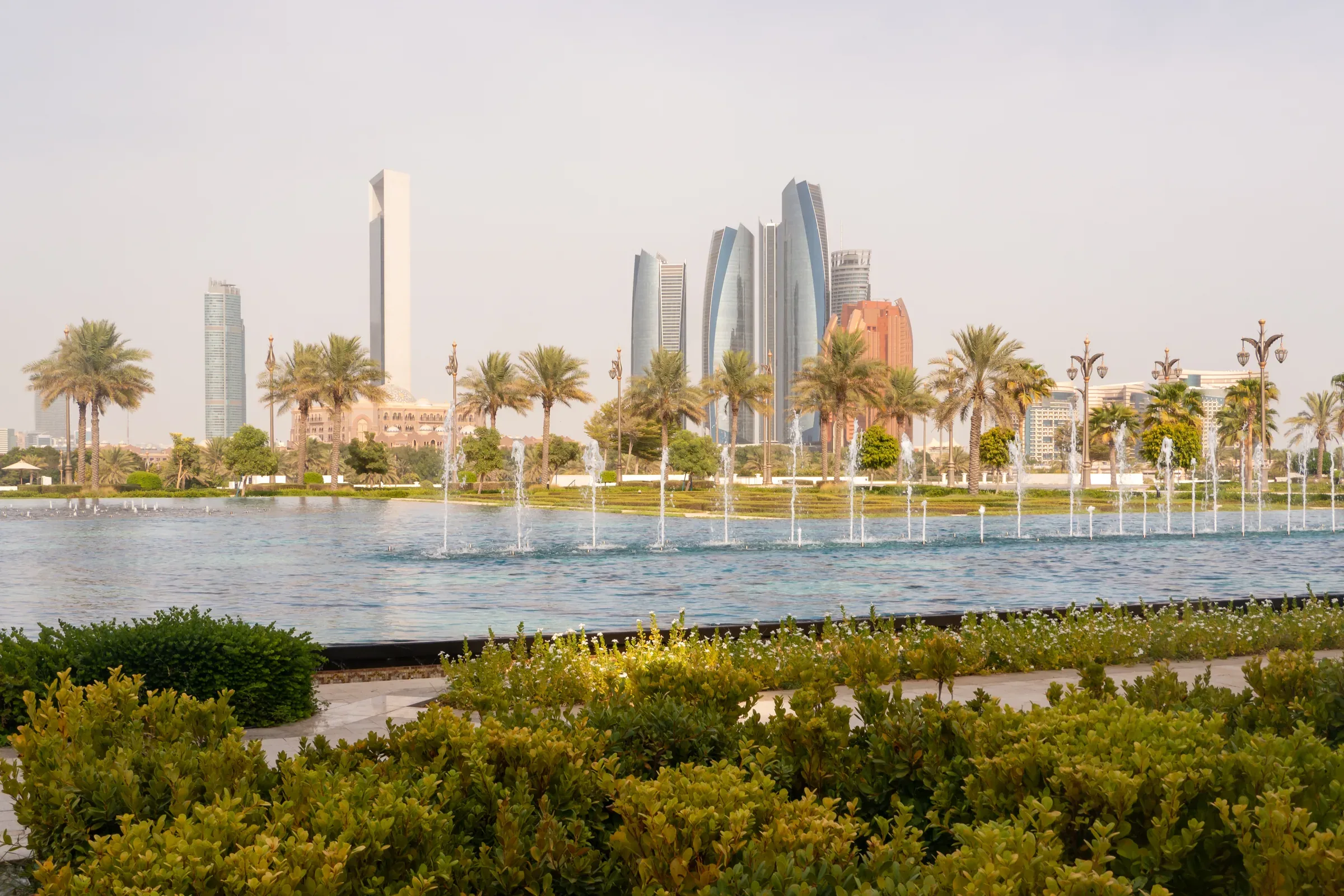 Al Ras Al Akhdar / Corniche West
A palace visit with real trip value: Qasr Al Watan turns UAE governance, craftsmanship and national identity into a polished cultural stop beside the Corniche.
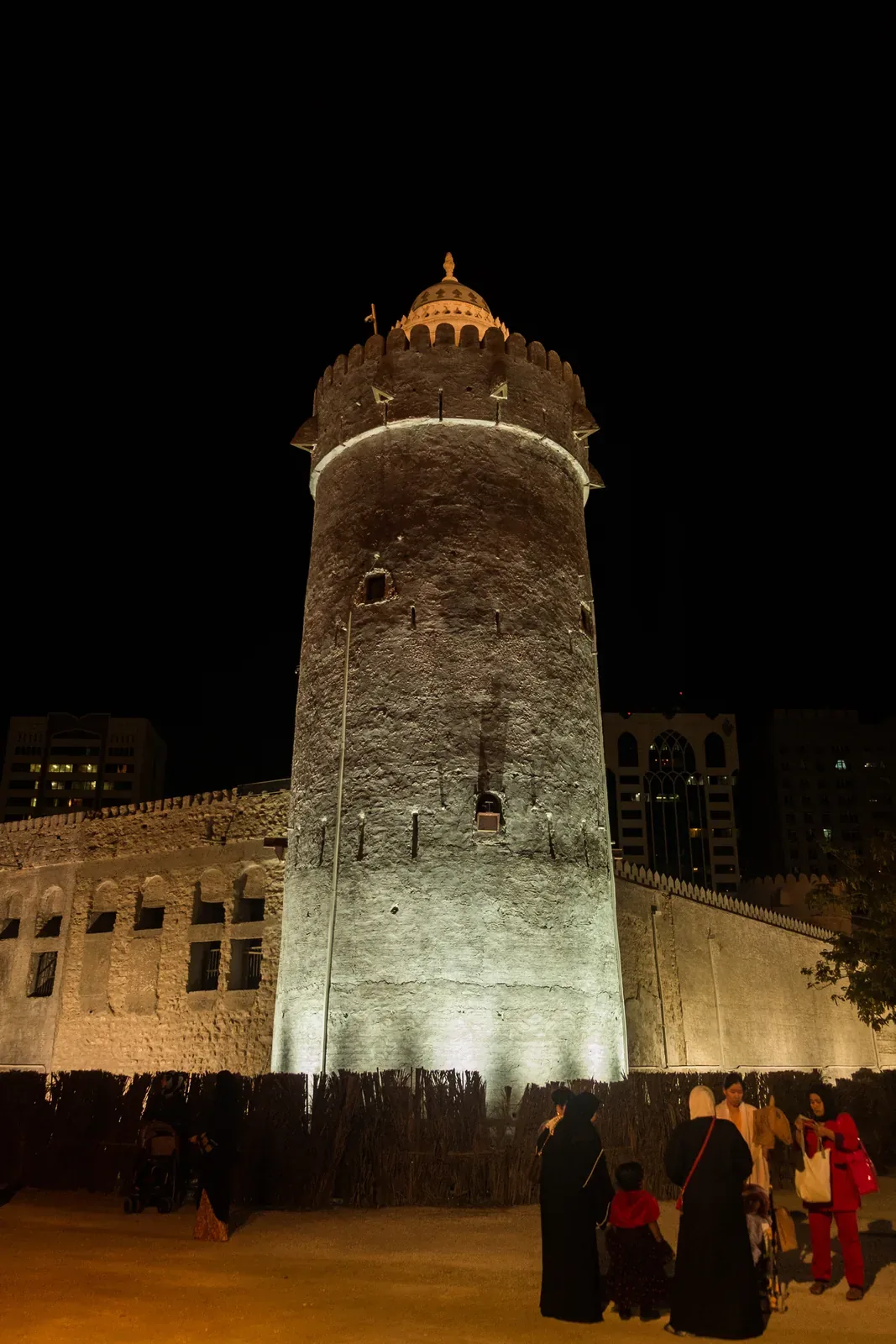 Corniche and Central Abu Dhabi
Abu Dhabi's historic heart, Qasr Al Hosn is the clearest place to understand the city before towers and oil: fort, craft, coffee culture and urban memory in one walkable block.
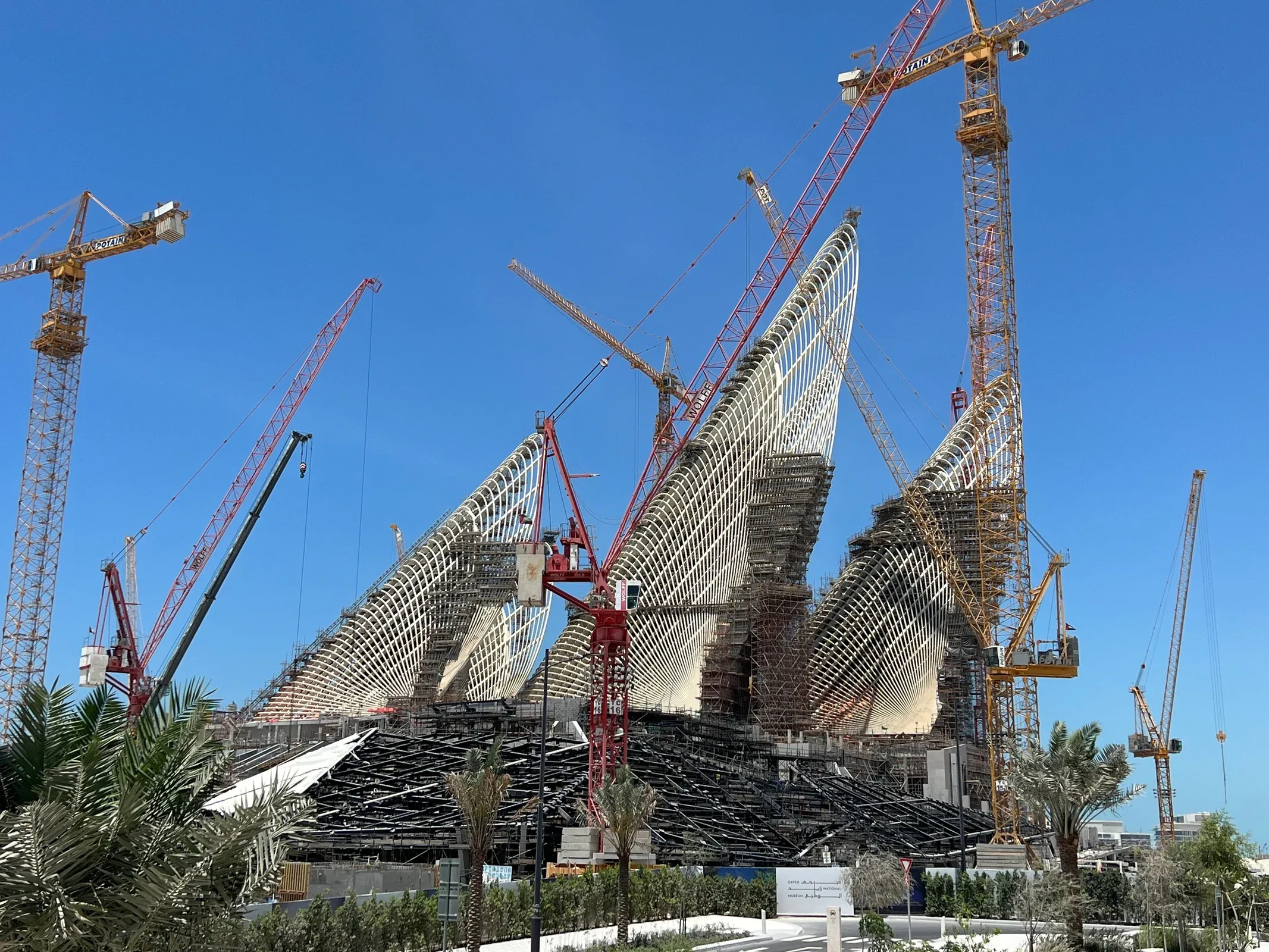 Saadiyat Island
A major Saadiyat museum dedicated to the UAE’s story, Sheikh Zayed’s legacy and the deeper historical layers of the Emirates.
 Saadiyat Island
A Saadiyat museum built around Earth’s long story, from cosmic origins and dinosaurs to Abu Dhabi’s own prehistoric landscapes.
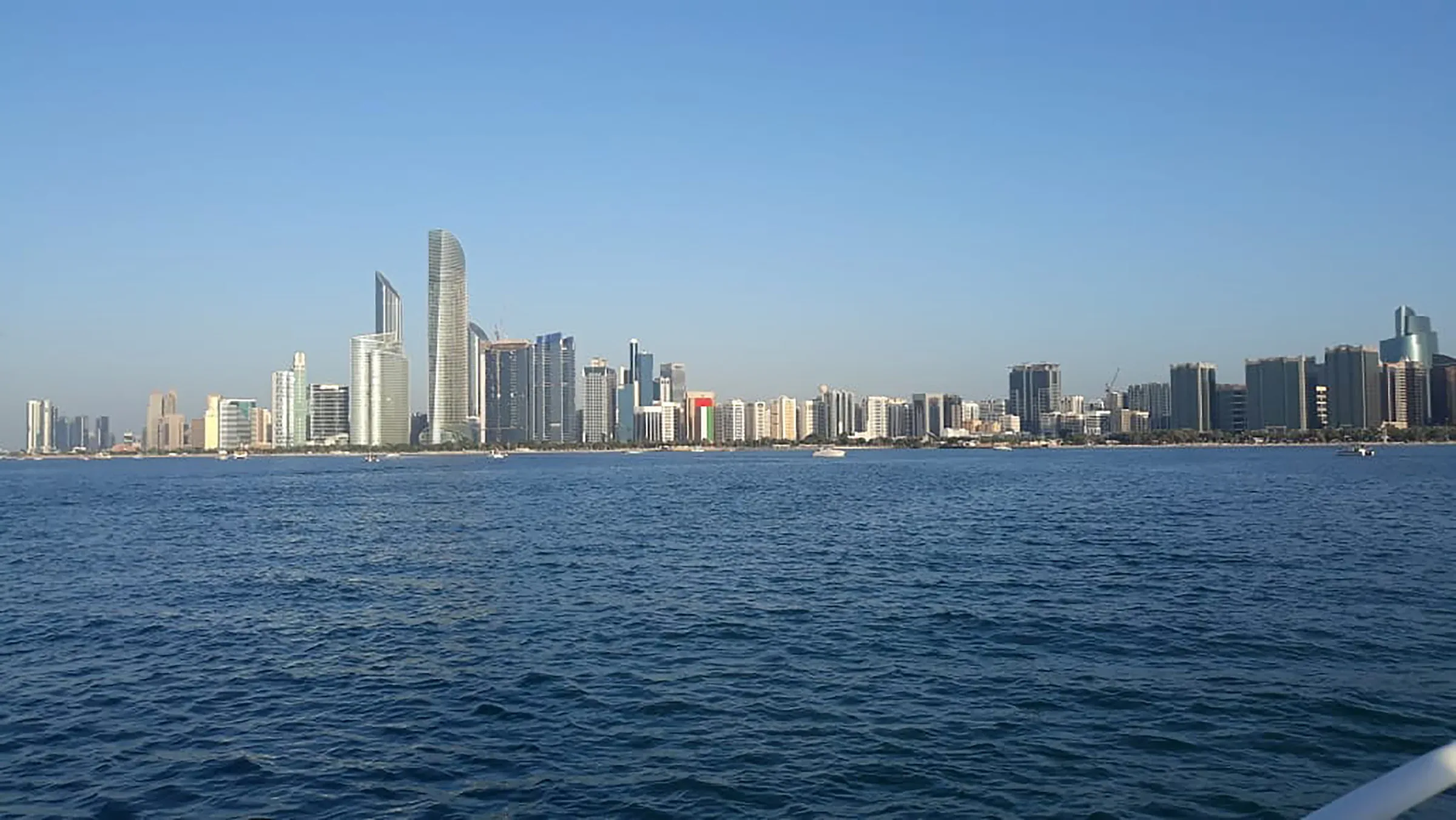 Corniche and Central Abu Dhabi
The capital's classic waterfront gives visitors an easy Abu Dhabi rhythm: beach gates, family zones, skyline views, cycling and sunset walks without needing a complicated plan.
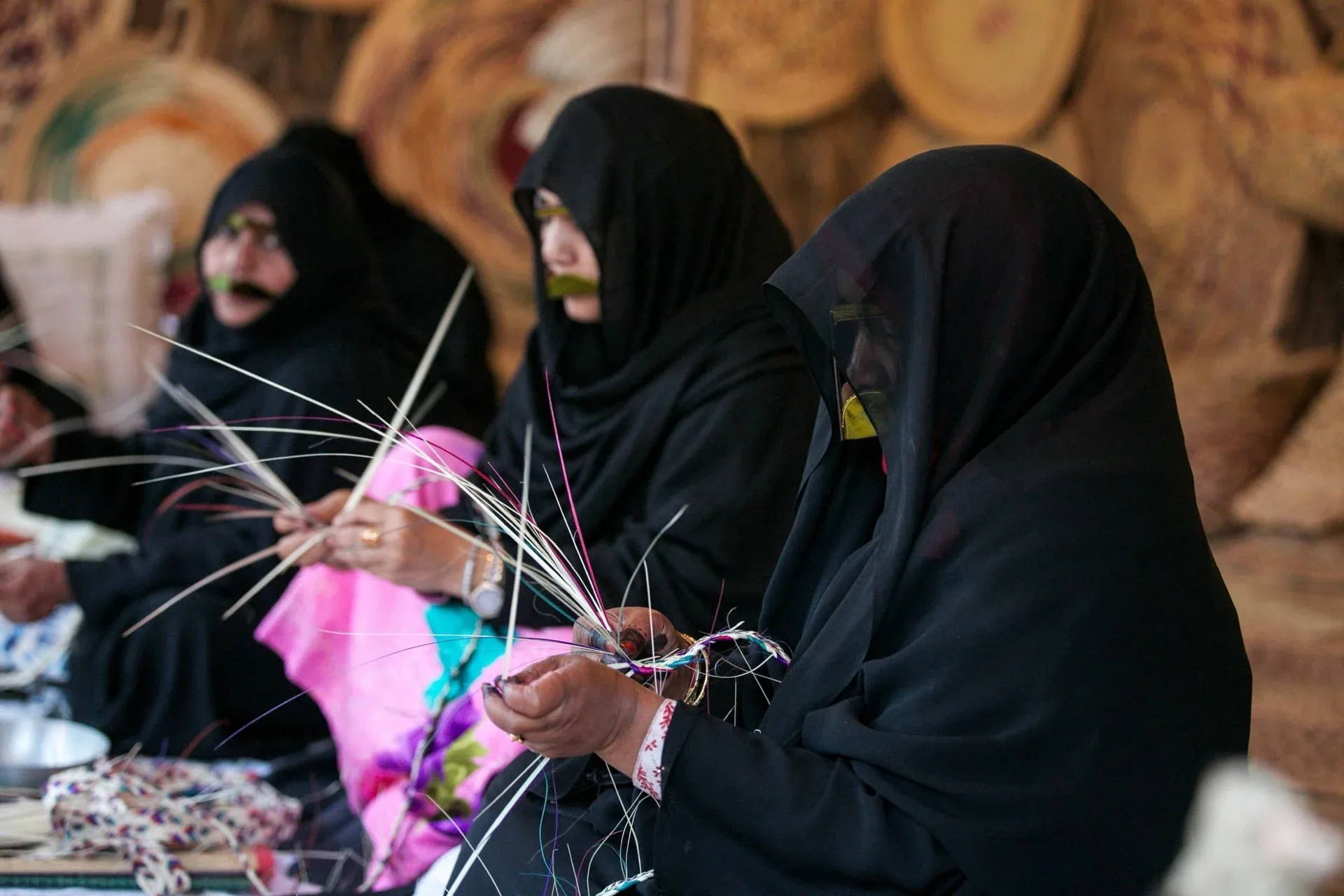 Corniche and Central Abu Dhabi
A compact, meaningful craft stop beside Qasr Al Hosn, focused on Emirati making traditions rather than souvenir-only heritage.
 Corniche and Central Abu Dhabi
A central arts landmark beside Qasr Al Hosn, best for exhibitions, performances, workshops and a calmer local cultural rhythm.
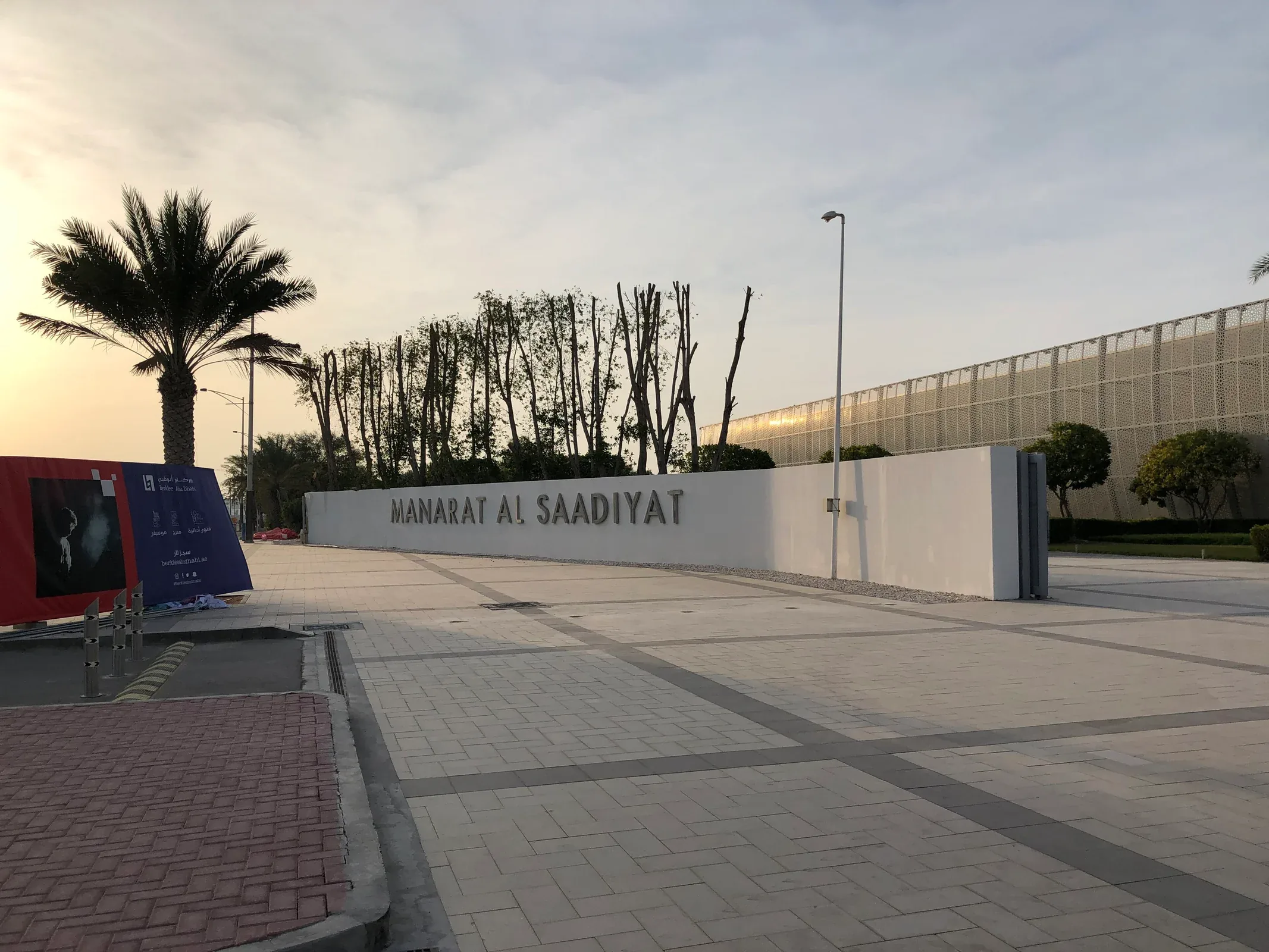 Saadiyat Island
Saadiyat’s community art hub, useful for exhibitions, talks, workshops and understanding the island beyond its headline museums.
Add practical stops to your Abu Dhabi plan across places, hotels, shopping, and food.
 West Corniche
Abu Dhabi's palace hotel is a destination in its own right: choose it for ceremony, family beach time, grand public spaces and easy access to Qasr Al Watan, the Corniche and Emirates Palace dining.
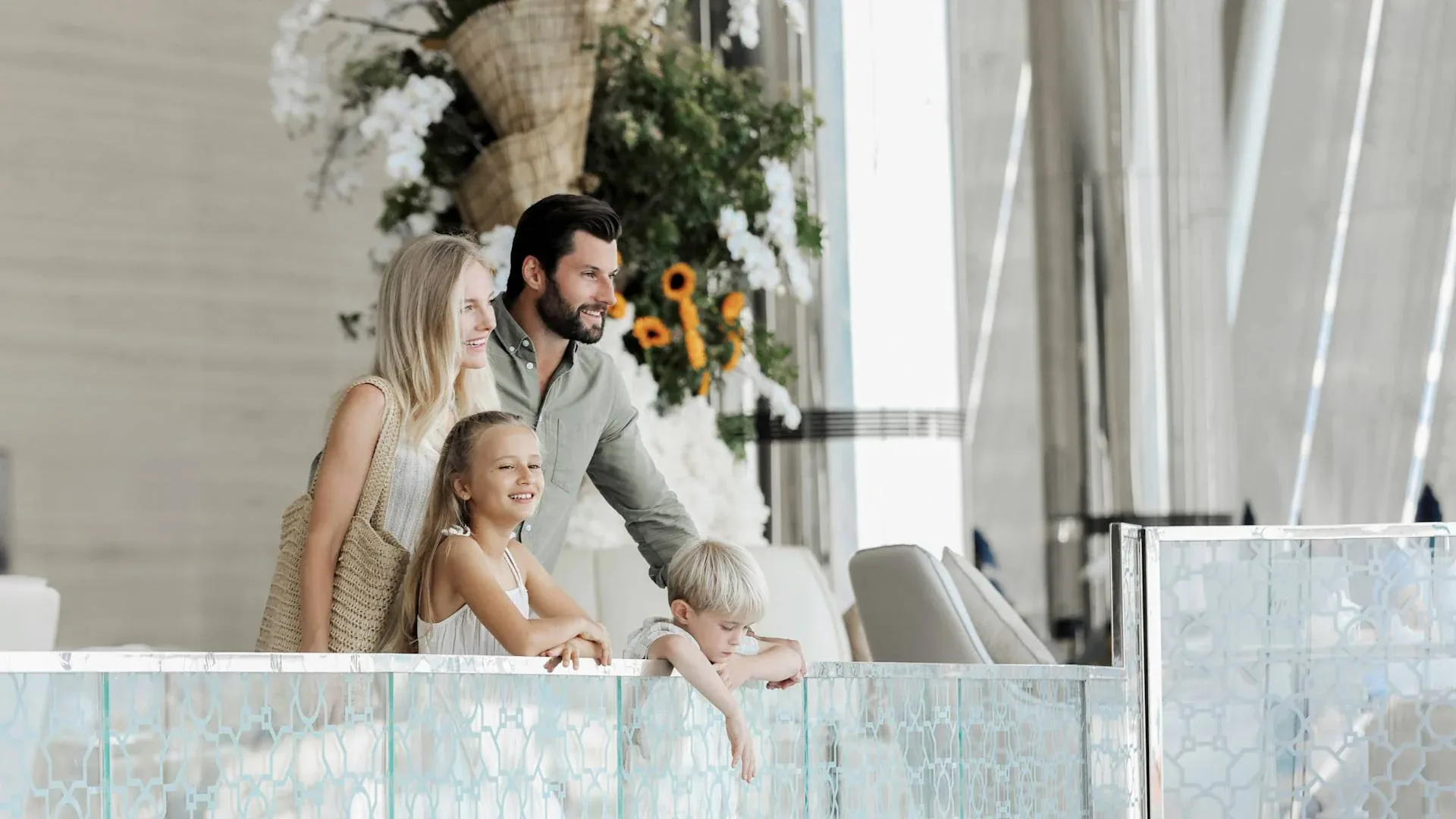 West Corniche
A polished Corniche-west base with skyline views, beach access, Observation Deck at 300 and enough dining on site to suit travelers who want luxury without losing city access.
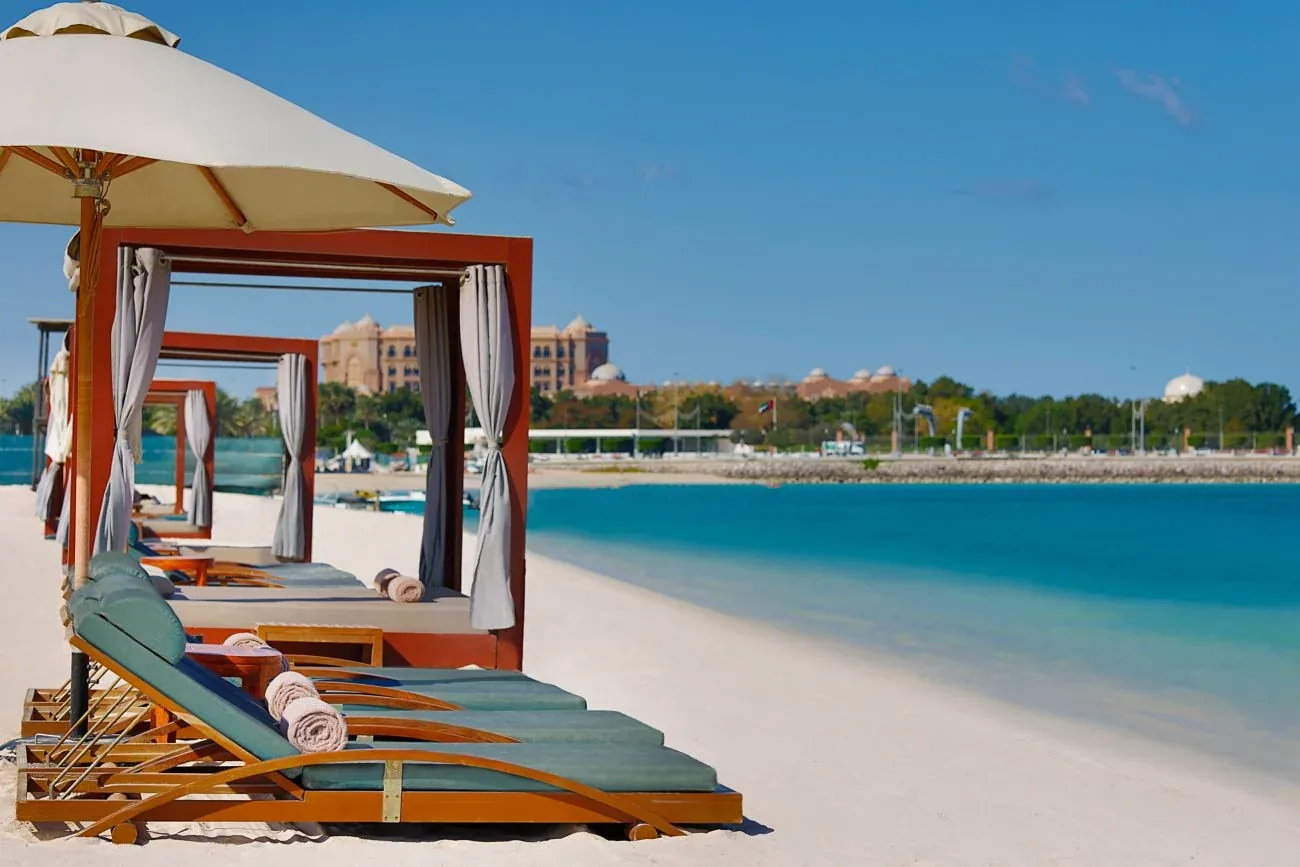 Corniche
A classic Corniche luxury stay with private beach-club access, polished service and strong family convenience near the western waterfront landmarks.
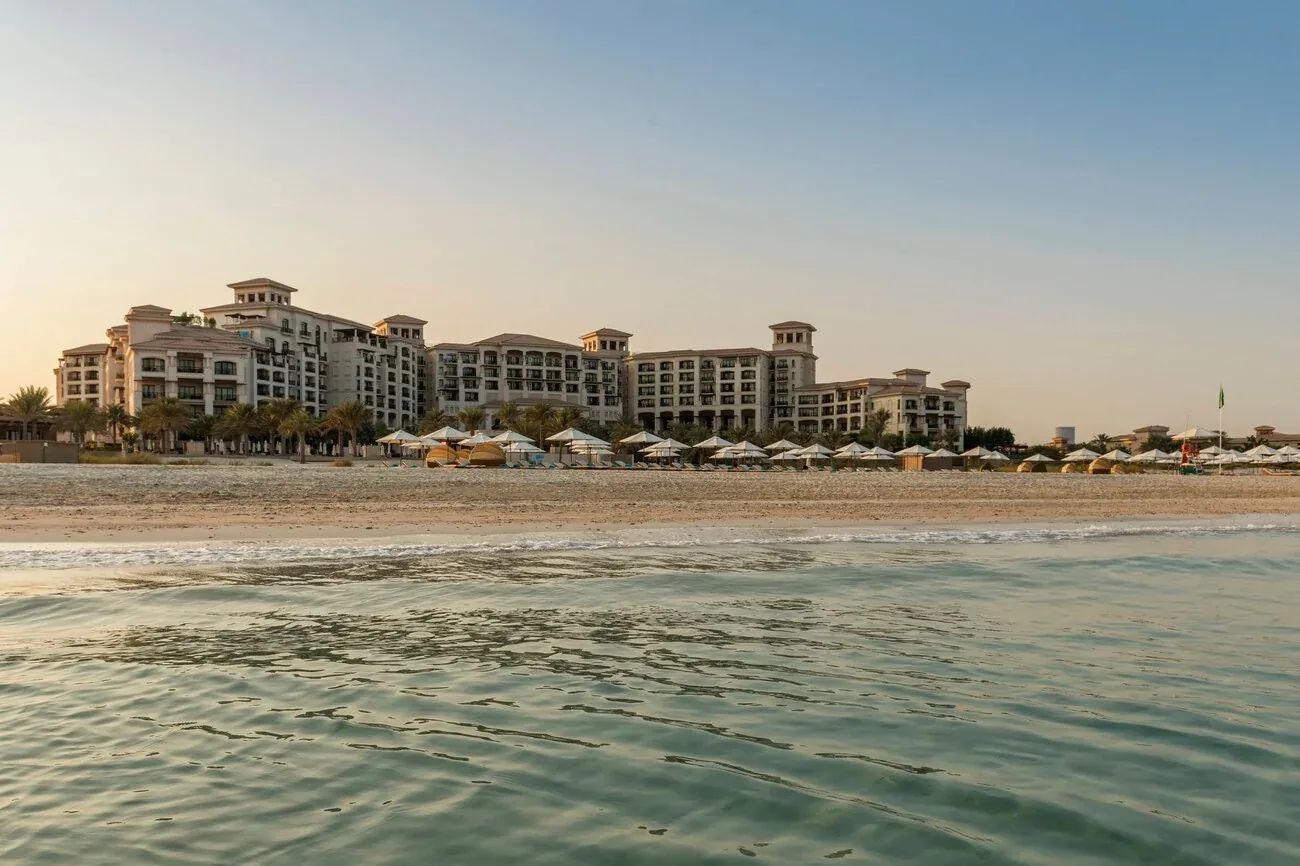 Saadiyat Island
A high-end Saadiyat beach resort for travelers who want white sand, cultural-district access and a calmer Abu Dhabi rhythm.
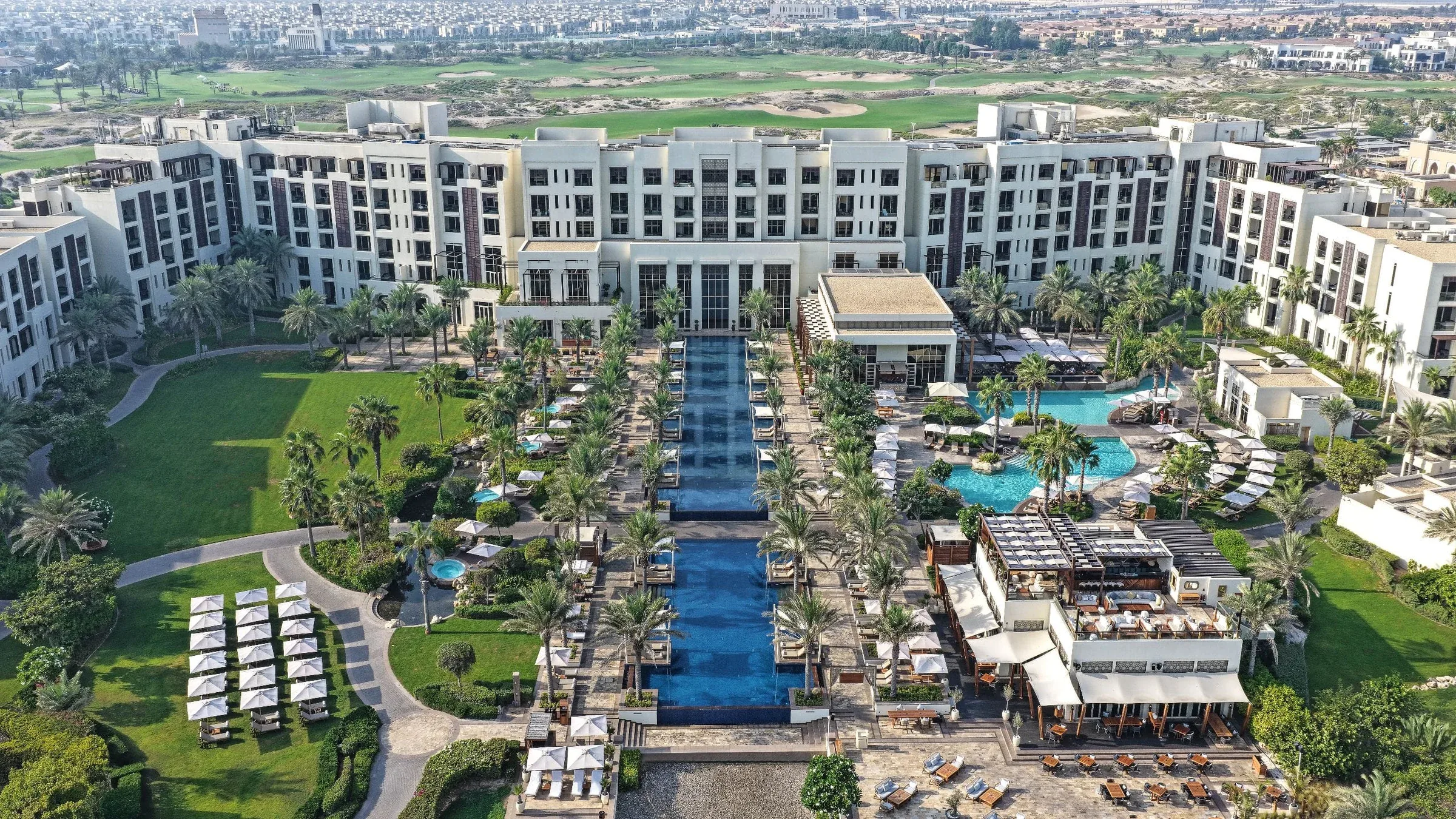 Saadiyat Island
A composed Saadiyat Island beach resort with villas, pools and easy access to the cultural district, best for travelers who want quiet luxury rather than spectacle.
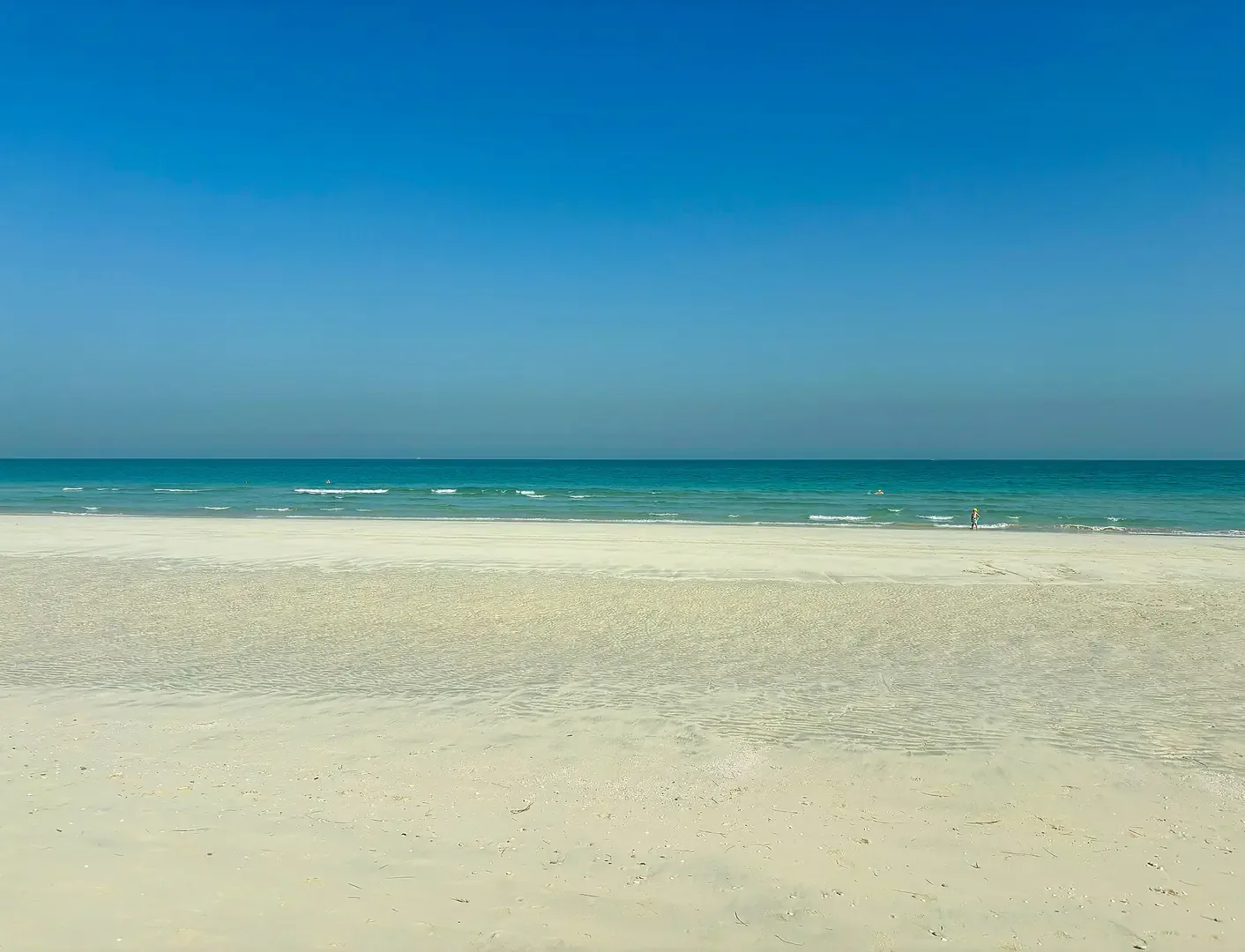 Saadiyat Island
A polished Saadiyat beach resort for families and couples who want a contemporary, Gulf-facing stay with a strong resort rhythm.
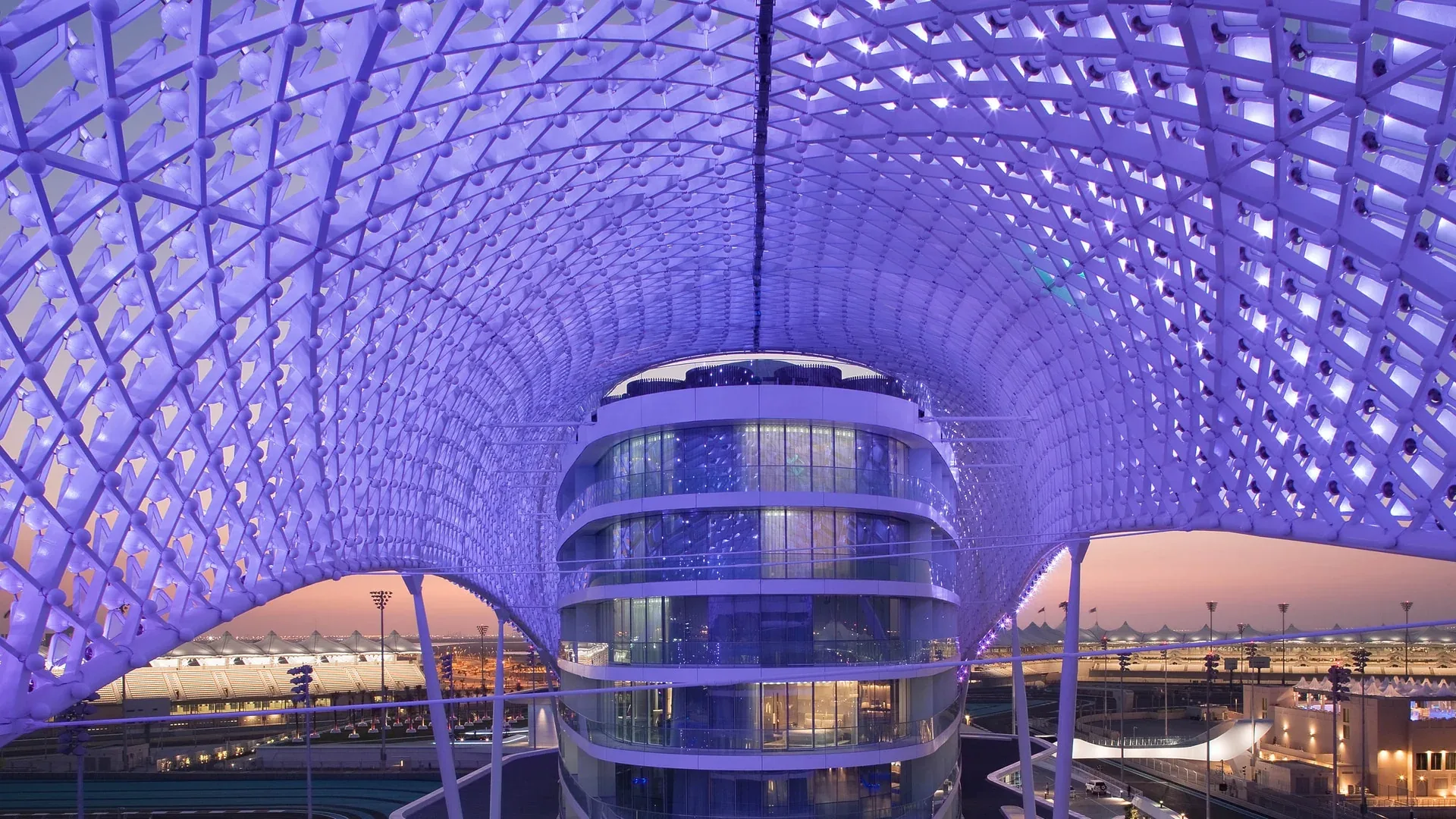 Yas Island
A landmark Yas Island hotel built around the Yas Marina Circuit experience, best for F1 energy, nightlife, events and theme-park access.
 Yas Island / Yas Bay
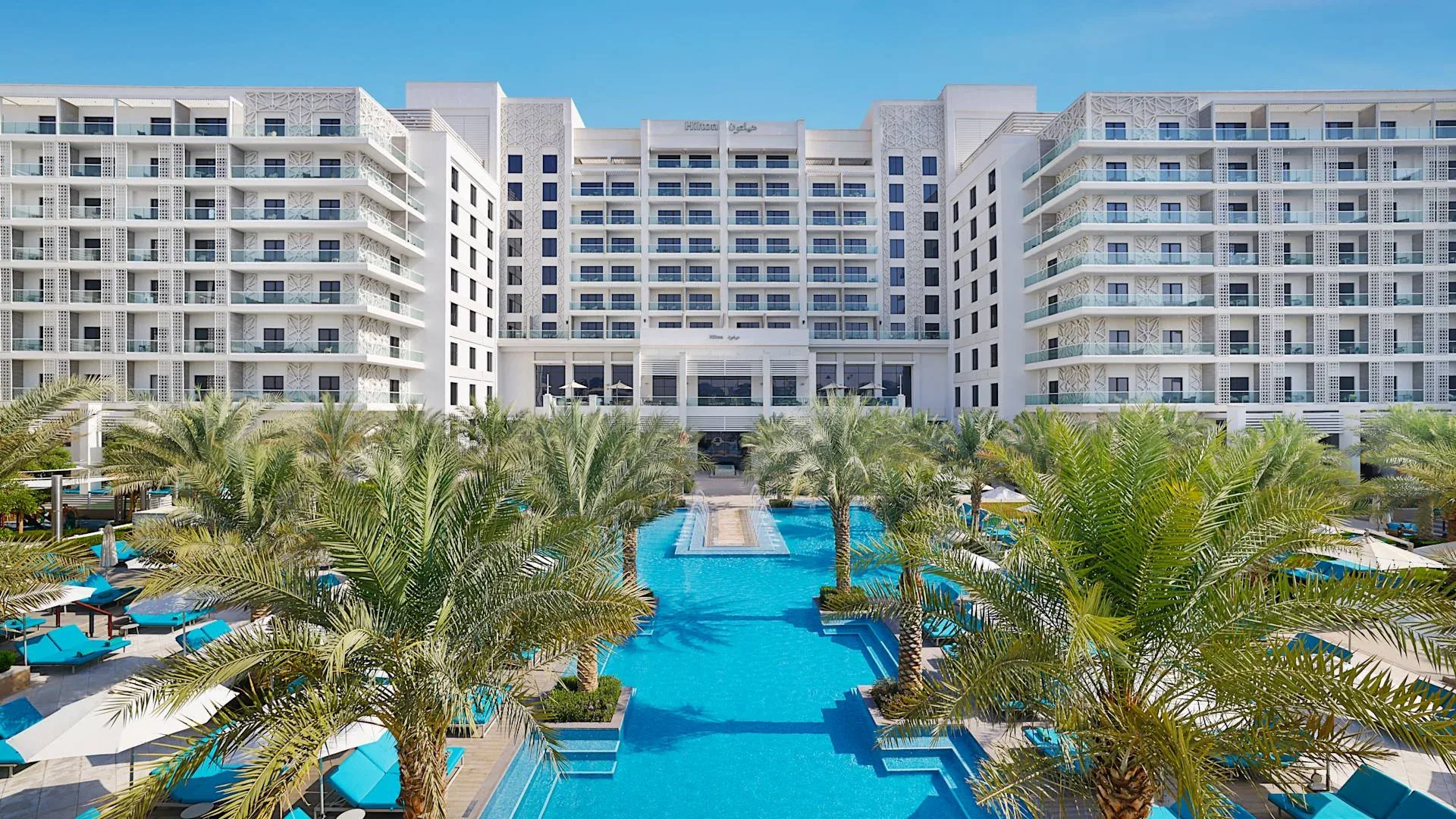
A practical Yas Bay waterfront hotel for families, arena visitors and theme-park trips, with easy access to Etihad Arena and Yas attractions.
 Yas Island
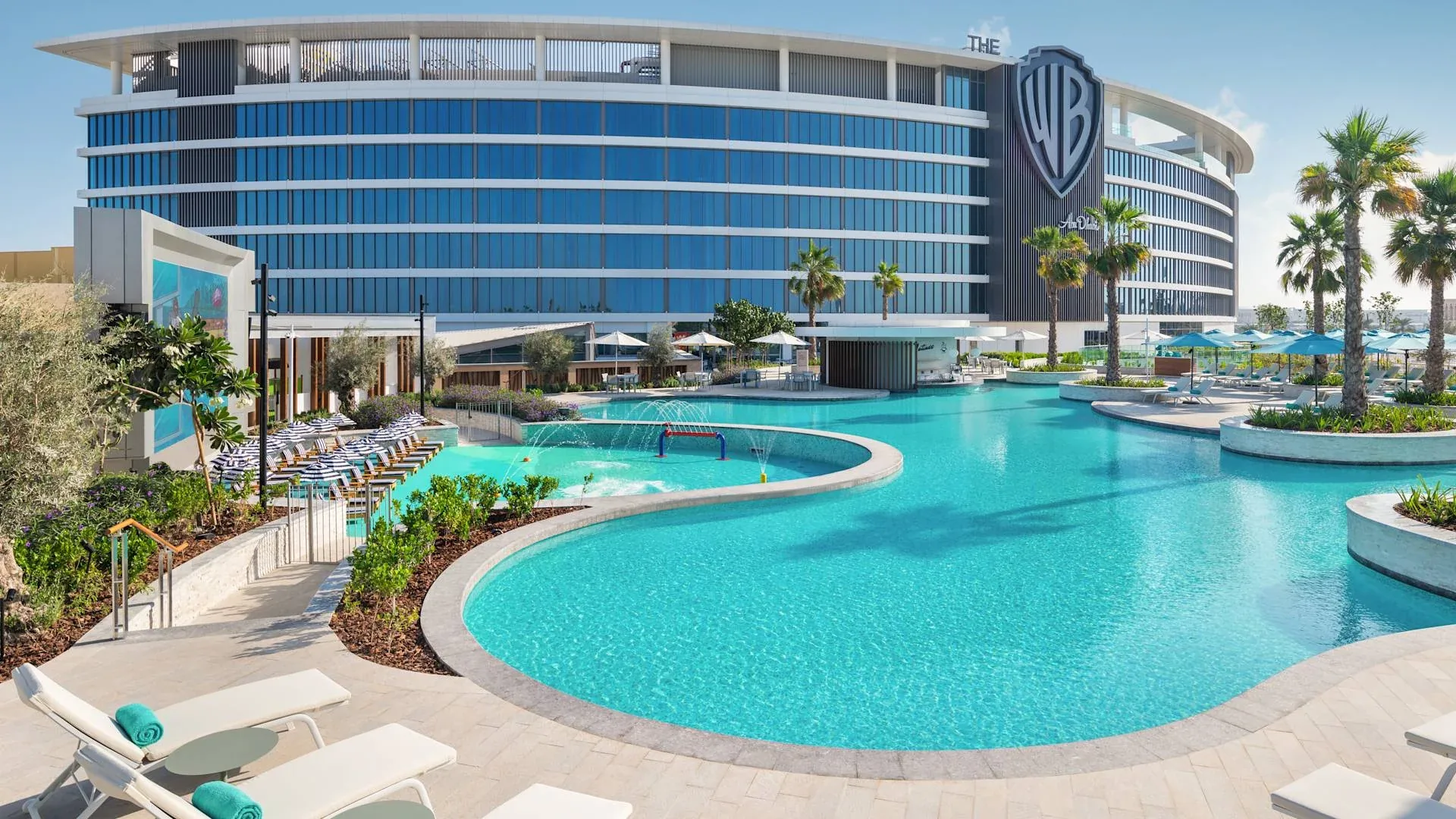
A themed Yas Island hotel beside Warner Bros. World Abu Dhabi, ideal for families who want the easiest theme-park logistics.
 Liwa / Empty Quarter
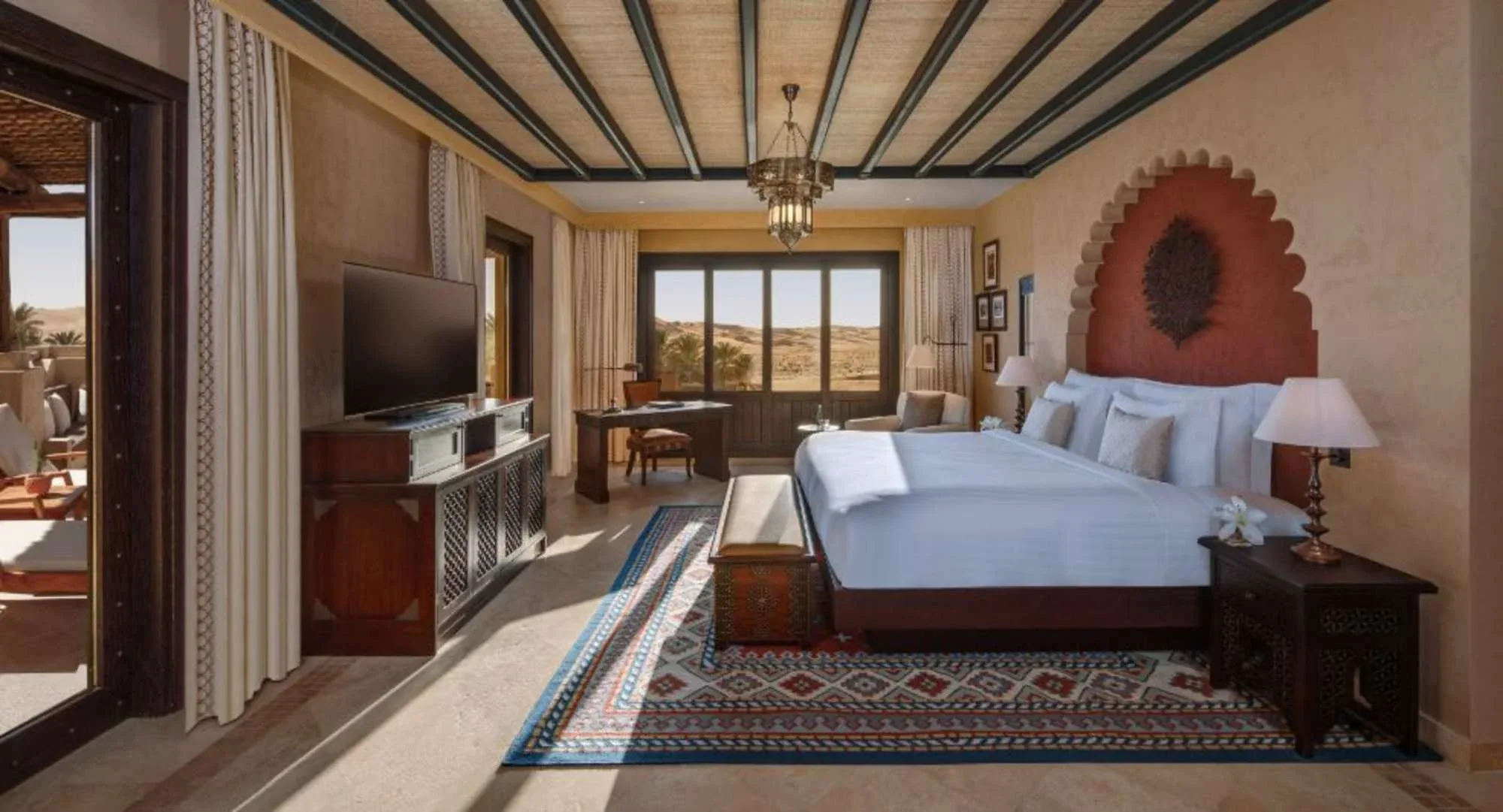
A destination desert resort in the Liwa region for travelers who want Abu Dhabi beyond the city: dunes, stillness, villas and a full Empty Quarter escape.
Add practical stops to your Abu Dhabi plan across places, hotels, shopping, and food.
 Yas Island
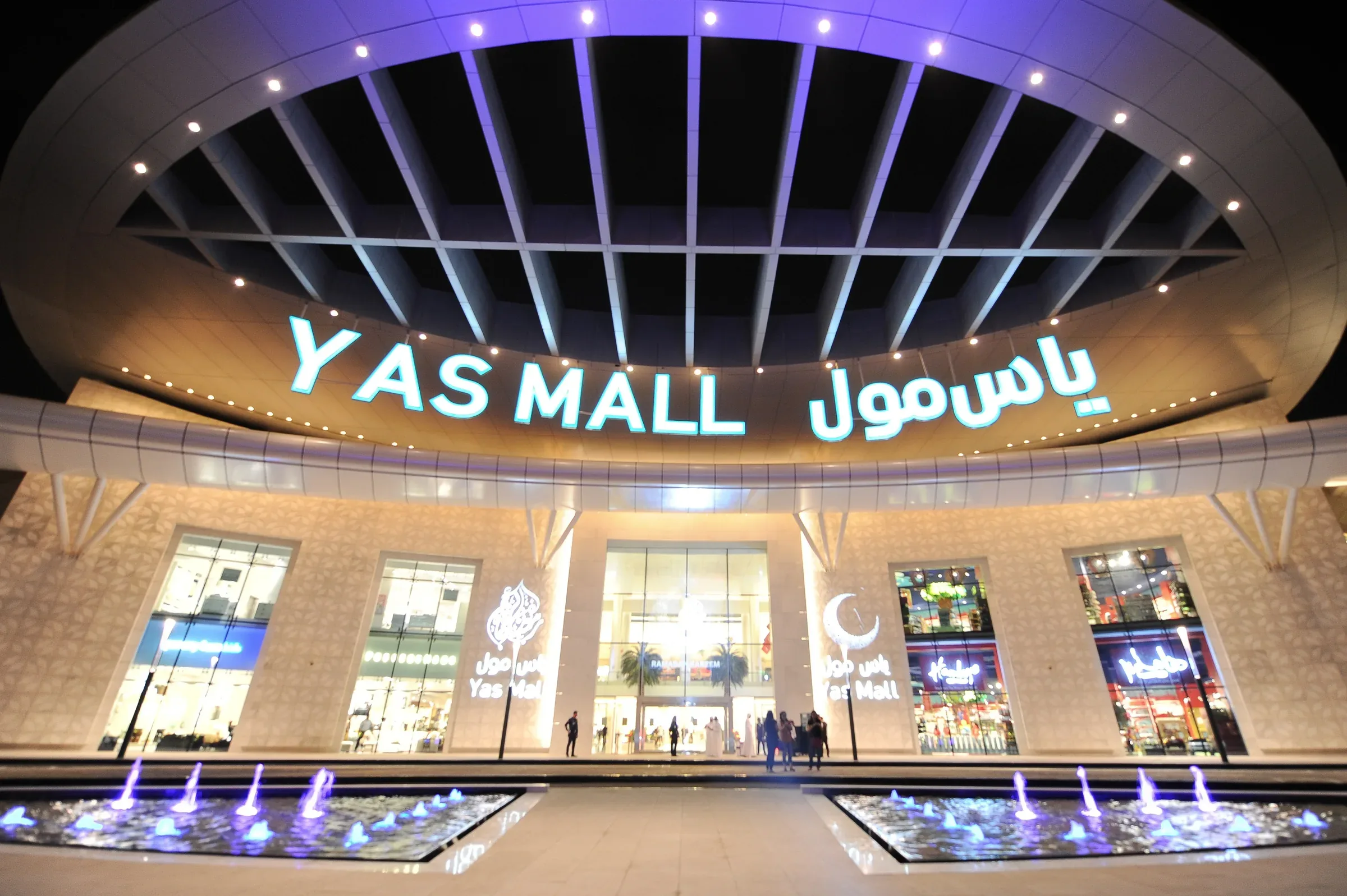
Yas Mall is the practical indoor anchor of Yas Island: shopping, food, prayer planning, KidZania, cinema and theme-park adjacency in one air-conditioned base.
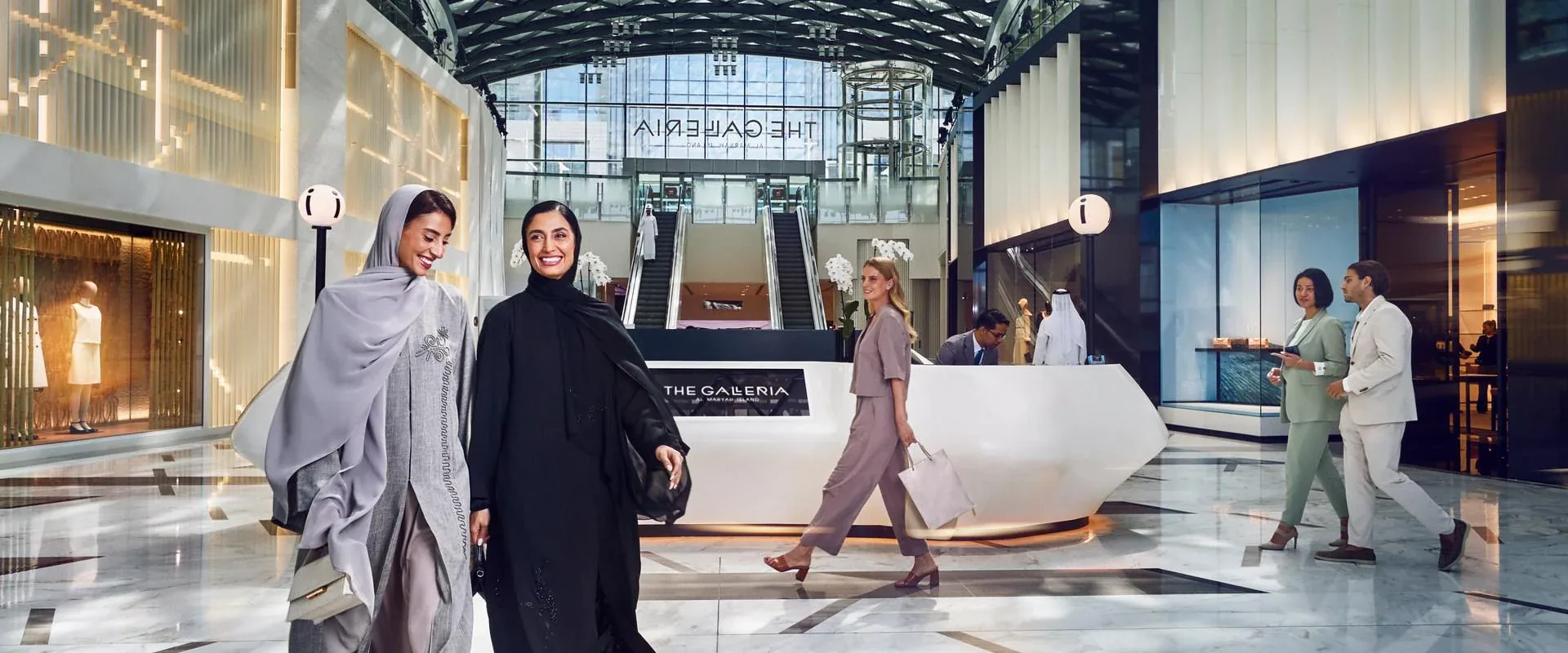 Al Maryah Island
The Galleria is Abu Dhabi's polished Al Maryah Island mall, useful for luxury shopping, waterfront dining and a quieter high-end break between Corniche, business district and hotel plans.
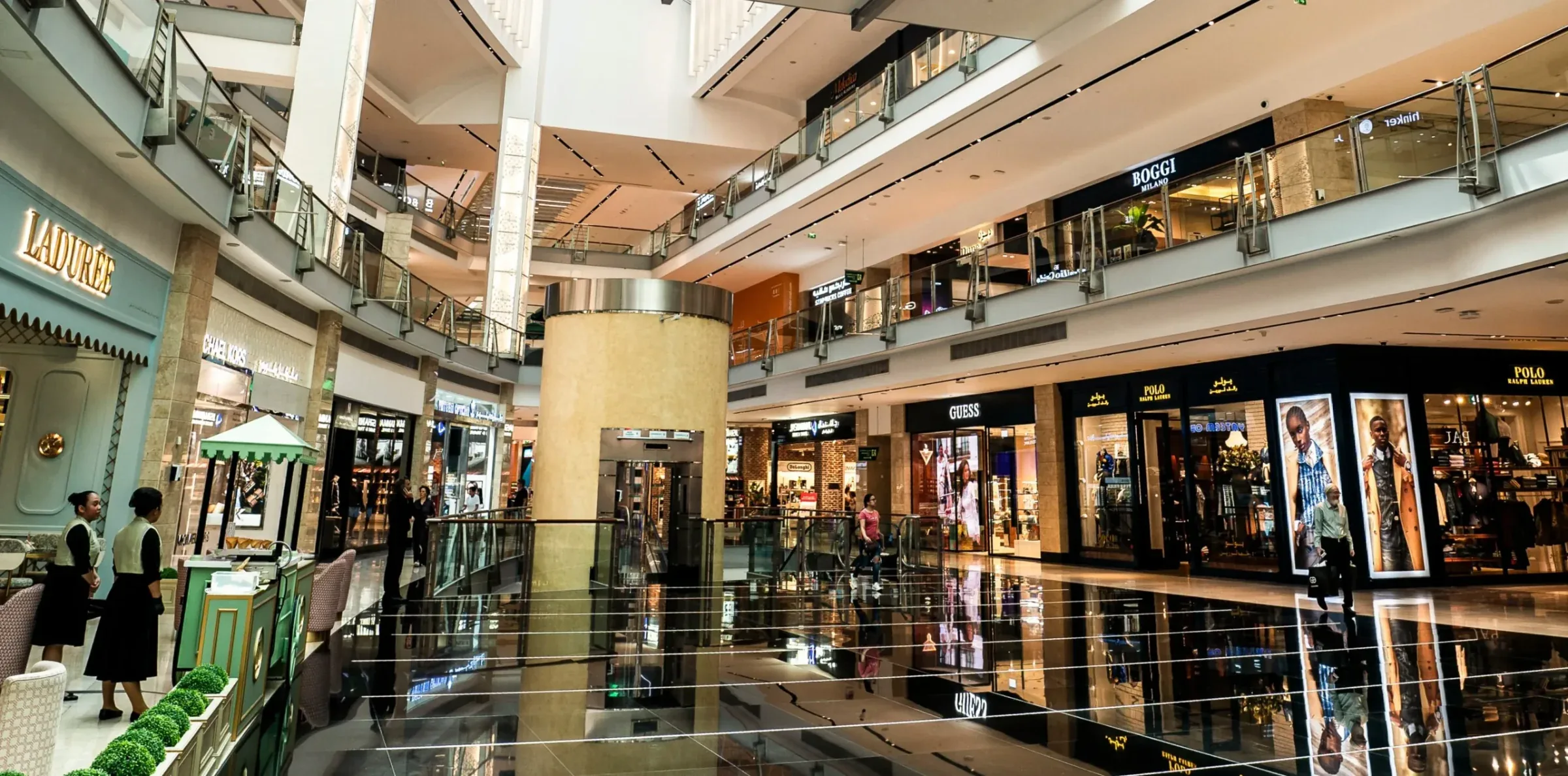 Tourist Club Area
A central, practical shopping mall with strong everyday retail, dining, and family appeal in the Tourist Club area, useful for visitors staying in the city core.
A classic Abu Dhabi shopping stop with more than 400 shops and a useful gold-centre next door, best for travellers who want breadth, value, and a more traditional retail feel.
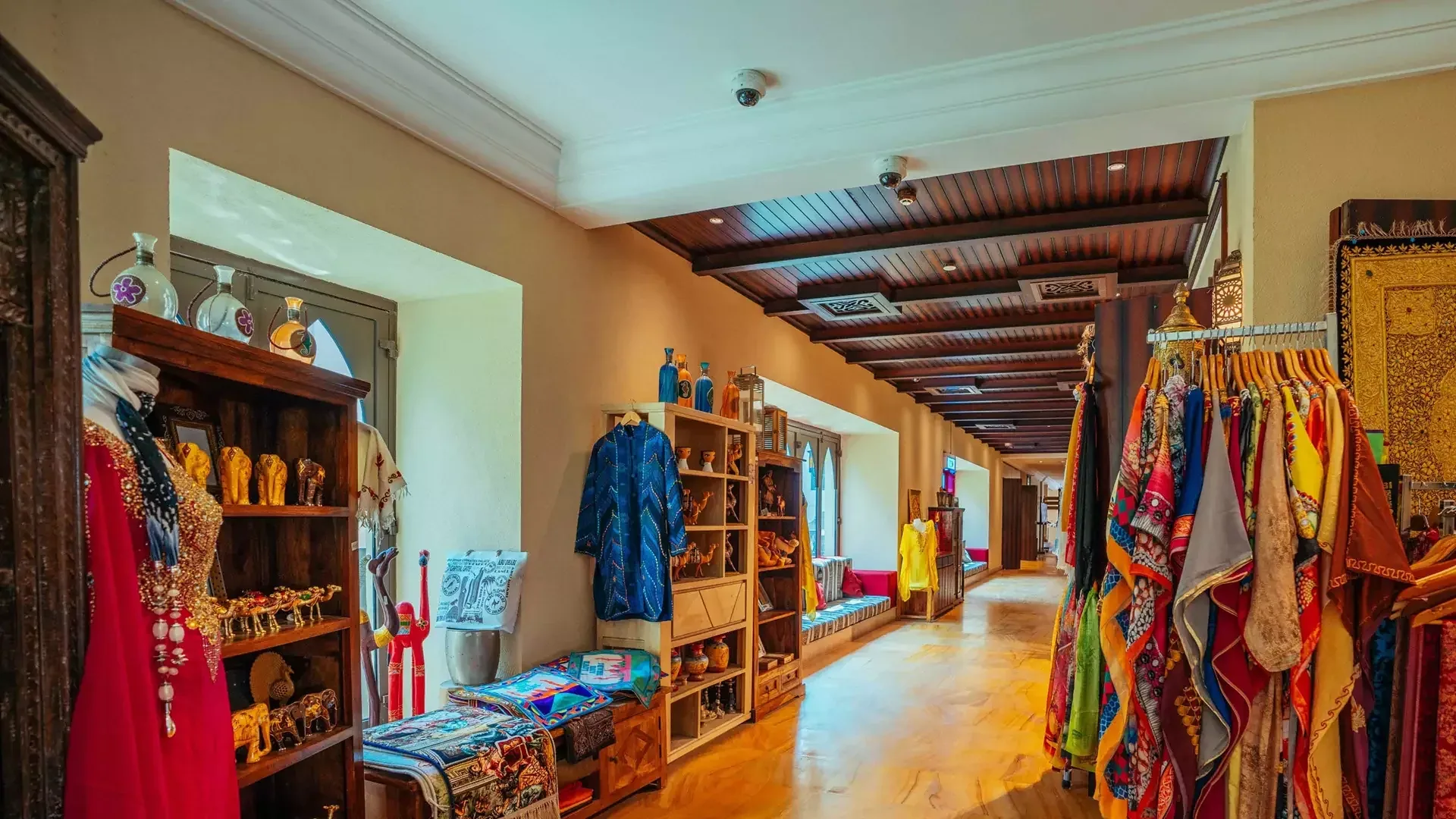 Khor Al Maqta
A contemporary souk with canals, abra rides, and strong views toward the Grand Canal and Sheikh Zayed Grand Mosque, best for travellers who want atmosphere with their shopping.
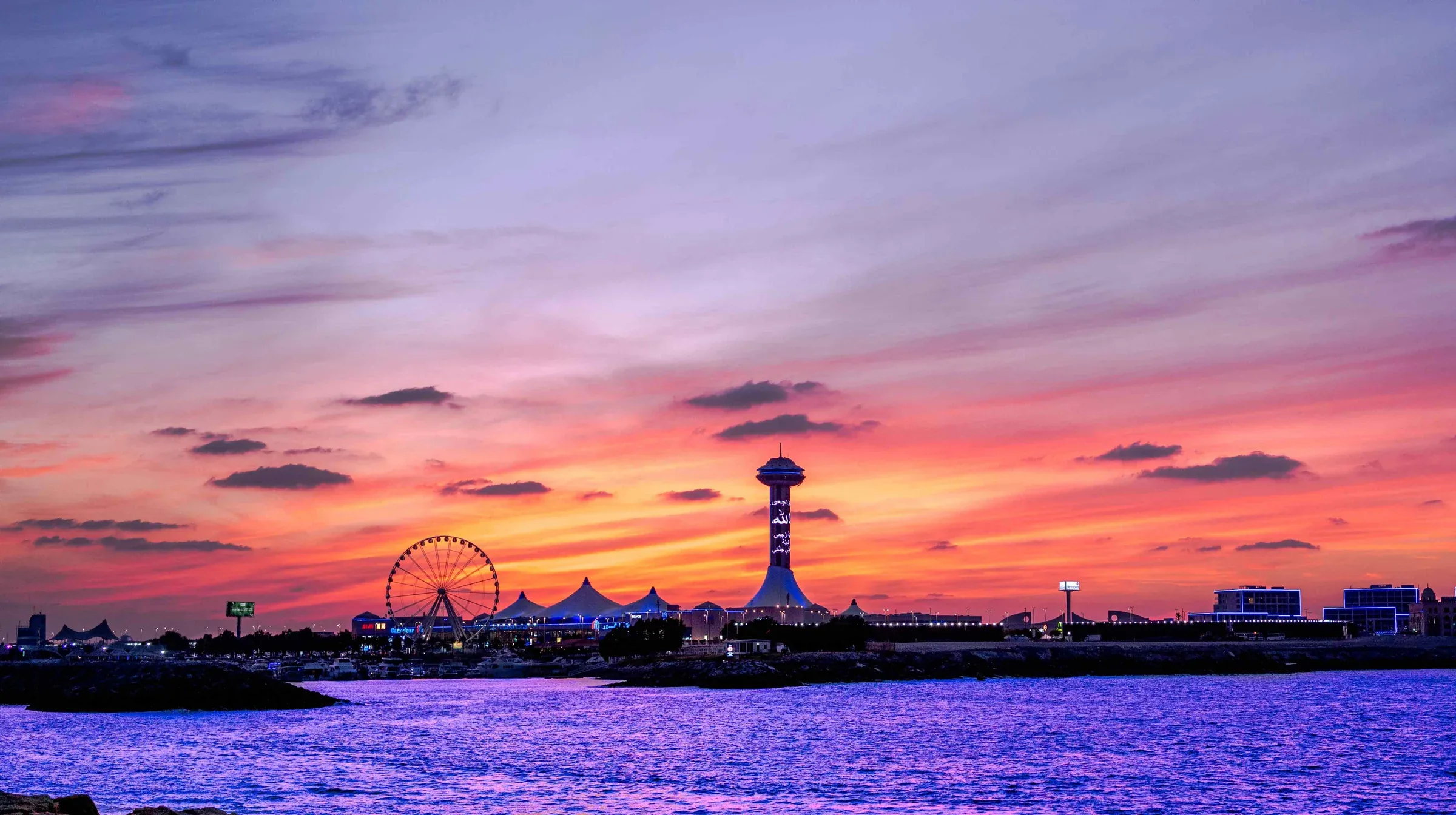 Marina Mall Island / Breakwater
A landmark mall near the Corniche and Breakwater, useful when you want shopping, a meal, and a familiar Abu Dhabi waterfront setting in one stop.
 City center
A large, polished inner-city mall with strong everyday shopping, dining, and family entertainment, especially useful for people based near Hazza Bin Zayed Street.
A spacious neighbourhood mall with strong everyday retail and a useful fresh-food market, ideal for travellers staying in central Abu Dhabi and families buying practical items.
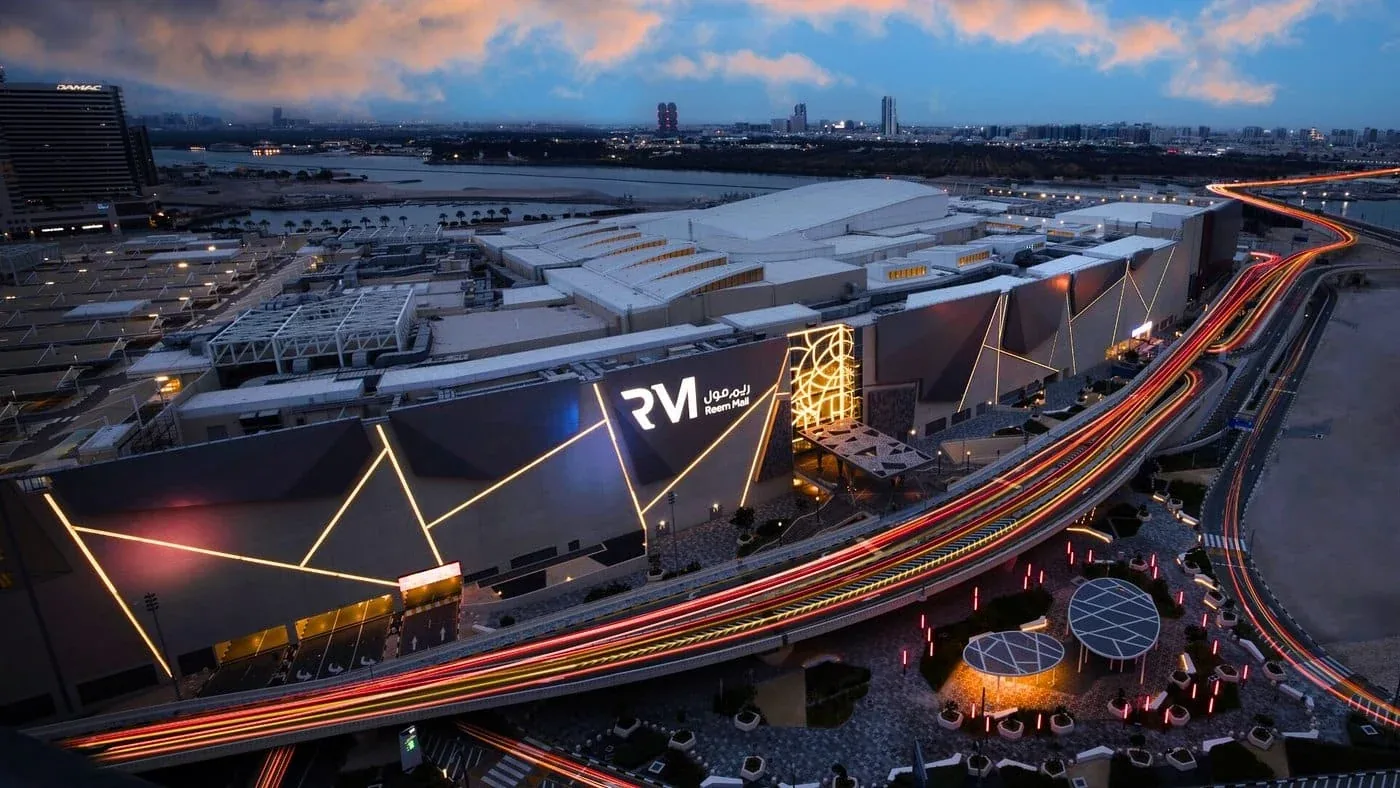 Al Reem Island
A newer retail giant on Al Reem Island, with a strong family angle, big-brand shopping, and the kind of scale that makes it a practical modern Abu Dhabi stop.
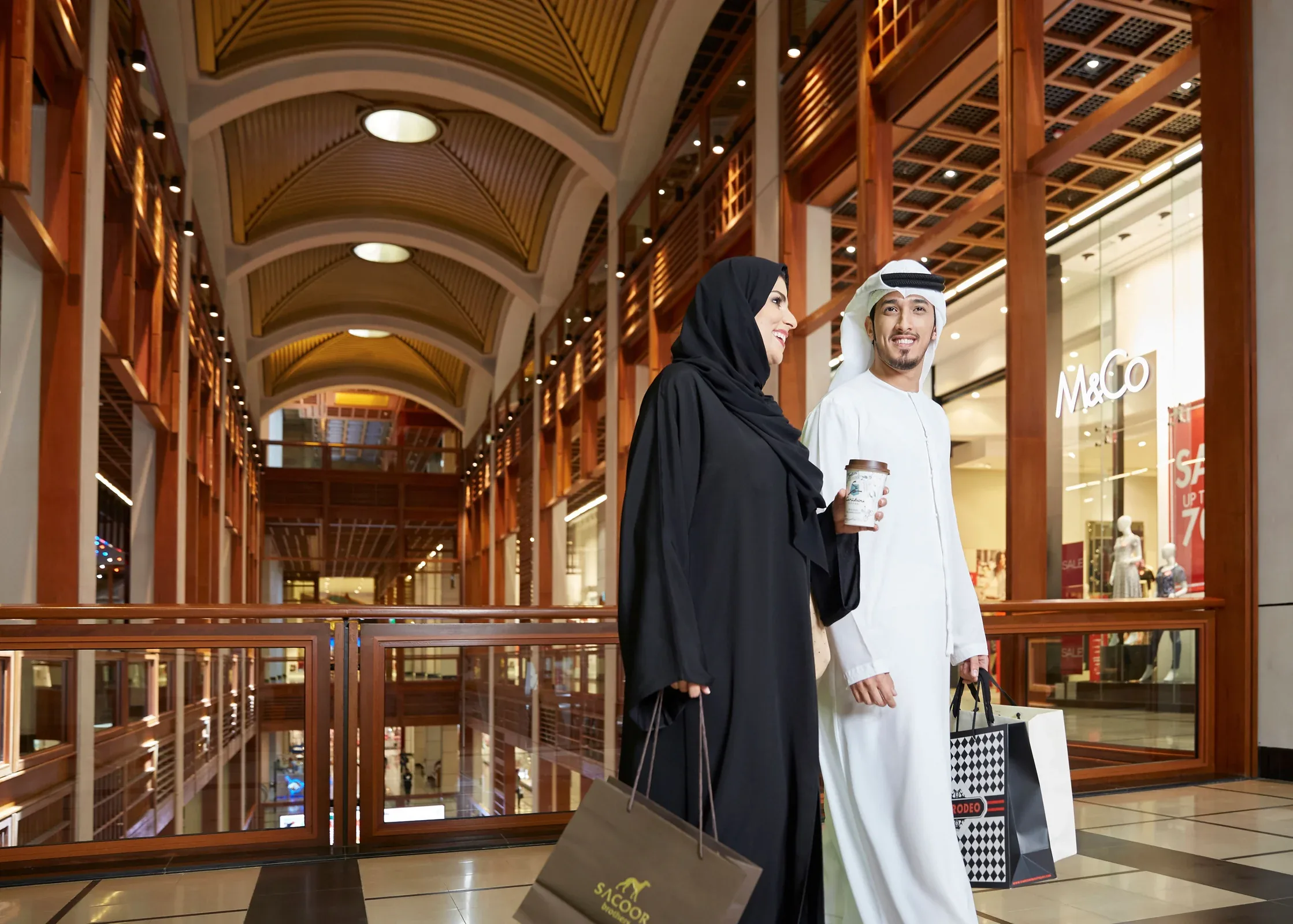 City center
A smart hybrid of mall convenience and traditional souk atmosphere, useful if you want one shopping stop that feels more characterful than the city’s standard malls.
Add practical stops to your Abu Dhabi plan across places, hotels, shopping, and food.
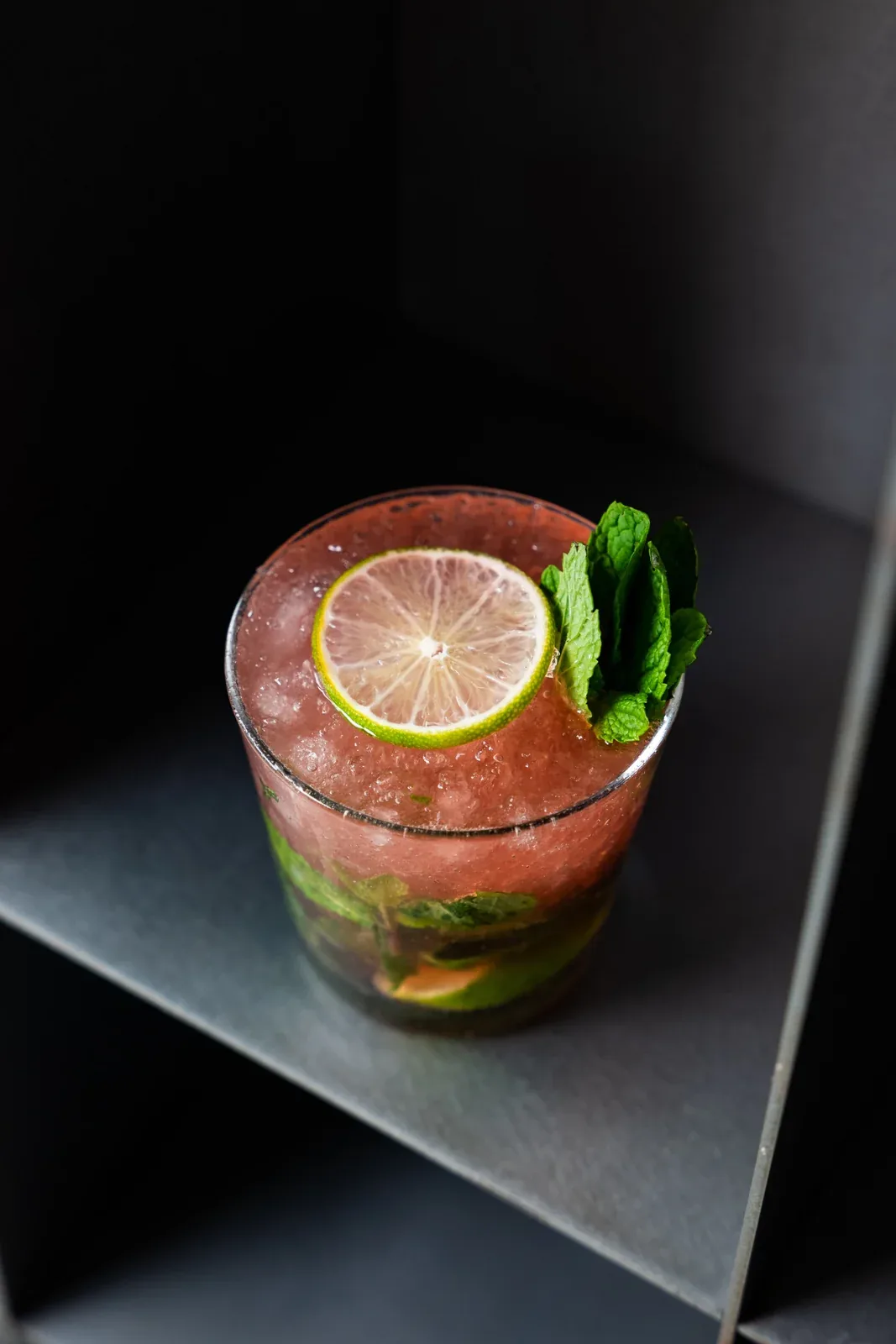 corniche-and-central-abu-dhabi
A Michelin-recognised Emirati restaurant in Al Hosn, Erth gives visitors a polished way into local flavour without losing the warmth of heritage cooking.
 corniche-and-central-abu-dhabi
Talea is the Emirates Palace choice for polished Italian dining, best for a special evening where food, service and palace setting matter more than budget.
 corniche-and-central-abu-dhabi
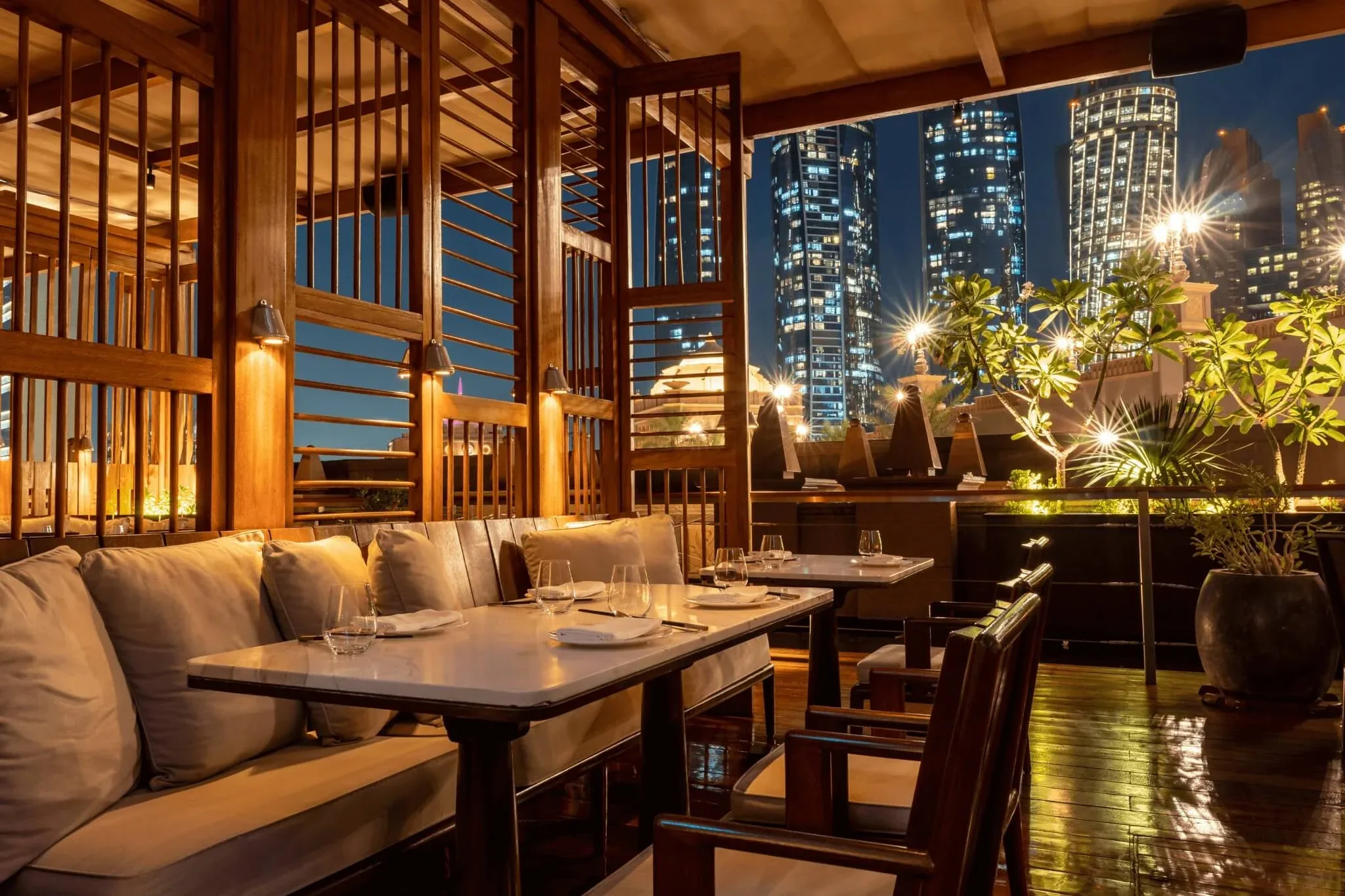
Hakkasan is Abu Dhabi's polished Cantonese fine-dining address at Emirates Palace, best for atmosphere and service but important to check for alcohol and menu restrictions.
 al-maryah-island
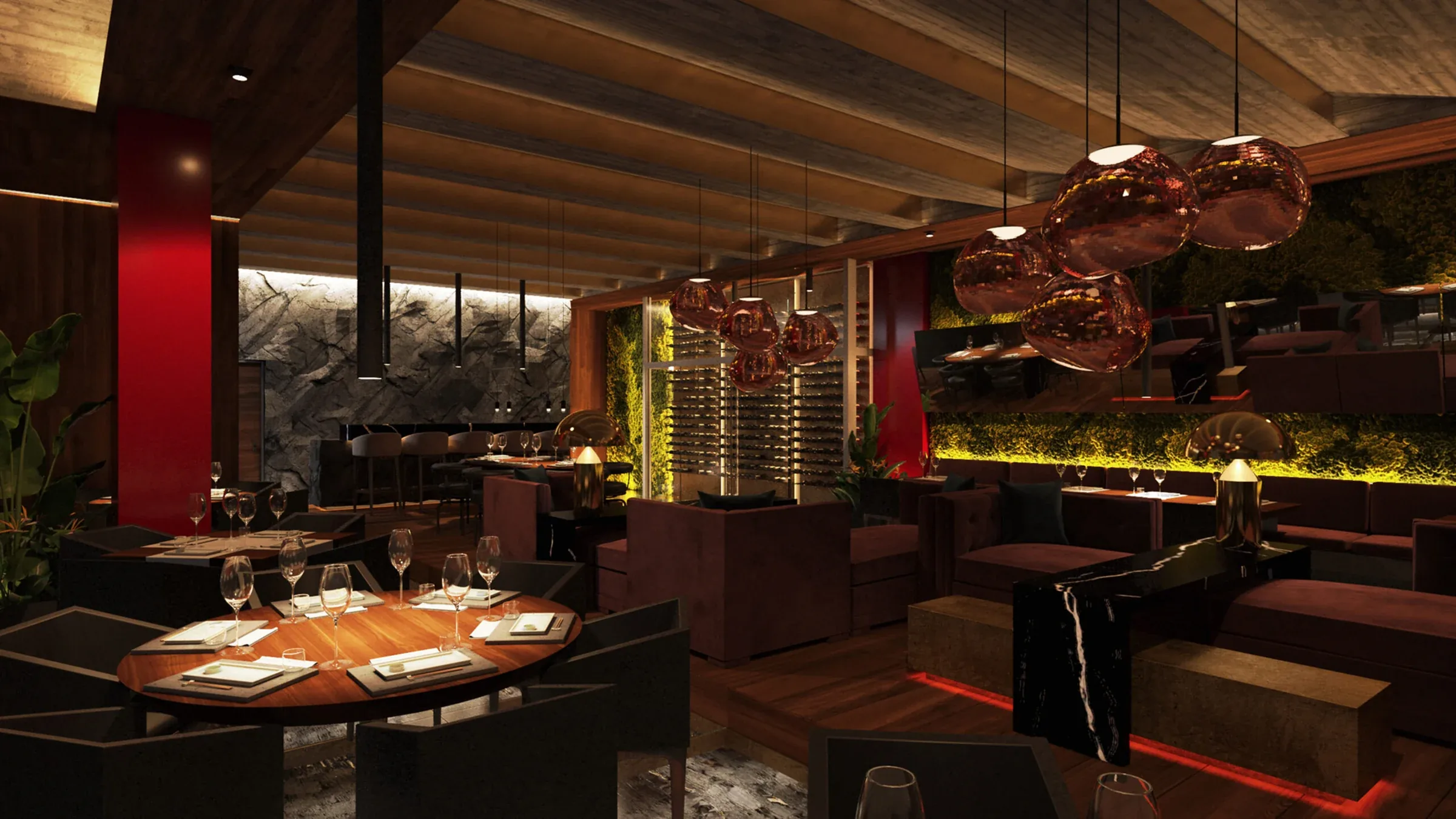
A high-end Japanese restaurant at The Galleria, strong for omakase-style precision and Al Maryah Island dining, but not suitable for pork-avoidant diners without careful menu checks.
 corniche-and-central-abu-dhabi
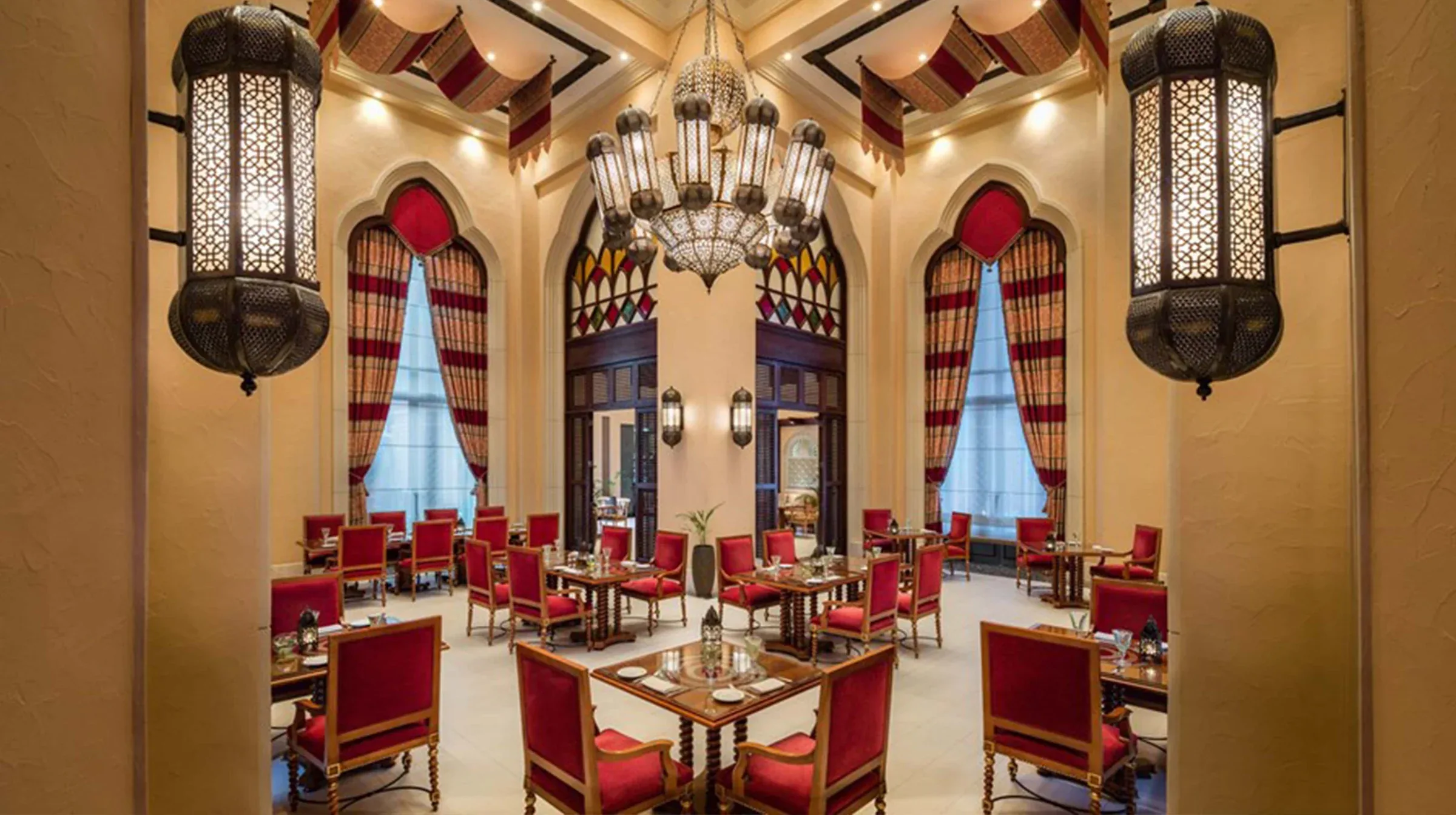
An established Emirati restaurant at Emirates Palace, useful for visitors who want local dishes in a formal palace-hotel setting.
 grand-mosque-and-eastern-corridor
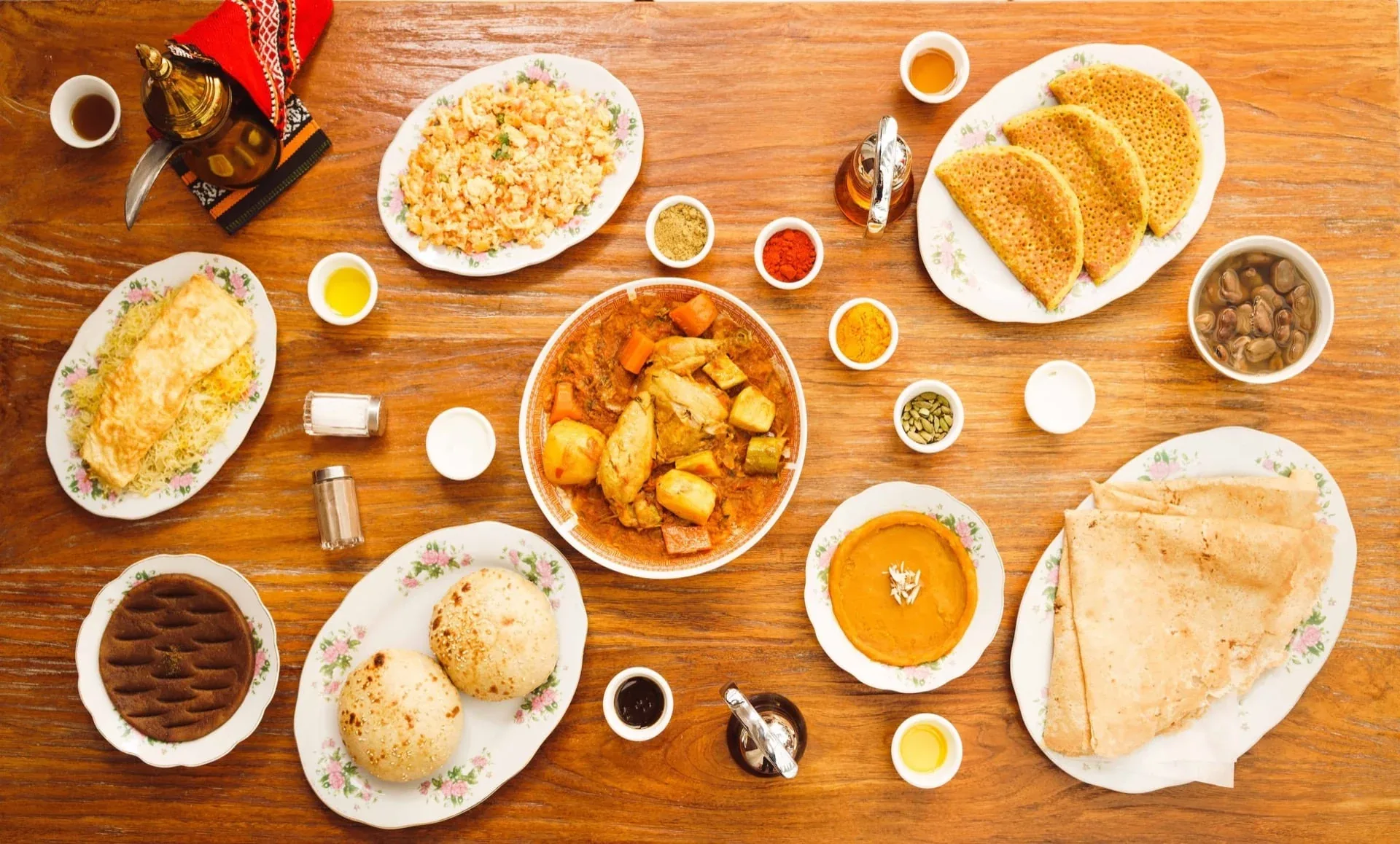
A city-core Emirati and Kuwaiti restaurant on Airport Road, good for hearty local dishes without a luxury-hotel price point.
 yas-island
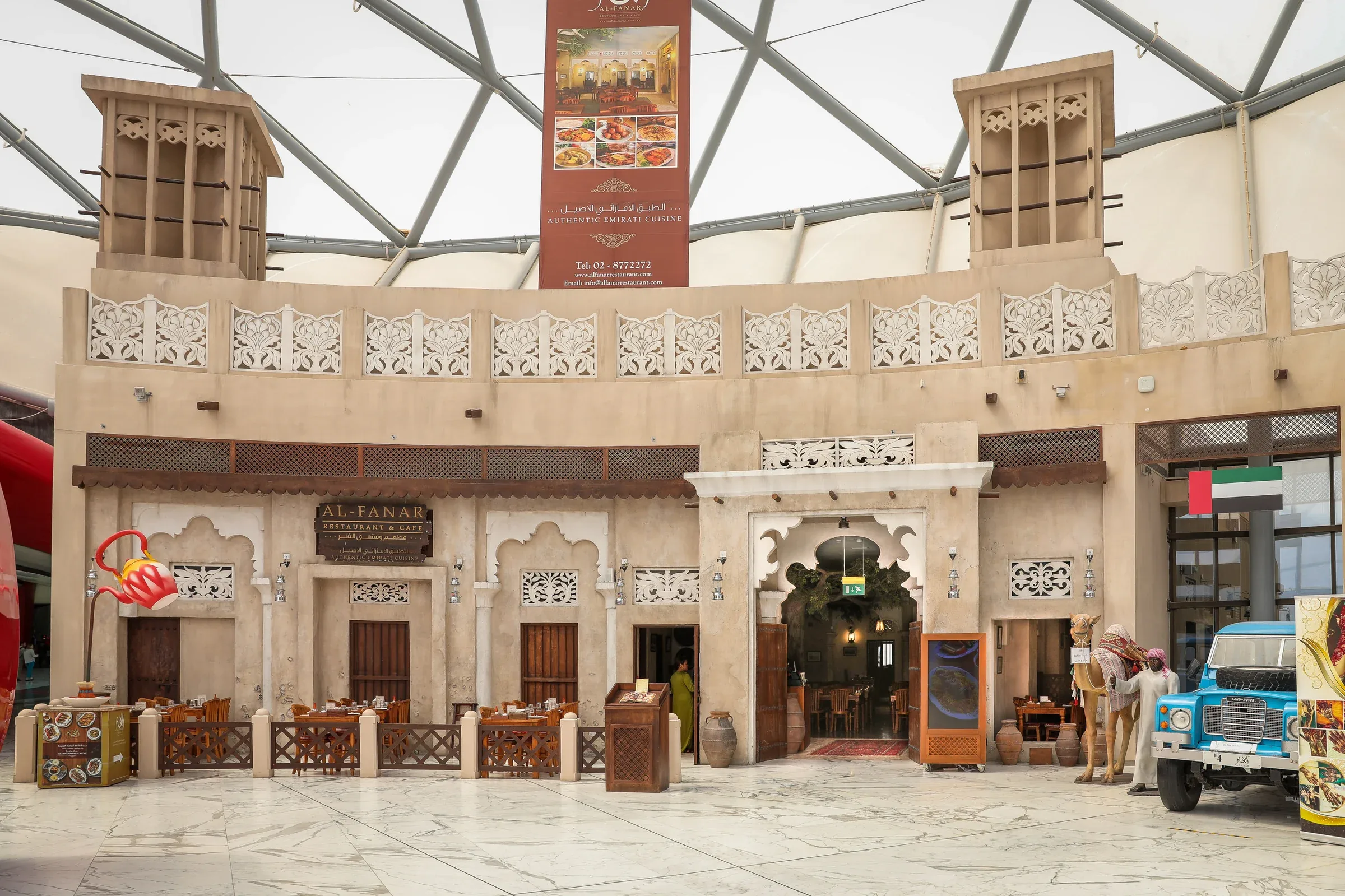
A practical Yas Island Emirati meal, Al Fanar is the family-friendly choice when you want local dishes between Ferrari World, Yas Mall and theme-park plans.
 corniche-and-central-abu-dhabi
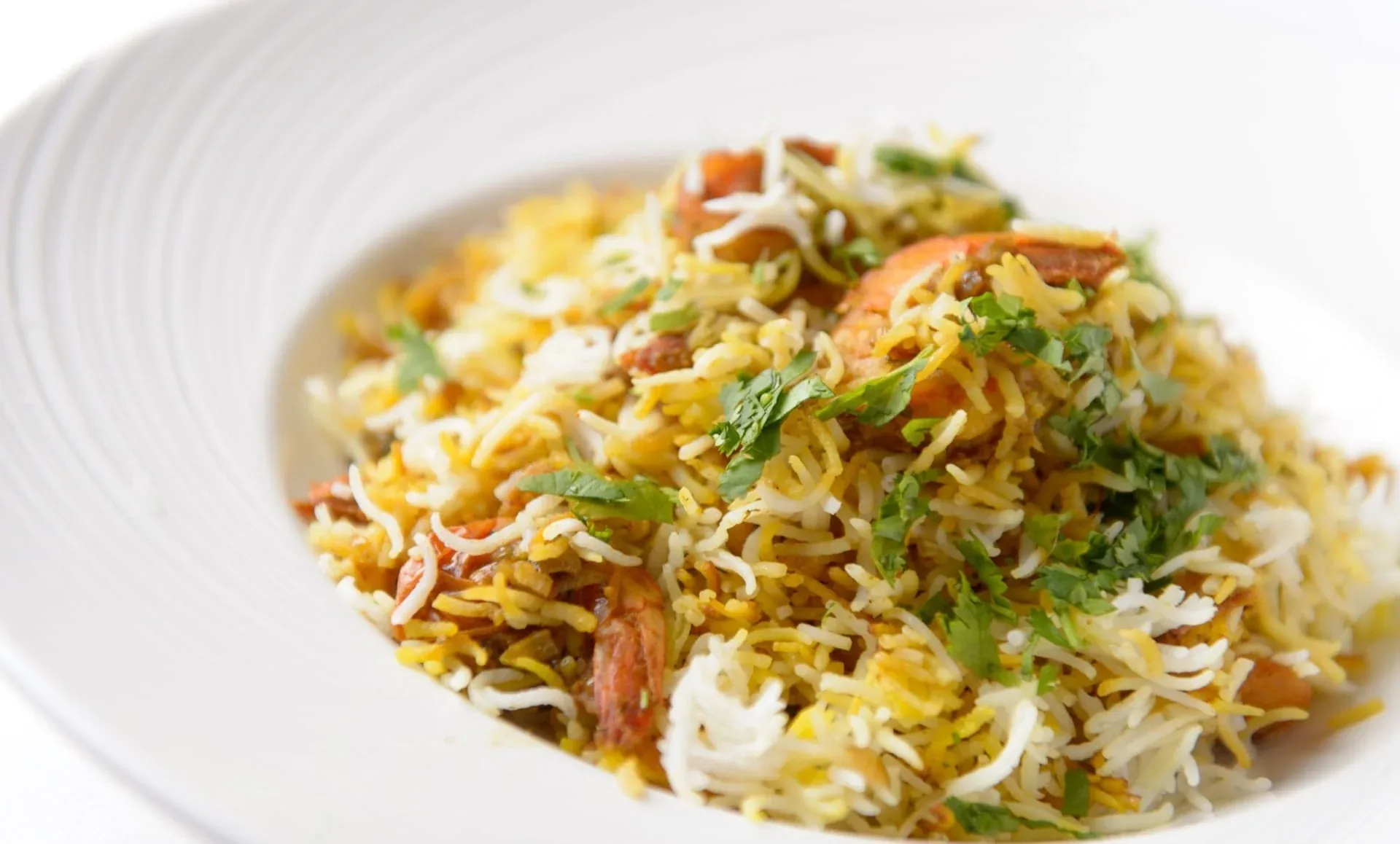
A heritage-style Emirati seafood and local-food restaurant near the Corniche, useful for groups that want a traditional meal with a more local feel.
 al-maryah-island
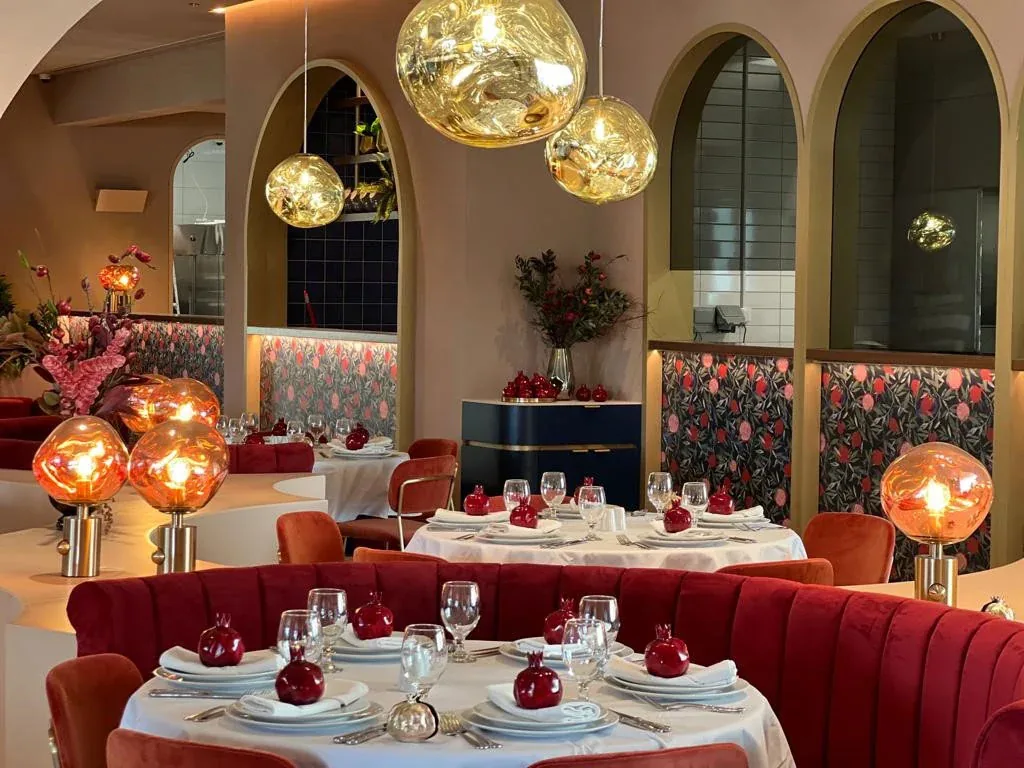
A Lebanese-Armenian restaurant at The Galleria, strong for sharing mezze and grilled dishes in a polished Al Maryah Island setting.
 saadiyat-island
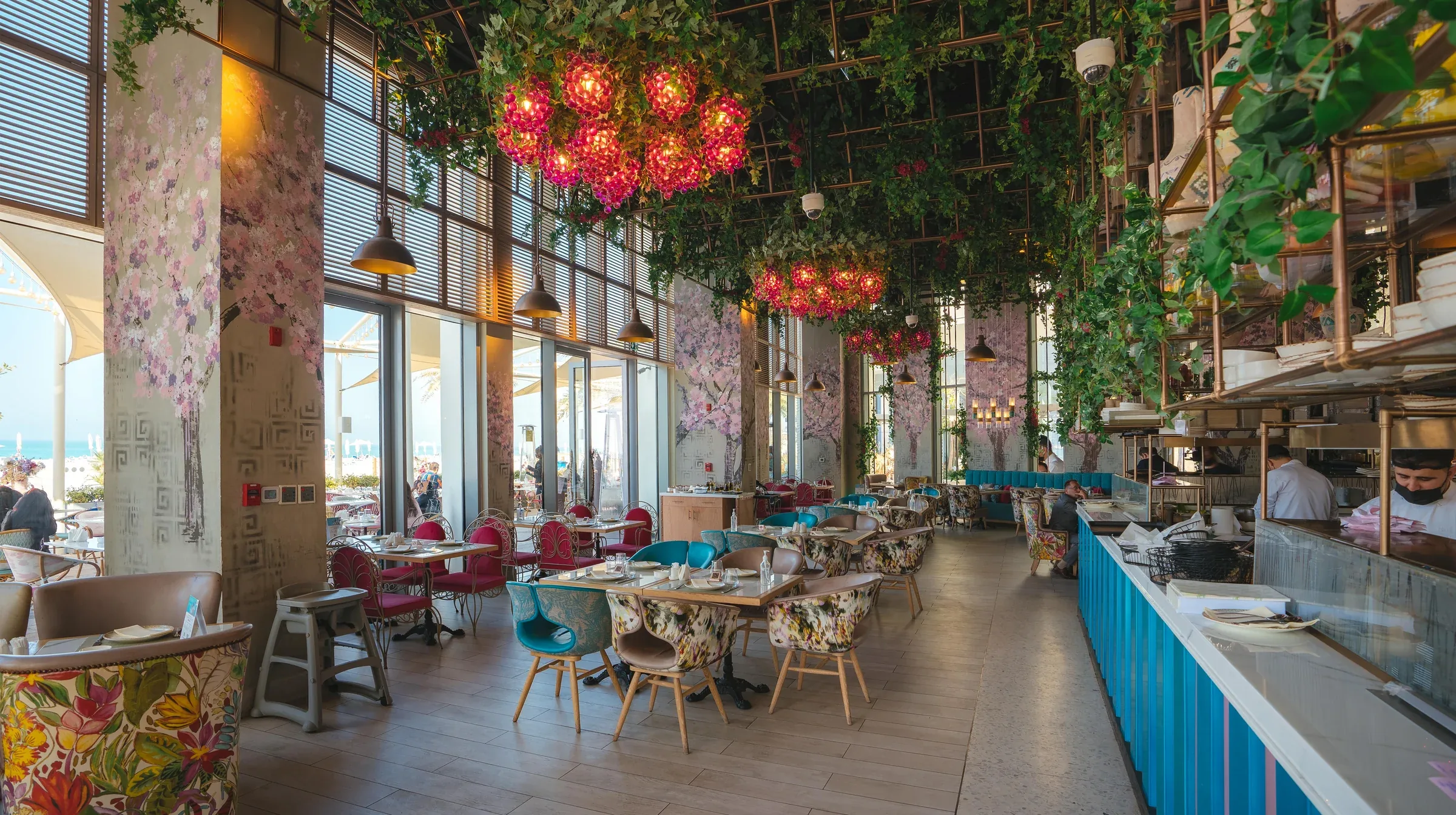
A beachfront Lebanese restaurant on Mamsha Al Saadiyat, useful after Louvre Abu Dhabi, teamLab Phenomena or a Saadiyat beach day.