Why visit
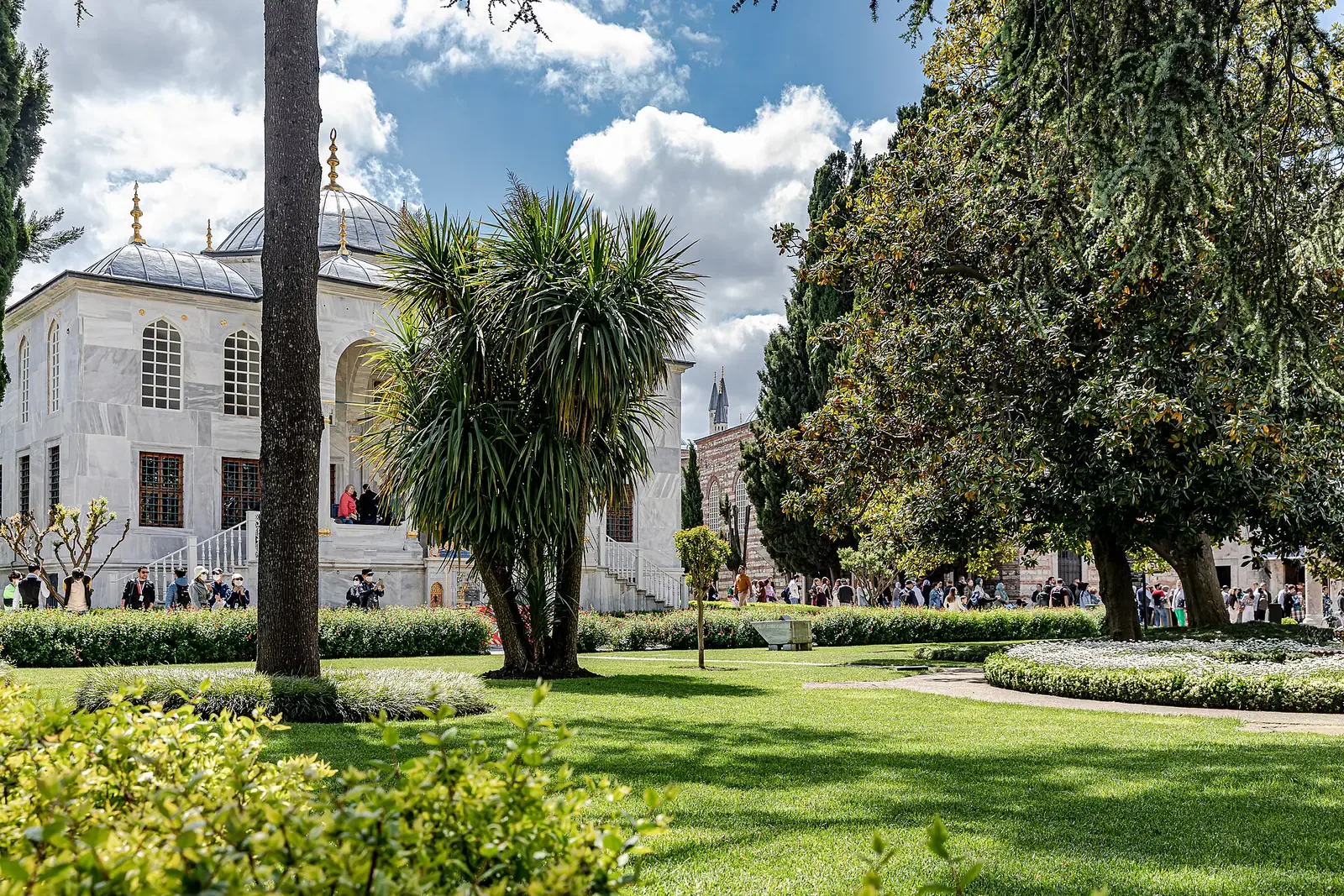
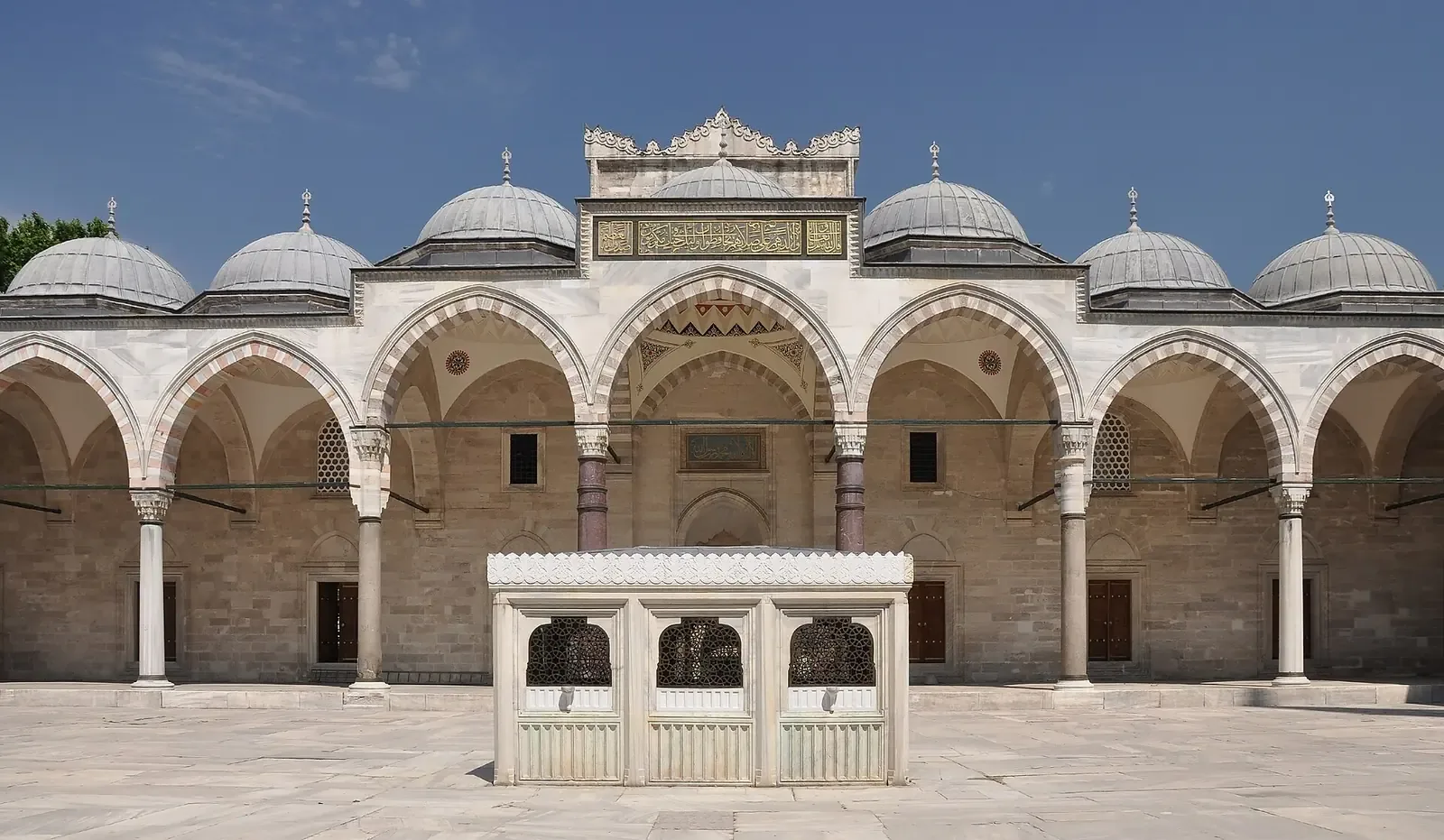
The museum occupies the Çinili Köşk, the oldest surviving structure in the Topkapı Palace complex, built in 1472. Its intimate scale allows visitors to study the progression of Ottoman tile and ceramic techniques from the 15th to 19th centuries without the scale of larger archaeological museums.
What to see
Highlights include 16th-century Iznik plates with cobalt and turquoise designs, plus later Kütahya pieces. The pavilion’s own tile decoration provides context for the collection. Muslim travelers often pair this with prayer at nearby Hagia Sophia or Topkapı’s own facilities.
Plan your visit
Allocate 45–60 minutes. The location inside the palace walls means a separate Topkapı ticket or palace grounds access is required. Summer visits benefit from the shaded pavilion setting.
Good to know
No alcohol on site. The palace complex baseline includes accessible washrooms. Confirm combined ticketing rules before arrival.
Good to know
Museum of Turkish Tiles and Ceramics in sultanahmet should be read as a recommended planning stop in Irhal's Istanbul guide, with museum place value tied to neighborhood logic, visitor effort and whether it helps a traveller build a cleaner day. The strongest use is to decide why this stop belongs in the route, what kind of traveller it suits, and what should be verified before committing time or budget.
Good to know
For practical planning, current timing guidance is Tuesday–Sunday 09:00–17:00; closed Mondays, the budget signal is paid, there is a public website to check before visiting, there is a public phone contact for last-mile confirmation. These details should still be checked close to travel dates, especially during Ramadan, Turkish public holidays, school breaks and peak summer visitor periods.