Why visit
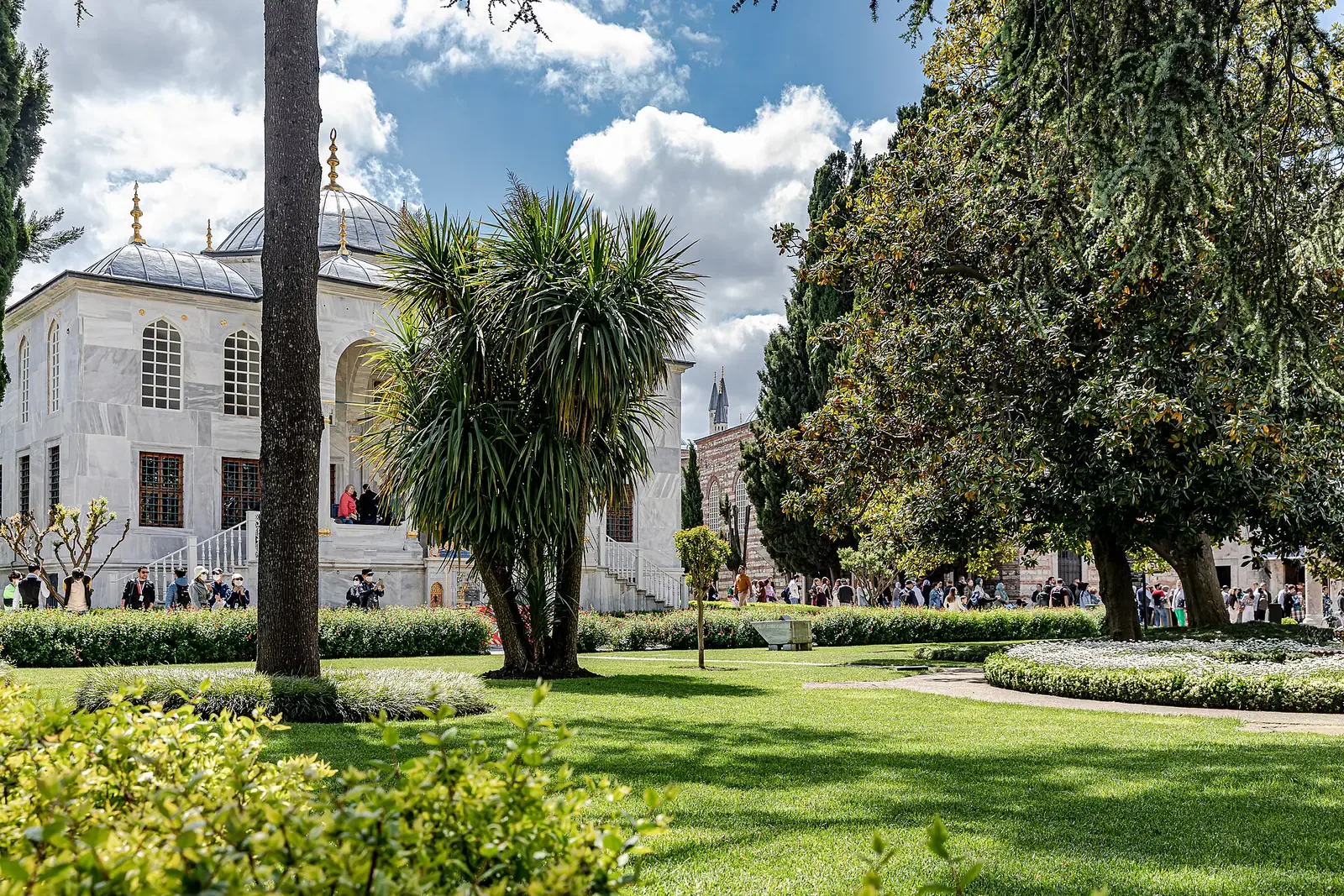
Built in 1728 by Sultan Ahmed III, the fountain combines Ottoman rococo with European baroque elements in carved marble, tulip motifs, and poetic inscriptions that reward a slow circuit around its four sides. Positioned directly opposite the main gate of Topkapı Palace, it marks the transition from palace grounds to the public square.
What to see
Families and first-time visitors use it as a reliable meeting point and photo stop before or after palace tickets; the surrounding benches stay comfortable even in summer heat thanks to the overhanging roof. The structure remains in excellent condition with running water in warmer months.
Plan your visit
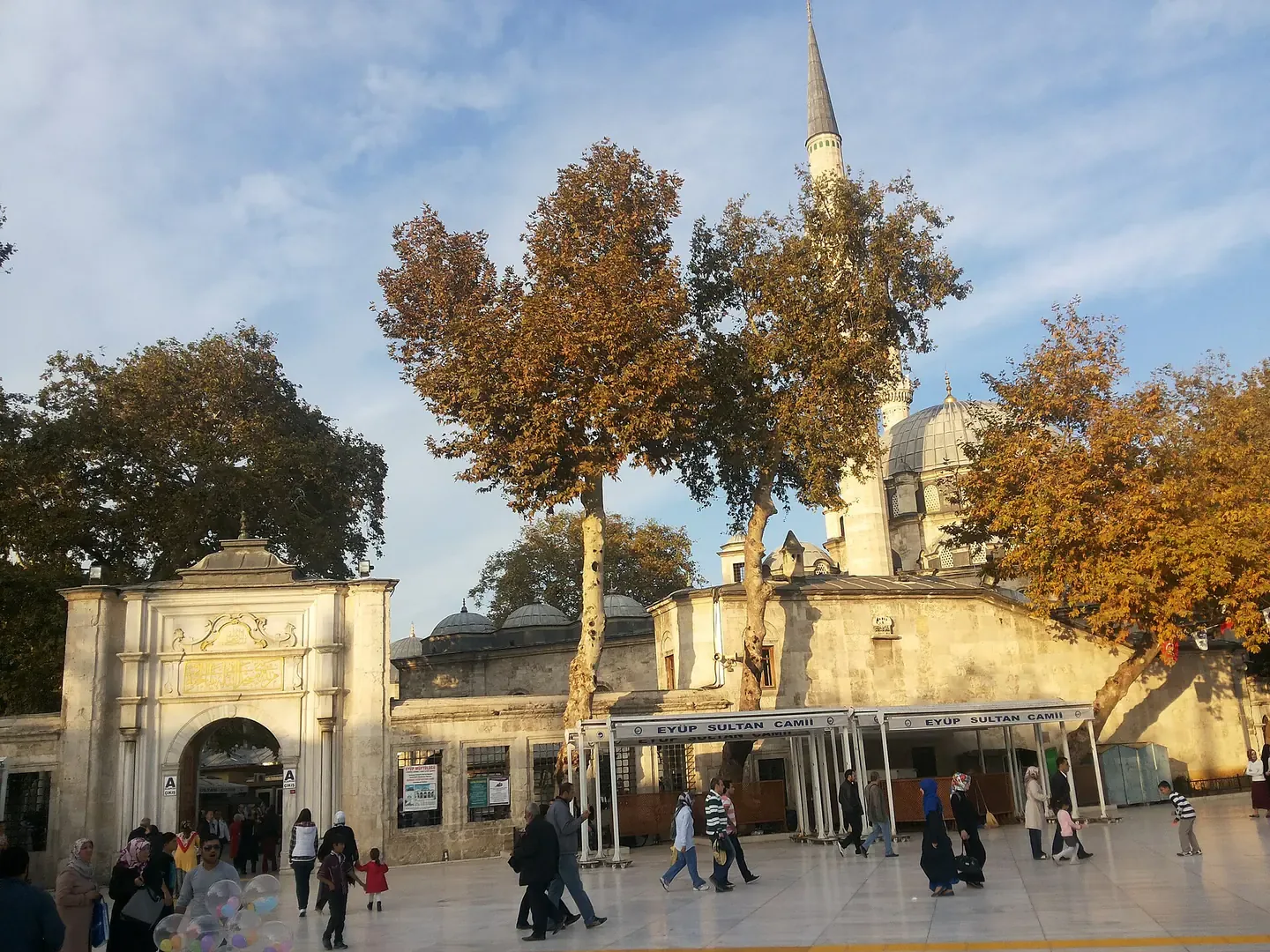
Muslim travelers benefit from its location within the historic peninsula where multiple mosques offer prayer access within a five-minute walk. The site itself carries no restrictions and sits in a family-friendly open area with nearby vendors selling traditional drinks.
Good to know
Combine with a Topkapı Palace morning slot and an afternoon visit to the nearby Archaeological Museums for a compact heritage half-day; the fountain also anchors evening walks toward the Hippodrome when the palace lights illuminate the square.
Good to know
Fountain of Ahmed III (III. Ahmed Çeşmesi) in sultanahmet should be read as a recommended planning stop in Irhal's Istanbul guide, with historic monument place value tied to neighborhood logic, visitor effort and whether it helps a traveller build a cleaner day. The strongest use is to decide why this stop belongs in the route, what kind of traveller it suits, and what should be verified before committing time or budget.