
Downloadable itinerary
Slower Two-Day Samarkand with Hartang Option
A deliberately spacious first visit: a central heritage day followed by ancient Afrasiab and the eastern corridor, with Hartang kept as an optional regional excursion.
Two days let Samarkand unfold without treating its most important monuments as a checklist. Day one stays in the compact centre, combining Registan, Timurid mausoleums, Bibi-Khanym and the market. Day two uses taxis to link the Afrasiab landscape, museum, Shah-i-Zinda and Ulugh Beg Observatory. Imam al-Bukhari Memorial Complex at Hartang is outside the city and should be chosen only as a separate, transport-led regional addition.
2 days11 stopsFirst-time visitors
Route stops
Featured stops on this route
Open the key stops, check the details, and save what fits your trip.
place in Samarkand heritage core
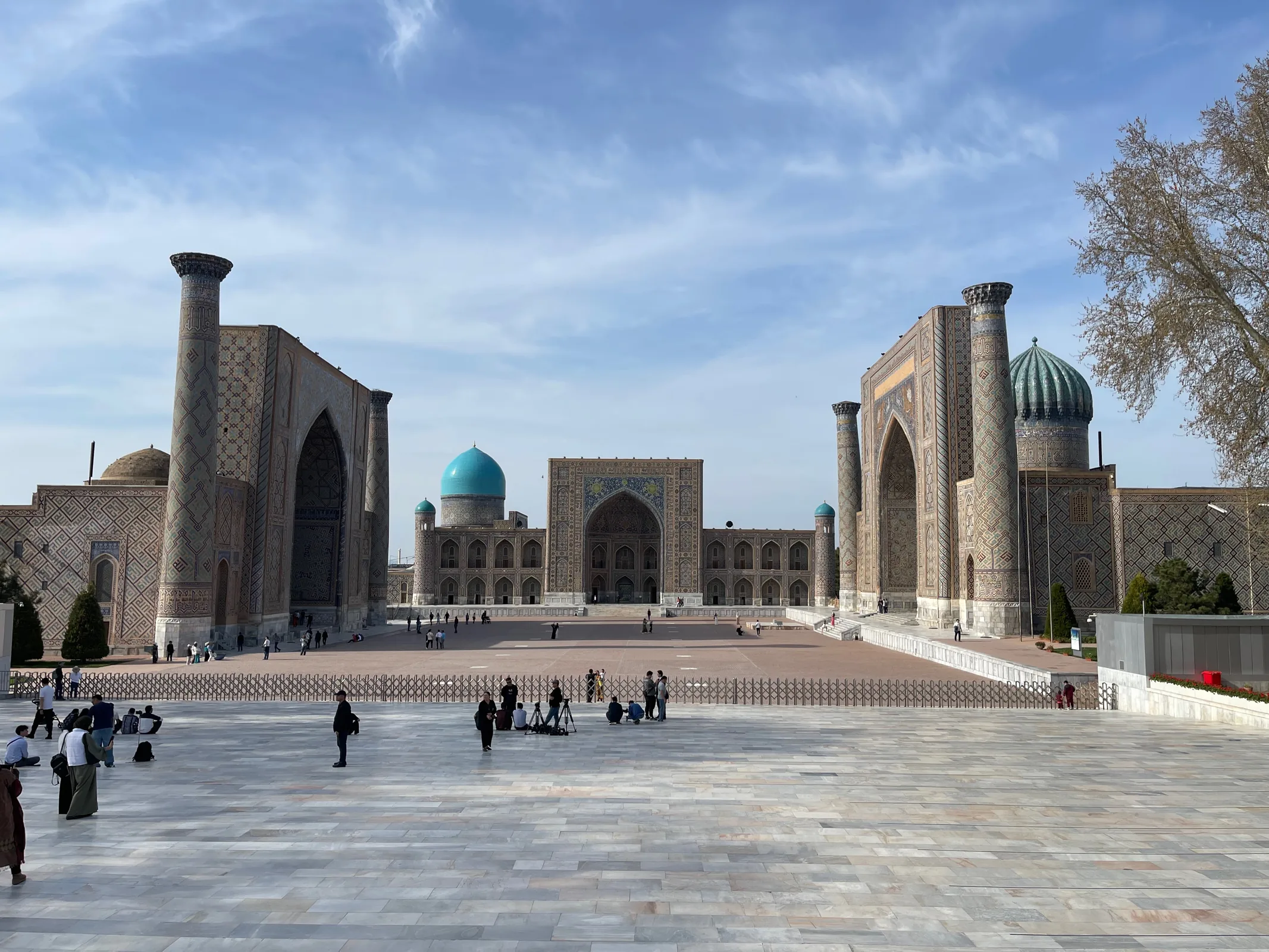
Registan
View details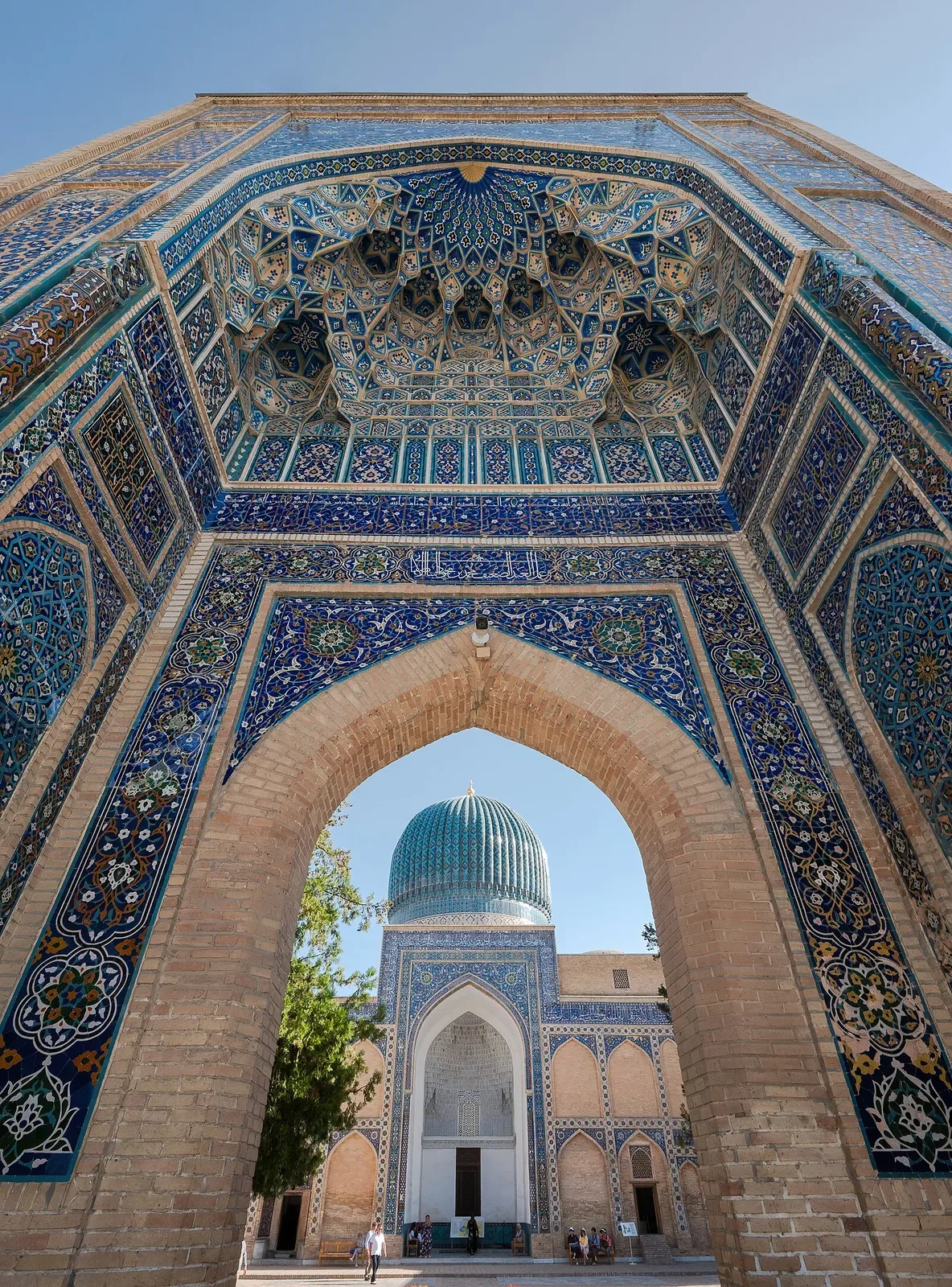
place in Samarkand heritage core
Gur-e Amir Mausoleum
View details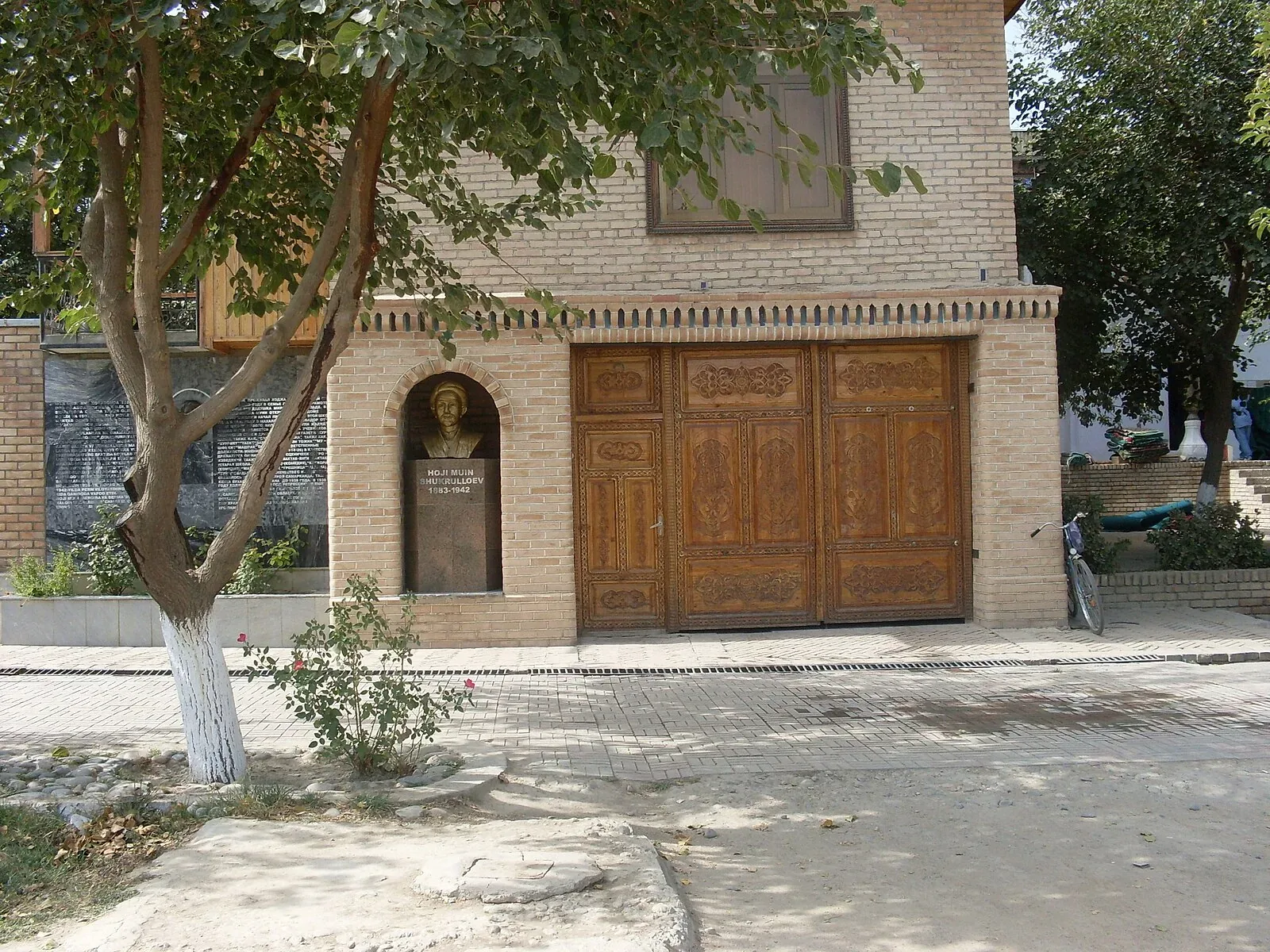
place in Central heritage route
Ruhabad Mausoleum
View details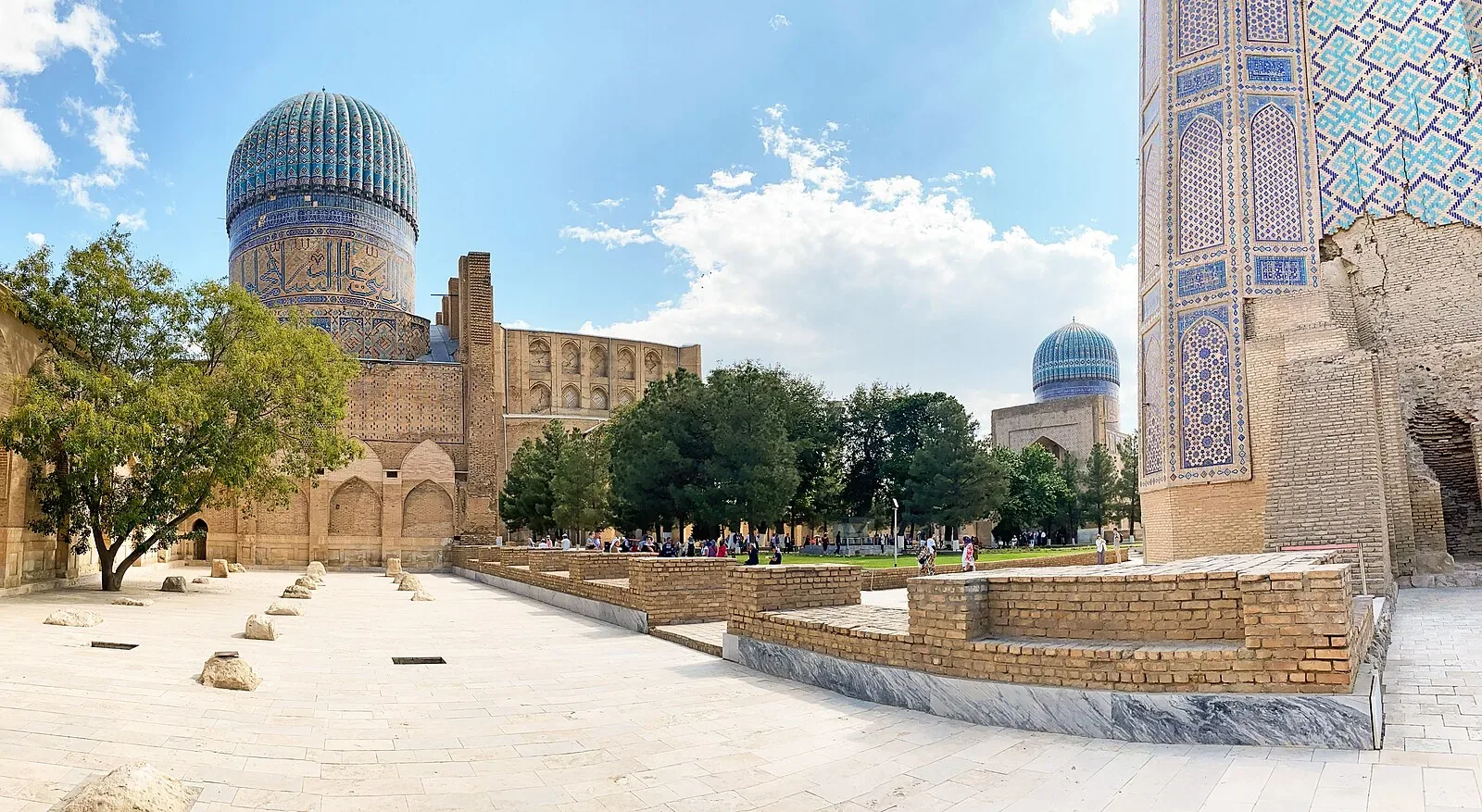
place in Samarkand heritage core
Bibi-Khanym Mosque
View details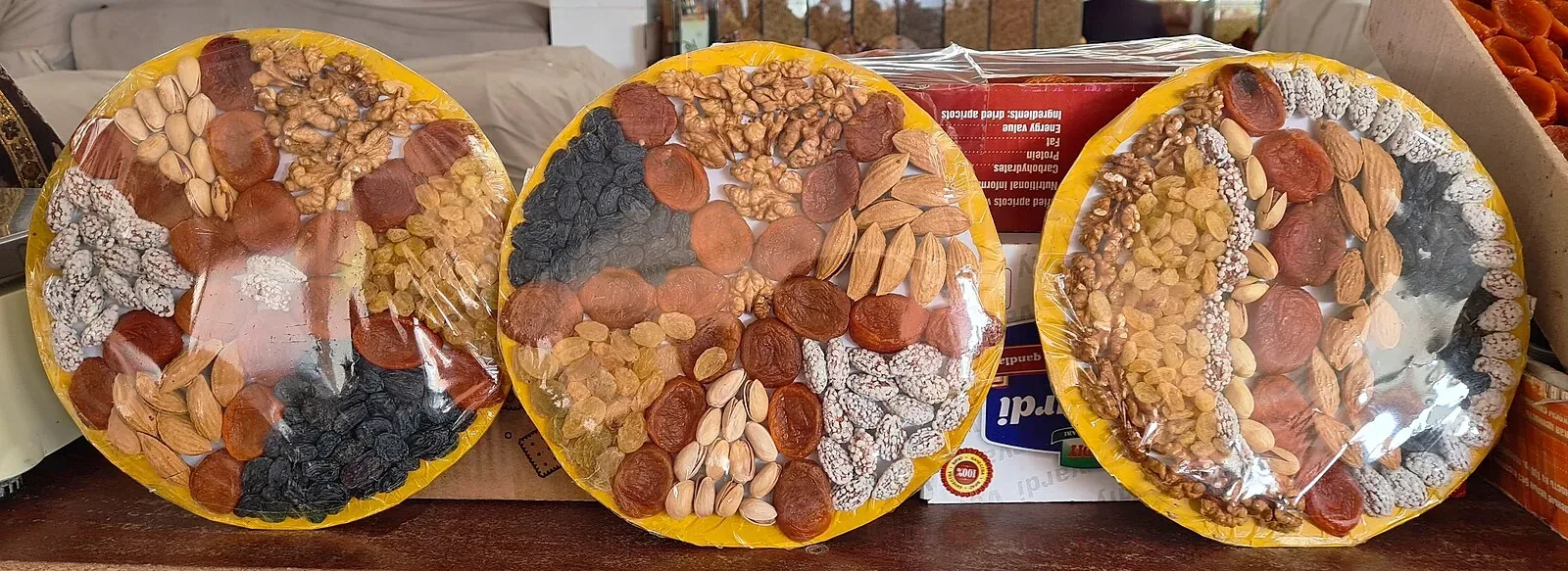
place in Samarkand
Siab Bazaar
View details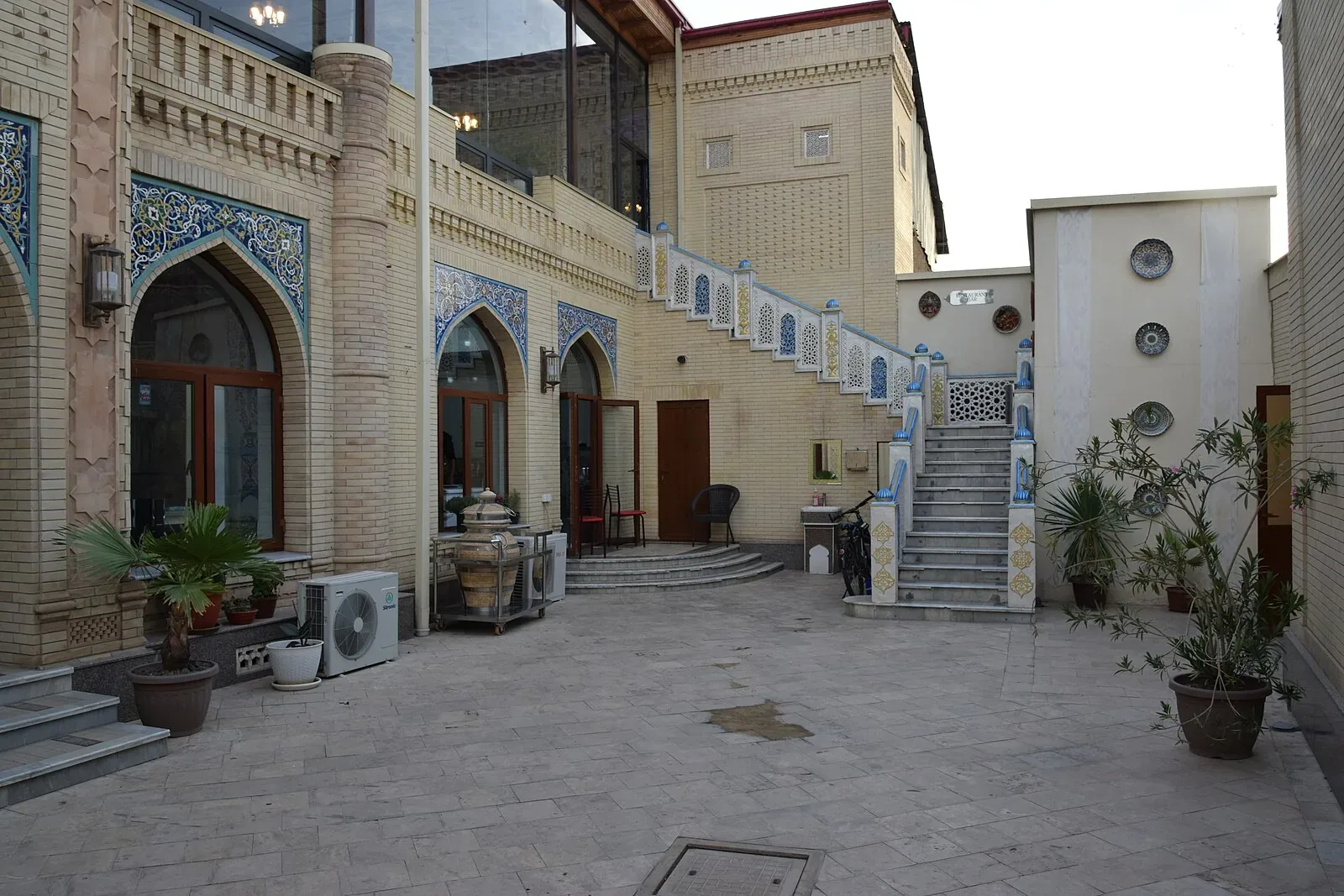
restaurant in Bibi-Khanym / Siyob heritage core
Zargaron Restaurant
View details1
Day 1
Unhurried central Samarkand heritage
Start at Registan, then continue to Gur-e Amir Mausoleum and Ruhabad Mausoleum before moving on to Bibi-Khanym Mosque and Siab Bazaar. This sequence leaves room for unhurried walking and short pauses rather than adding distant sites.
Route note: Do not add eastern sites to this day. Pause whenever needed and follow on-site guidance at every heritage and religious location.
Transport
Walk the central sights at your own pace, using a short taxi only if you want to reduce distance between stops.
Breakfast
Have breakfast near your hotel before heading to Registan.
Lunch
Make Siab Bazaar your lunch stop, with Samarkand non bread, fruit and simple market choices.
Dinner
Finish the day with a relaxed dinner at Zargaron Restaurant after returning to the central district.
Pacing
Give the morning to Registan and Gur-e Amir, then keep the afternoon for Bibi-Khanym, the market and Ruhabad at an easy tempo.
2
place in Samarkand heritage core
Gur-e Amir Mausoleum
Gur-e Amir is the Timurid dynastic mausoleum and the resting place of Amir Temur, whose jade tombstone and family crypt anchor one of Samarkand’s most important historical visits.
3
place in Central heritage route
Ruhabad Mausoleum
A fourteenth-century brick-and-dome mausoleum of Sheikh Burhan al-Din Sagarji, offering a quieter pause between Registan and Gur-e Amir.
4
place in Samarkand heritage core
Bibi-Khanym Mosque
A vast Timurid mosque beside Siyob Bazaar, where monumental scale and surviving tilework define the northern heritage core.
5
place in Samarkand
Siab Bazaar
Samarkand’s working food market beside Bibi-Khanym, best for non bread, dried fruit, nuts, spices and everyday local shopping.
6
restaurant in Bibi-Khanym / Siyob heritage core
Zargaron Restaurant
A courtyard-style Uzbek restaurant beside Bibi-Khanym and Siyob, with flexible hours for a family meal in the northern heritage core.
2
Day 2
Afrasiab, the eastern corridor and Ulugh Beg’s legacy
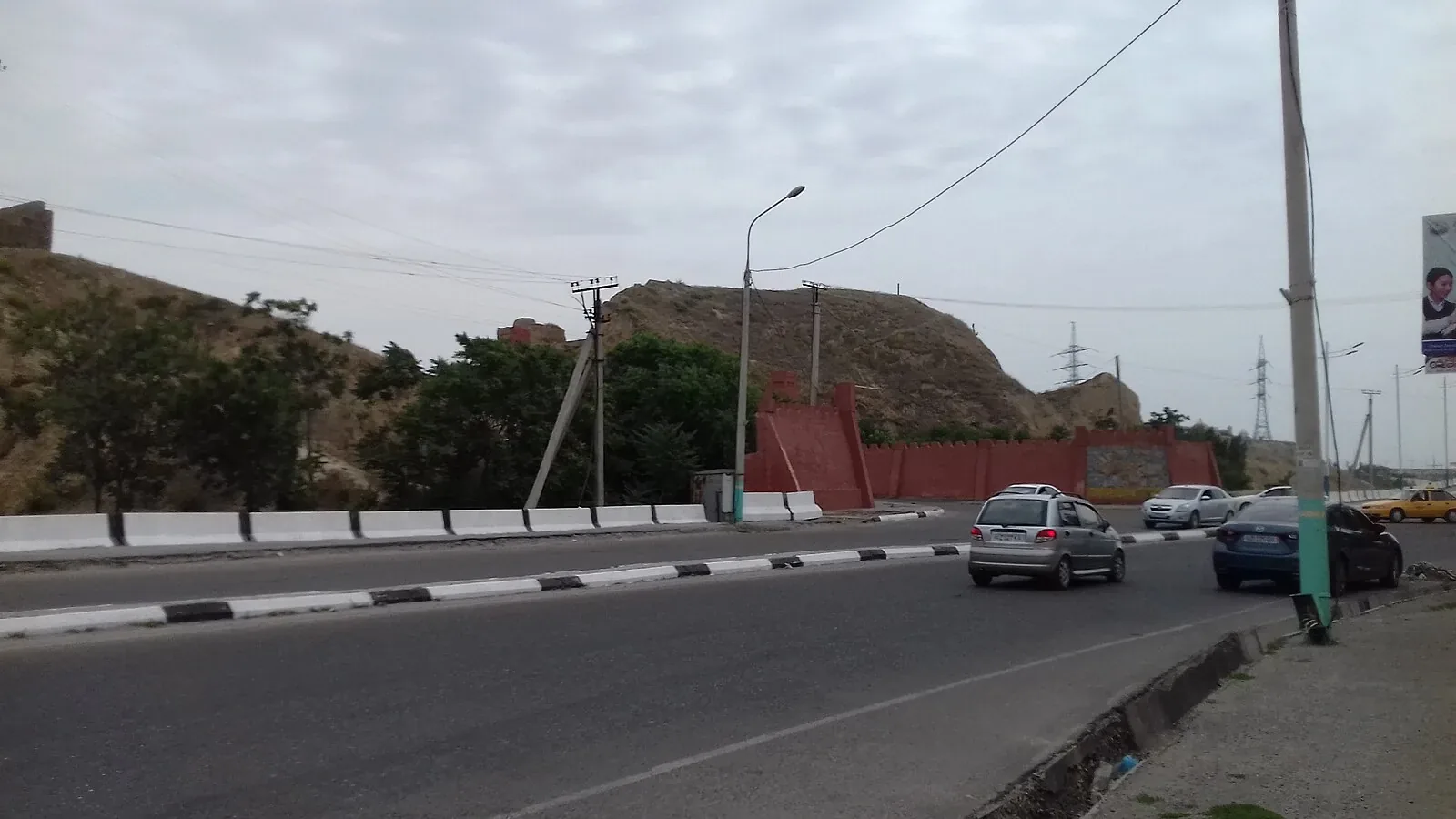
Begin with Ancient Afrasiab and Afrasiab Museum to understand the city’s earlier layers. After lunch, use taxis to reach Shah-i-Zinda, Hazrat Khizr Mosque and Ulugh Beg Observatory, allowing time between transfers.
Route note: Imam al-Bukhari Memorial Complex at Hartang is outside Samarkand, so treat it as an optional separate regional excursion with dedicated transport, not as a quick city-centre addition.
Transport
Use taxis between the second day’s sites: they are spread more widely than the central route. Walk inside each location at a comfortable pace.
Breakfast
Start with breakfast near your hotel before travelling to Afrasiab.
Lunch
Choose a relaxed lunch in the centre or near your hotel before the eastern visits.
Dinner
Choose an easy dinner near your hotel after returning, and keep the evening light.
Pacing
Give the museum and observatory their own time, avoiding a compressed sequence of short visits.
1
place in Afrasiab archaeological zone
Ancient Afrasiab Settlement
The archaeological landscape of pre-Timurid Samarkand, where restored walls and open ground reveal the scale of the ancient city.
2
place in Samarkand
Afrasiab Museum
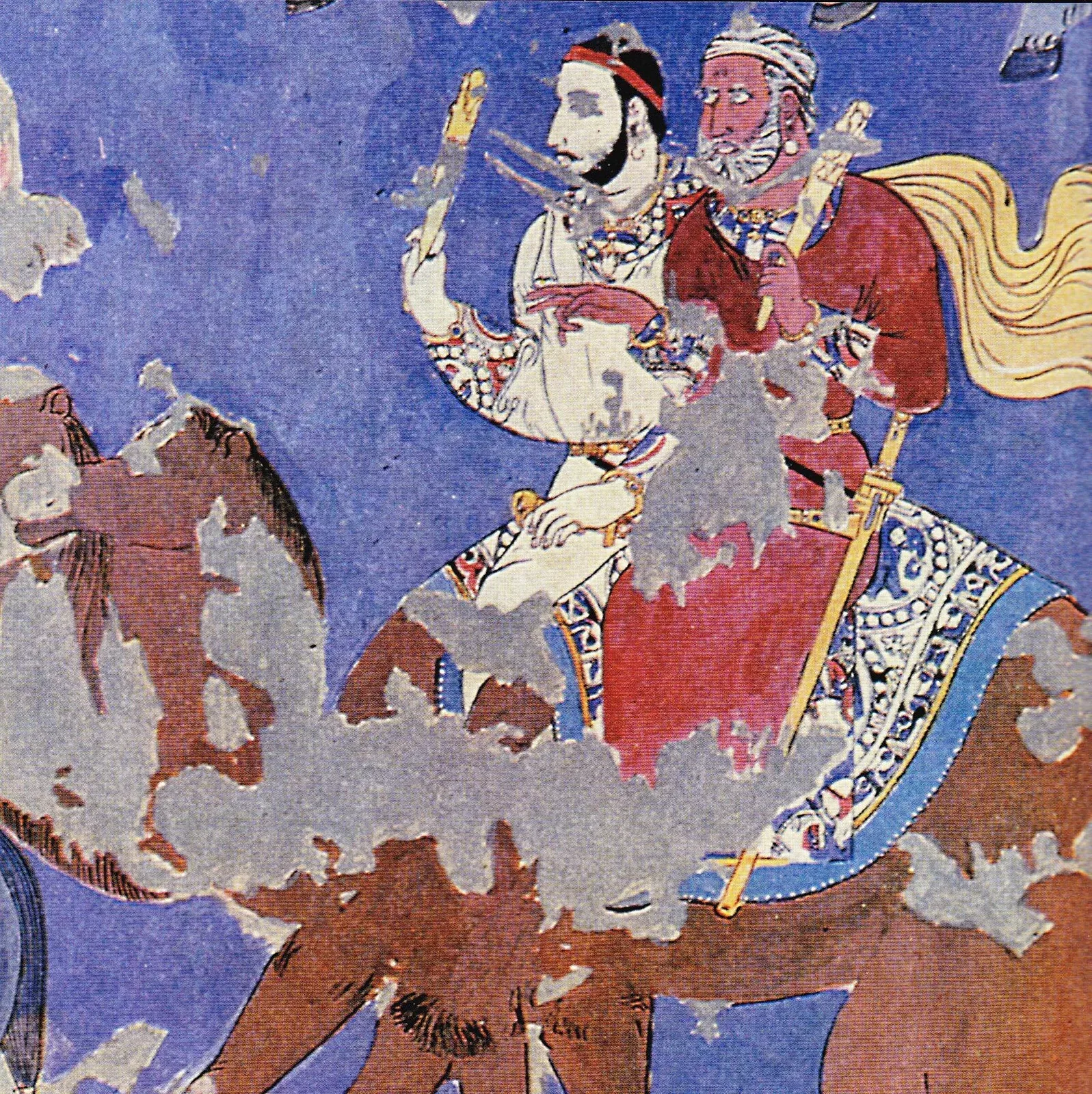
The essential introduction to ancient Samarkand, centred on the seventh-century Sogdian murals discovered at Afrasiab.
3
place in Samarkand heritage core
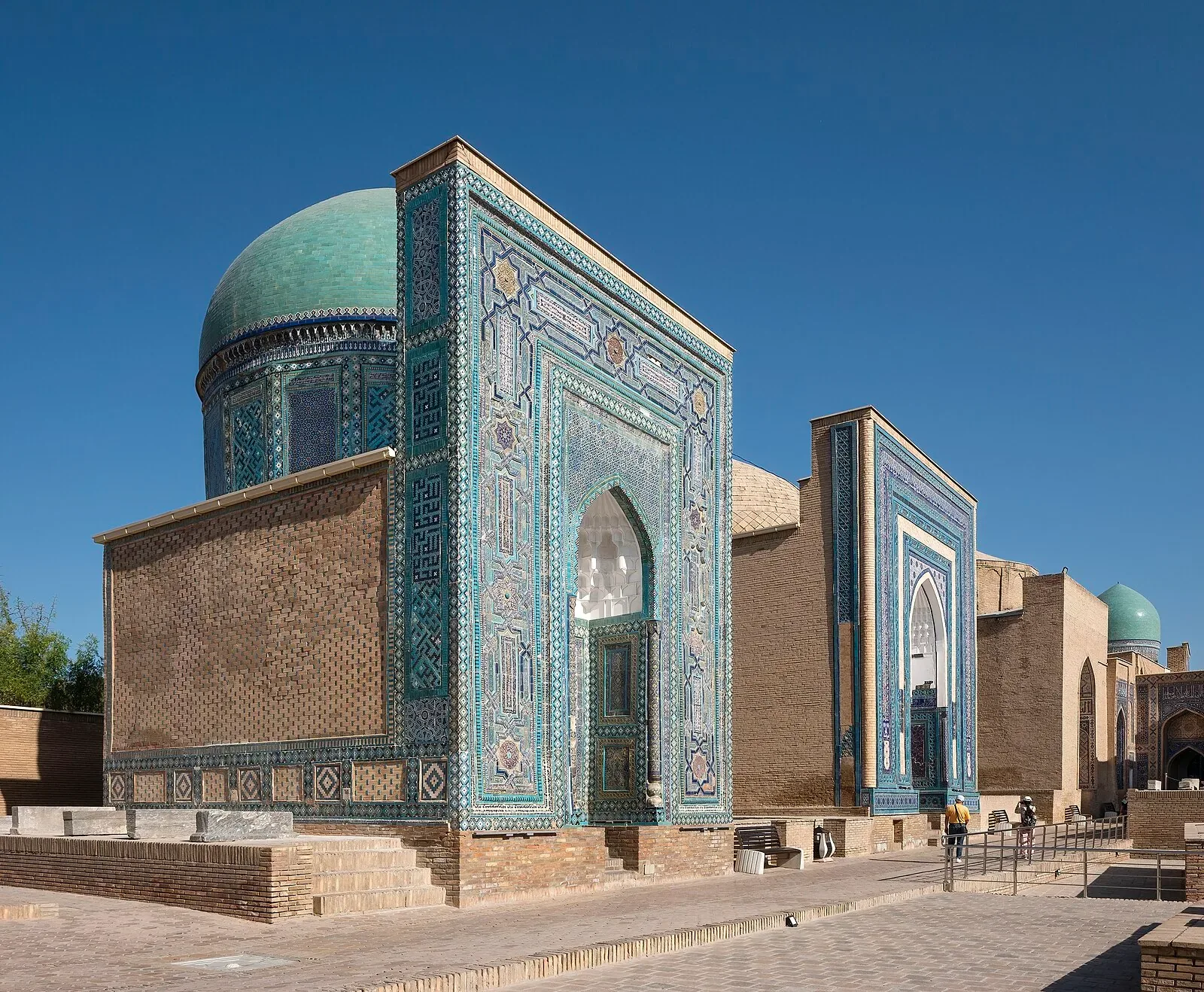
Shah-i-Zinda
Shah-i-Zinda is a sacred Samarkand necropolis associated with Qusama ibn Abbas, with mausoleums, mosques and ritual structures spanning the eleventh to nineteenth centuries and richly decorated blue and turquoise tilework.
4
place in Samarkand
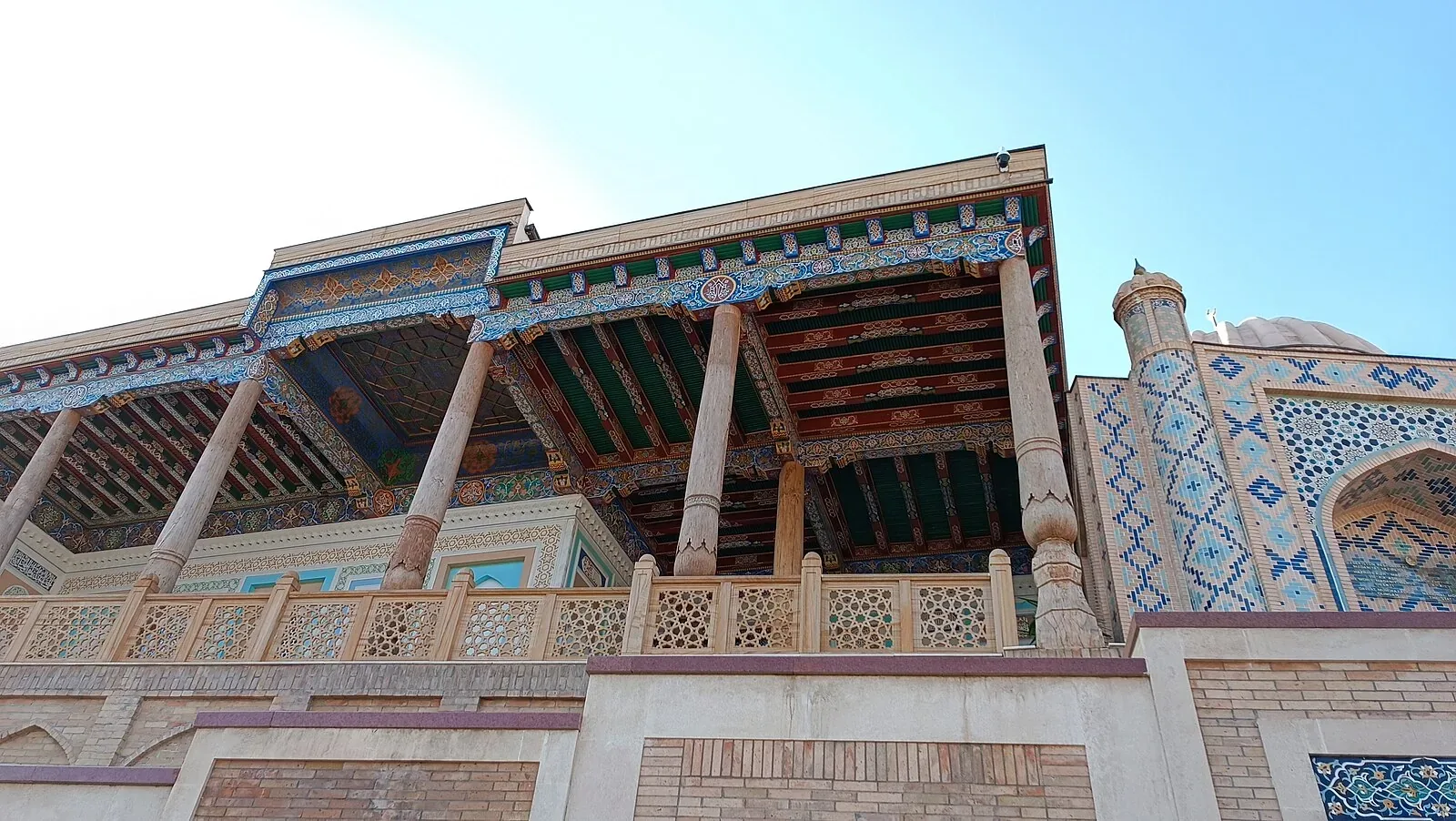
Hazrat Khizr Mosque
A hilltop mosque above the northern heritage route, valued for its veranda, graceful silhouette and broad Samarkand views.
5
place in Samarkand heritage core
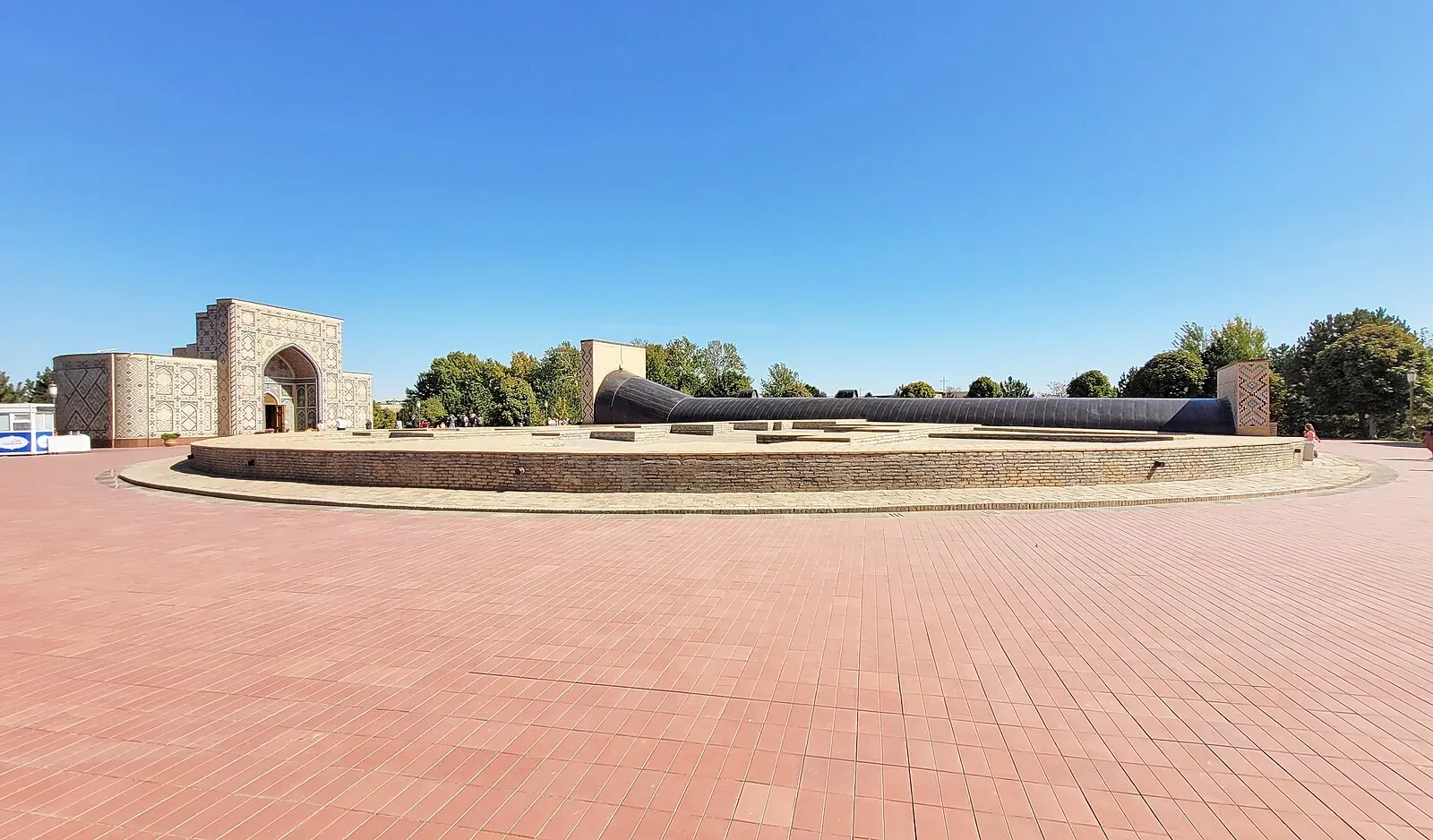
Ulugh Beg Observatory
The surviving astronomical instrument and museum of Ulugh Beg’s fifteenth-century observatory.
Samarkand
More ways to explore
Pick another route if your timing, pace, or travel style changes.
1 day
Afrasiab, Observatory and Eastern Corridor
A taxi-linked day beyond the headline square, connecting ancient Samarkand, its mural museum, nearby sacred sites and Ulugh Beg’s scientific legacy.
1 day
Food, Bazaar and Craft Day
A flavour-led Samarkand day that joins Bibi-Khanym and Siab Bazaar with a short Konigil craft excursion and a relaxed central dinner.
1 day
Family-Friendly Samarkand Discovery
A visual, hands-on day for families: bold architecture, market colours, ancient murals and a craft workshop, paced with breaks rather than a long monument checklist.
Samarkand
Places worth adding
Strong city-guide picks if you want to extend this route.
restaurant in Ibn Sino Street / university district
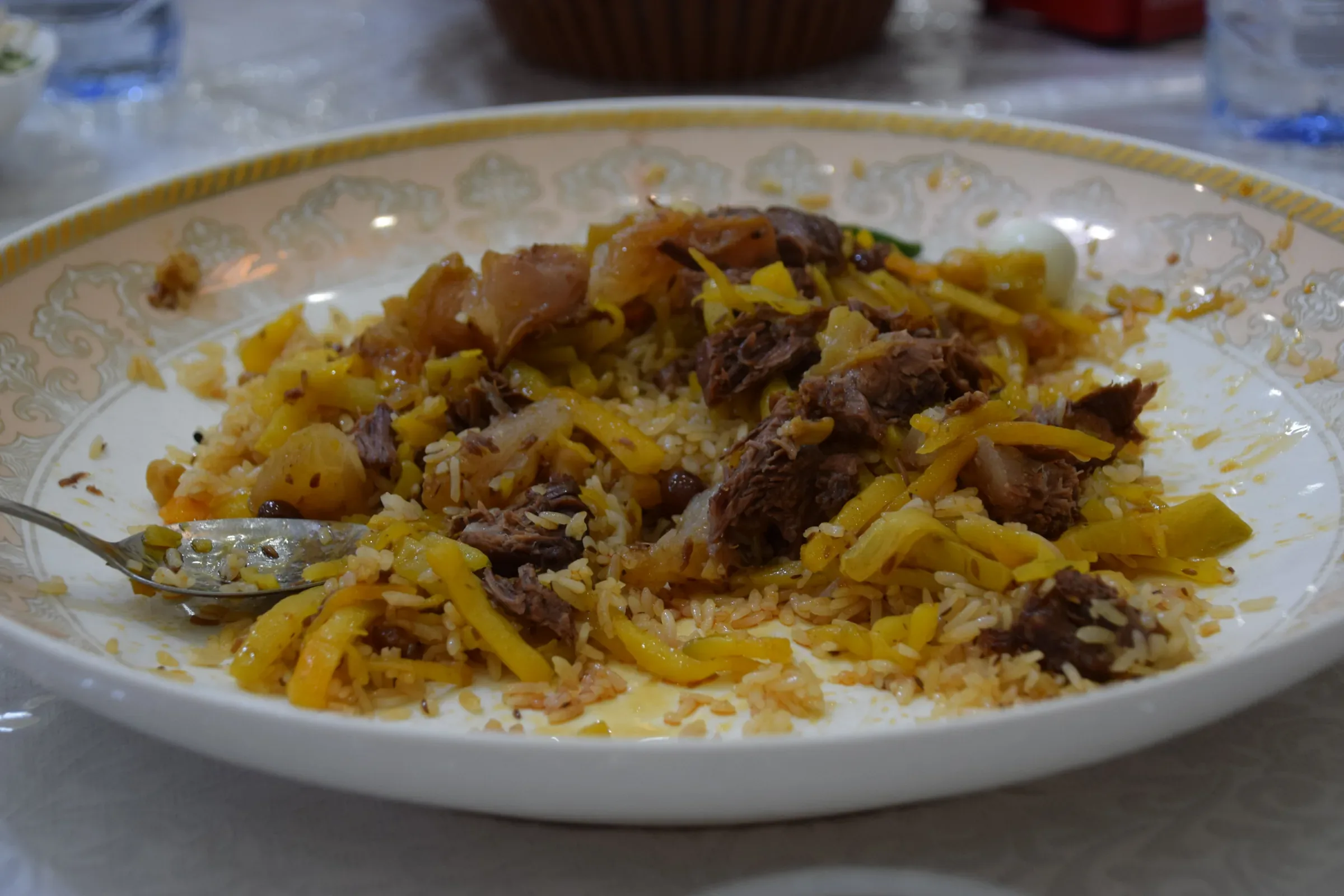
Osh Markazi No. 1
A focused Ibn Sino Street lunch stop for Samarkand plov, tomato salad, non bread and tea in a lively local dining hall.
place in Samarkand
Qusam ibn Abbas Mausoleum
The revered inner mausoleum at Shah-i-Zinda, set within one of Samarkand’s most richly tiled Timurid necropolises.
place in Samarkand
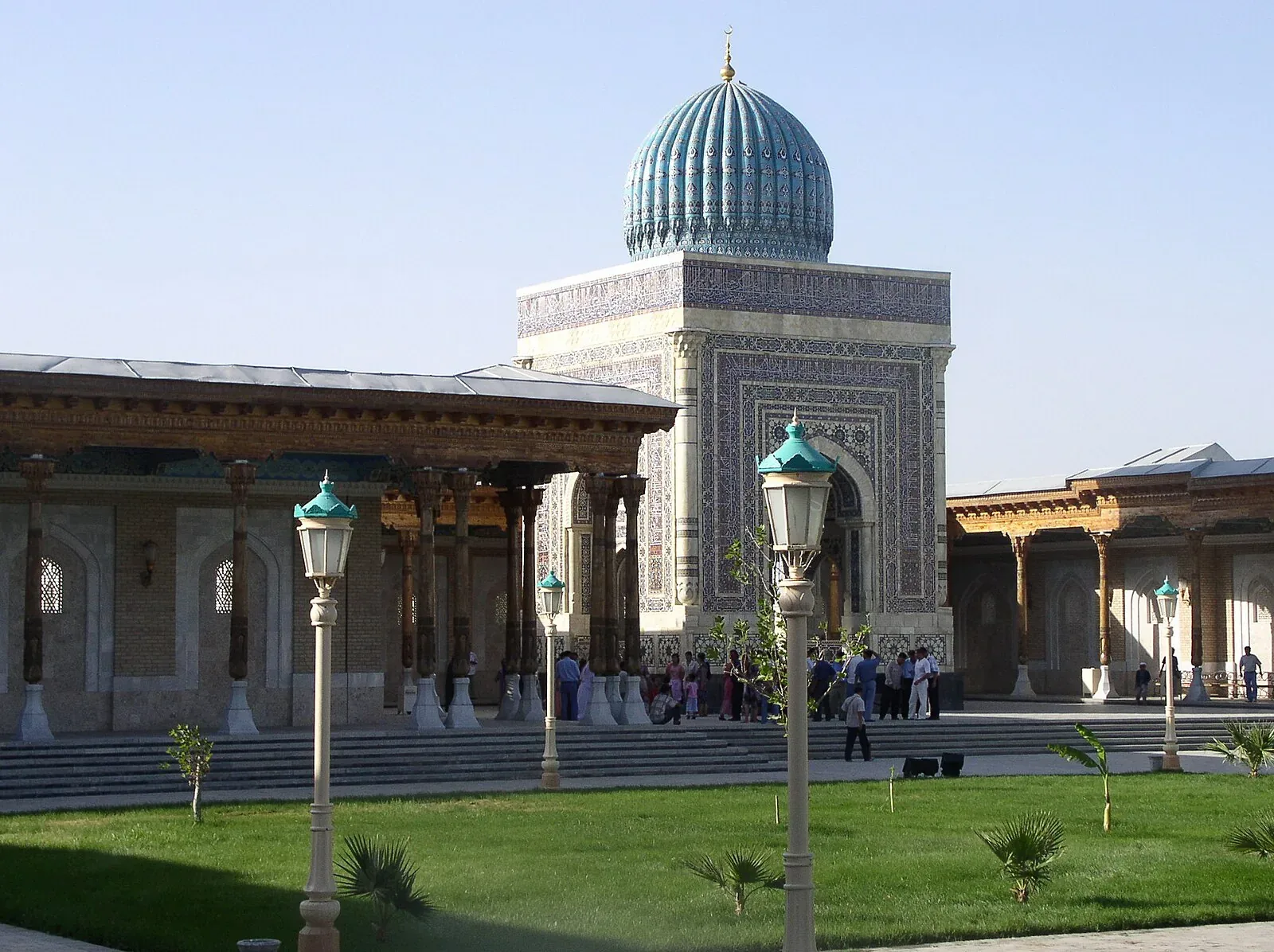
Imam al-Bukhari Memorial Complex
A memorial at Hartang outside Samarkand, centred on the burial place of Imam al-Bukhari and best visited as a dedicated excursion.
place in Registan heritage core
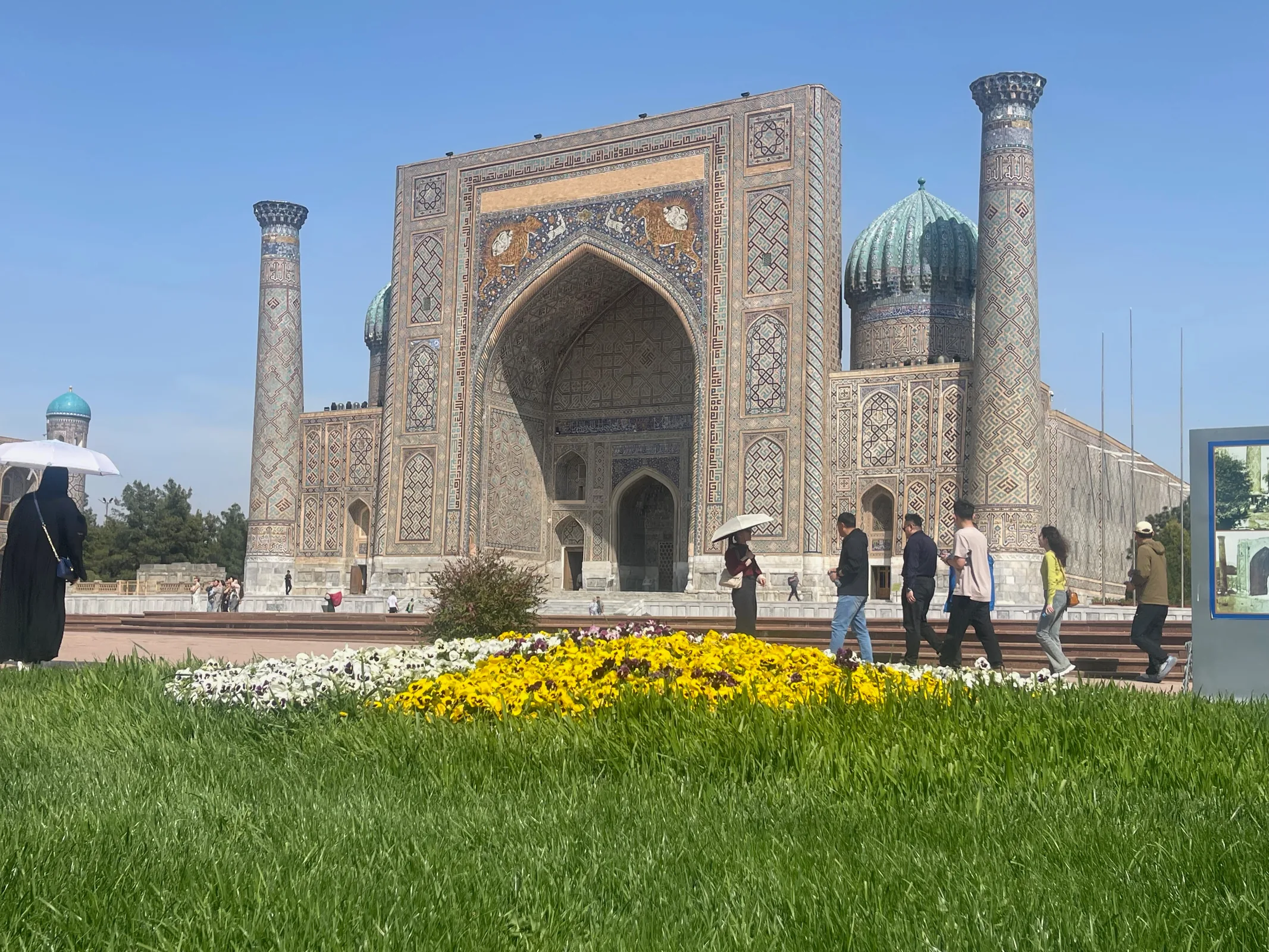
Sher-Dor Madrasah
Registan’s eastern madrasah, famous for its early-seventeenth-century façade of felines, deer and rising sun motifs.
place in Registan heritage core
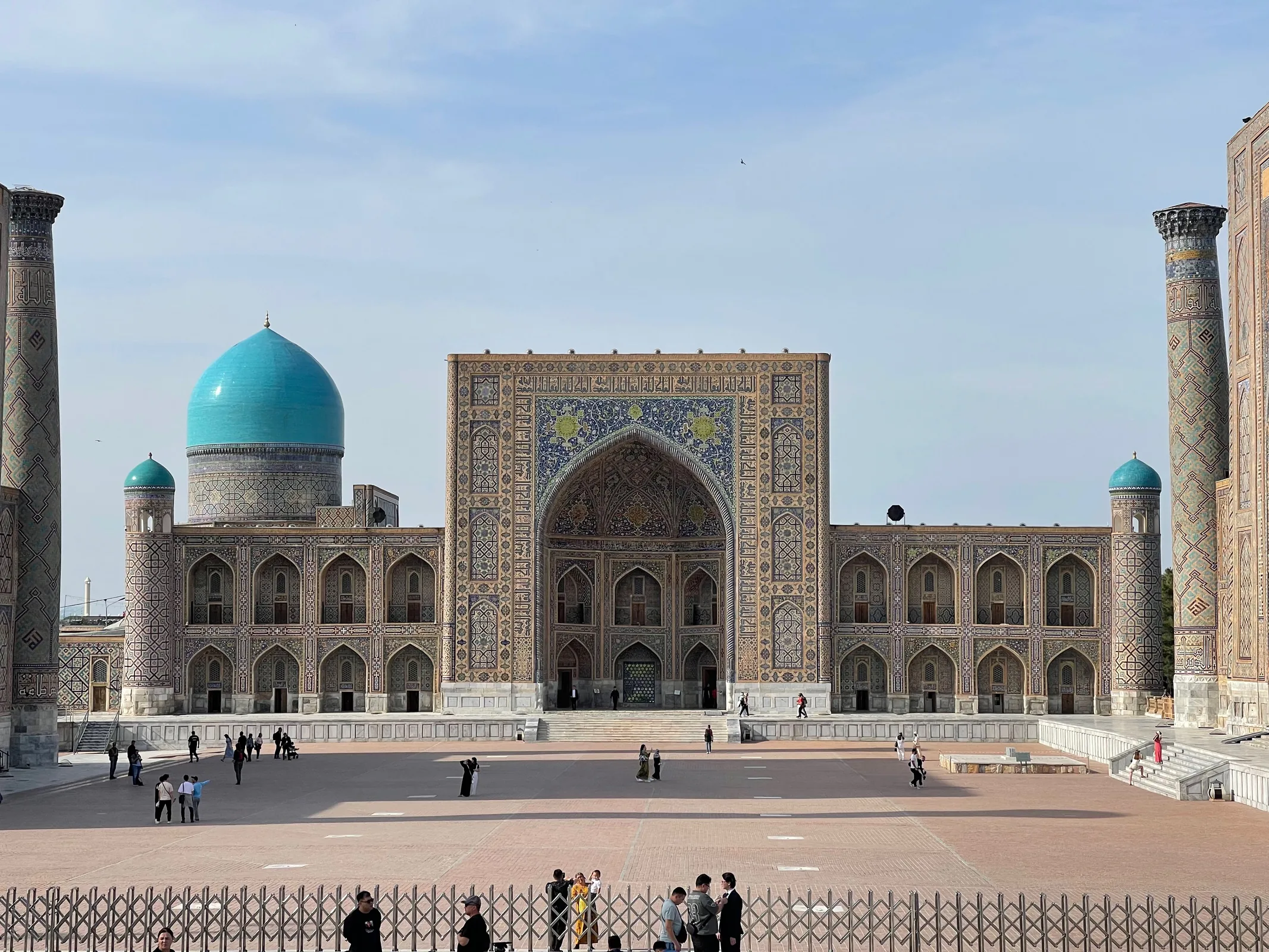
Tilla-Kari Madrasah
Registan’s central madrasah, completing the ensemble with a balanced exterior and a celebrated gilded interior beneath its blue dome.
place in Registan heritage core
Ulugh Beg Madrasah
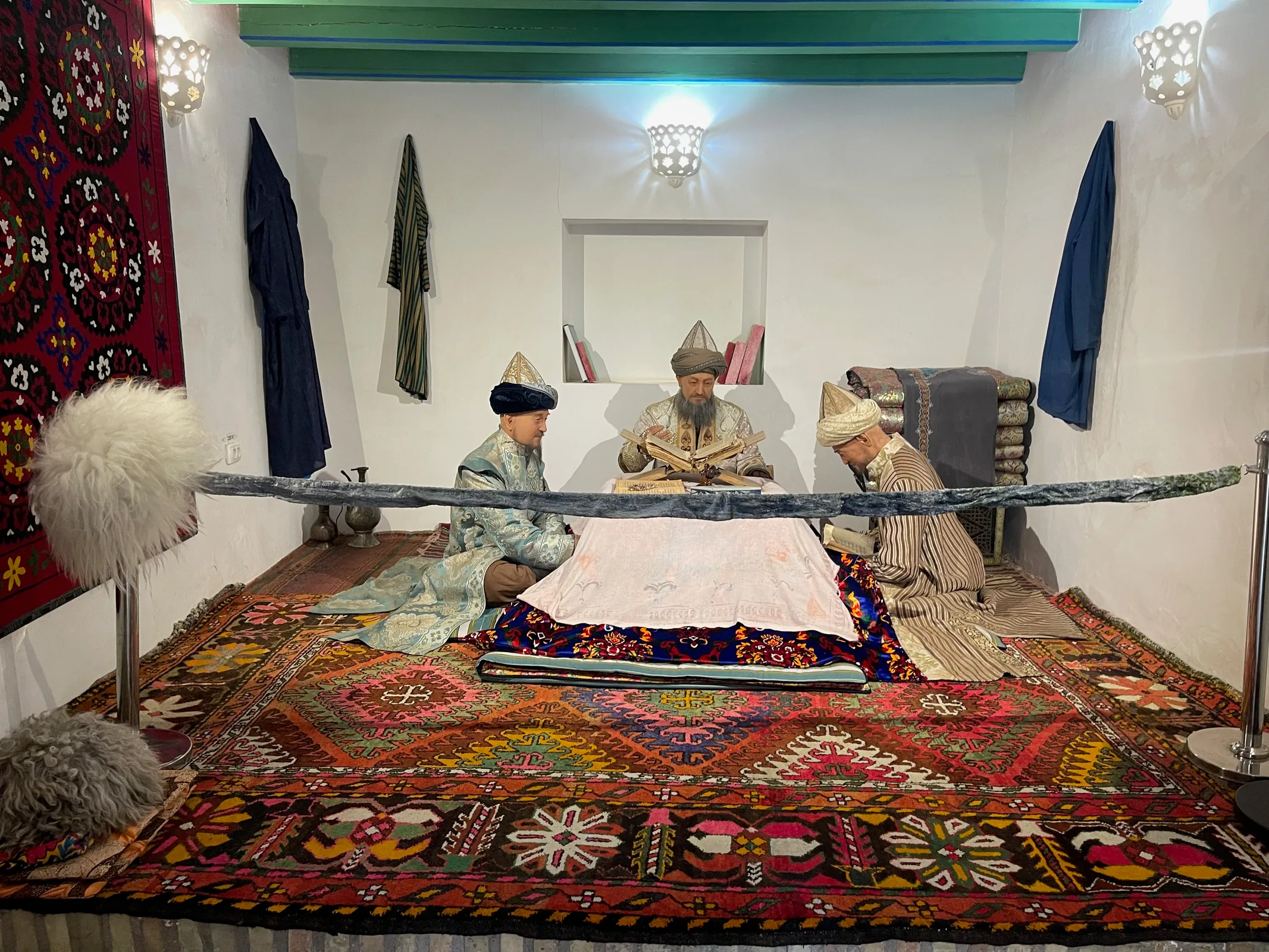
Registan’s fifteenth-century madrasah, associated with Ulugh Beg’s scholarly legacy and marked by astronomy-themed portal decoration.
The Irhal city file
Samarkand travel guide sections
Focused sections for articles, directories, maps, and trip planning.