Why visit
Ancient Afrasiab Settlement is the archaeological counterpoint to Samarkand’s standing monuments. Instead of domes, portals and completed courtyards, the visitor sees open land, surviving settlement contours and restored stretches of wall that indicate the scale of the city before the Timurid period. Afrasiab was the site of ancient Samarkand, and walking its landscape makes the city’s long chronology visible in a way that no single building can. The experience asks for imagination: earthworks, slopes and walls become evidence of an urban centre that flourished centuries before Registan took shape.
What to see
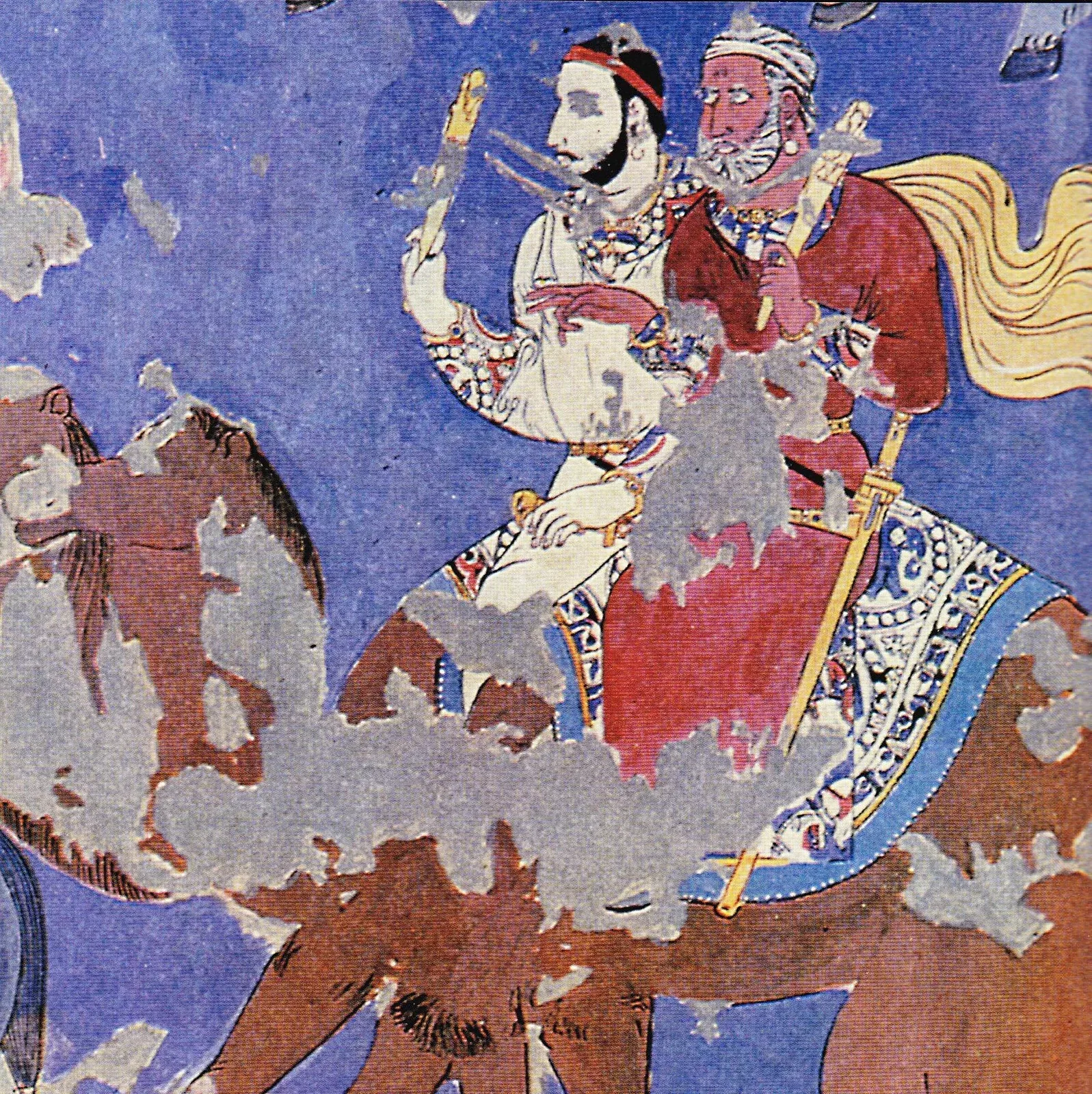
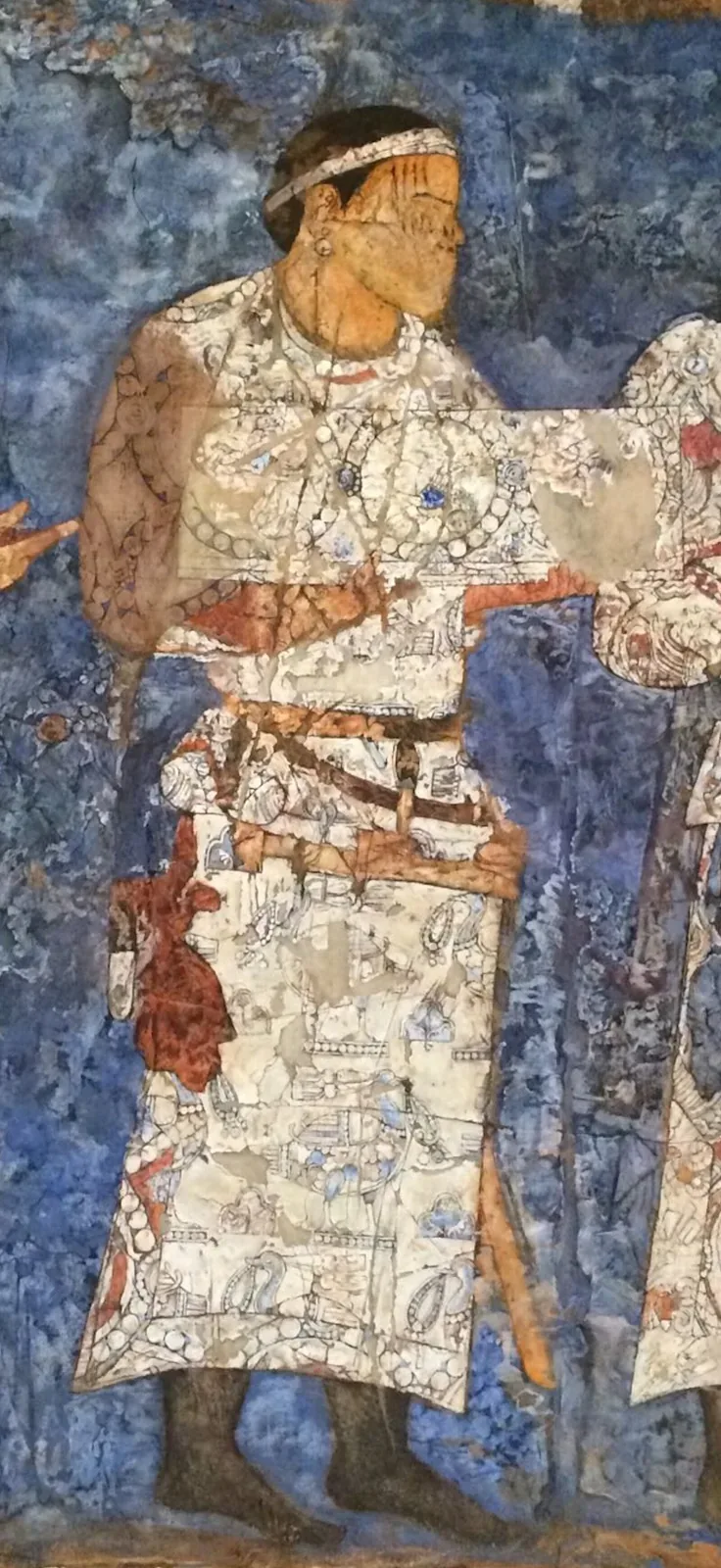
Visit the settlement together with Afrasiab Museum, where the seventh-century Sogdian murals discovered at the site provide the visual context the open landscape cannot supply on its own. The Ambassadors’ Painting and related mural fragments help turn the archaeological ground into a city of courts, processions and international exchange. Start with the museum if you want historical images in mind before walking outside, or reverse the order if the walls and terrain first help establish the scale. Either sequence makes the two stops much stronger than viewing one alone.
Plan your visit
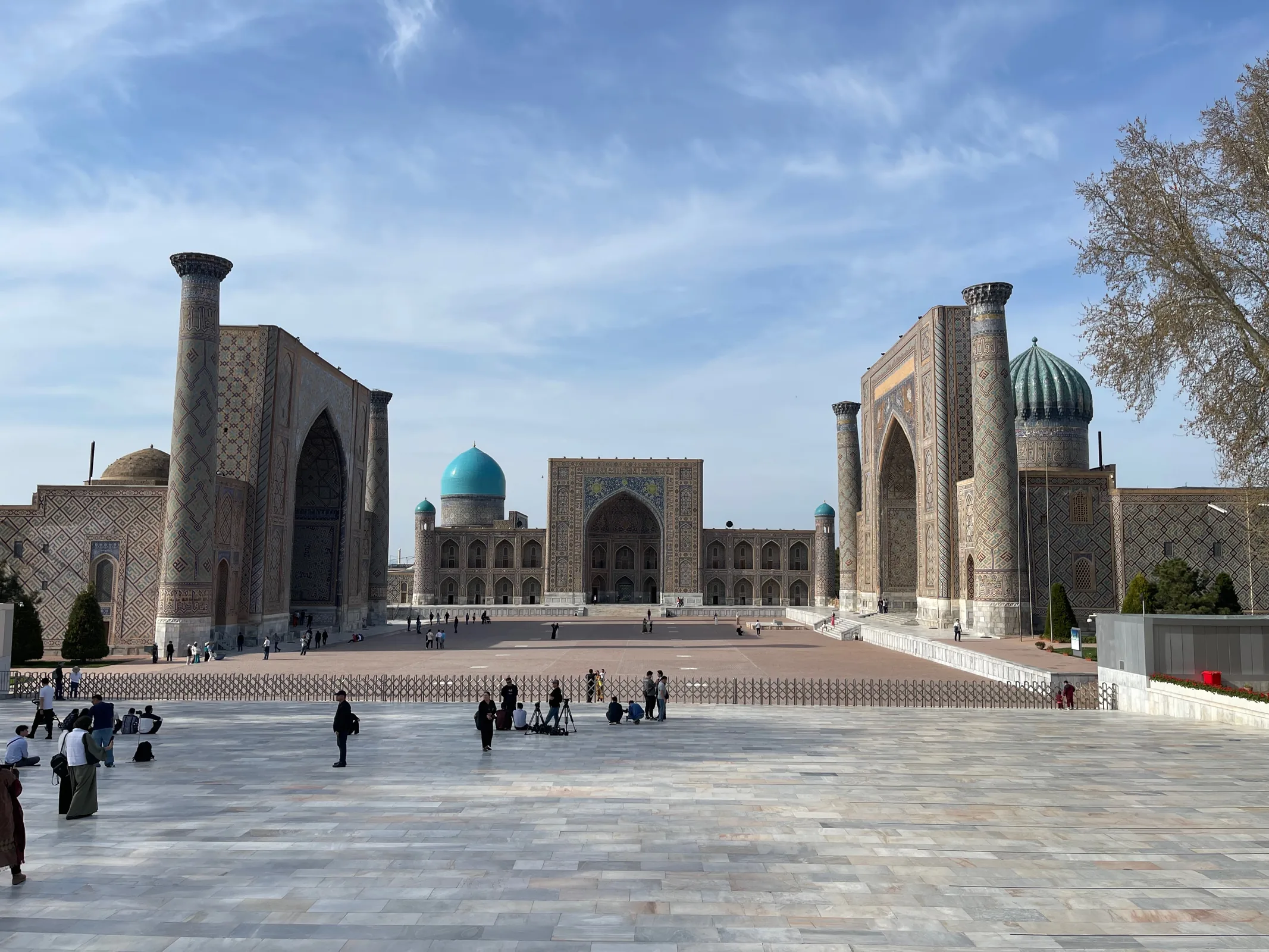
Allow Afrasiab to reset the rhythm of a monument-heavy Samarkand day. A taxi link can connect the settlement and museum with Shah-i-Zinda, Khoja Daniyar or the northern heritage route, while Registan is best saved for a different part of the programme. The contrast is the point: Timurid buildings present polished architecture, whereas Afrasiab shows excavation, landscape and the deeper foundations of the city. Families can use the open setting to discuss how archaeologists reconstruct the past, and history-minded travelers will find it essential for understanding Samarkand before its famous medieval skyline.