Why visit
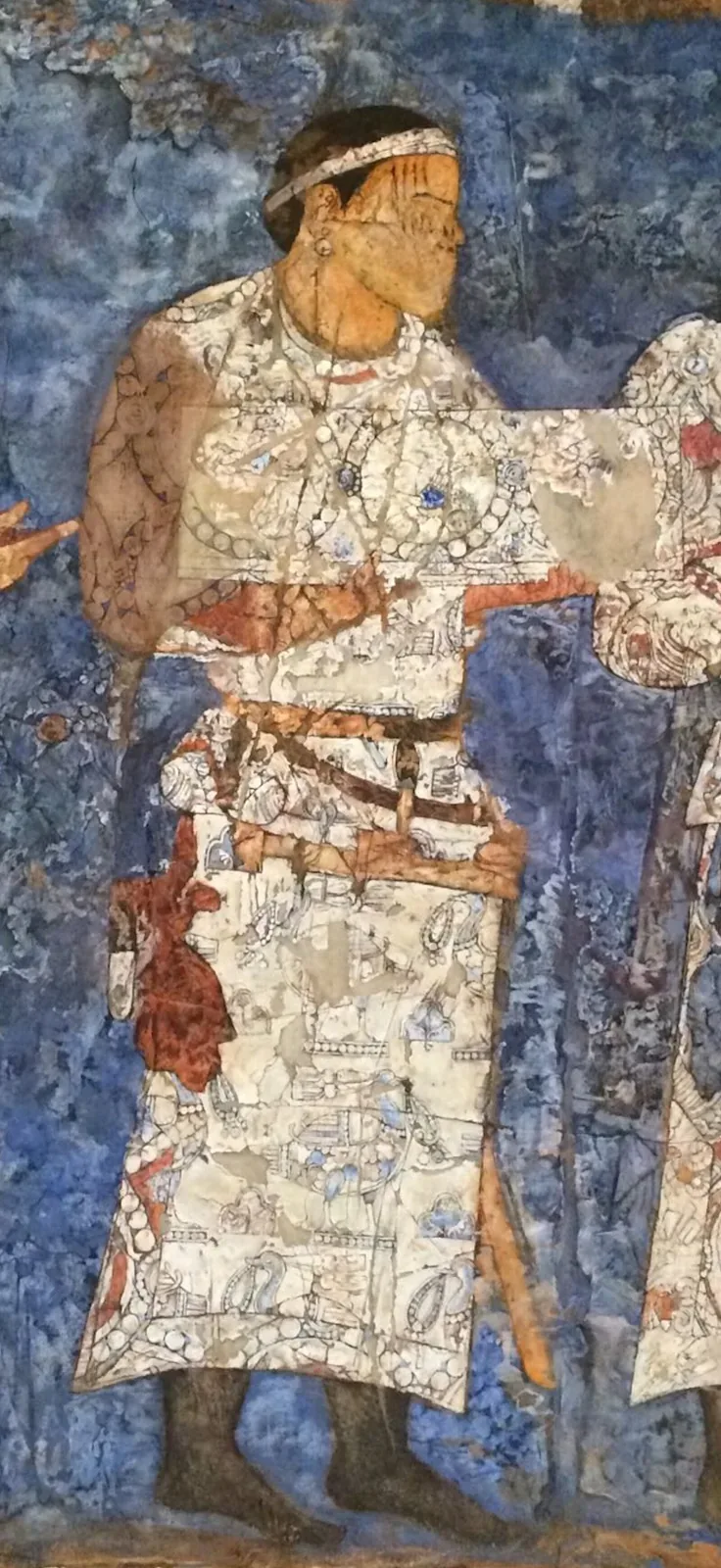
Afrasiab Museum is the place to visit before assuming that Samarkand begins with Timur. Set beside the archaeological site of ancient Afrasiab, it interprets the city that flourished centuries before the Timurid period. Its central treasure is the group of seventh-century Sogdian wall paintings discovered at Afrasiab, including the celebrated Ambassadors’ Painting. The mural fragments bring courtly life, diplomatic visitors and ceremonial processions into view with a level of colour and narrative rarely available at an archaeological site. For visitors who have already seen blue-tiled madrasas, the museum offers a striking change of historical scale.
What to see
Spend time with the mural display rather than rushing through it. The Ambassadors’ Painting is especially valuable because it turns a distant period into a visual encounter: figures, costumes, animals and processional scenes suggest how connected Sogdian Samarkand was to neighbouring courts. The museum helps explain why the city was important long before the fifteenth century, when Timurid builders transformed its skyline. Families with older children, students, art-minded travelers and anyone interested in Silk Roads exchange will get more from this stop than from a purely architectural circuit.
Plan your visit
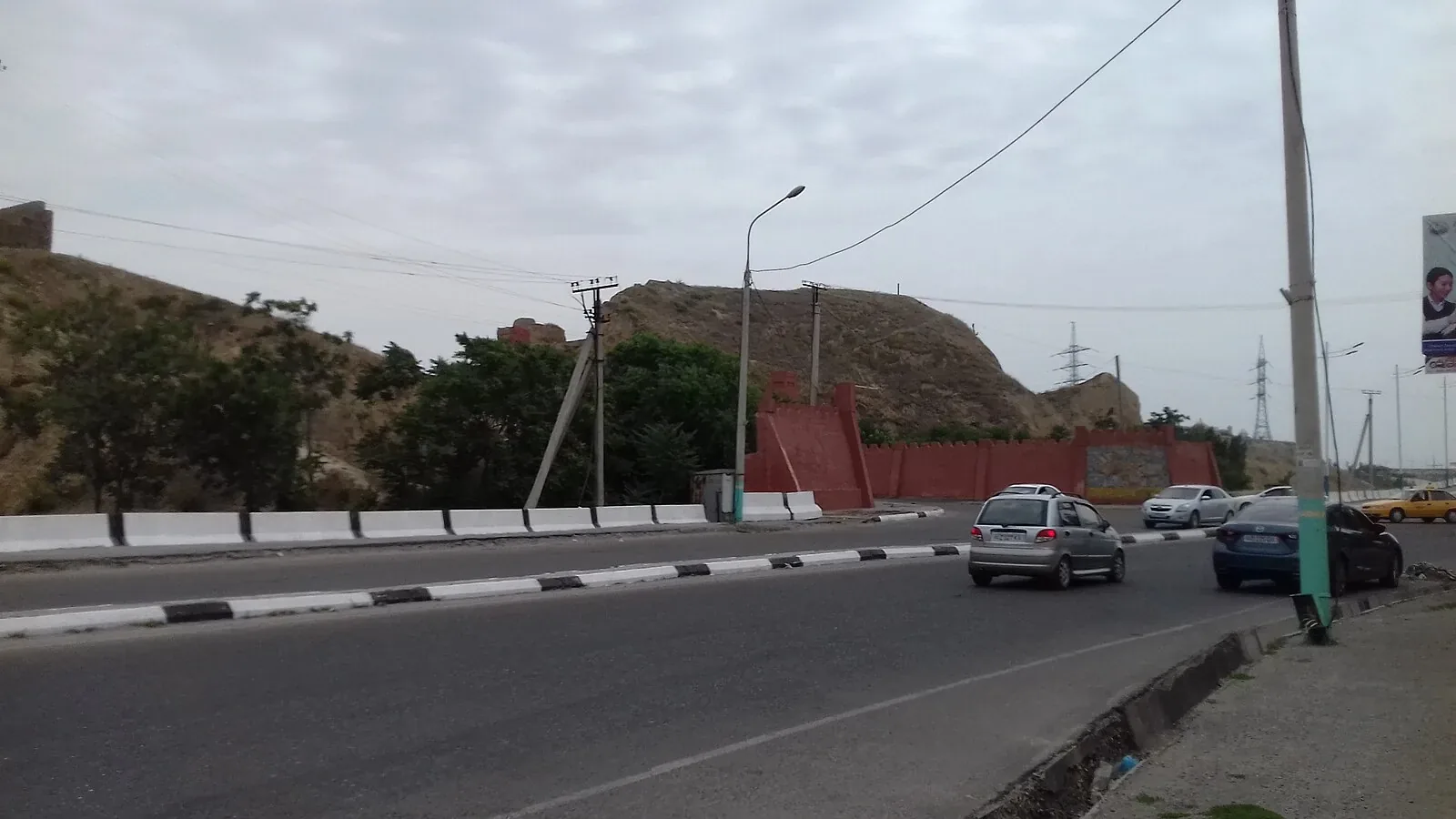
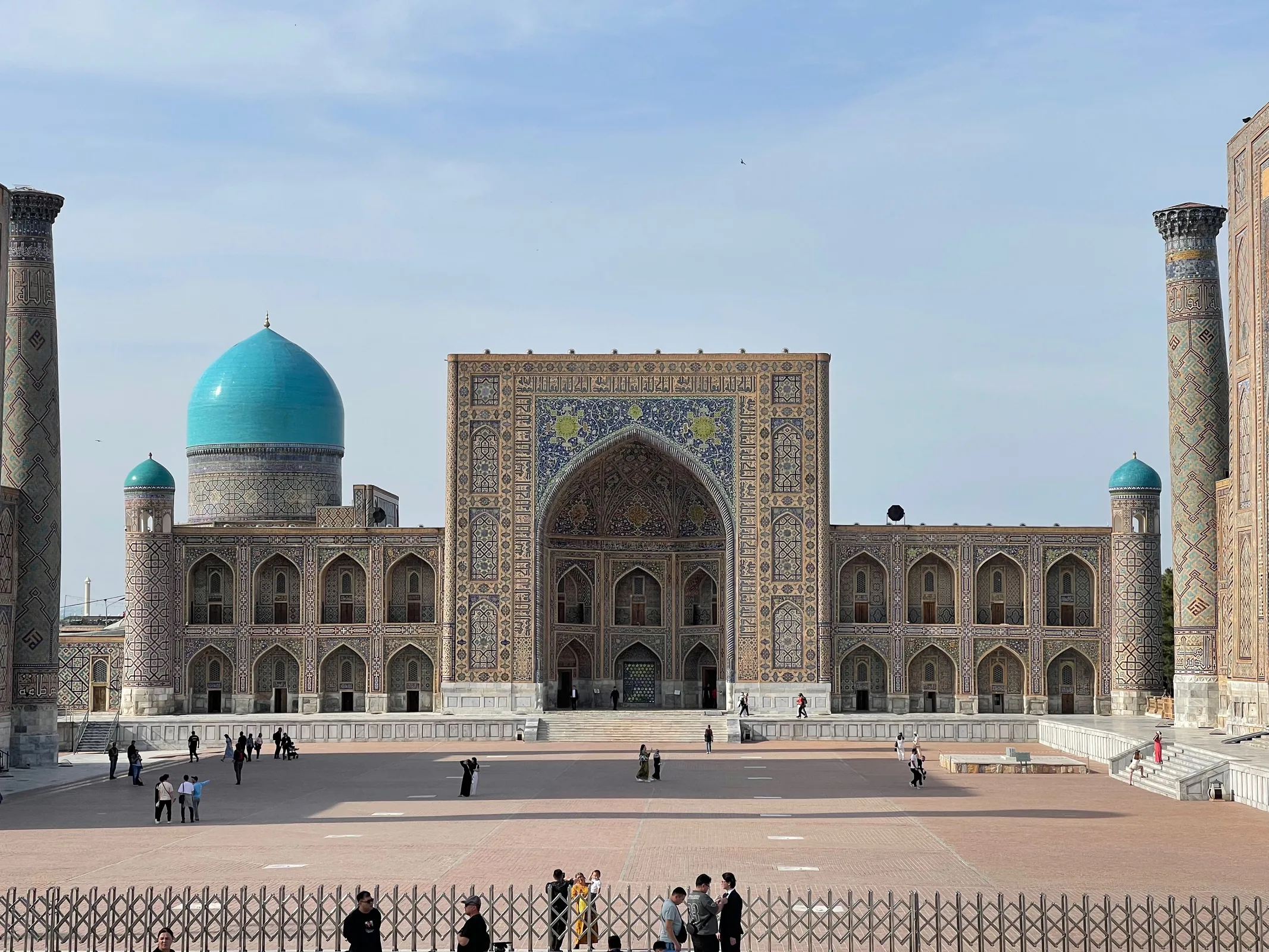
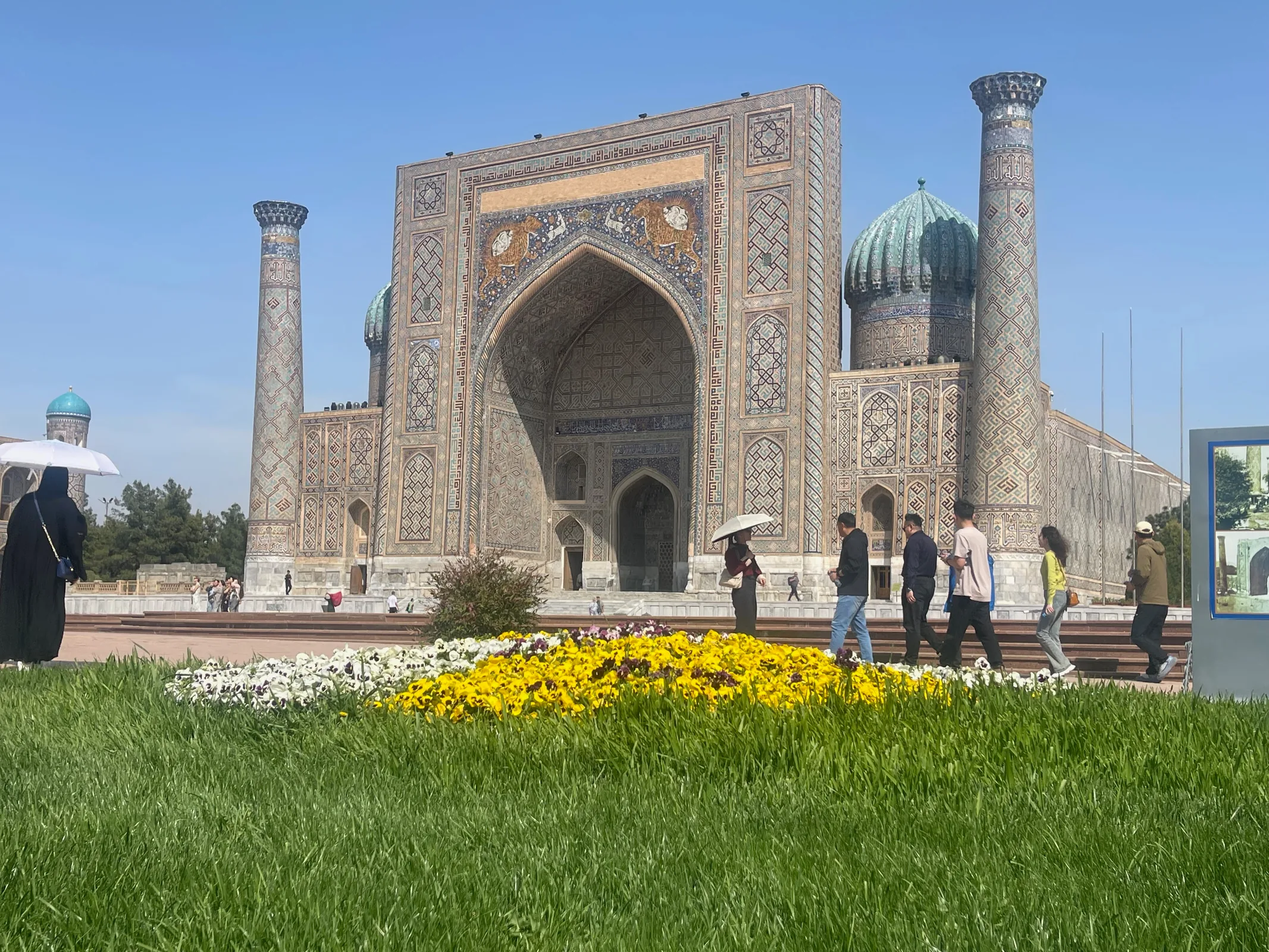
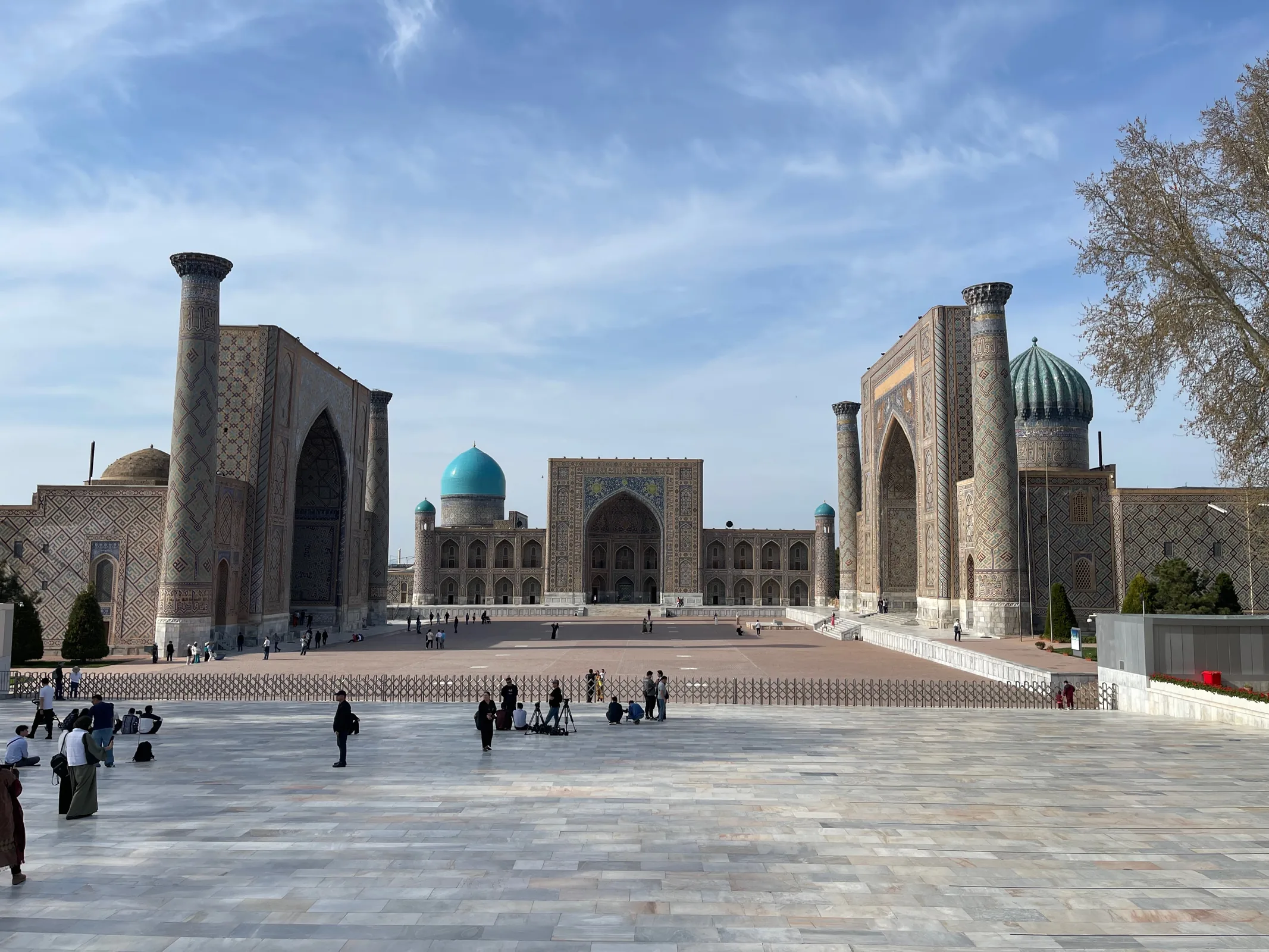
Pair the museum with the ancient Afrasiab site outside, allowing the objects and paintings to supply context for the landscape rather than viewing either in isolation. Afterwards, continue by taxi toward Shah-i-Zinda or Registan to see how later dynasties reshaped the city. This sequence makes Samarkand easier to understand as a layered place: ancient settlement, Sogdian crossroads and Timurid capital. The museum is compact enough for a focused visit, yet its murals can anchor an entire day of looking at the city beyond its most familiar monuments.