Why visit
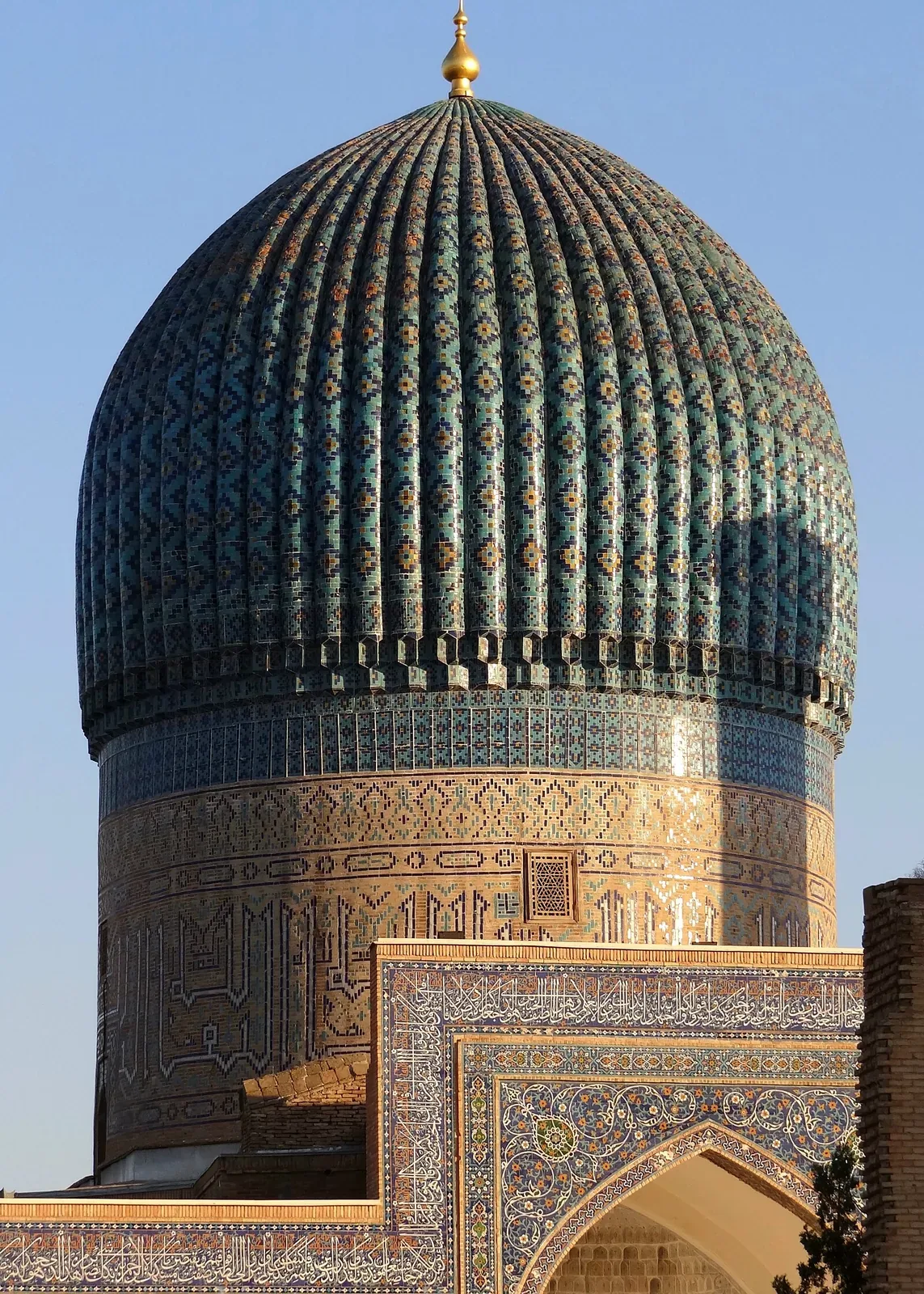
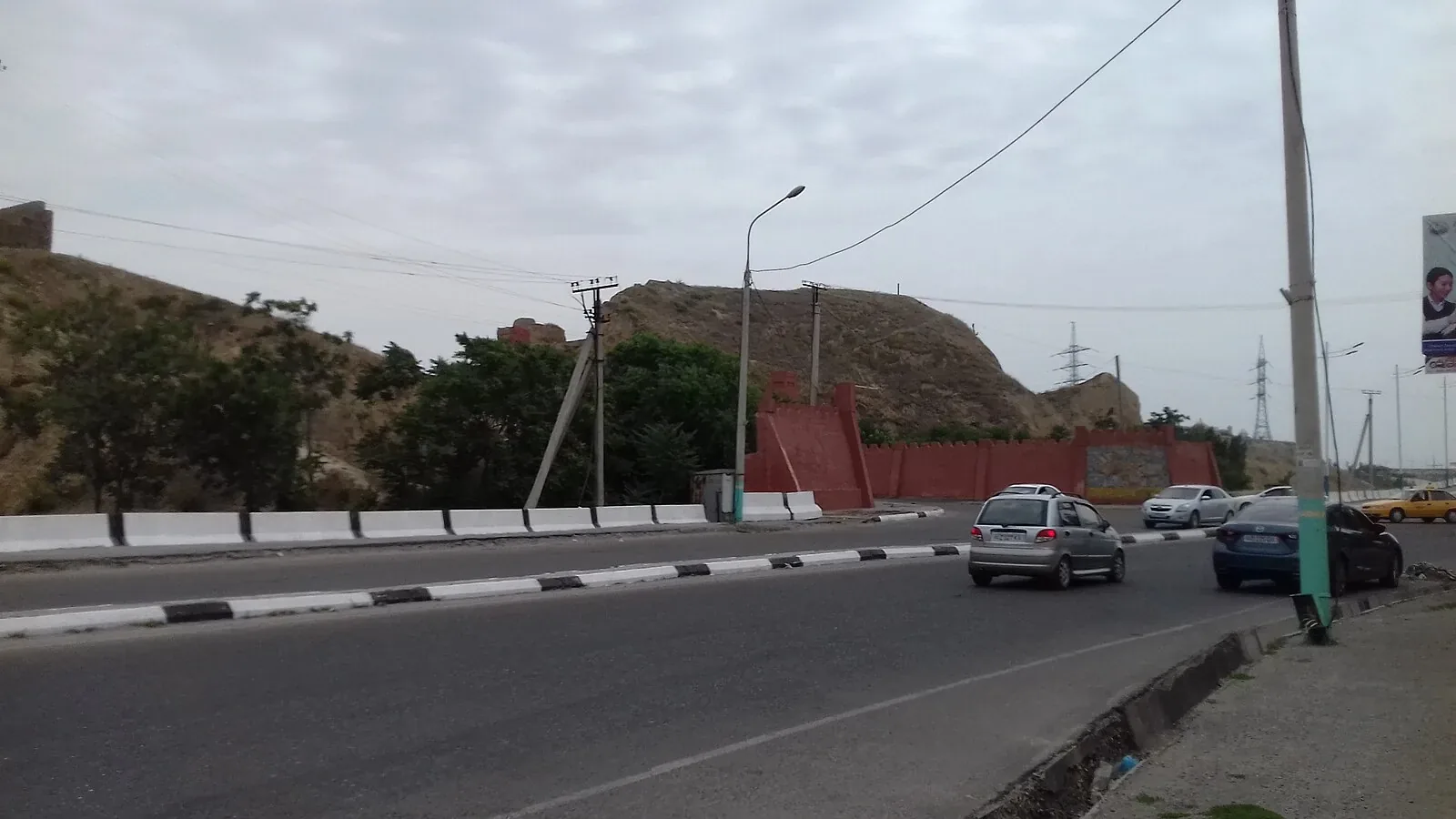
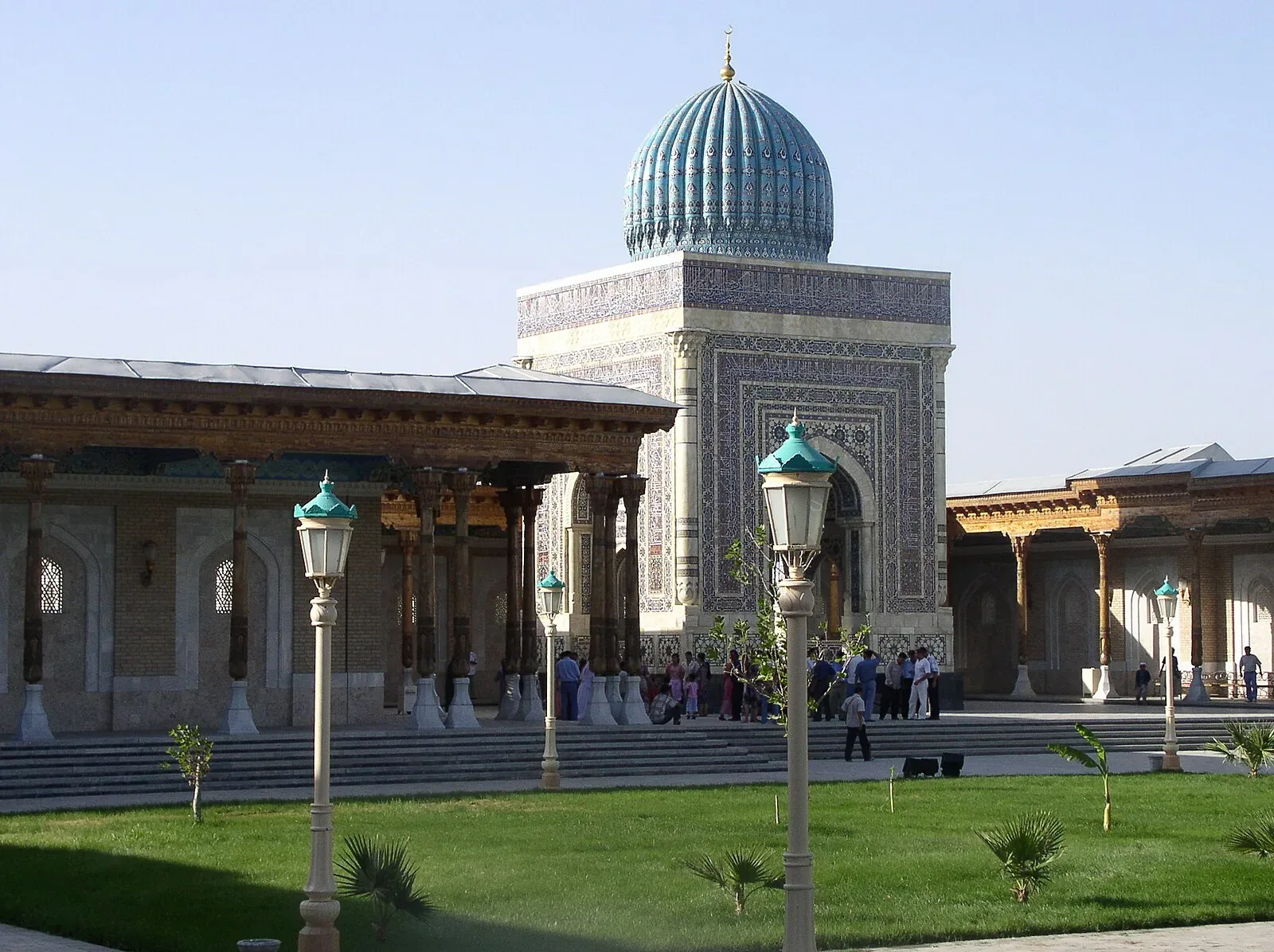
Ruhabad Mausoleum is one of the most understated stops on Samarkand’s central heritage route. Built in the fourteenth century as the tomb of the revered Sufi Sheikh Burhan al-Din Sagarji, it presents a deliberately restrained contrast to the grand portals and intensely tiled façades nearby. Its brick structure and dome have a compact, almost contemplative presence beside the larger monuments of the Timurid city. The visit is less about spectacle than proportion, material and the sense of a building that has remained important because of the person it commemorates.
What to see
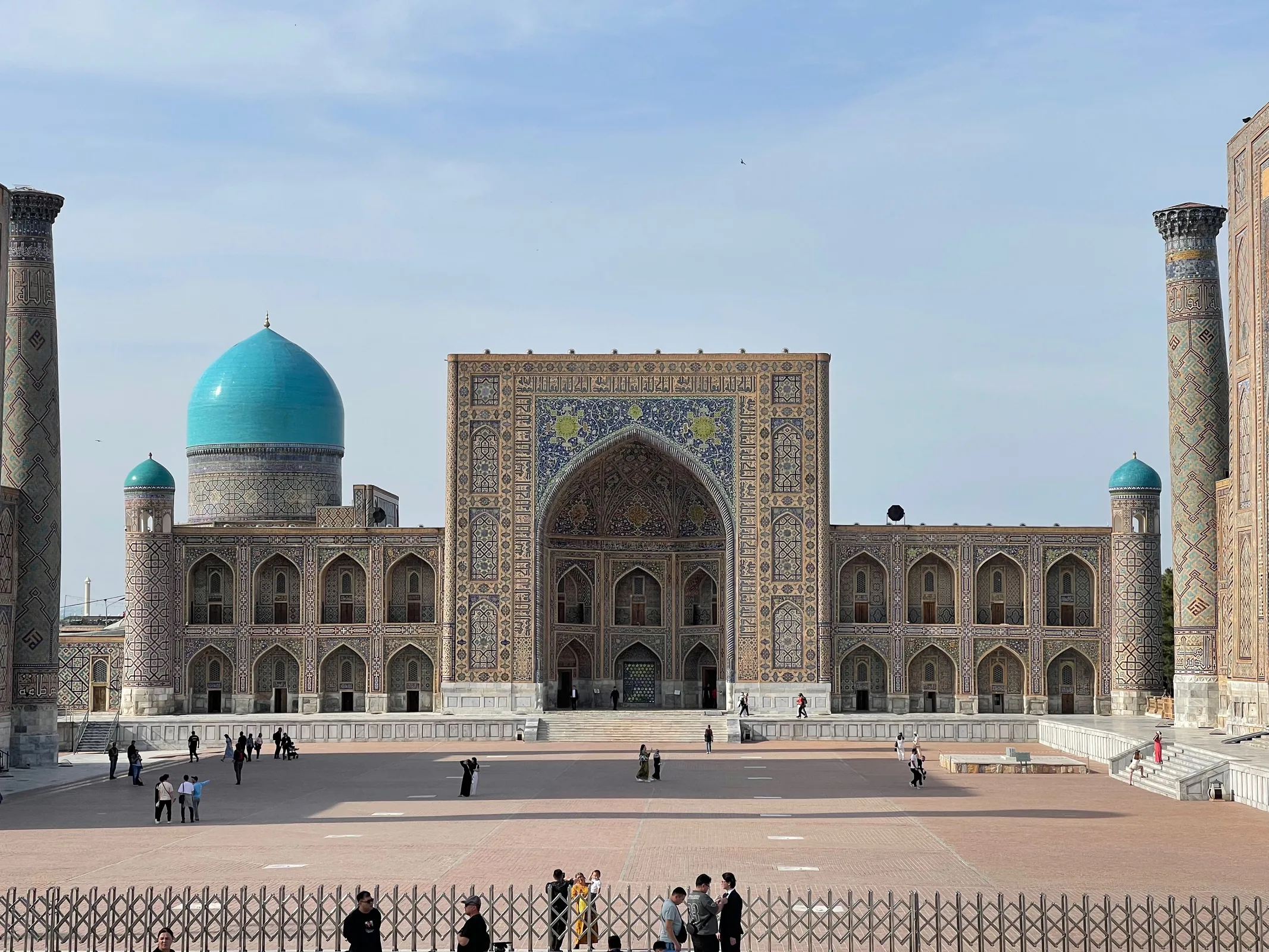
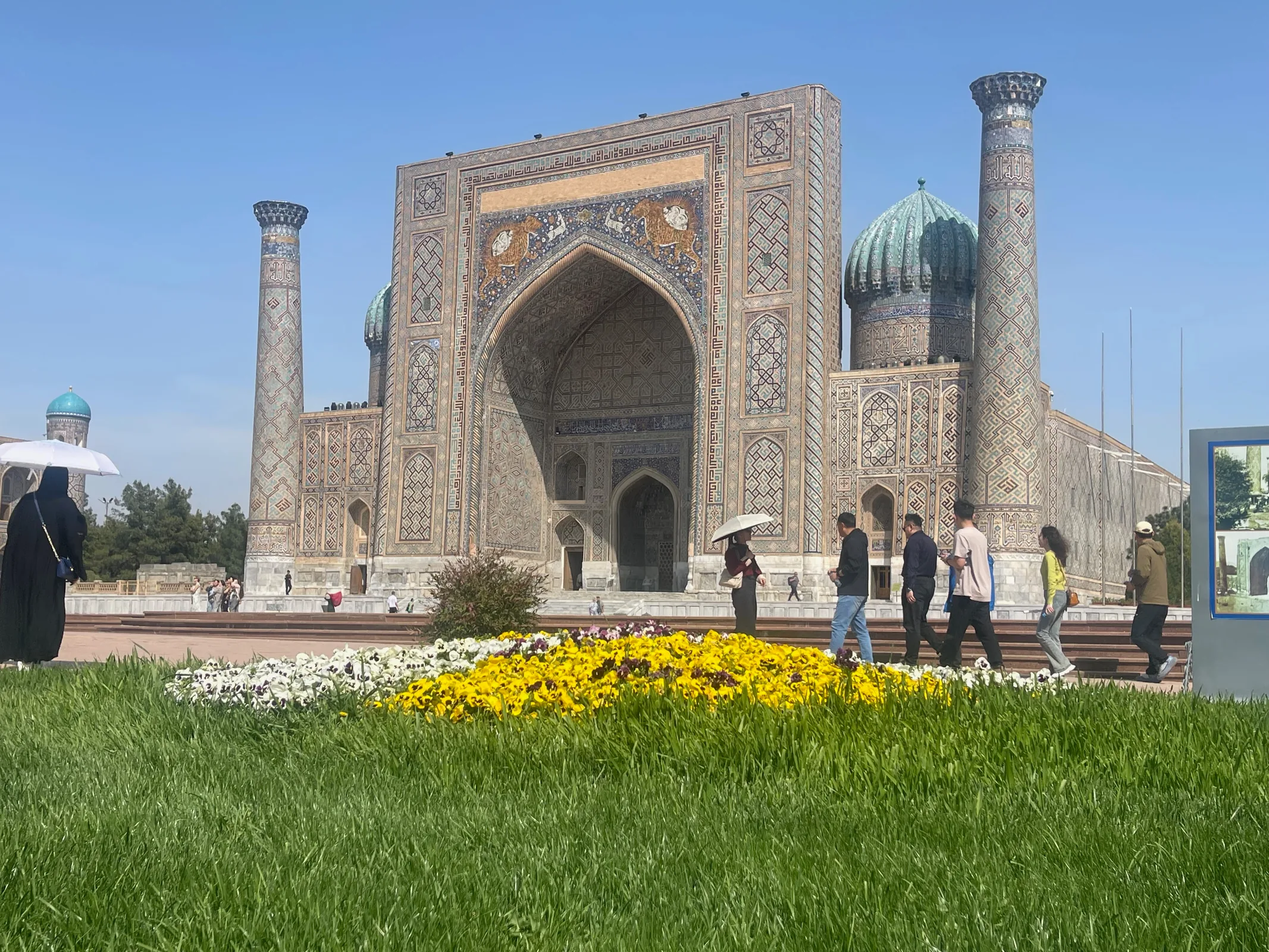
Approach Ruhabad after the visual drama of Registan or before entering Gur-e Amir. The difference is immediate: the mausoleum’s exterior relies on brick, a simple dome and a concentrated form rather than a broad public square. This makes it a useful place to slow the route down and notice another strand of Samarkand’s sacred and scholarly landscape. Visitors interested in Sufi heritage will appreciate the association with Sheikh Burhan al-Din Sagarji, while architecture-minded travelers can see how much presence a small building gains from careful massing and a clear silhouette.
Plan your visit
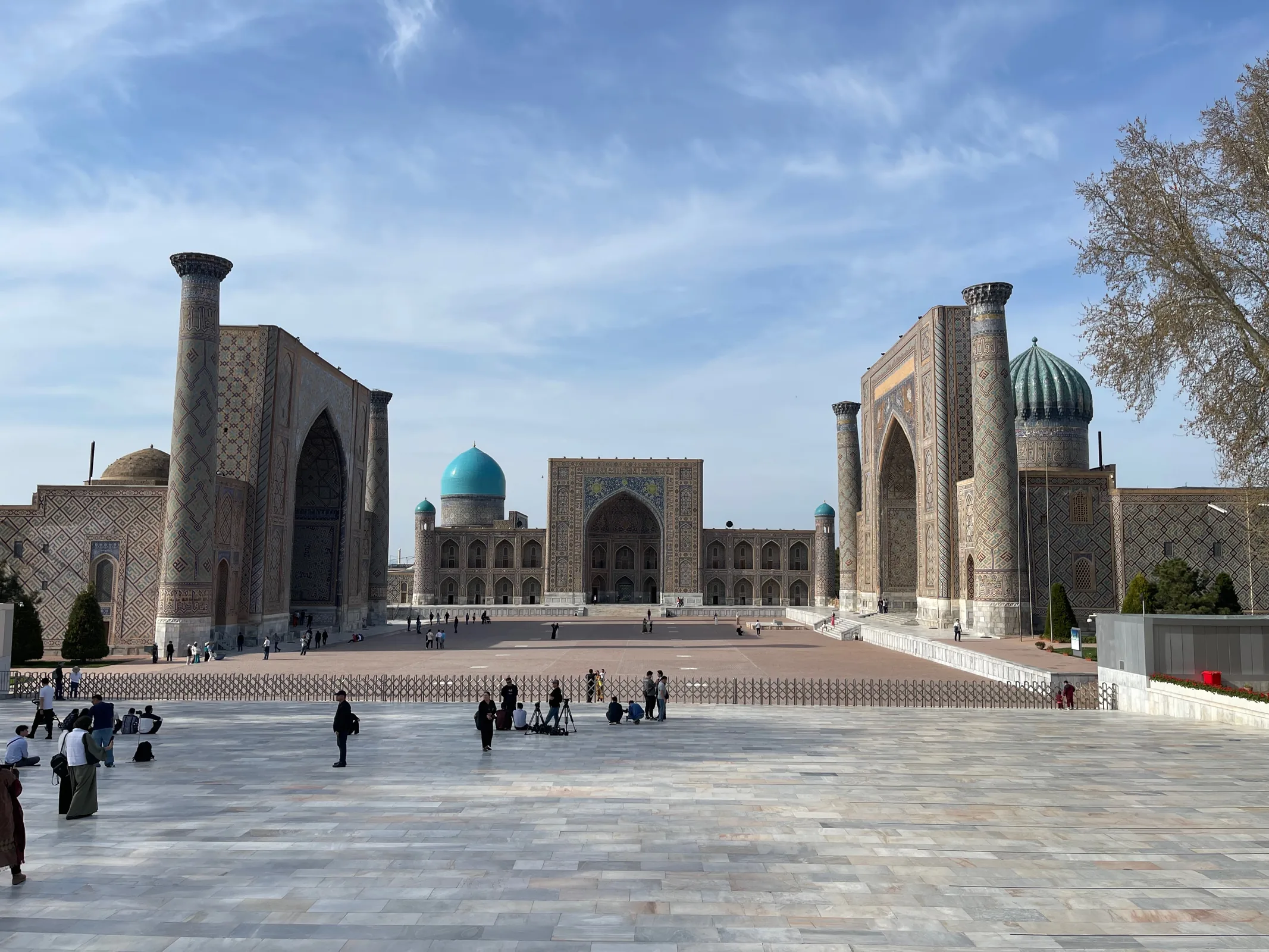
Ruhabad works best as a connecting landmark, not as a detour requiring a separate day. Walk or take a short taxi link between Registan, the mausoleum and Gur-e Amir, leaving time to compare their very different approaches to commemoration. Registan addresses the public city, Gur-e Amir expresses dynastic memory, and Ruhabad preserves a more intimate religious monument within the same central zone. That contrast gives a fuller picture of Samarkand than an itinerary made only of its largest sites. A brief, unhurried stop here can reset the pace before the next major monument.