Why visit
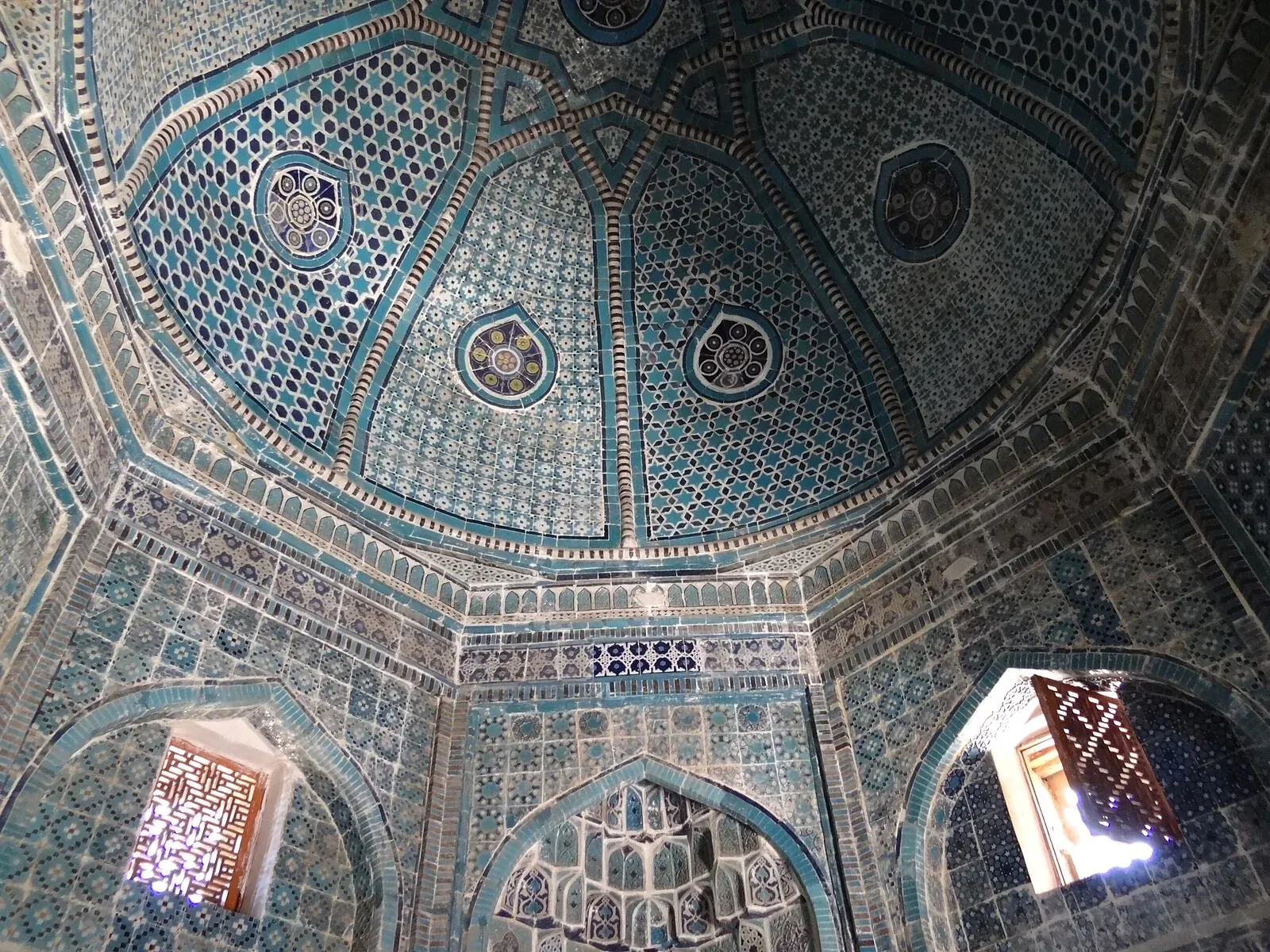
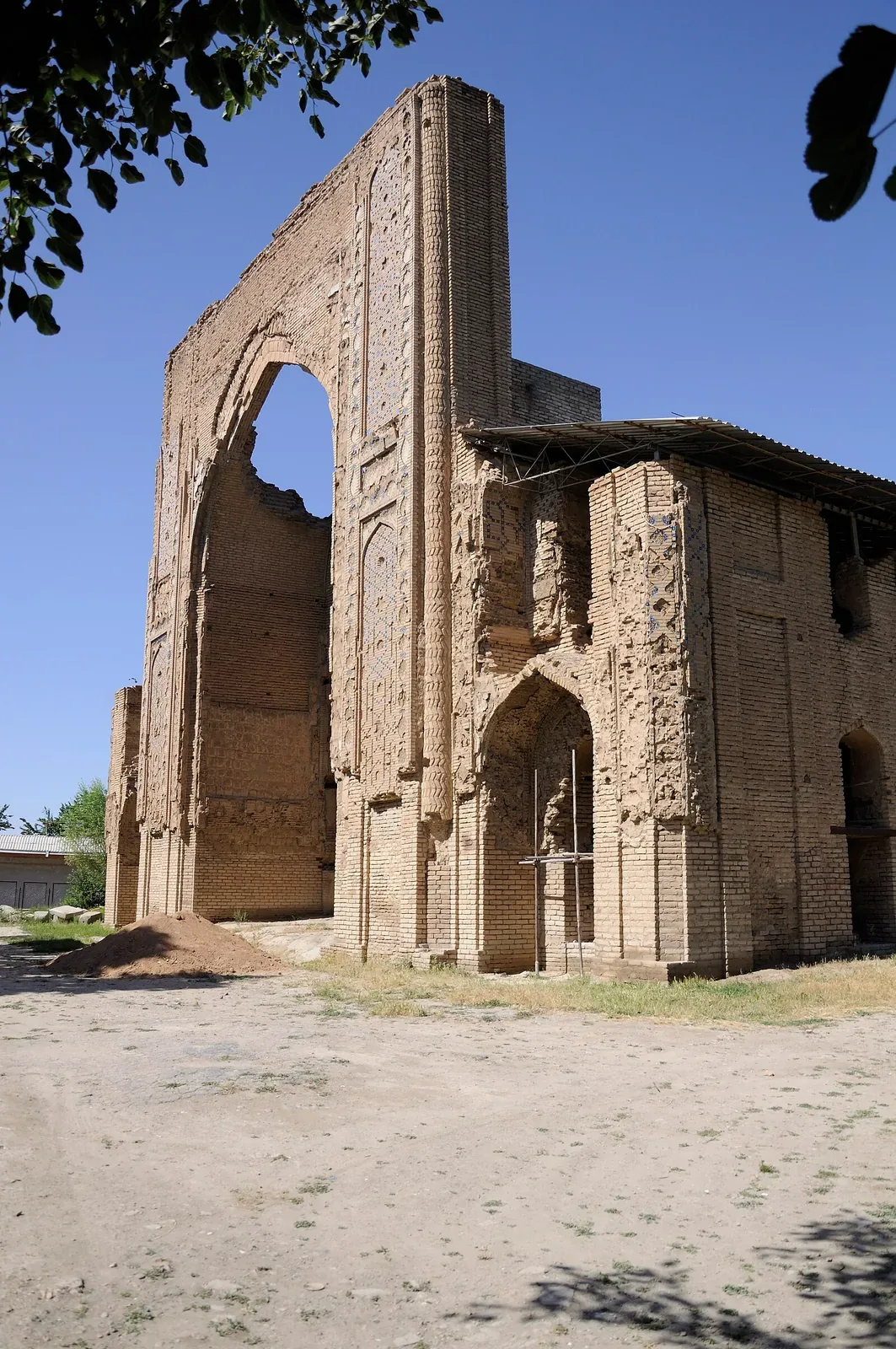
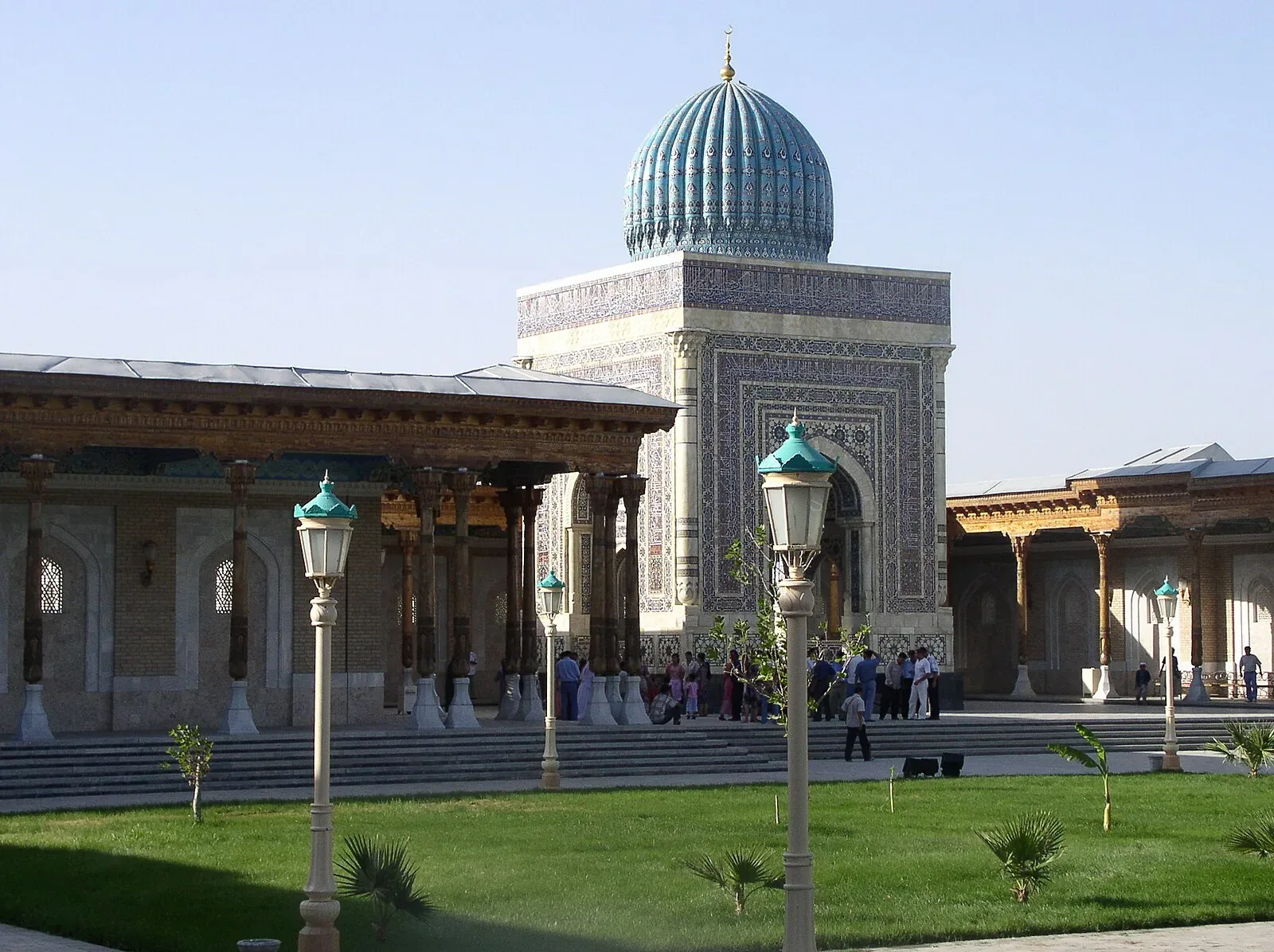
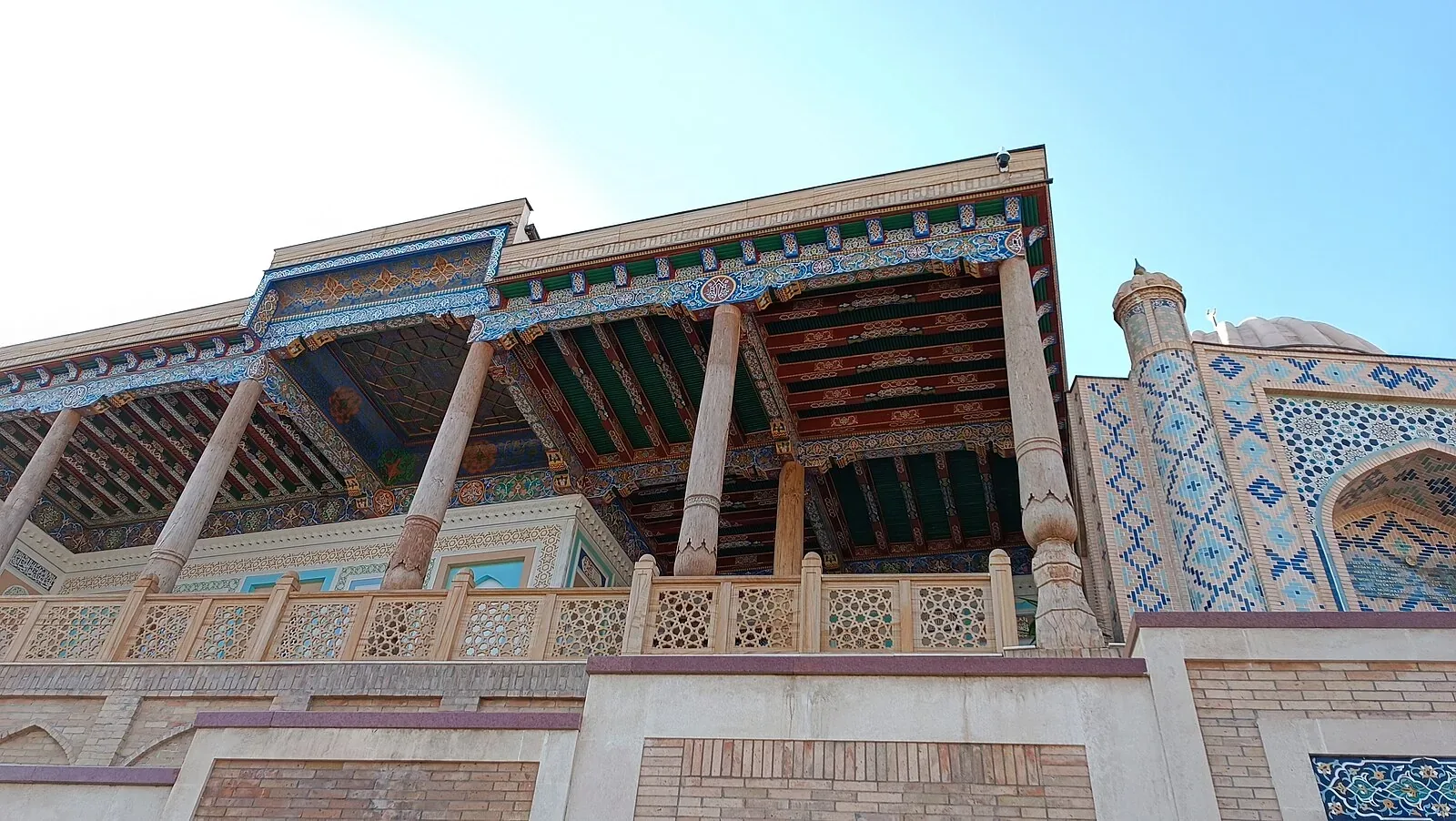
Shah-i-Zinda is one of the defining monuments of Samarkand and belongs at the centre of a first visit. A hill-side necropolis celebrated for Timurid tilework and sacred atmosphere. Its place within the UNESCO-listed Historic Centre of Samarkand connects the site to the city’s Timurid legacy and to the wider Silk Roads story. Give the visit unhurried time: the architecture, tilework, inscriptions and shifting light reward a slower circuit rather than a quick photograph. Families can use the open spaces and clear visual landmarks to keep the visit engaging for different ages.
What to see
Arrive early in the day for gentler light and a calmer atmosphere, then build the surrounding itinerary around the neighbouring heritage zone. Dress respectfully for this religious and historic setting, keep voices low where visitors are worshipping or reflecting, and follow any on-site guidance on access or photography. A local guide can add context on the rulers, scholars and craftsmen associated with the monument, while independent visitors should allow time to read site panels and pause at the major architectural details.
Plan your visit
Pair Shah-i-Zinda with nearby landmarks rather than treating it as an isolated stop. Use a pre-booked taxi when moving between the northern heritage corridor, Registan and the modern city, and carry water in warmer months. The monument is especially rewarding in a morning-and-late-afternoon programme, leaving the middle of the day for lunch or a museum. It remains a strong family choice because its history is visually immediate: domes, portals, courtyards and astronomical or dynastic stories make useful starting points for children and adults alike. Take a final moment to look back across the site before leaving; the changing perspective often reveals details missed on the first circuit.