Why visit
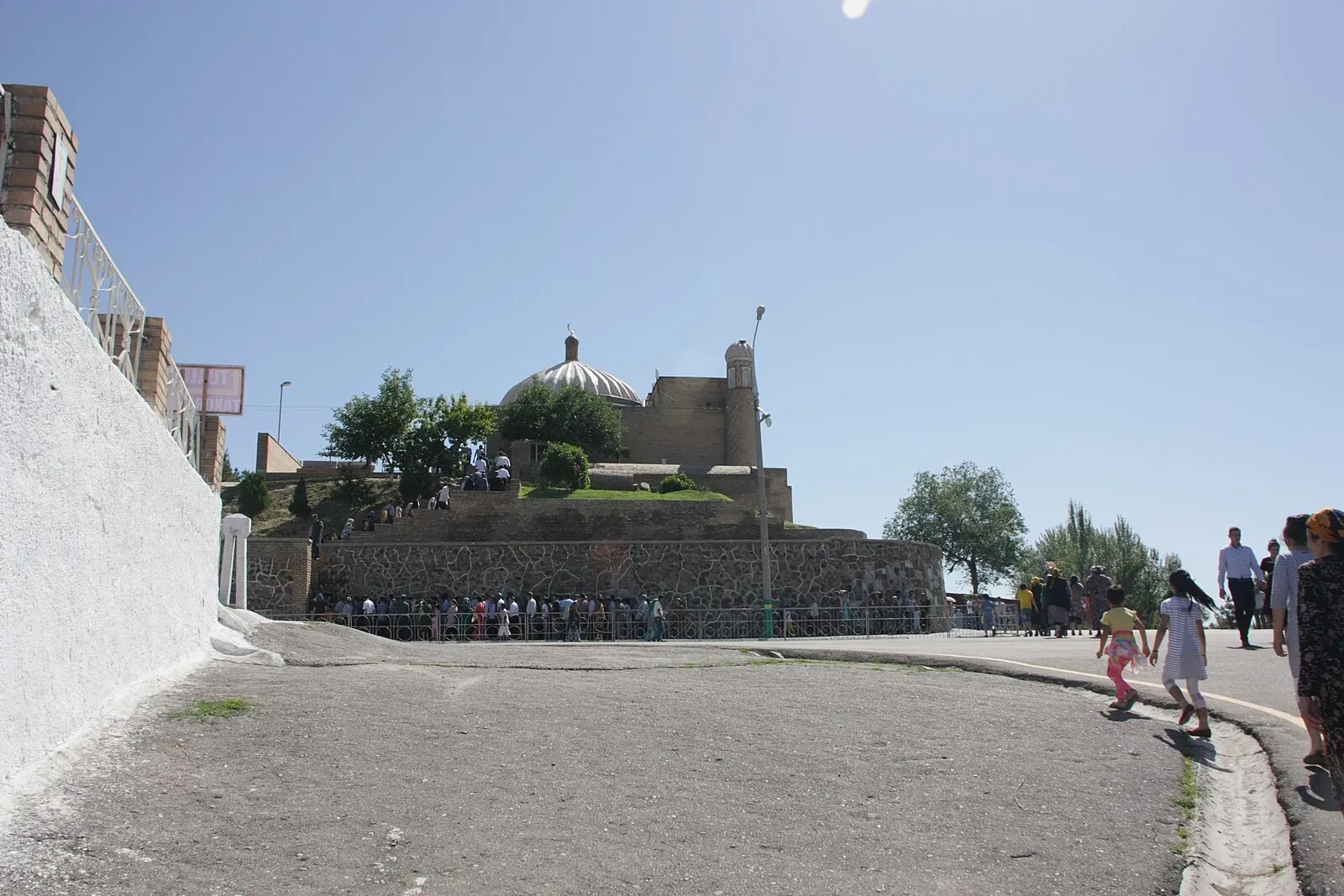
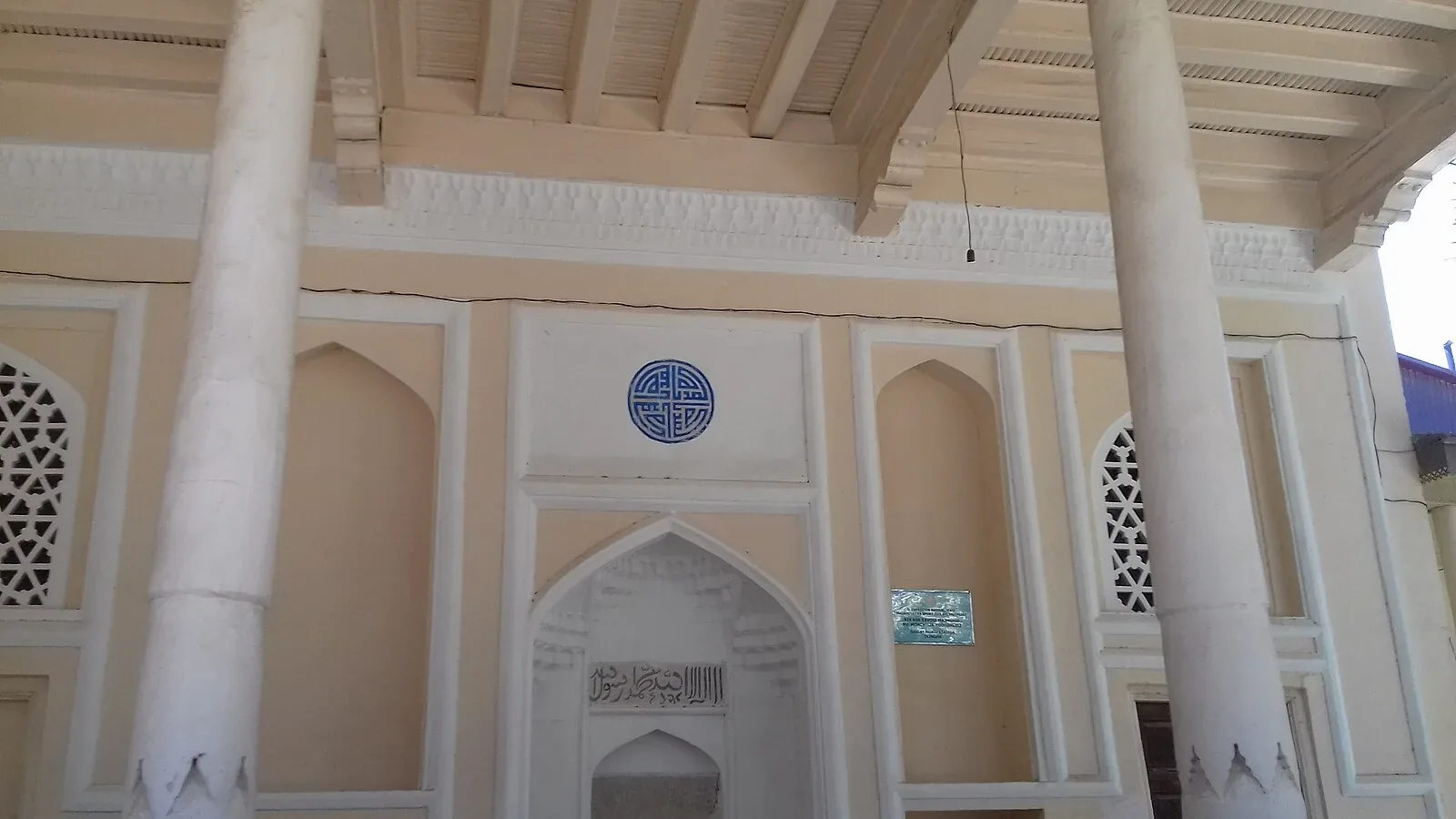
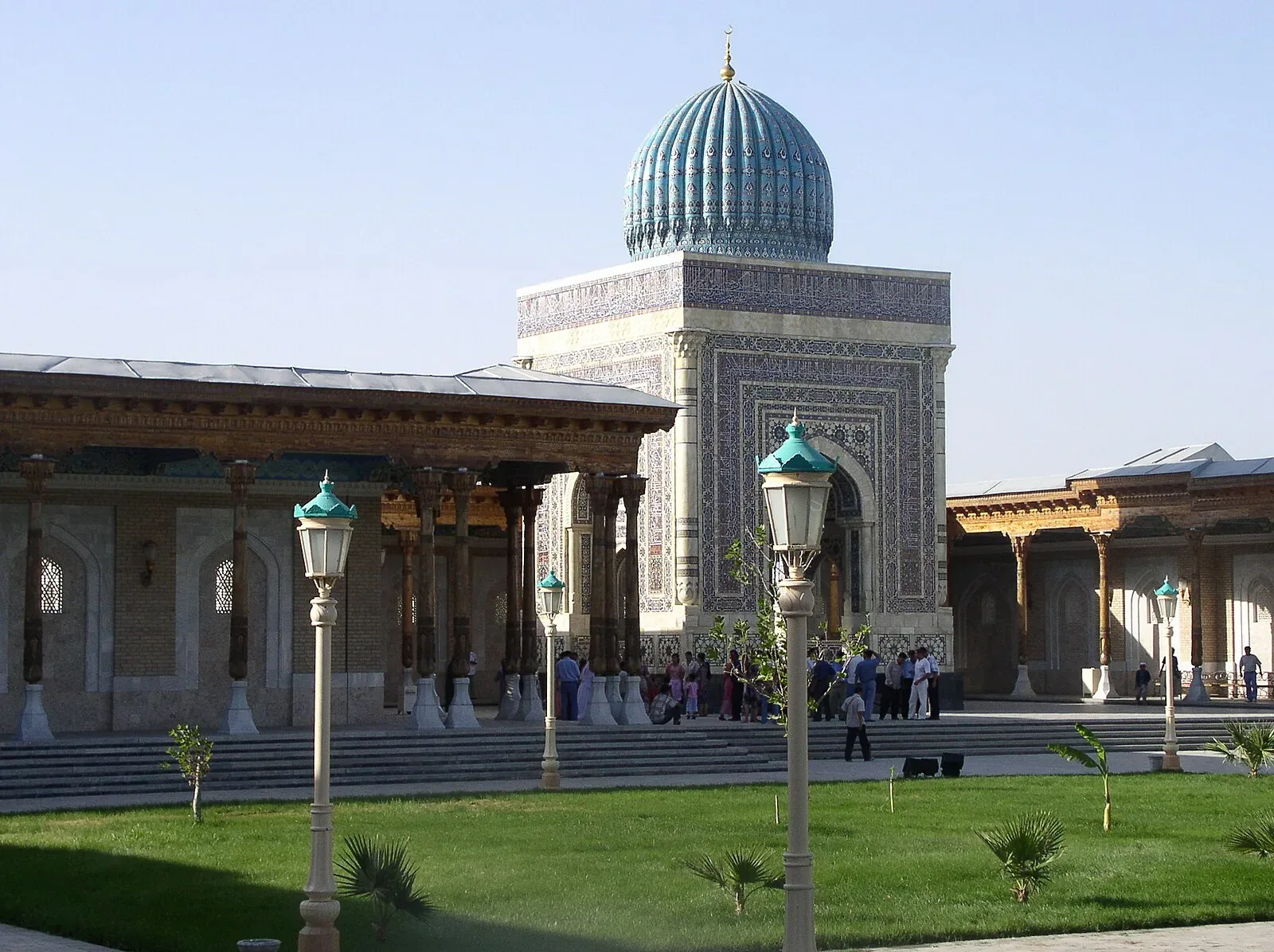
Hazrat Khizr Mosque occupies a raised position above the northern side of Samarkand’s historic core, making the approach part of the experience. From its hilltop terrace, the city opens out below in a way that contrasts sharply with the enclosed courtyards of the nearby monuments. The mosque’s character comes from its light veranda, carved wooden columns, painted details and delicate profile rather than from overwhelming scale. Take a few minutes on the approach to look back across the roofs and domes before entering the terrace area. It is a good place to understand how closely Samarkand’s religious buildings and urban landscape are tied together.
What to see
The mosque fits naturally after Bibi-Khanym Mosque and Siab Bazaar. Begin at the bazaar with its bread stalls and food counters, continue through the monumental mosque complex, then climb toward Hazrat Khizr when the route calls for a quieter pause and a wider view. The sequence gives the northern heritage area a useful rhythm: market activity, monumental Timurid architecture and then a smaller, more intimate mosque on the hill. Families can use the terrace as a visual break between larger sites, while photographers will find the veranda and skyline more rewarding than a hurried stop allows.
Plan your visit
Visit with the same respectful manner used at any mosque: keep clothing and behaviour considerate, lower the pace on the veranda and allow space for other visitors. Hazrat Khizr is especially effective in the morning or late afternoon, when the hilltop light brings out the mosque’s pale surfaces and the city beyond it. Pair it with Shah-i-Zinda if continuing north-east, or return toward Registan after the bazaar and Bibi-Khanym circuit. Its appeal lies in this combination of architecture, elevation and route placement, not in a checklist of separate attractions.