
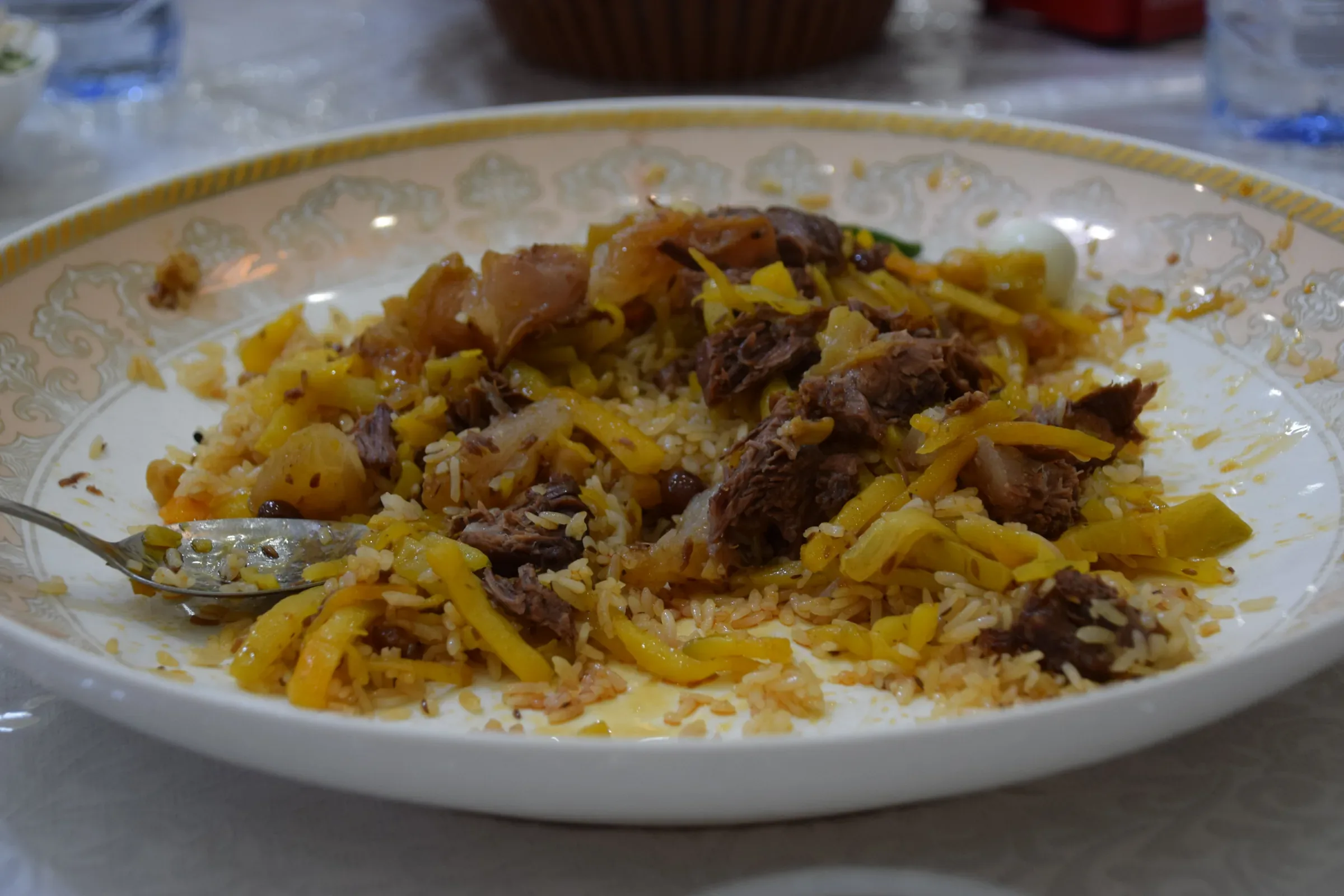
 Ibn Sino Street / university district
Osh Markazi No. 1
Top pick
A focused Ibn Sino Street lunch stop for Samarkand plov, tomato salad, non bread and tea in a lively local dining hall.
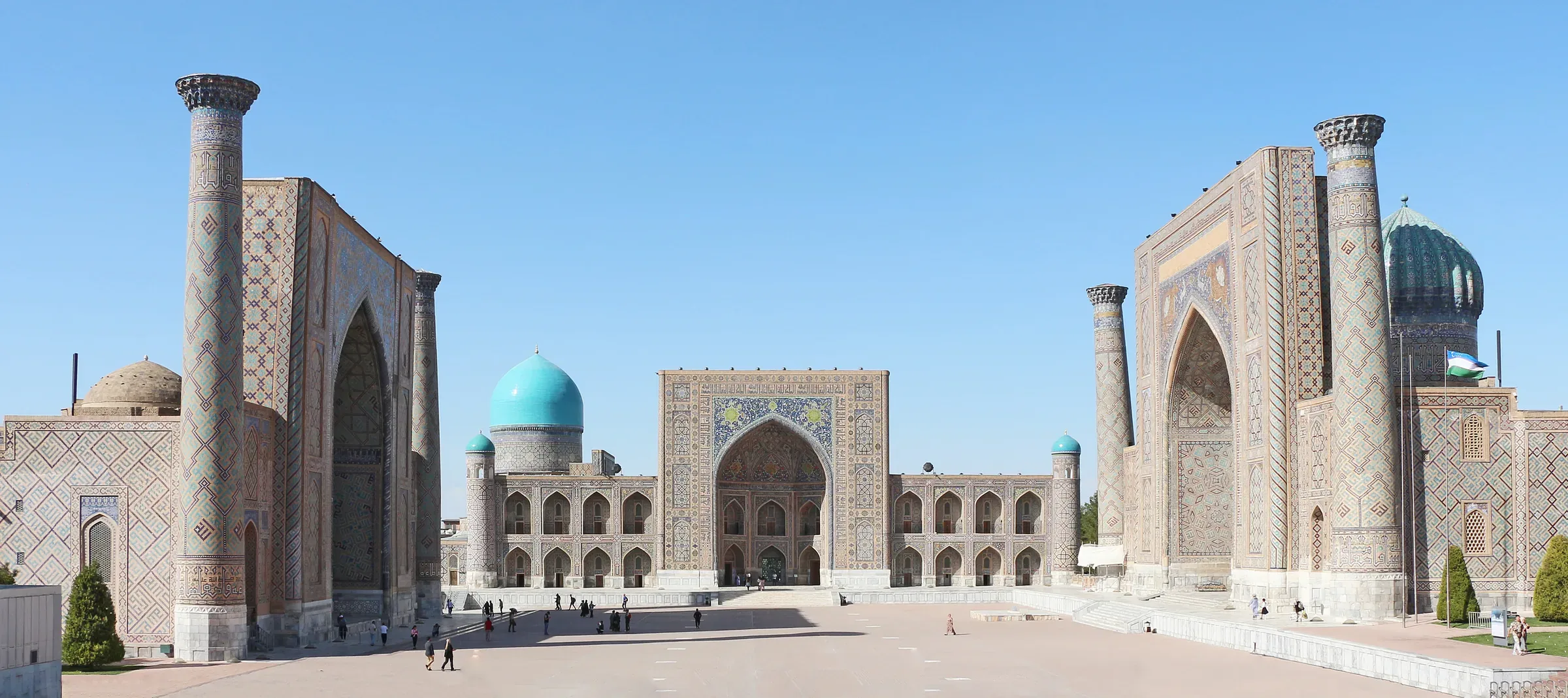
Build the visit around coherent heritage clusters, then add Afrasiab, Ulugh Beg's Observatory and living religious sites with appropriate context.
Showing 1–24 of 25 places
City guide section
Showing 1–24 of 25 places
Browse the highlights below, then open any place for maps, area notes, and practical details.
Section guidance
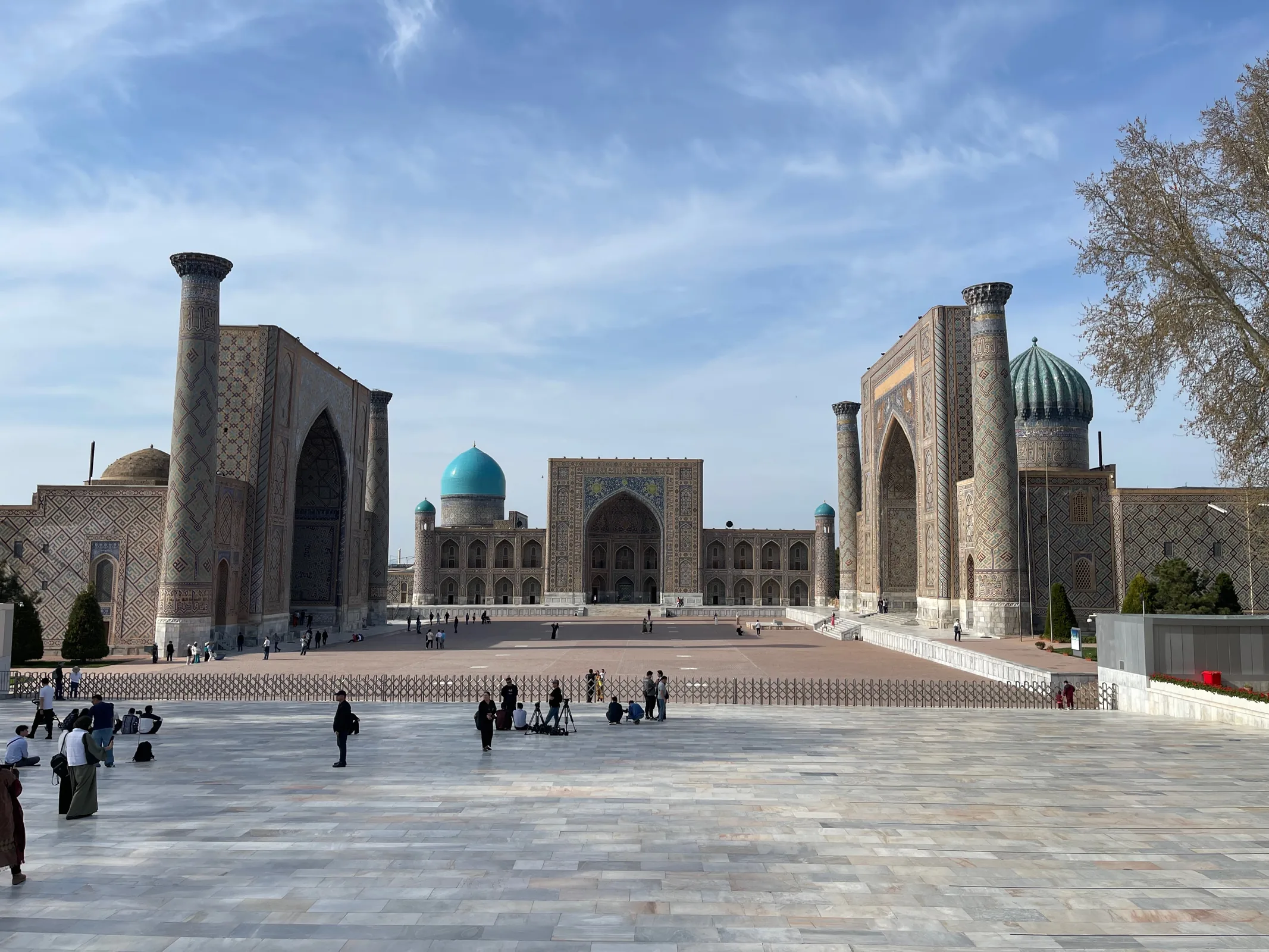
Registan deserves an unhurried first visit because its three madrasas reward attention to proportion, tilework and changing light, not just a front-facing photograph. From there, Tashkent Road leads naturally toward Bibi-Khanym Mosque and Siyob Bazaar. Gur-e-Amir and the Rukhabad ensemble form a separate southern cluster that fits well before or after University Boulevard rather than as a rushed detour.
Shah-i-Zinda is both an architectural ensemble and a place of pilgrimage beside a cemetery. Its mausoleums should not be flattened into a generic mosque listing, and photography must yield to worship and family visits. Continue toward Afrasiab Museum and the archaeological landscape, then Ulugh Beg's Observatory, using a taxi when heat, distance or mobility makes the eastern corridor impractical on foot.
Confirm current opening hours, ticketing and restoration access for each record rather than applying one schedule to the whole UNESCO property. Active mosques can restrict sightseeing during prayer, and women's access may differ between worship areas and monument courtyards. Families benefit from splitting monumental interiors across two days; wheelchair users should expect uneven paving, thresholds and steps even where the outer grounds are reachable.
Samarkand
Registan’s fifteenth-century madrasah, associated with Ulugh Beg’s scholarly legacy and marked by astronomy-themed portal decoration.
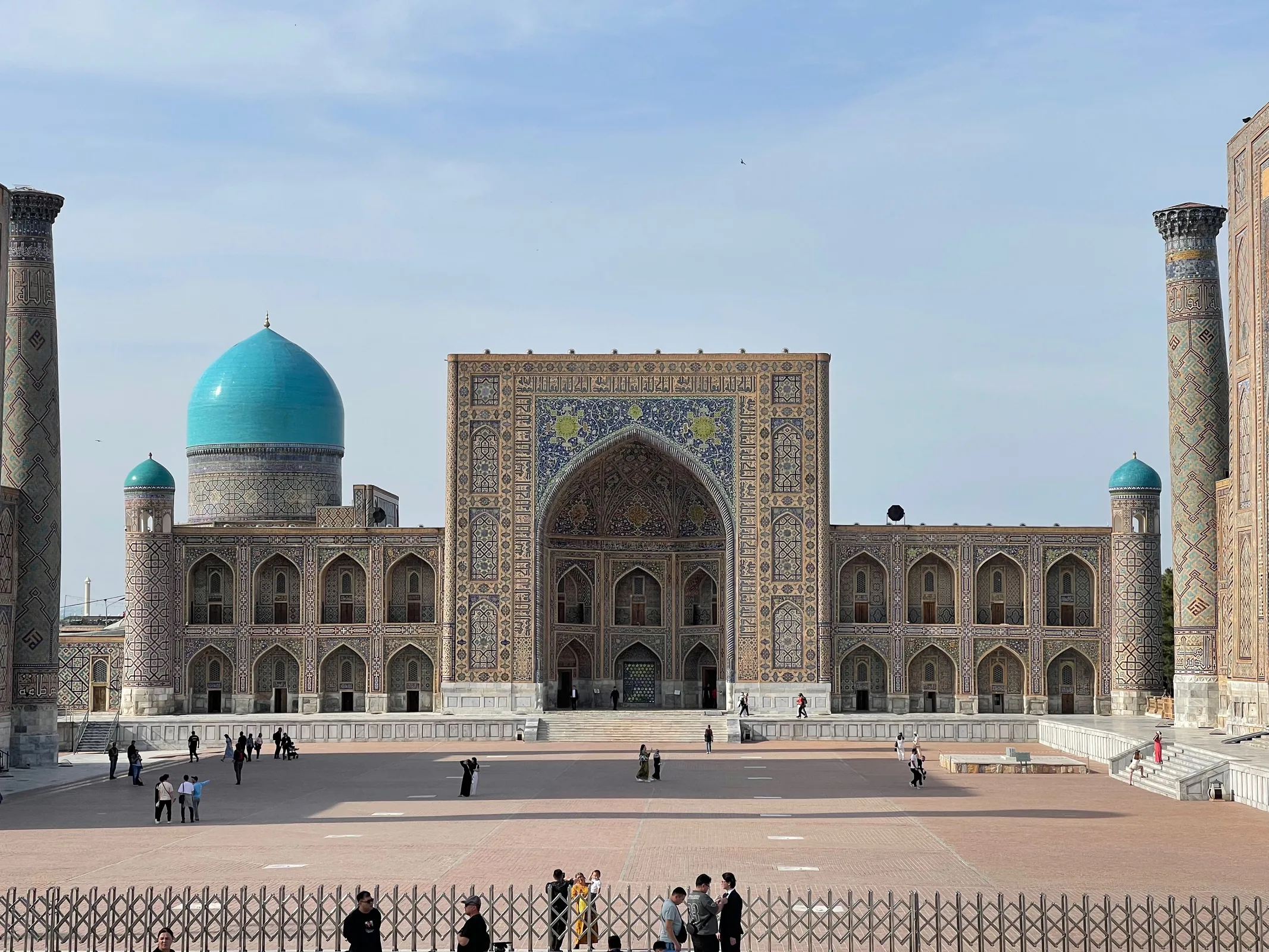
Samarkand
Registan’s central madrasah, completing the ensemble with a balanced exterior and a celebrated gilded interior beneath its blue dome.
Samarkand
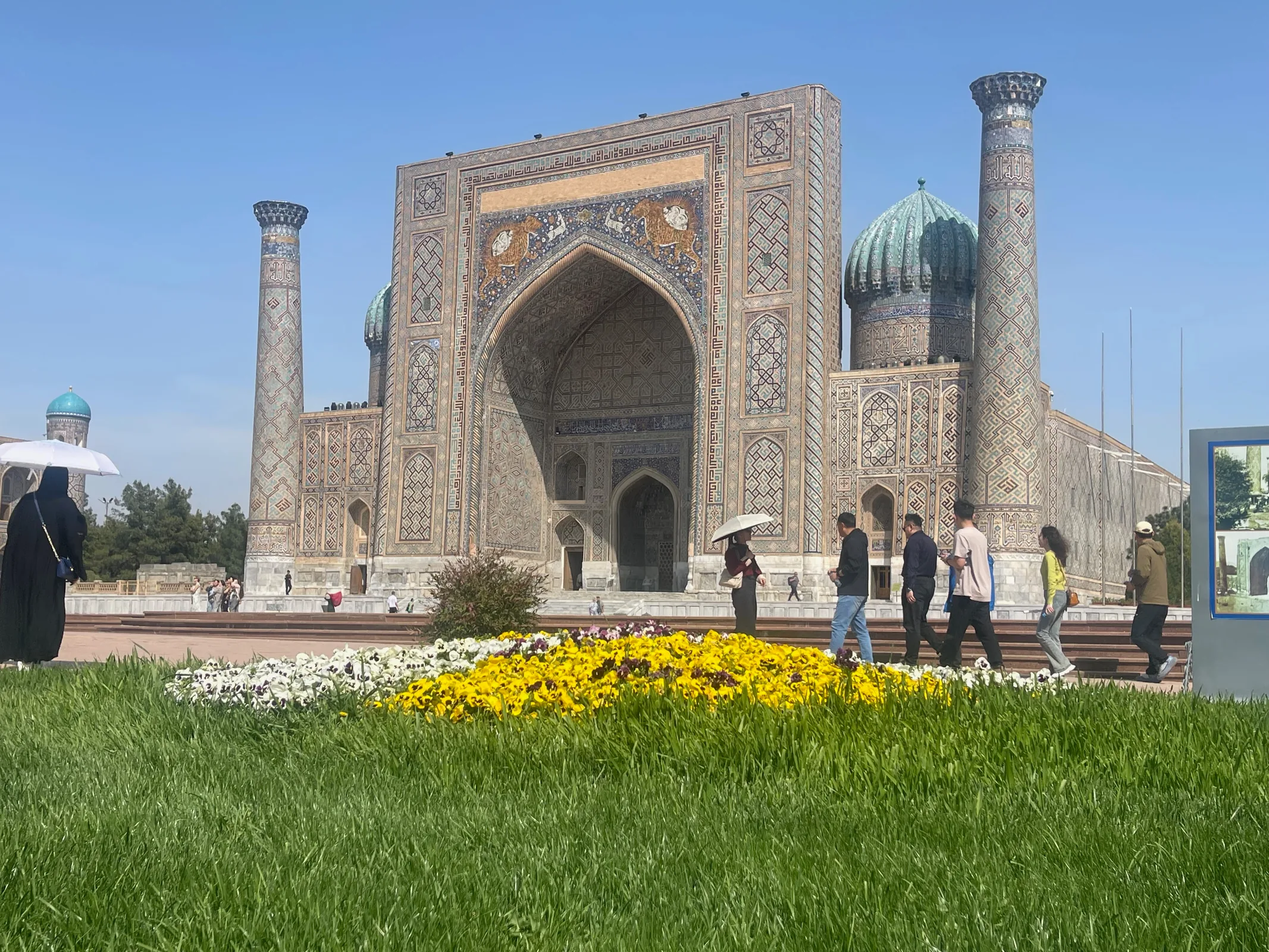
Registan’s eastern madrasah, famous for its early-seventeenth-century façade of felines, deer and rising sun motifs.
Samarkand
Samarkand’s great public square, framed by three Timurid madrasas and at its most memorable when given time to explore.
Samarkand
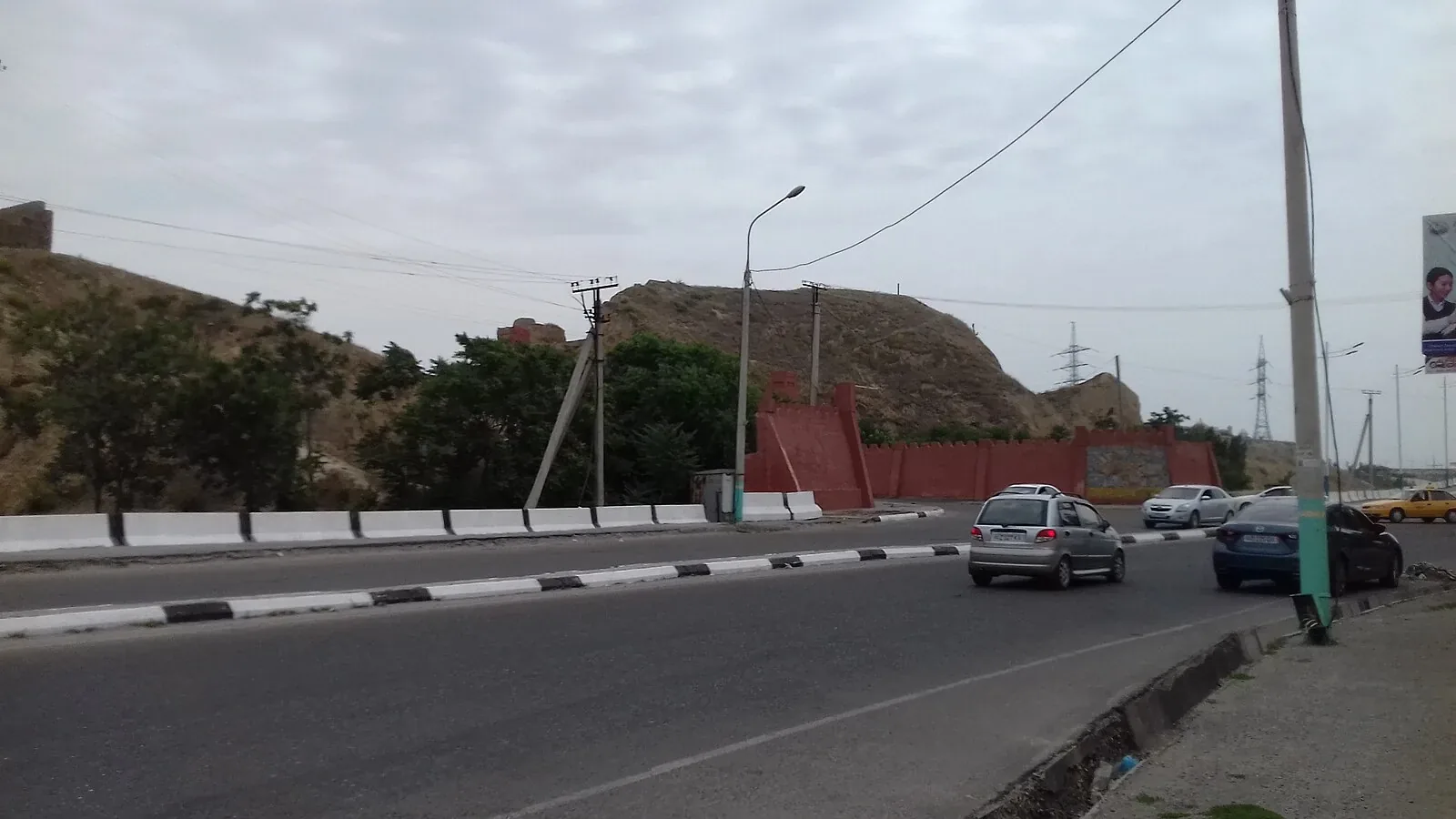
The archaeological landscape of pre-Timurid Samarkand, where restored walls and open ground reveal the scale of the ancient city.
Samarkand
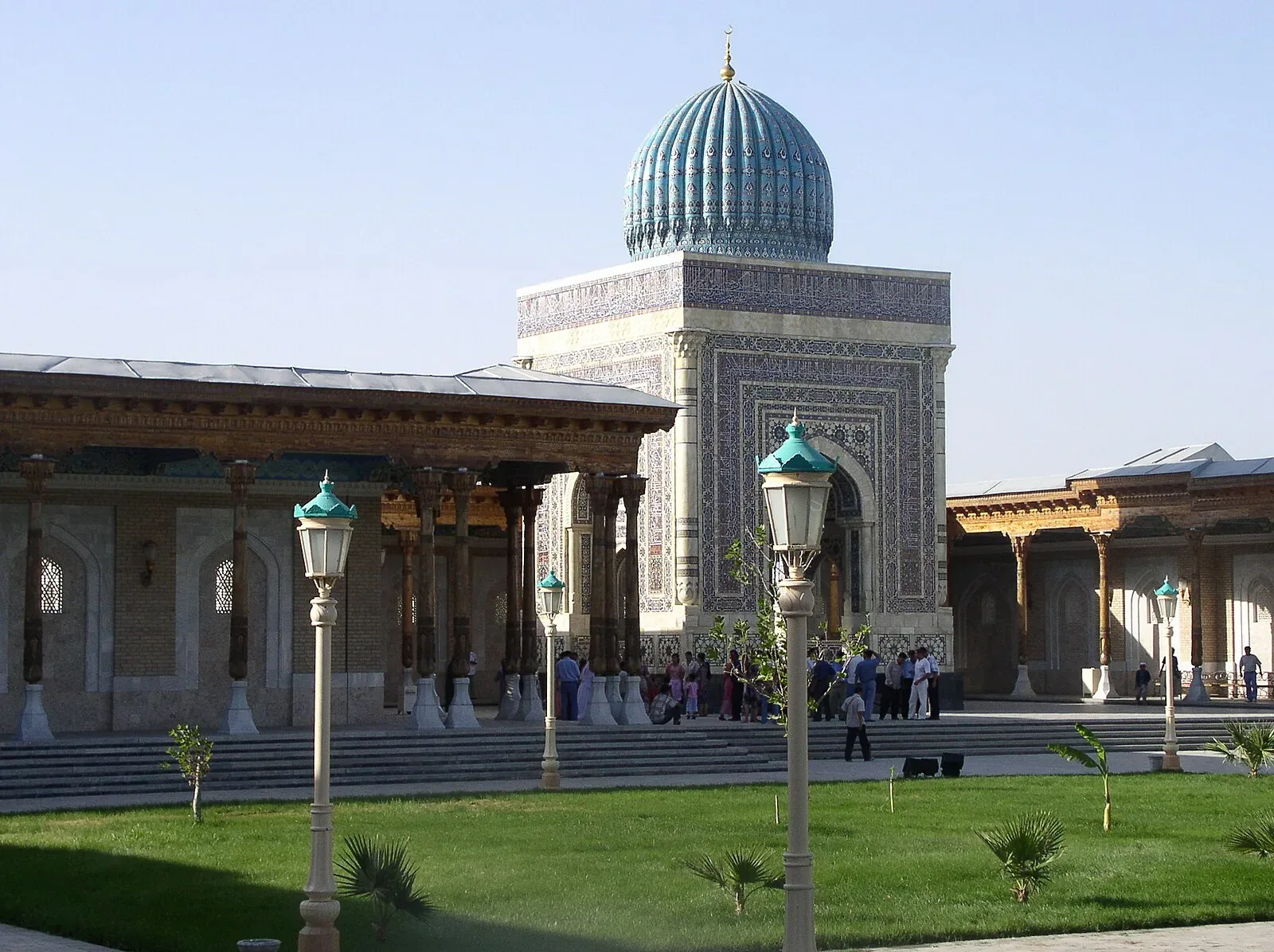
A memorial at Hartang outside Samarkand, centred on the burial place of Imam al-Bukhari and best visited as a dedicated excursion.
Samarkand
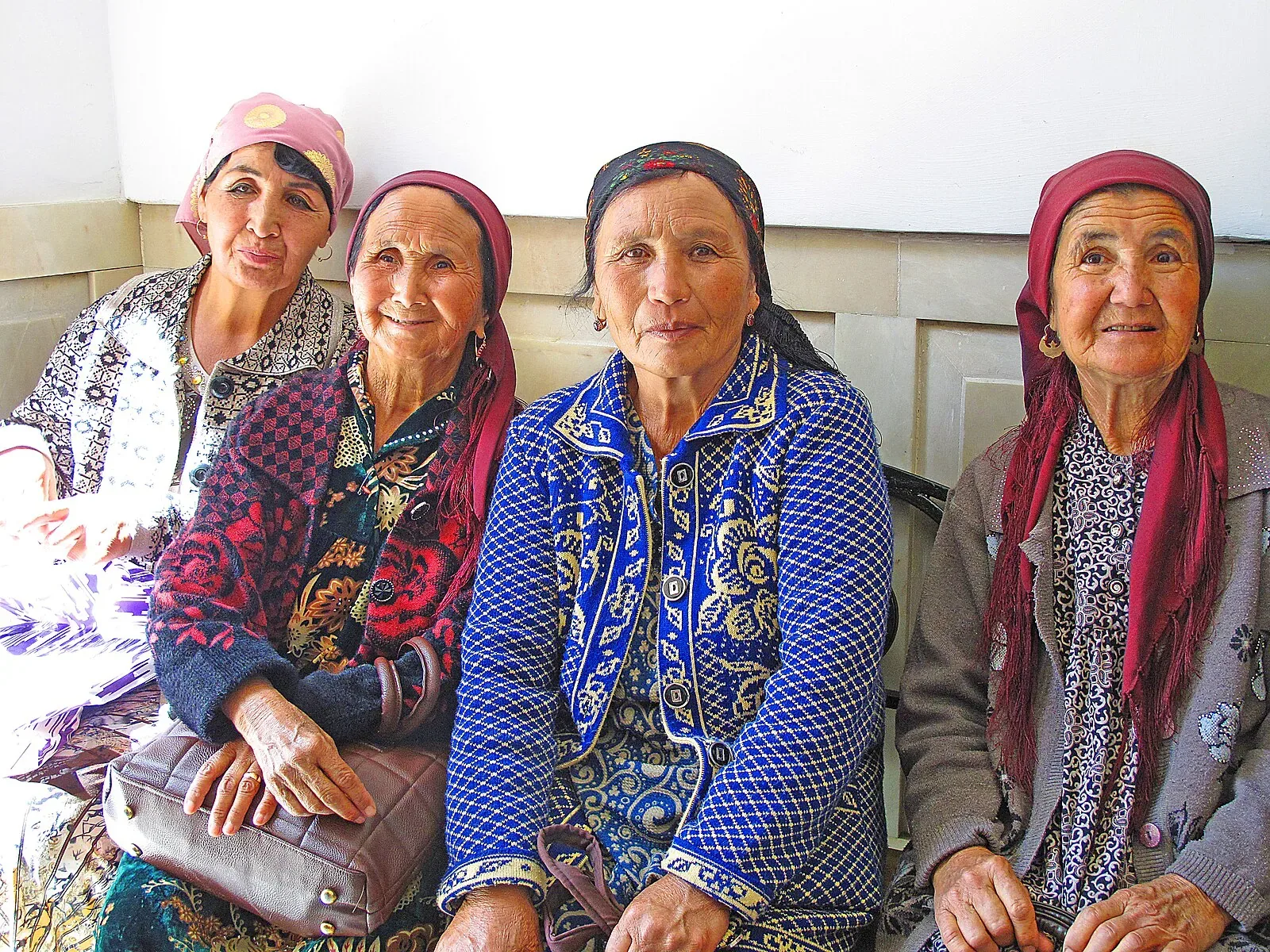
The revered inner mausoleum at Shah-i-Zinda, set within one of Samarkand’s most richly tiled Timurid necropolises.
Samarkand
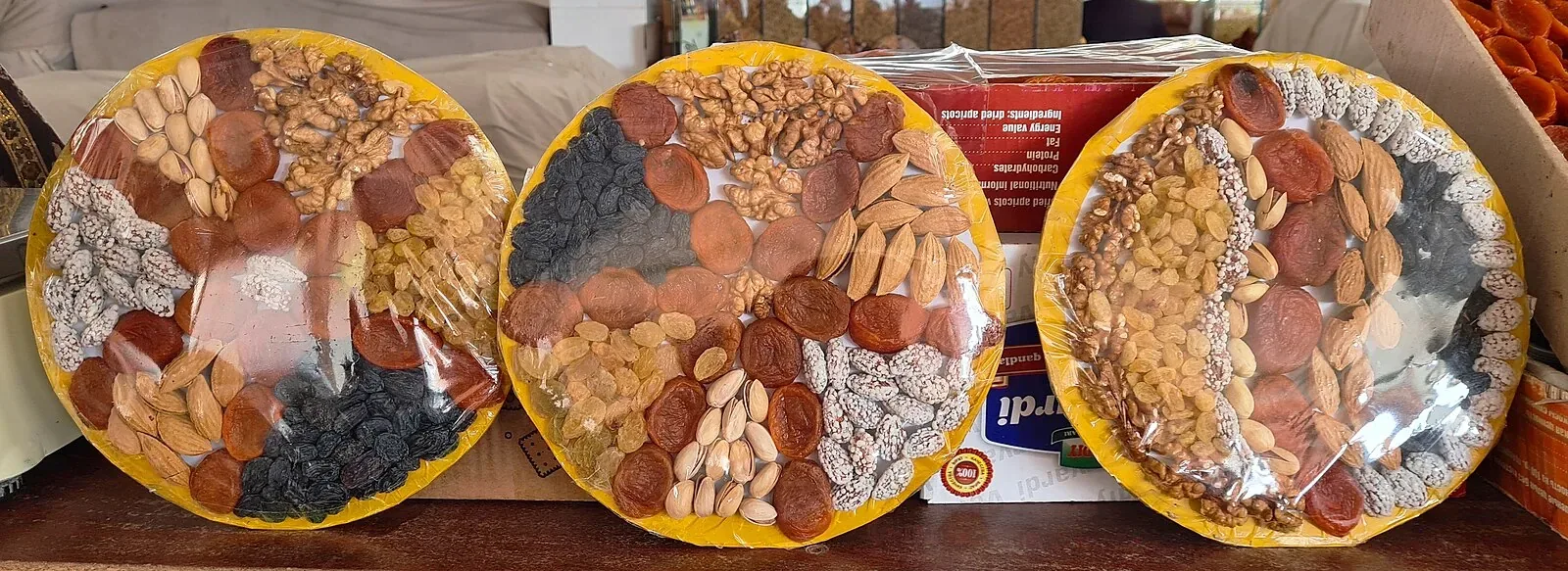
Samarkand’s working food market beside Bibi-Khanym, best for non bread, dried fruit, nuts, spices and everyday local shopping.
Samarkand
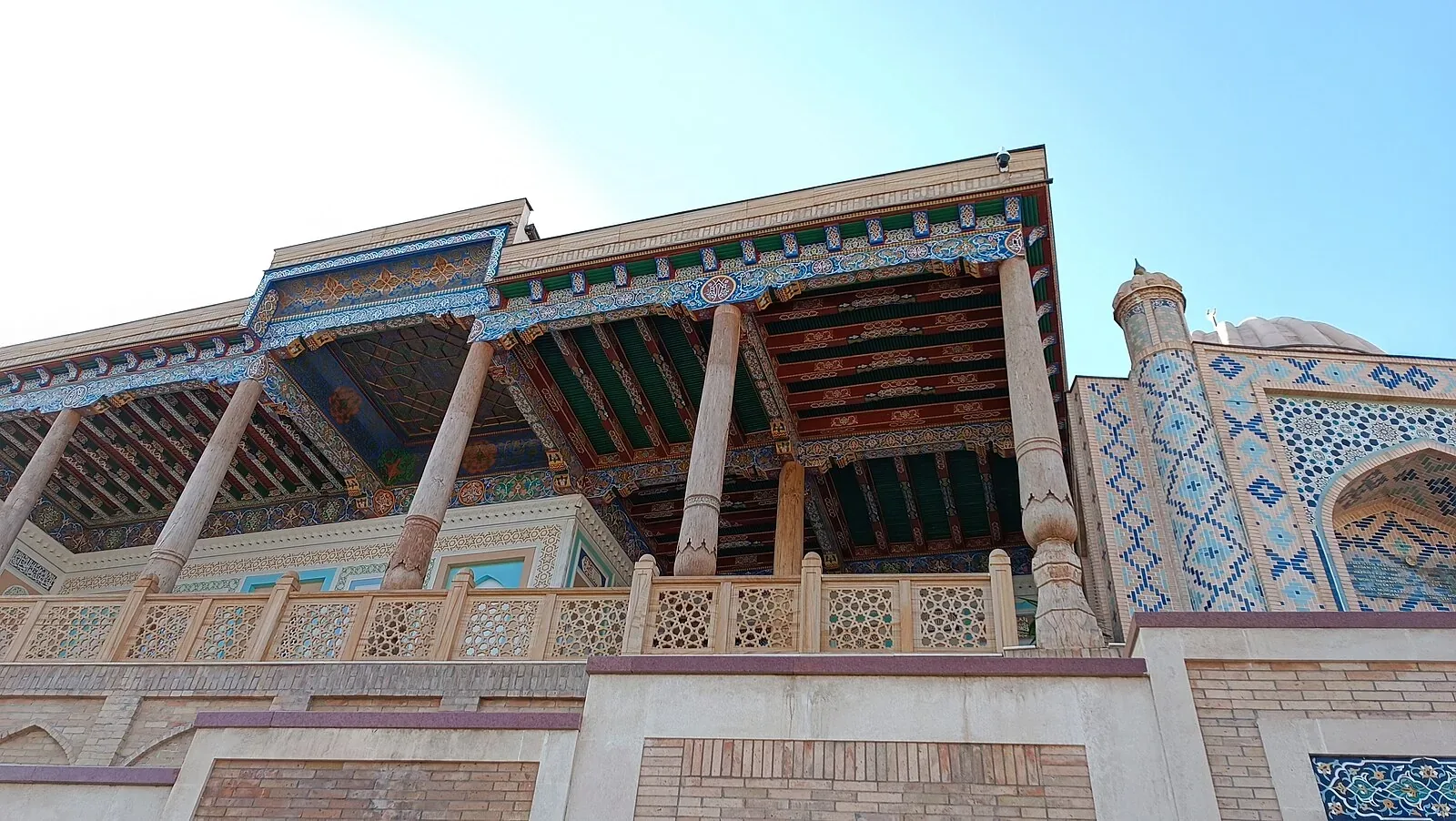
A hilltop mosque above the northern heritage route, valued for its veranda, graceful silhouette and broad Samarkand views.
Samarkand
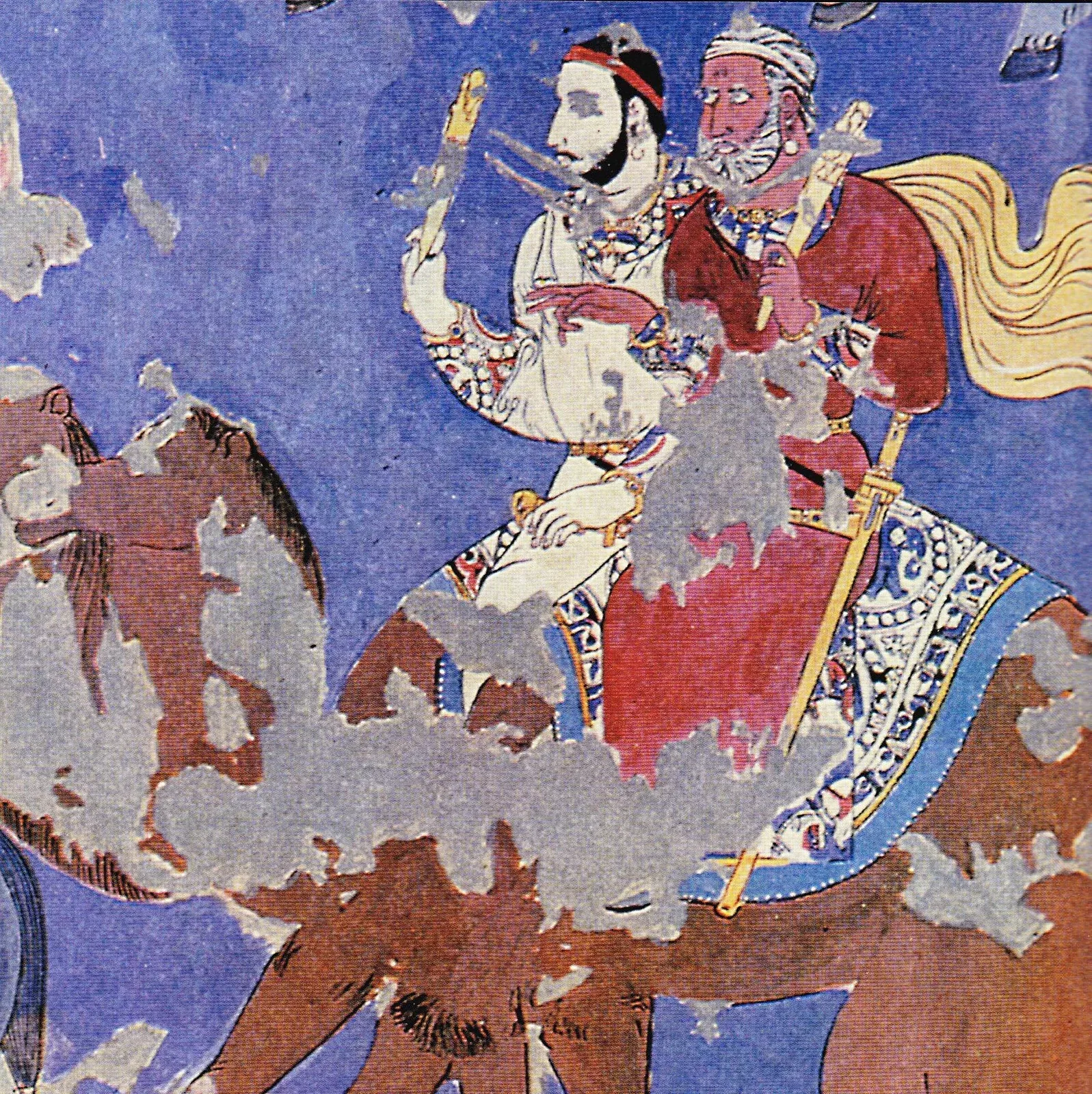
The essential introduction to ancient Samarkand, centred on the seventh-century Sogdian murals discovered at Afrasiab.
Samarkand
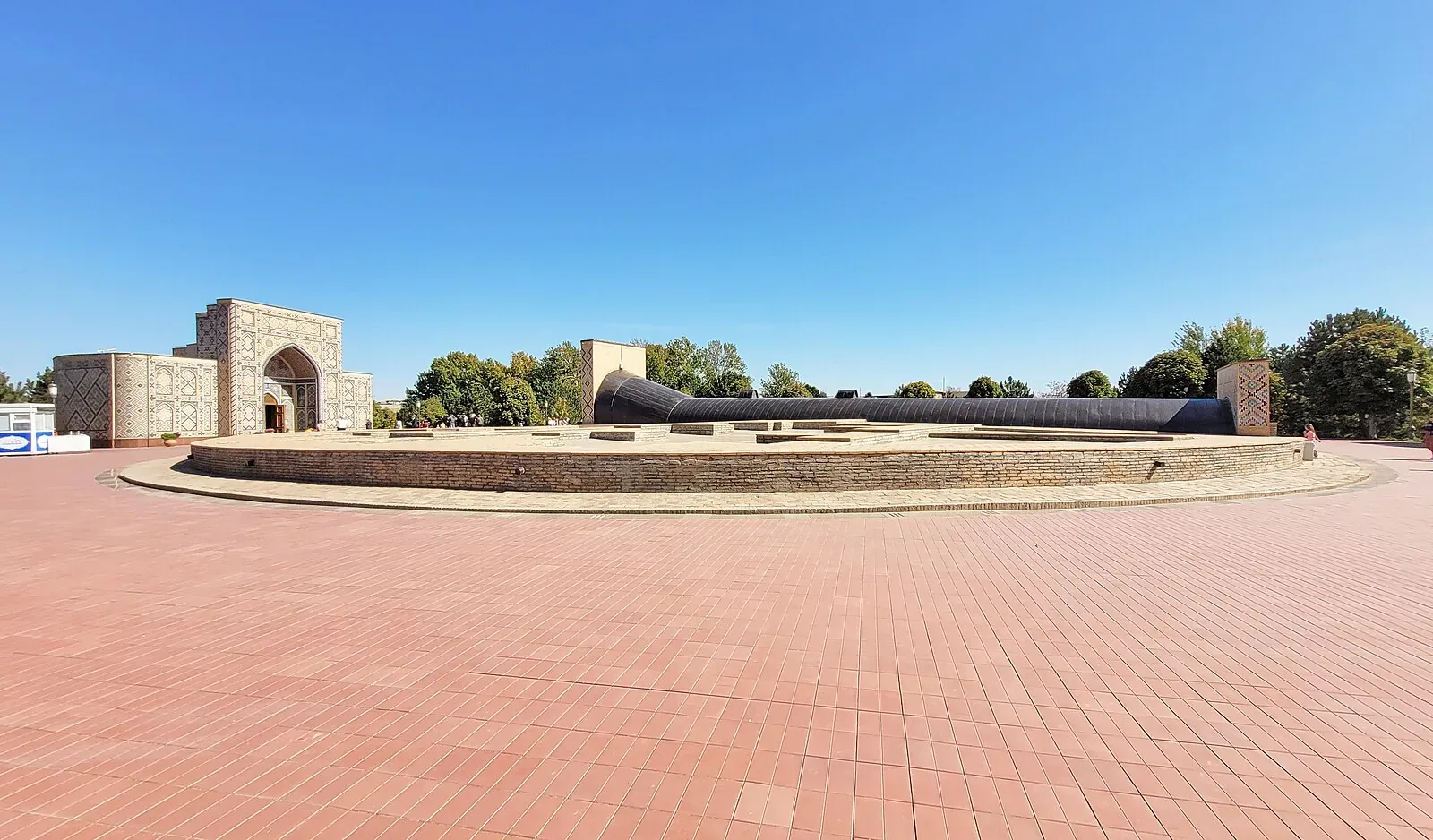
The surviving astronomical instrument and museum of Ulugh Beg’s fifteenth-century observatory.
Samarkand
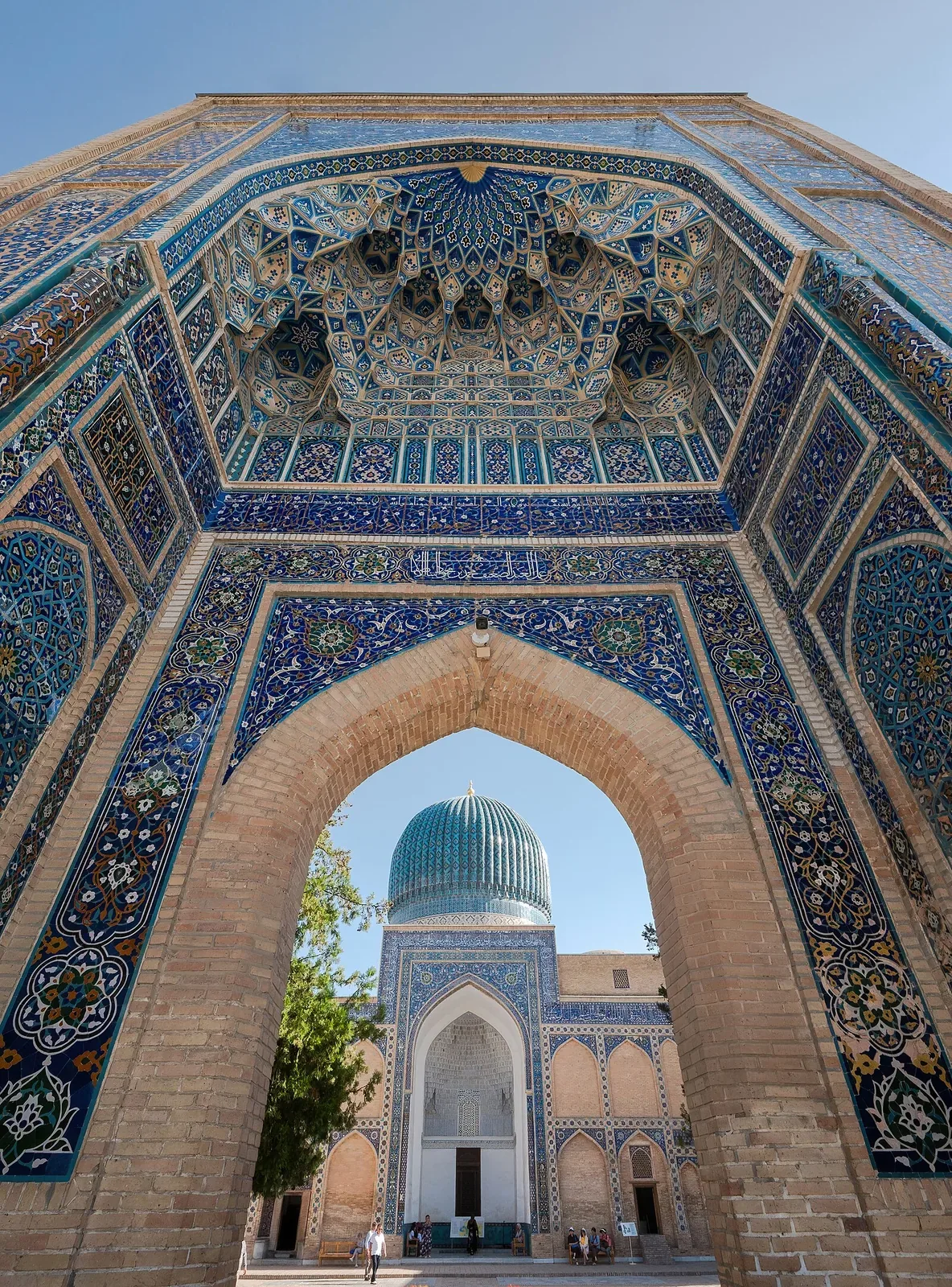
Gur-e Amir is the Timurid dynastic mausoleum and the resting place of Amir Temur, whose jade tombstone and family crypt anchor one of Samarkand’s most important historical visits.
Samarkand
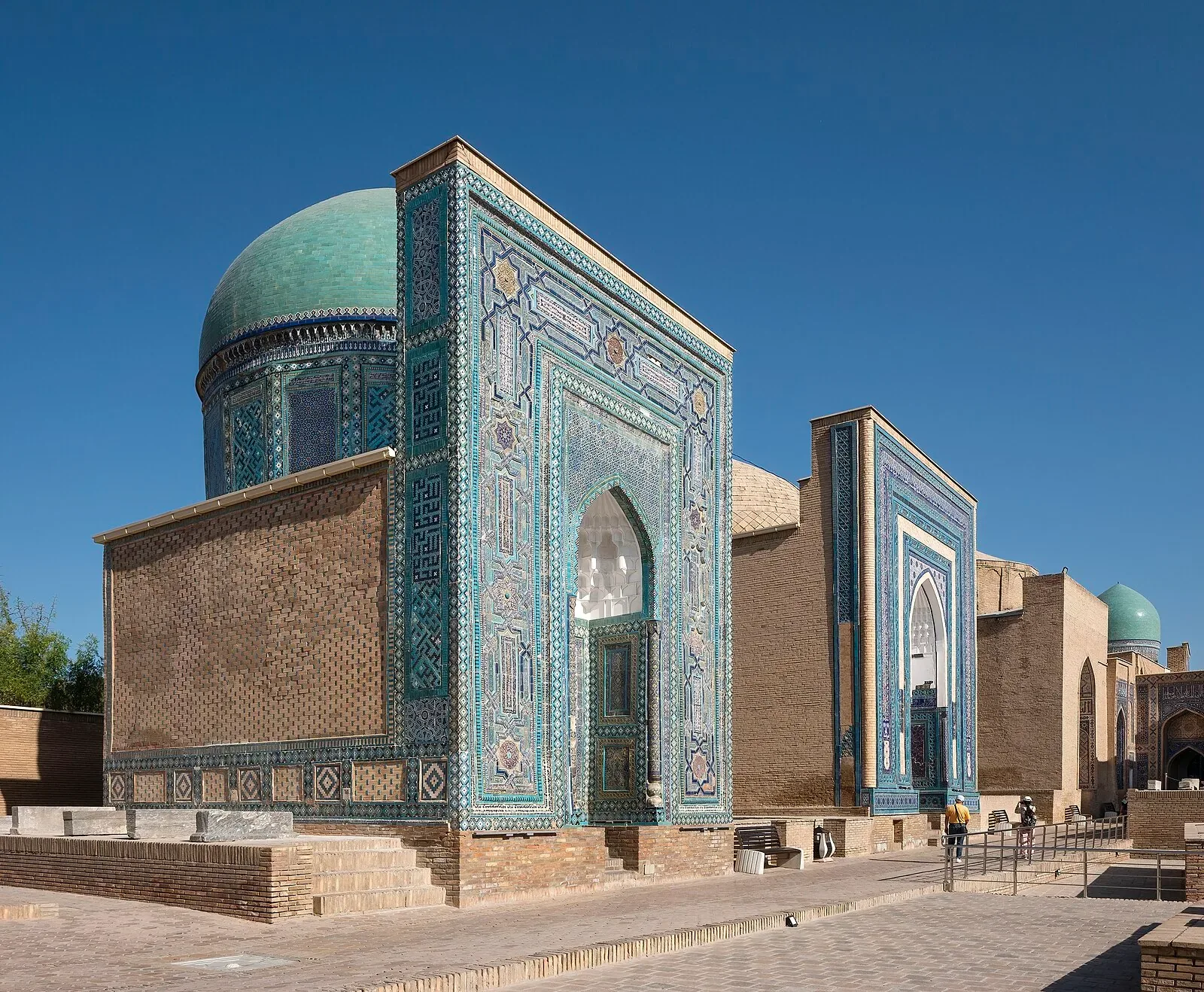
Shah-i-Zinda is a sacred Samarkand necropolis associated with Qusama ibn Abbas, with mausoleums, mosques and ritual structures spanning the eleventh to nineteenth centuries and richly decorated blue and turquoise tilework.
Samarkand
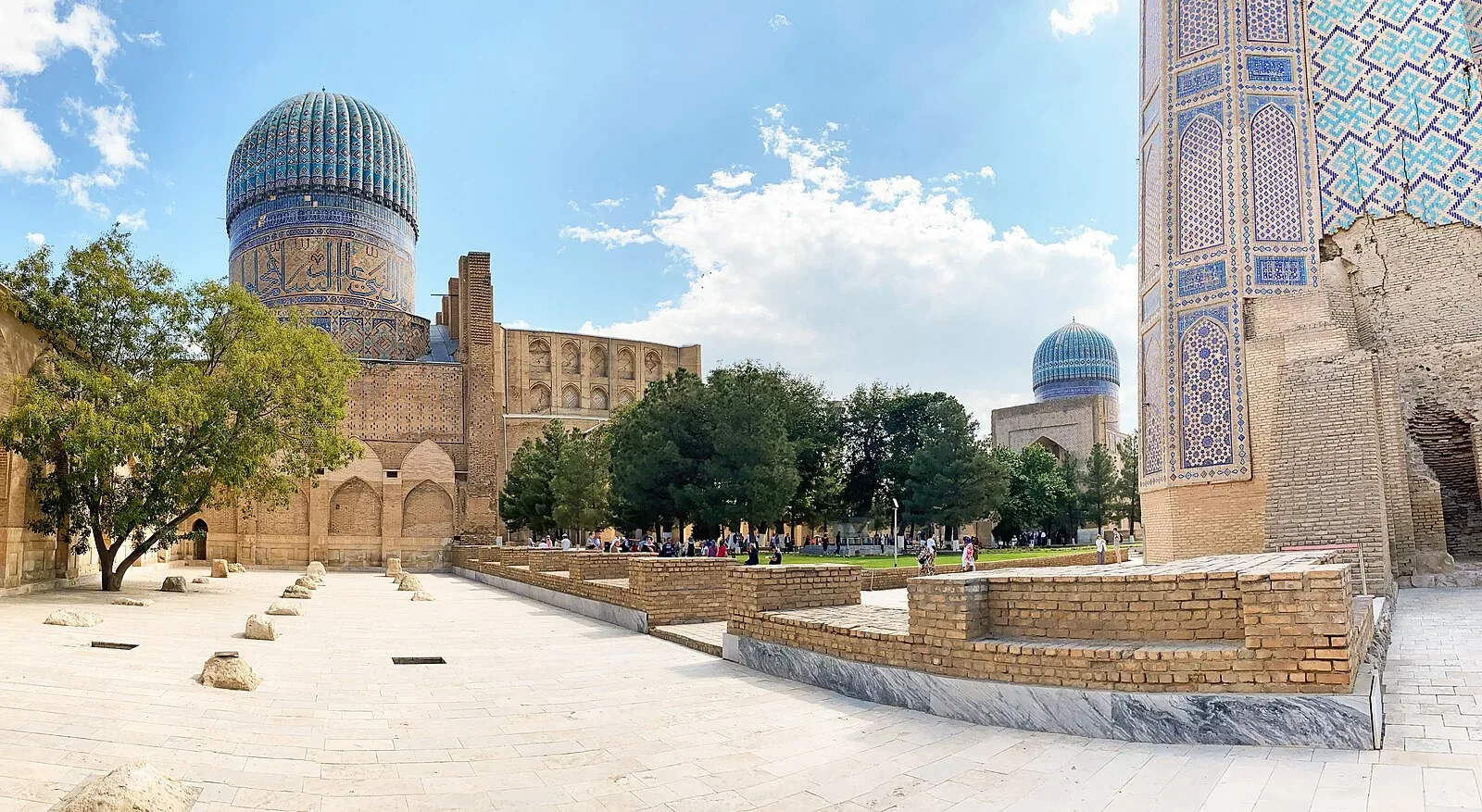
A vast Timurid mosque beside Siyob Bazaar, where monumental scale and surviving tilework define the northern heritage core.
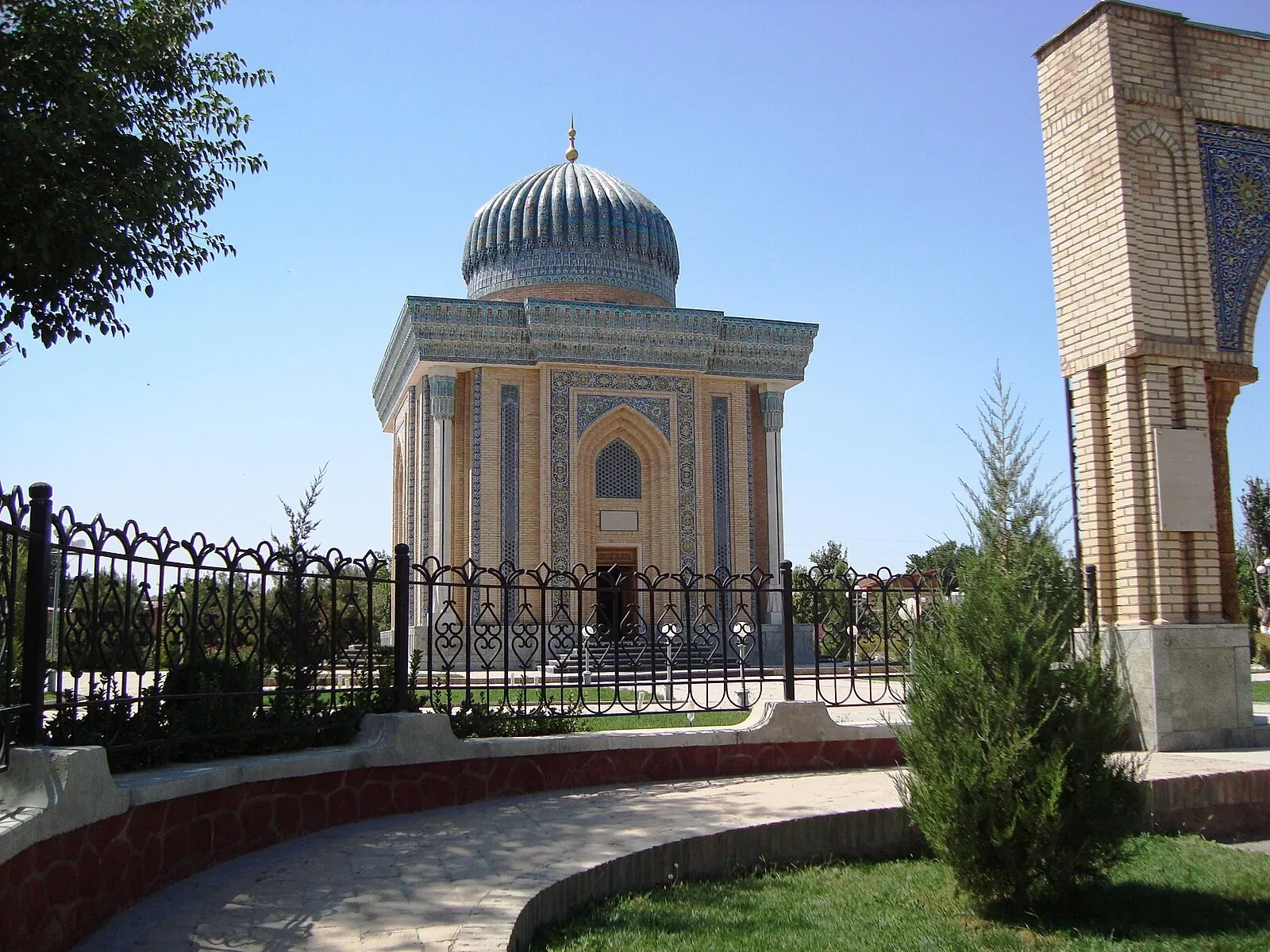
Samarkand
The Samarkand mausoleum of Imam Abu Mansur al-Maturidi, a major figure in Sunni theological thought and Islamic intellectual heritage.
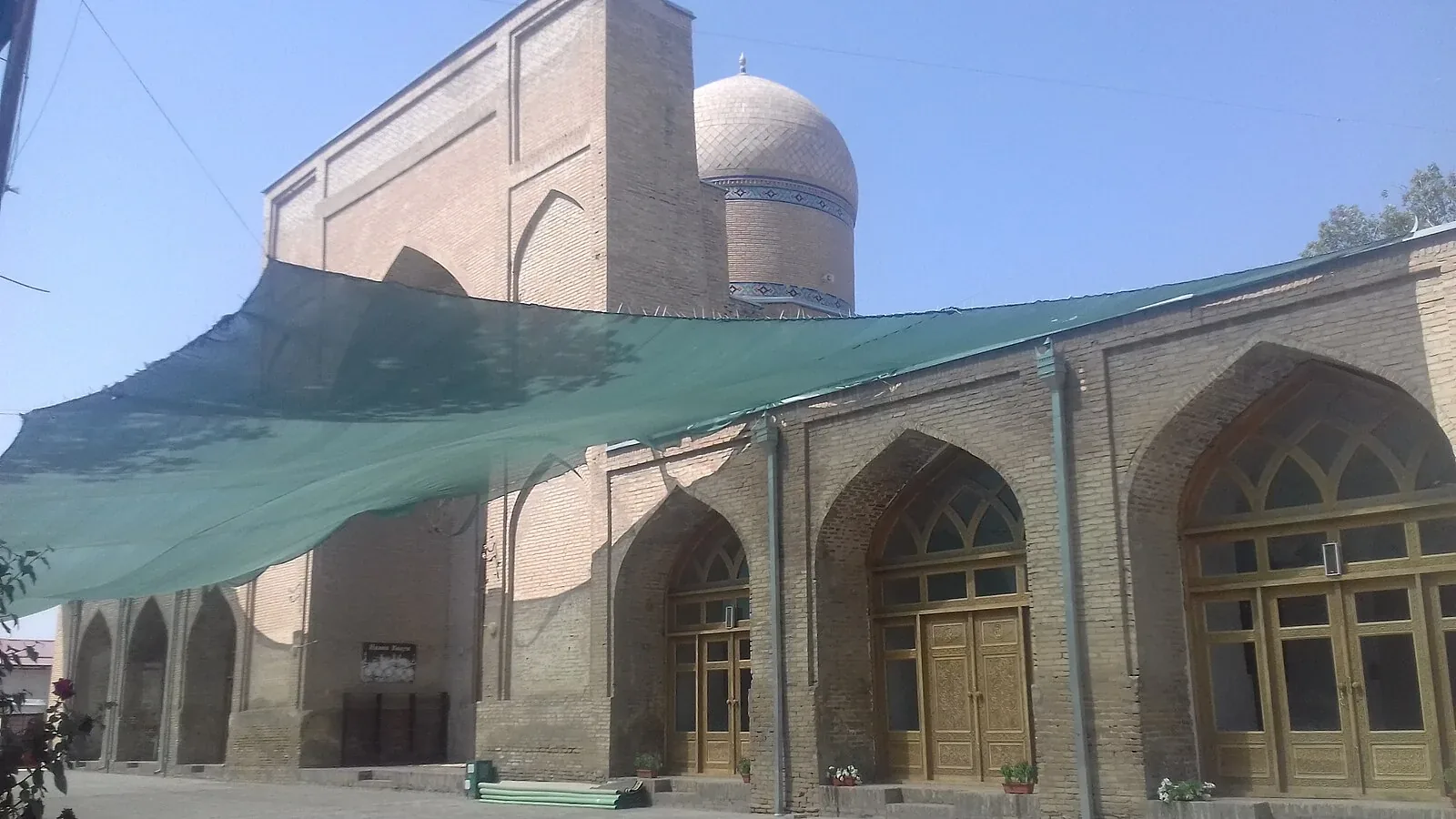
Samarkand
A Samarkand mosque associated with the open-air congregational prayer-ground tradition, extending the city’s Islamic heritage beyond its central Timurid monuments.
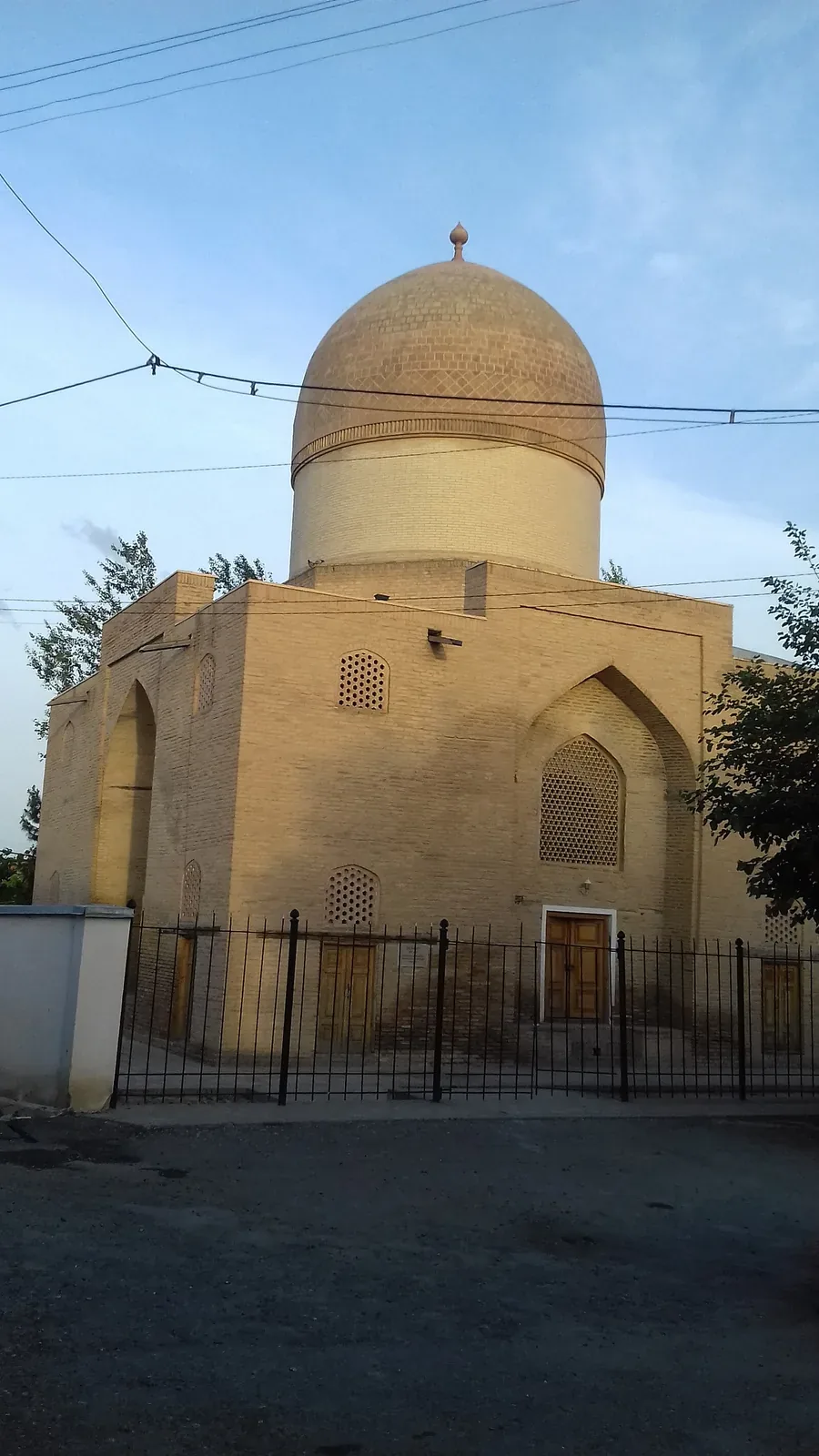
Samarkand
A Timurid-era mausoleum on Samarkand’s central heritage route, valued for its blue-tiled character and quieter scale near Ruhabad and Gur-e Amir.
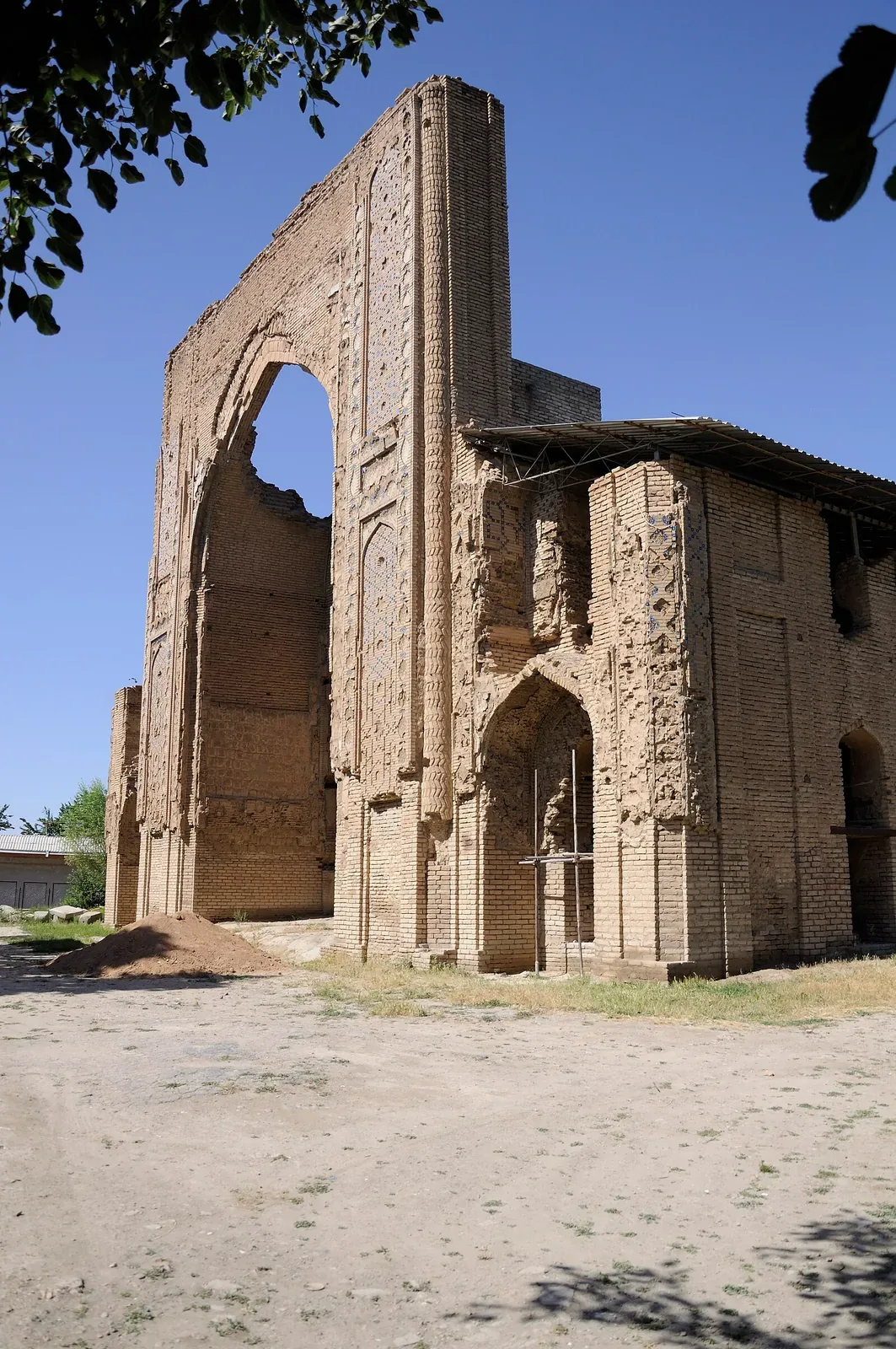
Samarkand
A late Timurid funerary monument whose damaged remains and tilework reveal a more fragile side of Samarkand’s architectural heritage.
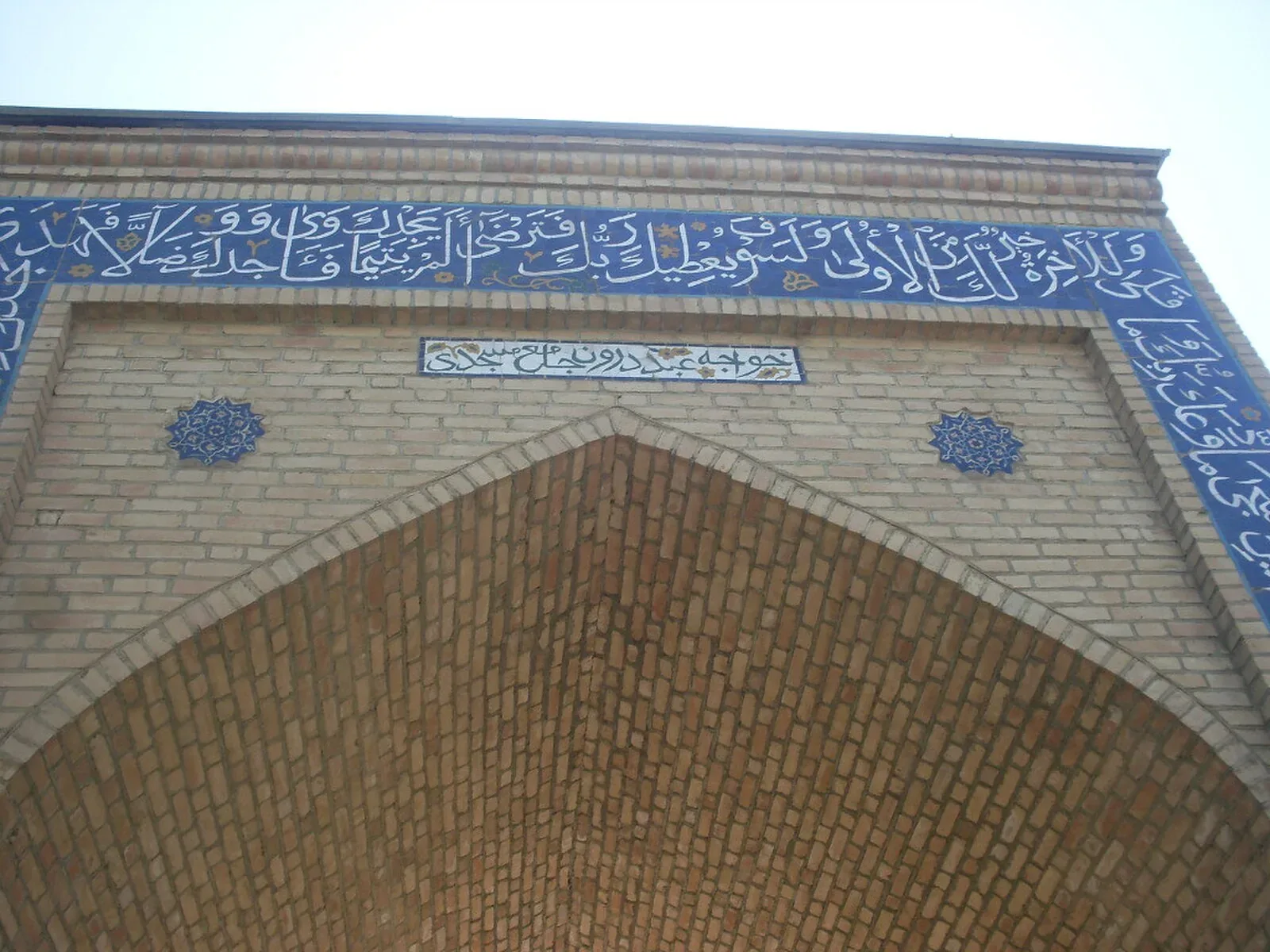
Samarkand
A historic sacred ensemble beyond Samarkand’s headline monuments, offering a quieter view of the city’s local religious heritage.
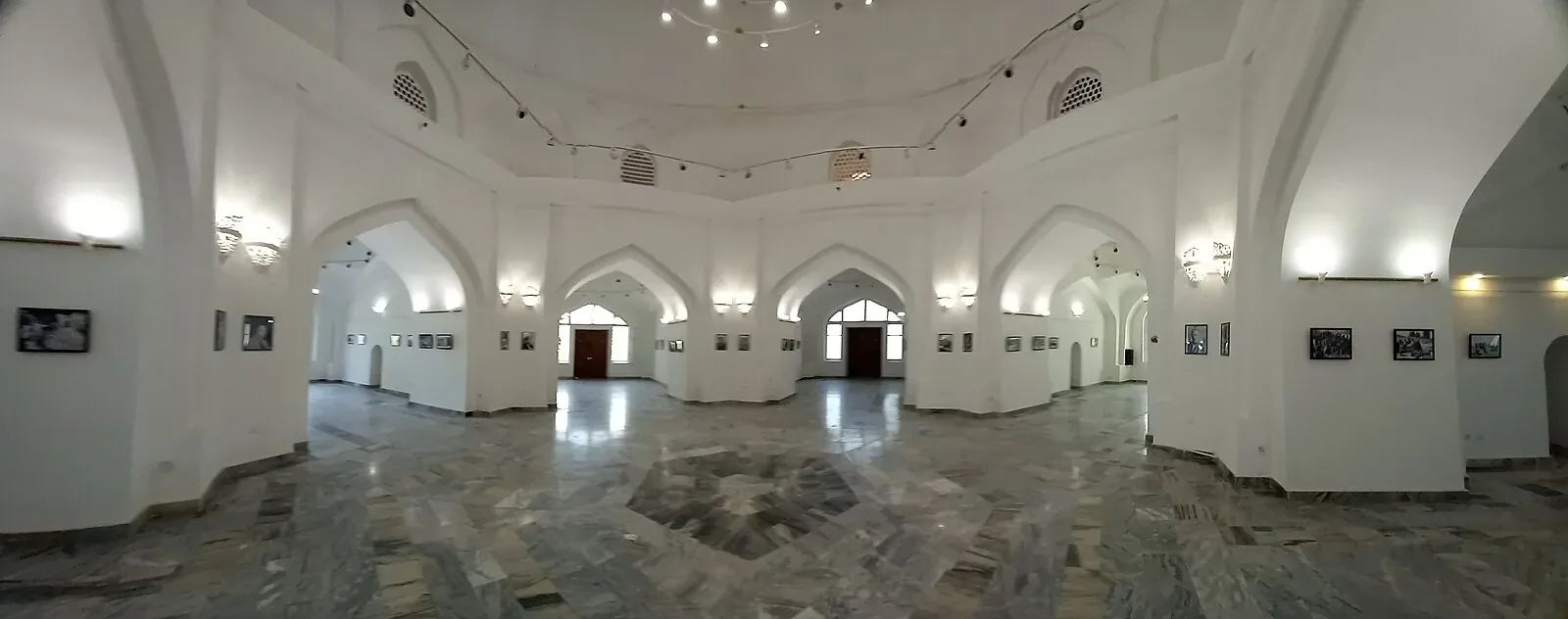
Samarkand
A restored domed market building near Registan, now used for compact art and craft exhibitions in the centre of Samarkand.
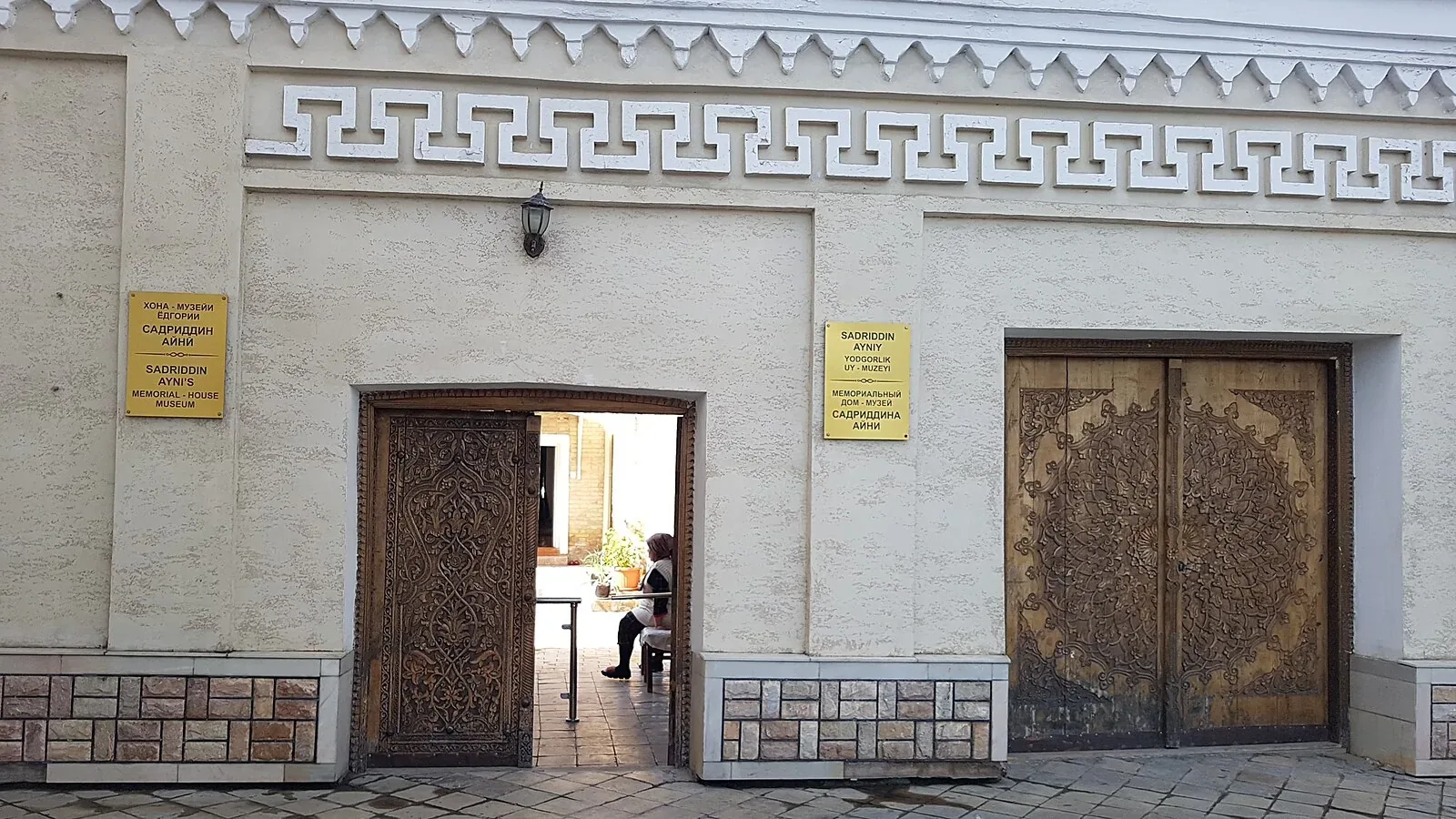
Samarkand
The preserved Samarkand home of Sadriddin Ayni, offering a domestic-scale introduction to a foundational Tajik and Uzbek writer.
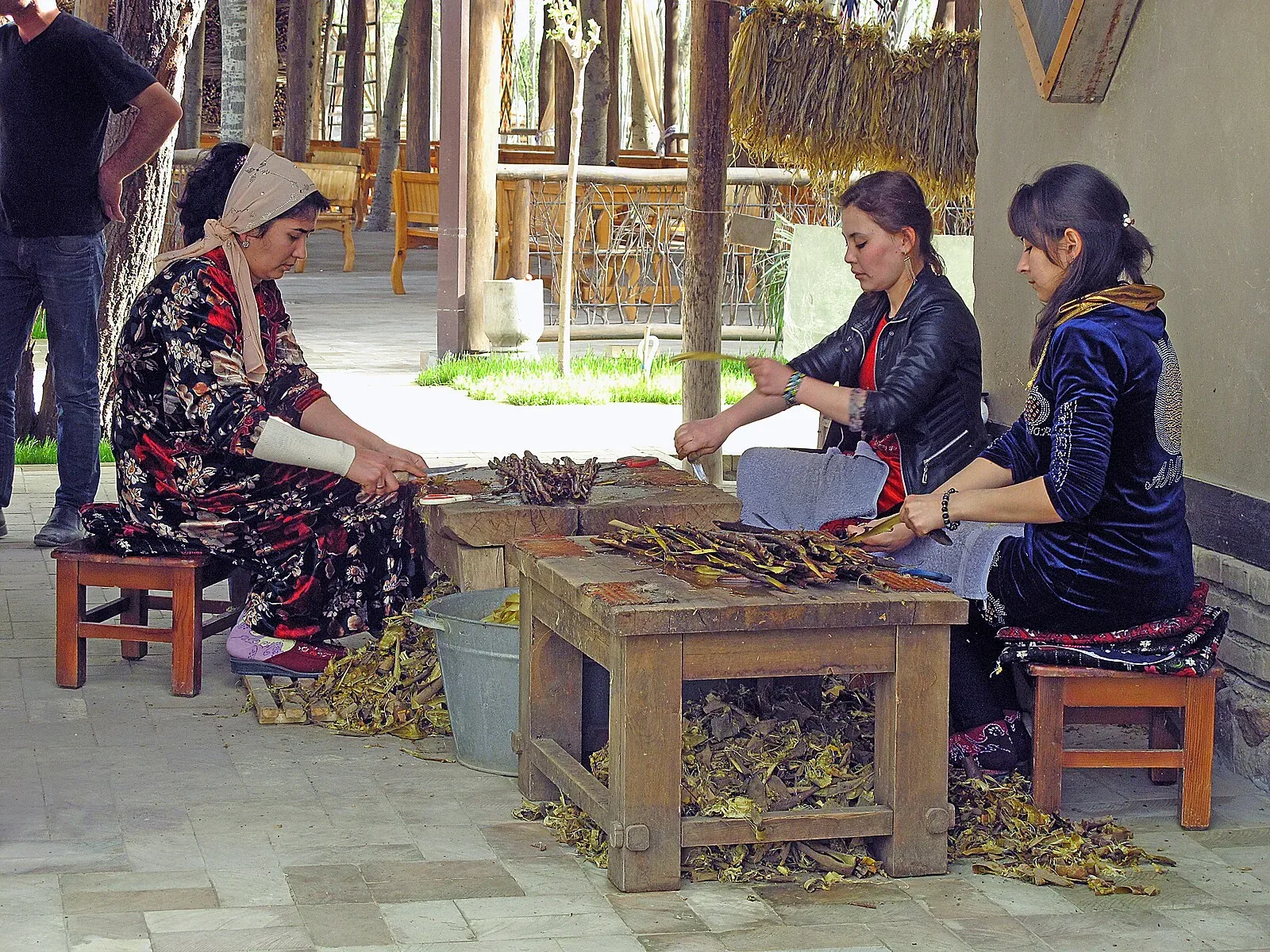
Samarkand
A Meros craft workshop near Samarkand where visitors can observe traditional mulberry-bark paper making beside the water.
Samarkand
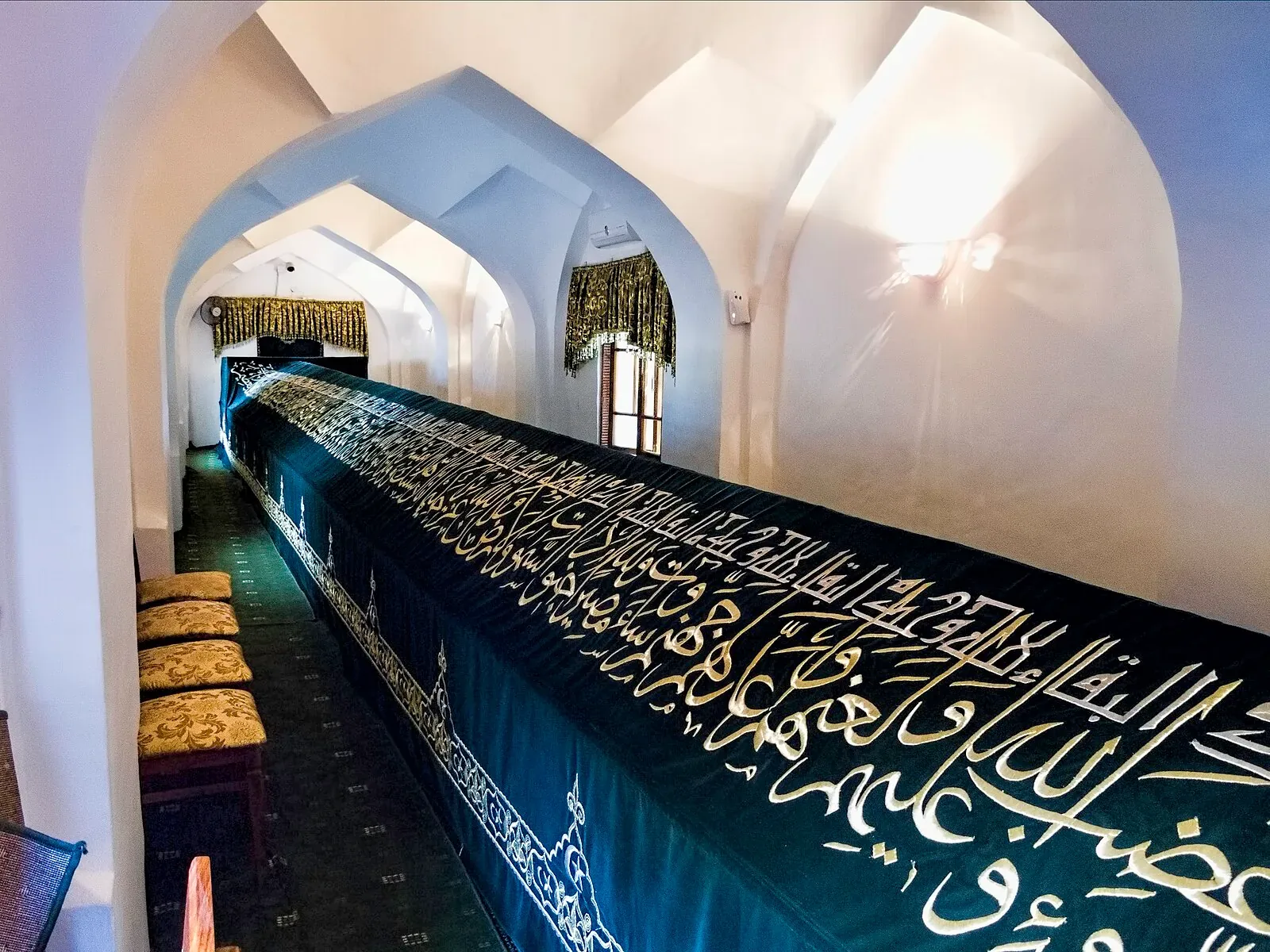
A peaceful riverside mausoleum associated with the Prophet Daniel tradition, bringing a multi-faith dimension to Samarkand’s northern heritage route.
Samarkand
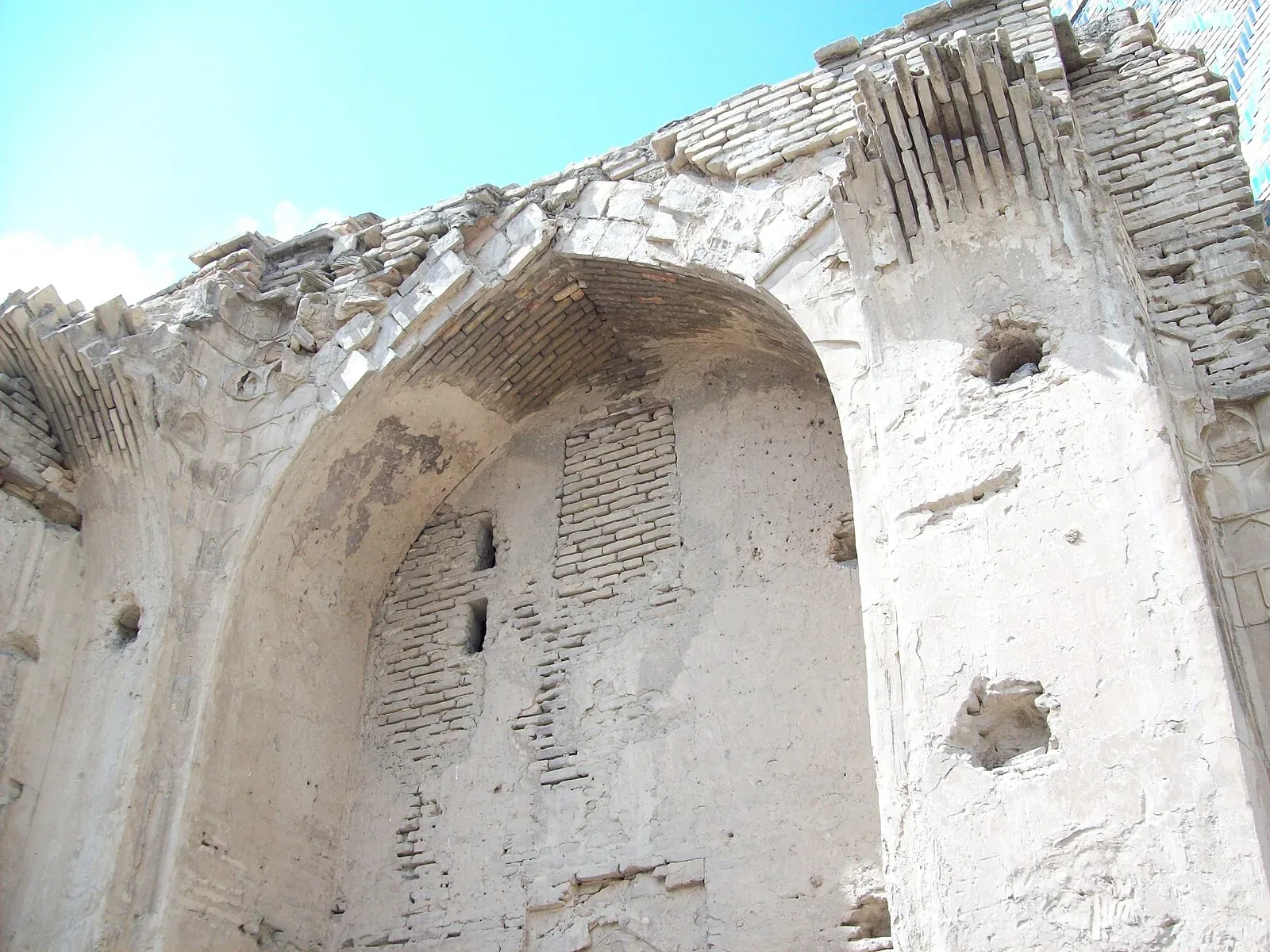
A dynastic funerary monument associated with the Bibi-Khanym complex, offering a compact architectural counterpoint to the great mosque.
Keep exploring Samarkand
Keep exploring Samarkand and add more stops to your plan.
Ibn Sino Street / university districtA focused Ibn Sino Street lunch stop for Samarkand plov, tomato salad, non bread and tea in a lively local dining hall.
 Bibi-Khanym / Siyob old-city edge
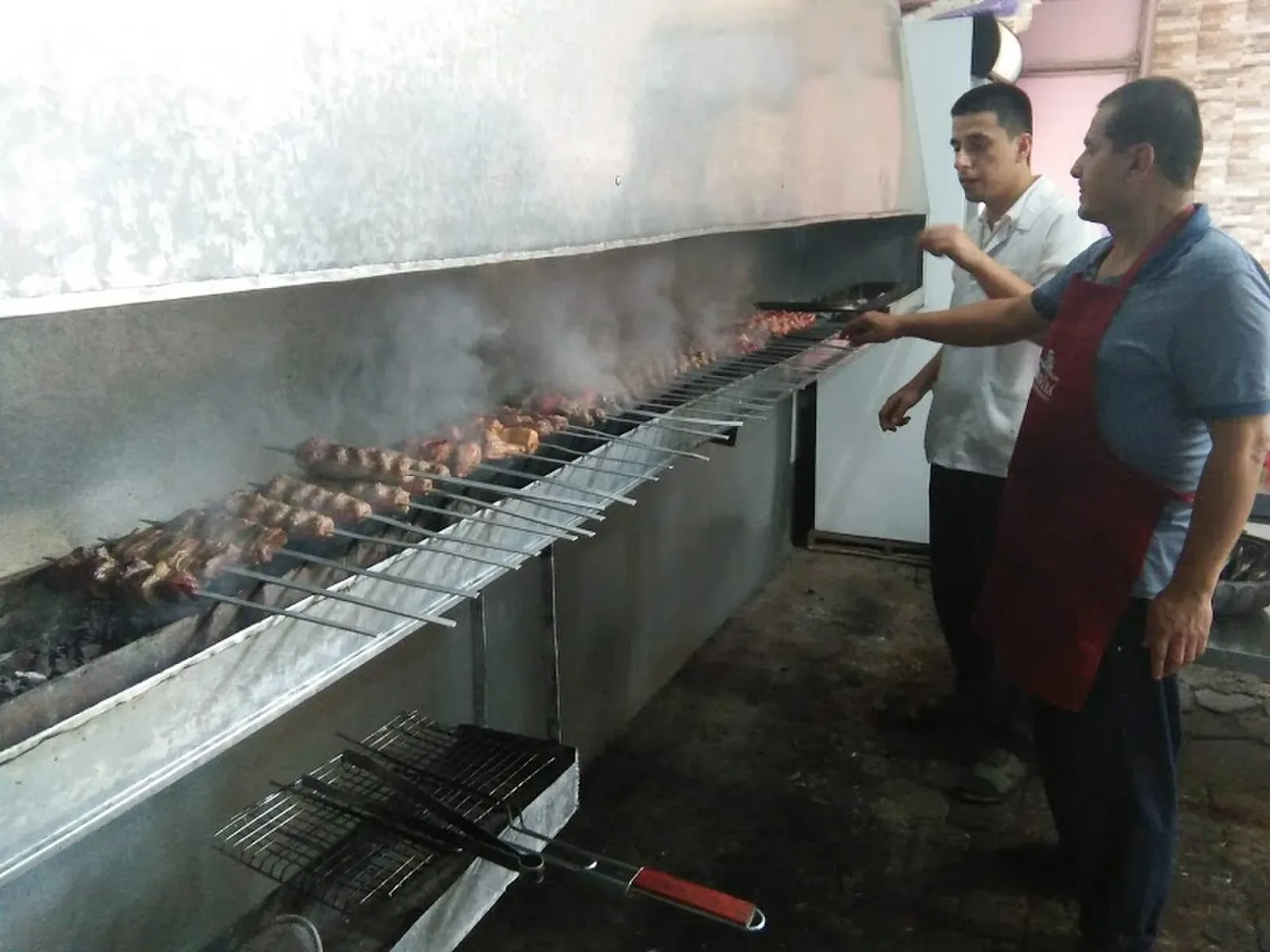
A casual Chorraxa Street grill near Bibi-Khanym and Siyob Bazaar, serving freshly prepared skewers with bread, salads and tea.
 Bibi-Khanym / Siyob heritage core
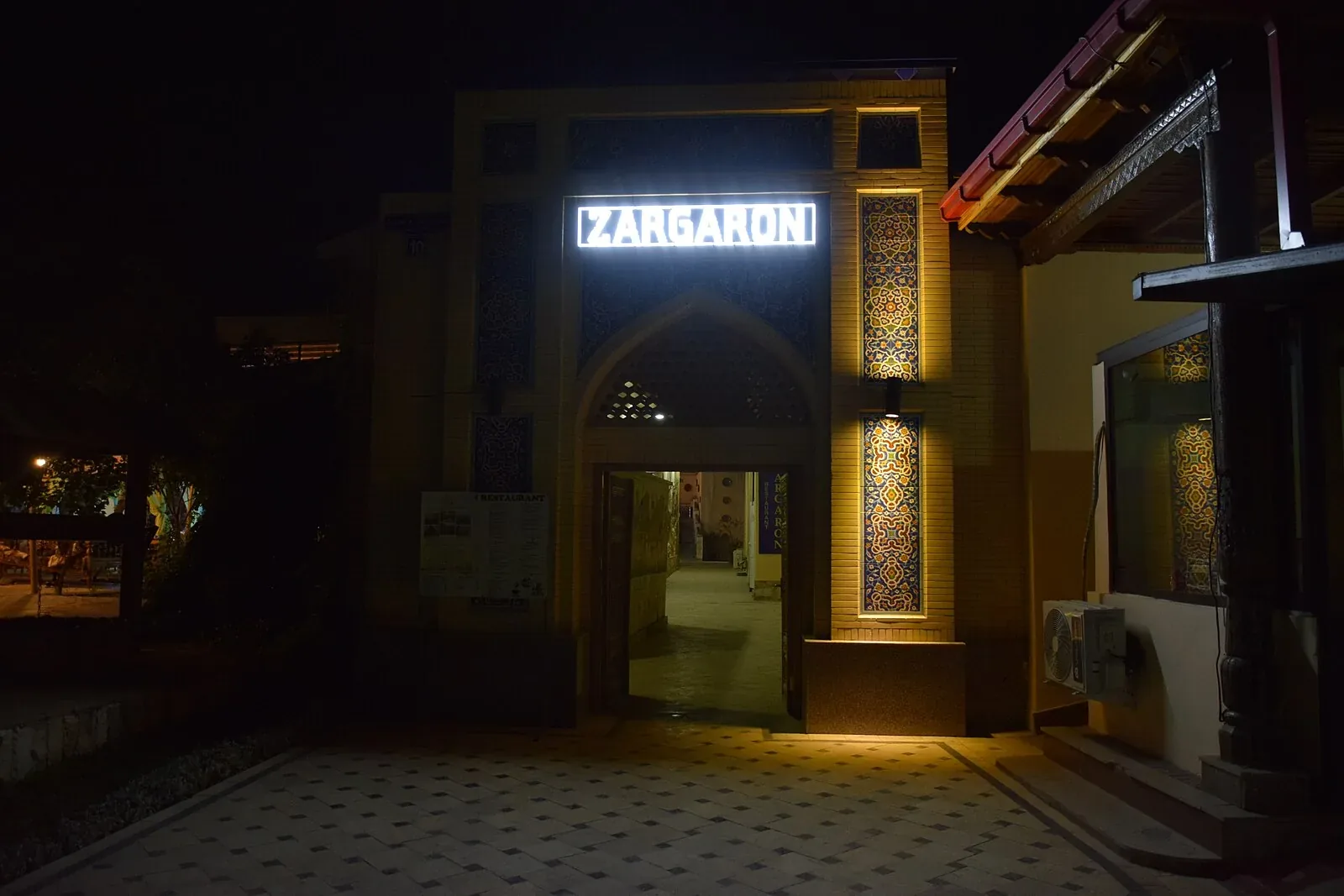
A calm hotel restaurant beside Bibi-Khanym Mosque, ideal for a comfortable Uzbek meal between Siyob Bazaar and the heritage sights.
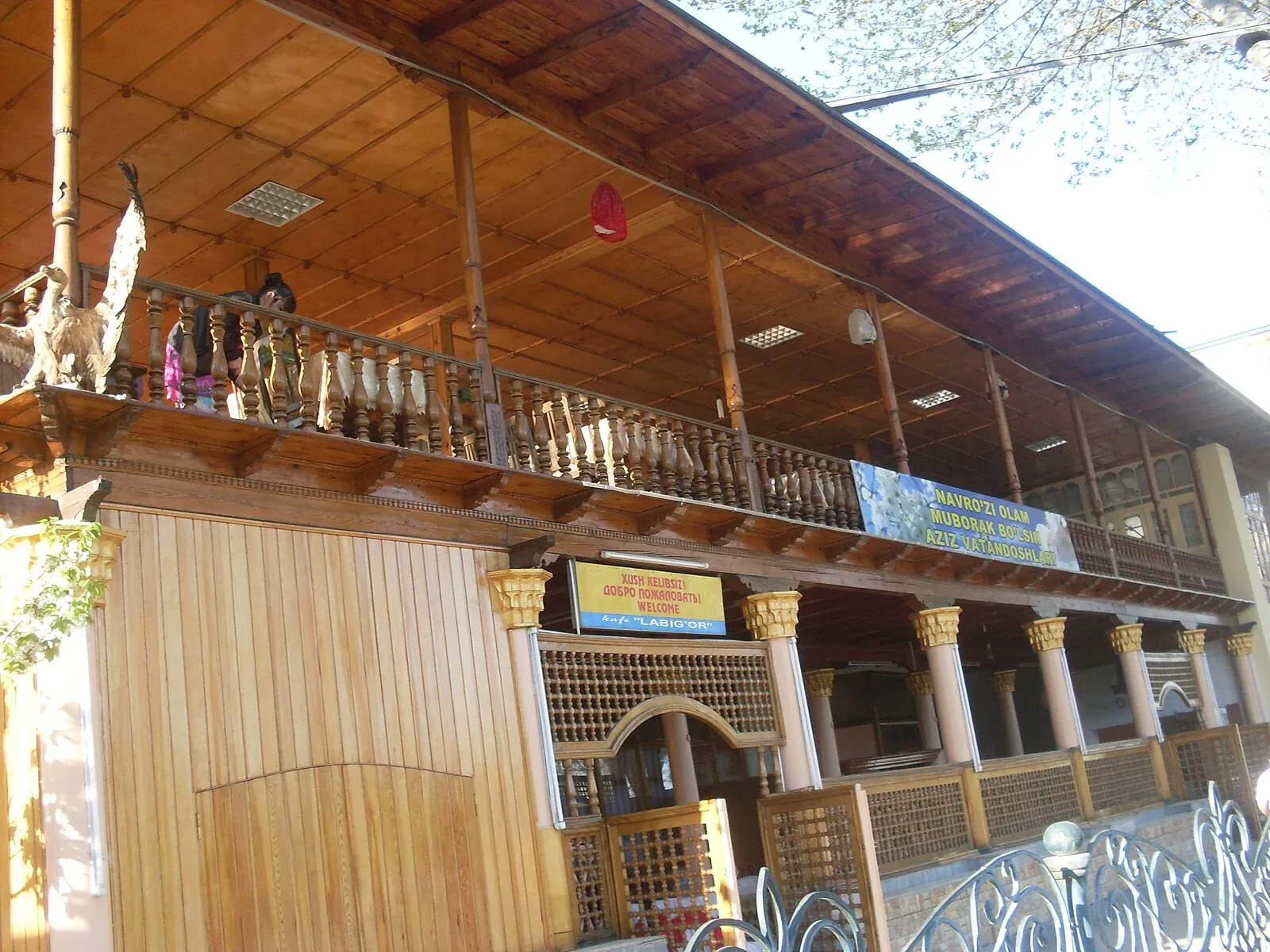 Registan Street / Gur-e Amir side
A central Registan Street restaurant for varied Uzbek dishes, tea and a flexible seated break close to the heritage core.
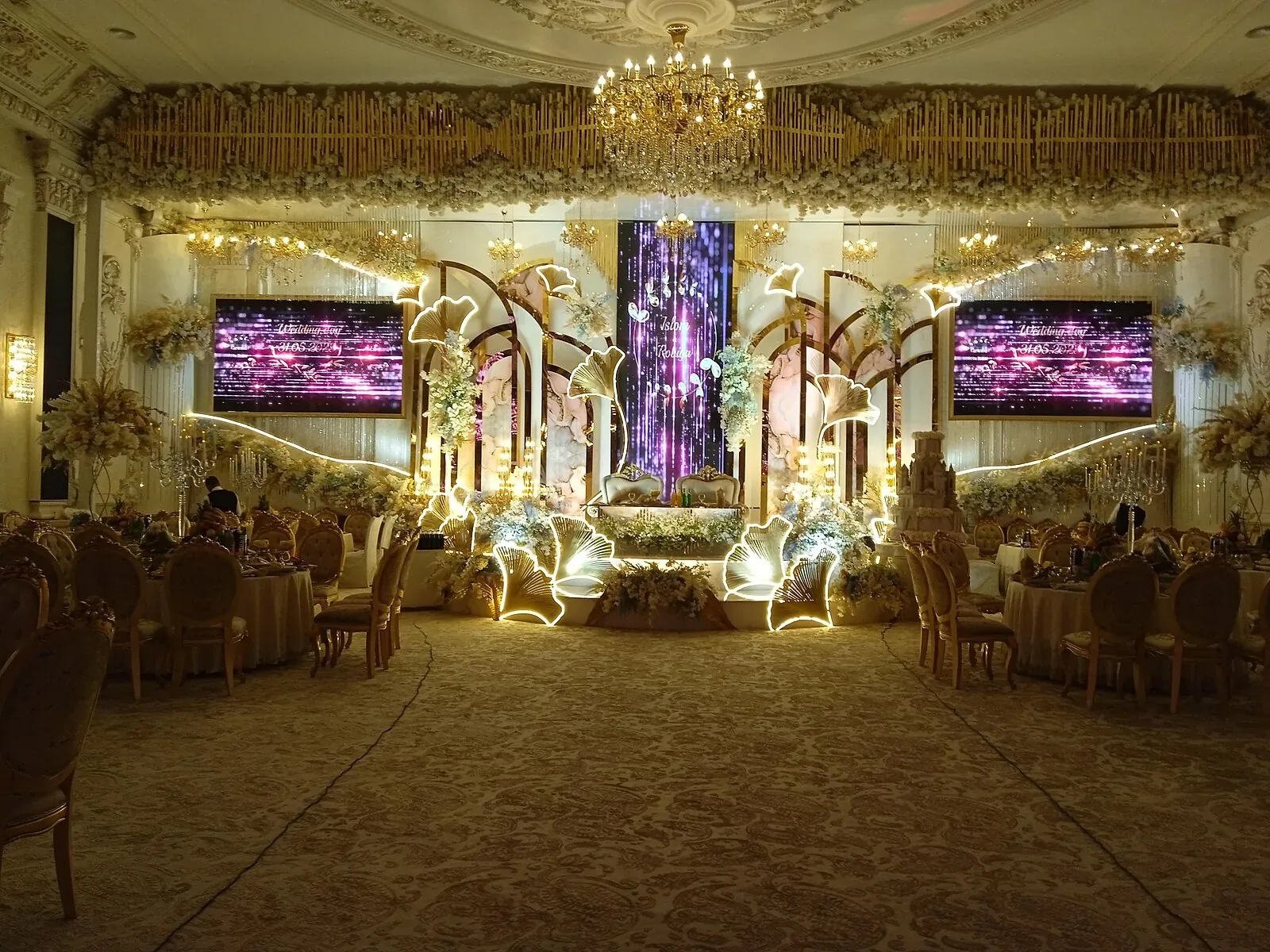 Vohid Abdullaev Street / northern modern city
A large northern Samarkand dining hall for extended families, celebrations and broad shared Uzbek meals away from the old-city core.
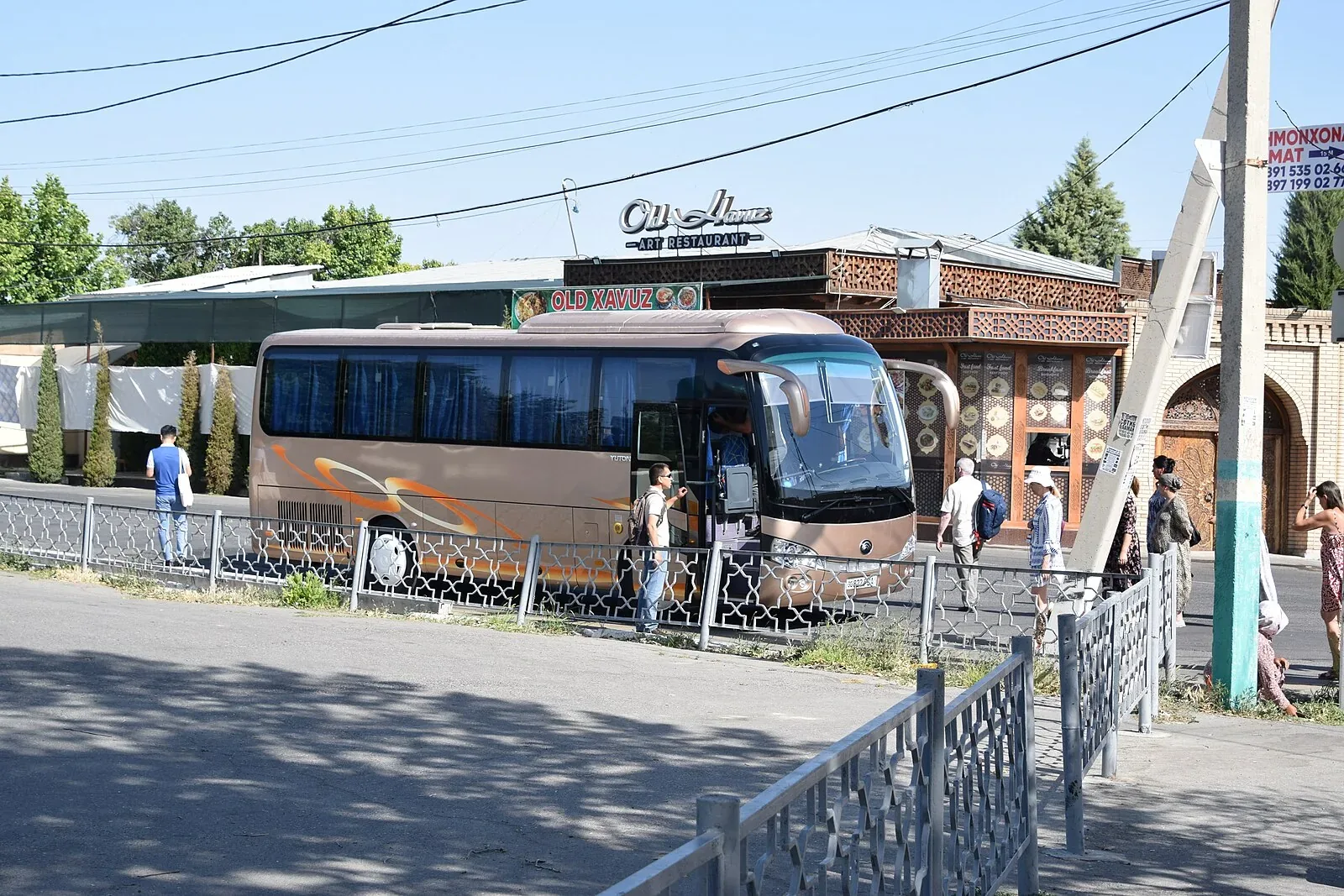 Pasdarg‘om Street / historic centre
A characterful Pasdarg‘om Street courtyard restaurant for shared Uzbek dishes, close to Registan, Gur-e Amir and the central heritage walks.
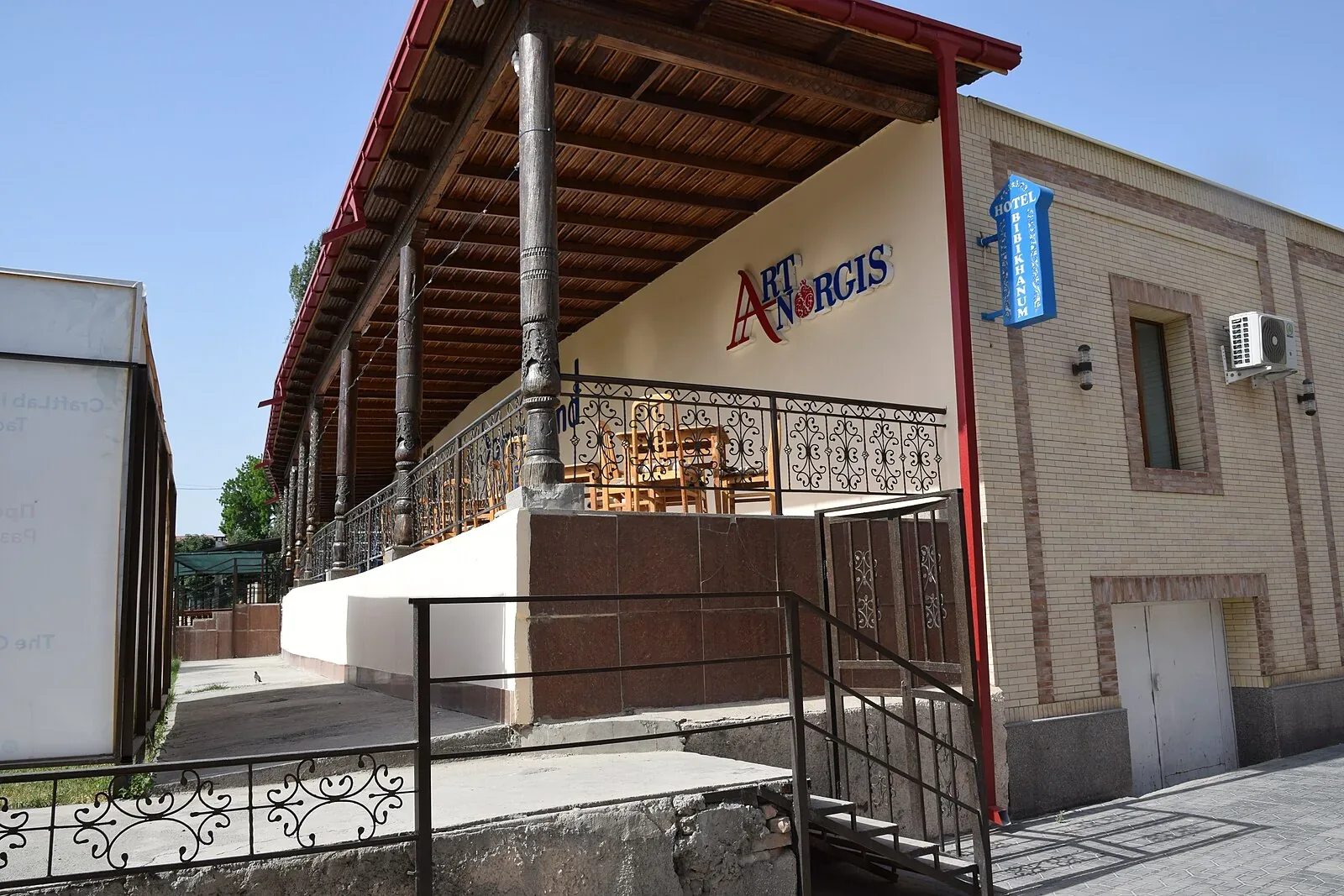 Islom Karimov Street / old city
A polished terrace restaurant on Islom Karimov Street, offering a comfortable Uzbek meal between Registan, Bibi-Khanym and Siyob Bazaar.
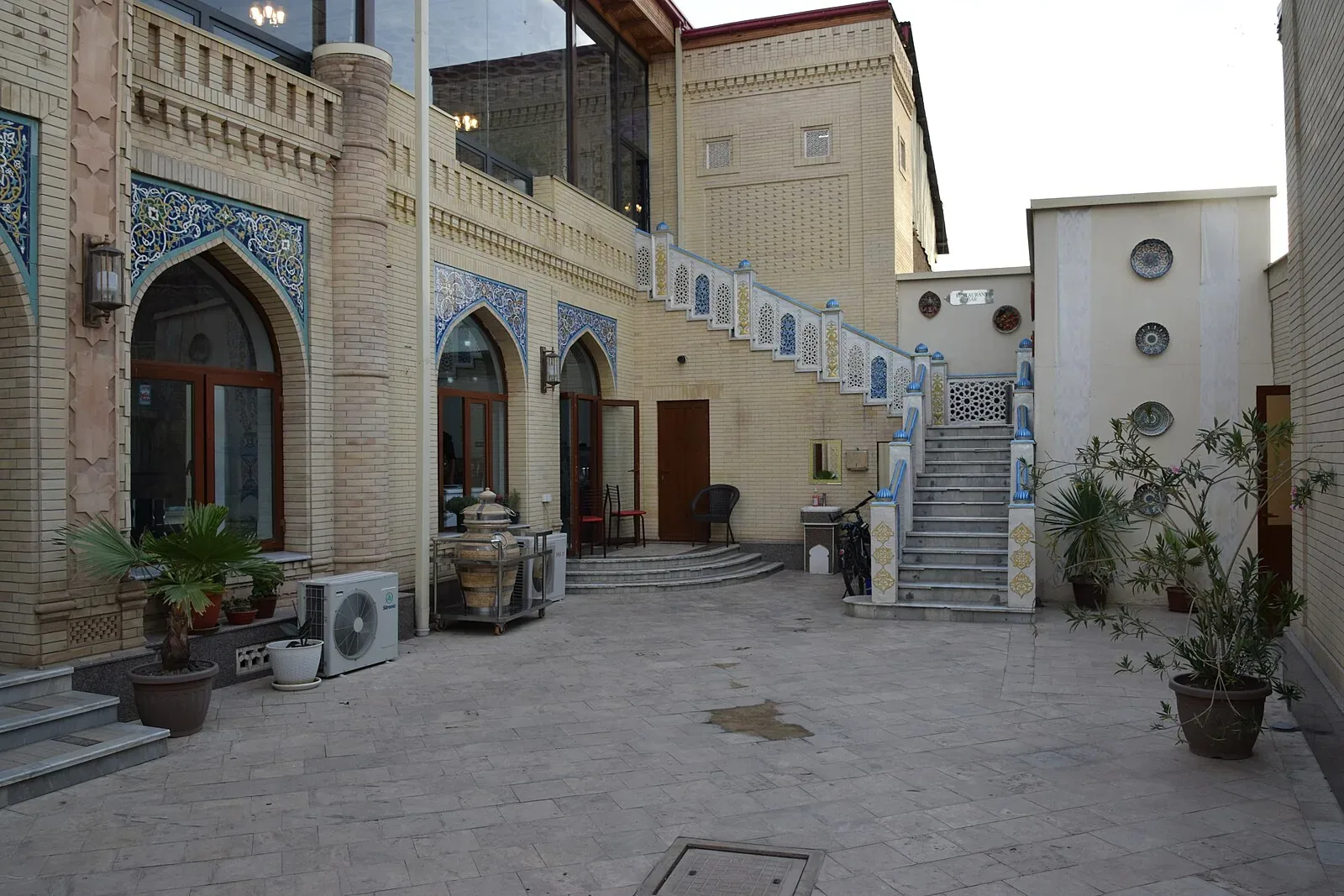 Bibi-Khanym / Siyob heritage core
A courtyard-style Uzbek restaurant beside Bibi-Khanym and Siyob, with flexible hours for a family meal in the northern heritage core.
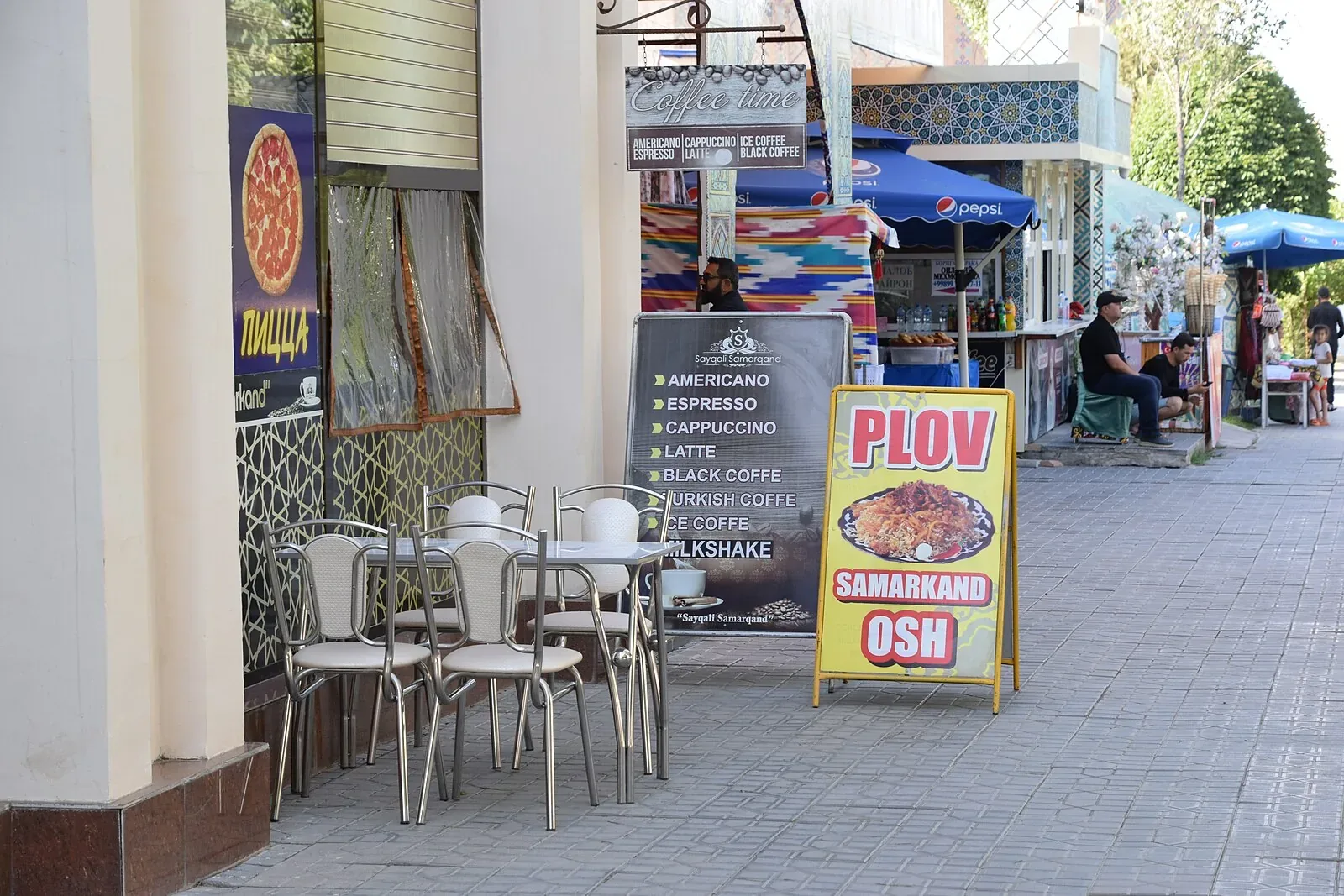 Islom Karimov pedestrian street
A compact Islom Karimov Street stop for plov, lavash and quick Uzbek comfort food between Registan and the Bibi-Khanym–Siyob cluster.
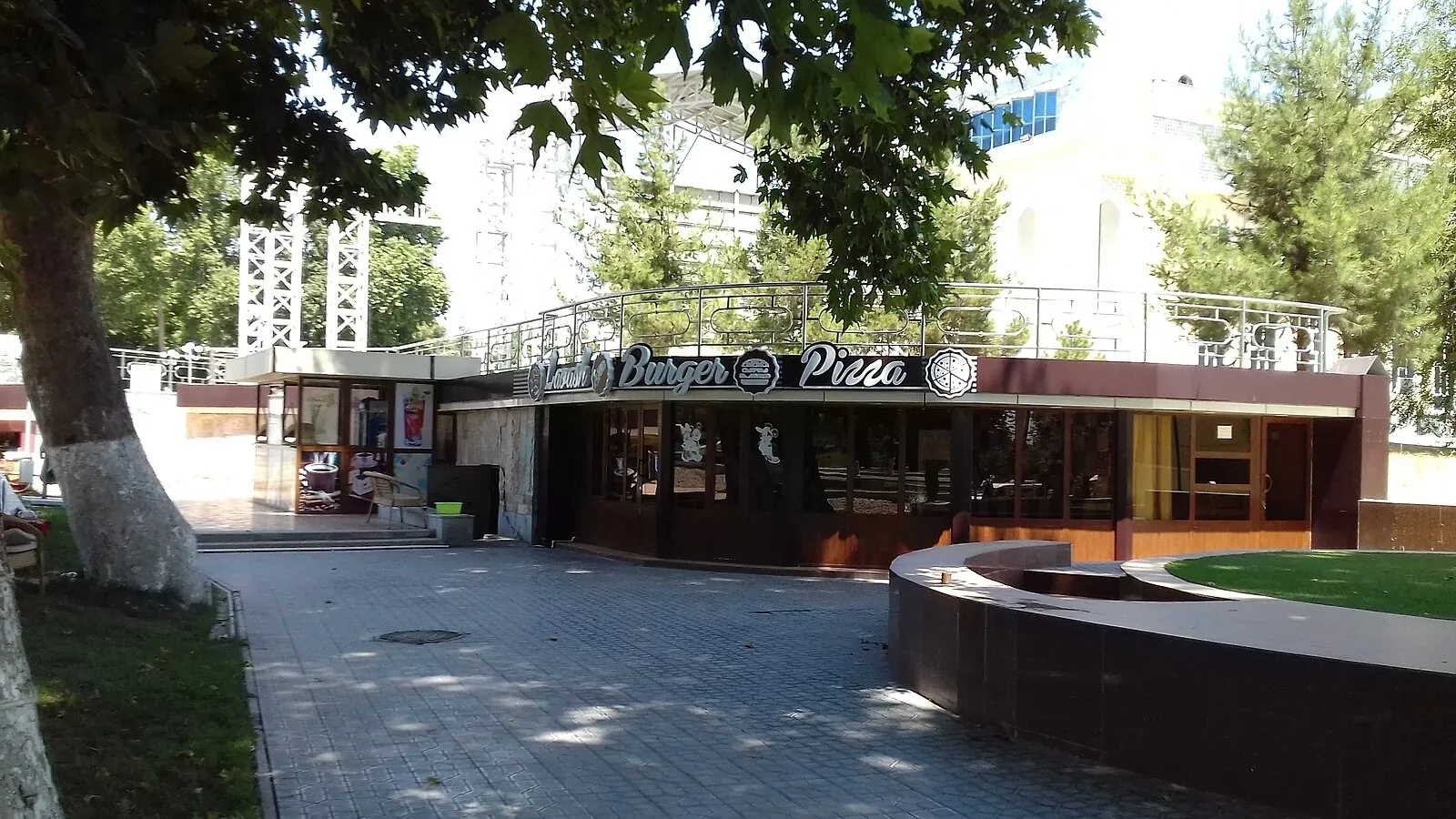 Registan Street / theatre area
A casual, low-cost café-and-fast-food stop near Samarkand theatre for flexible small orders between Registan and the boulevard area.
Keep exploring Samarkand and add more stops to your plan.
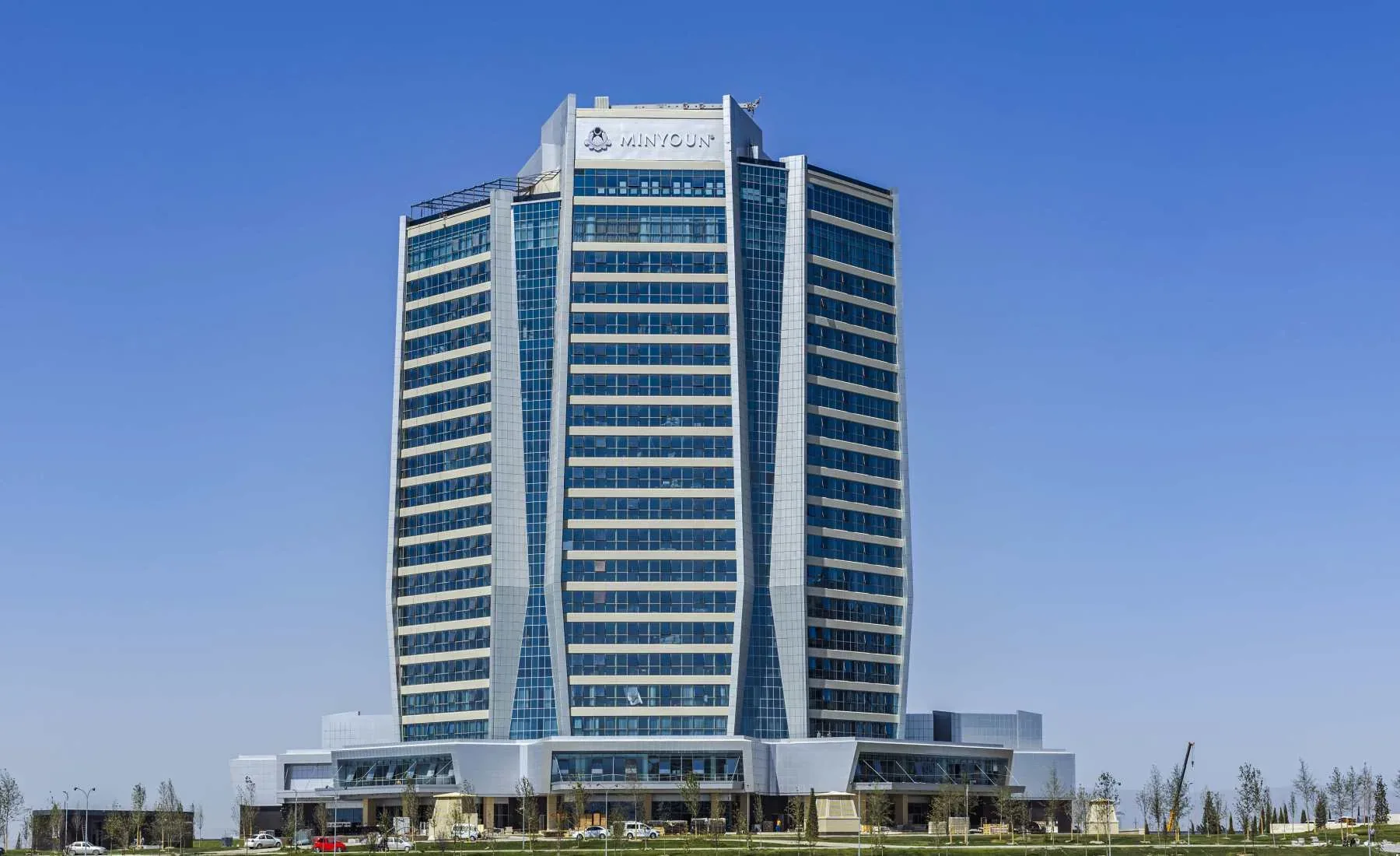 Silk Road Samarkand resort precinct
A five-star, 241-room resort hotel with a panoramic lounge, Pan-Asian dining and Mirage Spa & Wellness.
 Silk Road Samarkand resort precinct
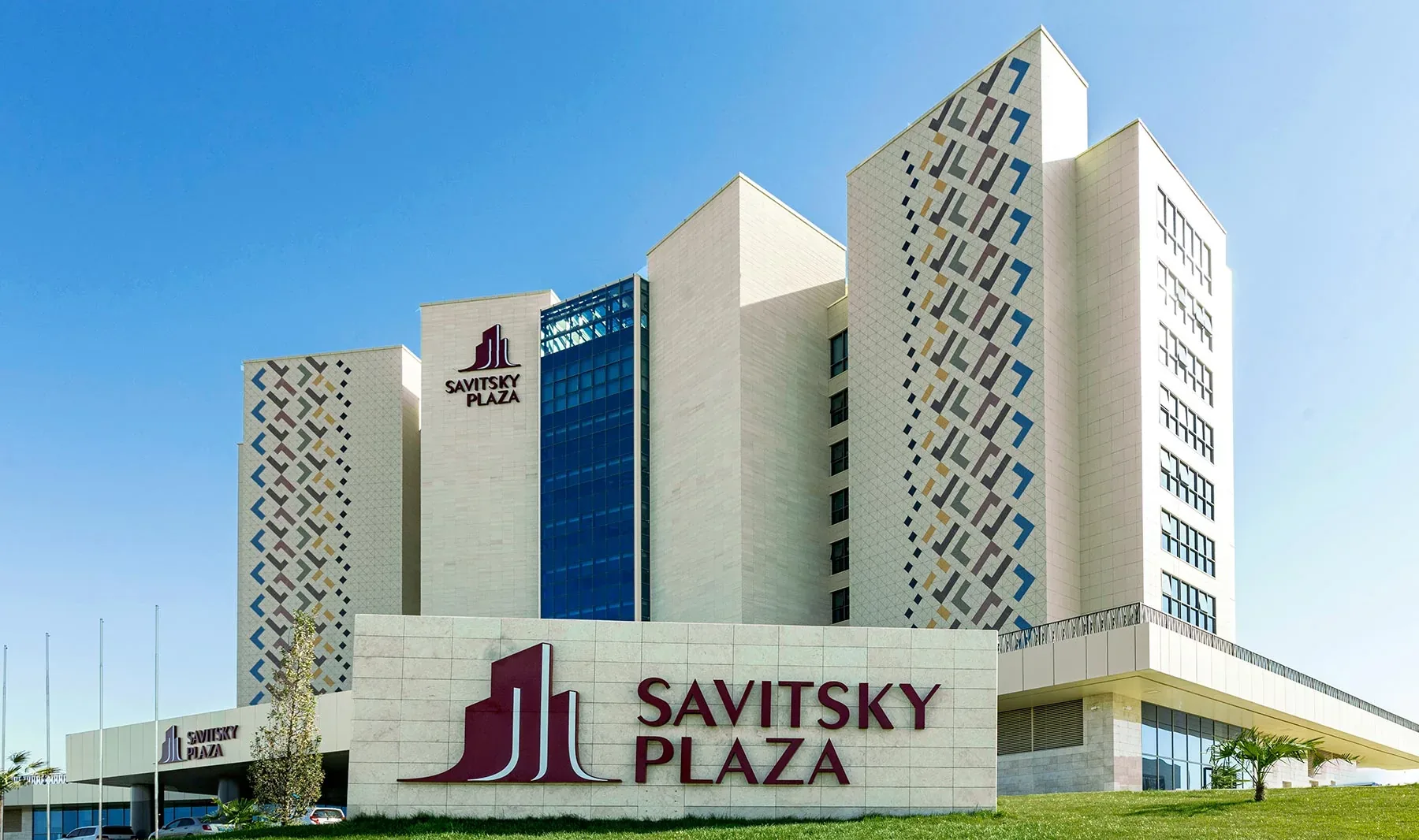
An art-led 175-room hotel with canal-view rooms, a restaurant and a cultural design theme inspired by Igor Savitsky.
 Silk Road Samarkand resort precinct
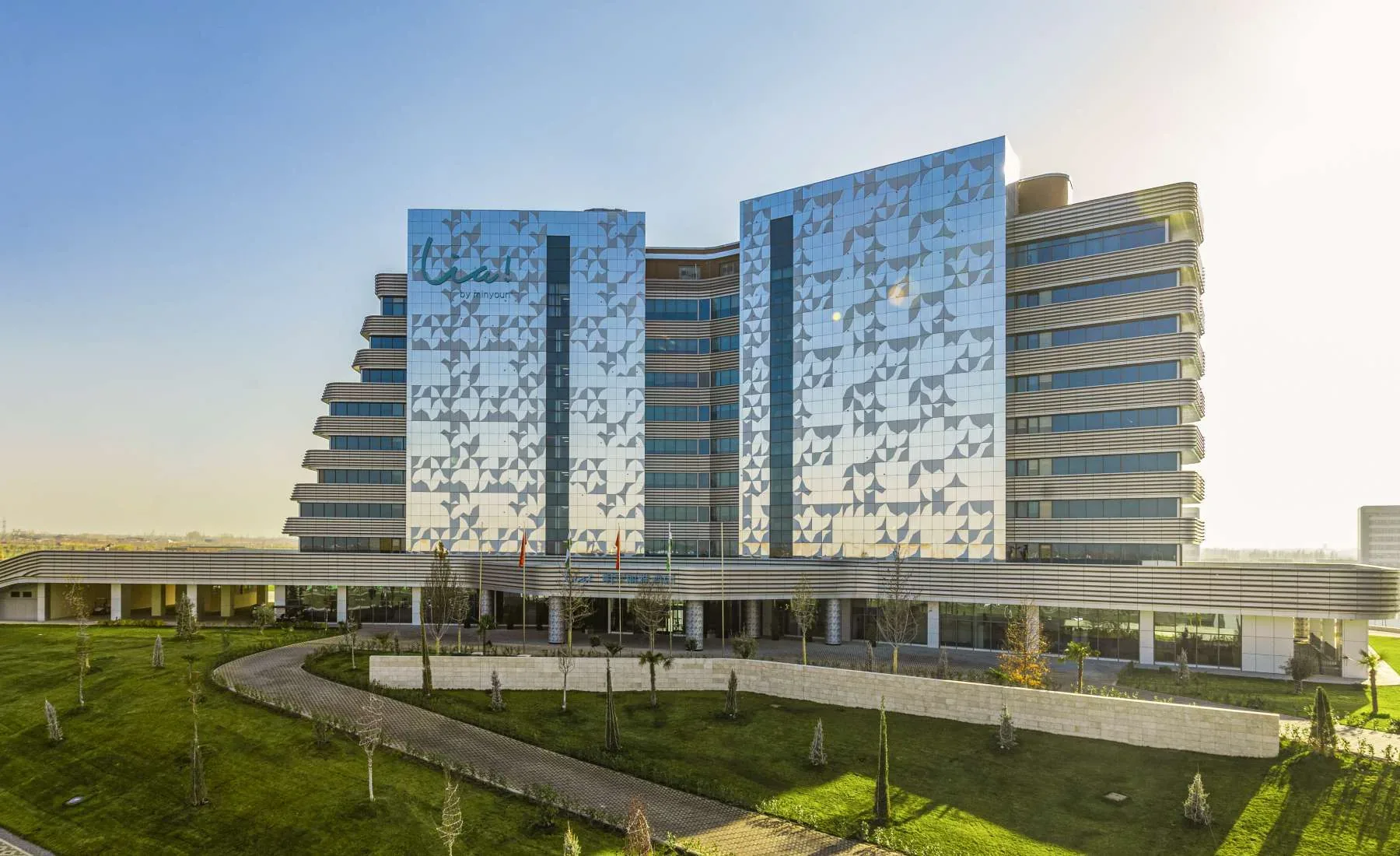
A four-star, 170-room hotel for active travelers, with Foodrink dining, Tea Station and an Ulugbek-inspired theme.
 Silk Road Samarkand resort precinct
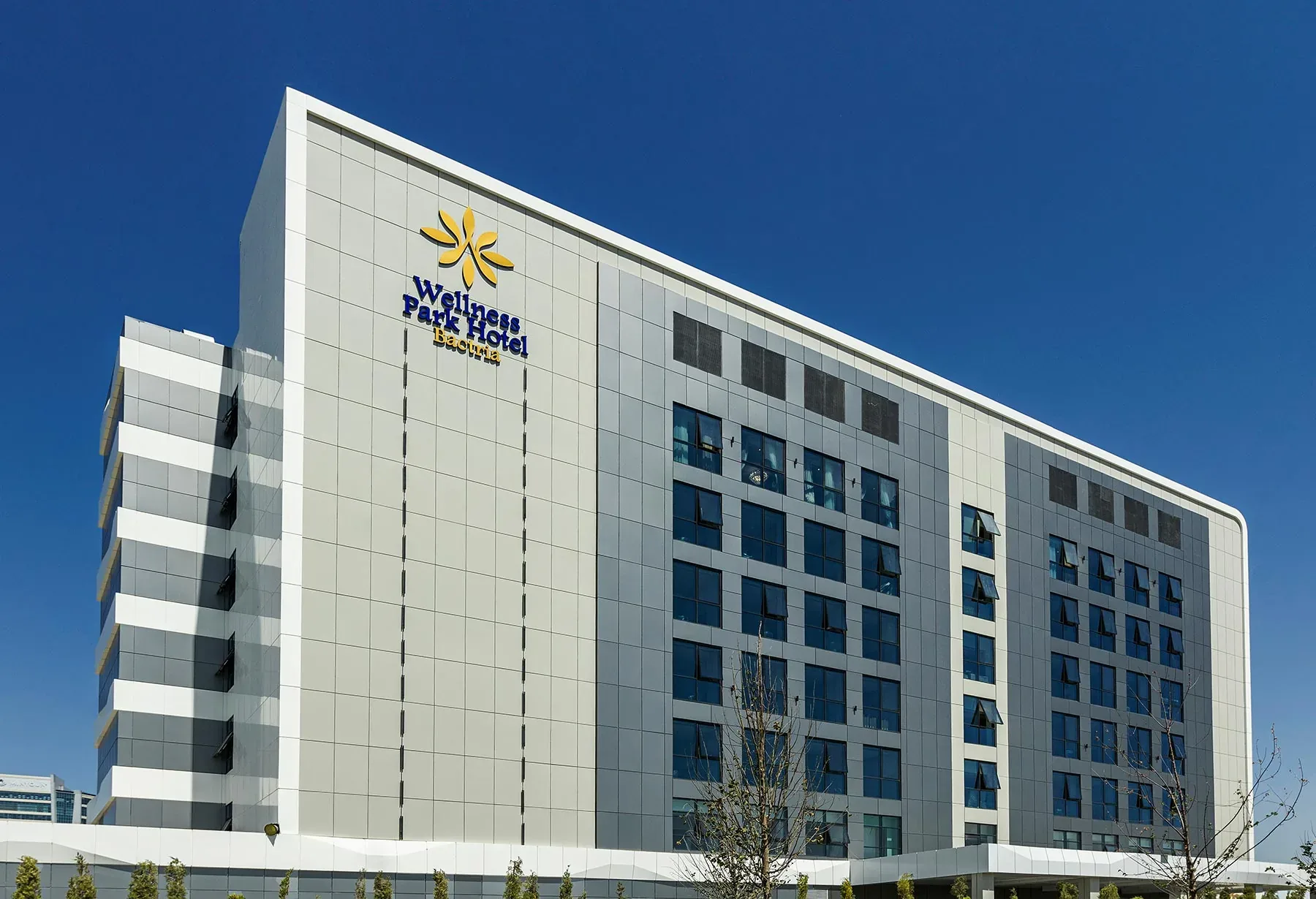
A canal-side 92-room wellness-oriented hotel with a fitness room, restaurant and Bactria-inspired design.
 Silk Road Samarkand resort precinct
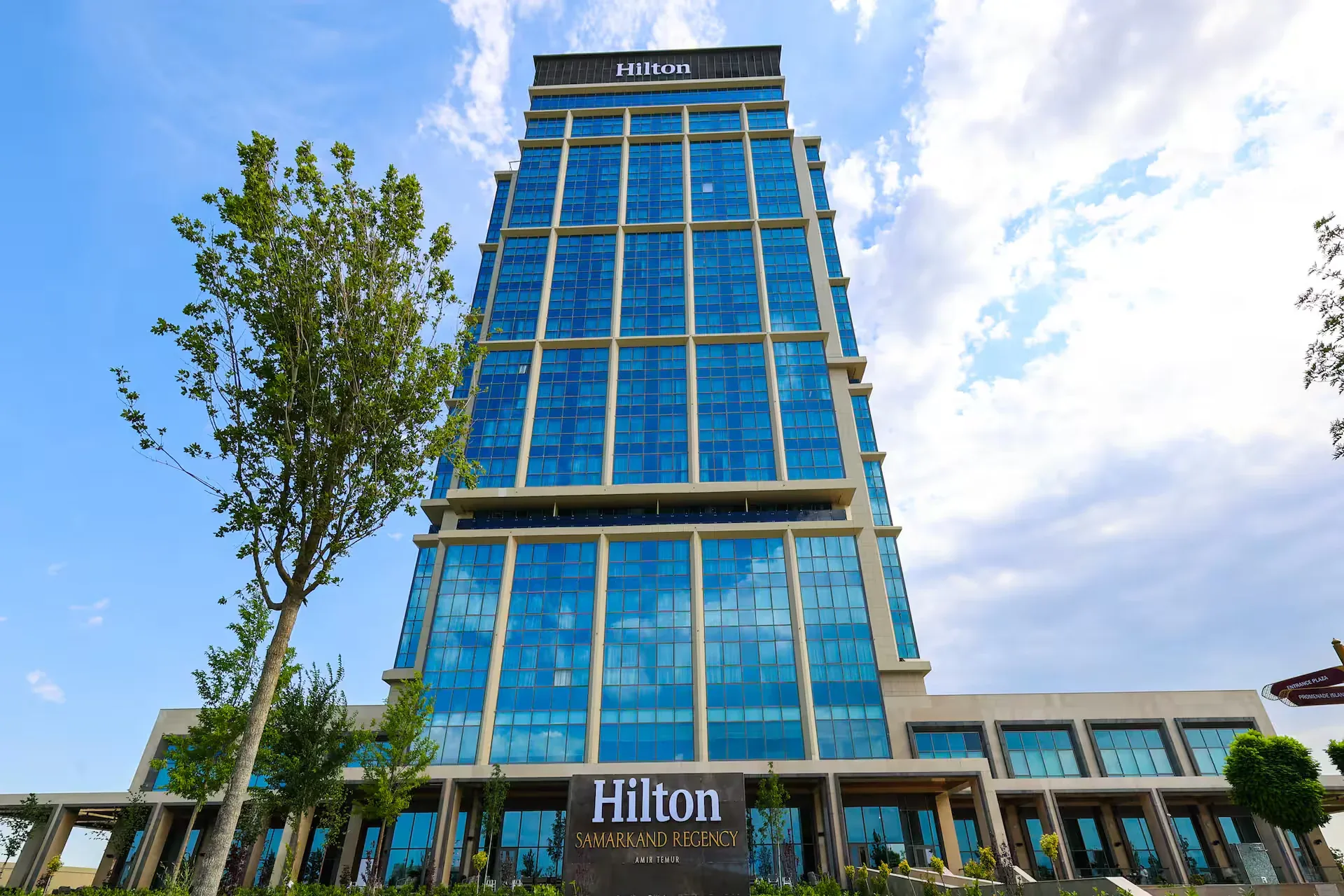
A full-service Hilton resort hotel by the Rowing Canal, with pools, spa, Sky Bar and family-ready amenities.
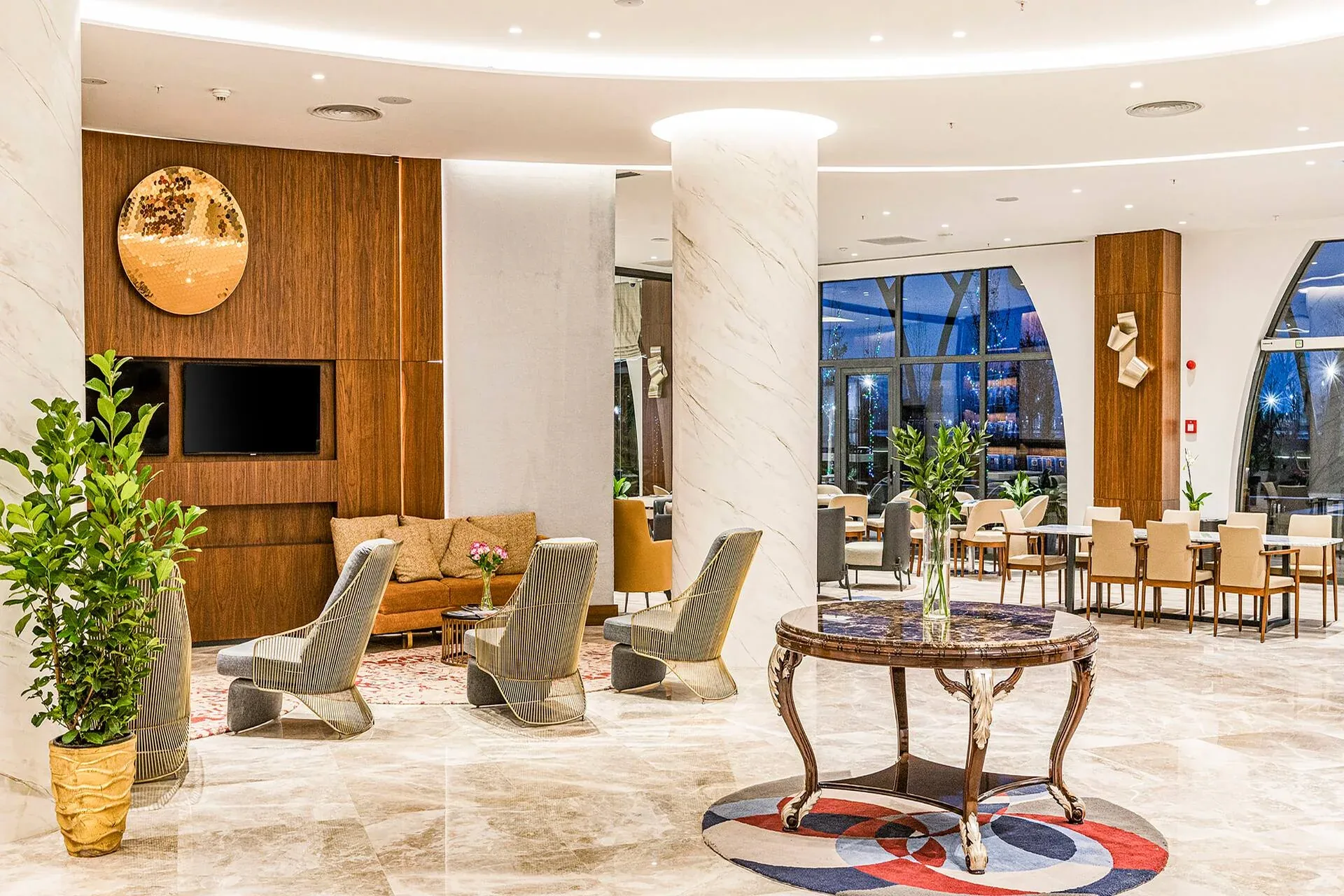 Silk Road Samarkand resort precinct
A Hilton Garden Inn inside the Silk Road complex, with terrace dining, wellness facilities and a 24-hour fitness centre.
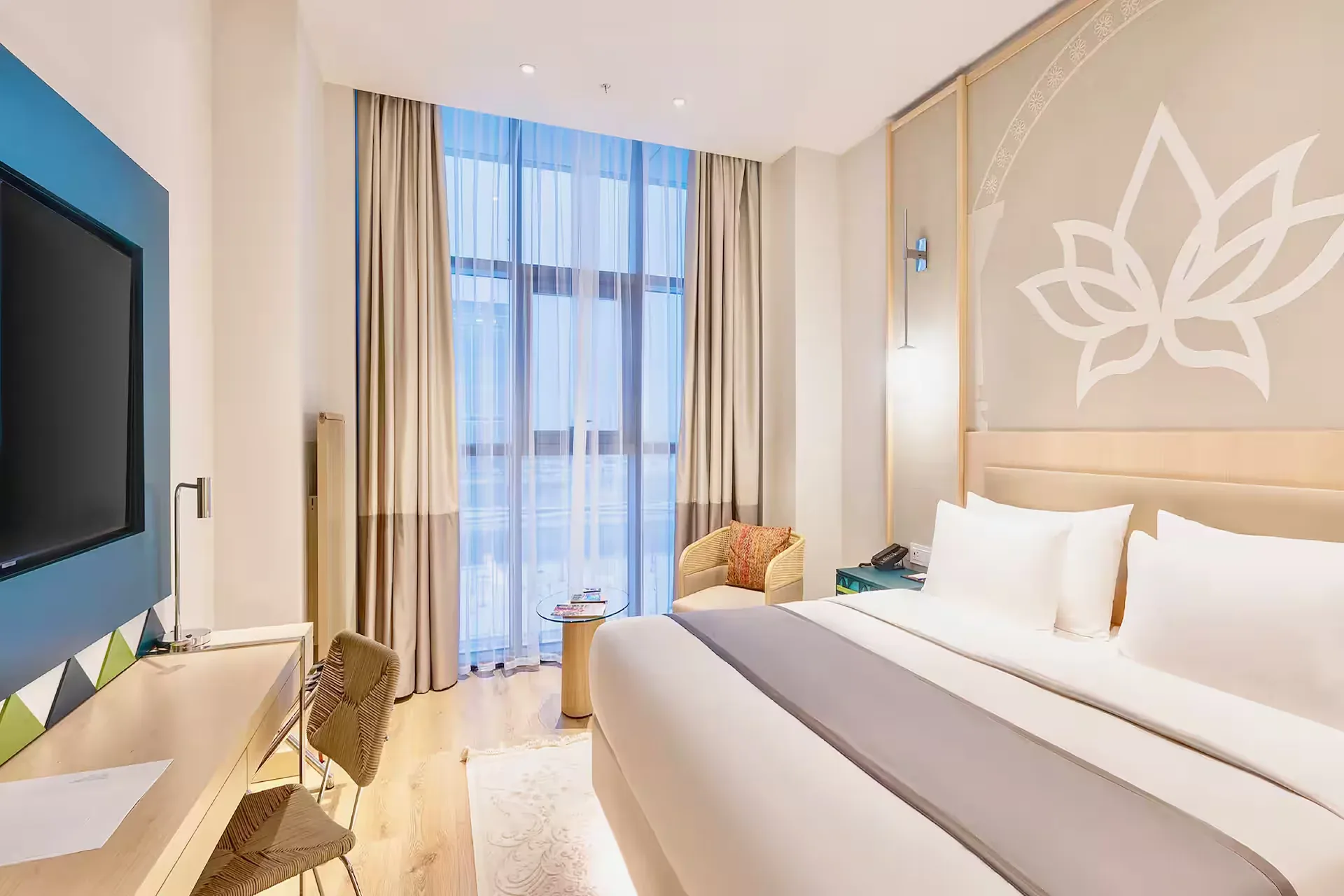 Silk Road Samarkand resort precinct
A Hilton Garden Inn resort stay at Grebnoy Kanal, pairing the Silk Road Samarkand precinct with a recognised hotel operator.
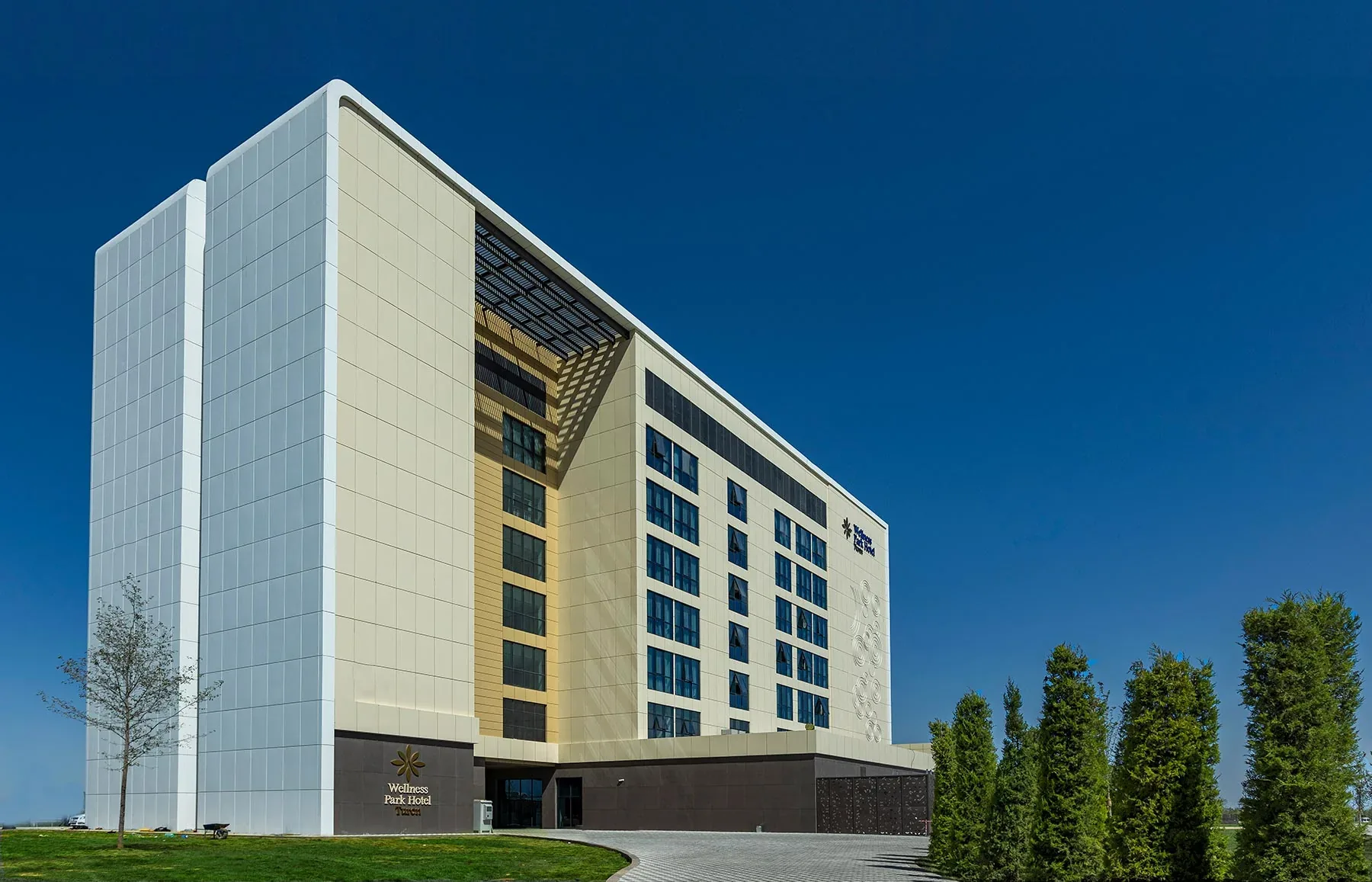 Silk Road Samarkand resort precinct
A canal-view wellness hotel with 82 rooms, fitness space, conference rooms and a lower-entry resort price.
 Samarkand
An art-led boutique hotel with handmade décor, buffet breakfast and individual room styles.
 Samarkand
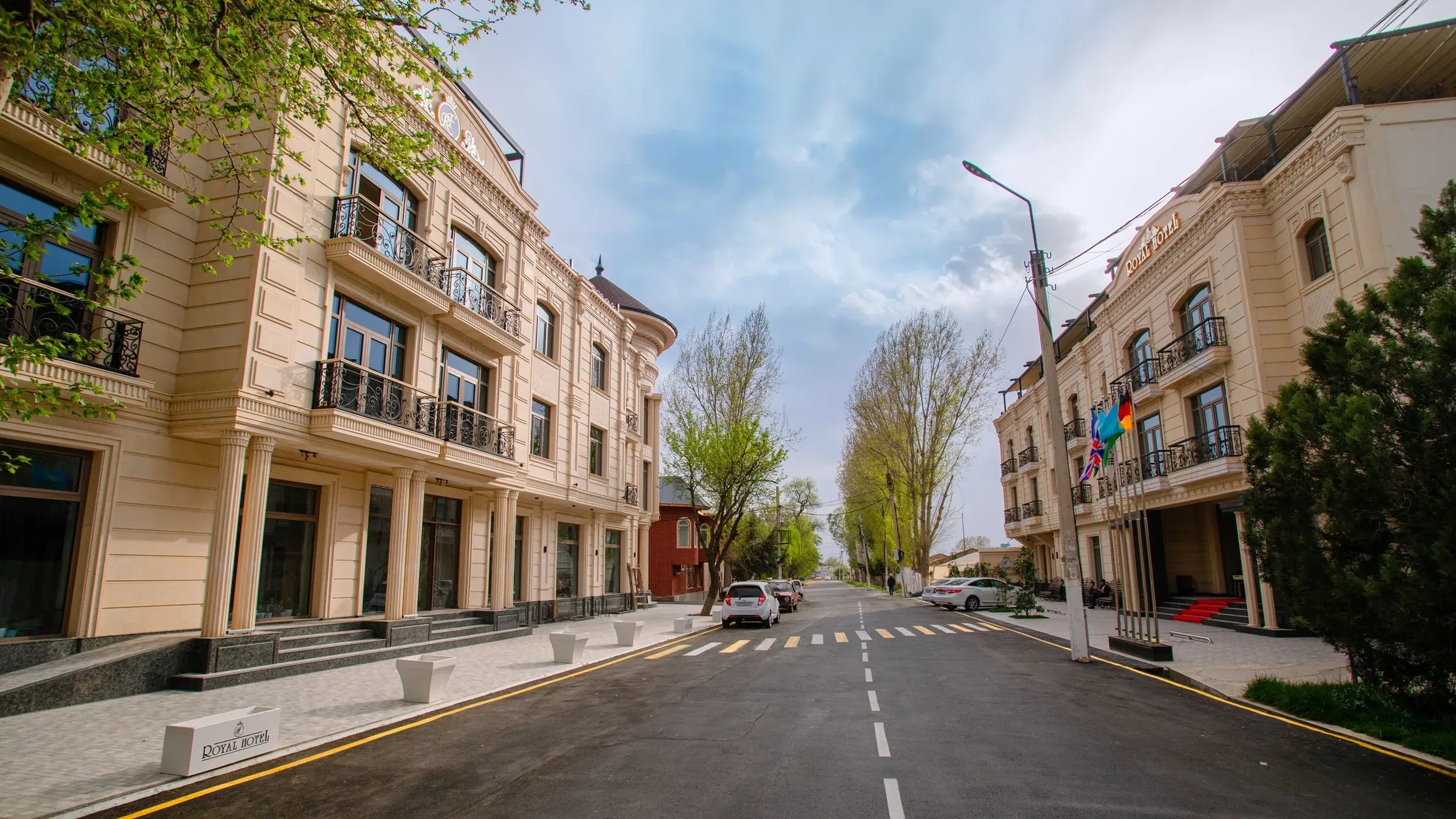
Royal Hotel Samarkand is a 50-room property with a restaurant, outdoor terrace, swimming pool, Jacuzzi and sauna, suited to travelers looking for a compact hotel base with leisure facilities.
Keep exploring Samarkand and add more stops to your plan.
 Central Samarkand
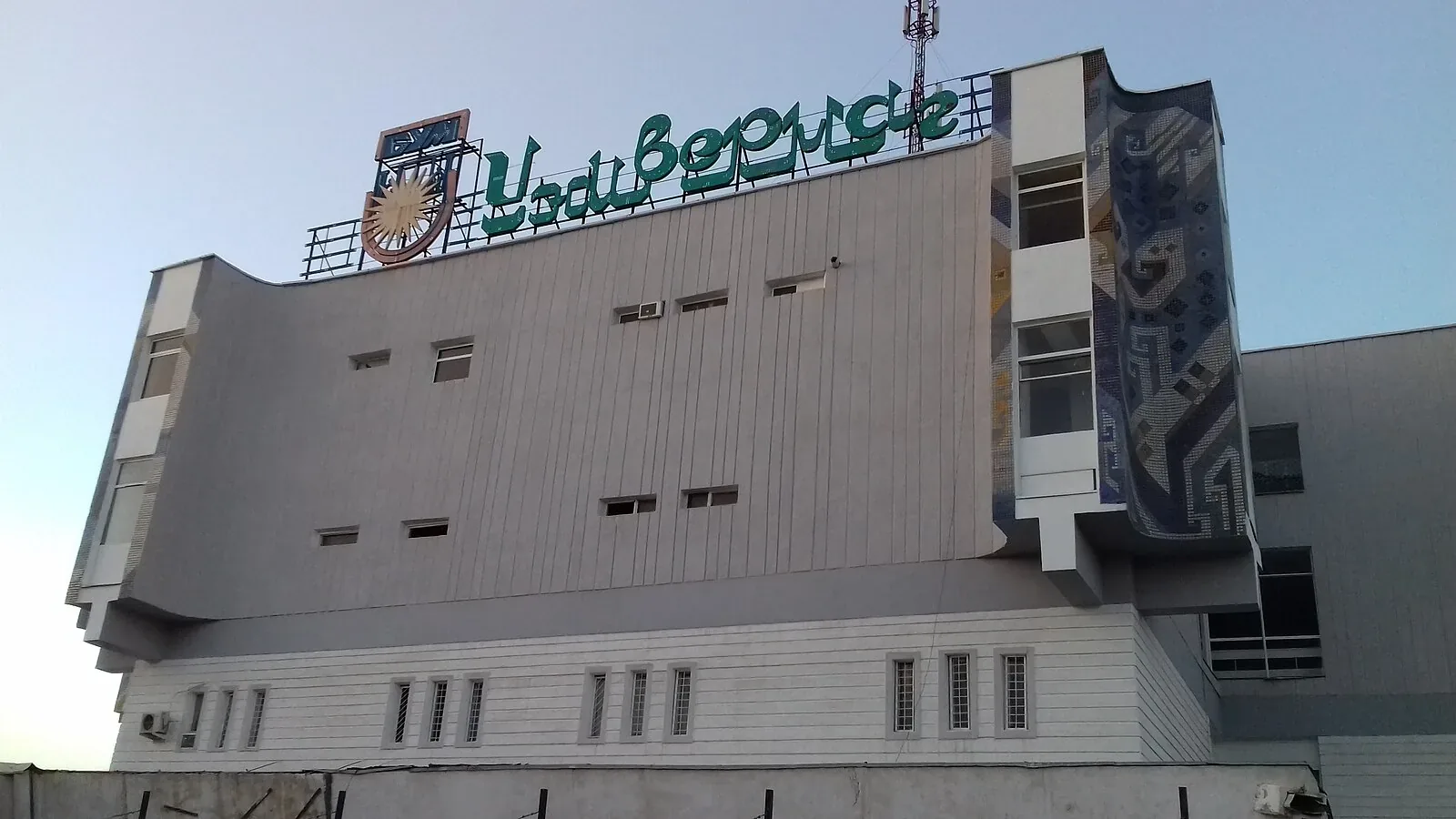
A practical central department-store style stop for visitors who want to compare everyday purchases without leaving the city centre.
 Narpay Street
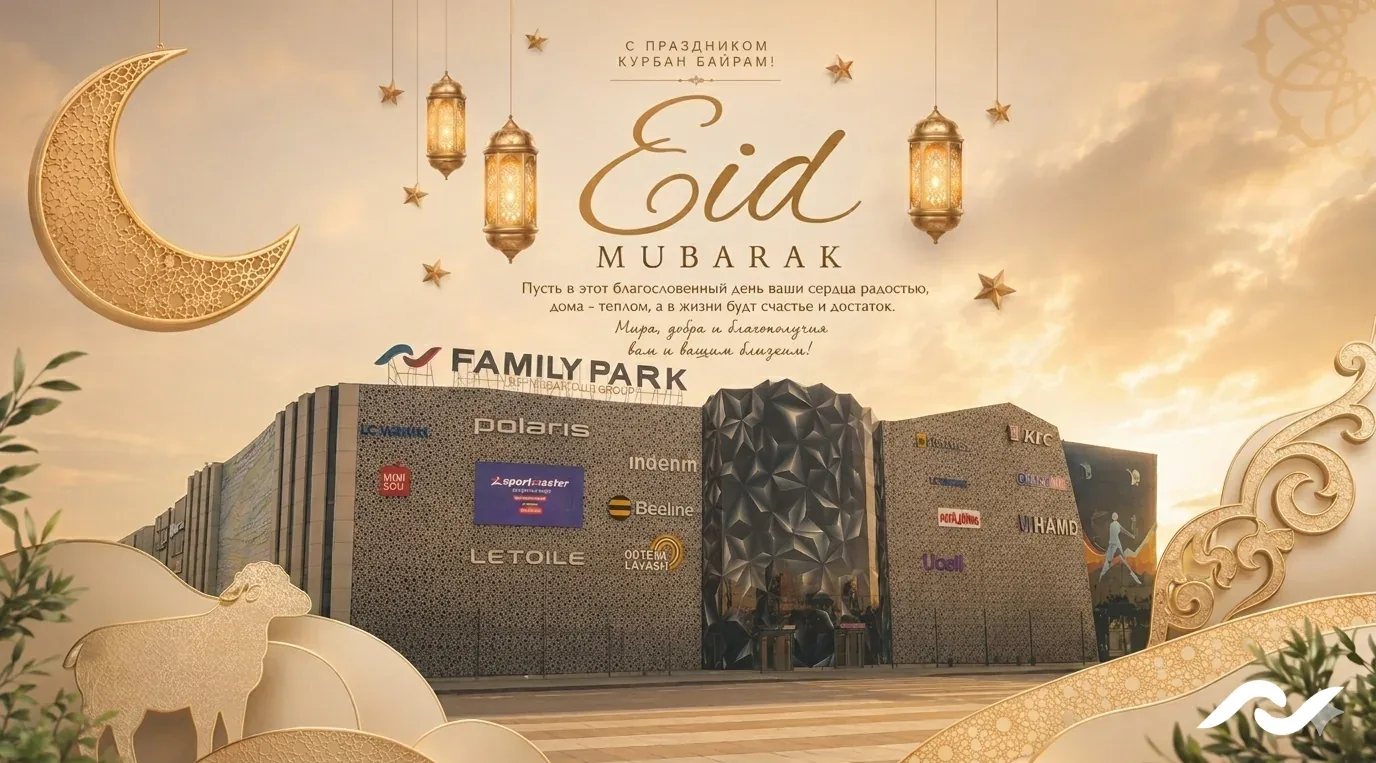
A Samarkand retail-and-entertainment centre with more than 80 listed stores, food outlets and attractions.
 Central Samarkand
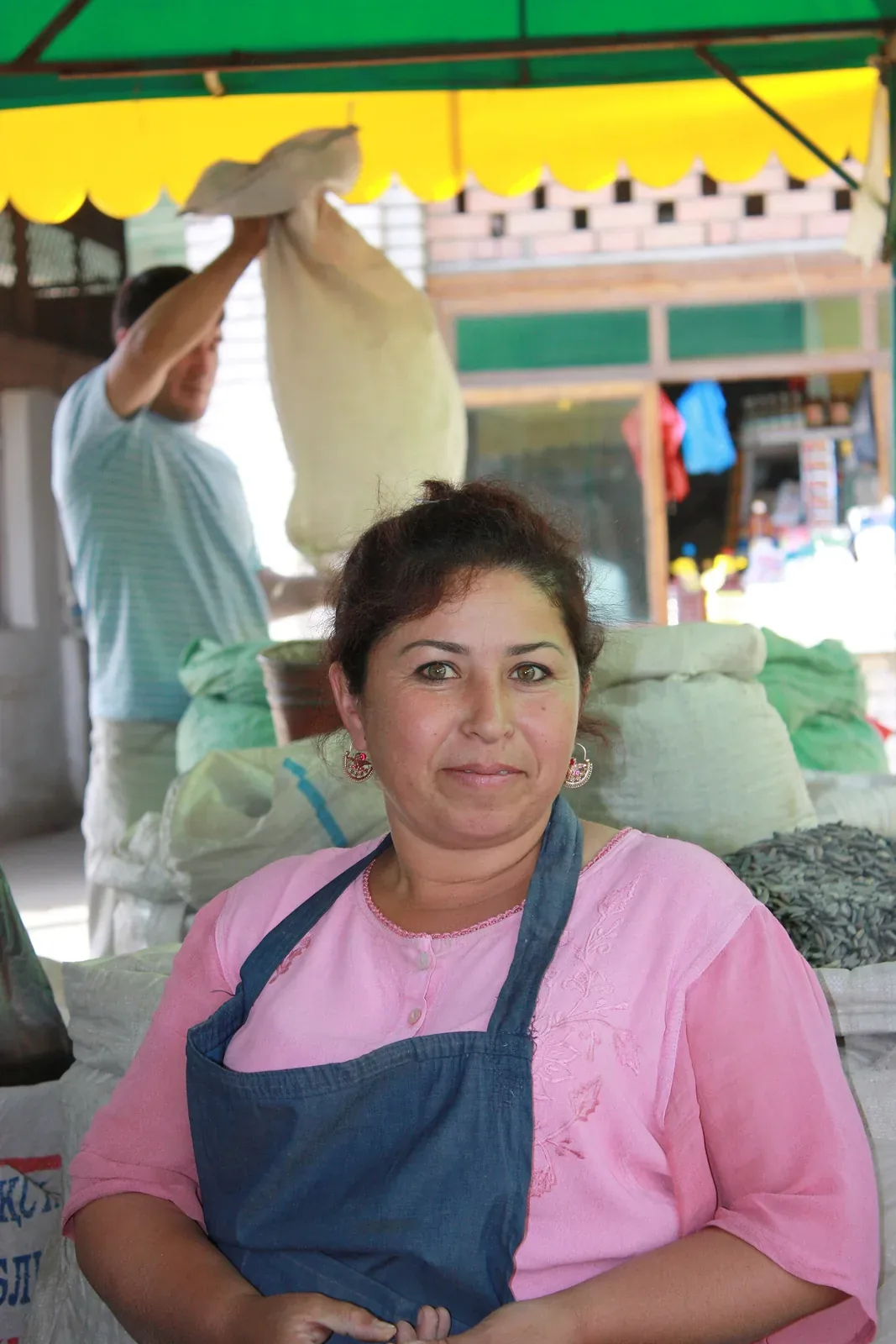
A location-led practical market reference near central Samarkand, pending editorial confirmation of its current public name.
A neighbourhood market identified beside Family Park in western Samarkand.
A mapped marketplace on Samarkand’s south-western edge, relevant only to vehicle-market errands.
A mapped supermarket beside Yangi Bozor, useful for practical provisions rather than souvenir shopping.
A mapped wholesale-oriented market area in Samarkand, distinct from the nearby Siyob retail bazaar.
A three-level mapped shopping centre close to the Siyob Bazaar and Bibi-Khanym area.