Why visit
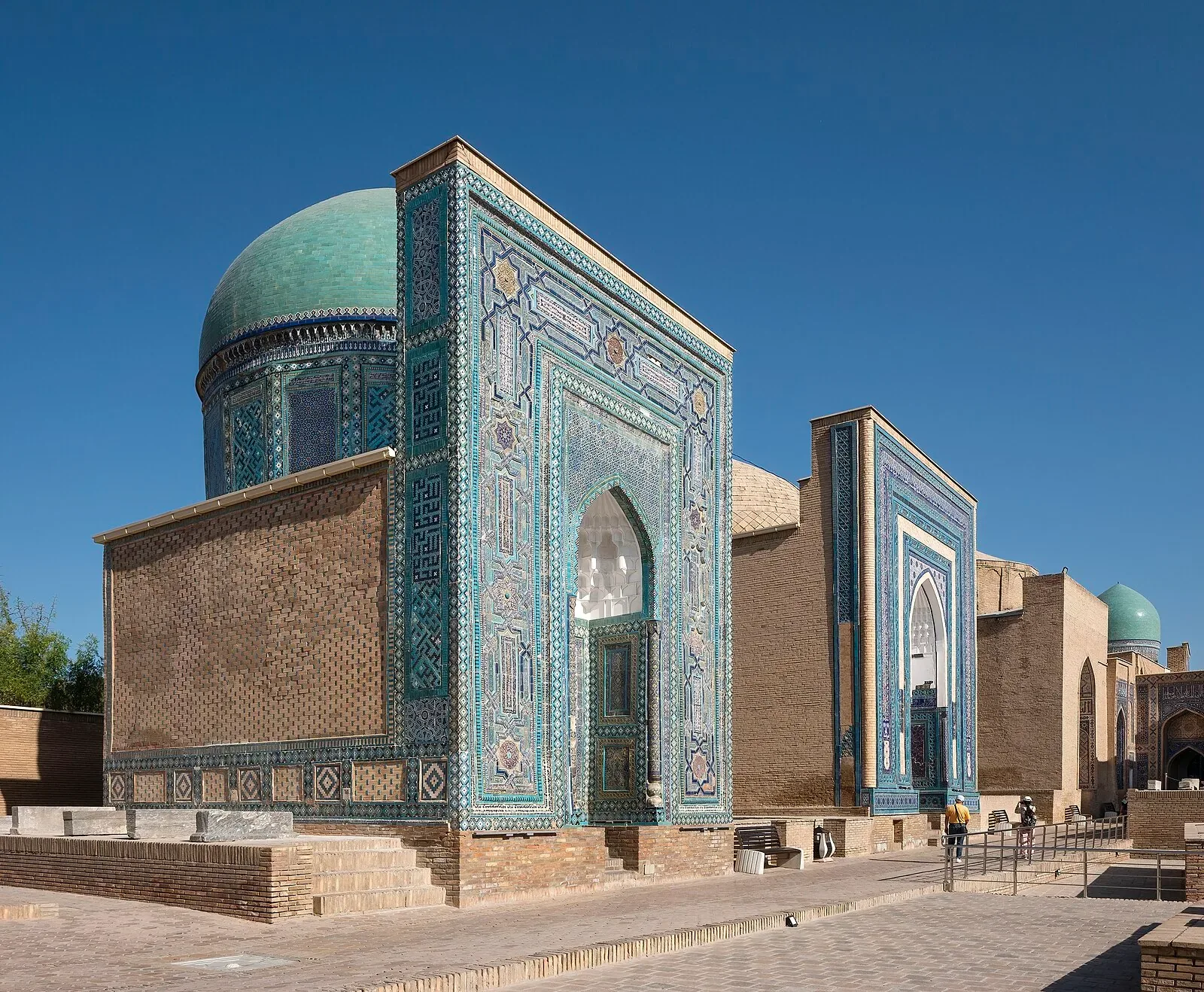
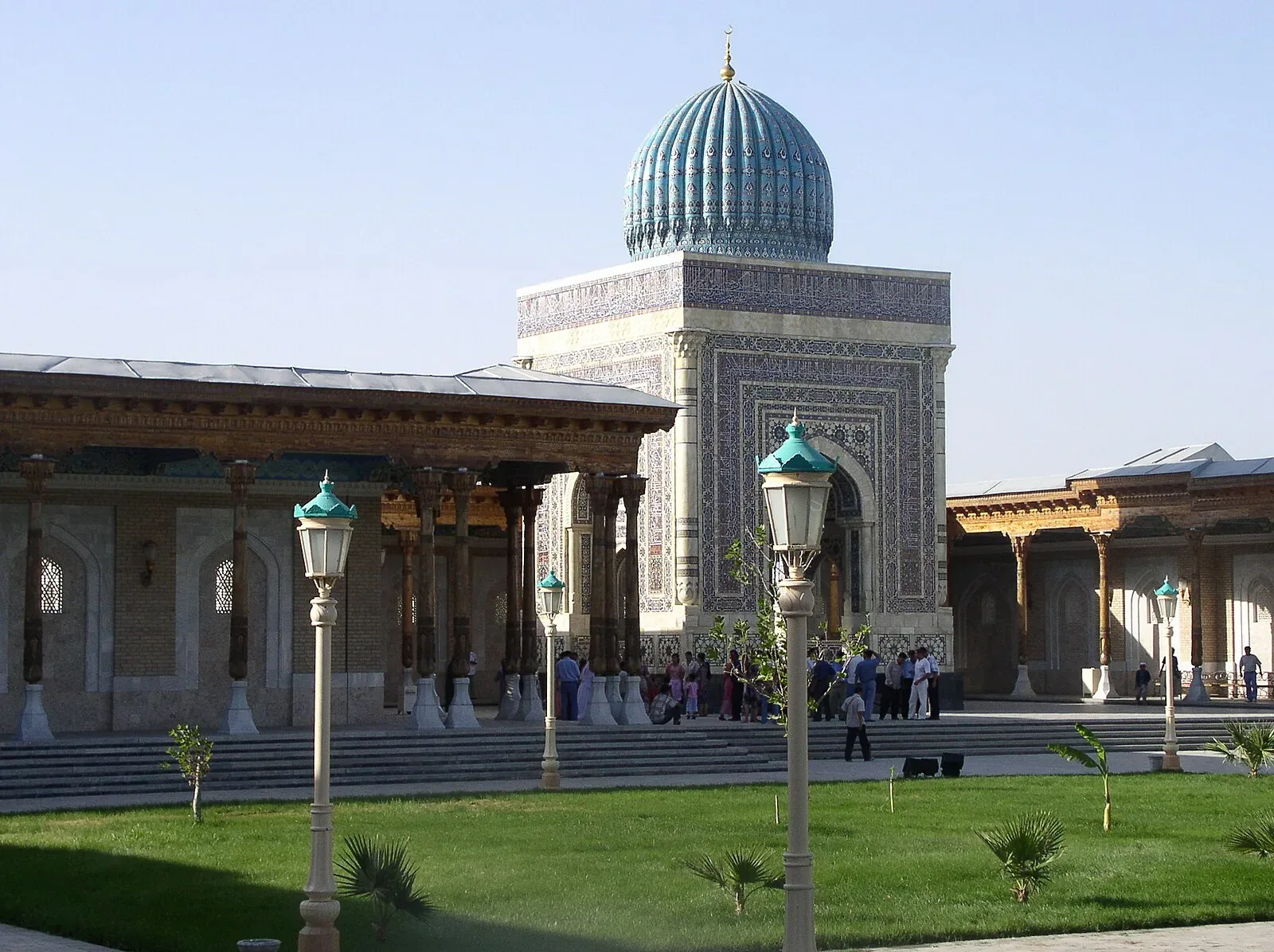
The Mausoleum of Qusam ibn Abbas is the spiritual focal point within Shah-i-Zinda, the long hill-side necropolis north-east of Samarkand’s old city. Reaching it means passing through a sequence of Timurid mausoleums, portals and tiled passages, so the approach is inseparable from the destination. The inner mausoleum is associated with Qusam ibn Abbas and is treated with particular reverence within the complex. Its setting makes a strong impression: close walls of blue, turquoise and white tile lead visitors away from the city’s open squares into a more concentrated architectural and devotional landscape.
What to see
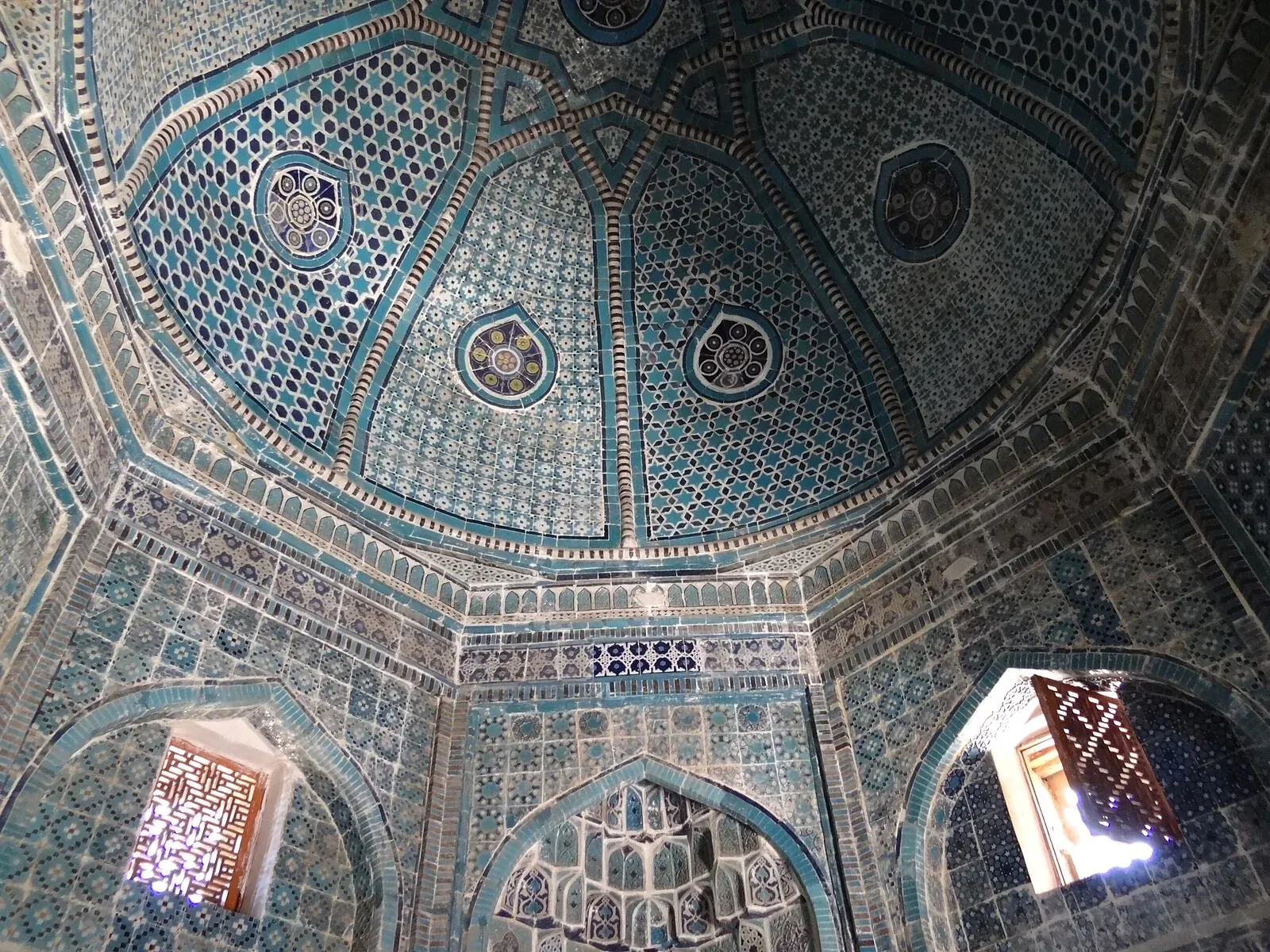
Move through Shah-i-Zinda at a measured pace, allowing the mausoleum to emerge from the rhythm of the route rather than treating it as a separate photo stop. The surrounding tilework is part of the experience, with glazed patterns, inscriptions and carefully framed doorways creating a sequence of changing views. The mausoleum gives visitors a useful way to understand why Shah-i-Zinda is more than a collection of decorative façades. It is a sacred necropolis whose architecture, memory and route have remained closely connected. A respectful manner suits the inner section and helps preserve the quieter character of the visit.
Plan your visit
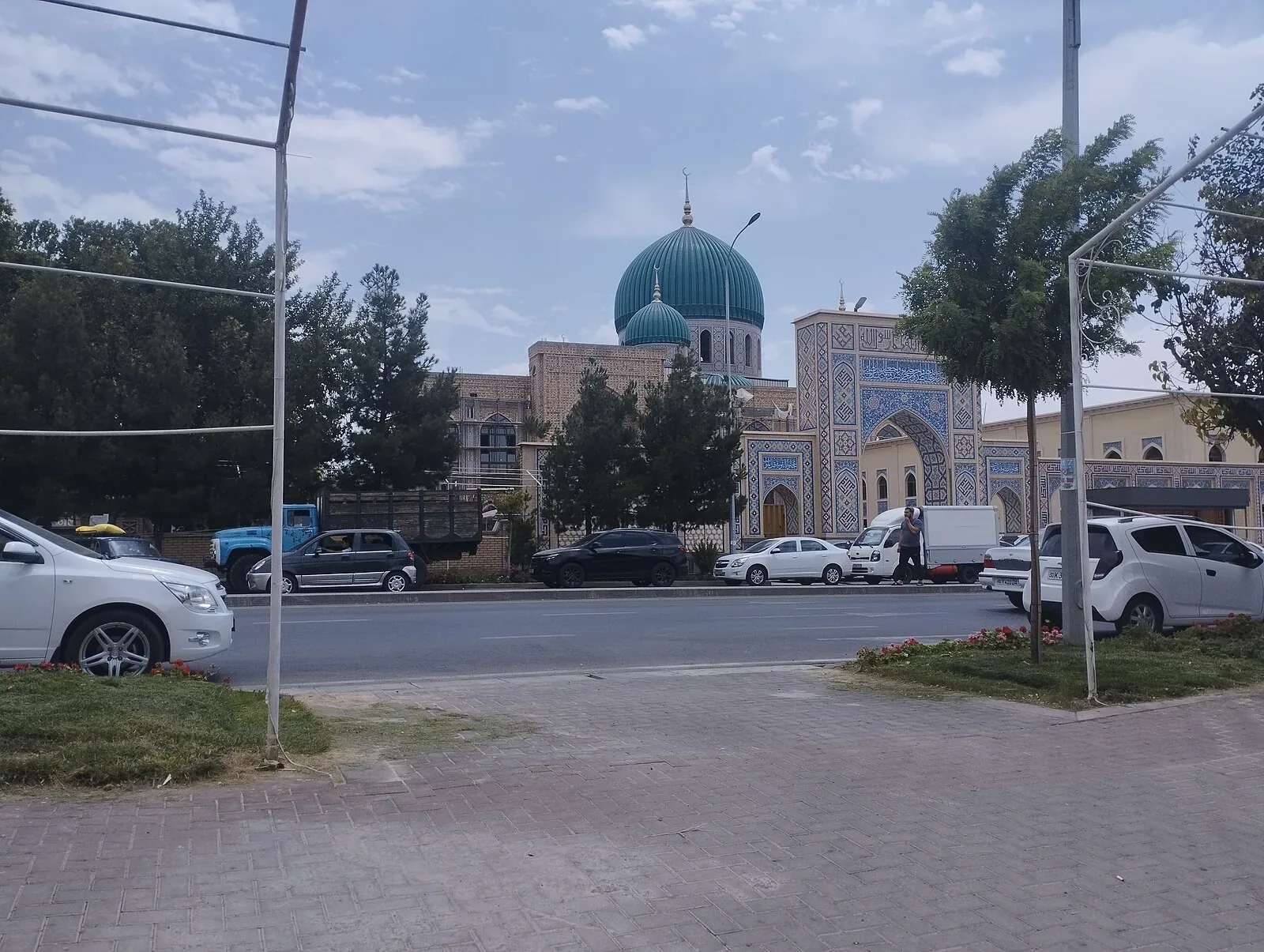
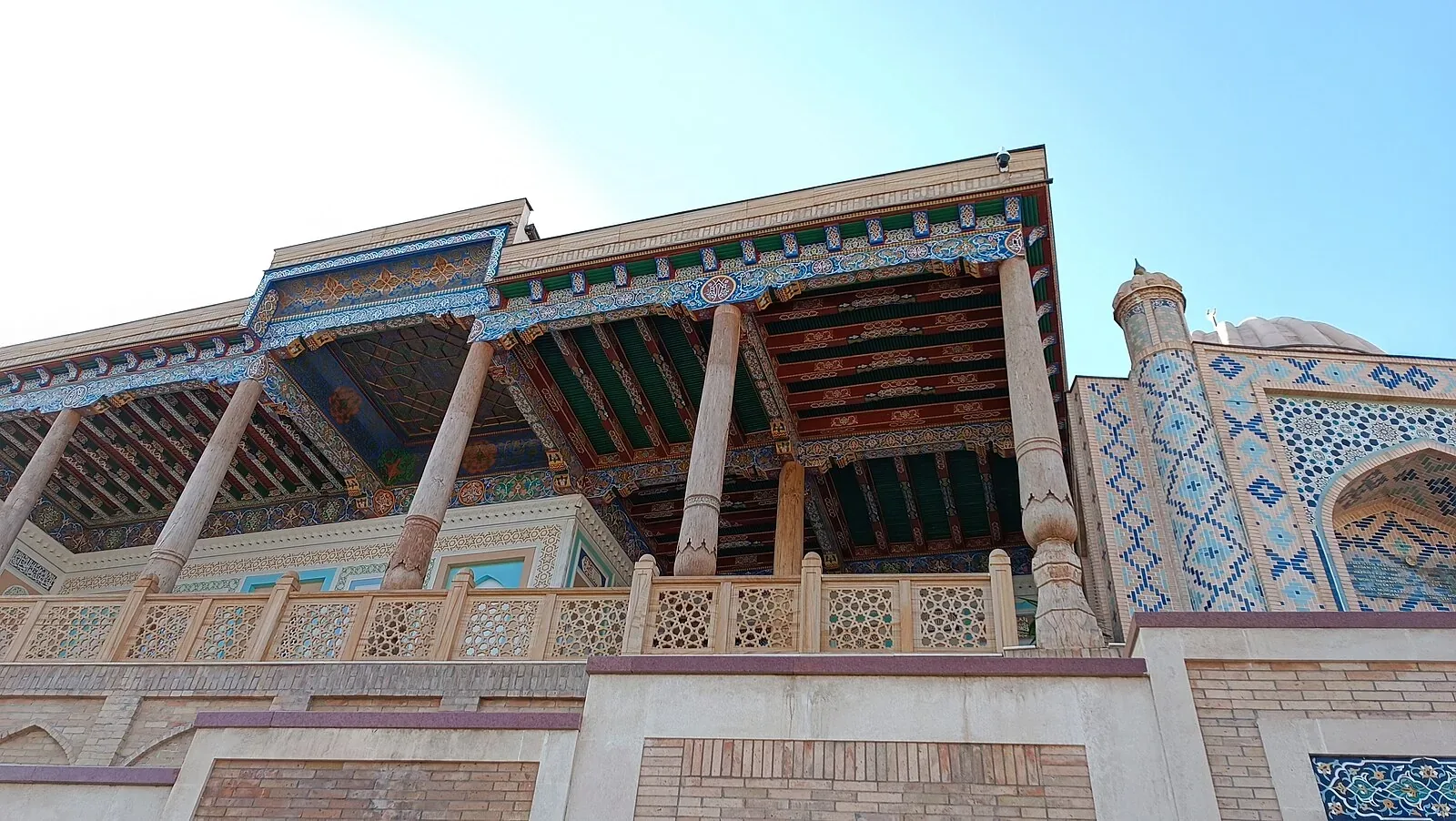
Plan Qusam ibn Abbas Mausoleum as the culminating point of a Shah-i-Zinda visit, then continue toward Hazrat Khizr, Bibi-Khanym Mosque and Siab Bazaar on the northern heritage route. The contrast is rewarding: Shah-i-Zinda’s narrow tiled passage gives way to the hilltop veranda at Hazrat Khizr and the large market beside Bibi-Khanym. Allow enough time to walk back through the necropolis after reaching the mausoleum; the return reveals tile panels and rooflines from a different angle. This is a landmark for visitors interested in Muslim heritage, Timurid craftsmanship and Samarkand’s layered sacred geography.