Why visit
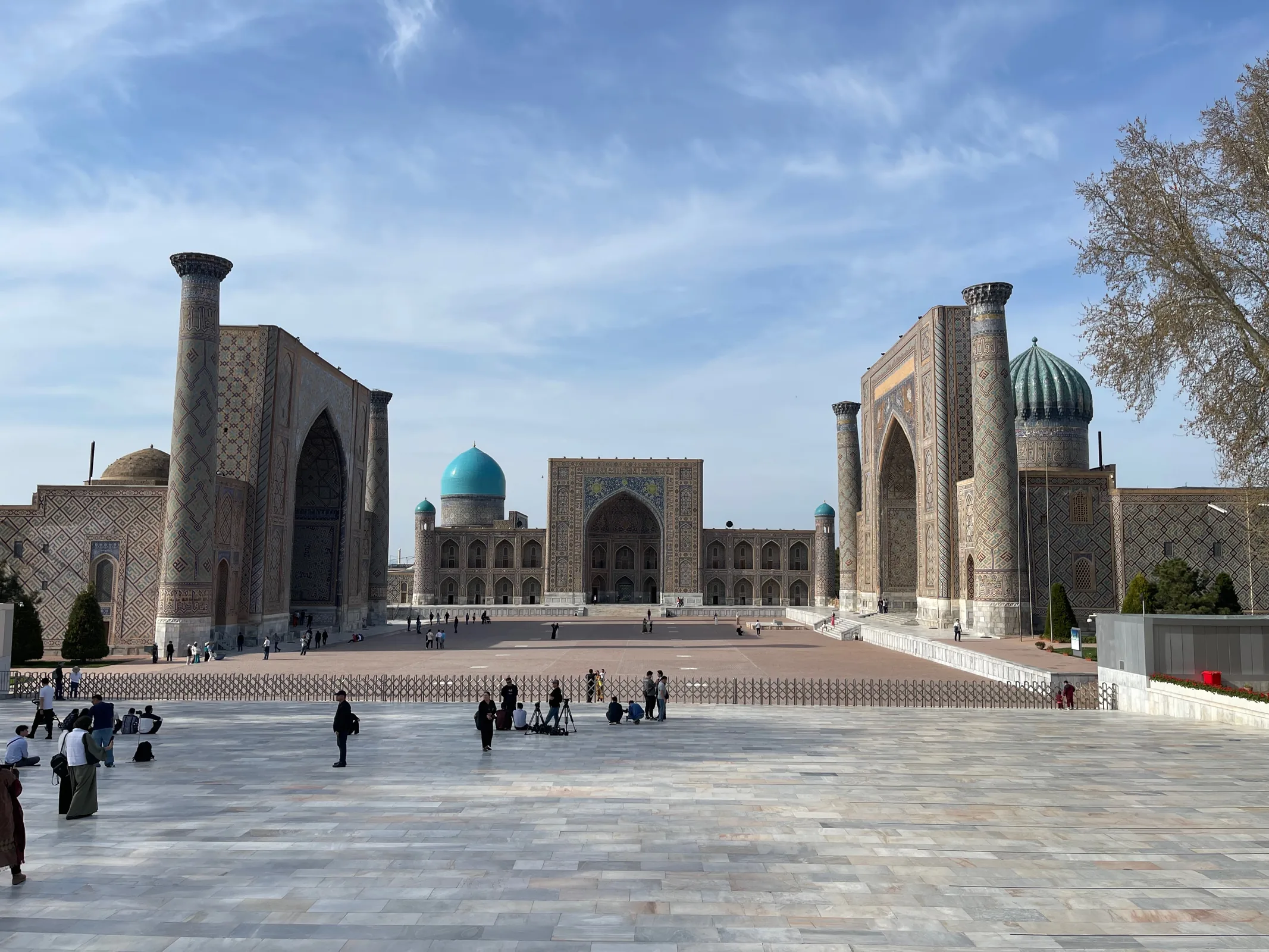
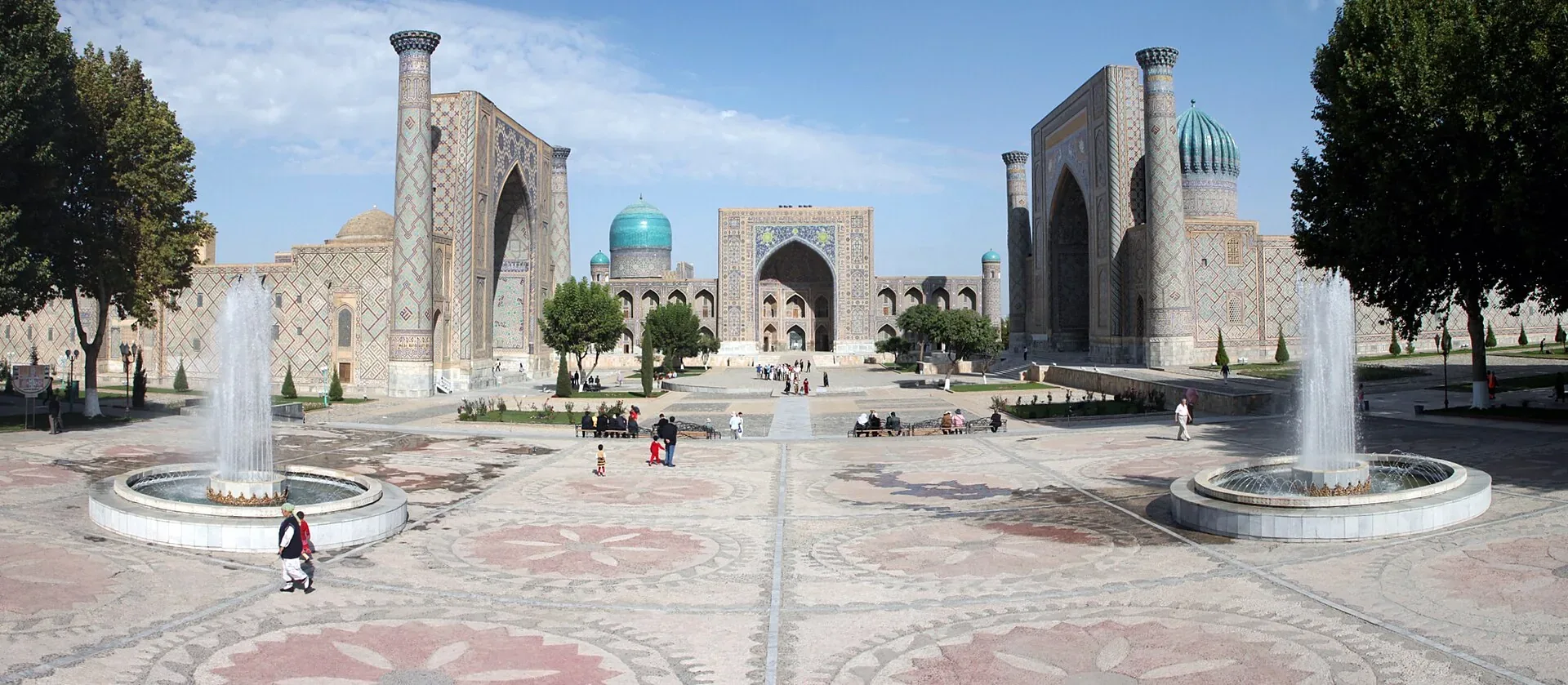
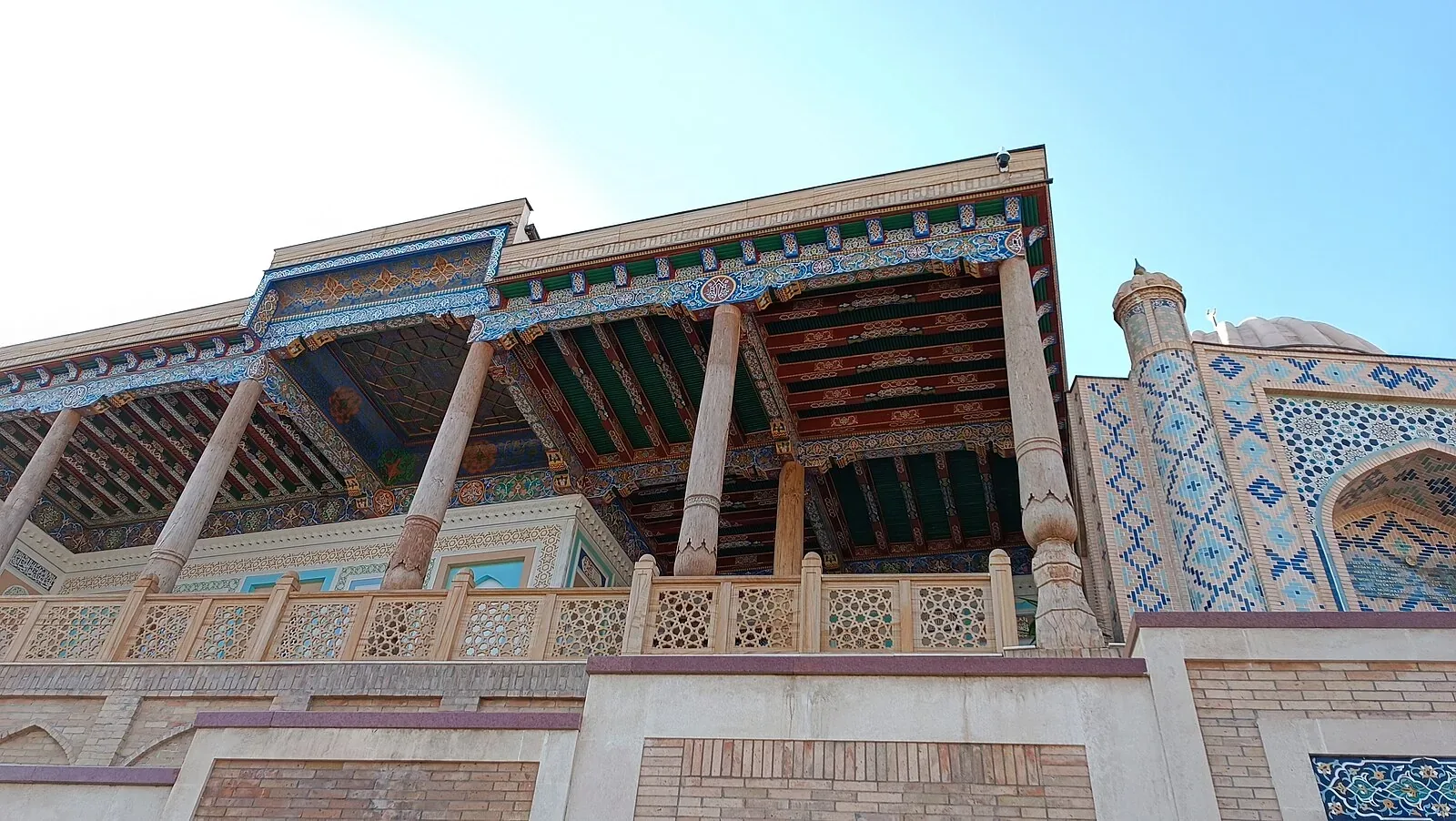
Ulugh Beg Madrasah is the fifteenth-century foundation of Registan and the best place to begin reading the square as a sequence rather than a single façade. Associated with Ulugh Beg, the Timurid ruler remembered for astronomy and scholarship, the building connects education, mathematics and architecture in one powerful setting. Look closely at the portal decoration, where star-like motifs introduce the intellectual character of the monument before you enter. The façade is measured rather than theatrical, yet its proportion and tilework establish the standard against which the later Sher-Dor and Tilla-Kari madrasahs can be compared.
What to see
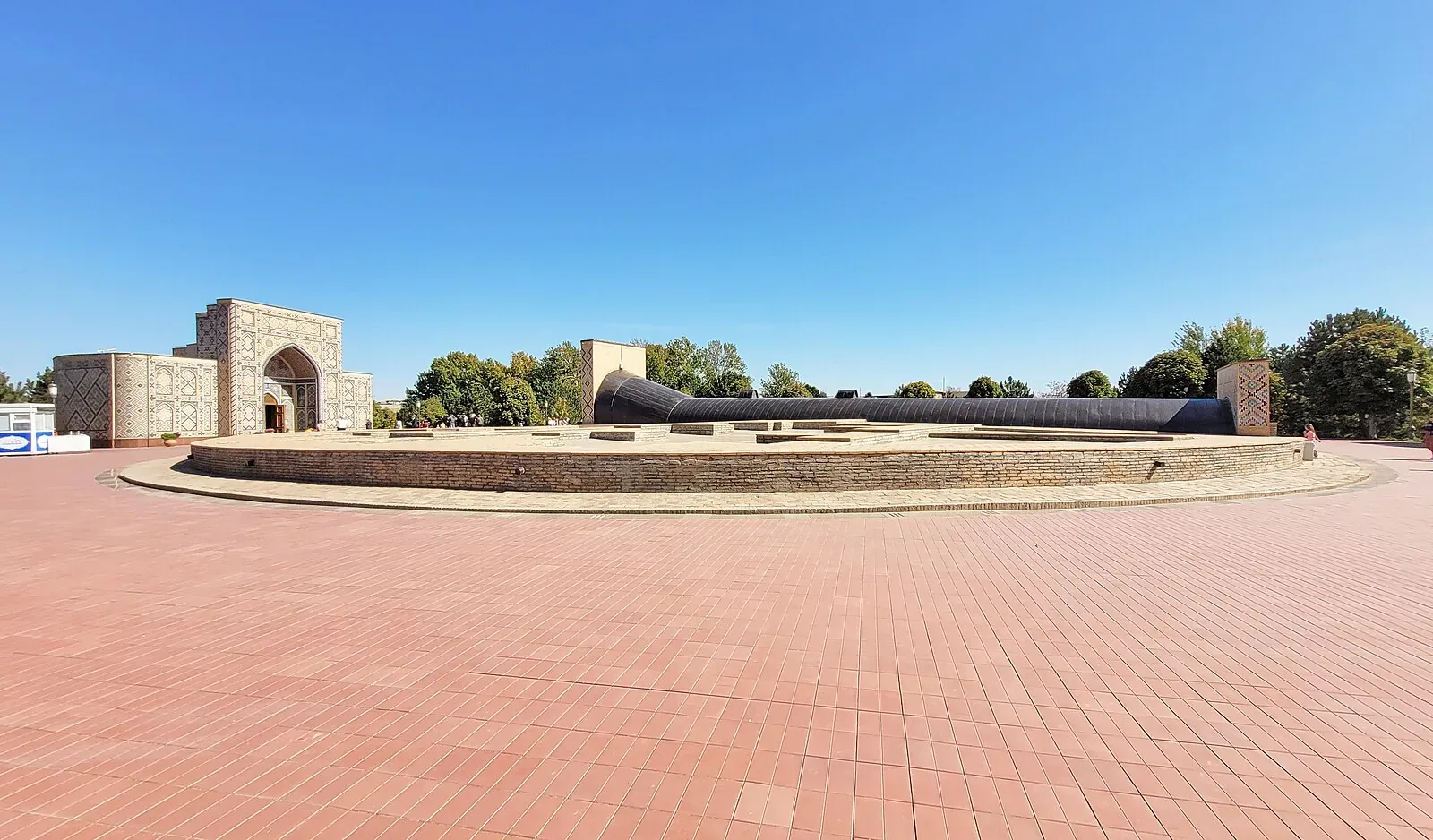
The courtyard reveals the working logic of a madrasah more clearly than the view from the square. Arches, rooms and circulation around the central space show how study and residence were organised within the monumental exterior. Move slowly around the courtyard and look back toward the portal from inside; the frame changes the scale of the entrance and makes the surrounding cells easier to notice. Visitors interested in Ulugh Beg’s observatory should see this building as part of the same scholarly story, linking the city’s architectural programme with its reputation for mathematical and astronomical learning.
Plan your visit
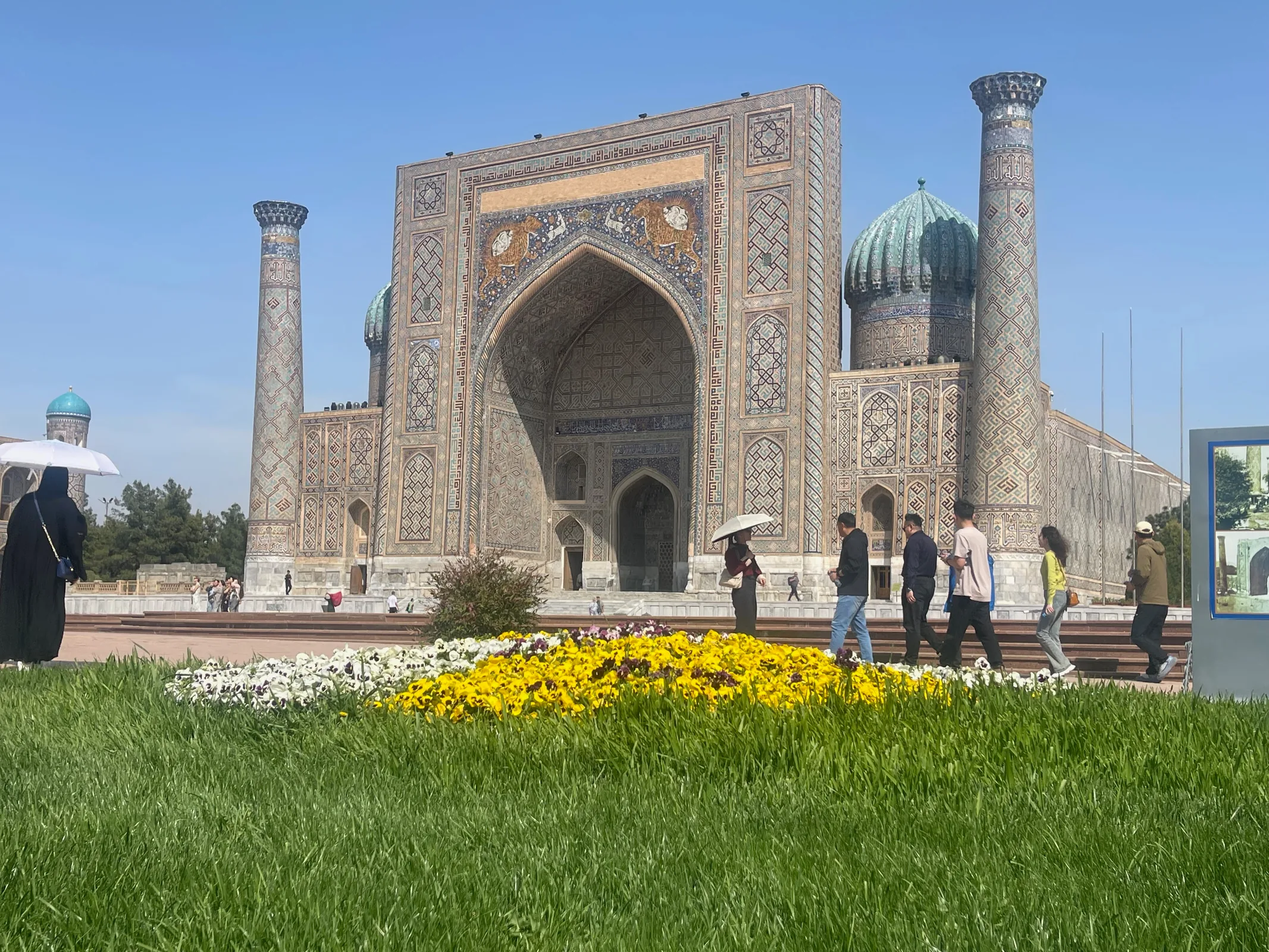
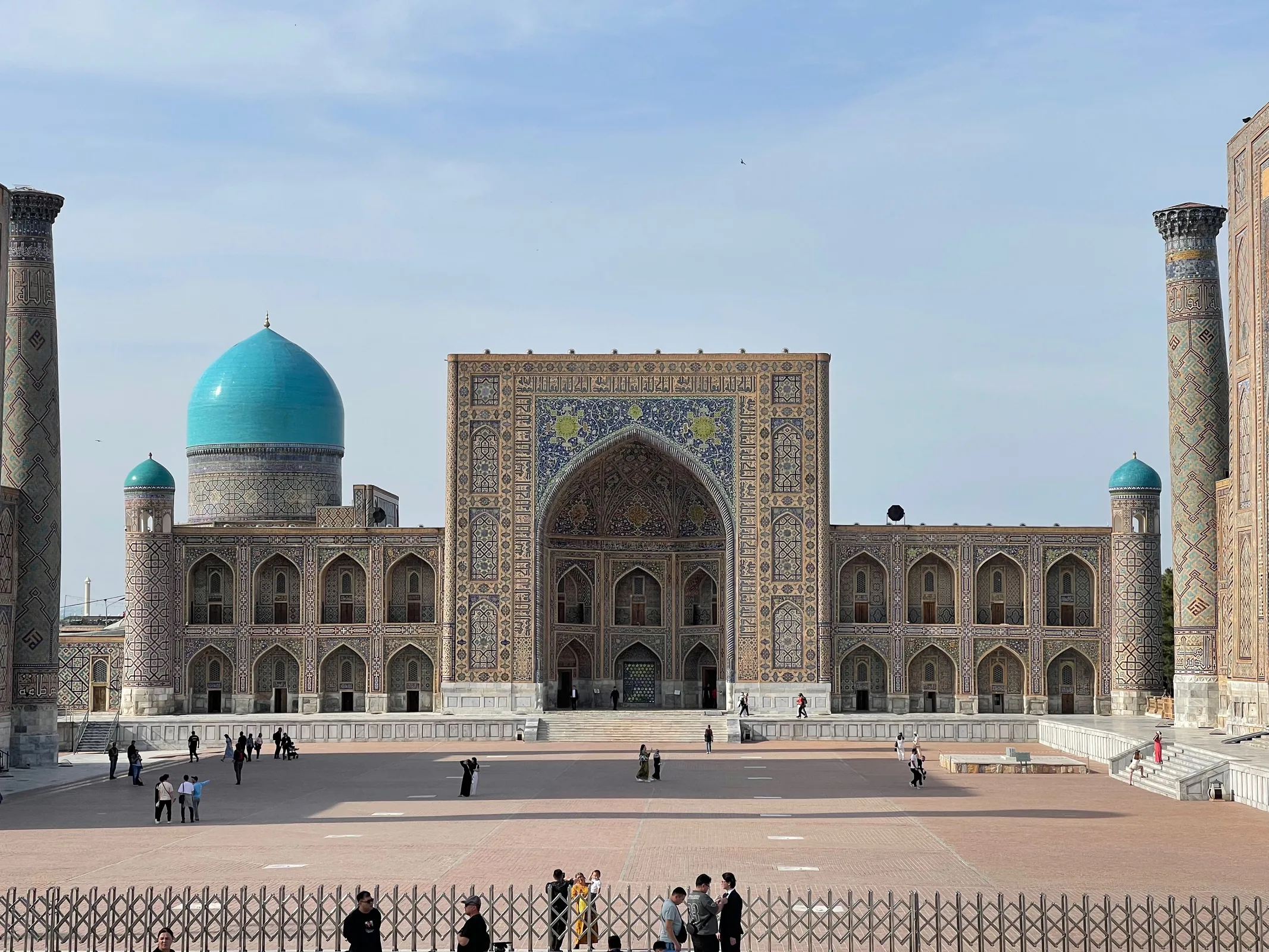
Use Ulugh Beg Madrasah as the first chapter of a Registan visit. From here, Sher-Dor’s seventeenth-century felines and sun motifs feel like a deliberate visual answer, while Tilla-Kari’s central position and gilded interior complete the ensemble with another register of decoration. This comparison is most satisfying when you return to the middle of the square after each courtyard visit. The three buildings then read as a conversation across time, not as interchangeable backdrops. Pair Registan with the observatory on another day to follow Ulugh Beg’s legacy from the school courtyard to the surviving scientific site outside the centre.