Why families will enjoy it
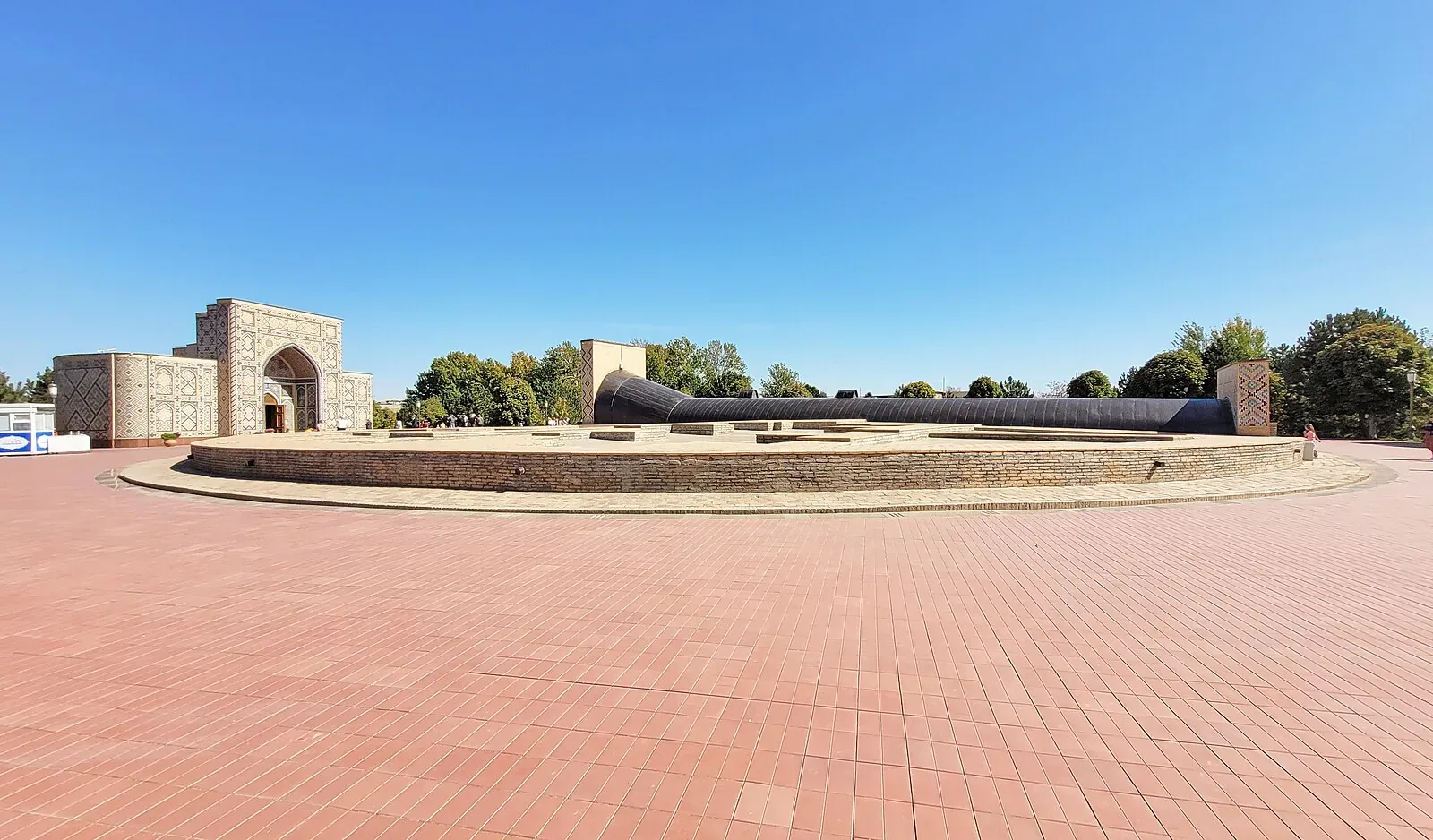
Ulugh Beg Observatory Science Stop gives families a practical way into Samarkand’s astronomical history. The surviving underground arc is striking because it is not a palace room or tiled façade: it is the remnant of a huge measuring instrument. Start by helping children notice its curve, scale and position in the ground, then use the site’s great-sextant model to show how the full instrument once worked.
What to expect
The visit is strongest when adults turn the structure into simple questions. Why would an astronomer need such a large arc? What could be measured by following the sky? How does a model help explain the fragment that remains? These prompts let children connect mathematics, observation and architecture without needing a technical lecture, while the museum setting supplies a compact contrast to Samarkand’s grand public monuments.
Plan your visit
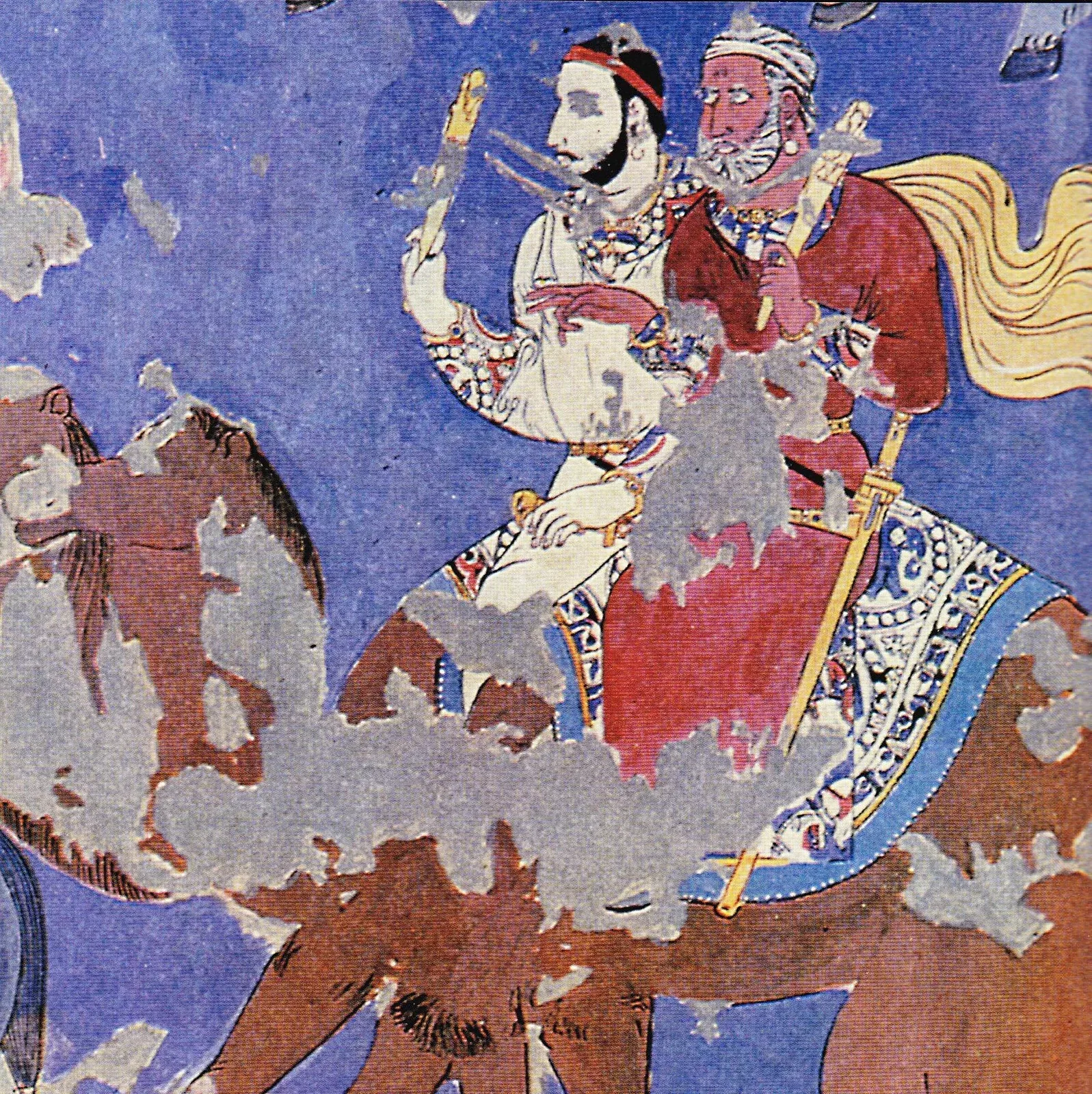
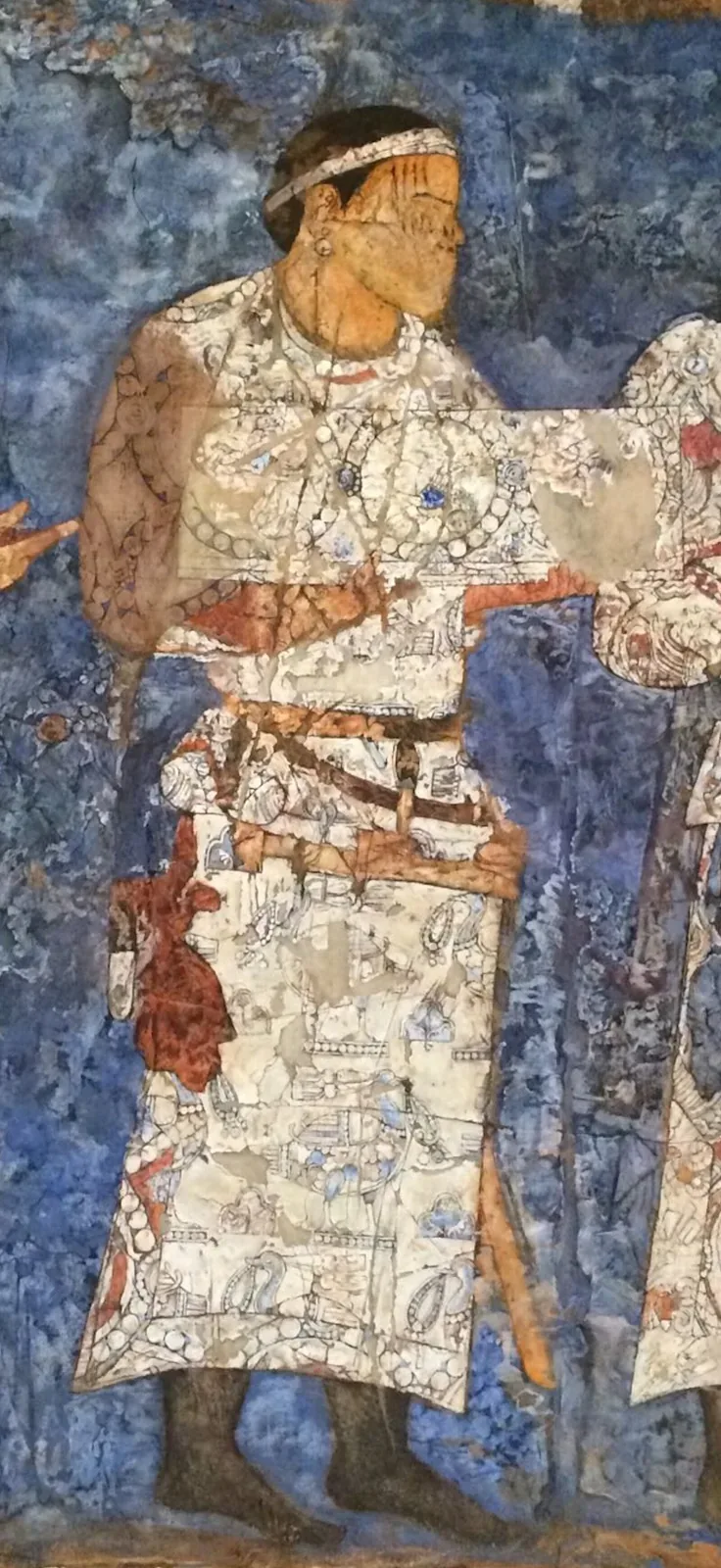
Plan this as a shorter learning stop rather than a full-day activity. It pairs naturally with Afrasiab Museum, where families meet Samarkand’s earlier visual history, or with a quieter break before returning to the centre. Encourage children to sketch the curve or trace its shape in the air; a small action helps them remember that the observatory was built for careful watching and calculation.