Why visit
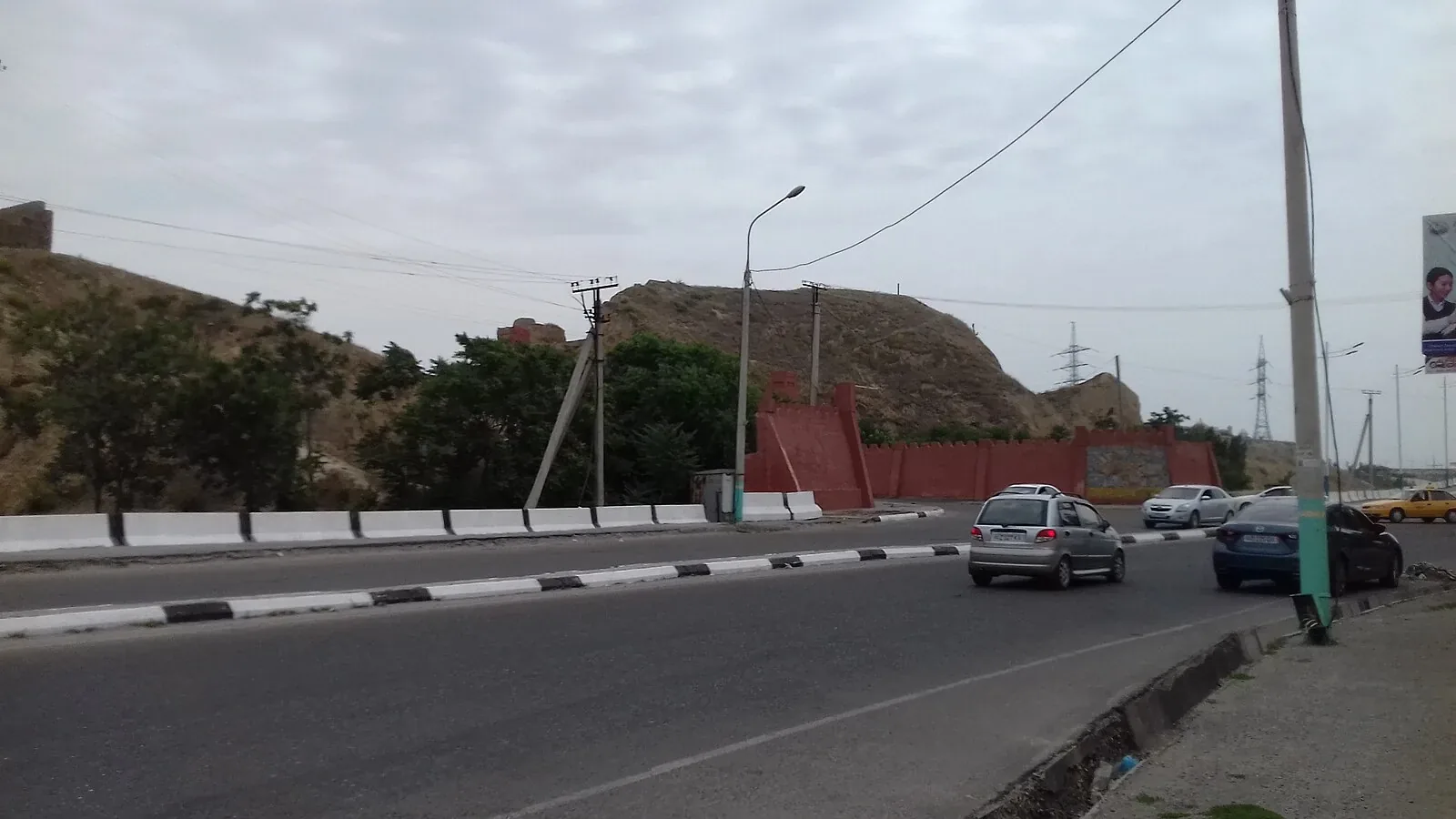
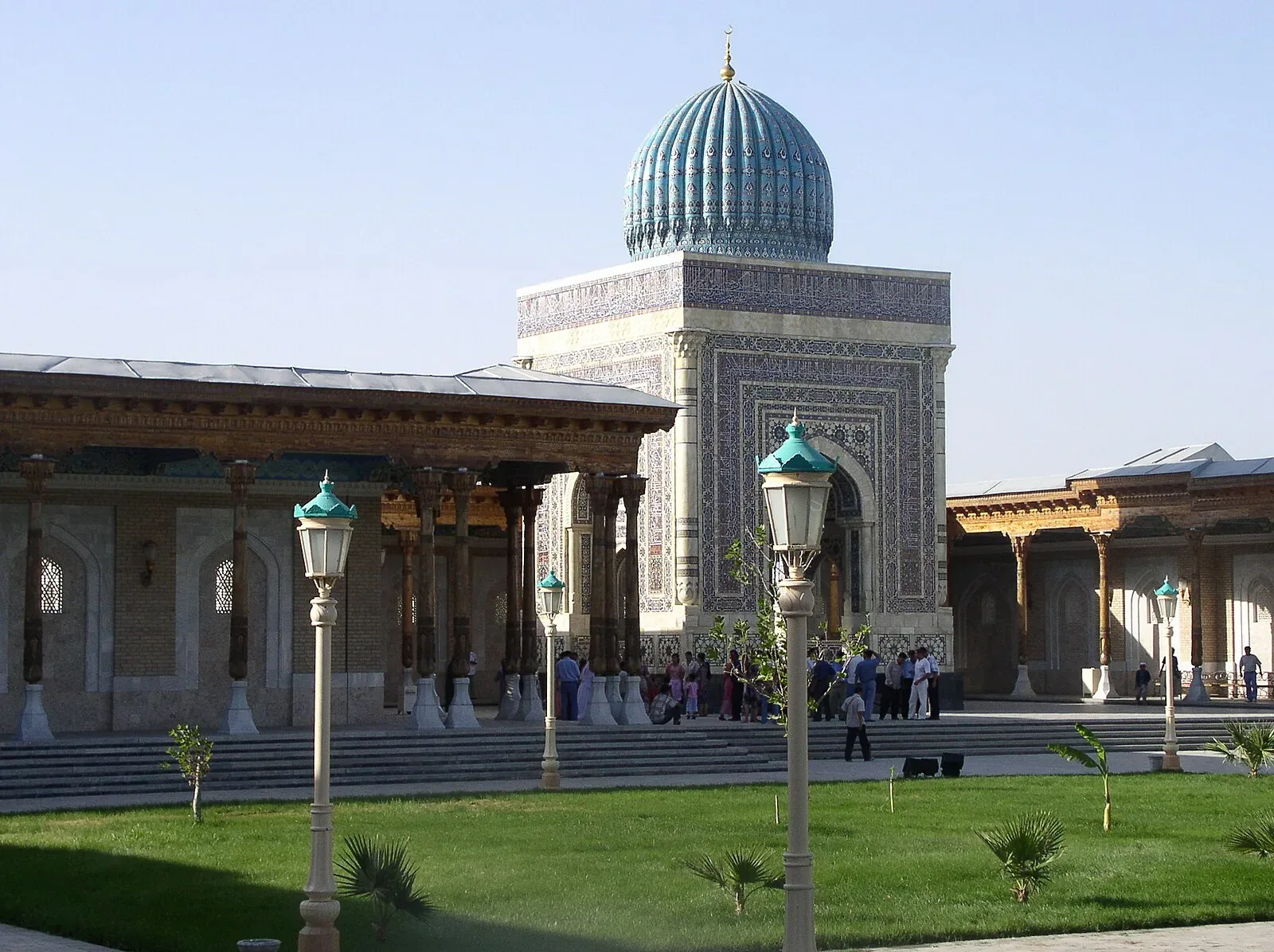
Abdi Darun Ensemble is a useful choice for visitors who want to move beyond the familiar sequence of Registan, Bibi-Khanym and Shah-i-Zinda. Its historic sacred character is expressed through a smaller architectural scale and a quieter atmosphere than the city’s monumental showpieces. The ensemble belongs to the local religious landscape of Samarkand, where neighbourhood memory, reverence and built form meet without the theatrical scale of the great Timurid squares. A visit here shifts attention from imperial display to the many smaller places that have shaped how the city has been lived and remembered.
What to see
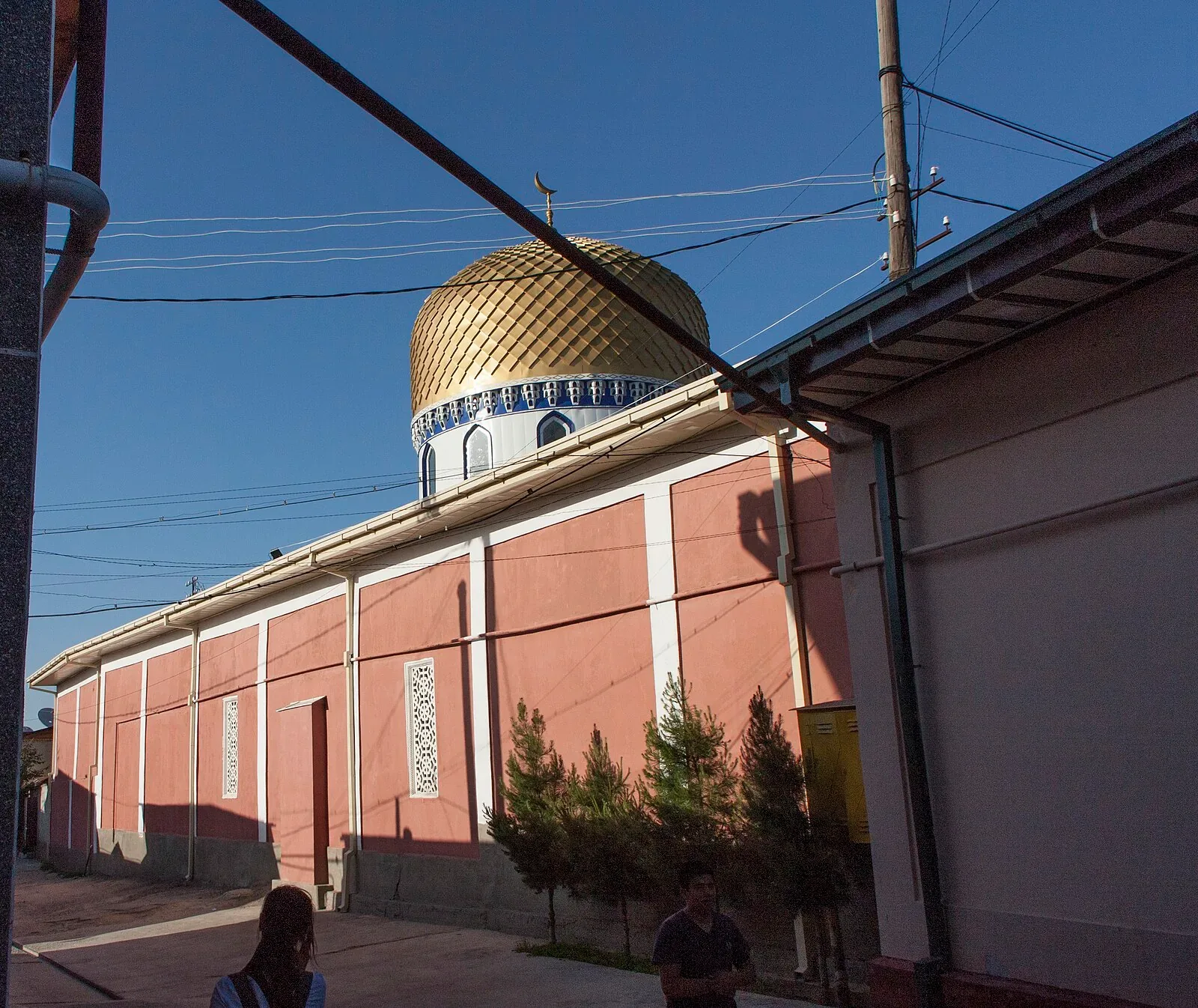
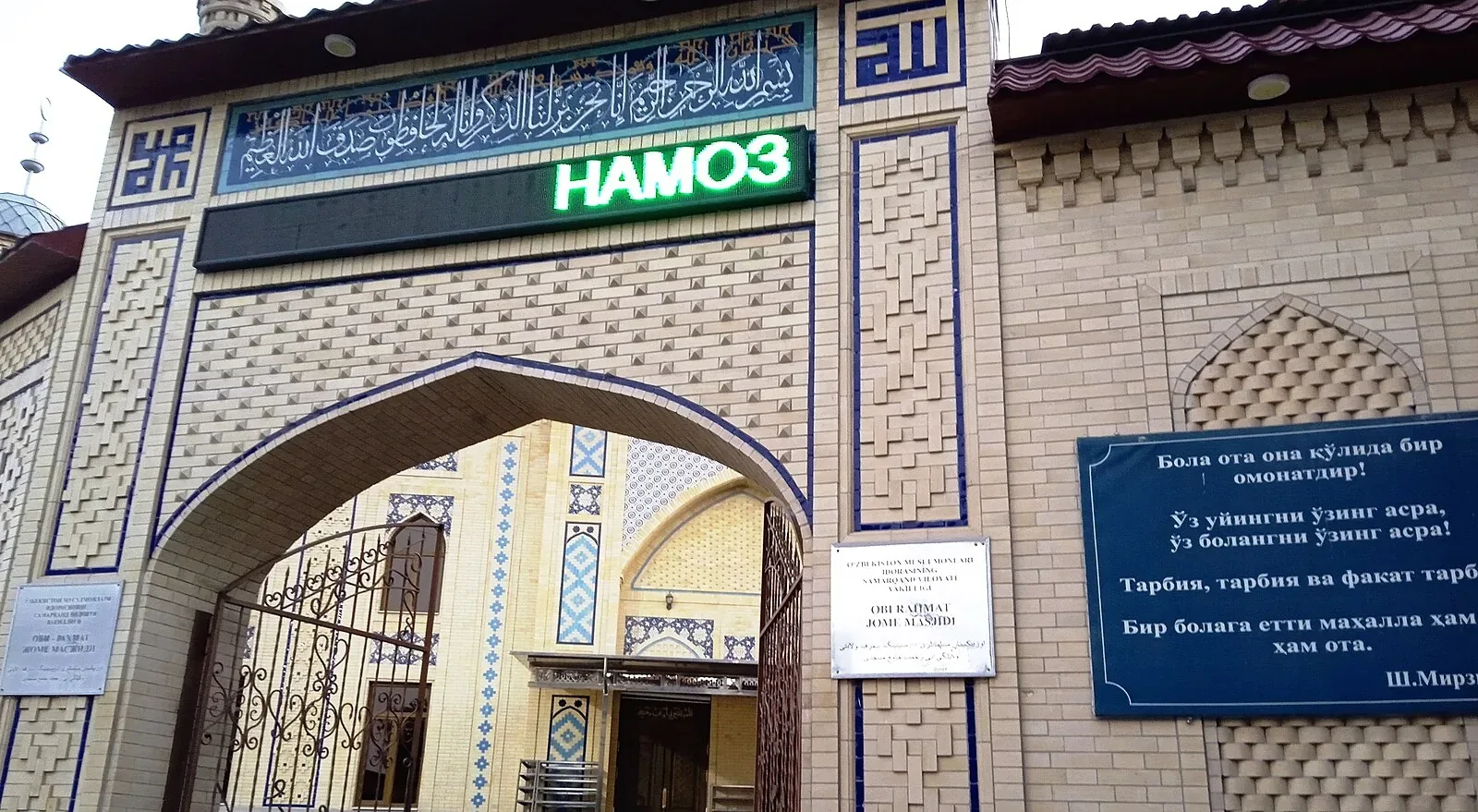
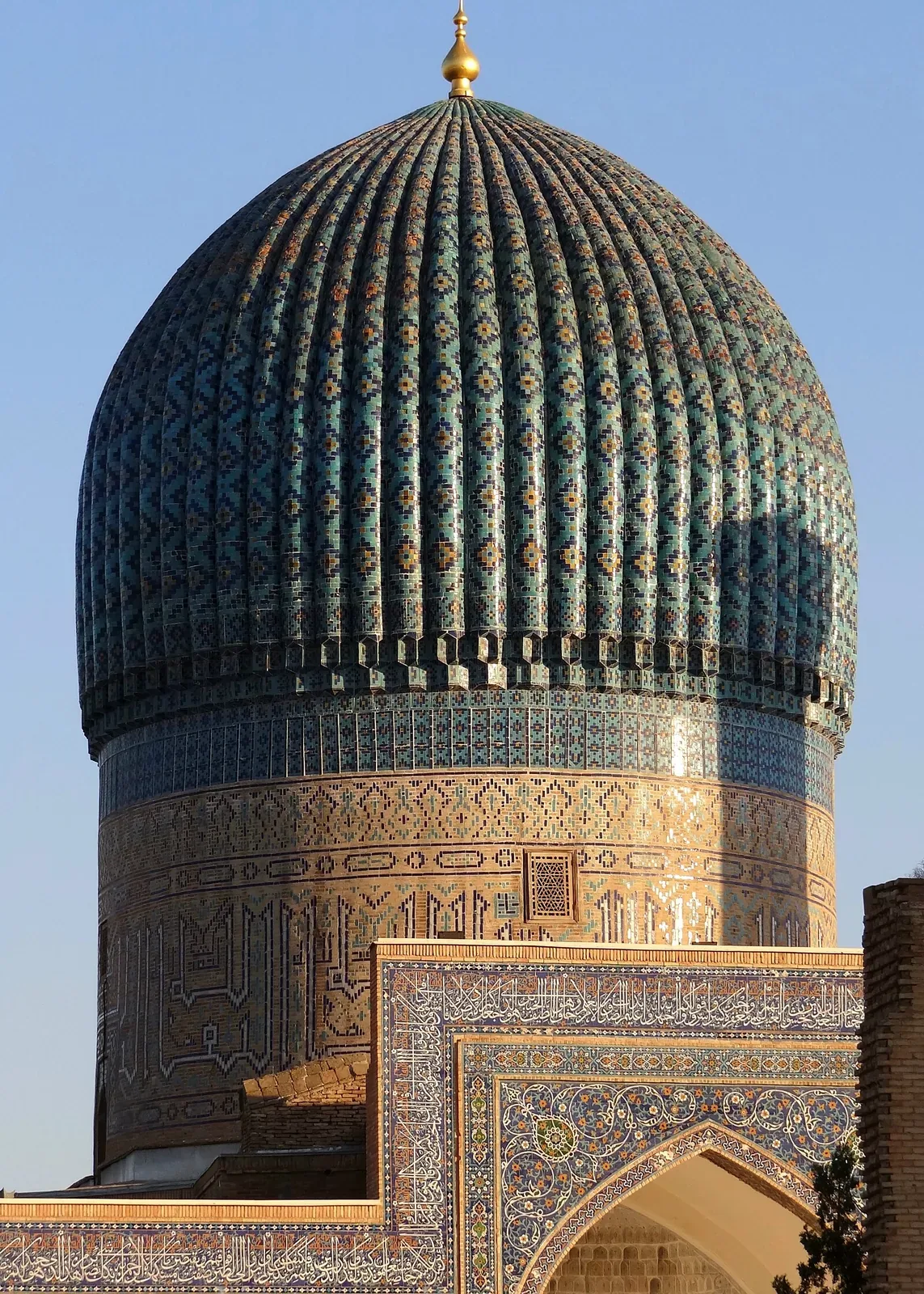
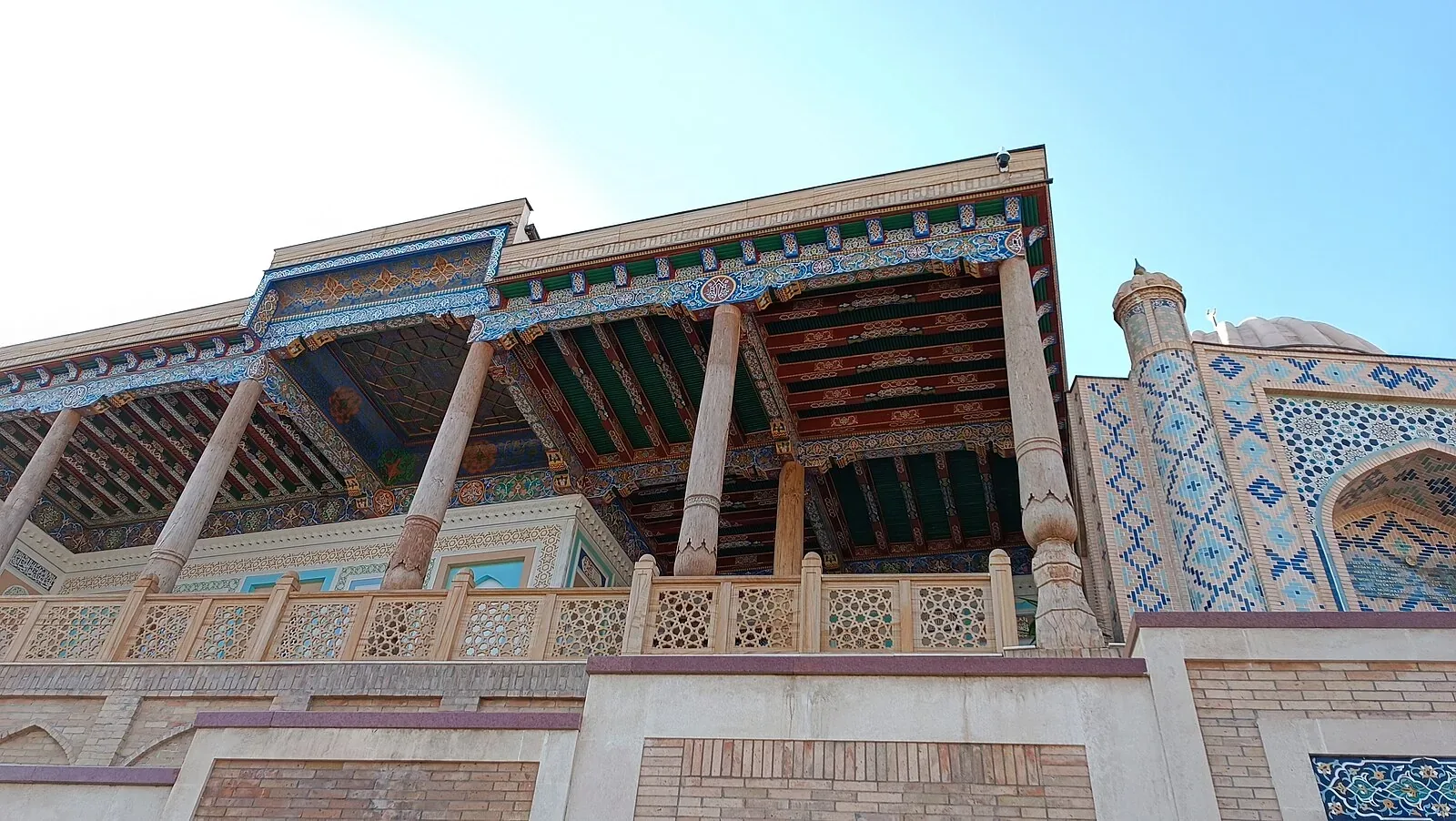
The architectural appeal lies in restraint. Instead of a vast portal or a long procession of tiled facades, Abdi Darun rewards visitors who notice the relationship between its structures, courtyard character and the calmer pace of the surroundings. This makes it particularly suitable after a busy morning at major sites, when a short pause can restore attention to detail. Keep the visit respectful in keeping with its sacred associations. Travelers interested in Muslim heritage will find that the ensemble adds local texture to a city often introduced only through rulers, madrasahs and royal mausoleums.
Plan your visit
Plan Abdi Darun as part of a broader Samarkand day rather than expecting it to replace the principal monuments. It works well for travelers staying several nights, especially those who have already seen the Registan ensemble and Shah-i-Zinda. Use a taxi to link it with another heritage stop and leave room for an unhurried return to the centre. The value of Abdi Darun is its different register of experience: less formal, less crowded in visual ambition and more connected to the devotional and neighbourhood history that underlies Samarkand’s celebrated architecture.