Why visit
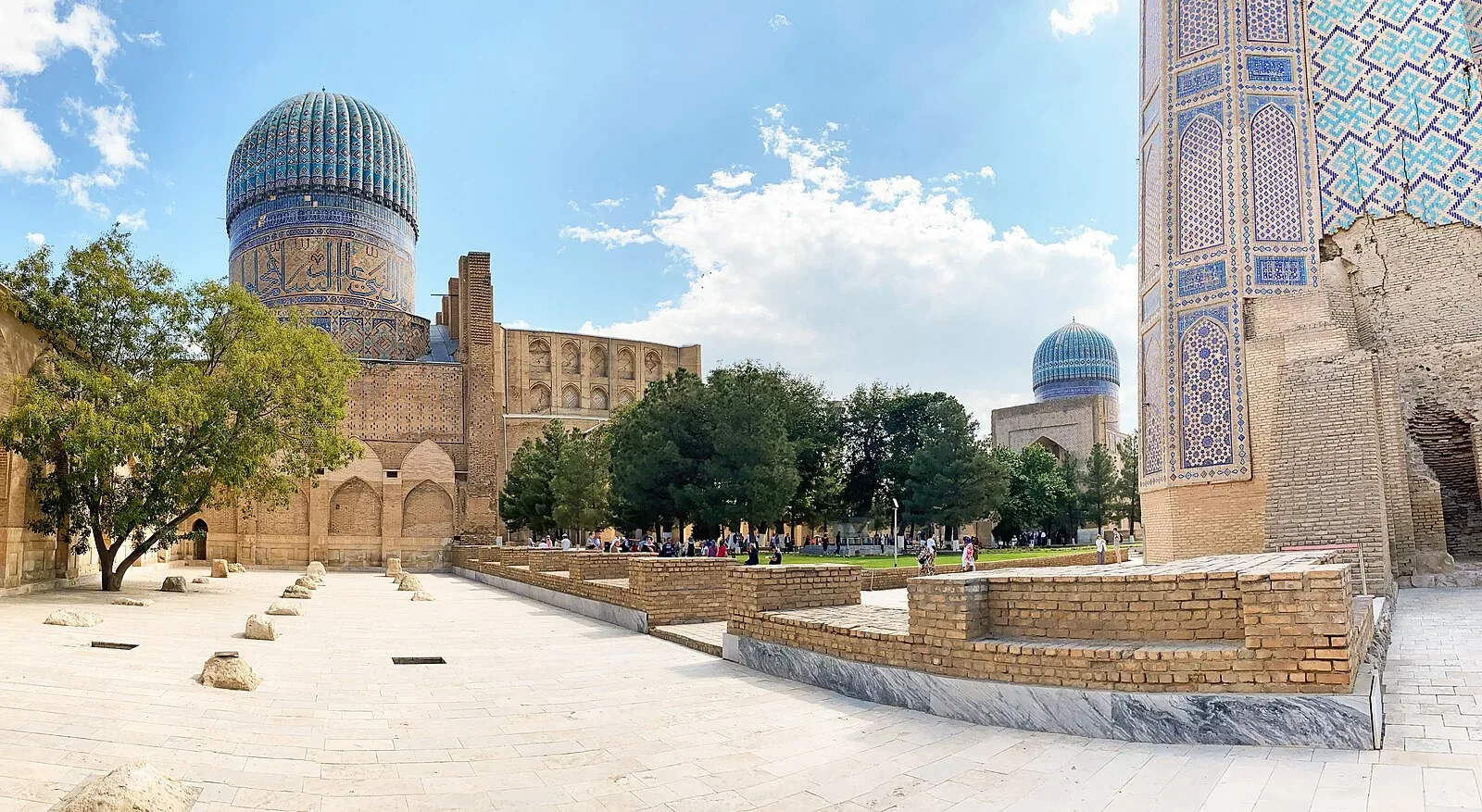
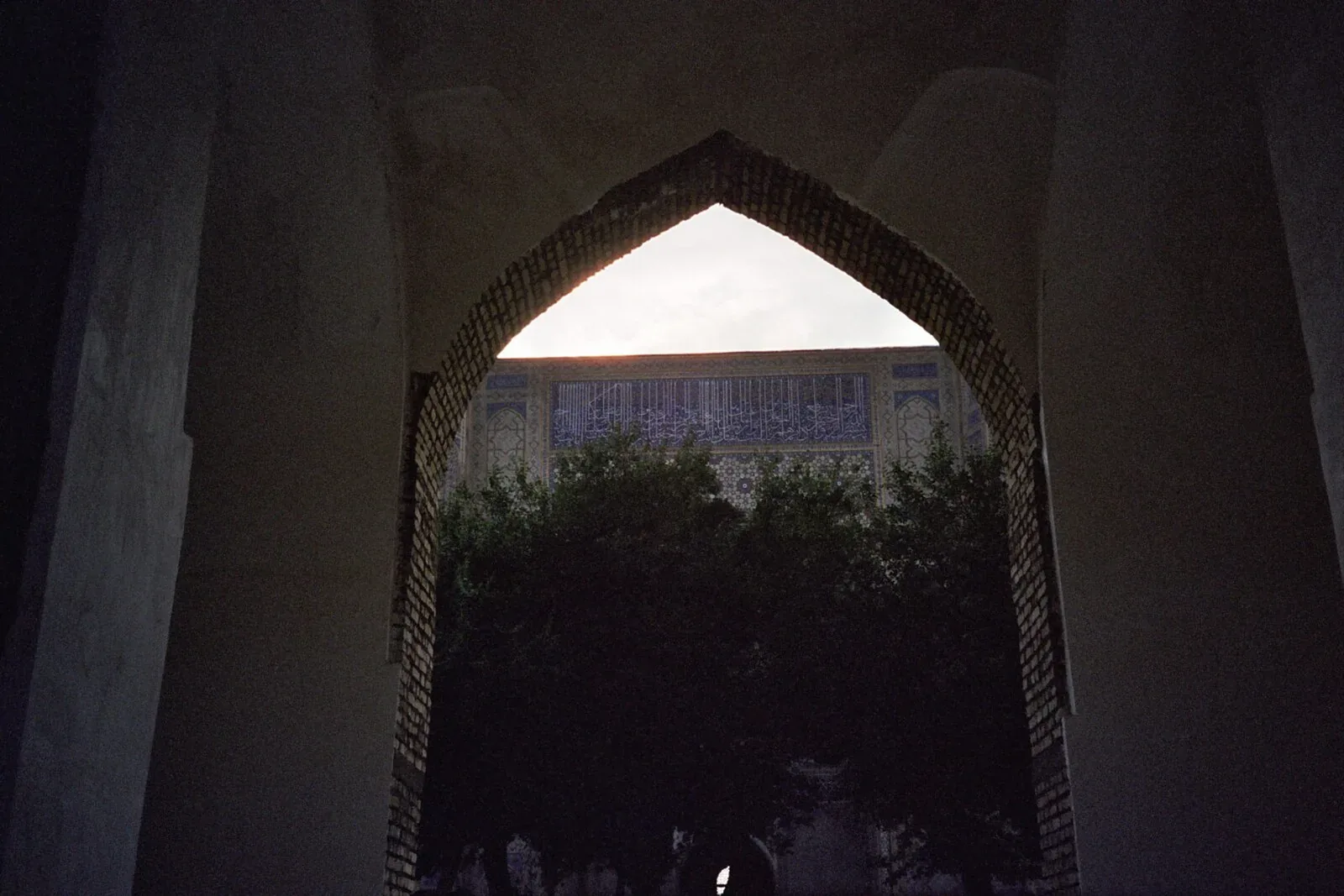
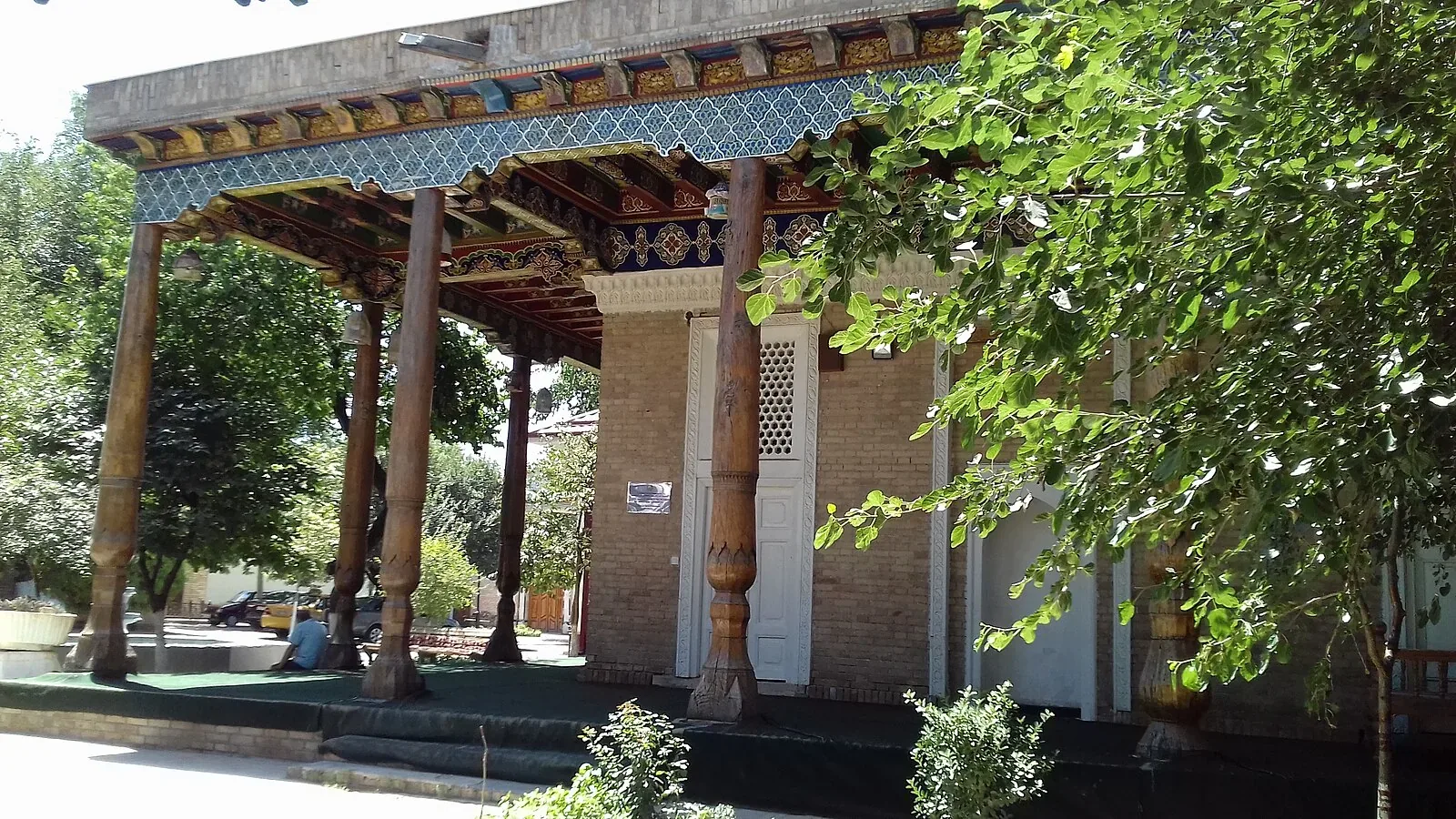
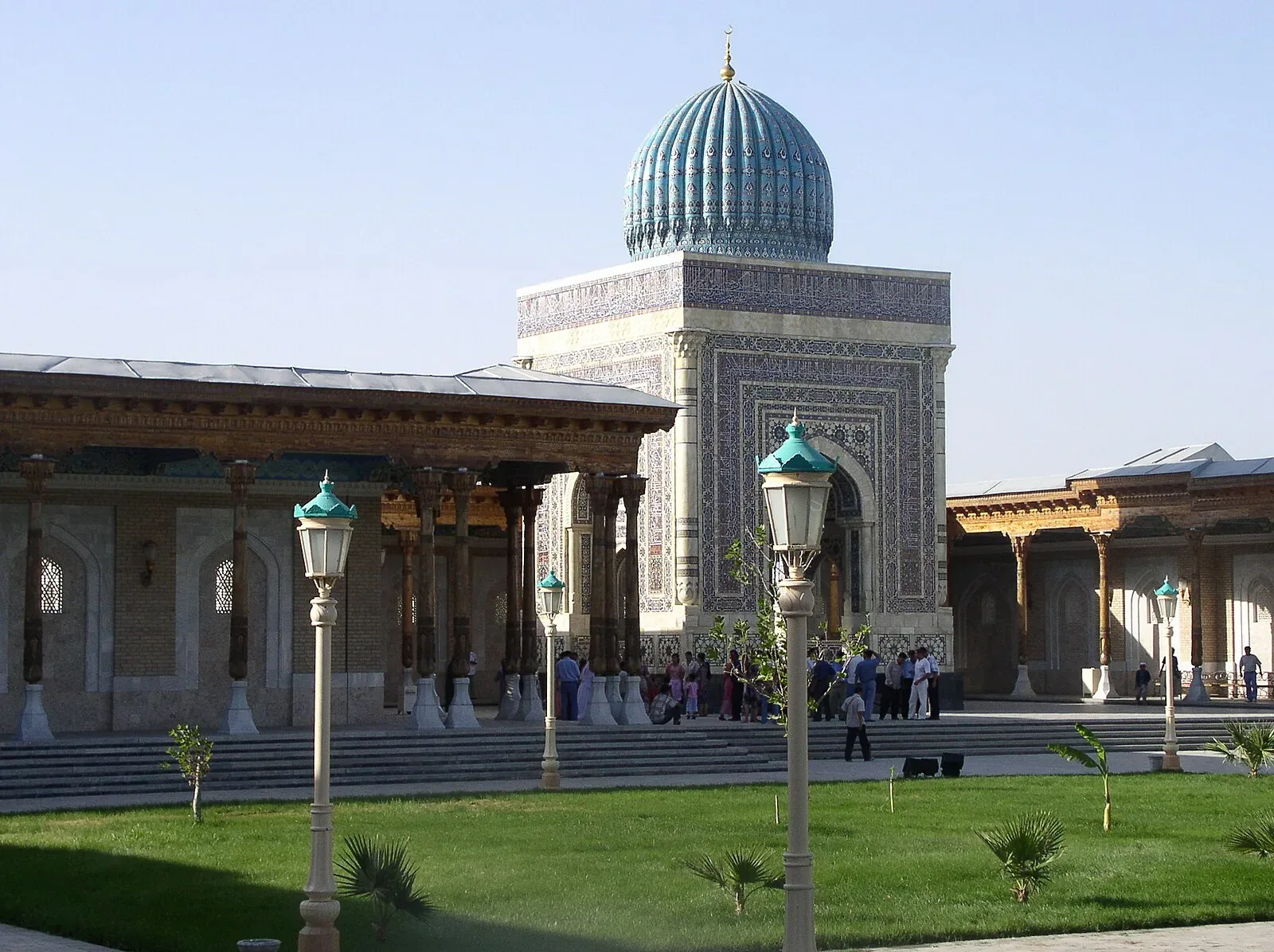
Bibi-Khanym Mausoleum belongs to the northern heritage cluster around the great mosque and offers a more concentrated experience than its monumental neighbour. Associated with the Bibi-Khanym complex, it is a dynastic funerary building whose scale, enclosed form and old façade reward a slower look. The contrast with Bibi-Khanym Mosque is immediate: where the mosque addresses a vast courtyard and towering portal, the mausoleum draws attention to brickwork, dome, entrance and the intimacy of commemoration. Visit it as a distinct monument, not merely an annex to the mosque across the route.
What to see
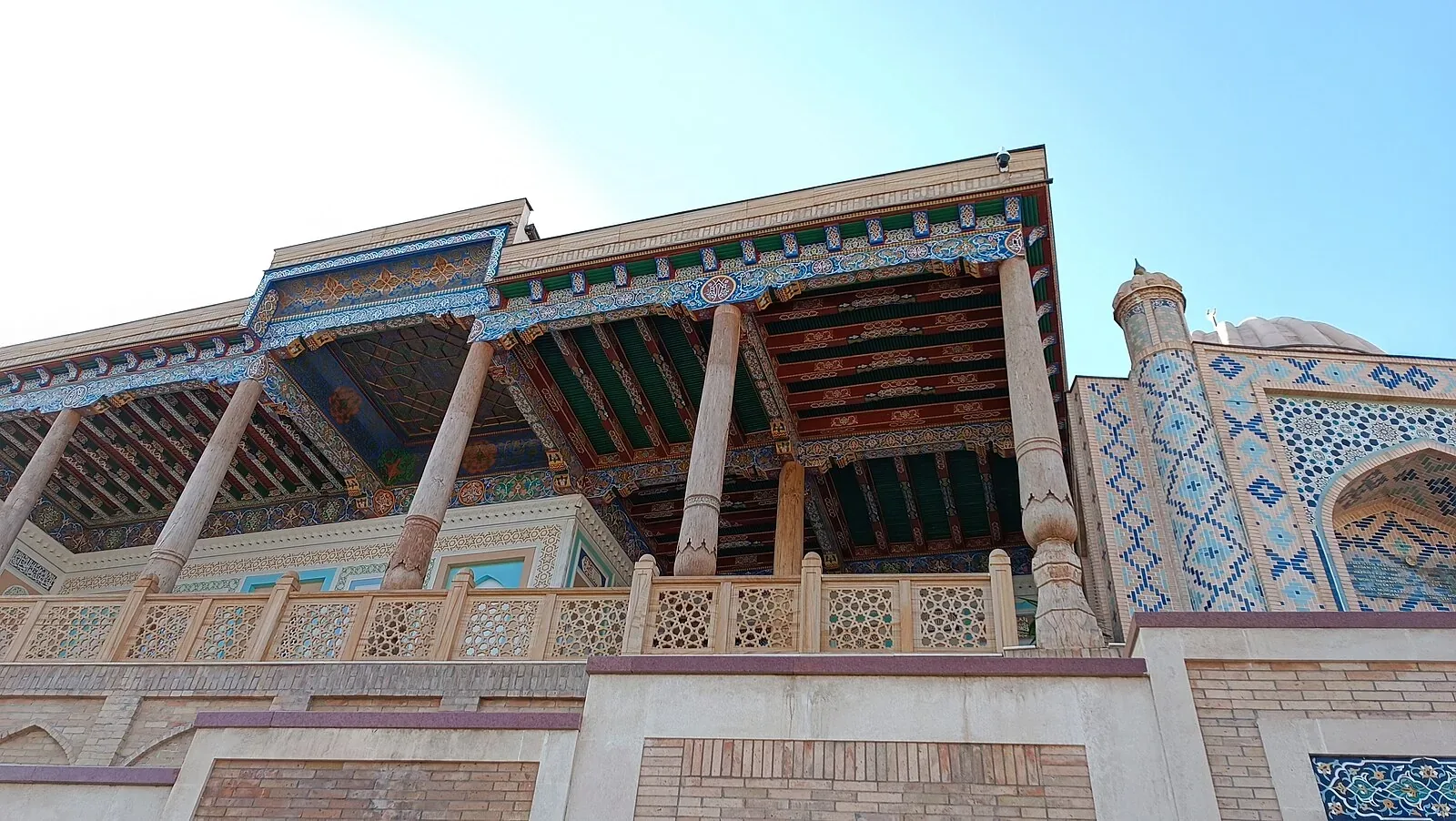
Look at the mausoleum after seeing the mosque, because the comparison clarifies the range of Timurid architecture in a very short distance. The mosque creates an expansive public impression; the mausoleum is smaller, more focused and tied to dynastic memory. Its weathered exterior also gives the visit a different visual texture from the blue tile and broad geometry nearby. Architecture-minded visitors can study how mass and proportion replace scale as the building’s main language. Families can use the change of size and purpose to understand that the northern complex includes more than one kind of historic structure.
Plan your visit
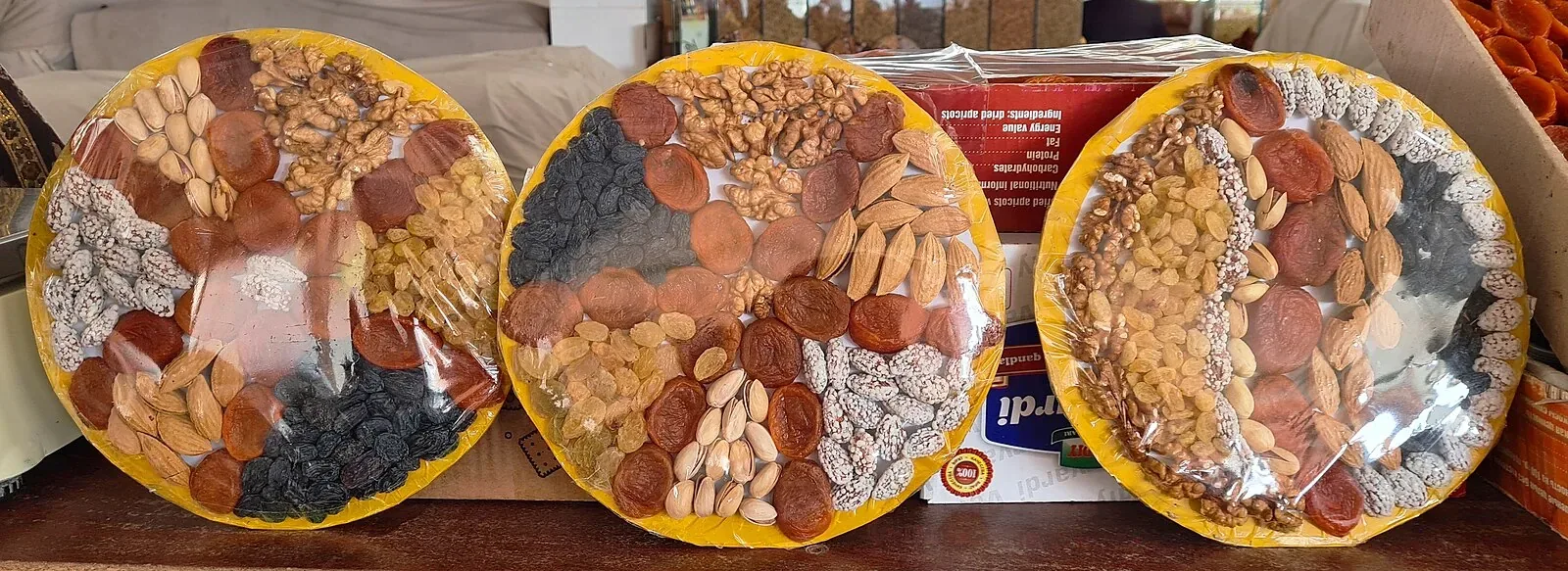
Place Bibi-Khanym Mausoleum between the mosque and Siab Bazaar. This route makes practical sense: begin with the mosque’s portal and courtyard, stop at the mausoleum for a quieter architectural contrast, then continue to the bazaar for bread, dried fruit or tea. From there, Hazrat Khizr and Shah-i-Zinda form a natural north-eastern continuation. The mausoleum does not need a long separate visit, but it adds depth to a walk that might otherwise move too quickly from one major sight to another. Its value is the way it sharpens the meaning of the larger Bibi-Khanym ensemble.