Why visit
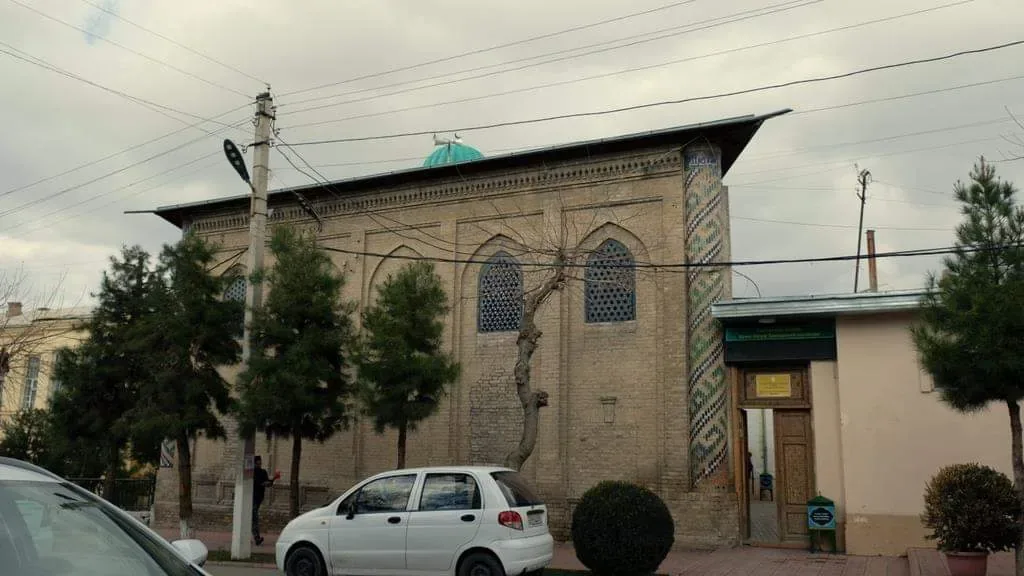
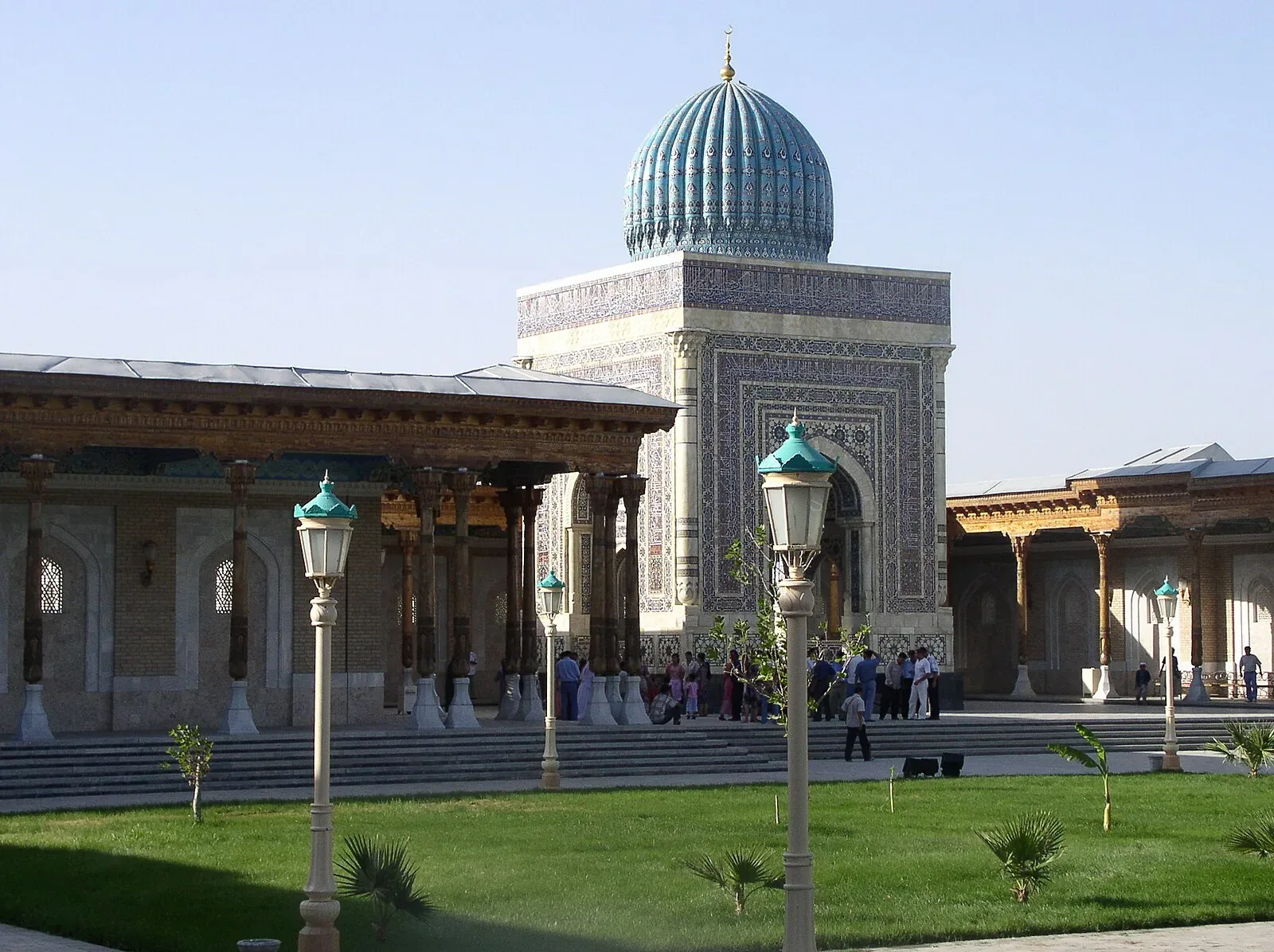
Imam al-Maturidi Mausoleum honours Abu Mansur al-Maturidi, the Samarkand scholar whose theological thought became deeply influential within Sunni Islam. The site is valuable for visitors who want to encounter the city as a centre of ideas as well as a place of domes, markets and Timurid architecture. A visit here places Samarkand within the history of religious learning, debate and transmission that reached far beyond Central Asia. The mausoleum’s importance lies first in the scholar it commemorates and in the continuing intellectual legacy associated with his name.
What to see
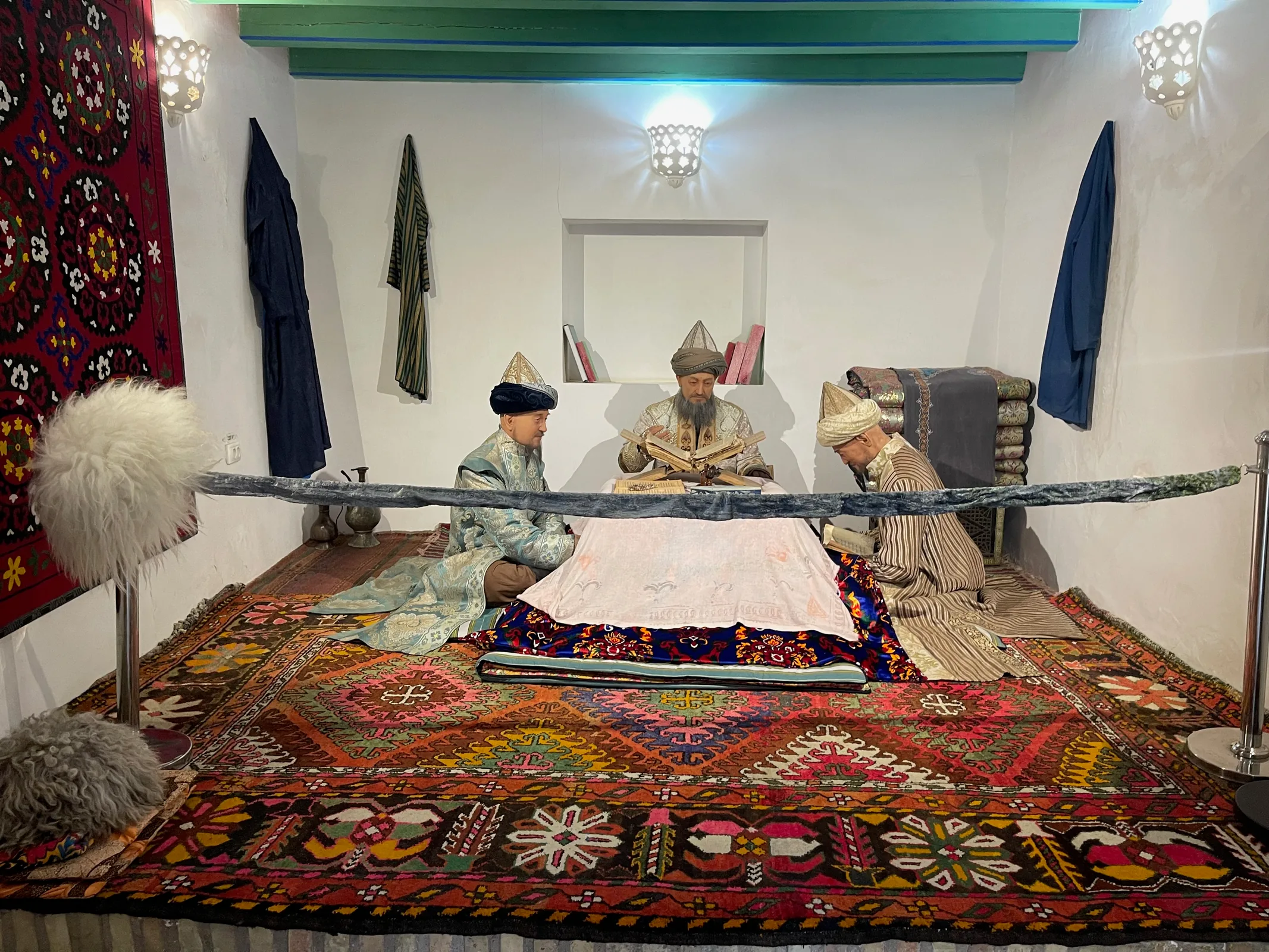
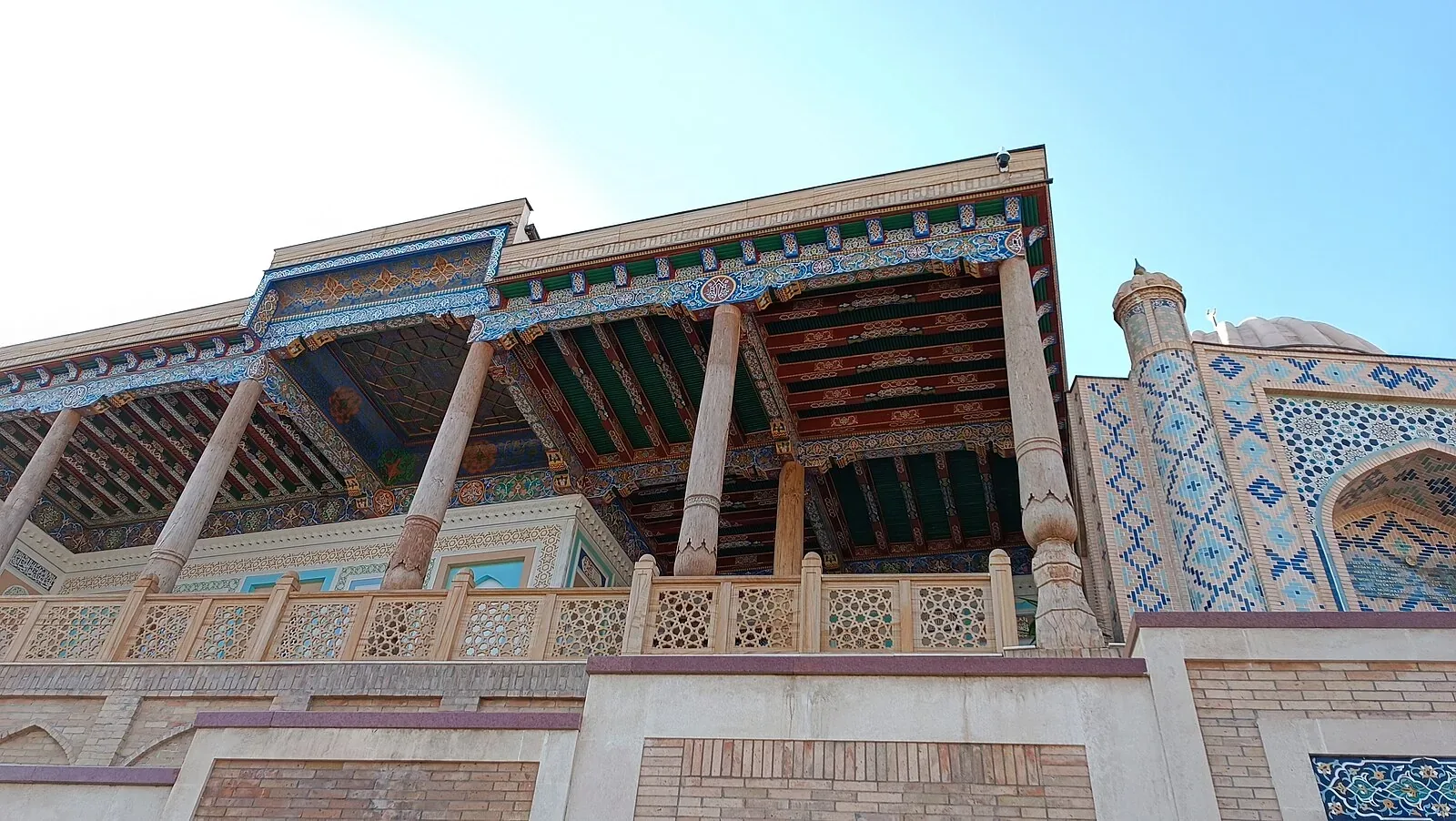
Approach the memorial as a place of scholarship and remembrance. Imam al-Maturidi’s role in Sunni theological thought gives the visit a clear context: this is not simply another historic tomb, but a point of connection to a major tradition of Islamic reasoning. Travelers exploring Muslim heritage can use the stop to reflect on how cities become known through teachers and texts as well as through rulers and buildings. The atmosphere calls for quiet attention and respectful behaviour, allowing the scholarly and spiritual associations of the mausoleum to remain central to the experience.
Plan your visit
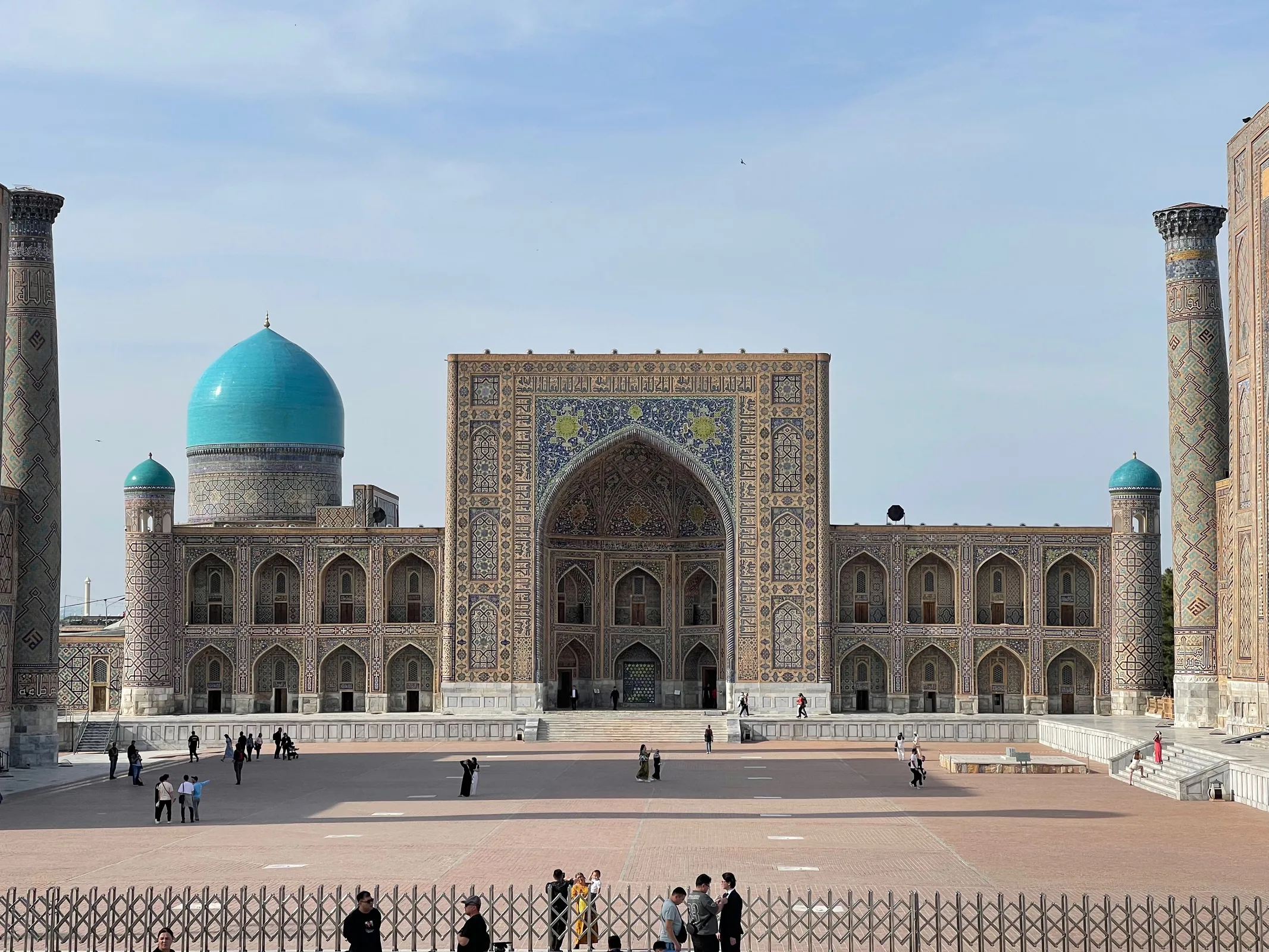
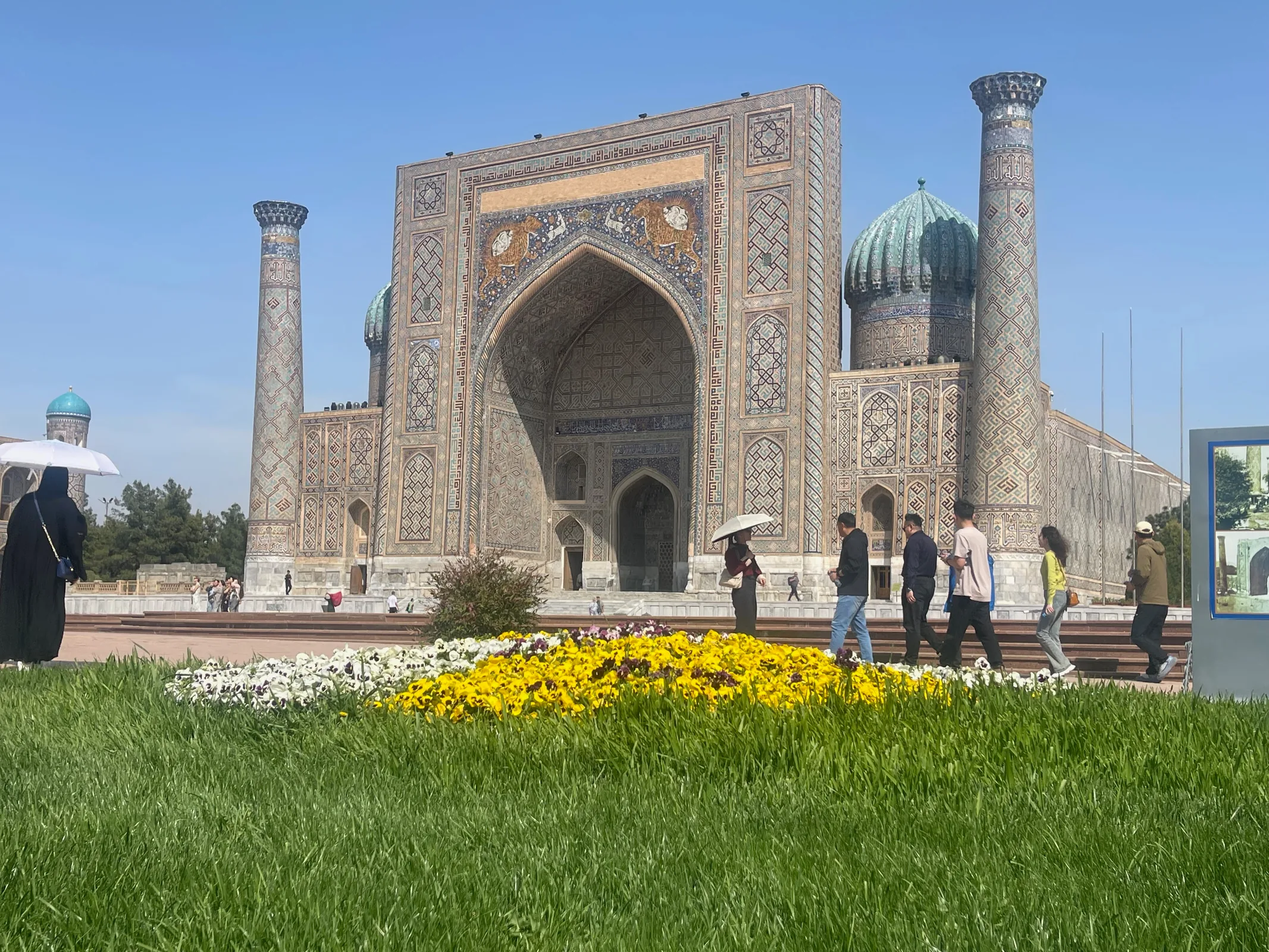
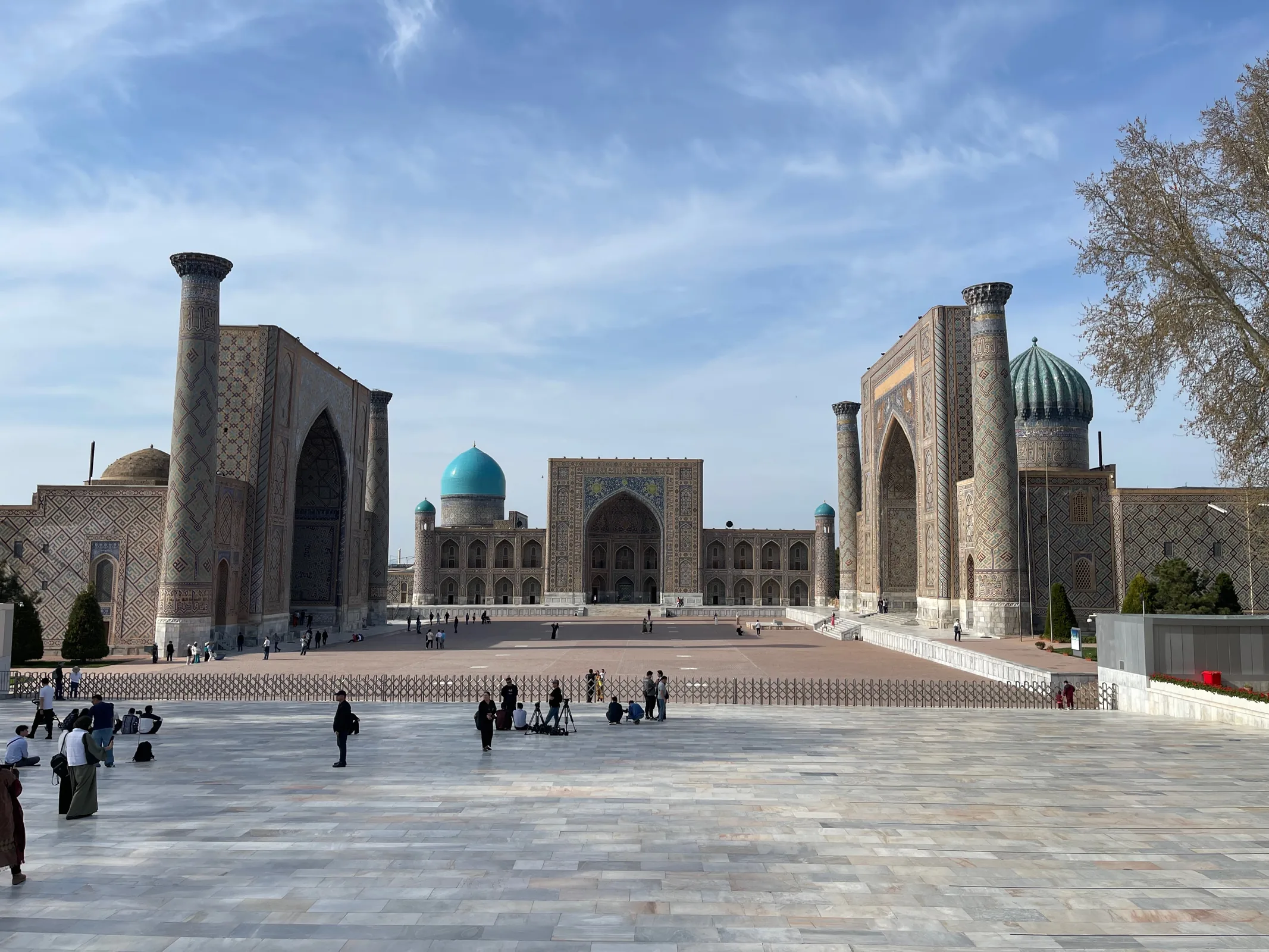
Place the mausoleum on an itinerary that reaches beyond the most familiar monuments. It pairs naturally with a visit to the Ulugh Beg Observatory or other sites that reveal Samarkand’s long relationship with knowledge, education and intellectual exchange. A taxi makes it easy to fit into a wider day, while the city centre can remain reserved for Registan, Gur-e Amir and Bibi-Khanym. This balance gives visitors a fuller picture: Samarkand was not only an imperial capital, but also a home to influential thinkers whose work shaped Islamic traditions across many regions.