Why visit
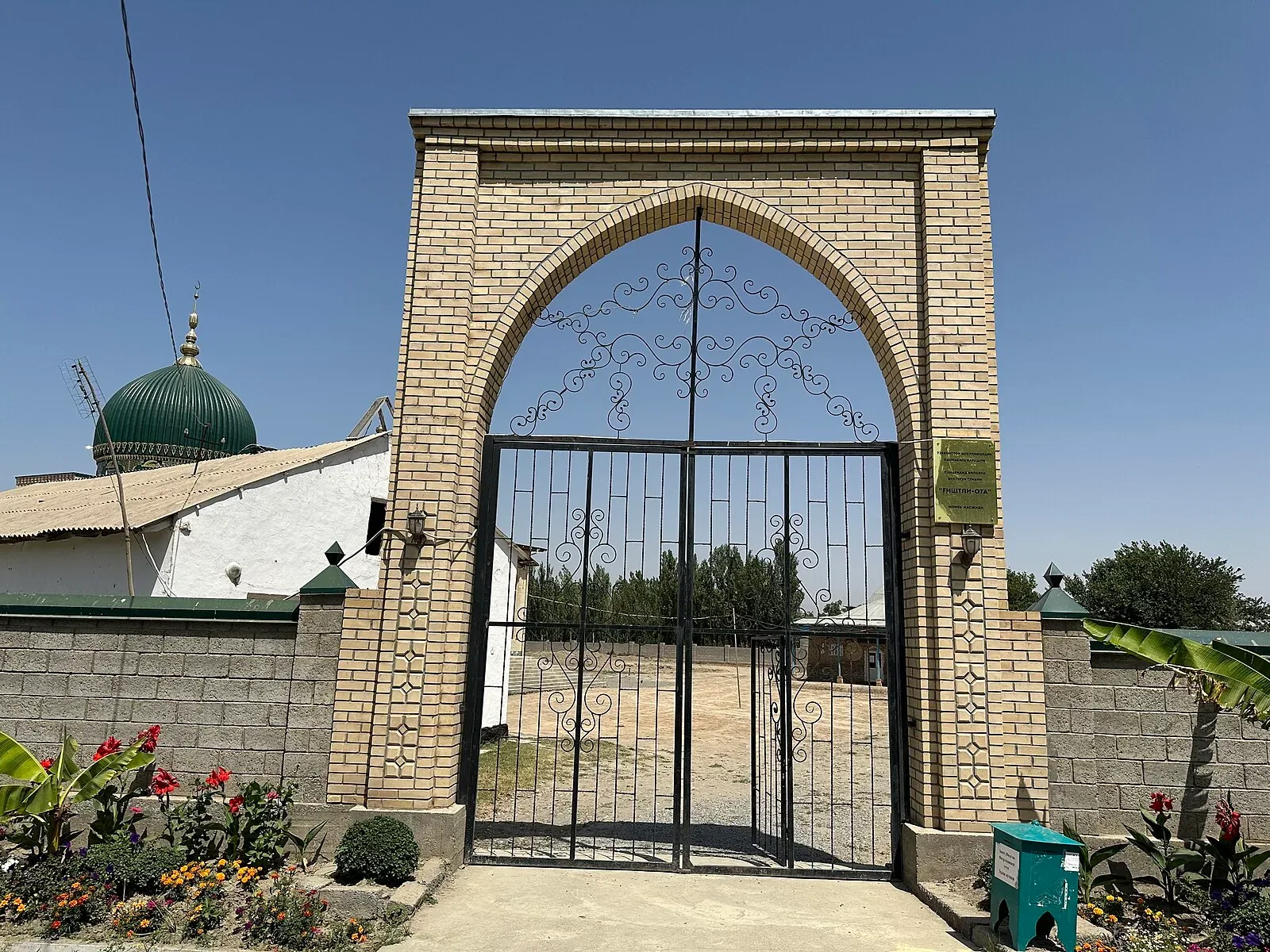
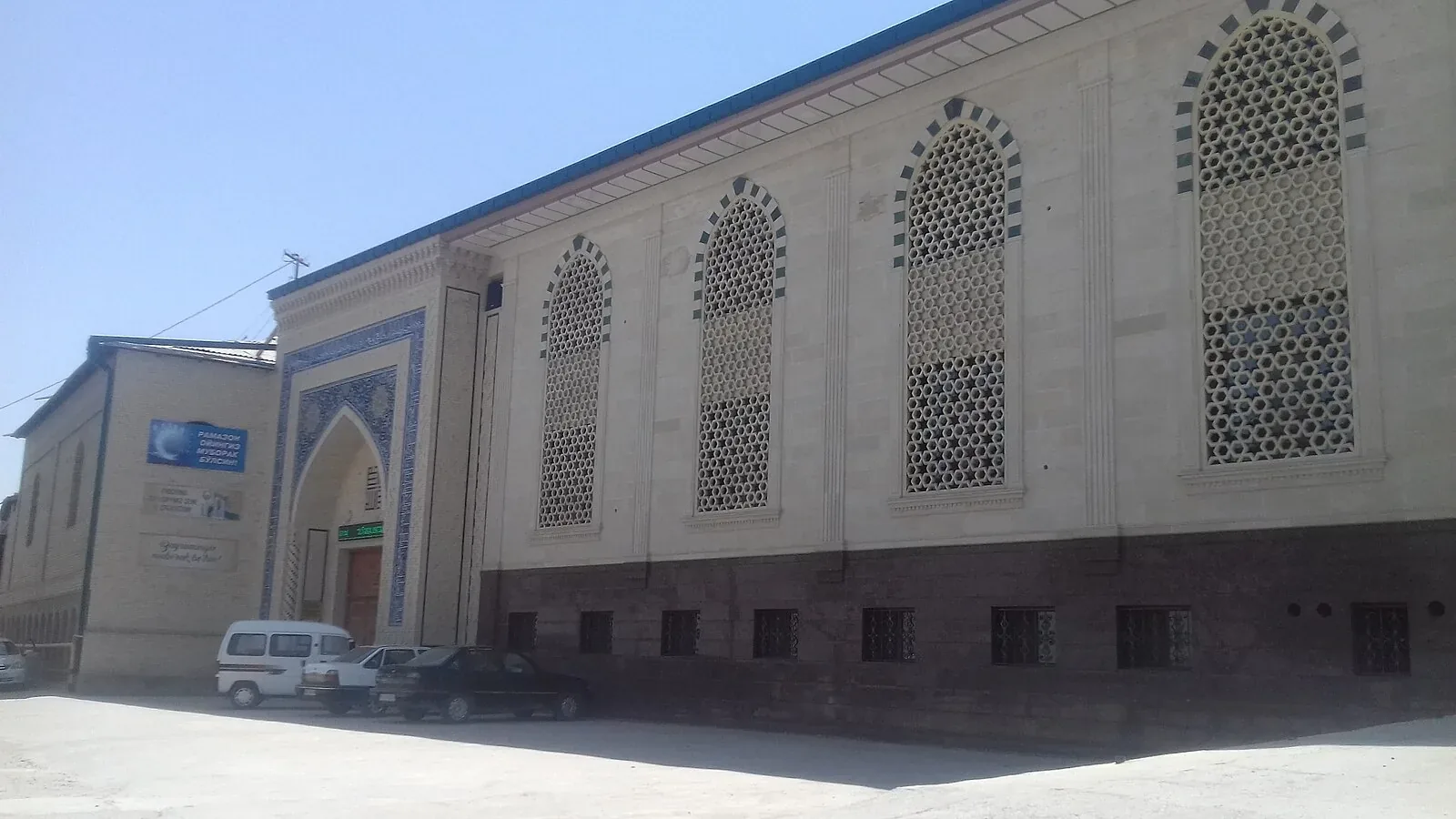
Namazgah Mosque points to a form of Islamic urban life that differs from the enclosed madrasahs and dynastic mausoleums most visitors meet first in Samarkand. A namazgah is associated with the tradition of an open-air congregational prayer ground, and the site carries that wider religious and civic meaning. Its architecture and setting invite attention to how collective worship shaped the city beyond the famous square at Registan. The visit is most useful for travelers who want to understand Samarkand’s Islamic heritage as a living landscape of different building types, not only as a gallery of Timurid tilework.
What to see
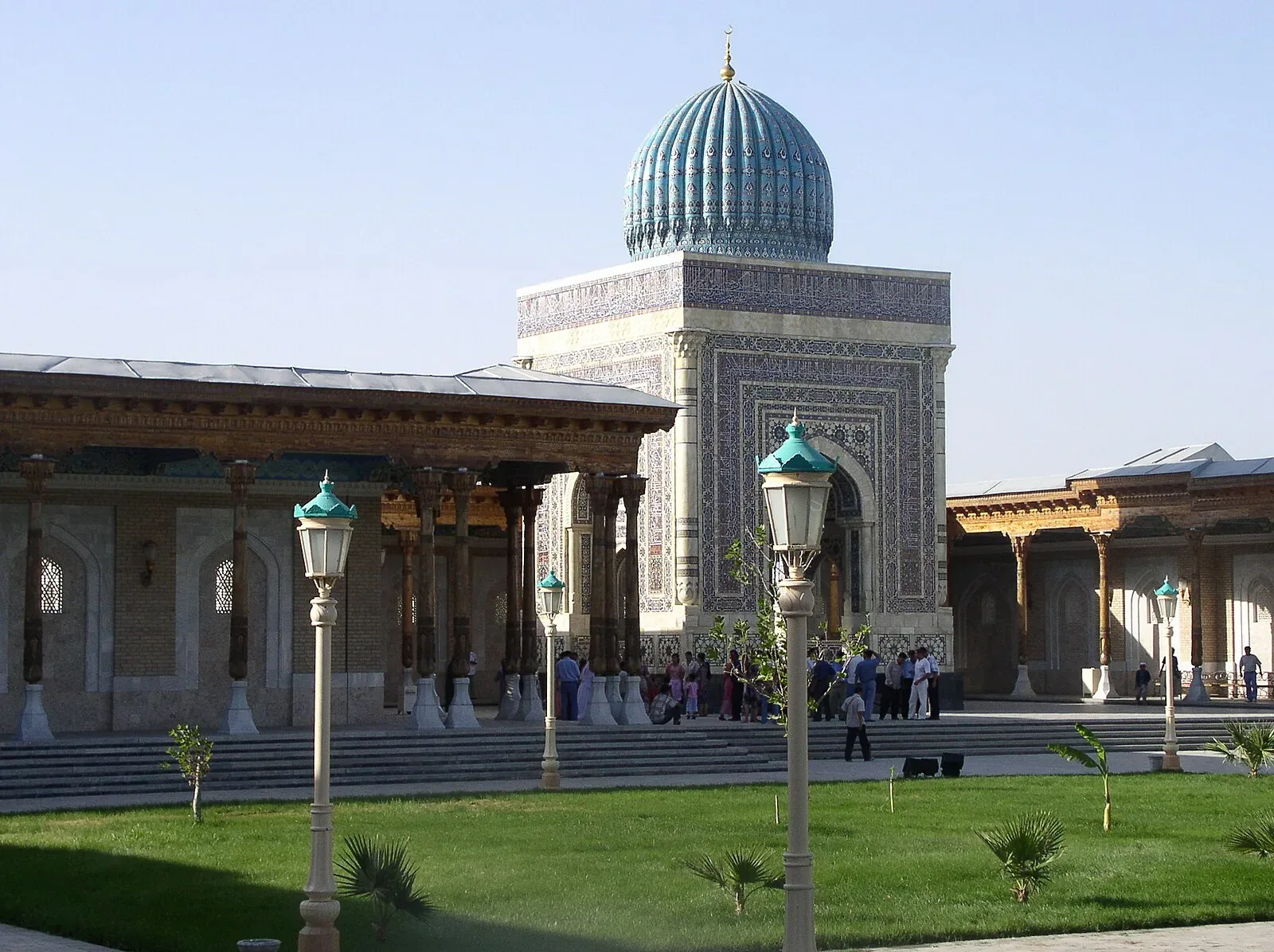
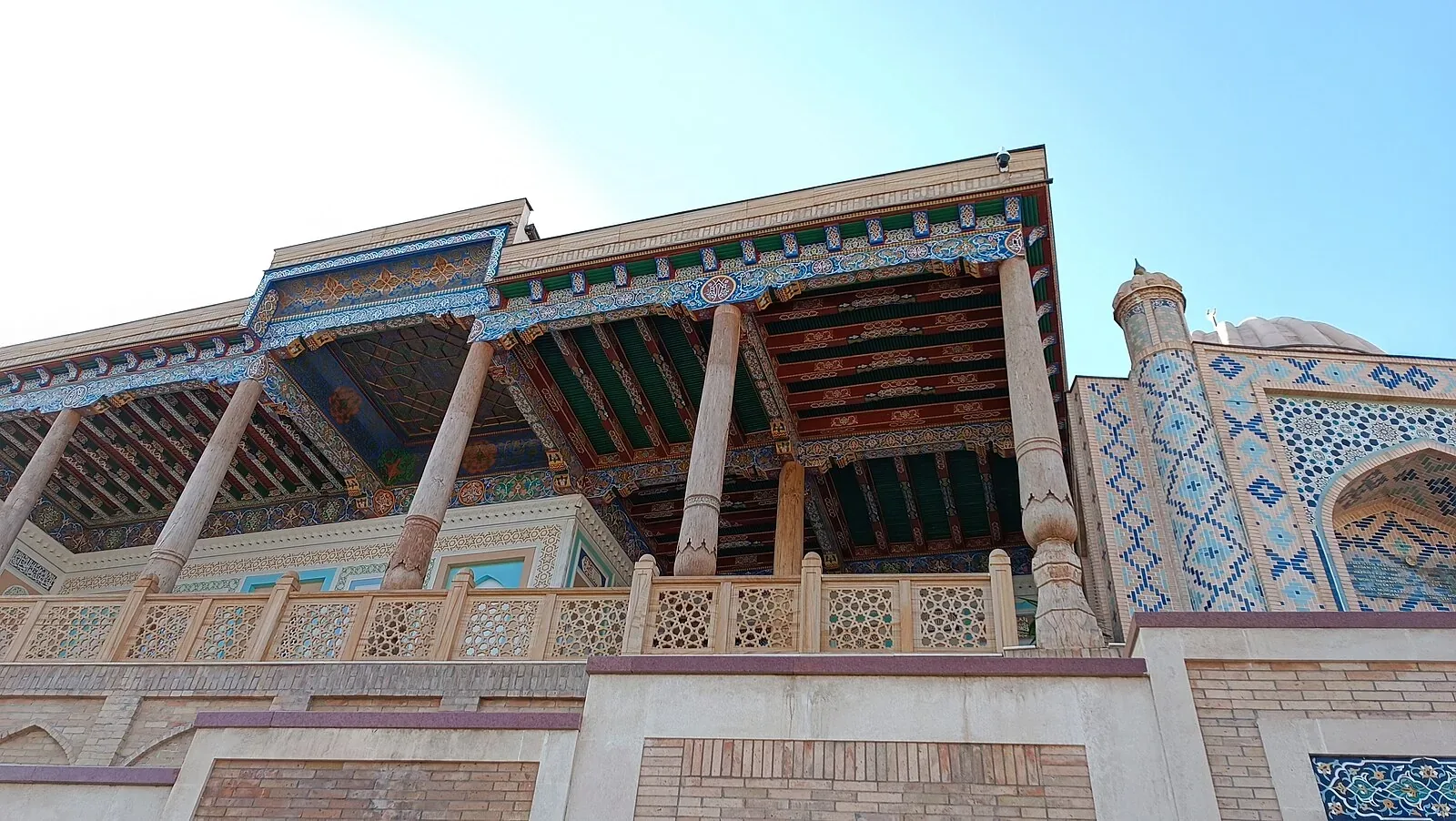
Look at the site in terms of scale and purpose. The prayer-ground tradition helps explain why space, orientation and openness matter here in a different way from a compact shrine or a school courtyard. The building’s surviving architectural features connect it to the long history of mosque construction in Samarkand, while its position outside the headline monument circuit gives the stop a quieter, more local character. A respectful visit allows room to appreciate the religious significance without turning the place into a backdrop. It is a particularly useful addition for visitors interested in the city’s Muslim heritage beyond royal patronage.
Plan your visit
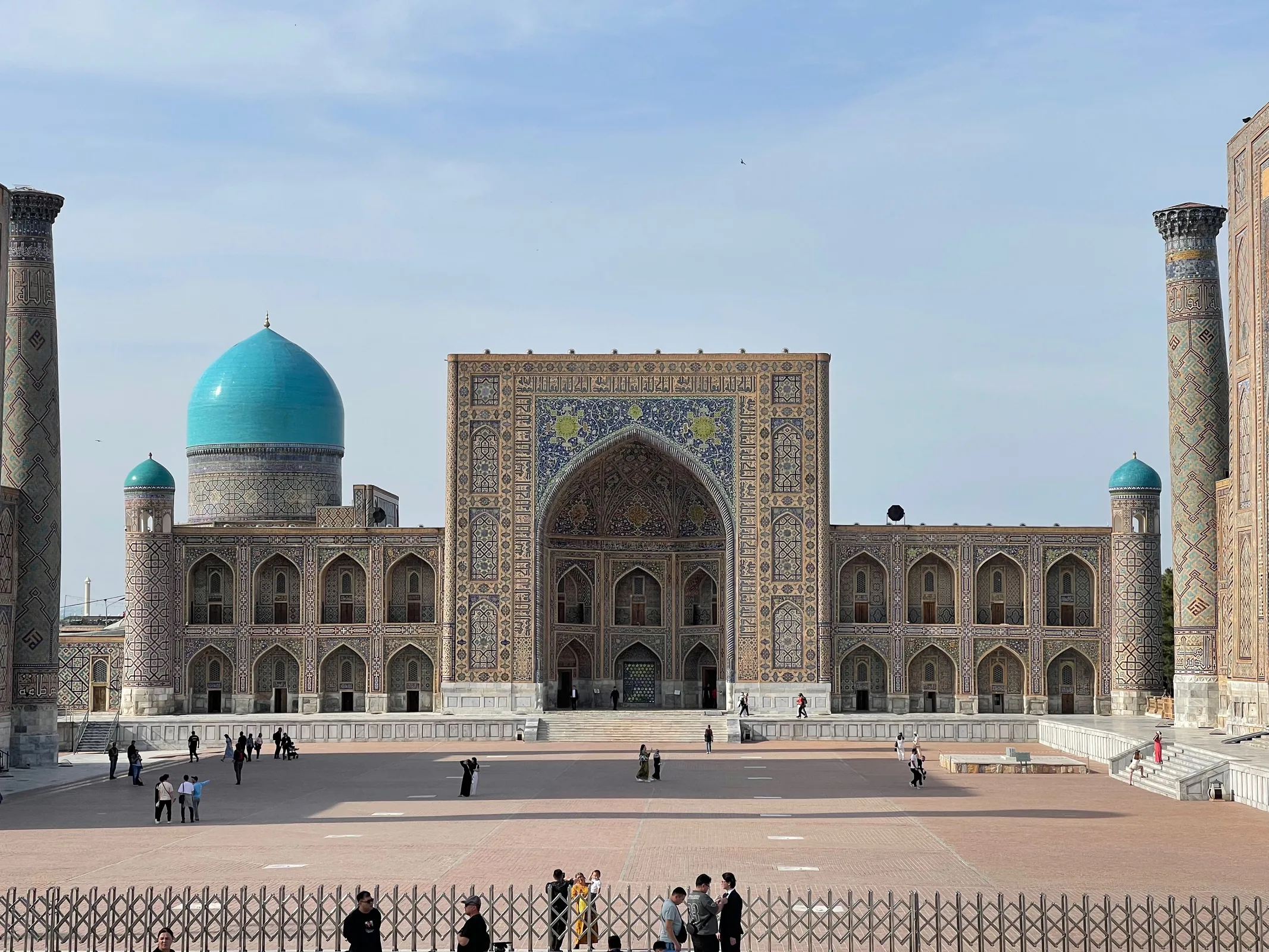
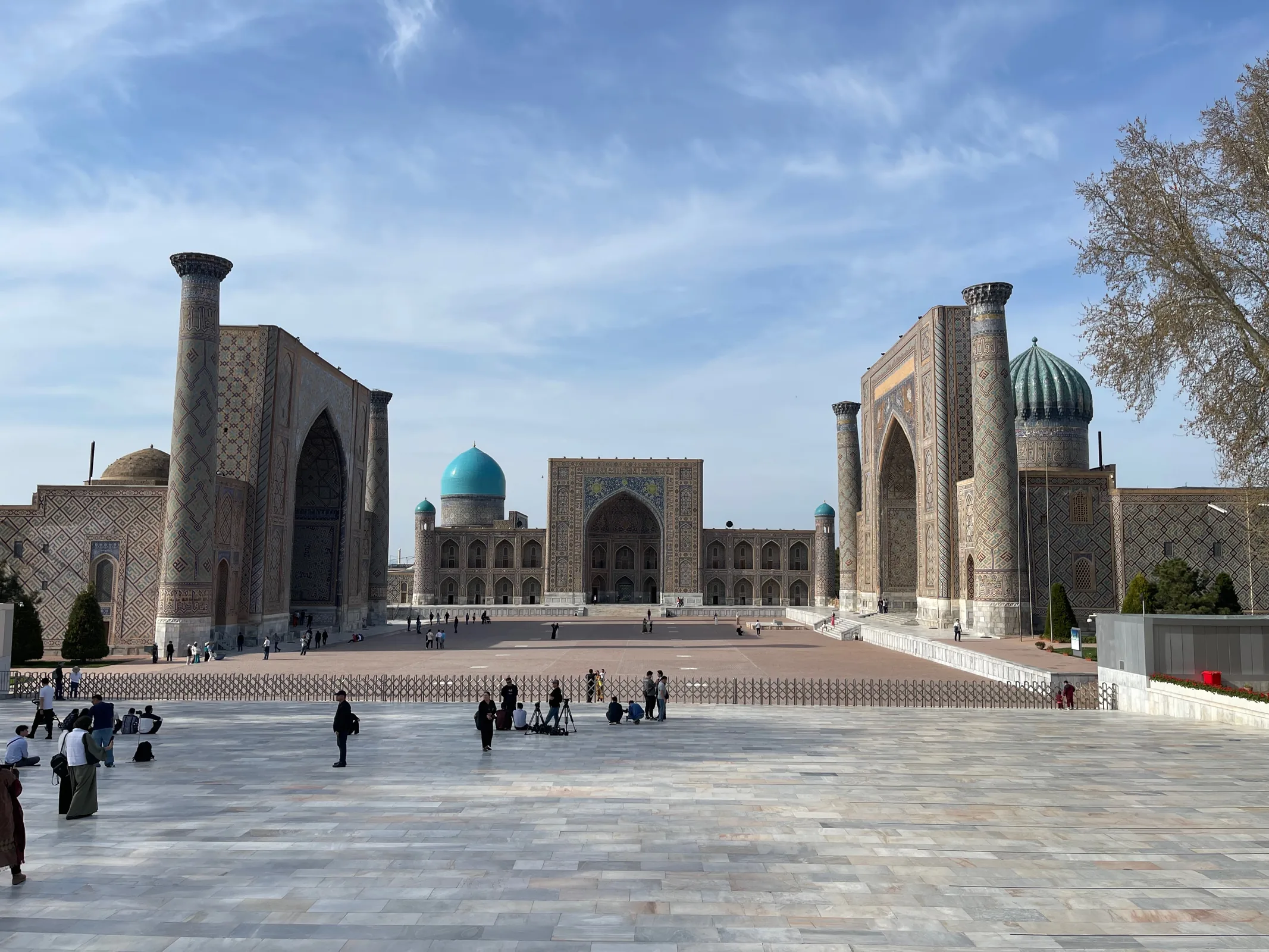
Plan Namazgah Mosque after the central Timurid sites, using a taxi link rather than trying to force it into a dense walking circuit. The contrast with Registan is revealing: one site speaks through a staged public square and scholarly institutions, while Namazgah recalls communal prayer and a broader civic religious tradition. Pair it with another less-visited heritage stop, then return to the centre for the evening. This route gives a longer stay in Samarkand more depth and prevents the city’s Islamic history from being reduced to a handful of familiar postcard monuments.