
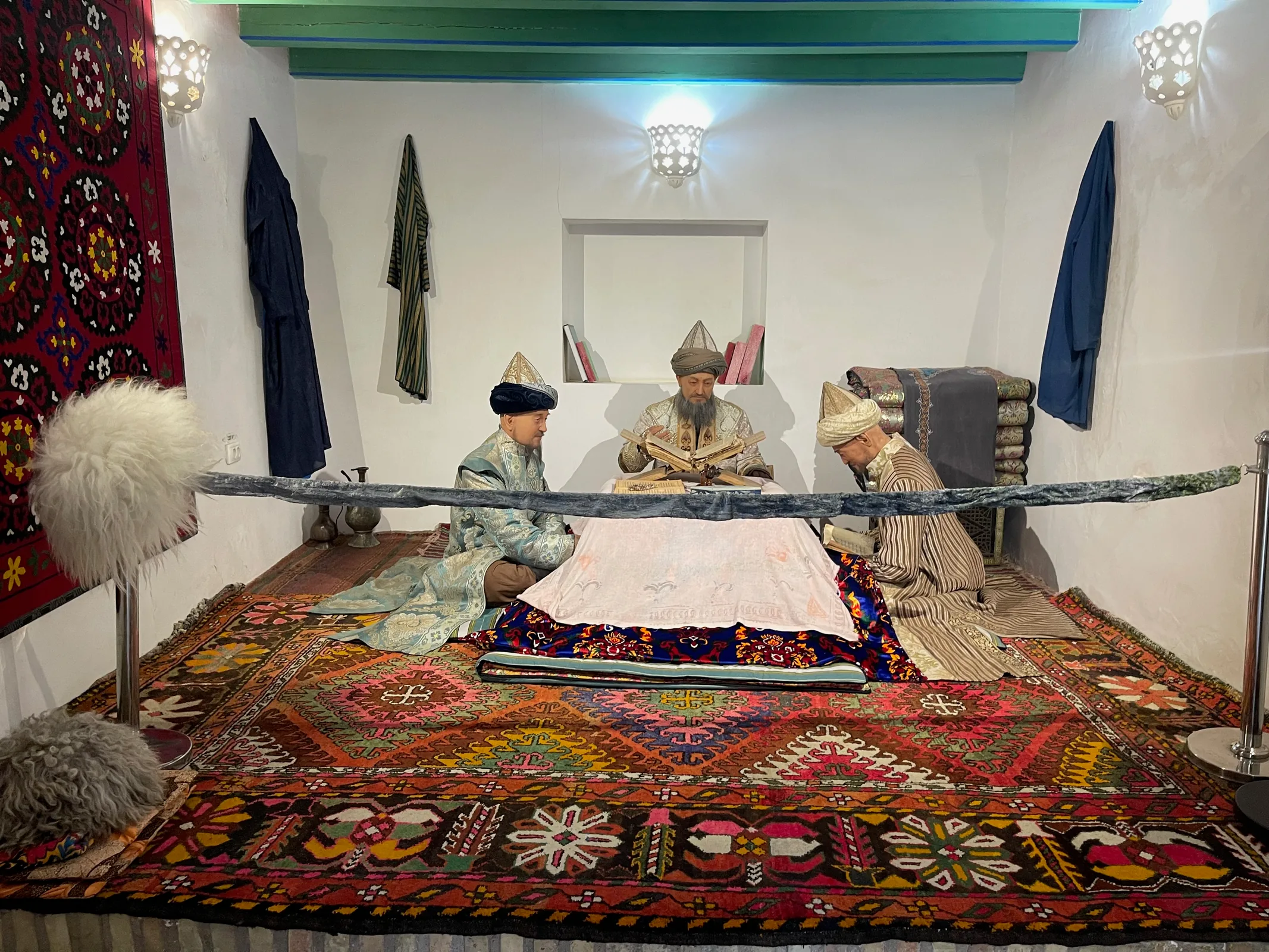
 Registan heritage core
Ulugh Beg Madrasah
Top pickmadrasah
Registan’s fifteenth-century madrasah, associated with Ulugh Beg’s scholarly legacy and marked by astronomy-themed portal decoration.
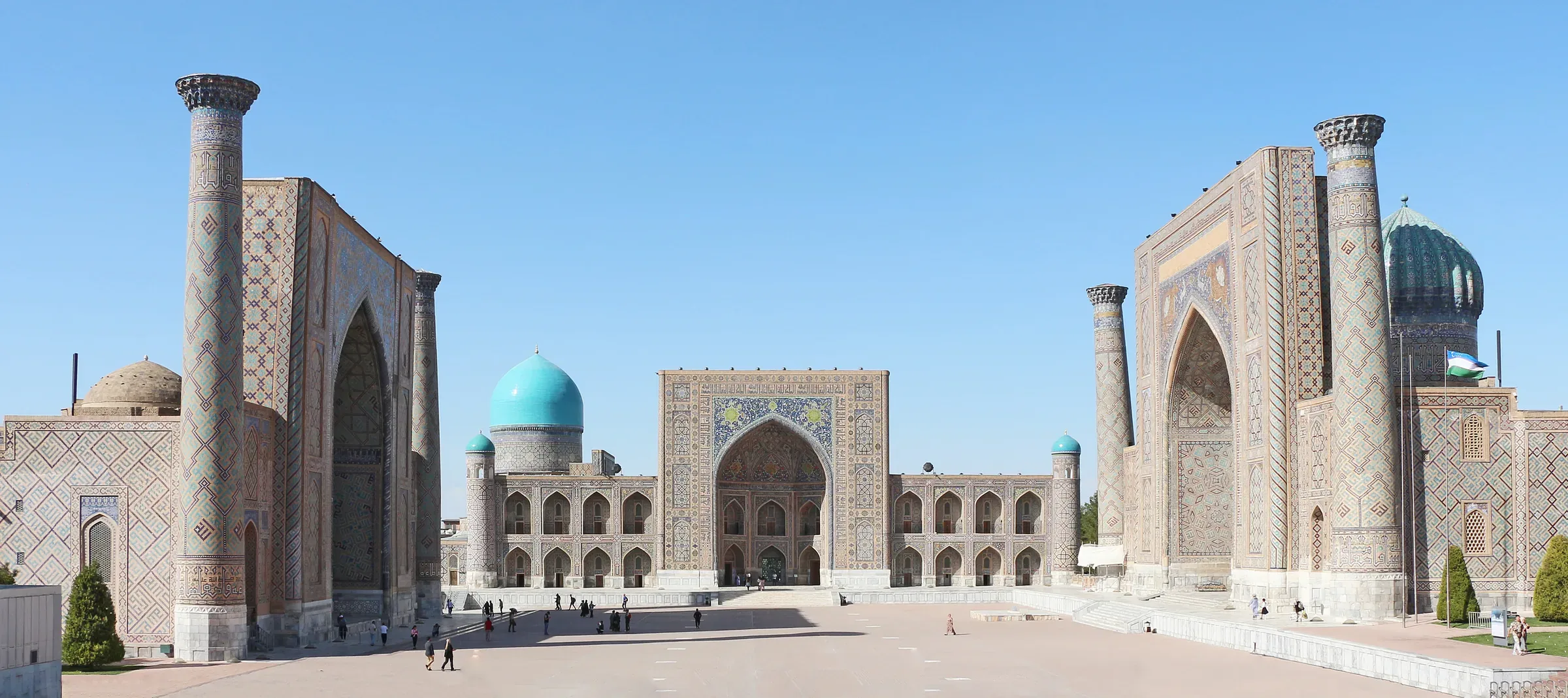
Understand Samarkand as a layered, living city before treating its monuments as an isolated checklist.
Showing 1–3 of 3 articles
City InformationThe visitor sees several Samarkands at once. The Timurid monuments and old mahallas dominate the historic core; broad boulevards and late-imperial or Soviet-era fabric shape the modern centre; the railway and airport sit outside the main walking circuit; and the Silk Road Samarkand complex creates a separate resort and conference pole beside the rowing canal. These areas are connected by ordinary urban life, not by one seamless tourist promenade.
City InformationAncient Afrasiab, northeast of today's monumental core, preserves evidence of a settlement founded in the first millennium BCE and destroyed during the Mongol conquest in the thirteenth century. The modern visitor should not collapse Afrasiab, the Timurid city and present-day Samarkand into a single historic centre: they occupy different ground and explain different chapters of the city's development.
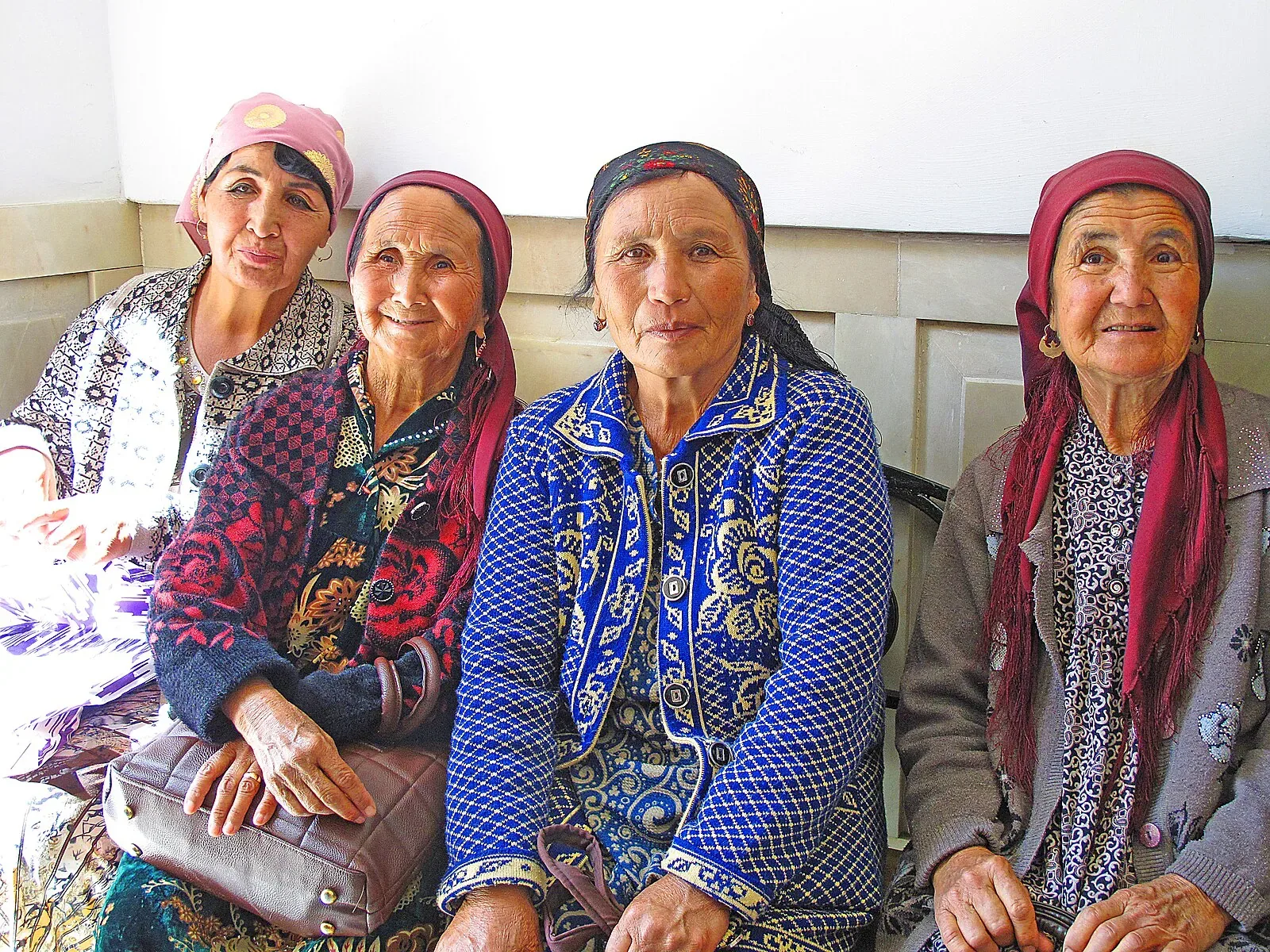
City InformationSamarkand's streets, bazaars and homes reflect overlapping Uzbek and Tajik traditions, while Russian remains useful across transport, business and public life. Language identity can be personal and politically sensitive; visitors should avoid assigning ethnicity from appearance or speech. A few Uzbek greetings are appreciated, but patient translation and a clearly saved address are more useful than performing confidence in a language one does not understand.
Keep exploring Samarkand
Keep exploring Samarkand and add more stops to your plan.
Registan heritage coreRegistan’s fifteenth-century madrasah, associated with Ulugh Beg’s scholarly legacy and marked by astronomy-themed portal decoration.
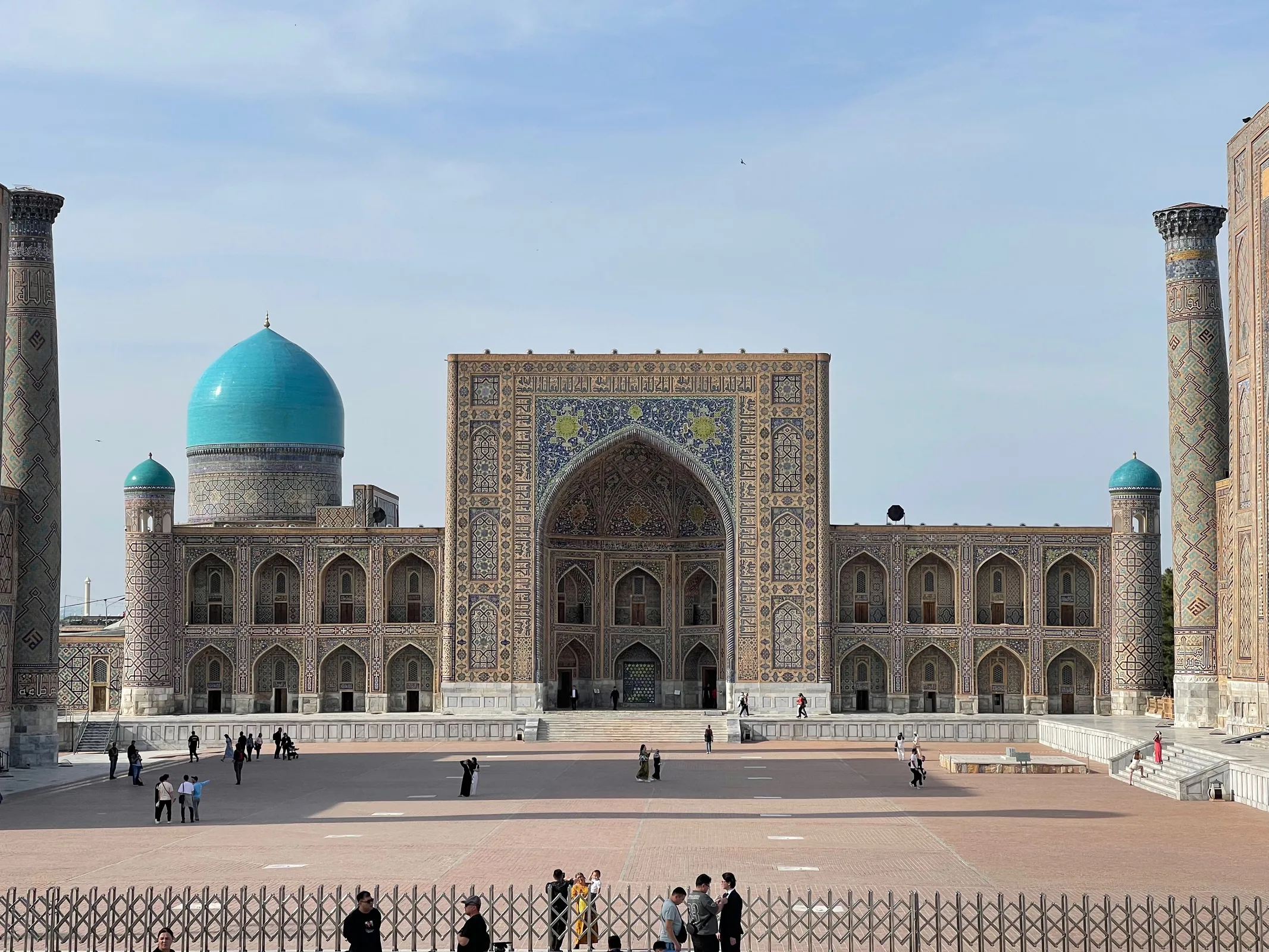 Registan heritage core
Registan’s central madrasah, completing the ensemble with a balanced exterior and a celebrated gilded interior beneath its blue dome.
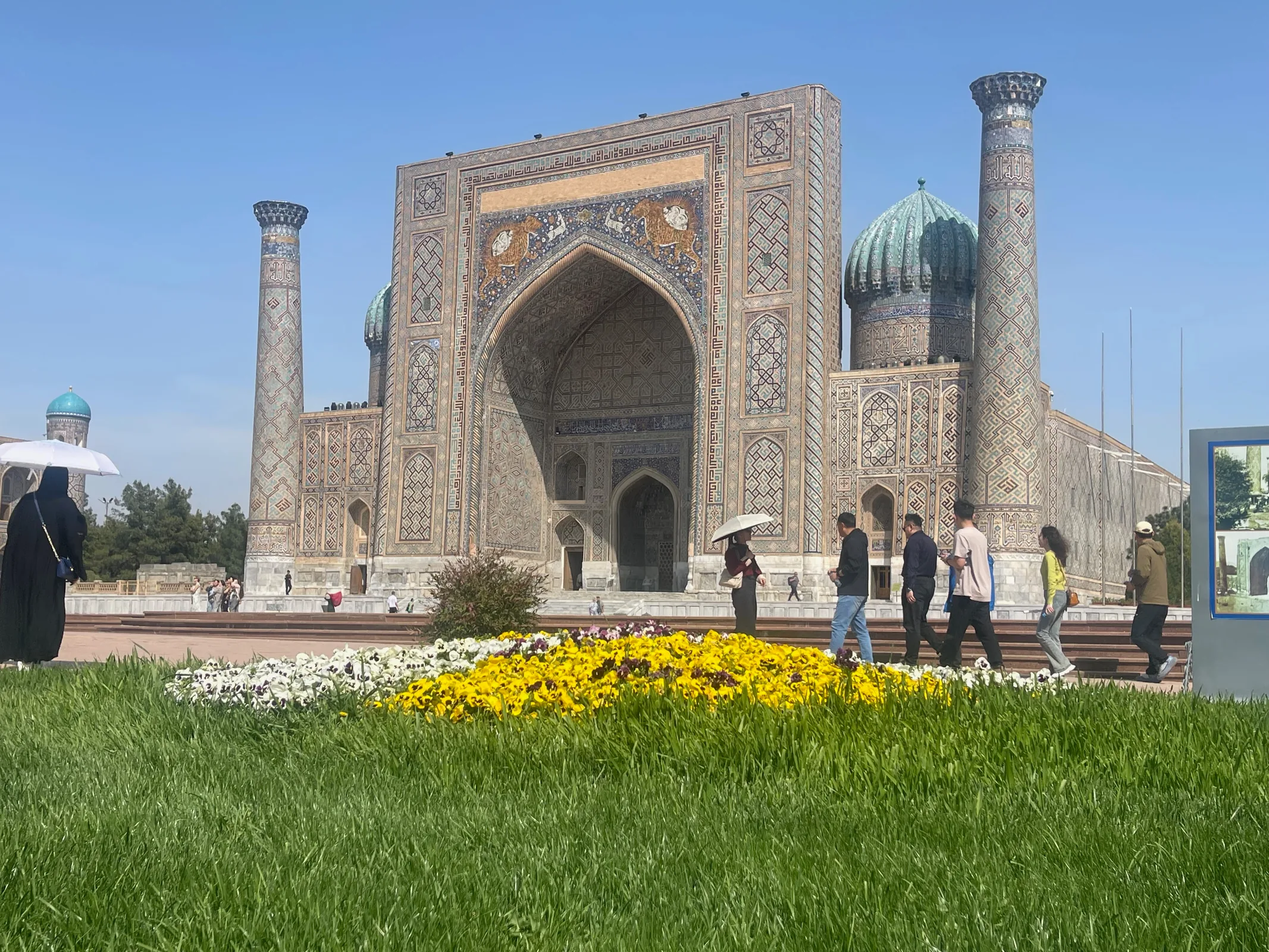 Registan heritage core
Registan’s eastern madrasah, famous for its early-seventeenth-century façade of felines, deer and rising sun motifs.
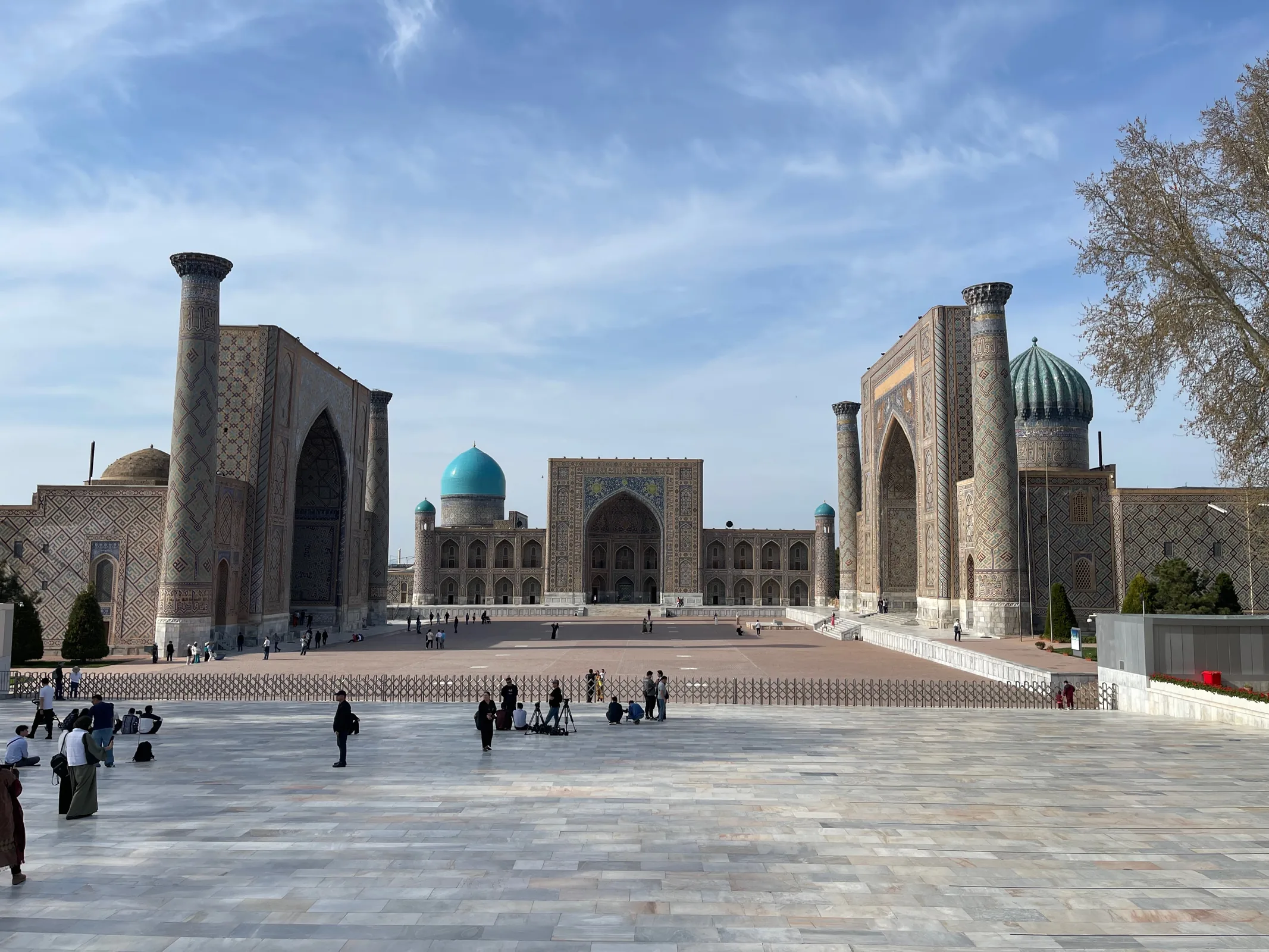 Samarkand heritage core
Samarkand’s great public square, framed by three Timurid madrasas and at its most memorable when given time to explore.
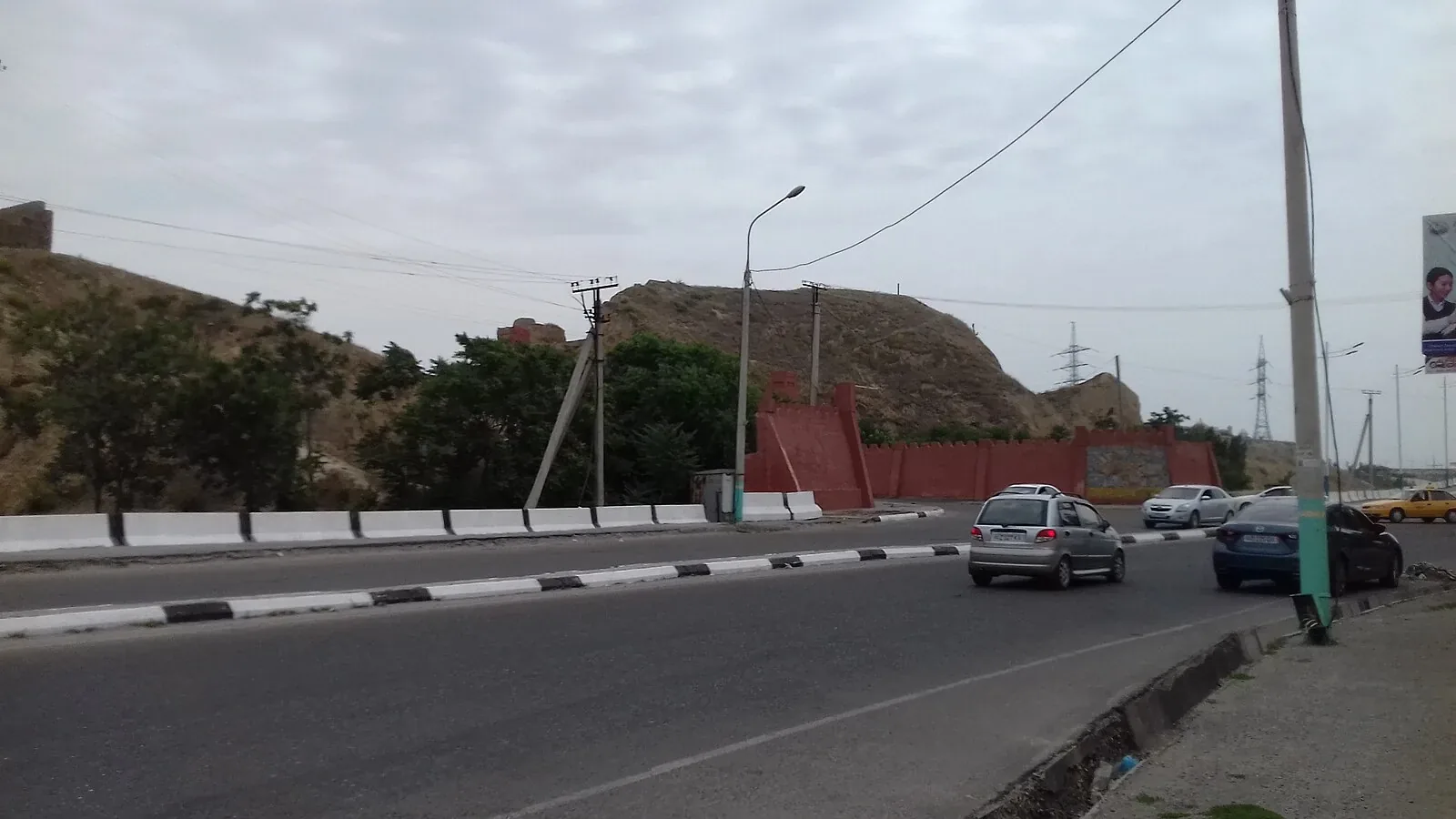 Afrasiab archaeological zone
The archaeological landscape of pre-Timurid Samarkand, where restored walls and open ground reveal the scale of the ancient city.
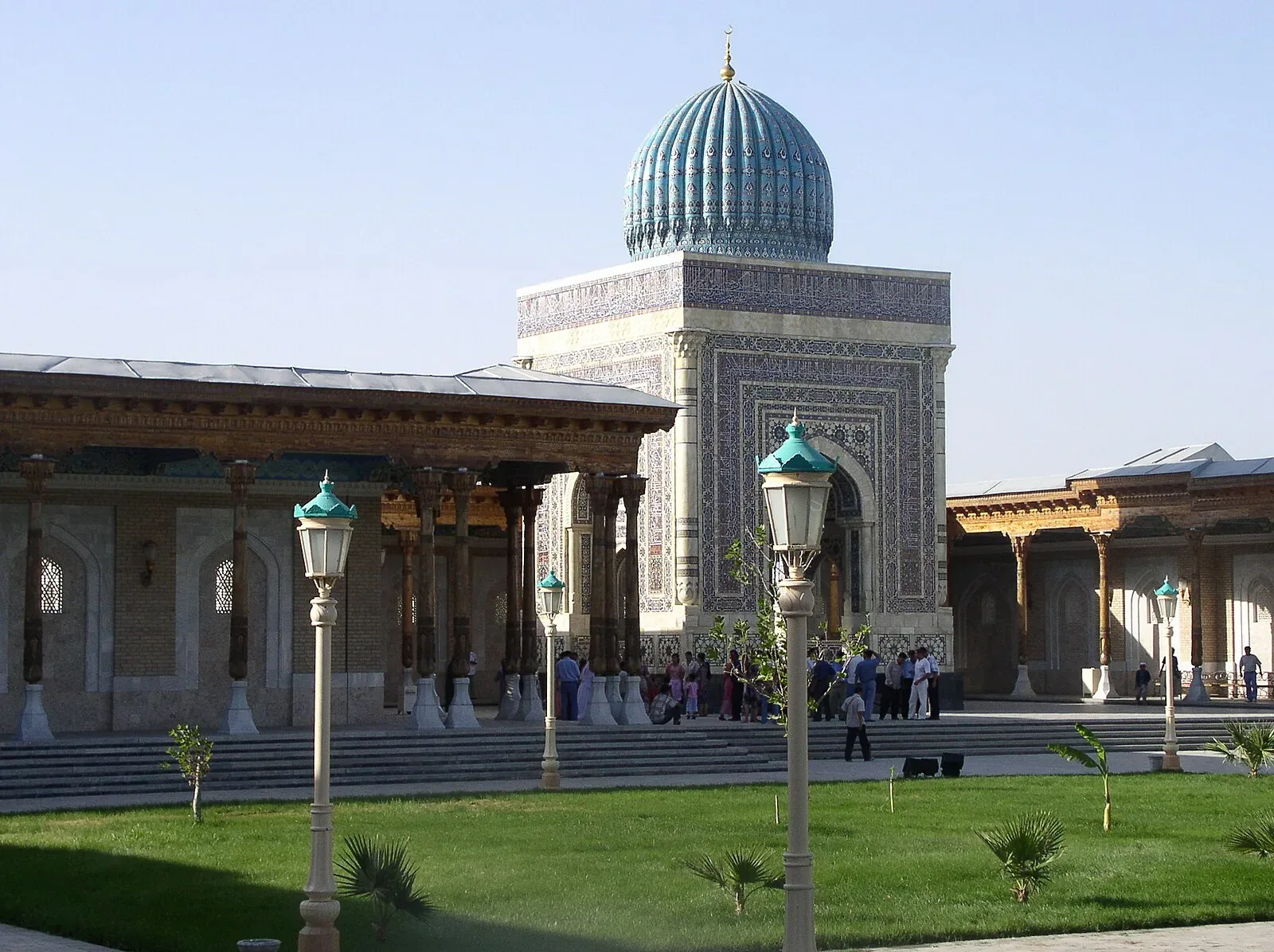 Samarkand
A memorial at Hartang outside Samarkand, centred on the burial place of Imam al-Bukhari and best visited as a dedicated excursion.
 Samarkand
The revered inner mausoleum at Shah-i-Zinda, set within one of Samarkand’s most richly tiled Timurid necropolises.
 Samarkand
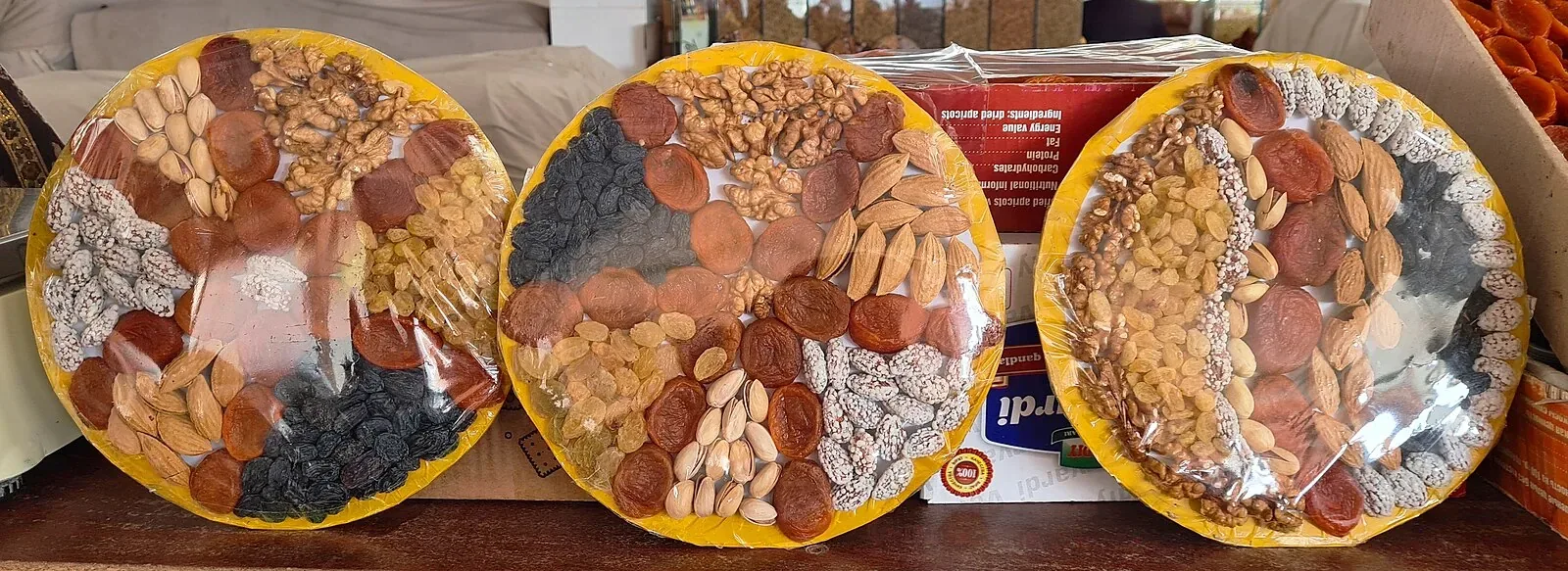
Samarkand’s working food market beside Bibi-Khanym, best for non bread, dried fruit, nuts, spices and everyday local shopping.
 Samarkand
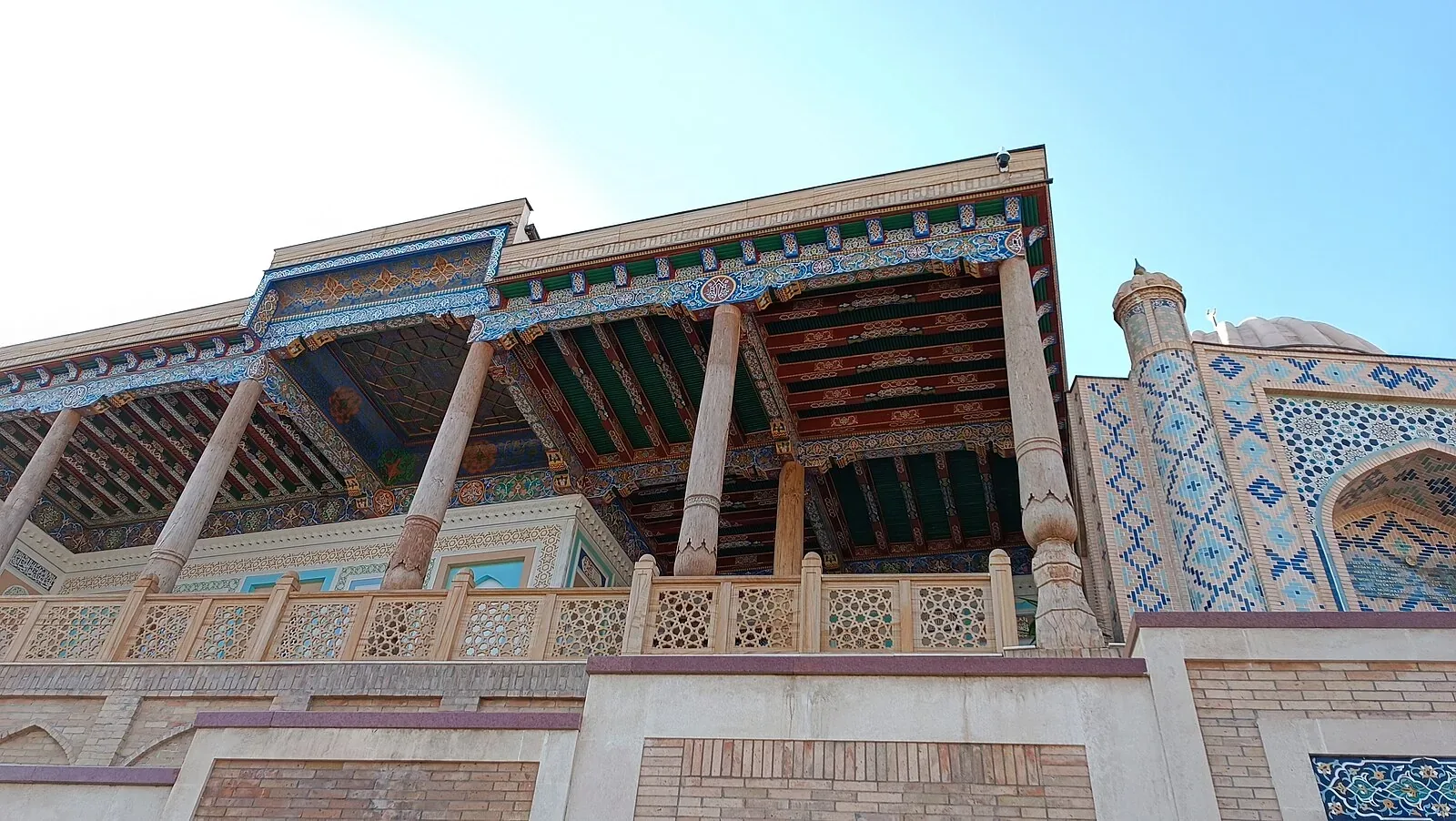
A hilltop mosque above the northern heritage route, valued for its veranda, graceful silhouette and broad Samarkand views.
 Samarkand
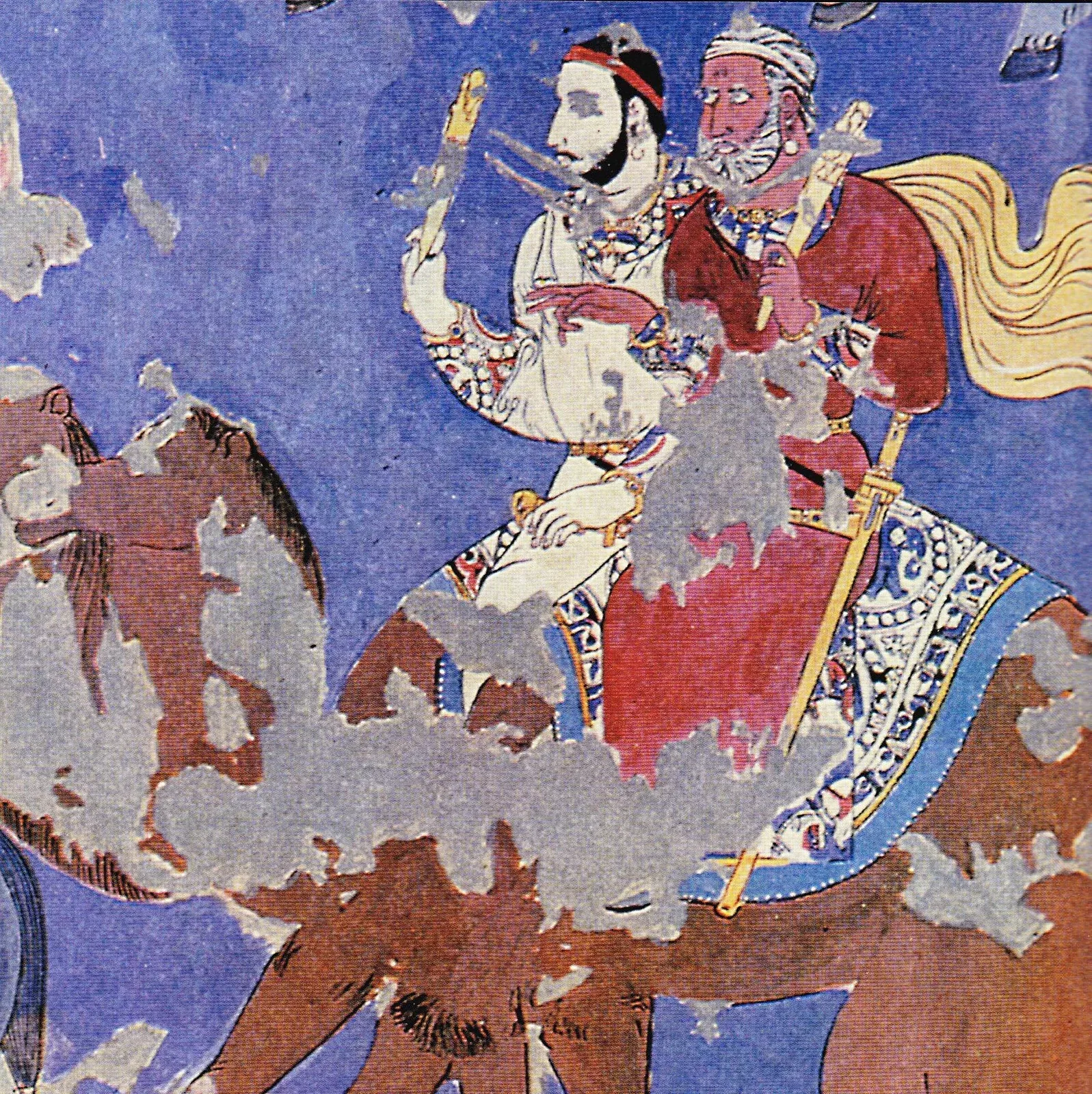
The essential introduction to ancient Samarkand, centred on the seventh-century Sogdian murals discovered at Afrasiab.
Keep exploring Samarkand and add more stops to your plan.
 Ibn Sino Street / university district
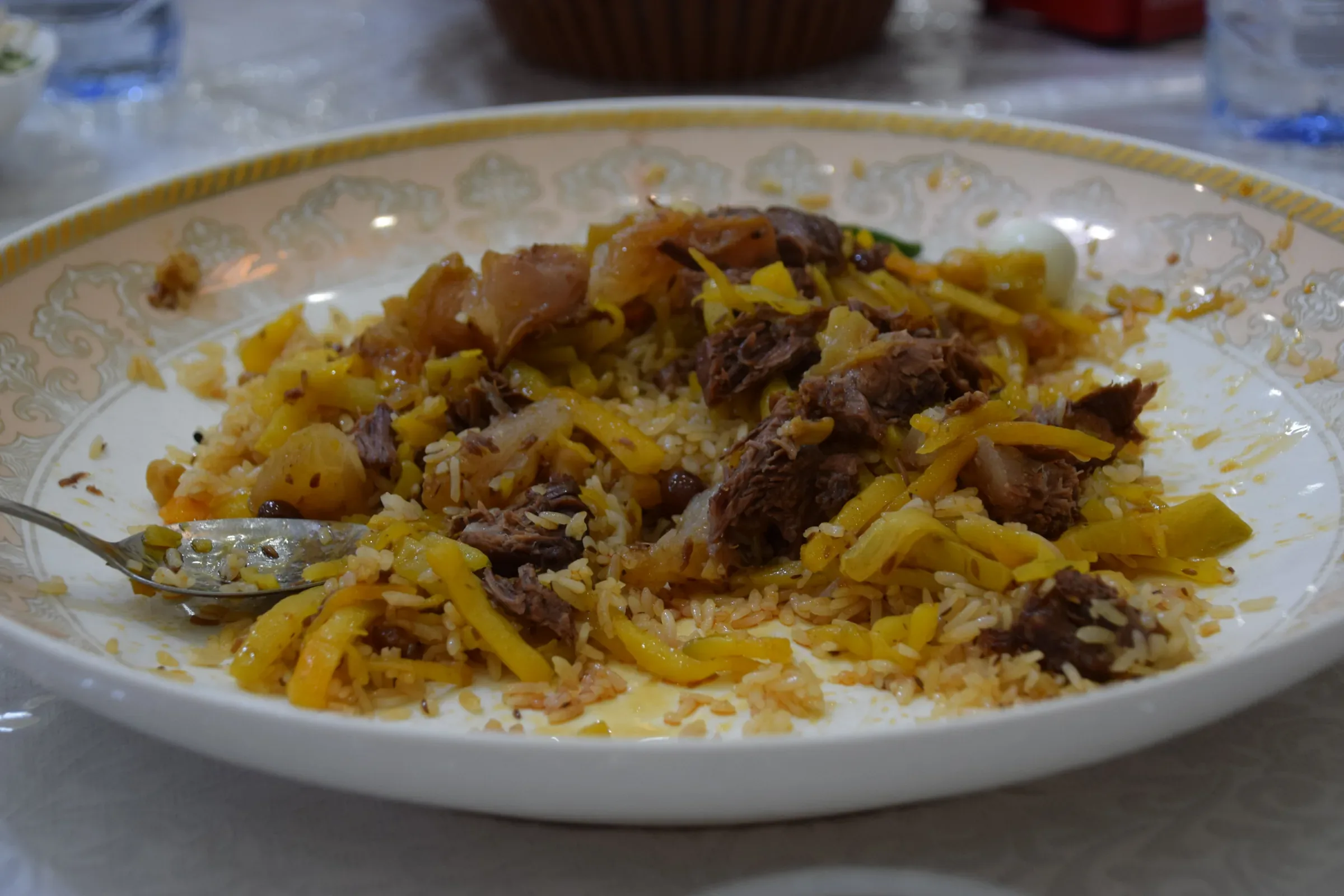
A focused Ibn Sino Street lunch stop for Samarkand plov, tomato salad, non bread and tea in a lively local dining hall.
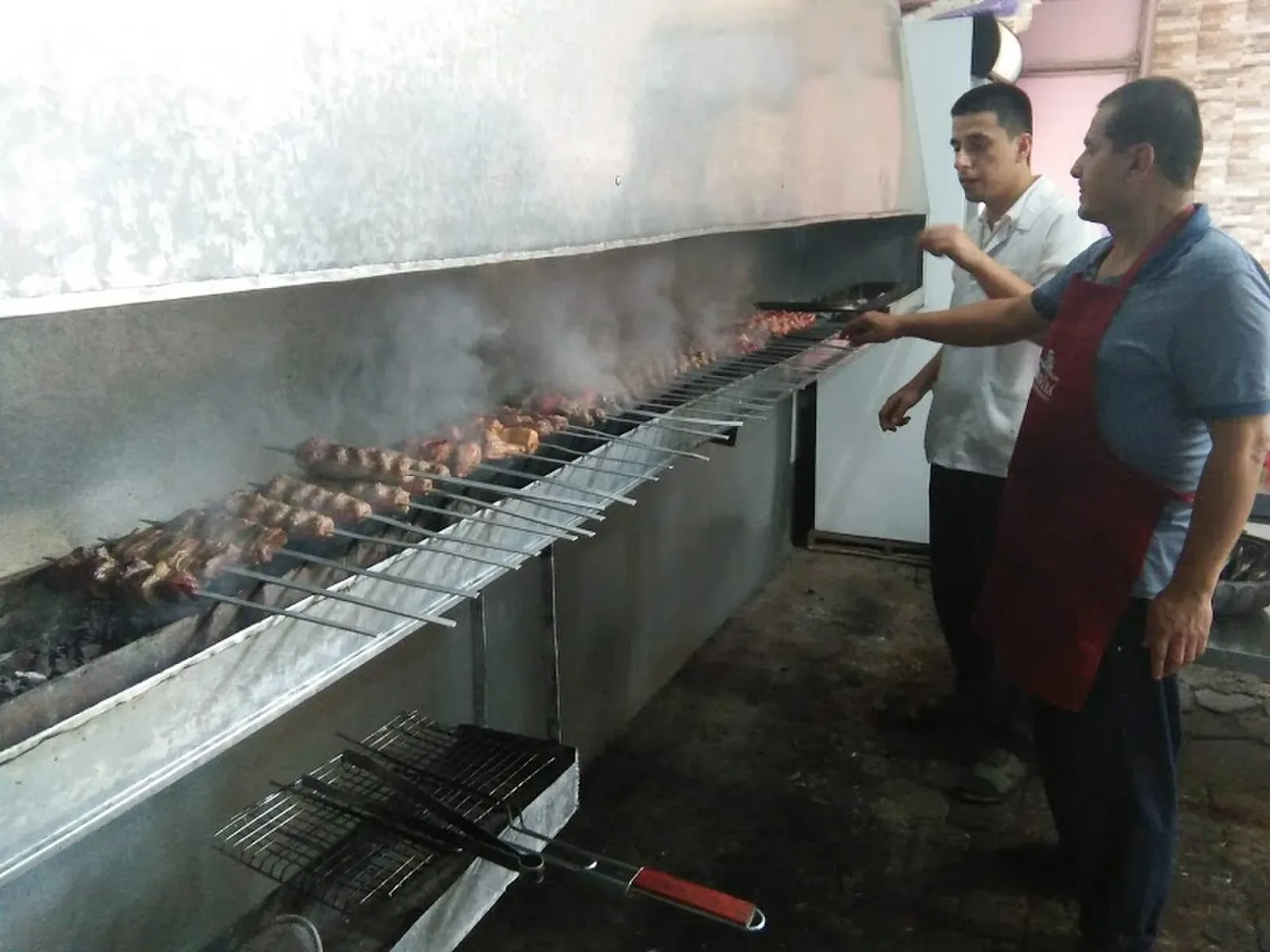 Bibi-Khanym / Siyob old-city edge
A casual Chorraxa Street grill near Bibi-Khanym and Siyob Bazaar, serving freshly prepared skewers with bread, salads and tea.
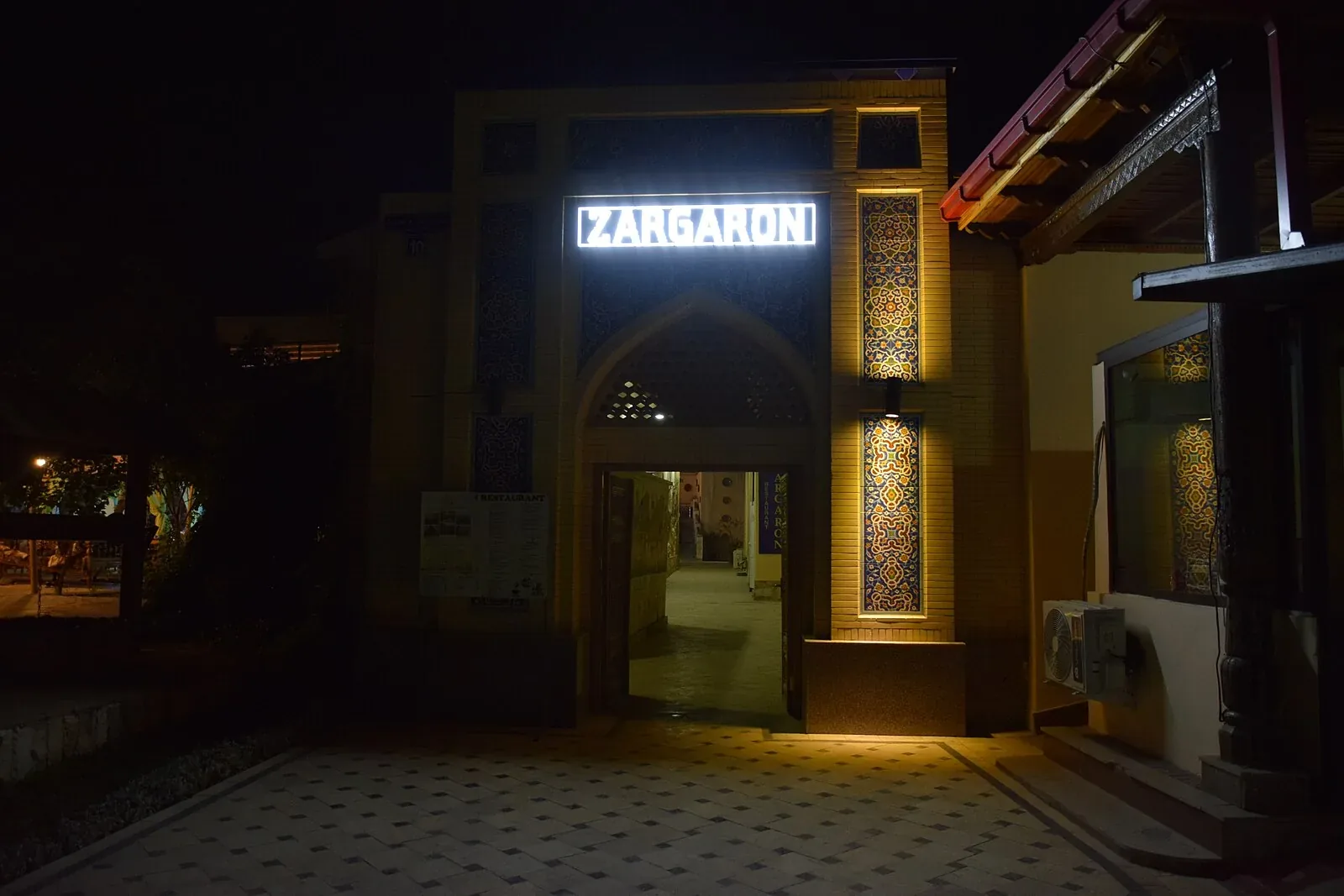 Bibi-Khanym / Siyob heritage core
A calm hotel restaurant beside Bibi-Khanym Mosque, ideal for a comfortable Uzbek meal between Siyob Bazaar and the heritage sights.
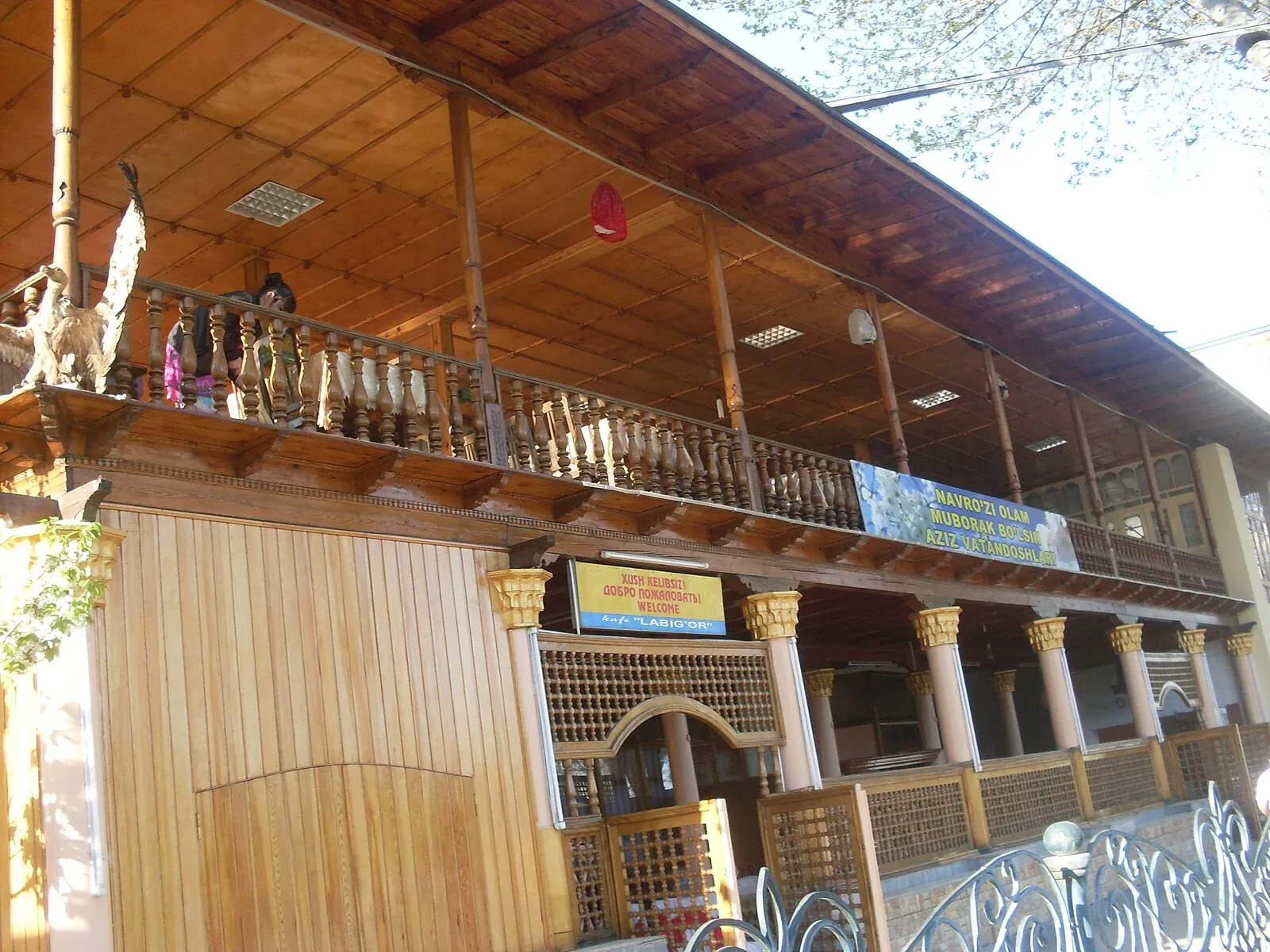 Registan Street / Gur-e Amir side
A central Registan Street restaurant for varied Uzbek dishes, tea and a flexible seated break close to the heritage core.
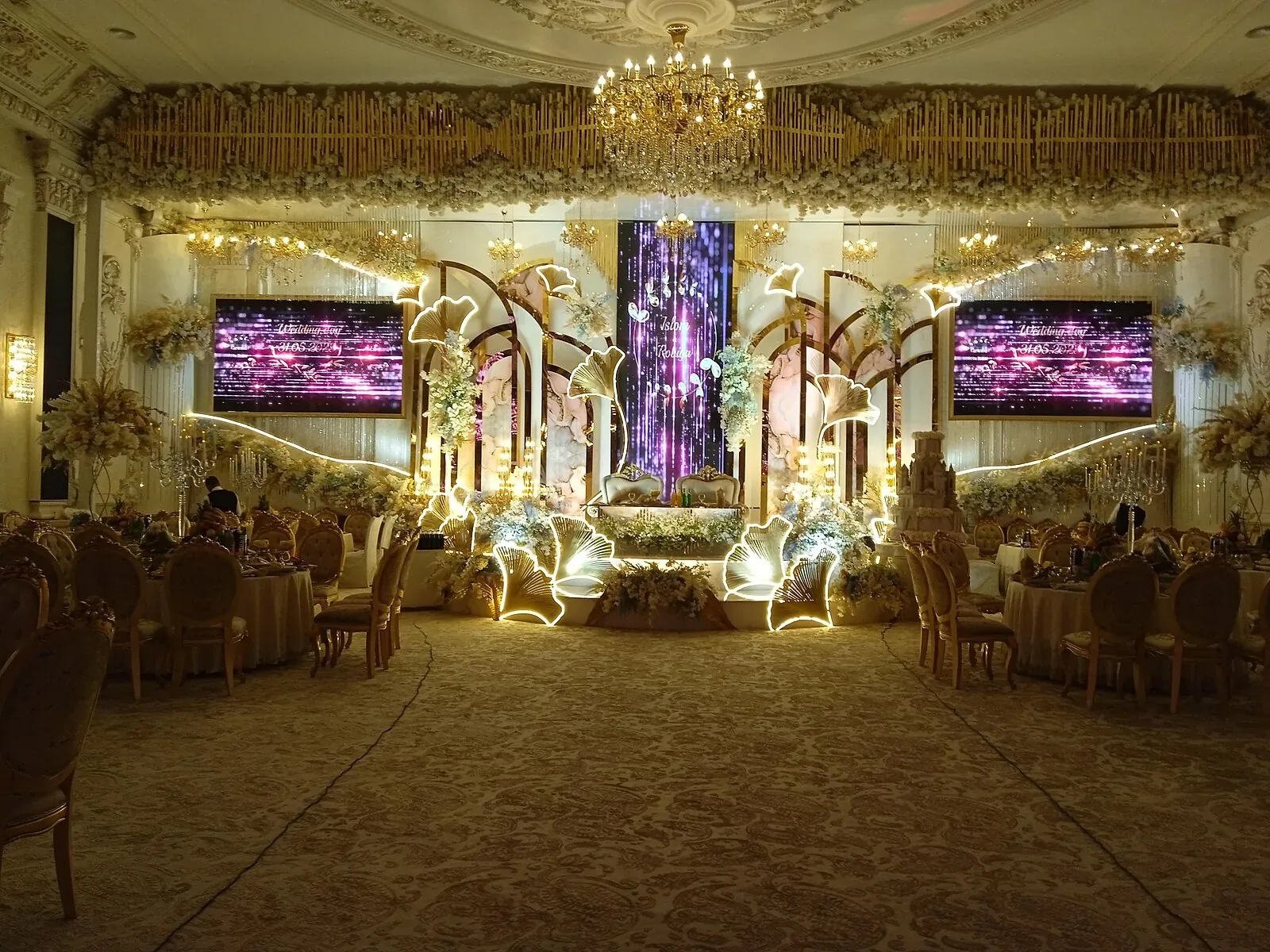 Vohid Abdullaev Street / northern modern city
A large northern Samarkand dining hall for extended families, celebrations and broad shared Uzbek meals away from the old-city core.
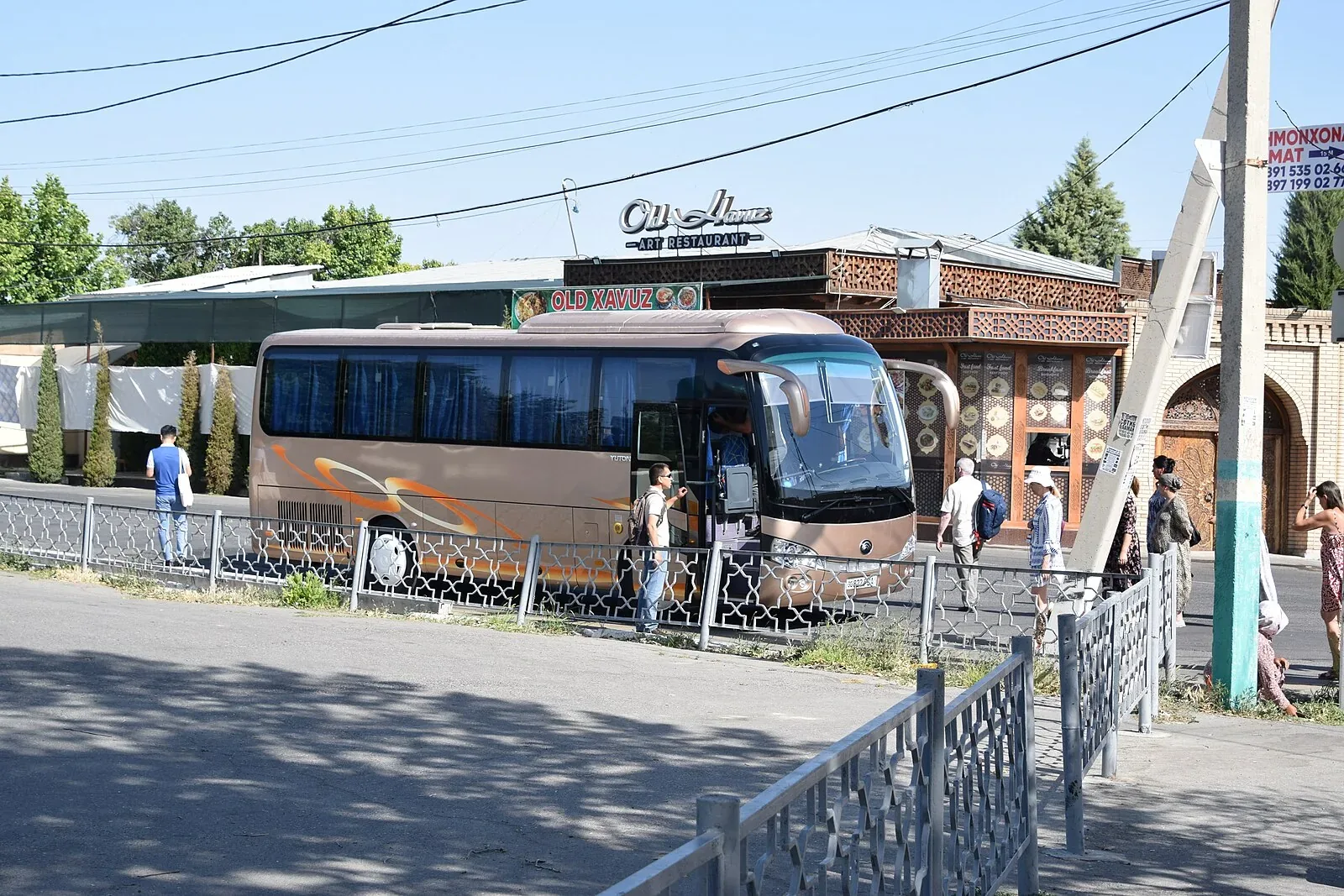 Pasdarg‘om Street / historic centre
A characterful Pasdarg‘om Street courtyard restaurant for shared Uzbek dishes, close to Registan, Gur-e Amir and the central heritage walks.
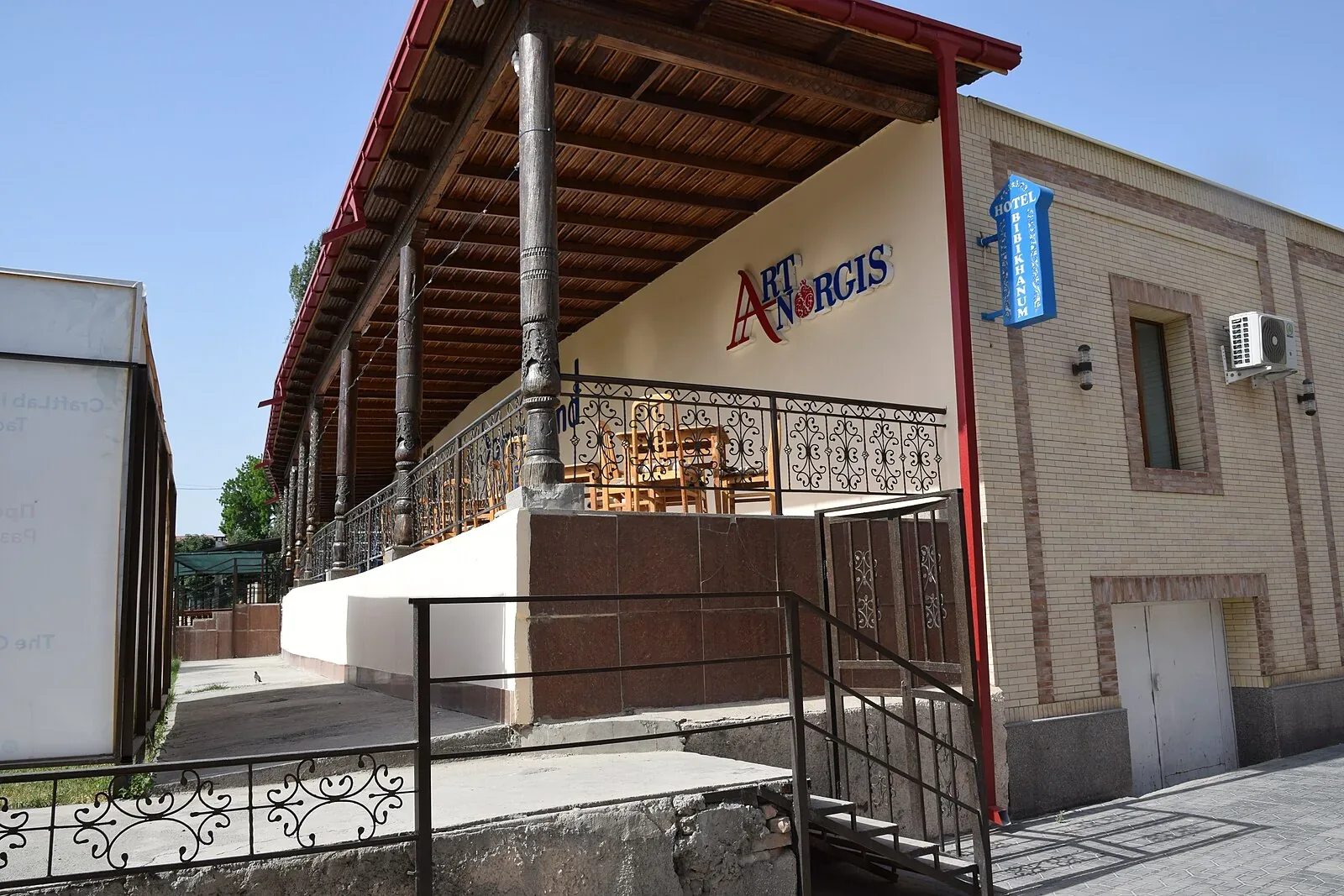 Islom Karimov Street / old city
A polished terrace restaurant on Islom Karimov Street, offering a comfortable Uzbek meal between Registan, Bibi-Khanym and Siyob Bazaar.
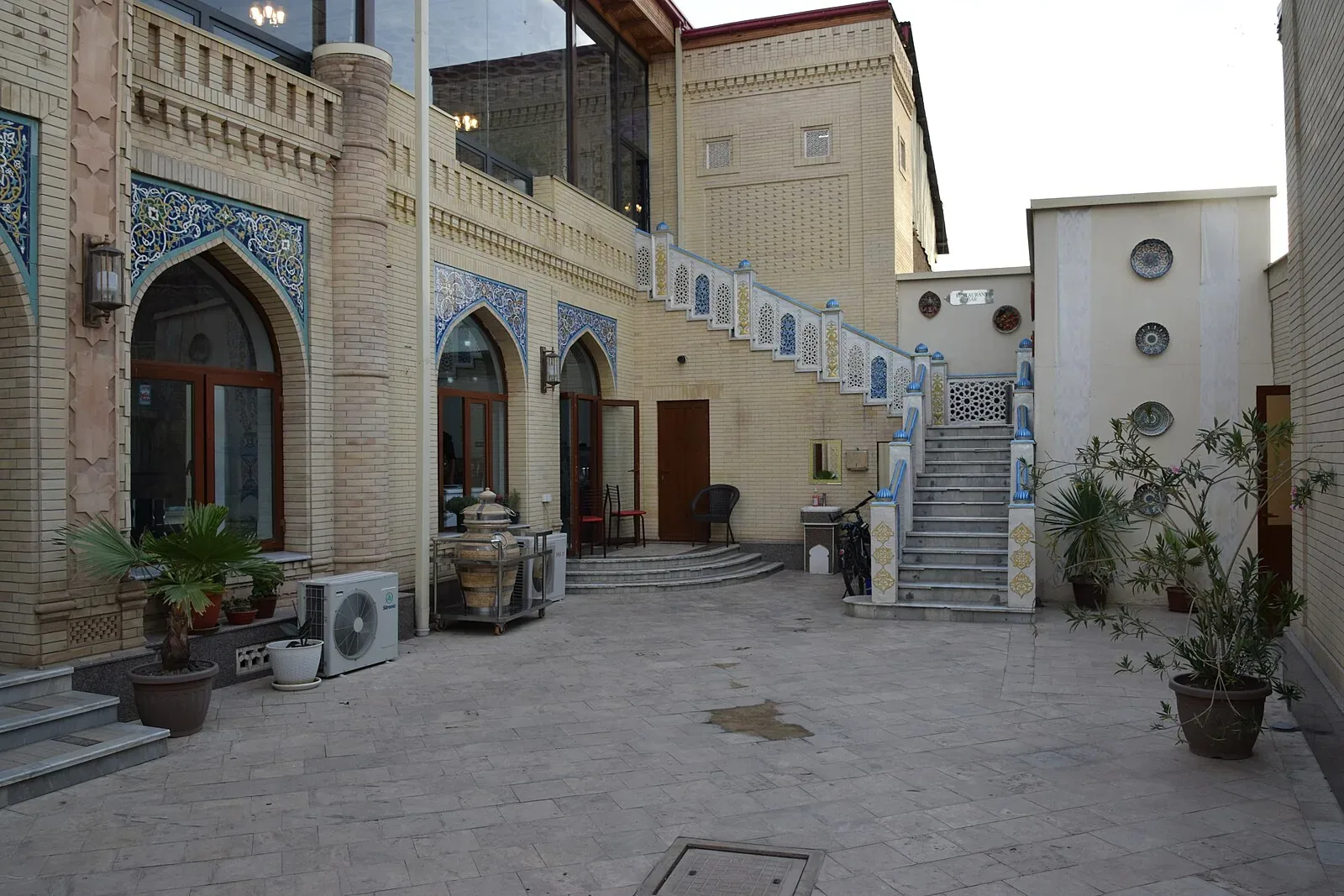 Bibi-Khanym / Siyob heritage core
A courtyard-style Uzbek restaurant beside Bibi-Khanym and Siyob, with flexible hours for a family meal in the northern heritage core.
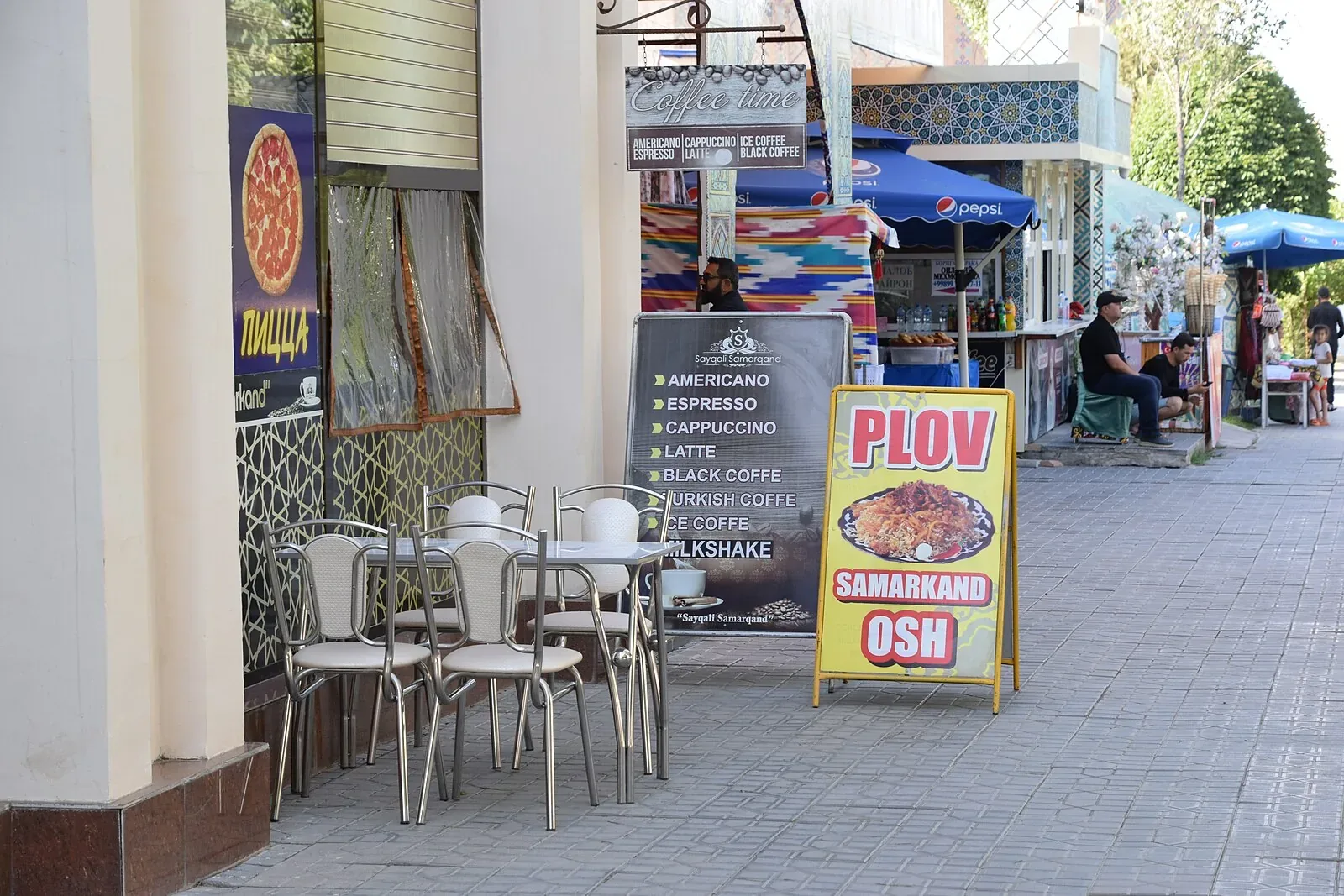 Islom Karimov pedestrian street
A compact Islom Karimov Street stop for plov, lavash and quick Uzbek comfort food between Registan and the Bibi-Khanym–Siyob cluster.
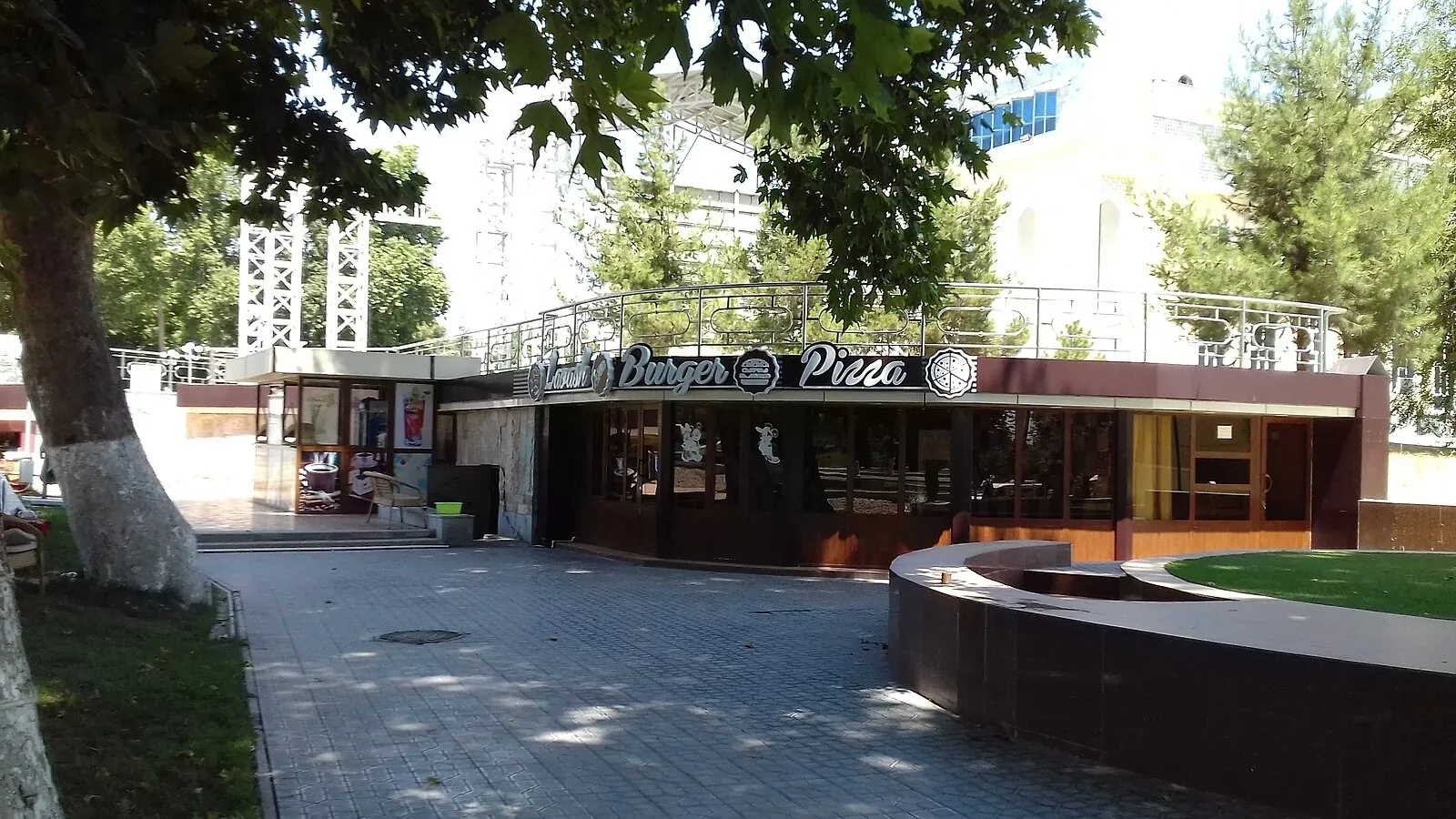 Registan Street / theatre area
A casual, low-cost café-and-fast-food stop near Samarkand theatre for flexible small orders between Registan and the boulevard area.
Keep exploring Samarkand and add more stops to your plan.
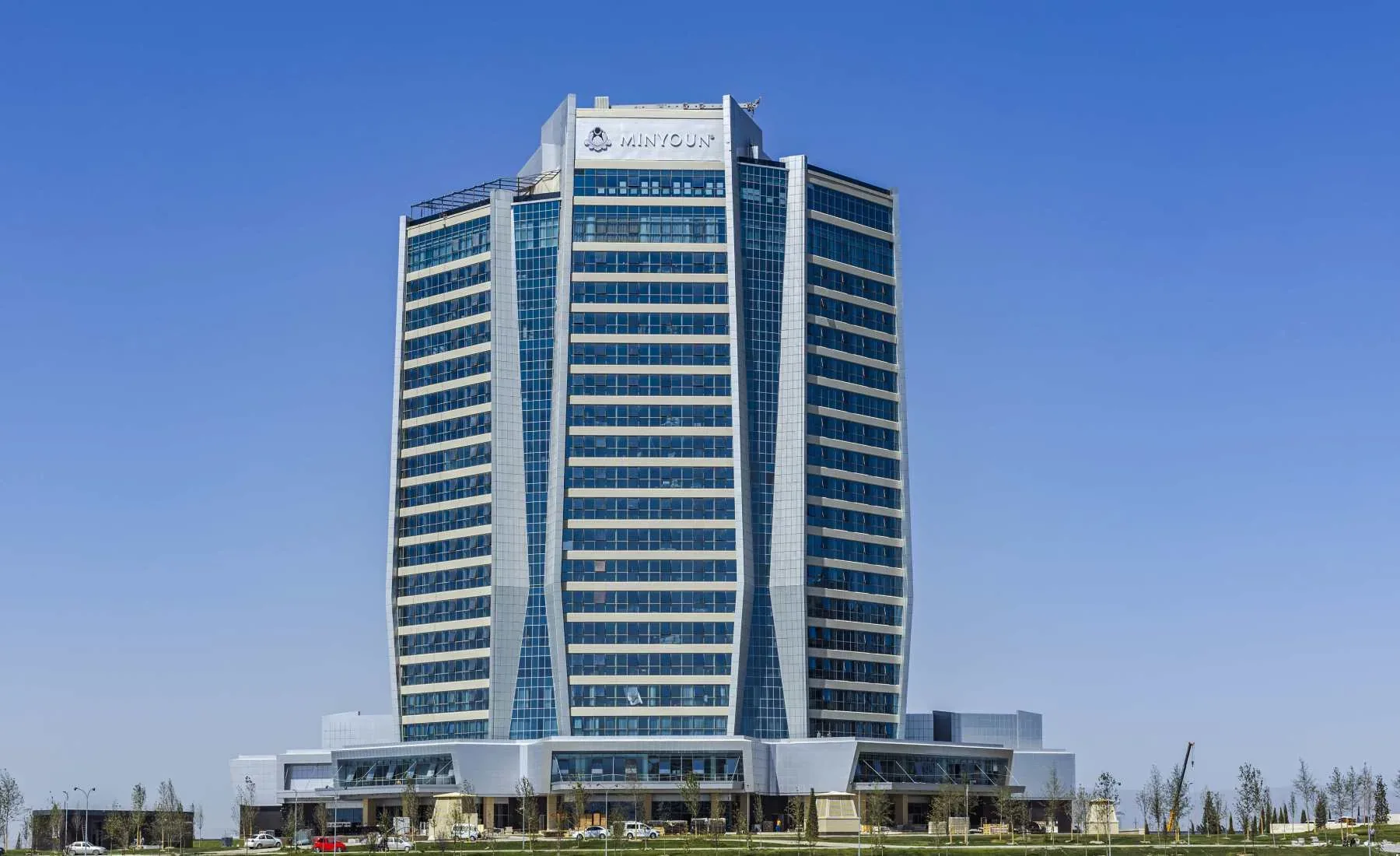 Silk Road Samarkand resort precinct
A five-star, 241-room resort hotel with a panoramic lounge, Pan-Asian dining and Mirage Spa & Wellness.
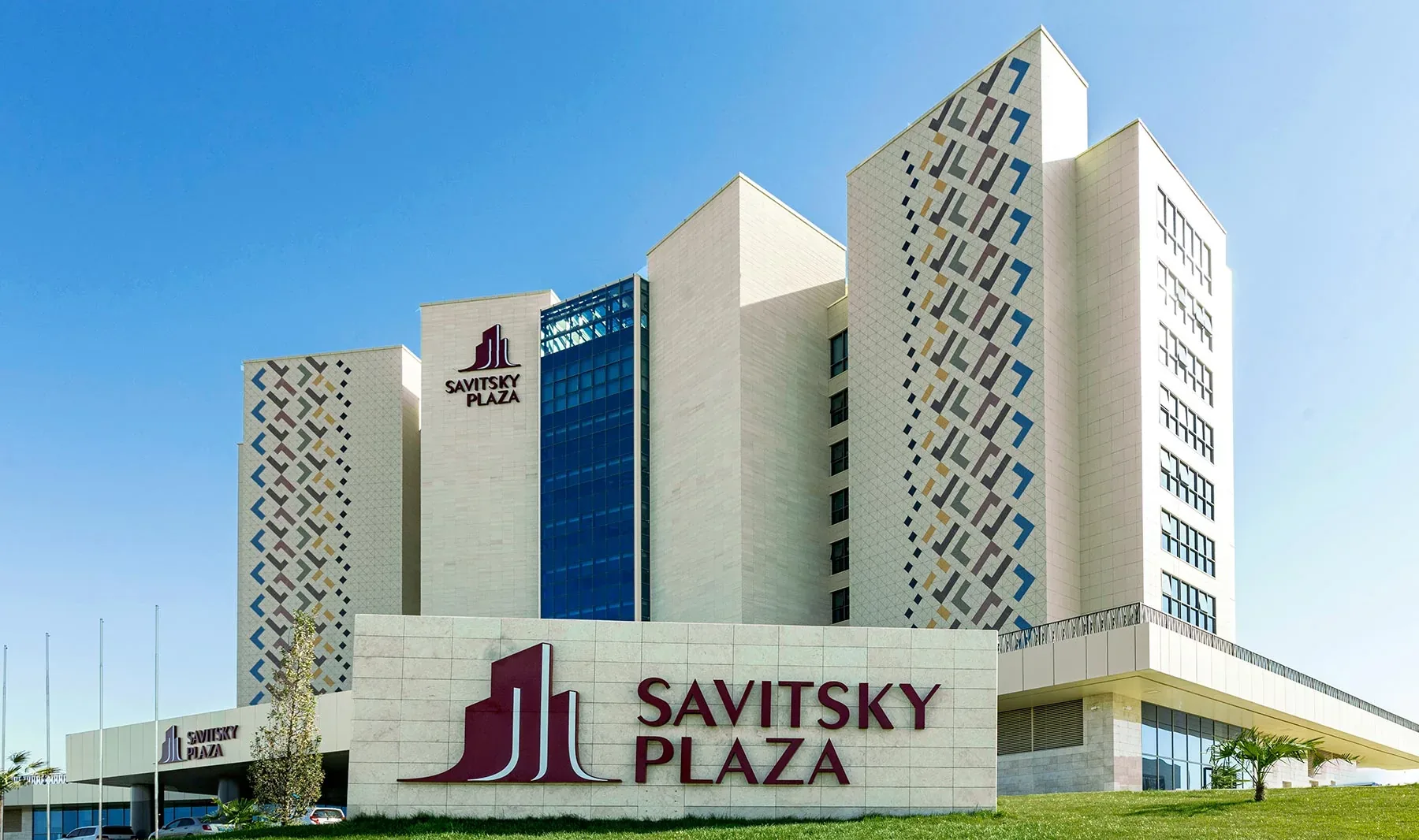 Silk Road Samarkand resort precinct
An art-led 175-room hotel with canal-view rooms, a restaurant and a cultural design theme inspired by Igor Savitsky.
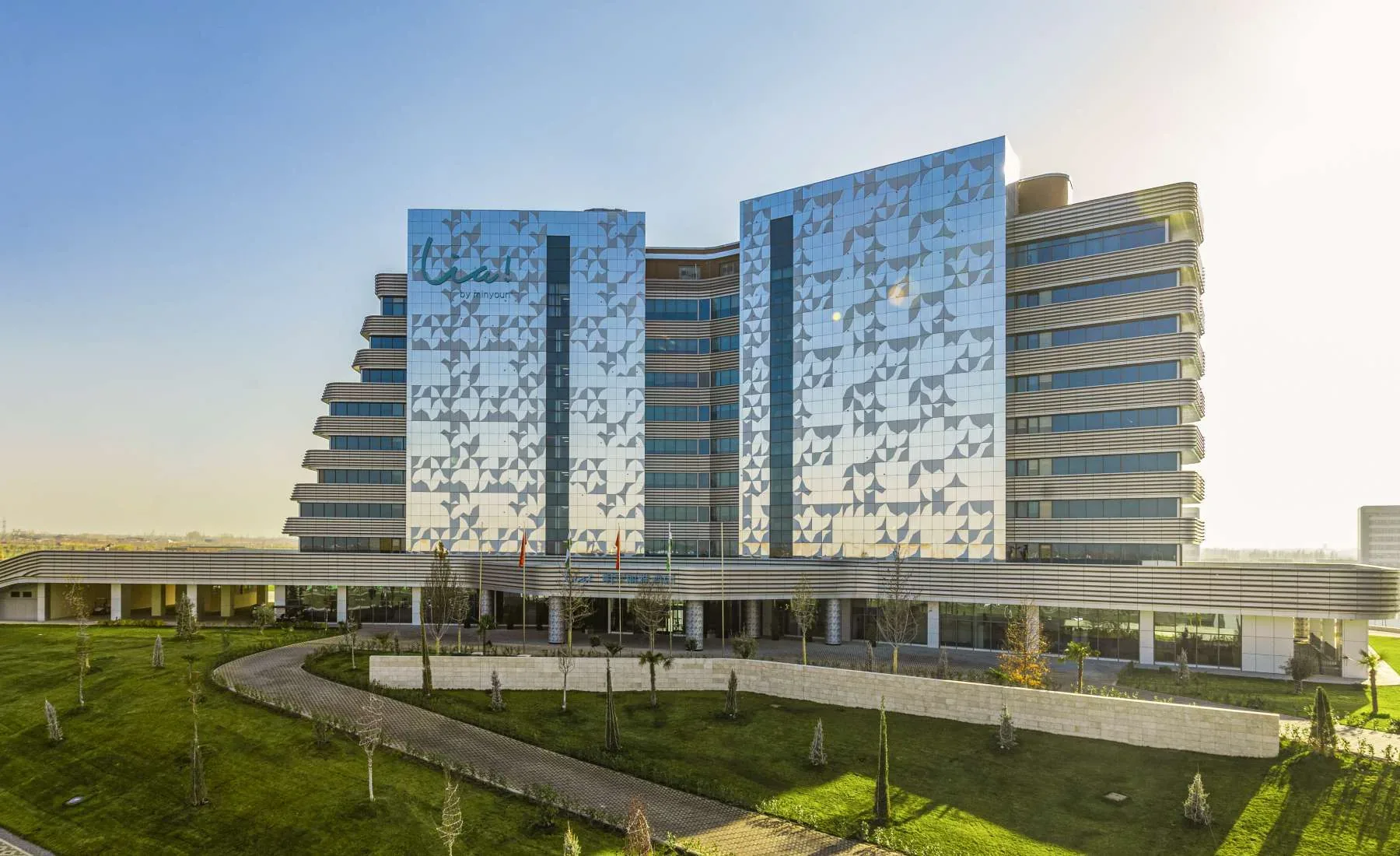 Silk Road Samarkand resort precinct
A four-star, 170-room hotel for active travelers, with Foodrink dining, Tea Station and an Ulugbek-inspired theme.
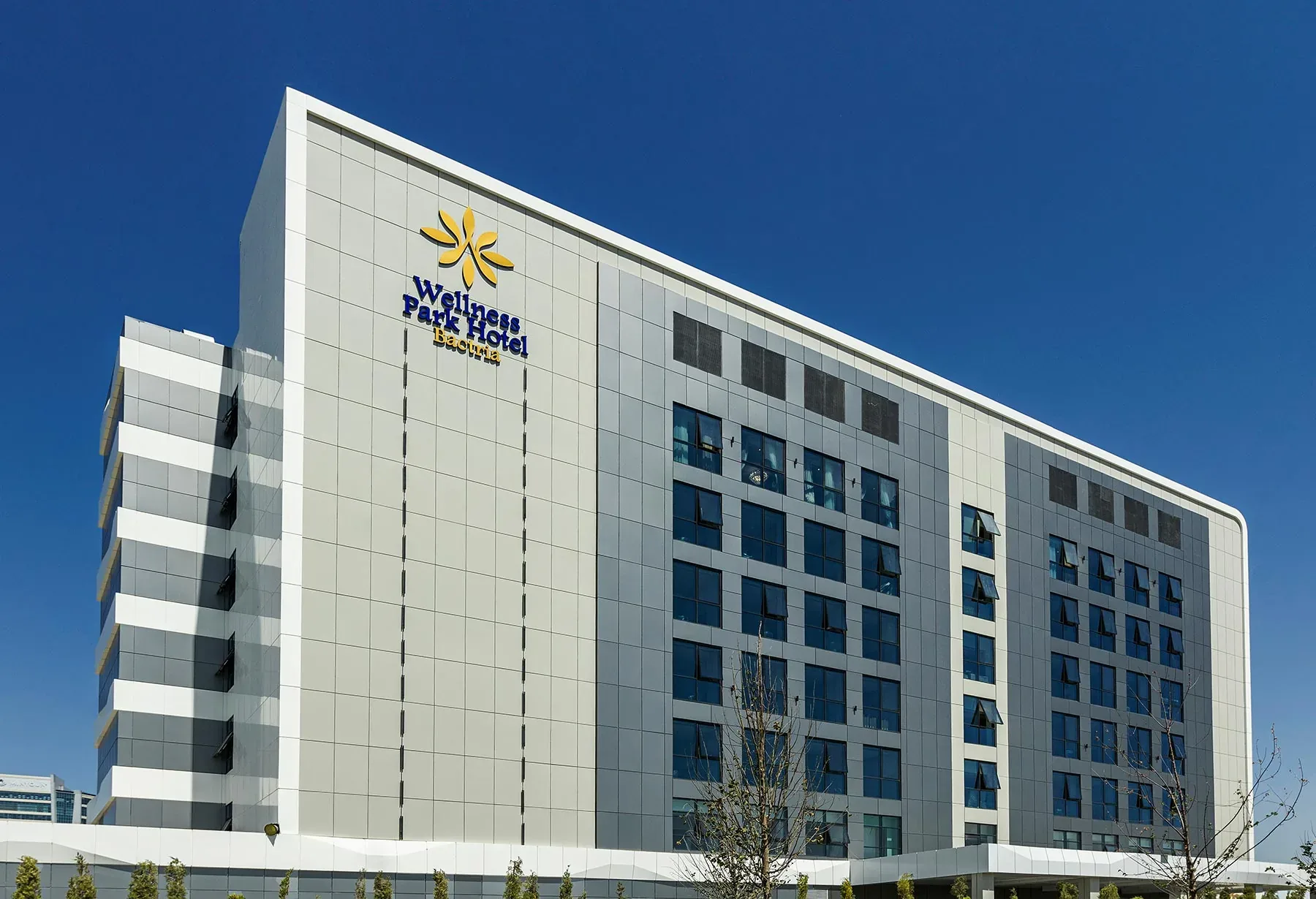 Silk Road Samarkand resort precinct
A canal-side 92-room wellness-oriented hotel with a fitness room, restaurant and Bactria-inspired design.
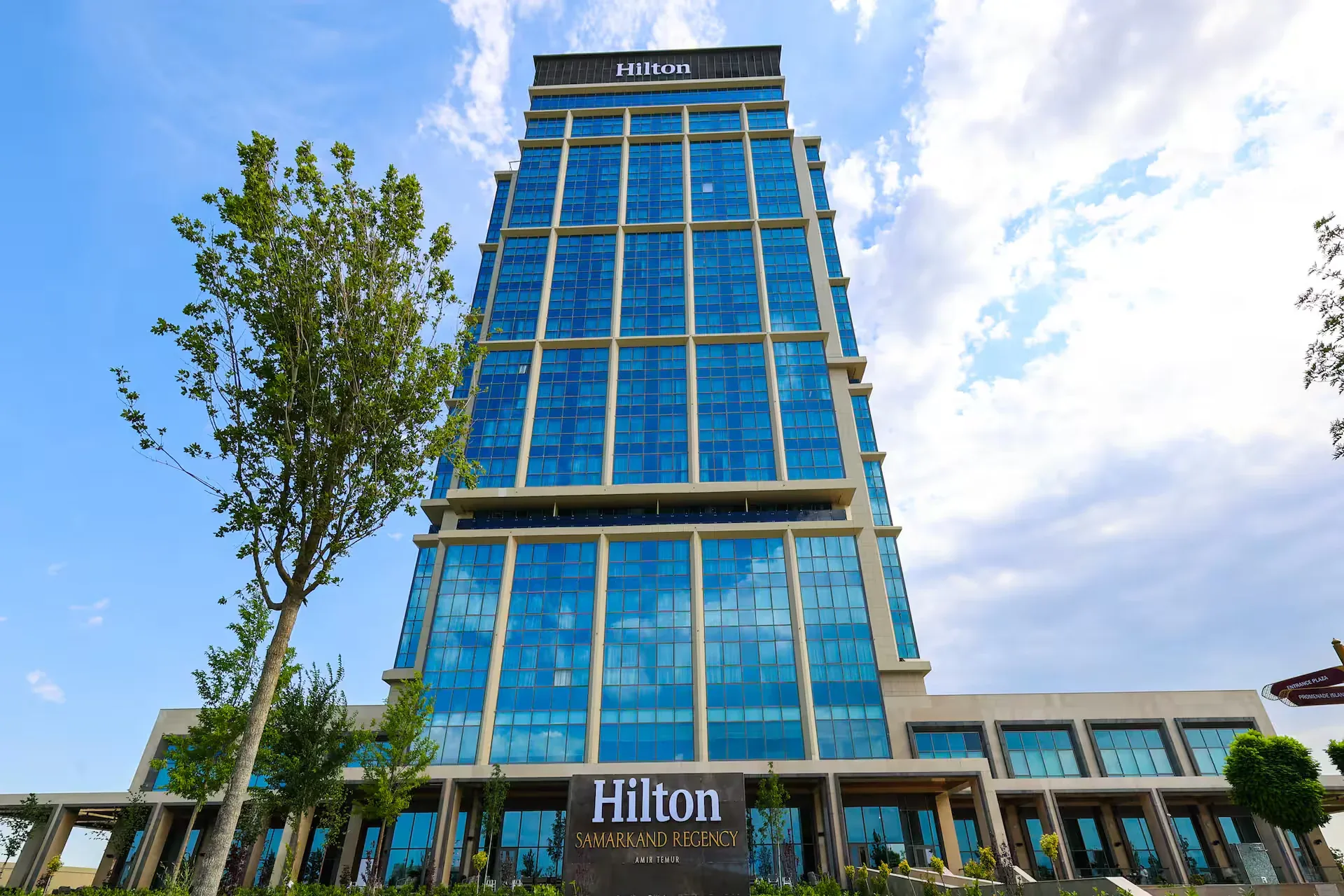 Silk Road Samarkand resort precinct
A full-service Hilton resort hotel by the Rowing Canal, with pools, spa, Sky Bar and family-ready amenities.
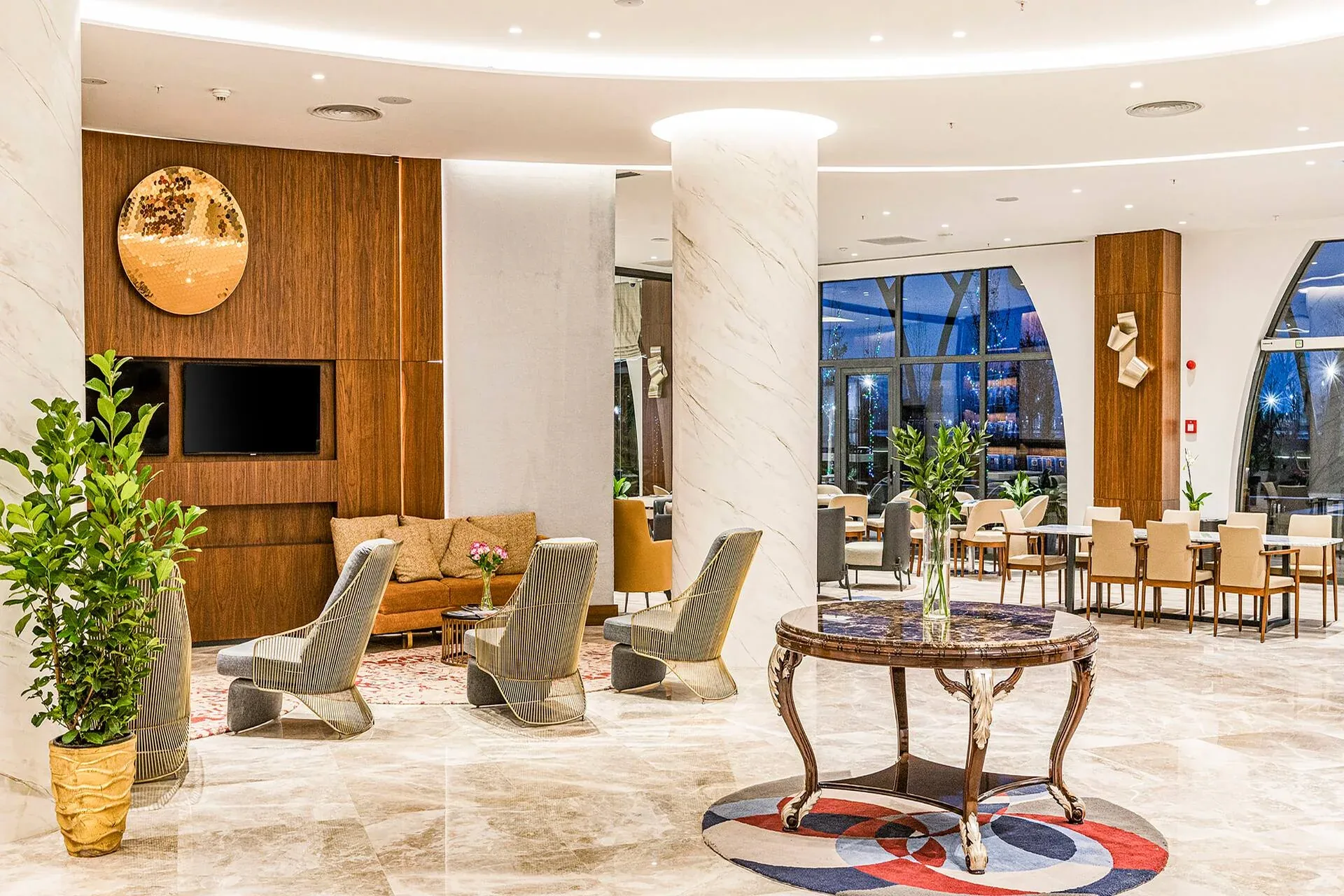 Silk Road Samarkand resort precinct
A Hilton Garden Inn inside the Silk Road complex, with terrace dining, wellness facilities and a 24-hour fitness centre.
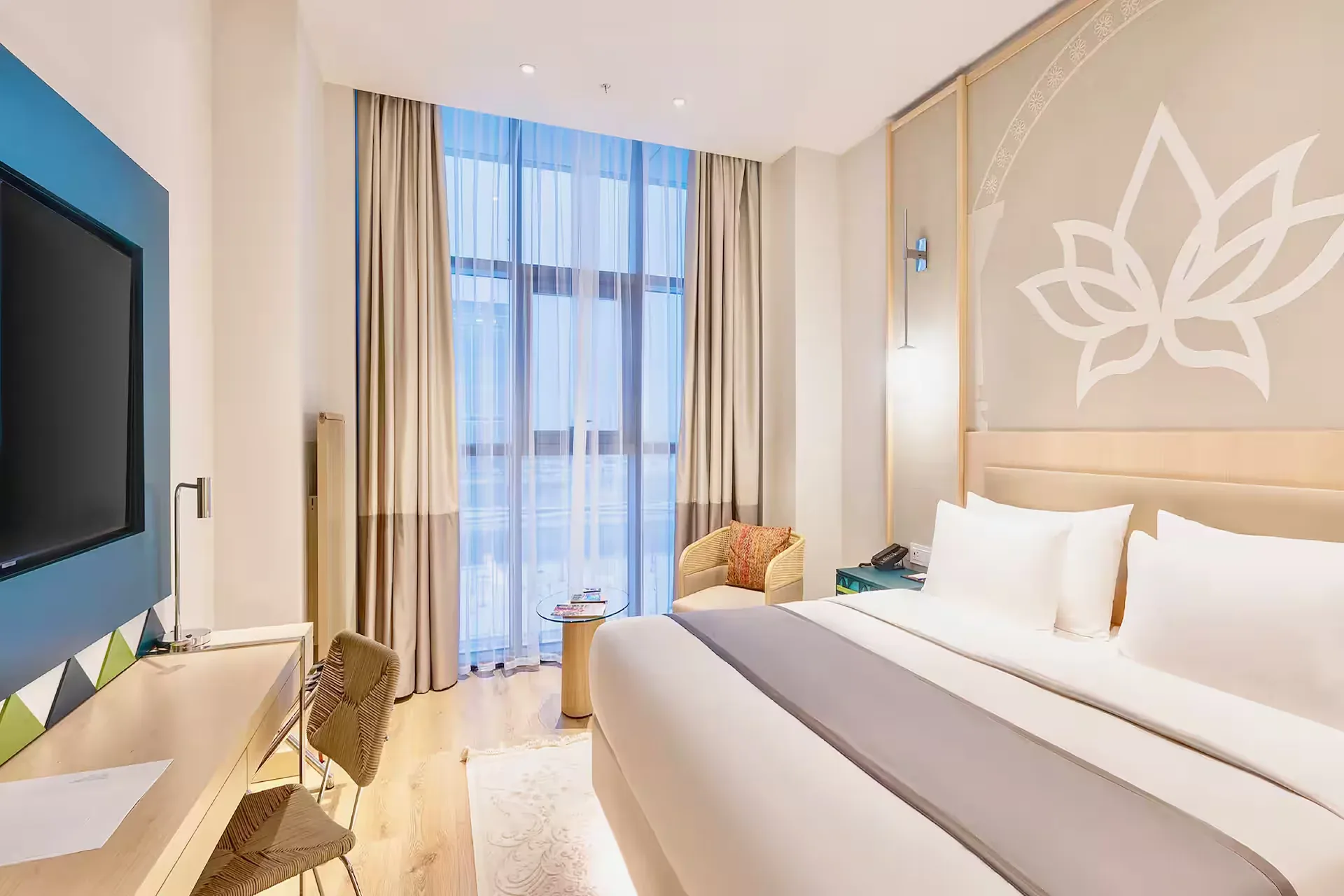 Silk Road Samarkand resort precinct
A Hilton Garden Inn resort stay at Grebnoy Kanal, pairing the Silk Road Samarkand precinct with a recognised hotel operator.
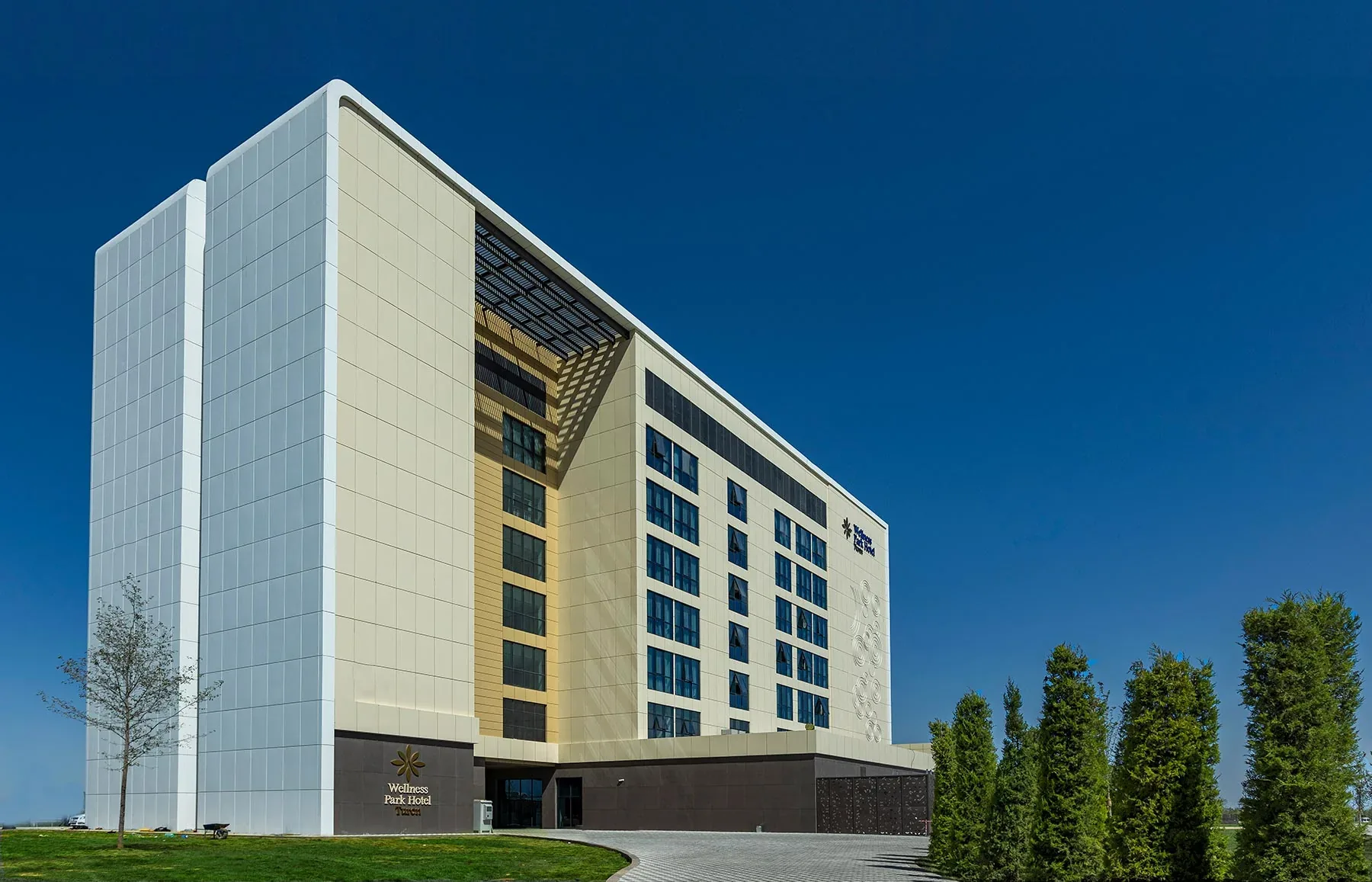 Silk Road Samarkand resort precinct
A canal-view wellness hotel with 82 rooms, fitness space, conference rooms and a lower-entry resort price.
 Samarkand
An art-led boutique hotel with handmade décor, buffet breakfast and individual room styles.
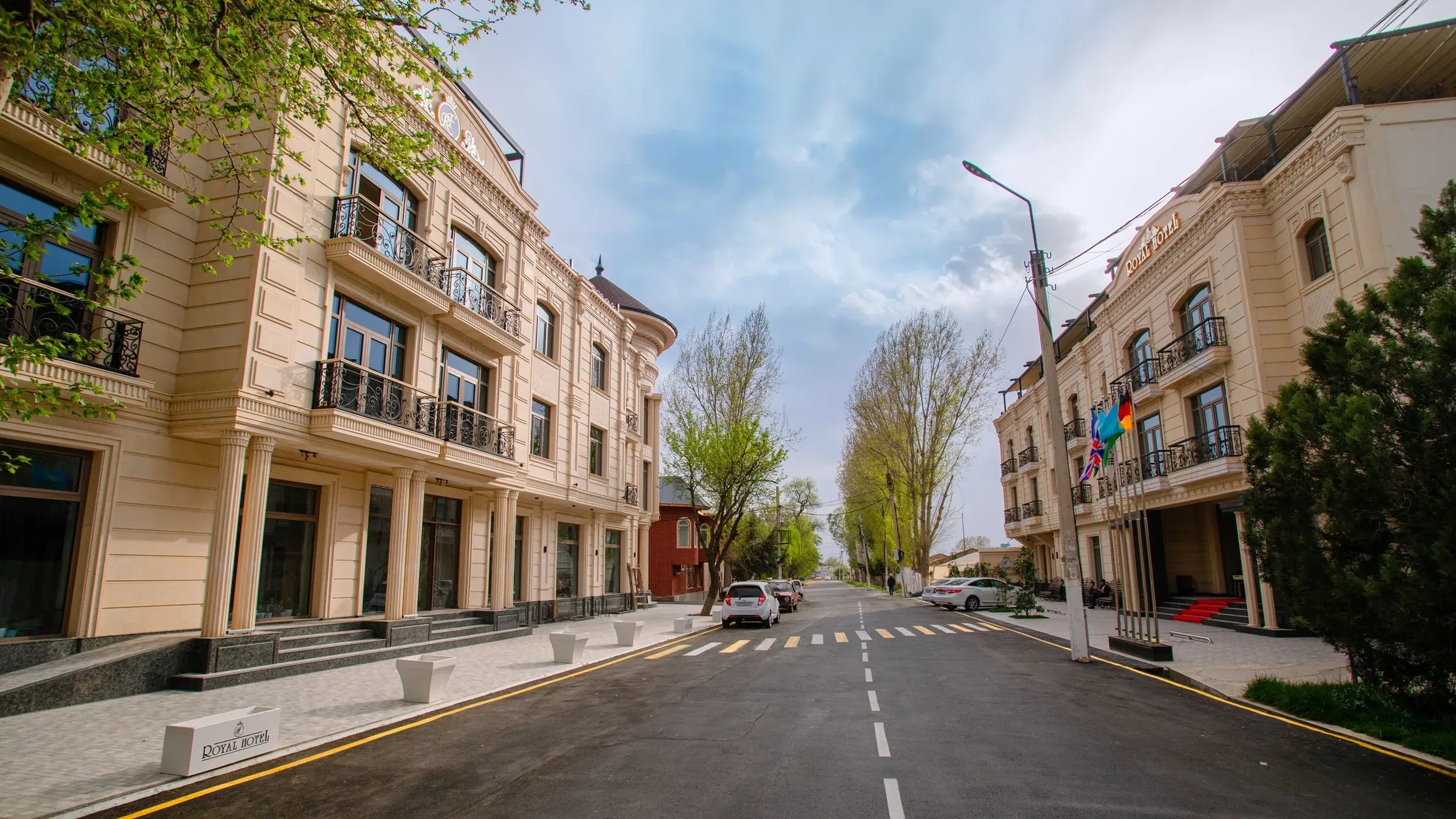 Samarkand
Royal Hotel Samarkand is a 50-room property with a restaurant, outdoor terrace, swimming pool, Jacuzzi and sauna, suited to travelers looking for a compact hotel base with leisure facilities.