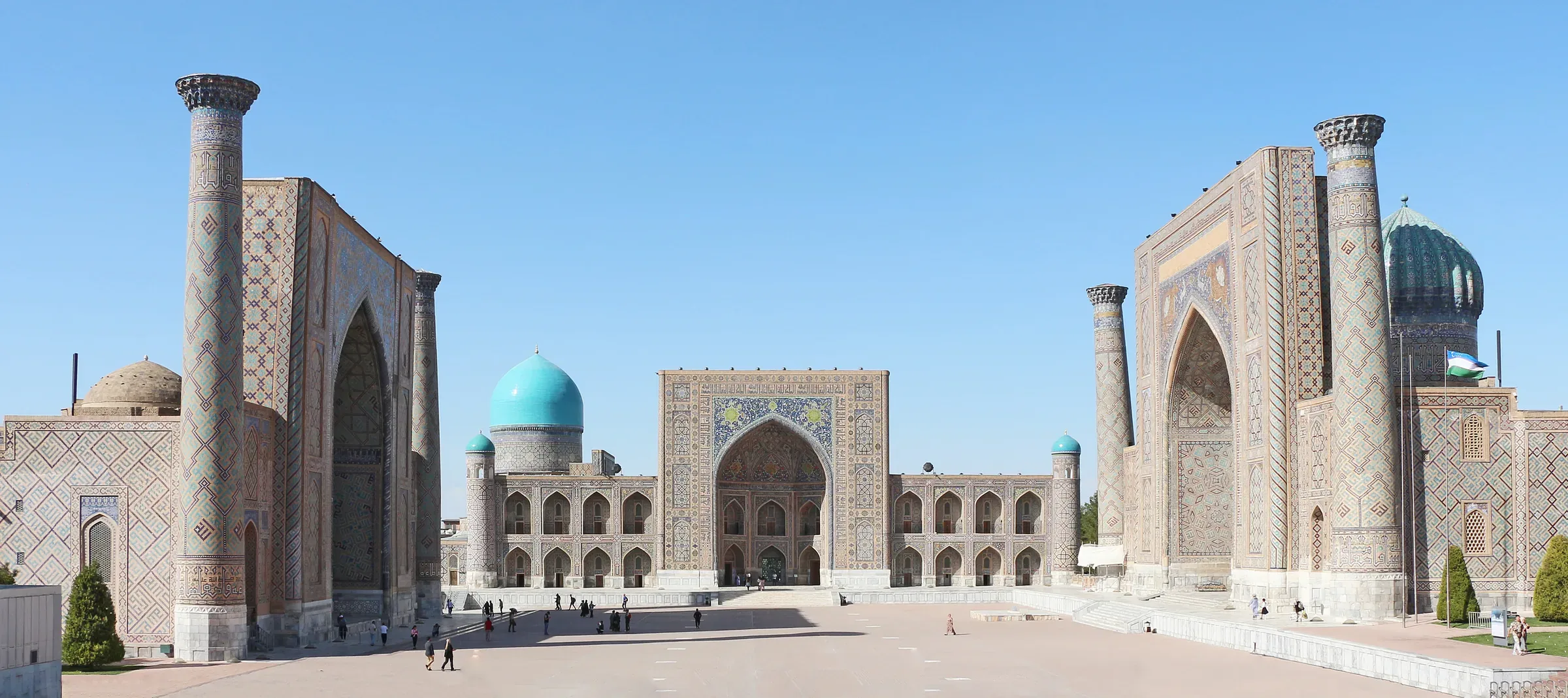
Overview
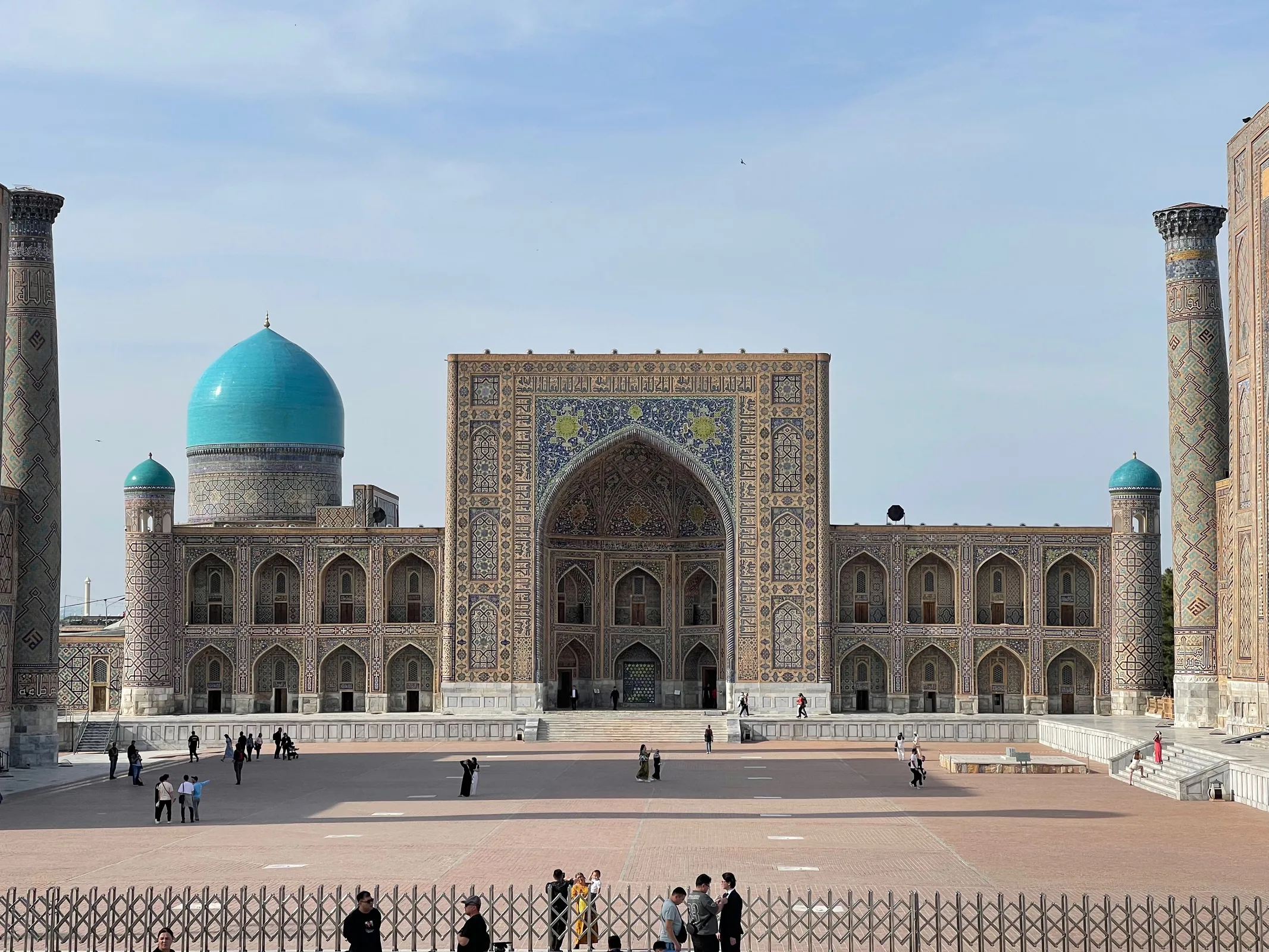
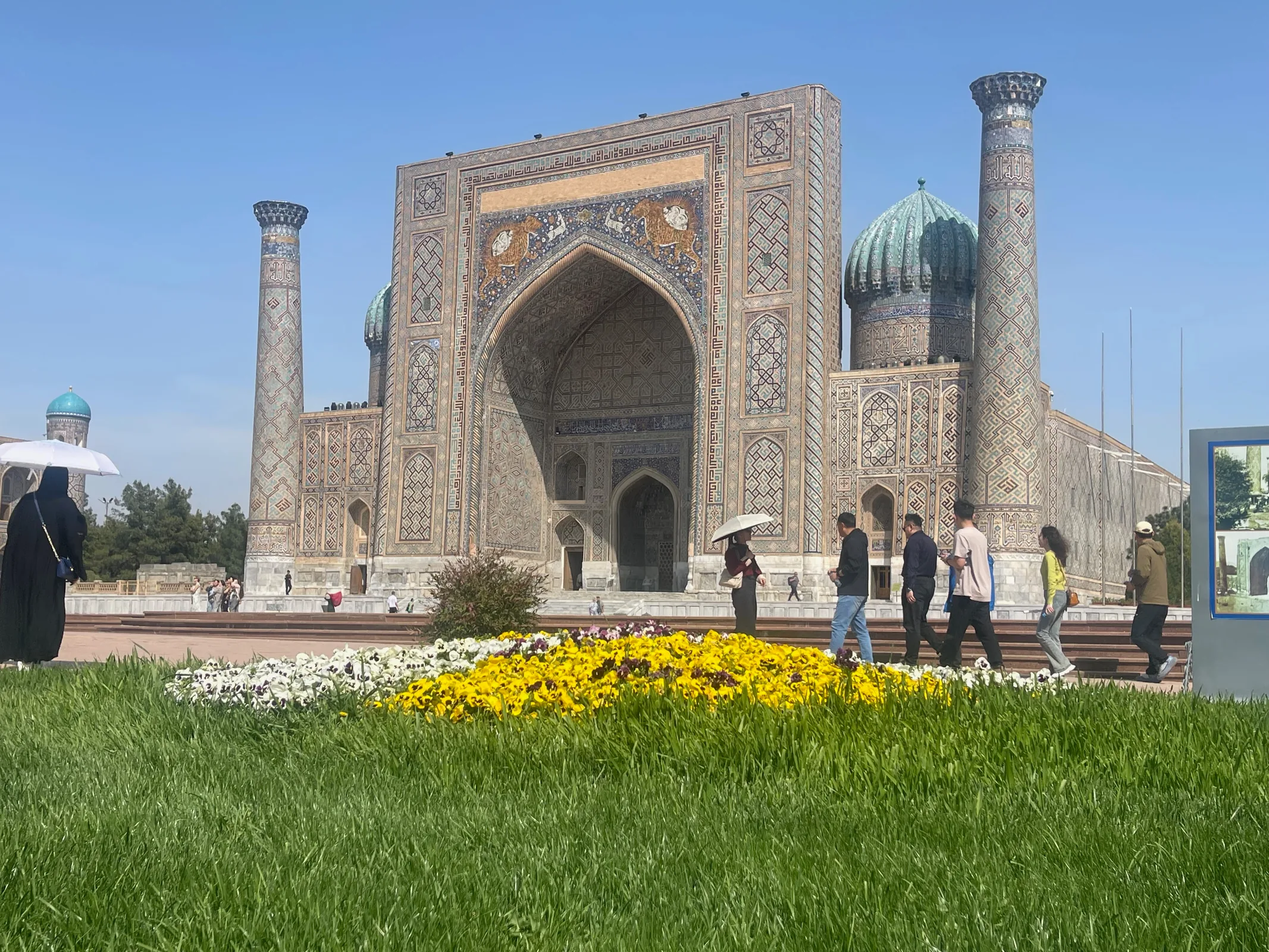
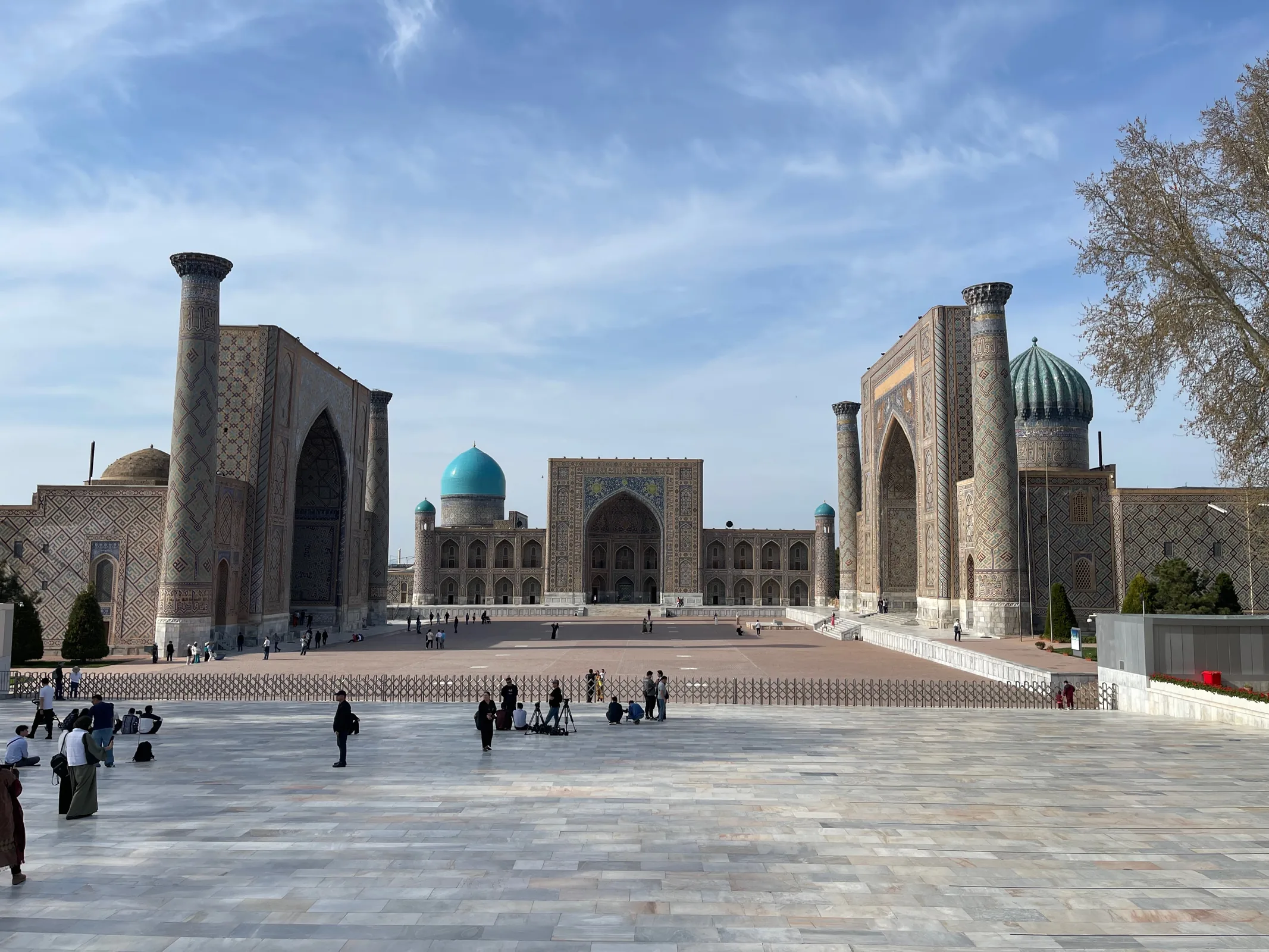
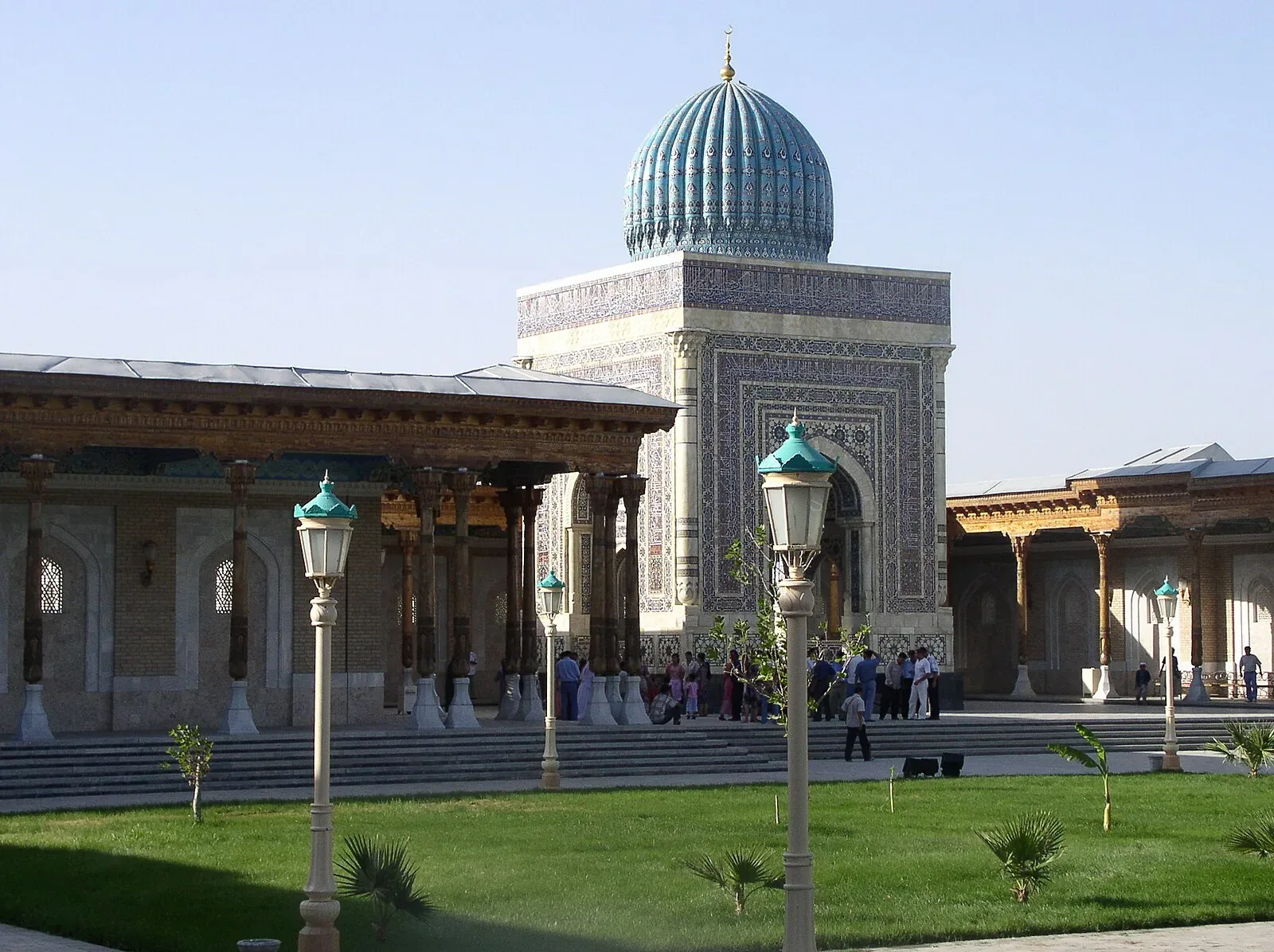
Samarkand's most visible transformation came in the fourteenth and fifteenth centuries, when Amir Timur made it an imperial capital and later Timurid patrons, including Ulugh Beg, shaped its religious, educational and scientific architecture. Registan, Gur-e-Amir, Bibi-Khanym, Shah-i-Zinda and the observatory are connected by this wider political and intellectual world, but each monument has its own chronology and function. Mausoleums and mosques should not be described interchangeably.
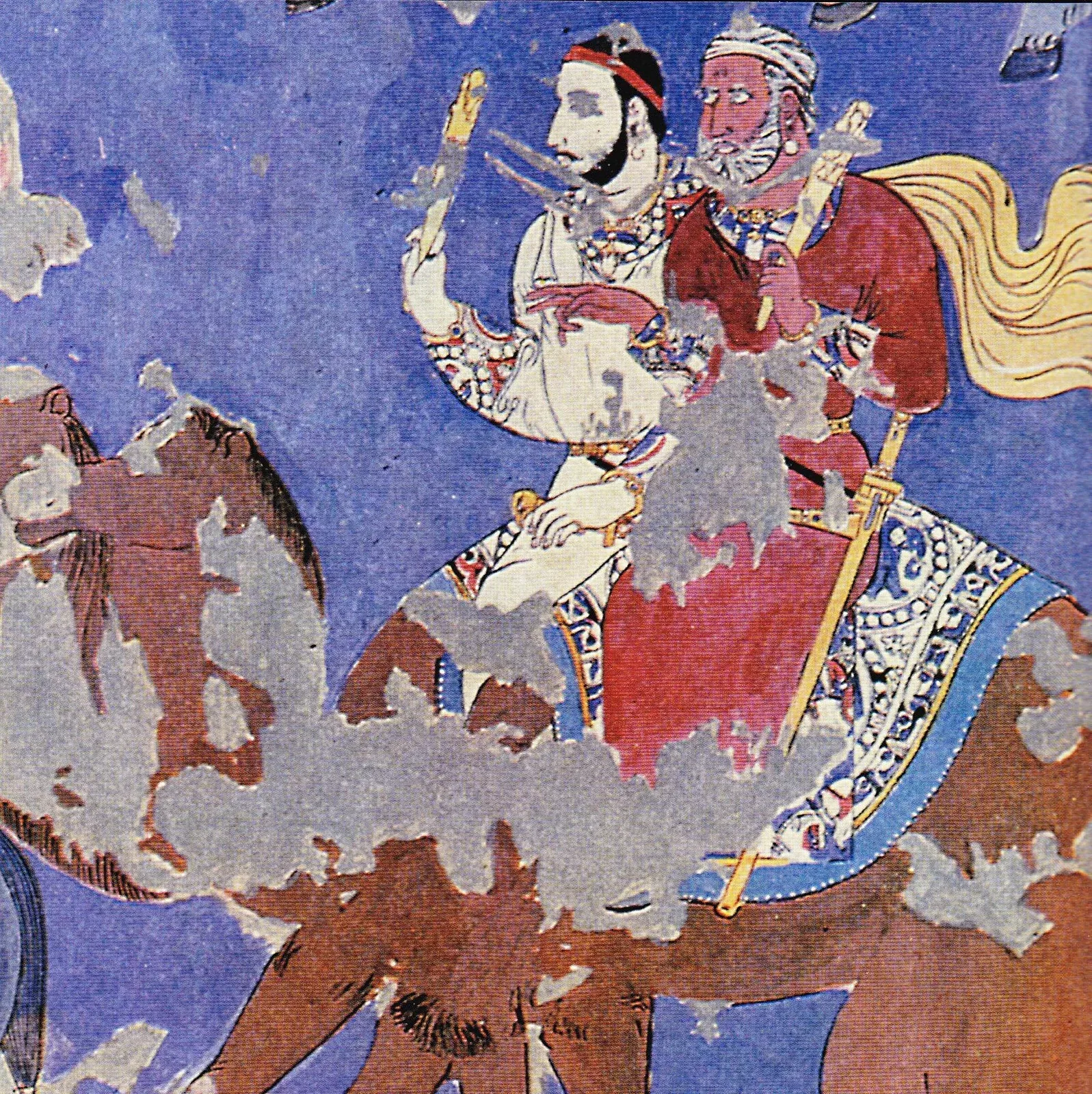
A nineteenth-century extension west of the old city introduced a different street pattern that later Soviet planning expanded. UNESCO's inscription recognizes this layered urban structure as well as individual monuments. A good visit therefore pairs the famous tiled ensembles with Afrasiab and a walk through the modern centre, while leaving contested attributions and restoration debates to qualified interpretation rather than presenting them as settled legend.