Overview
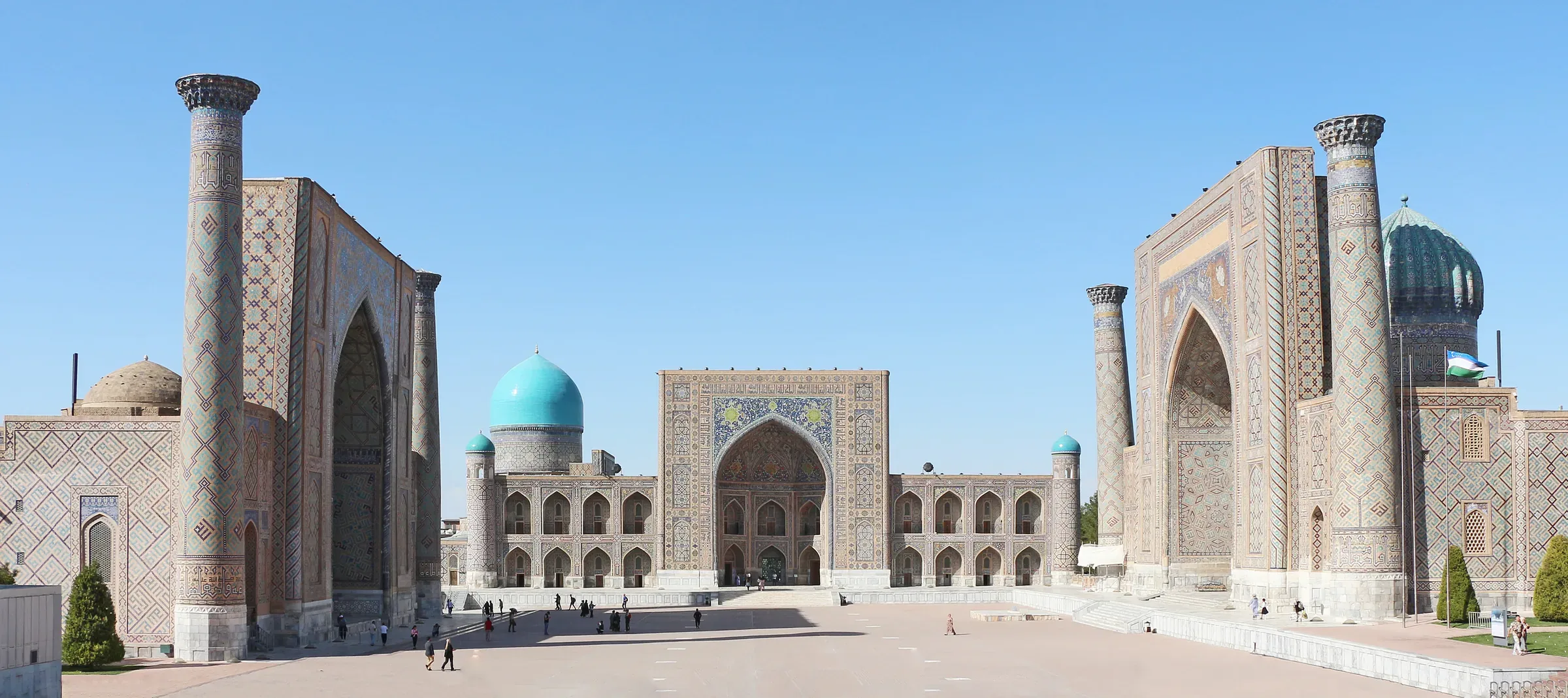
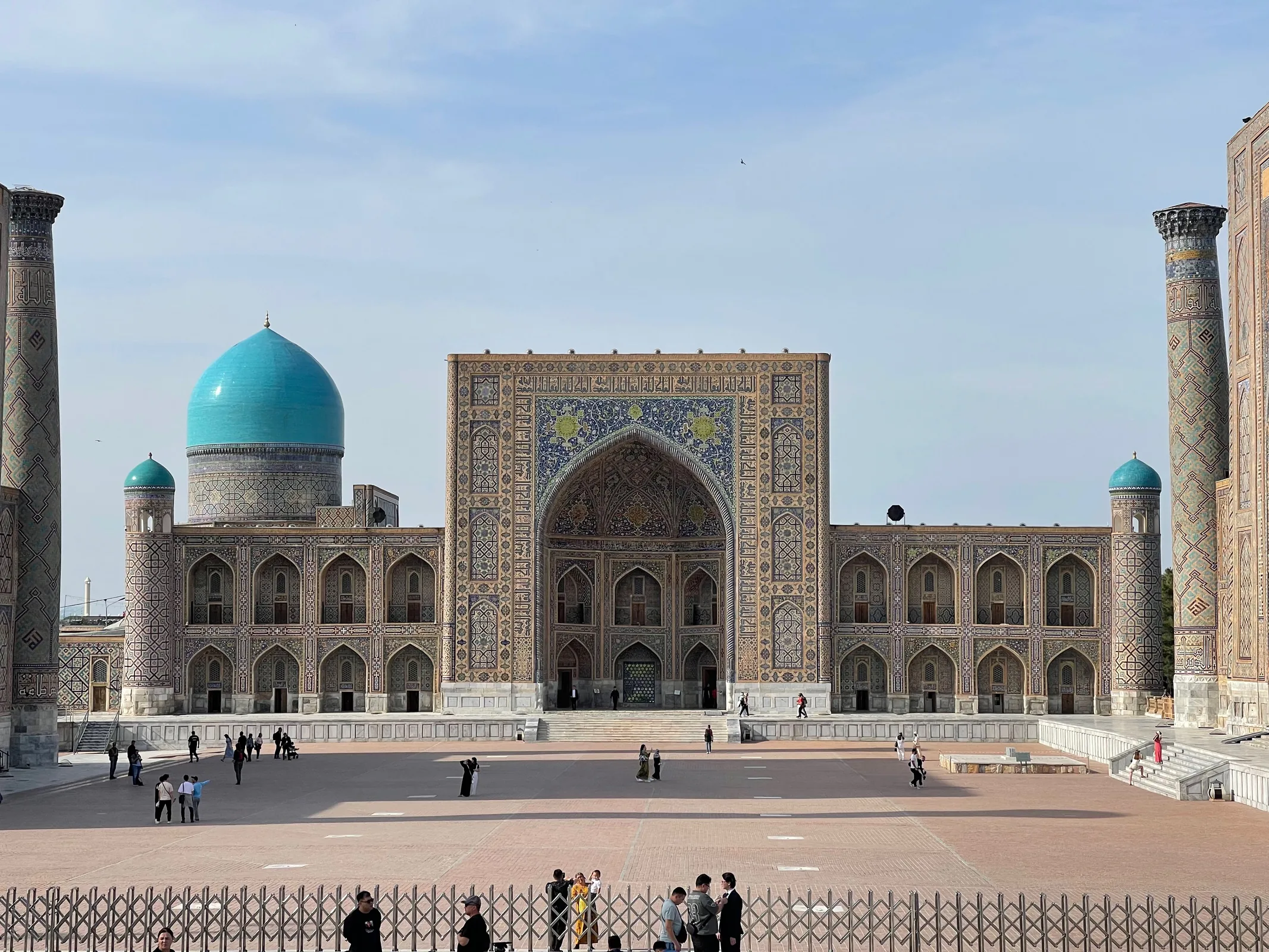
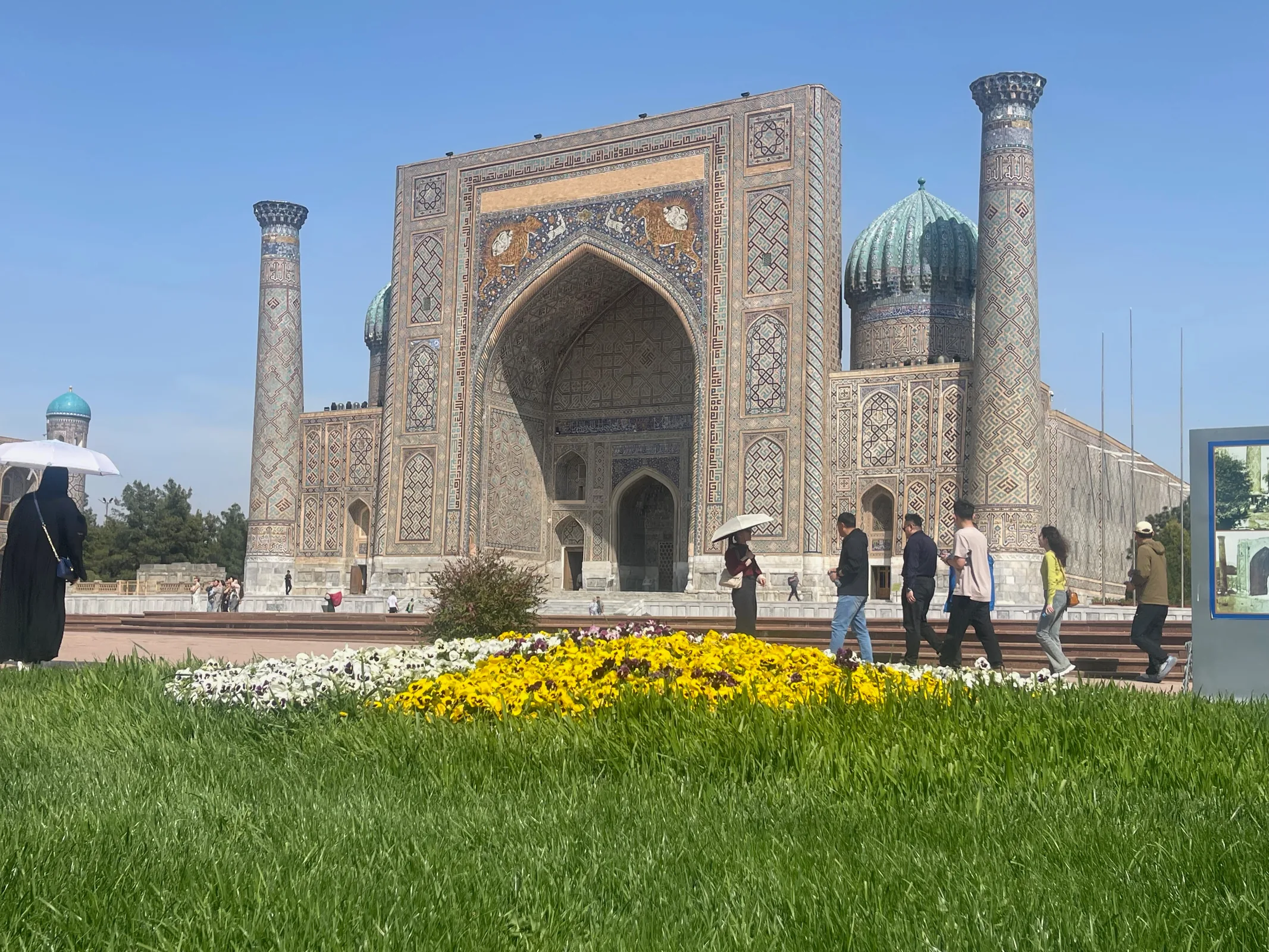
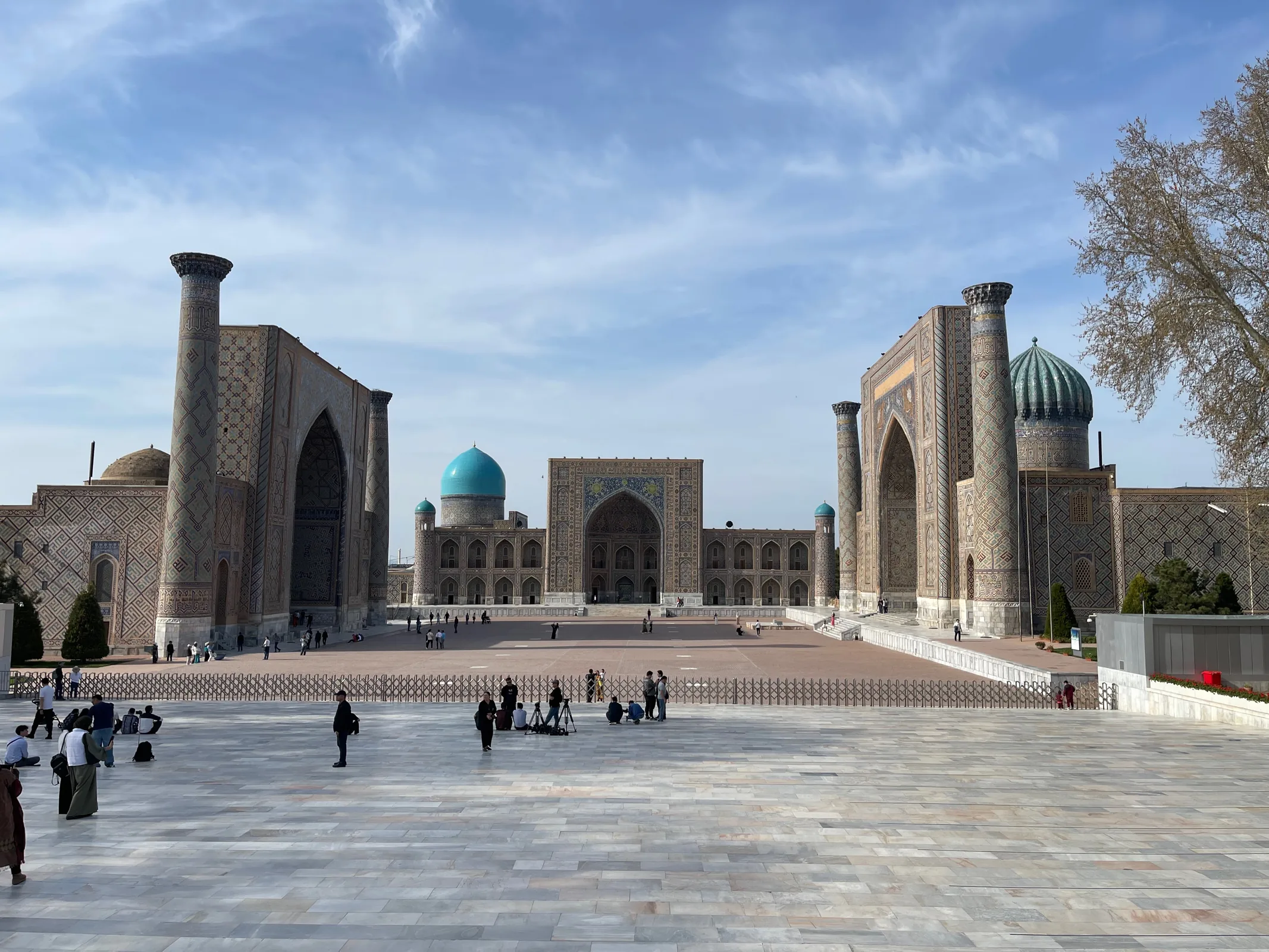
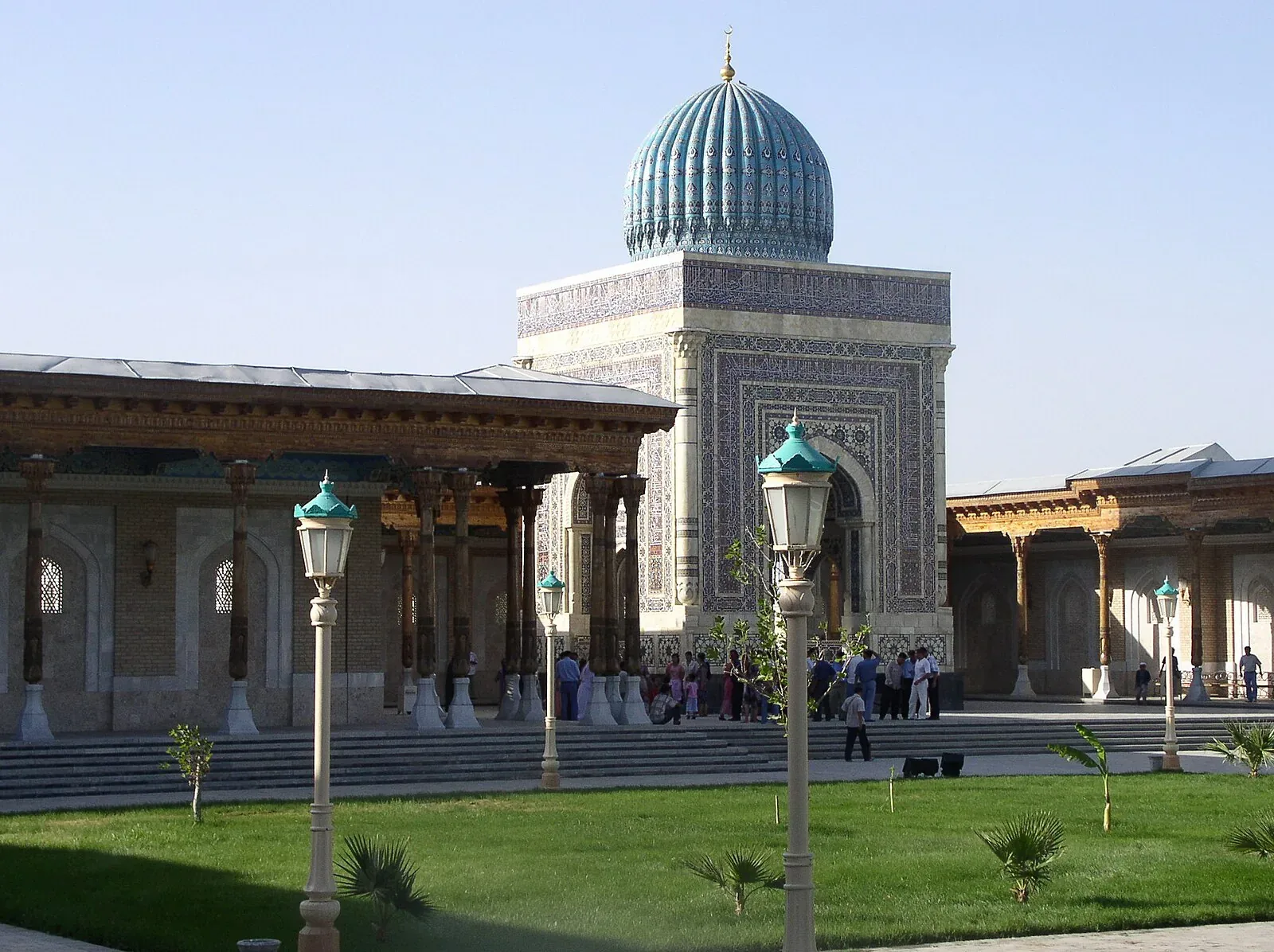
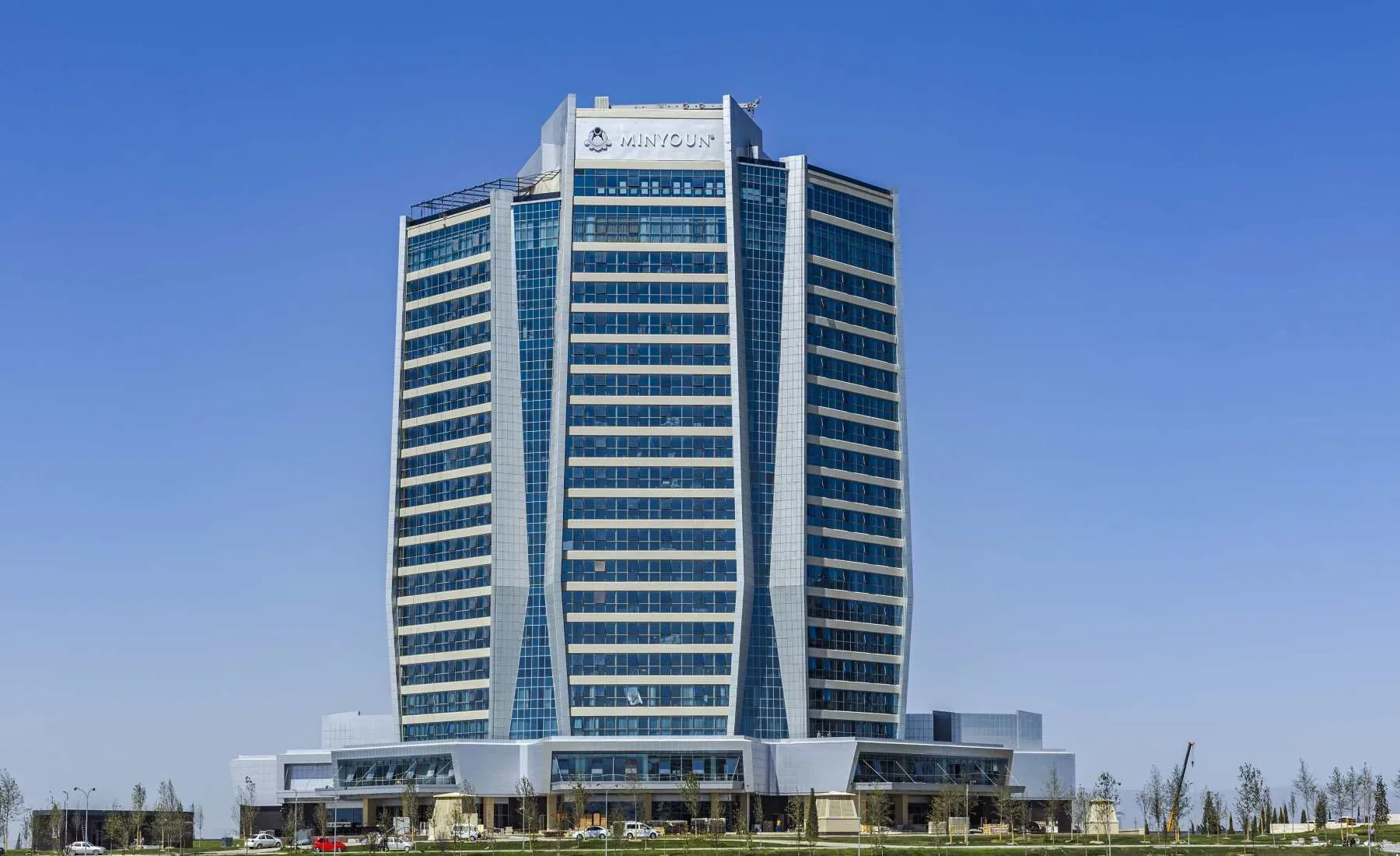
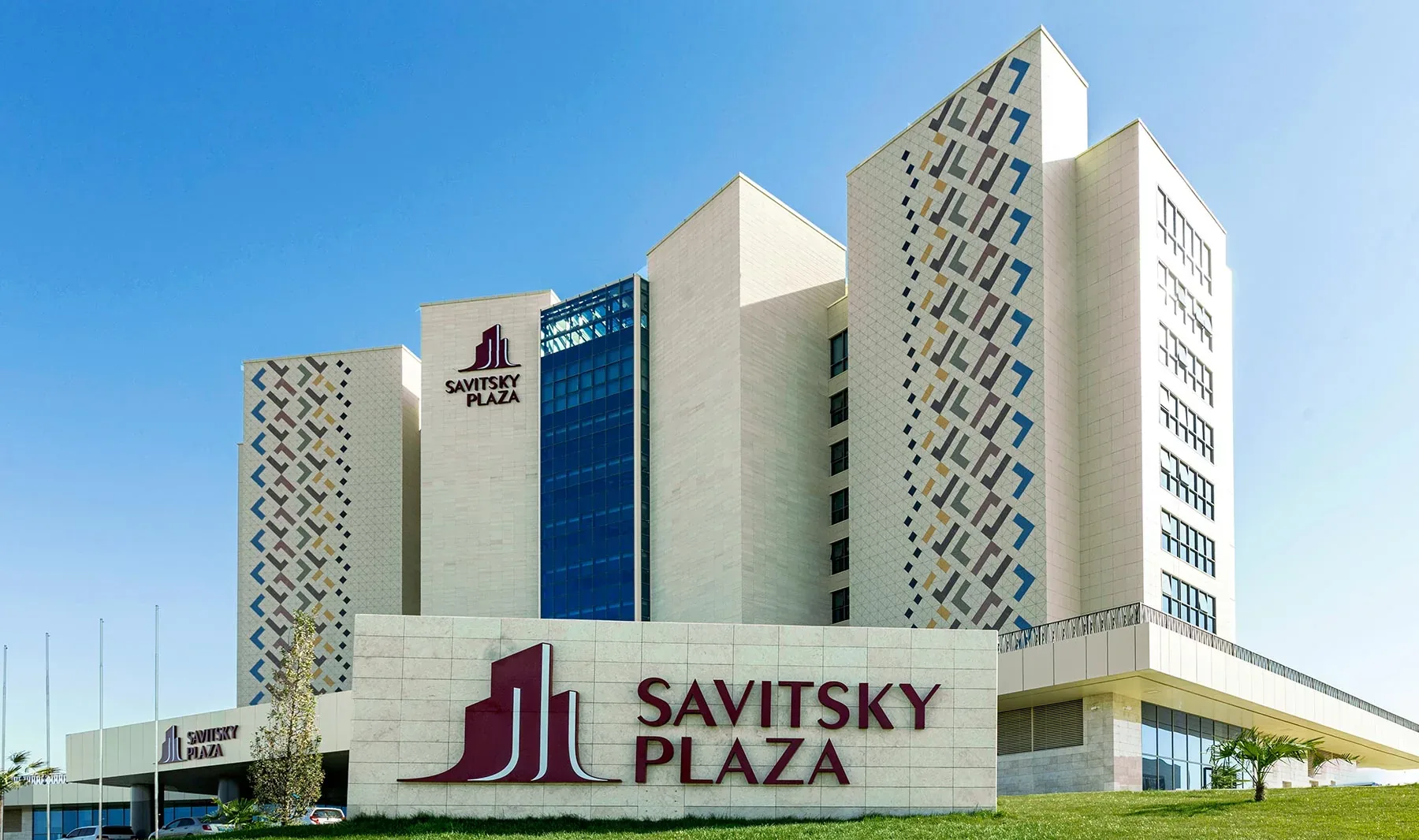
That geography should drive the trip. First-time visitors gain most from staying near the Registan–Gur-e-Amir axis and using taxis for Afrasiab, Konigil or the canal. Conference guests at Silk Road Samarkand should budget time and transport for the heritage core. Samarkand remains a Muslim-majority city with active mosques and pilgrimage traditions, yet international hotels and entertainment venues can follow different alcohol and dining practices; venue-level checks still matter.
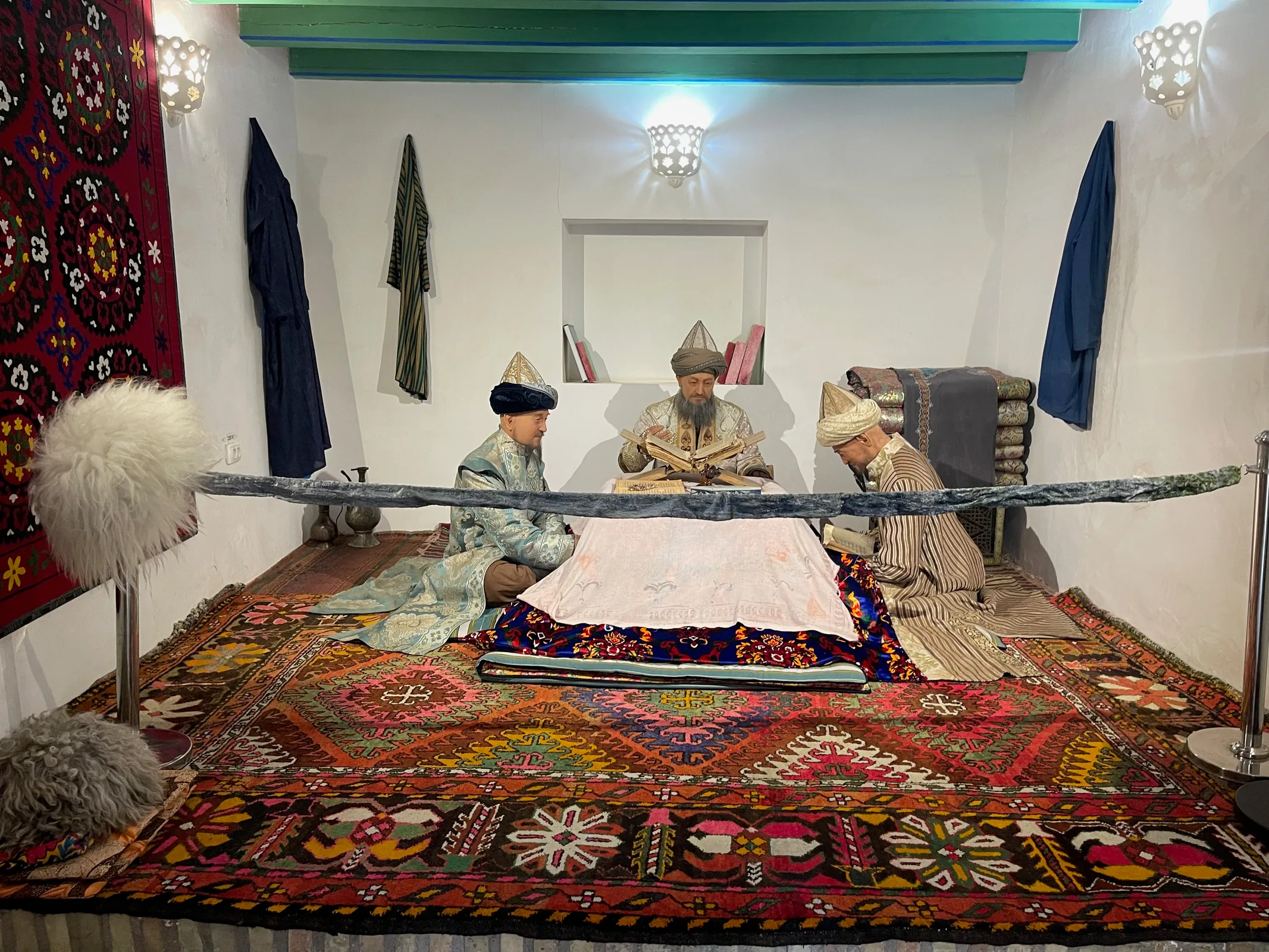
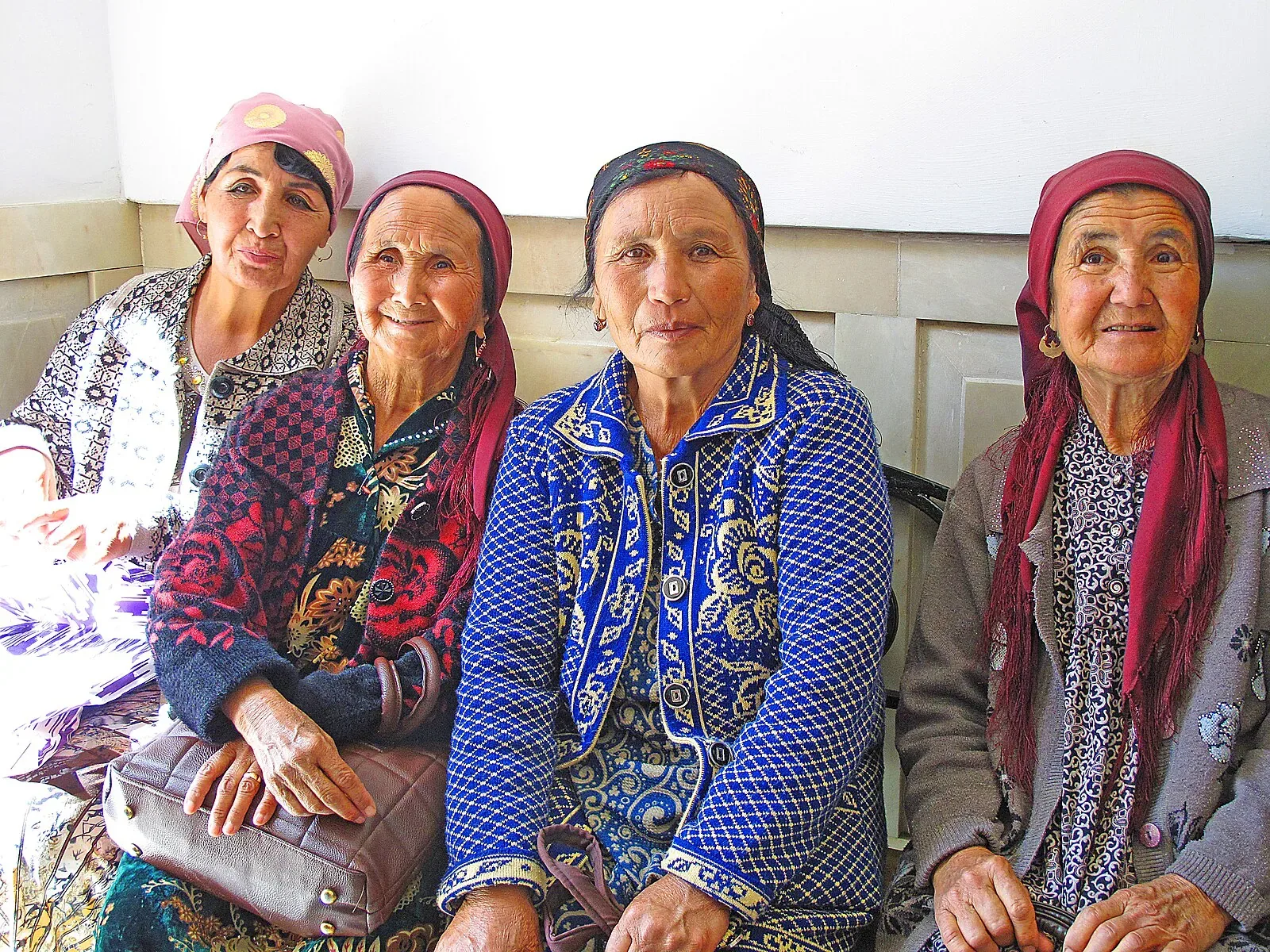
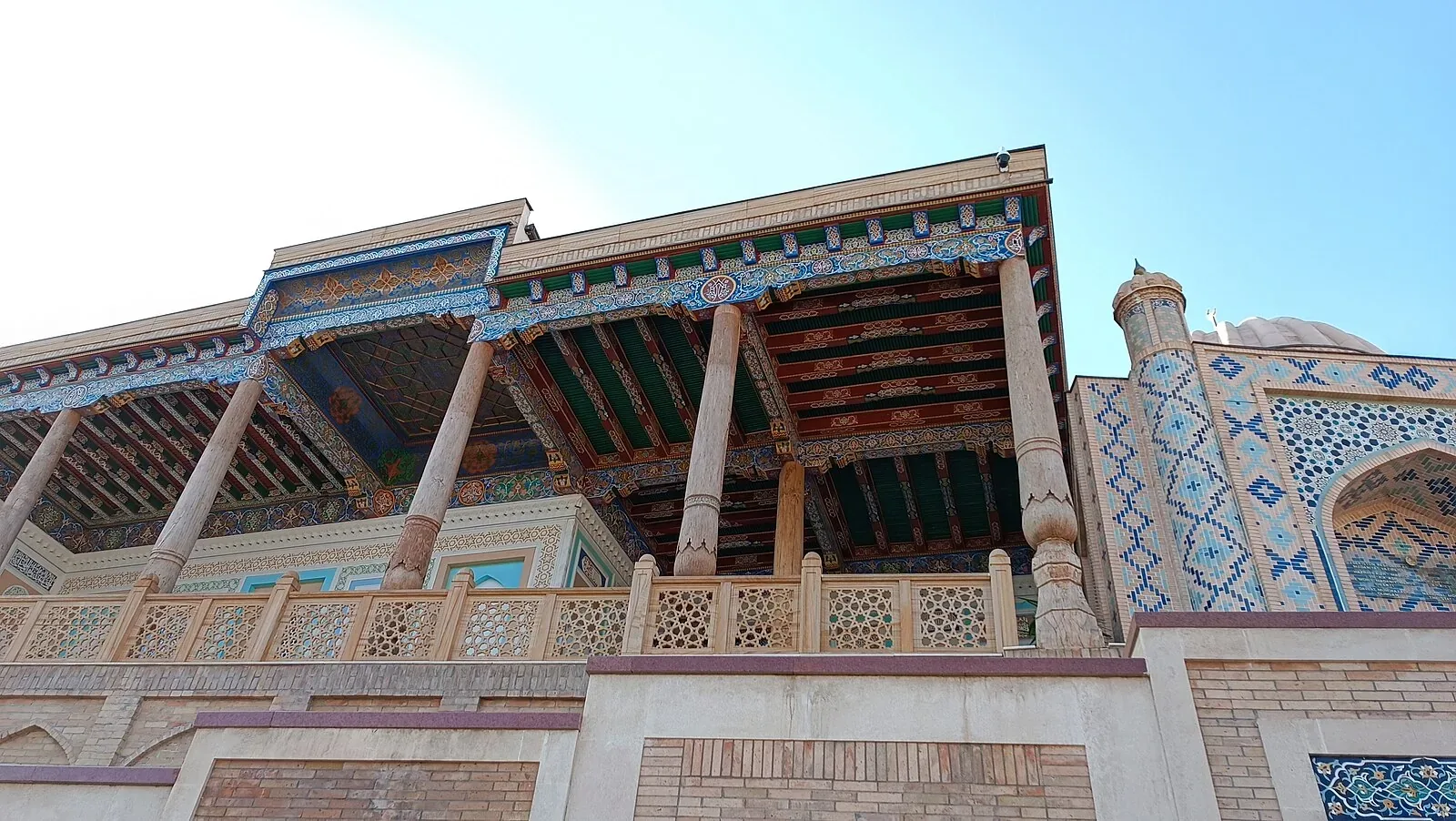
UNESCO treats Samarkand as an urban landscape whose archaeological, Timurid and nineteenth-century layers must be understood together. Travelers can support that living character by using local guides, buying directly from credible artisans, avoiding intrusive photography in mahallas and recognizing that conservation work or access controls are part of protecting the city rather than an inconvenience staged for tourists.