
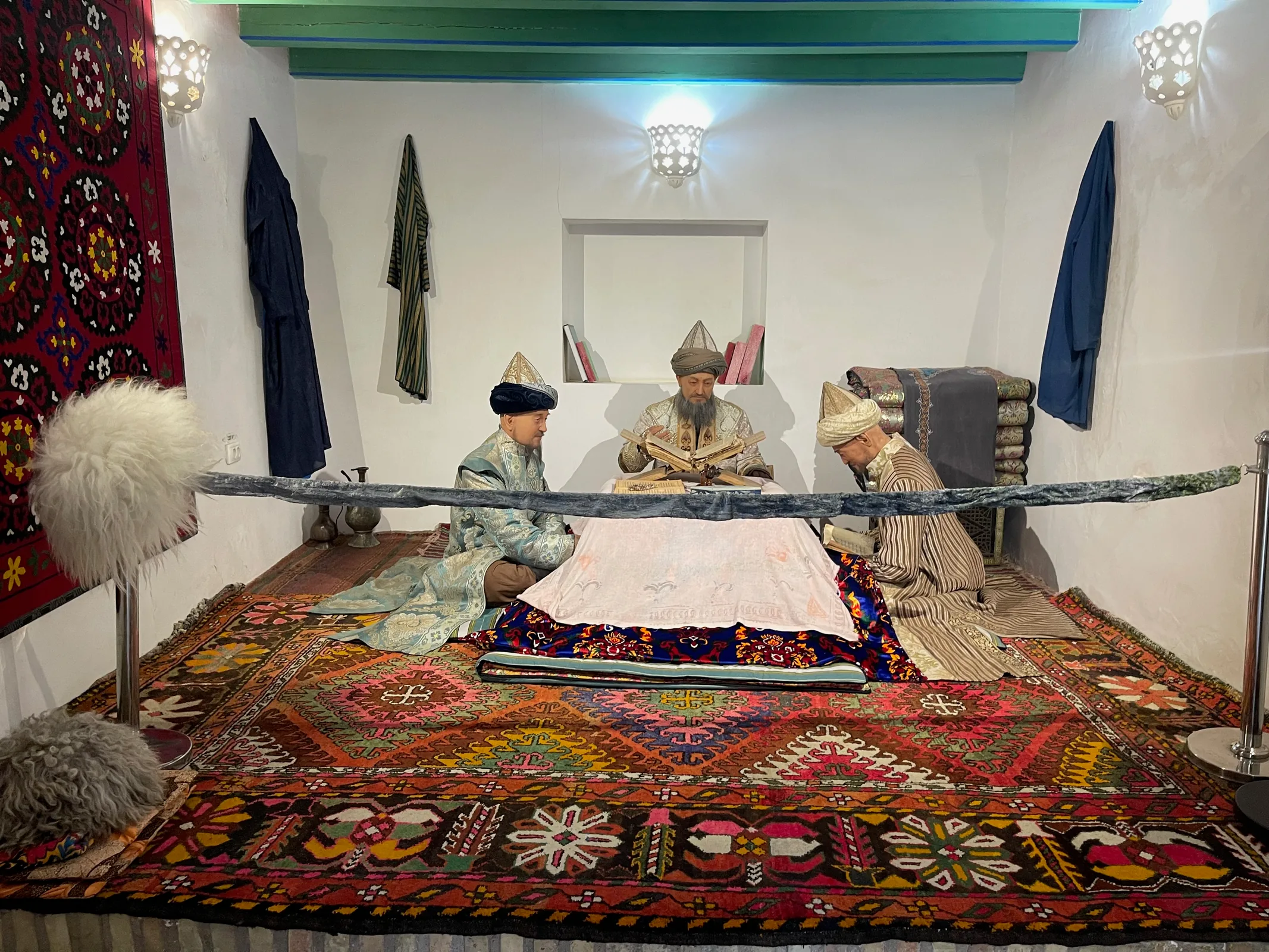
 Registan heritage core
Ulugh Beg Madrasah
Top pickmadrasah
Registan’s fifteenth-century madrasah, associated with Ulugh Beg’s scholarly legacy and marked by astronomy-themed portal decoration.
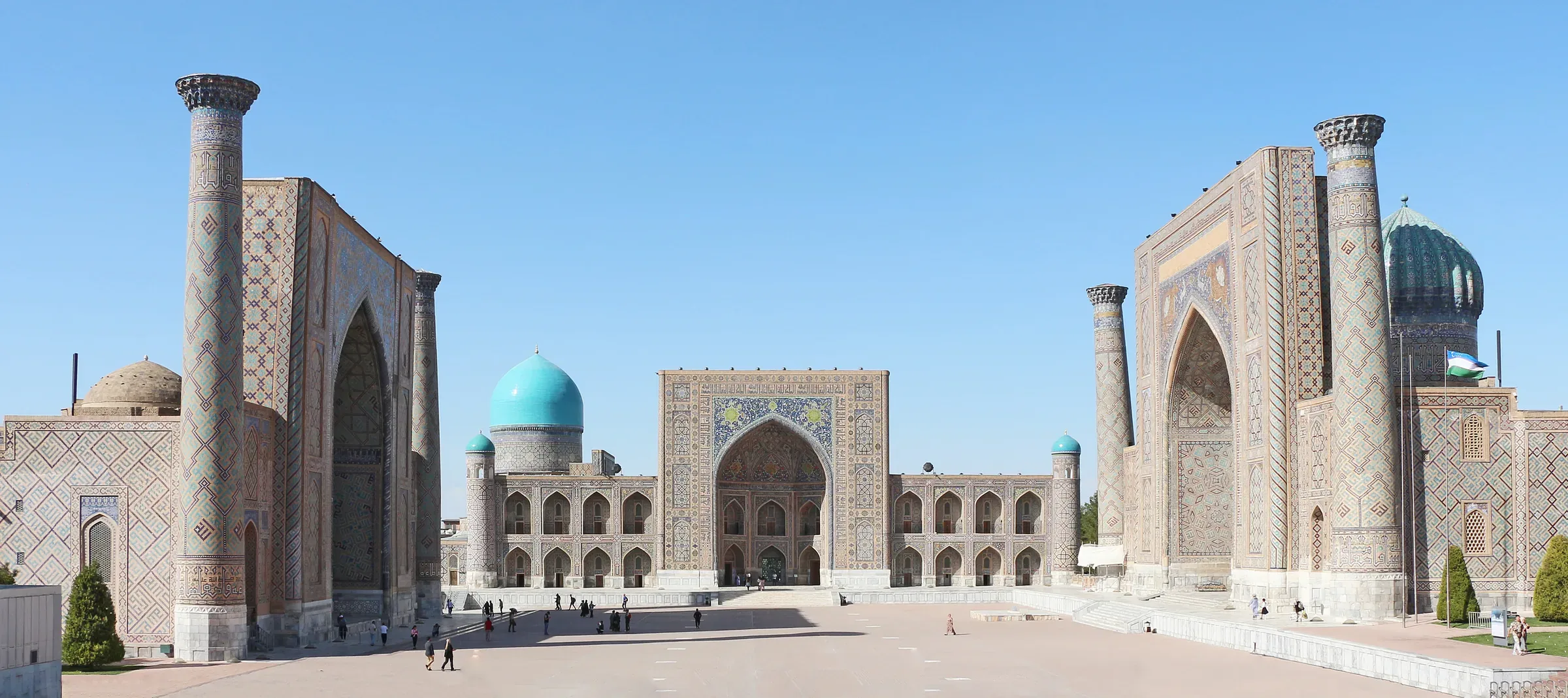
Samarkand's Islamic inheritance is central to the city, but heritage status and a Muslim cultural setting do not prove present-day prayer facilities at every monument or venue.
Showing 1–20 of 20 masjids
City guide section
Showing 1–20 of 20 masjids
Browse the highlights below, then open any place for maps, area notes, and practical details.
Section guidance
Treat active mosques, mausoleums, cemeteries and pilgrimage sites as distinct. A mosque may provide congregational prayer while a restored madrasa operates primarily as a monument; a mausoleum may receive pilgrims without functioning as a full prayer facility. Shah-i-Zinda contains multiple sacred and funerary spaces and should not be reduced to a single mosque listing. For each record, Irhal must verify current worship access, women's space, wudu, Friday arrangements, dress and photography separately.
Dress modestly, remove shoes where directed and avoid crossing in front of worshippers. Friday and Eid prayers can fill active mosques and surrounding approaches, so sightseeing should yield to the congregation. Women should carry a light scarf and ask locally about the correct entrance; a lack of published information must remain 'unknown' rather than being converted into a promise of women's facilities.
Uzbek food culture includes palov, bread and samsa in Ramadan and Eid hospitality, but a traditional menu is not the same as audited halal certification. At each restaurant ask about meat sourcing, pork, alcohol and shared preparation. International hotels may operate bars. During Ramadan, confirm breakfast, iftar and opening hours directly. Prayer times should come from a current reliable service for Samarkand's date and location, not a static timetable embedded in evergreen copy.
Samarkand
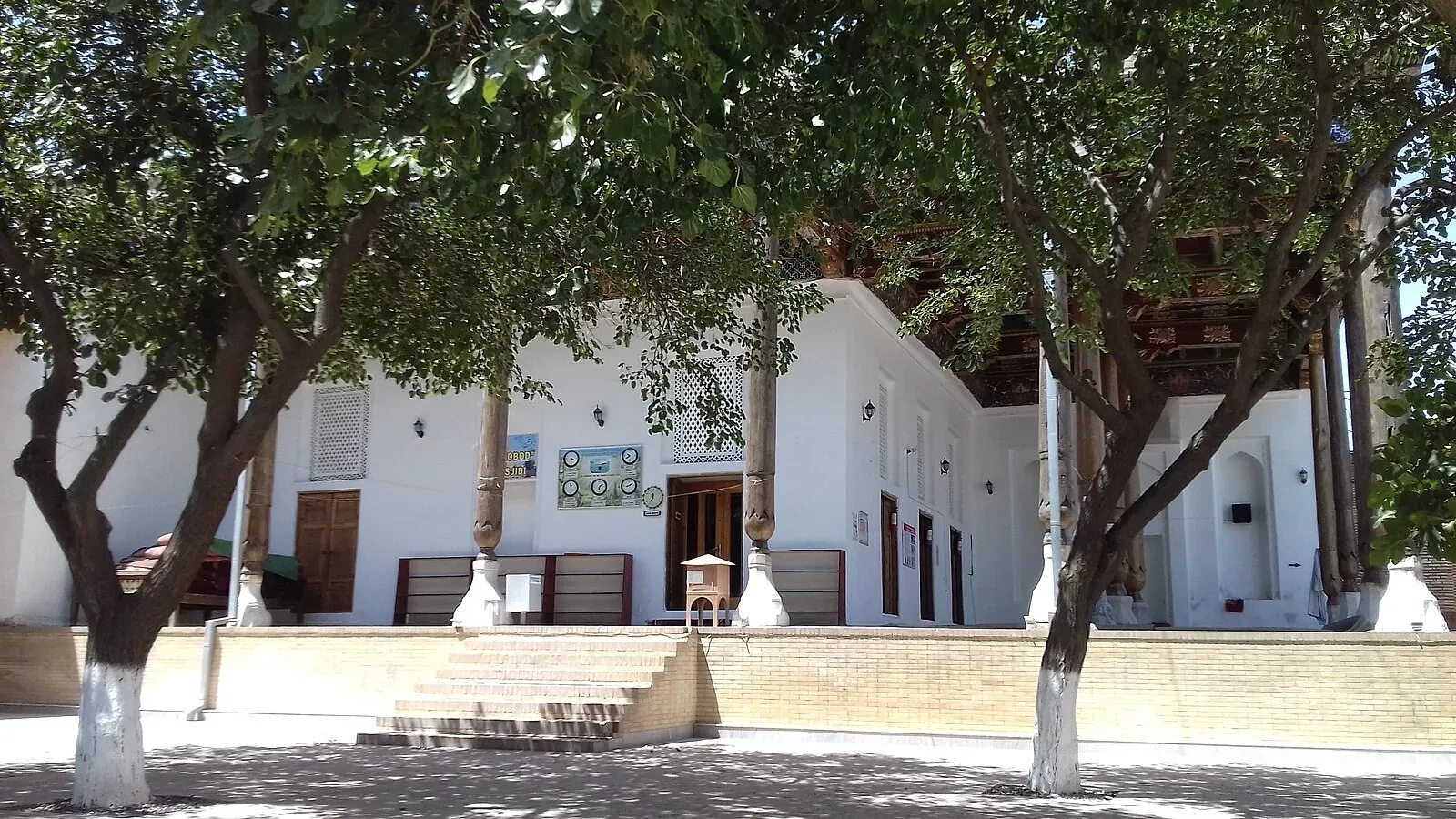
A central Samarkand mosque whose prayer-space architecture should be read separately from the nearby Ruhabad Mausoleum.
Samarkand
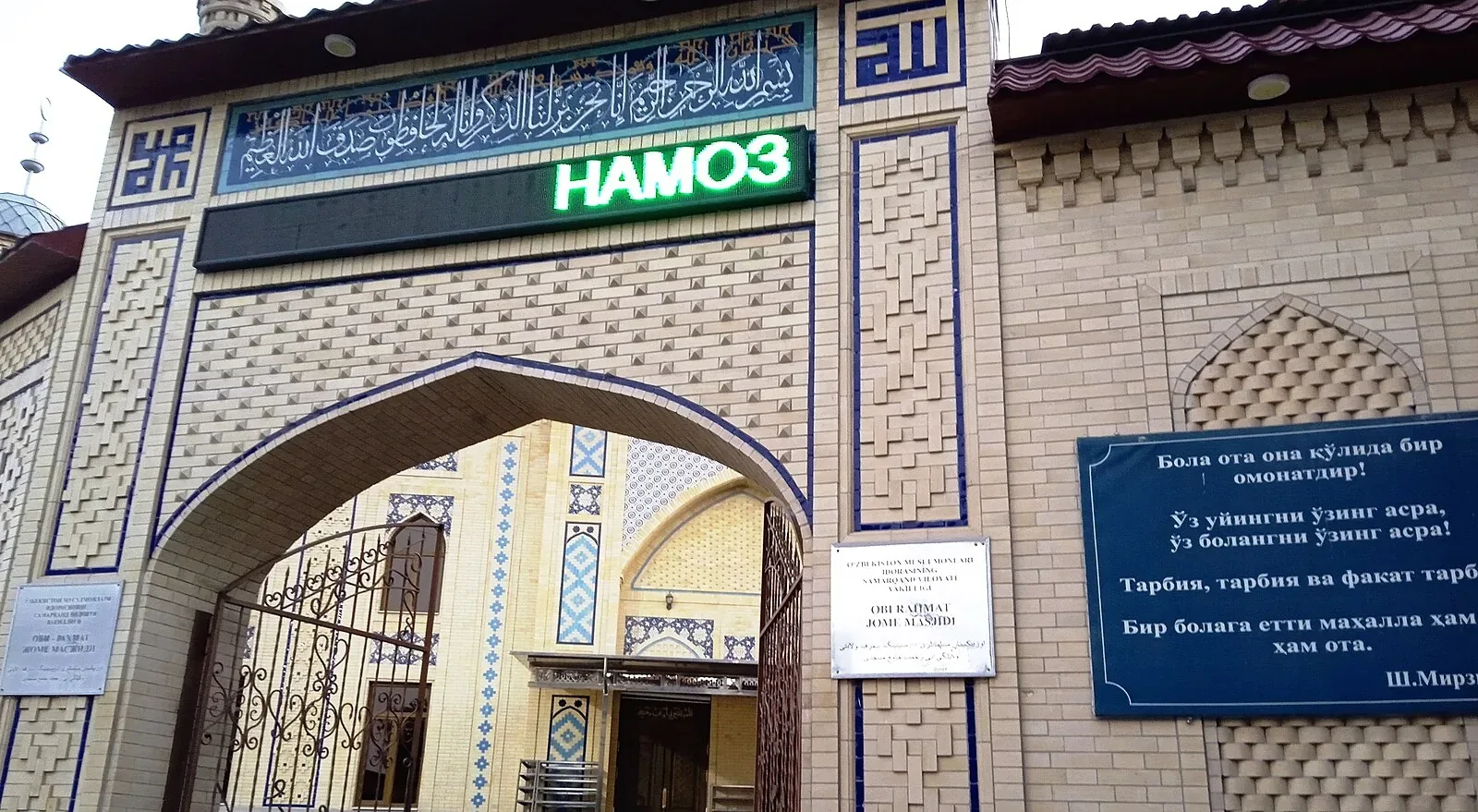
A local Samarkand mosque whose visible architecture offers a neighbourhood-scale perspective on the city’s Muslim heritage.
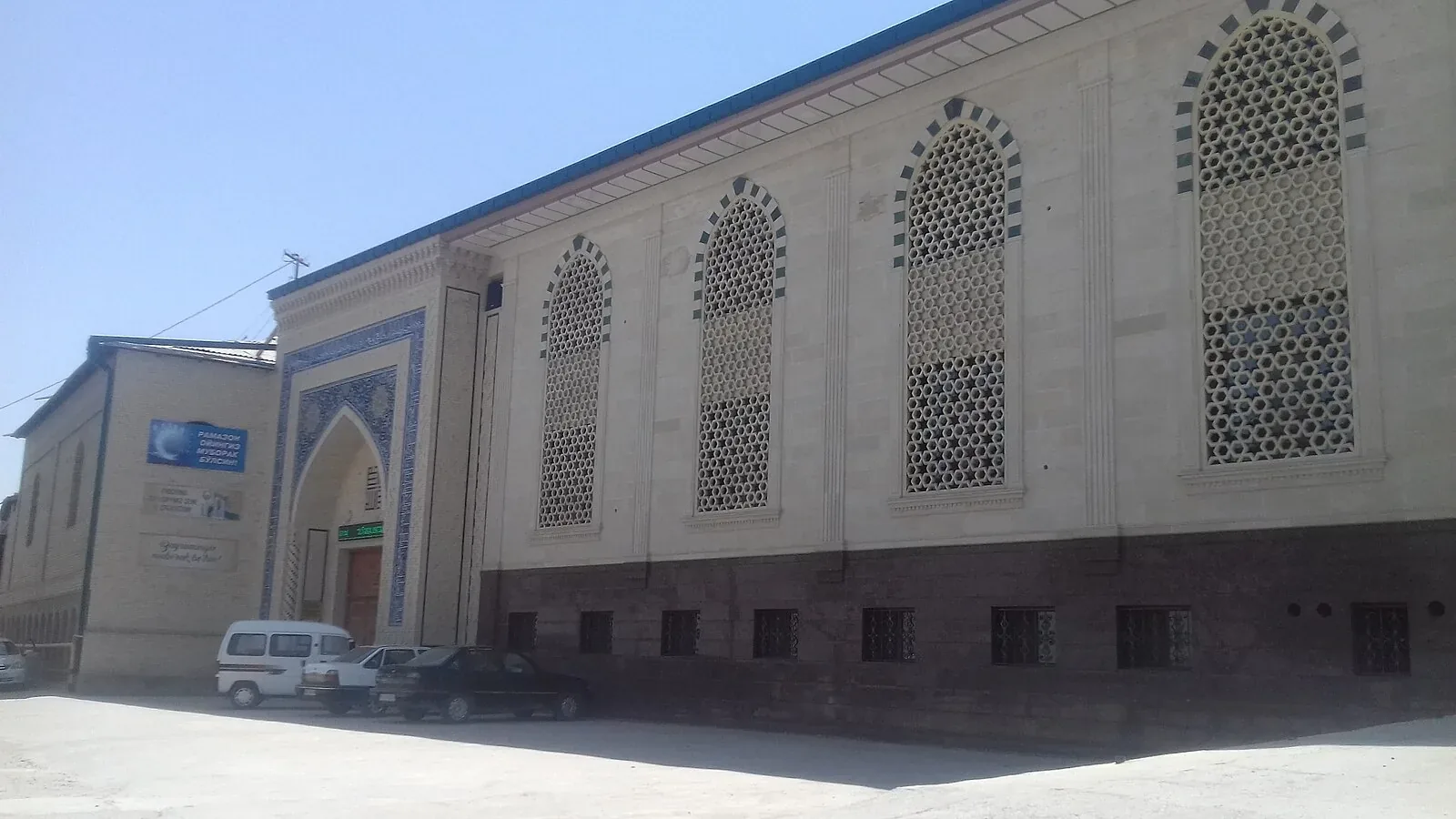
Samarkand
A local Samarkand mosque that adds a quieter layer to a Muslim-heritage route beyond the city’s headline monuments.
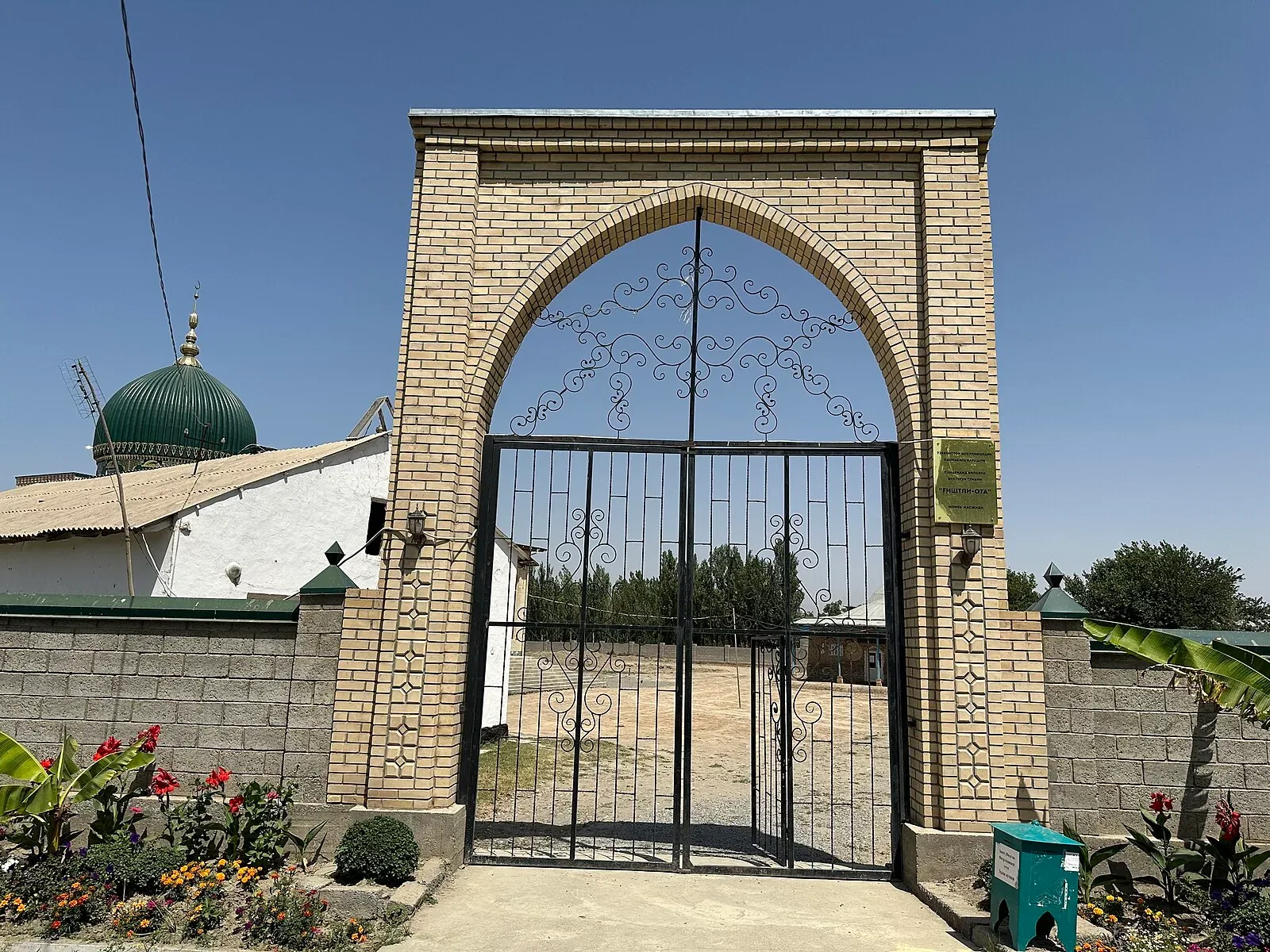
Samarkand
A local Samarkand mosque whose brickwork and gate character add a neighbourhood-scale chapter to a longer Muslim-heritage route.
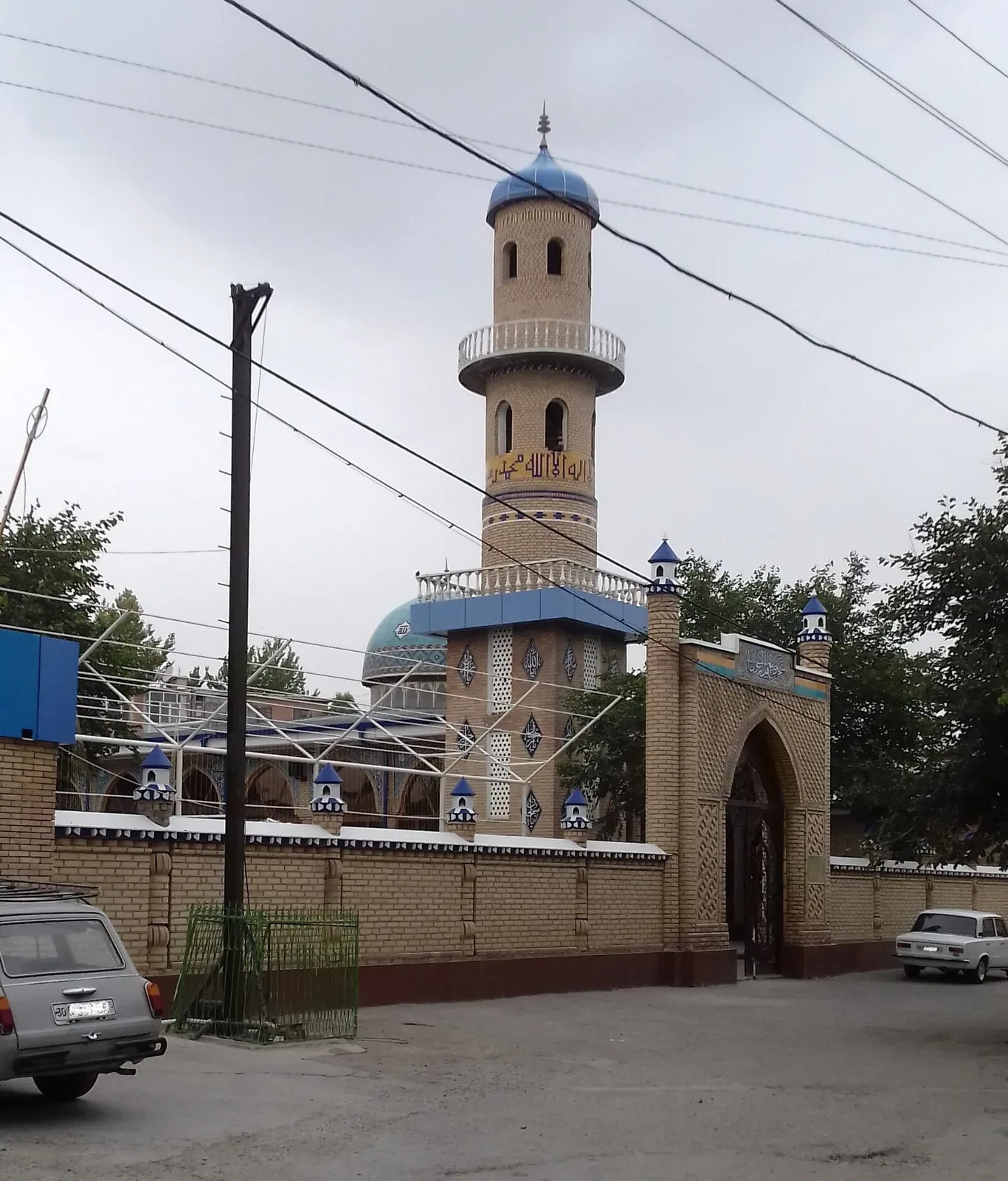
Samarkand
A Shia mosque in Samarkand that adds an important dimension to the city’s religious diversity and built Islamic heritage.
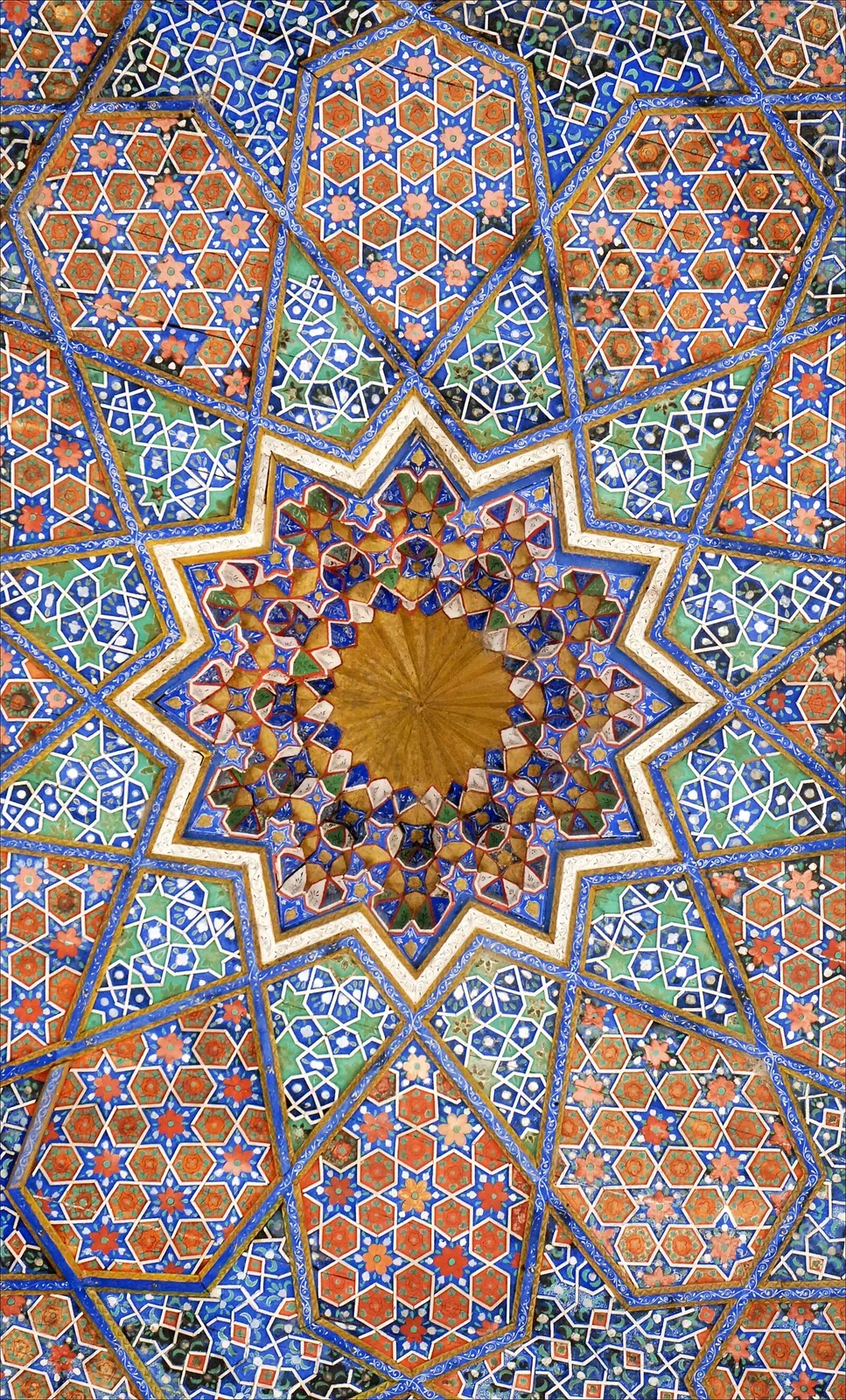
Samarkand
A historic Samarkand mosque associated with Khoja Ahrar, valued for its decorative interior and place in the city’s Muslim heritage.
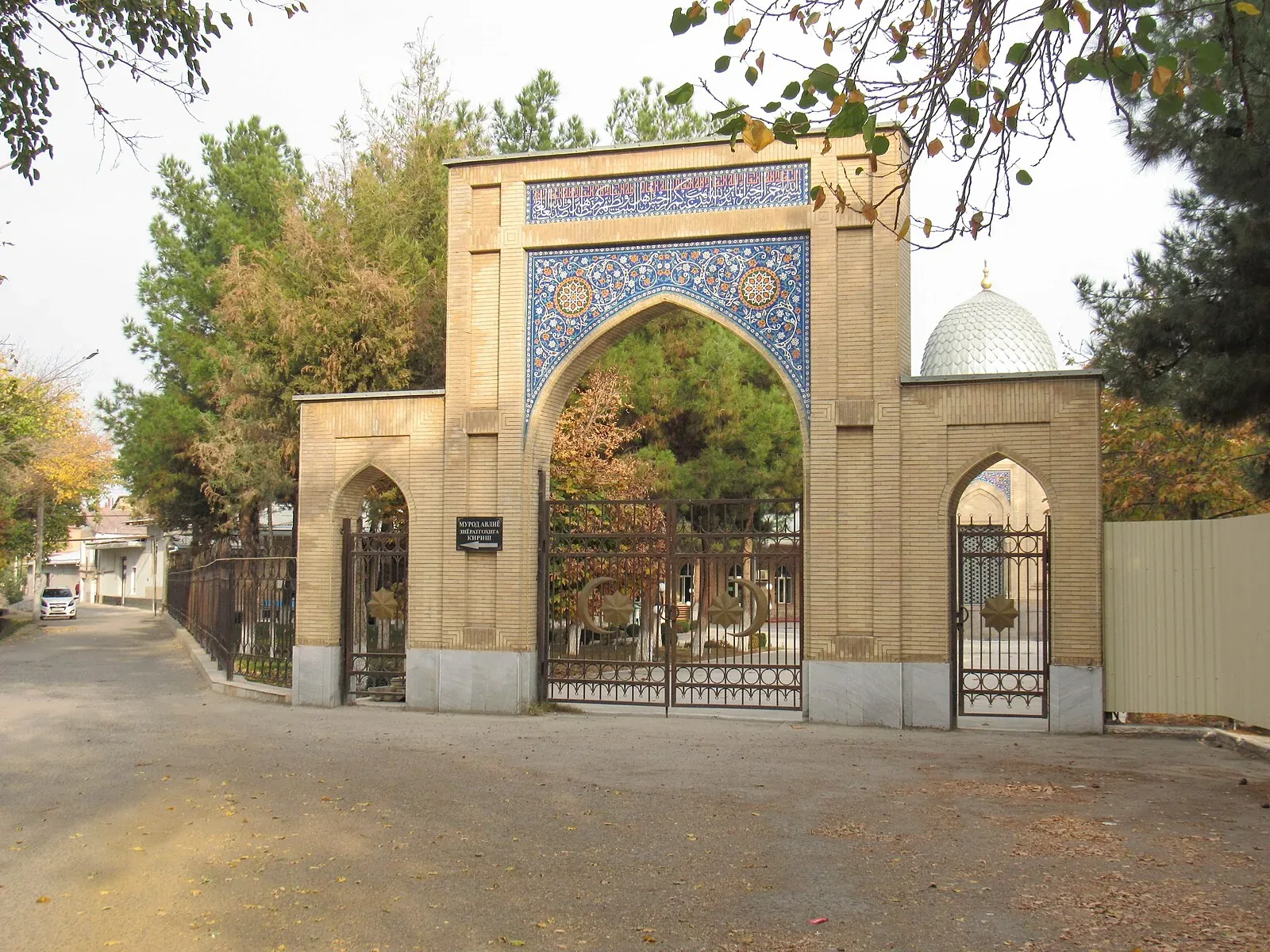
Samarkand
A mapped Shia mosque beside the Murad Avliya Mausoleum in Samarkand’s western urban area.
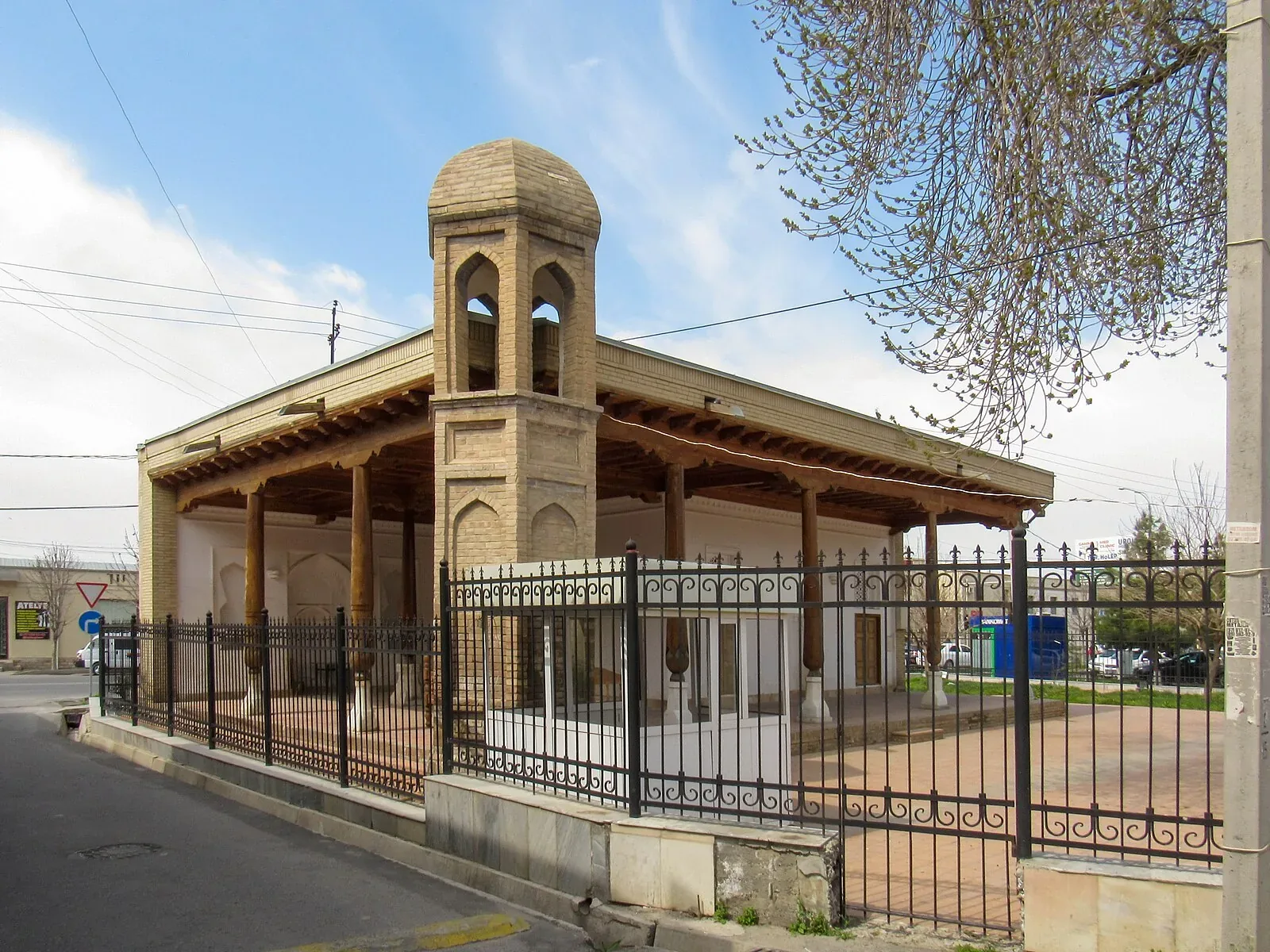
Samarkand
A mapped Sunni religious complex in Samarkand’s historic quarter.
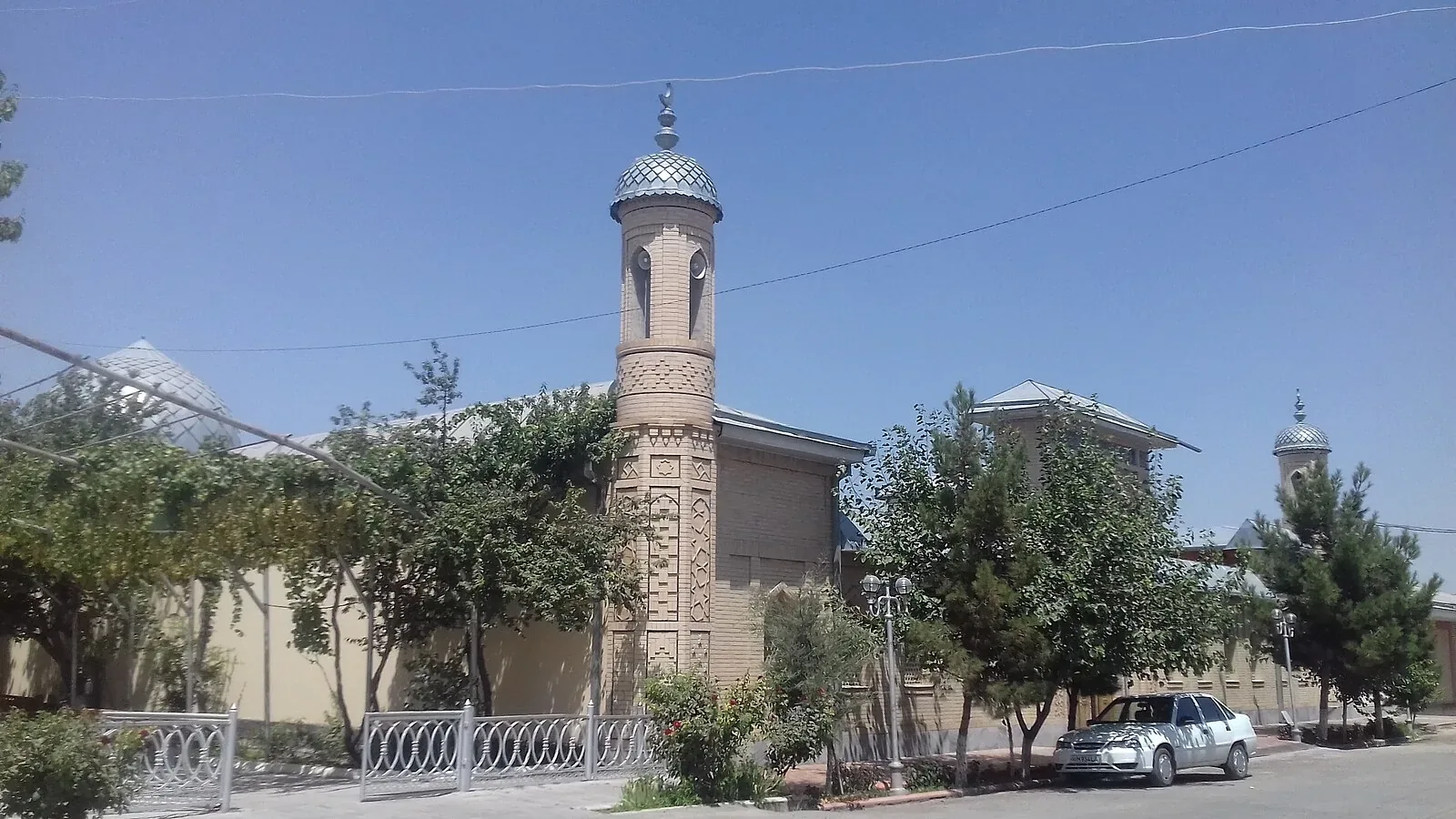
Samarkand
A mapped mosque near Yangi Bozor on the Afrasiyab side of the city.
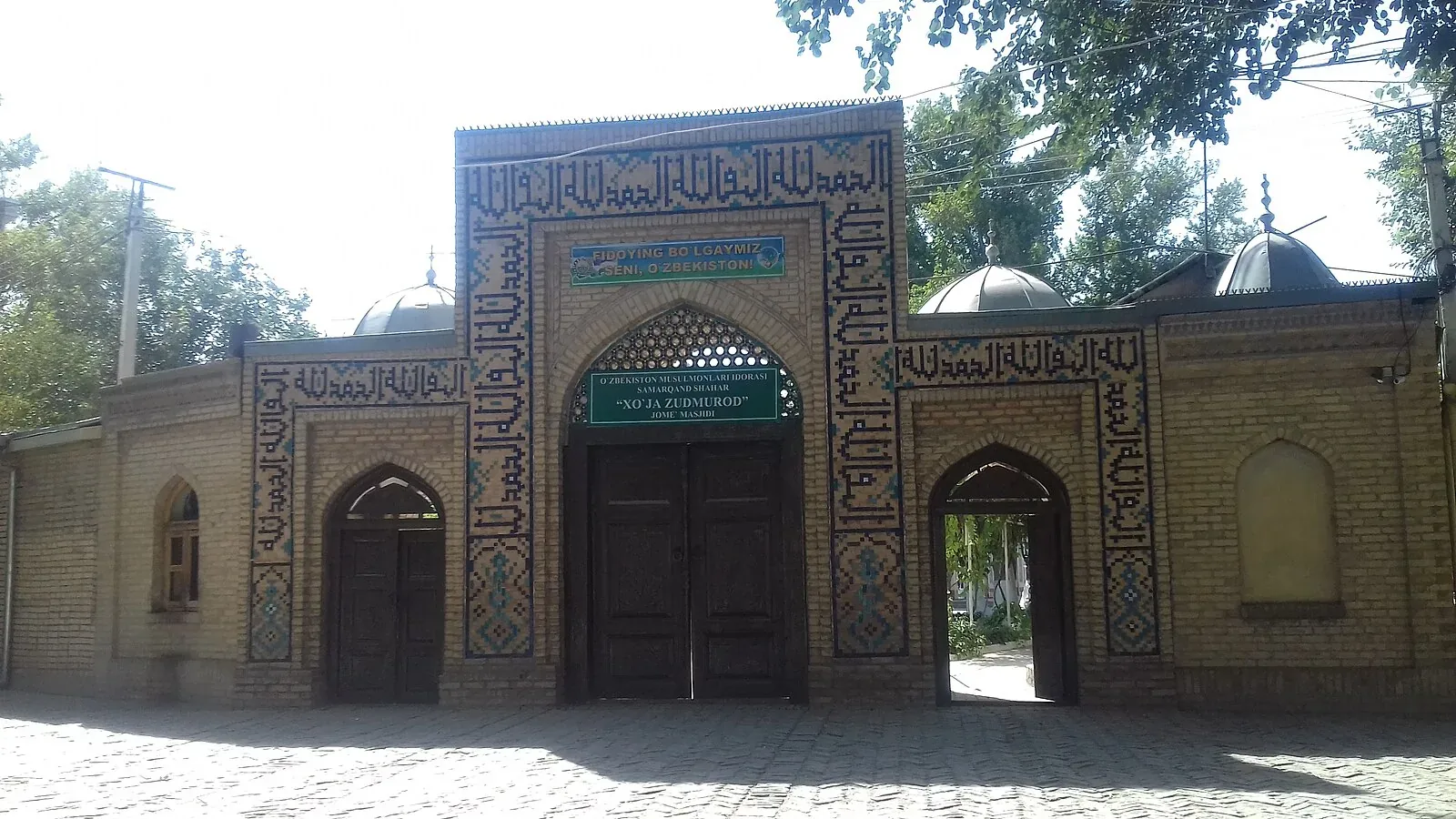
Samarkand
A mapped mosque in Samarkand’s dense historic-centre fabric.
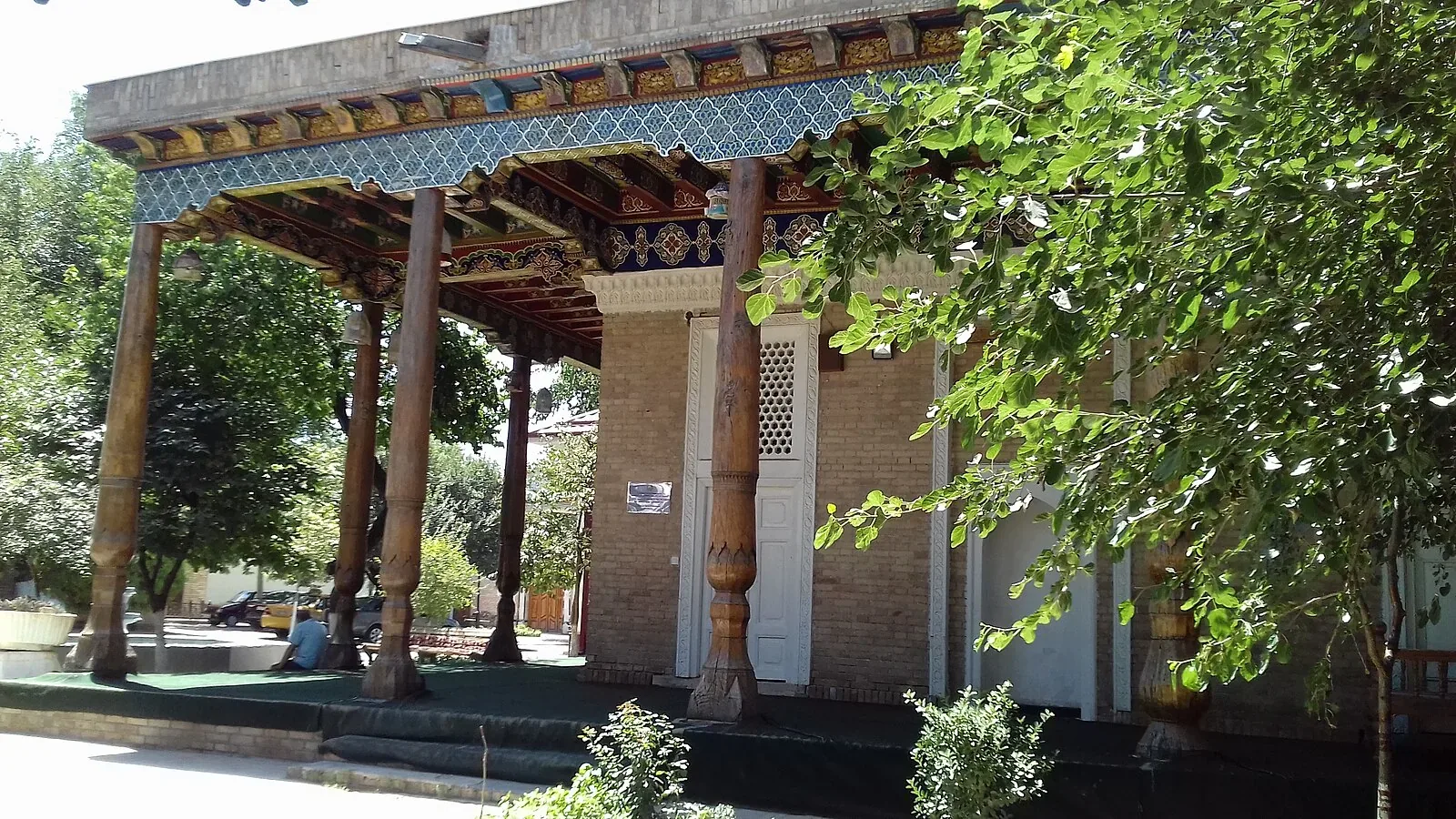
Samarkand
A mapped mosque complex in the central historic area.
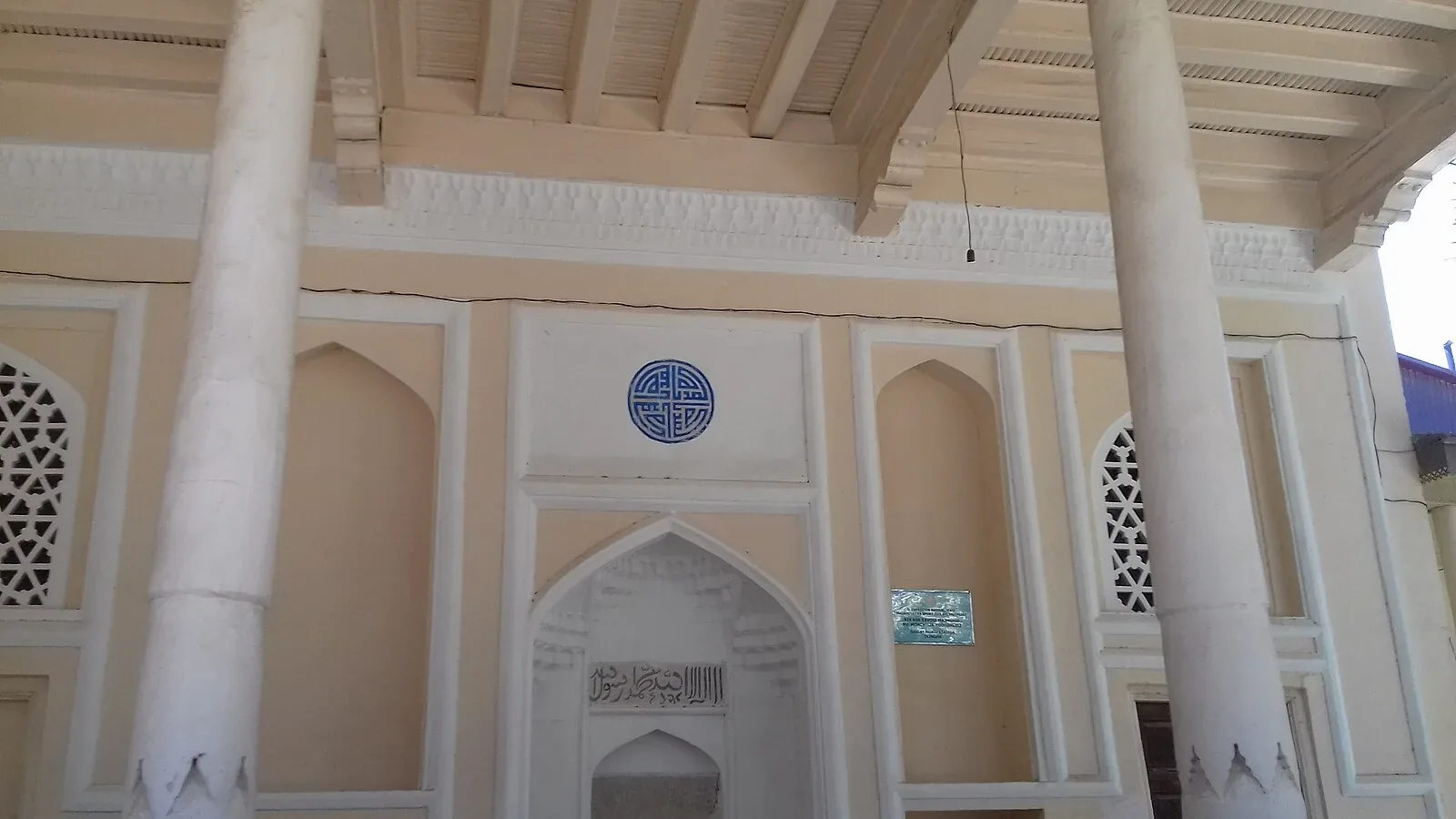
Samarkand
A mapped mosque complex in the Siyob Bazaar historic quarter.
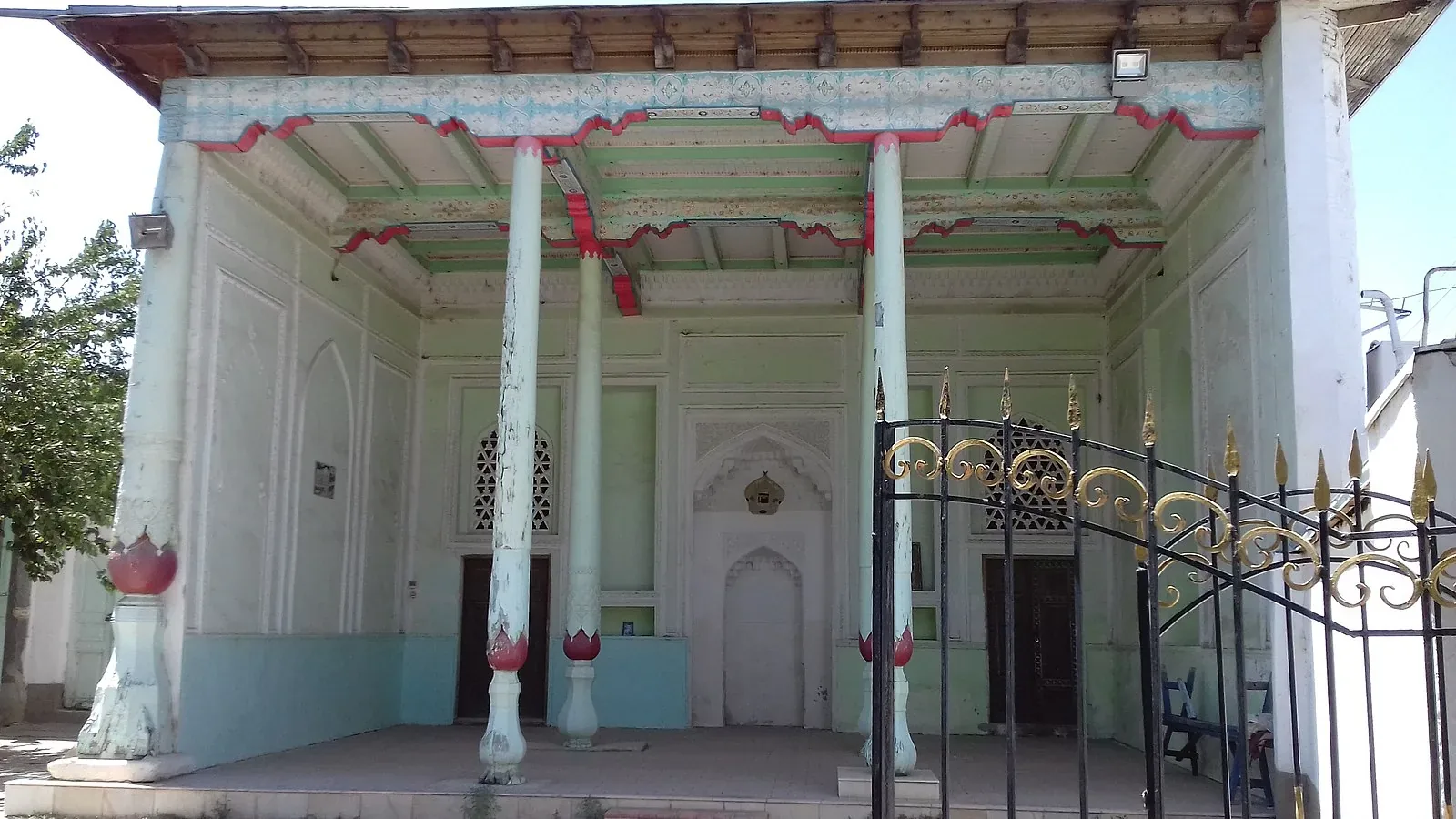
Samarkand
A mapped mosque complex near the Siyob Bazaar side of the historic core.
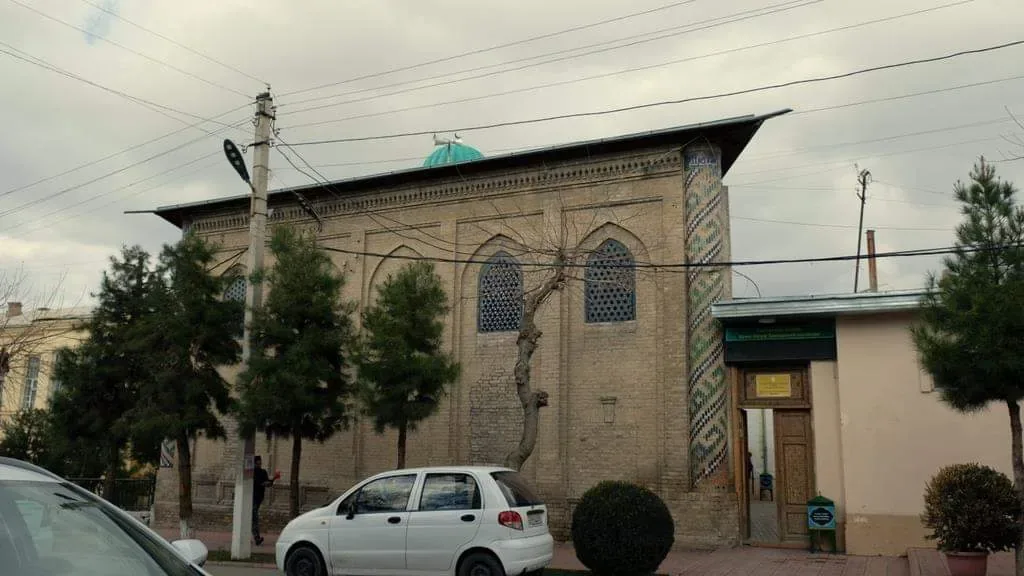
Samarkand
A mapped mosque near Samarkand State Medical University.
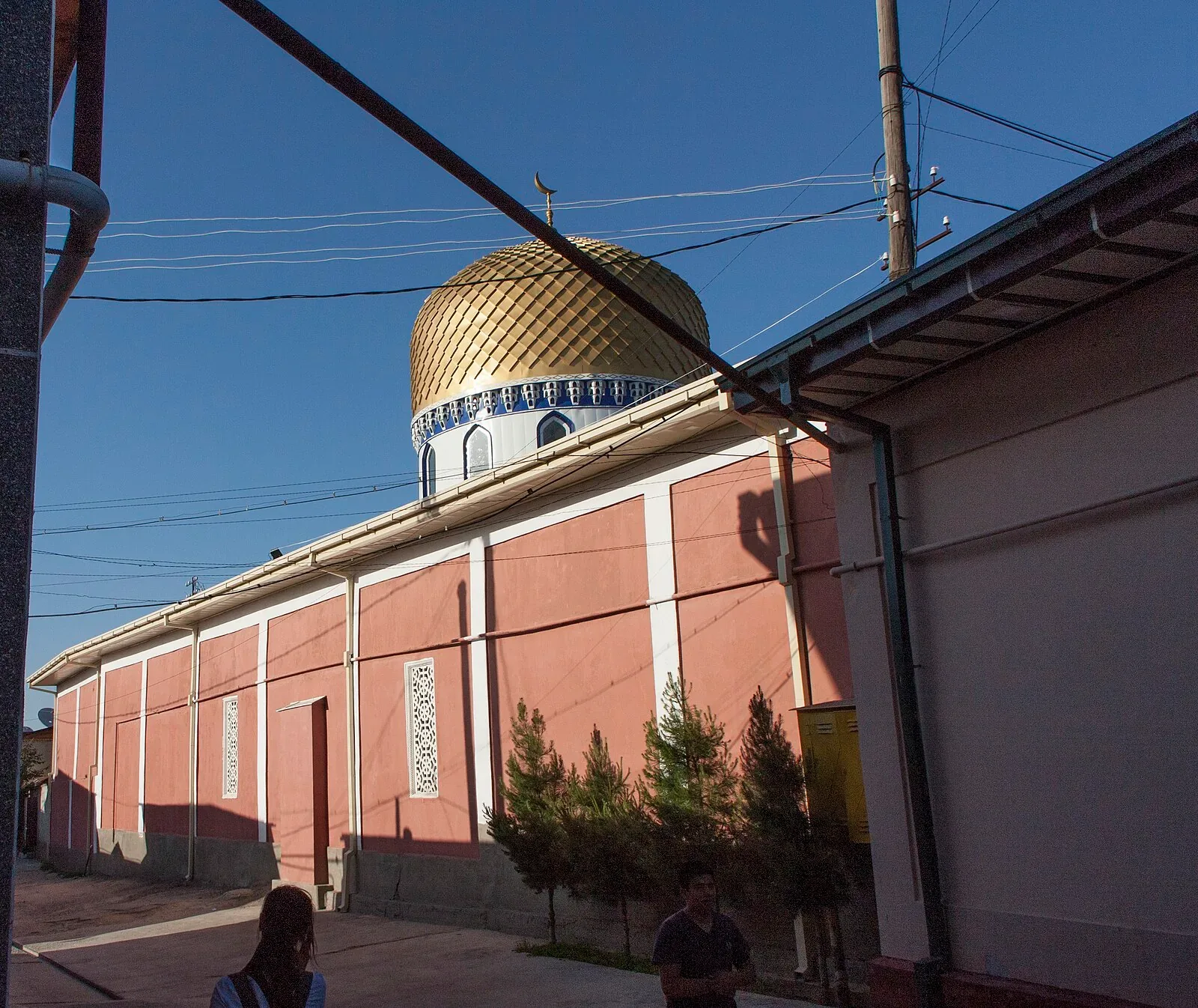
Samarkand
A mapped mosque south of Samarkand’s historic centre.
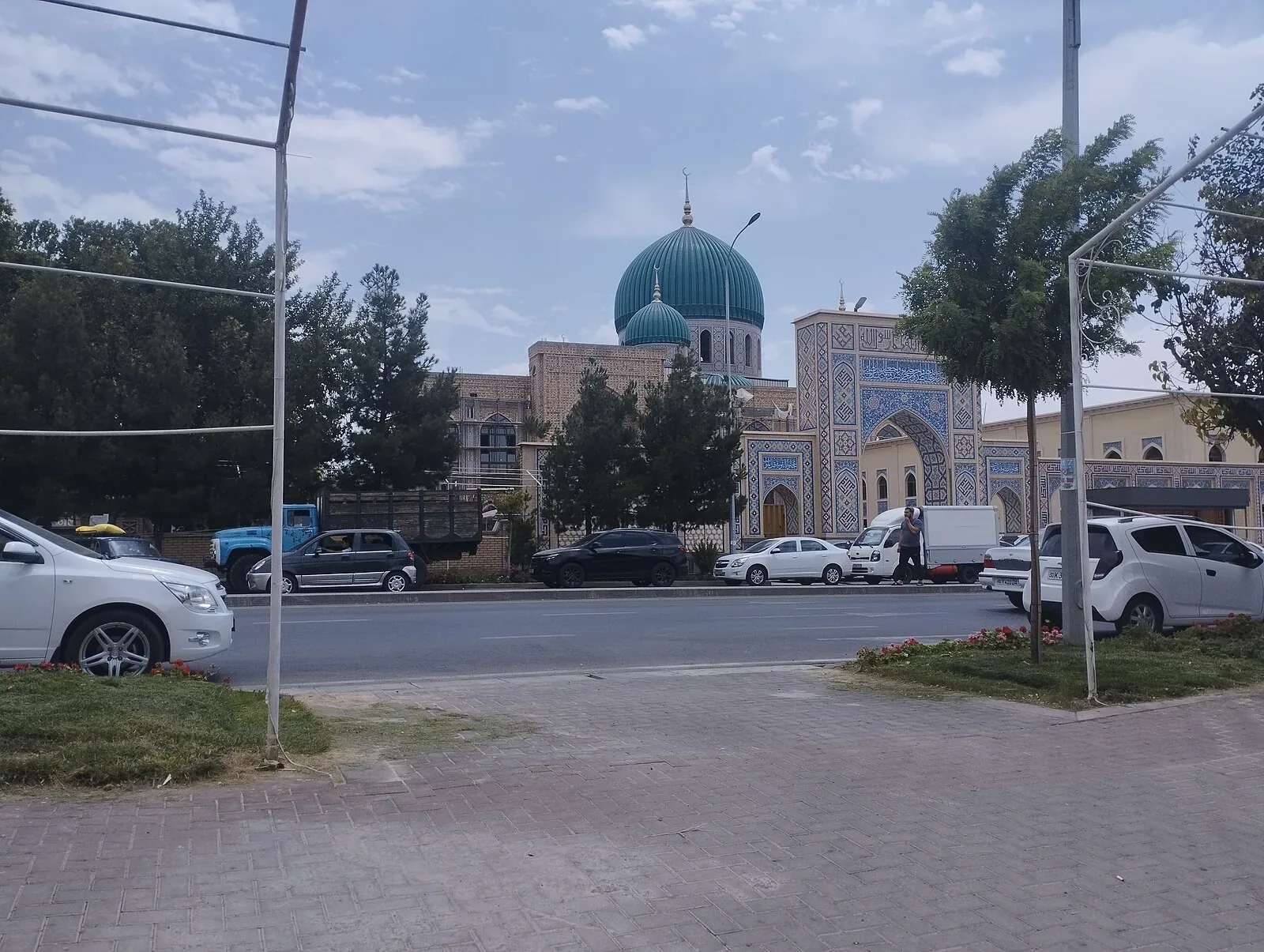
Samarkand
A smaller local mosque beside the Ishrat Khana heritage area, useful as context for Samarkand’s neighbourhood-scale Islamic architecture.

Samarkand
A mosque in Samarkand’s Sogdiyona district, reported by the regional Muslim administration at its opening.
Samarkand
A mapped mosque on Samarkand’s southern urban edge.
Samarkand
A mapped mosque in the old-city area of Samarkand.
Samarkand
A mapped prayer reference in the historic centre.
Keep exploring Samarkand
Keep exploring Samarkand and add more stops to your plan.
Registan heritage coreRegistan’s fifteenth-century madrasah, associated with Ulugh Beg’s scholarly legacy and marked by astronomy-themed portal decoration.
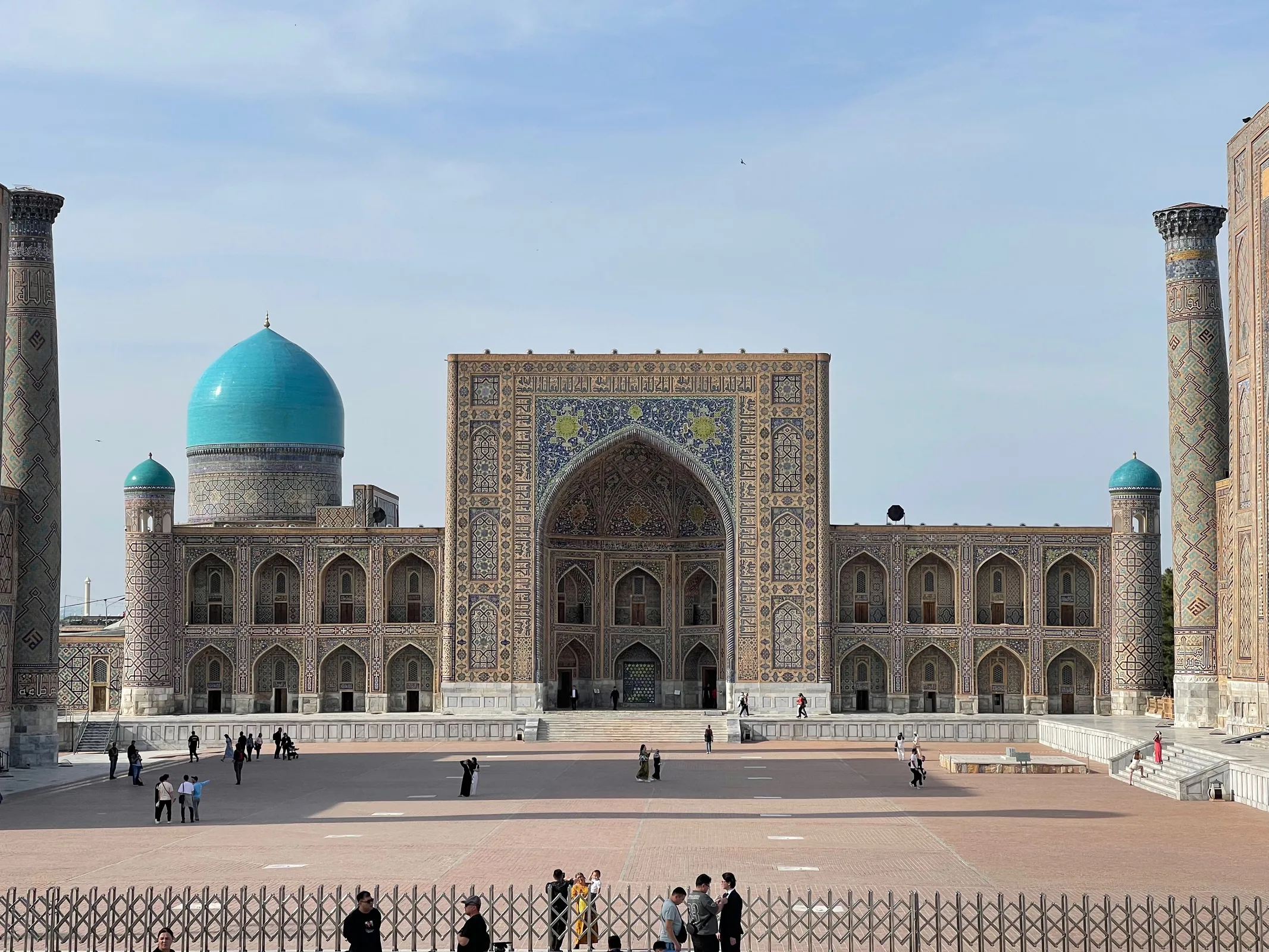 Registan heritage core
Registan’s central madrasah, completing the ensemble with a balanced exterior and a celebrated gilded interior beneath its blue dome.
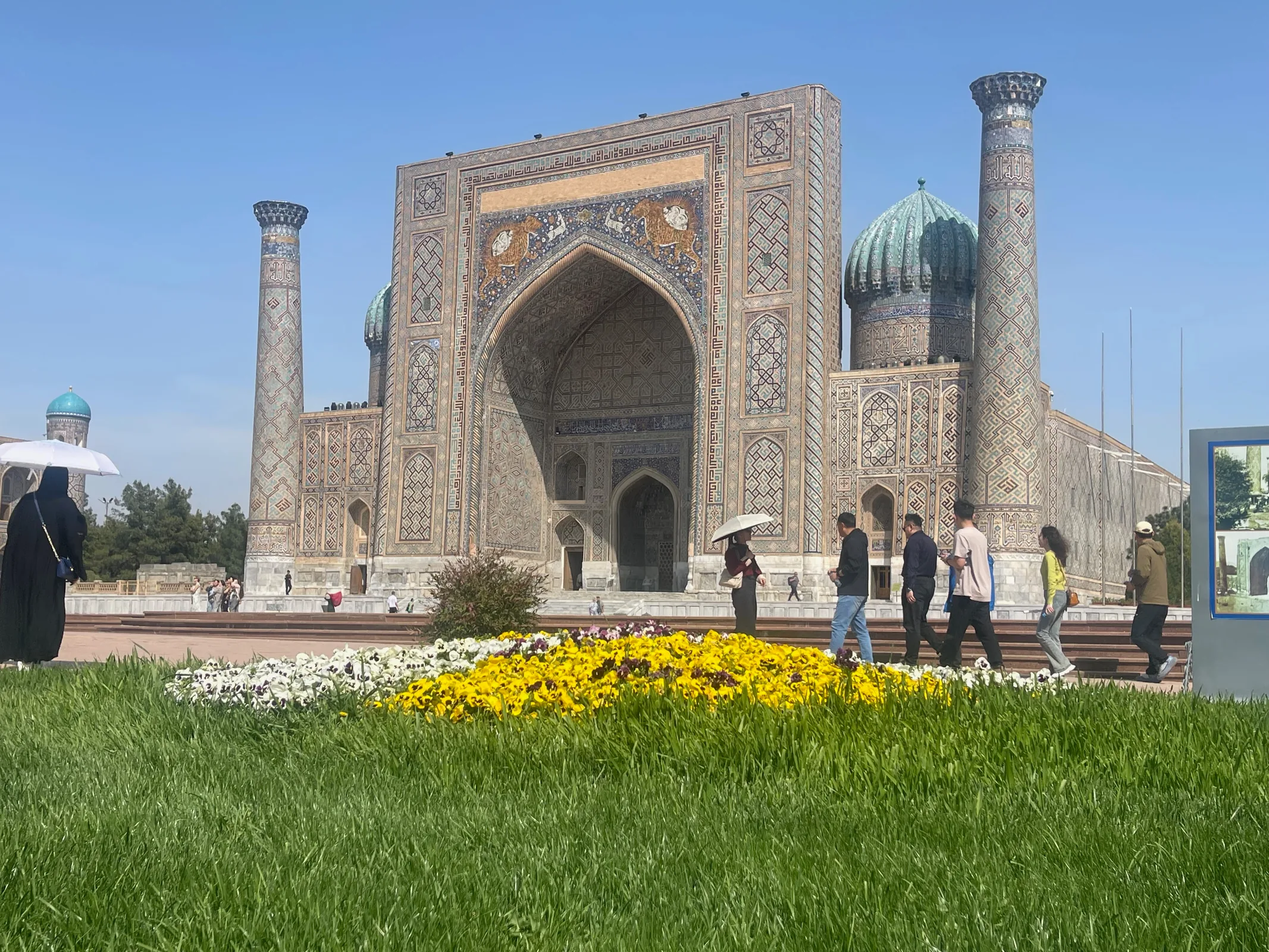 Registan heritage core
Registan’s eastern madrasah, famous for its early-seventeenth-century façade of felines, deer and rising sun motifs.
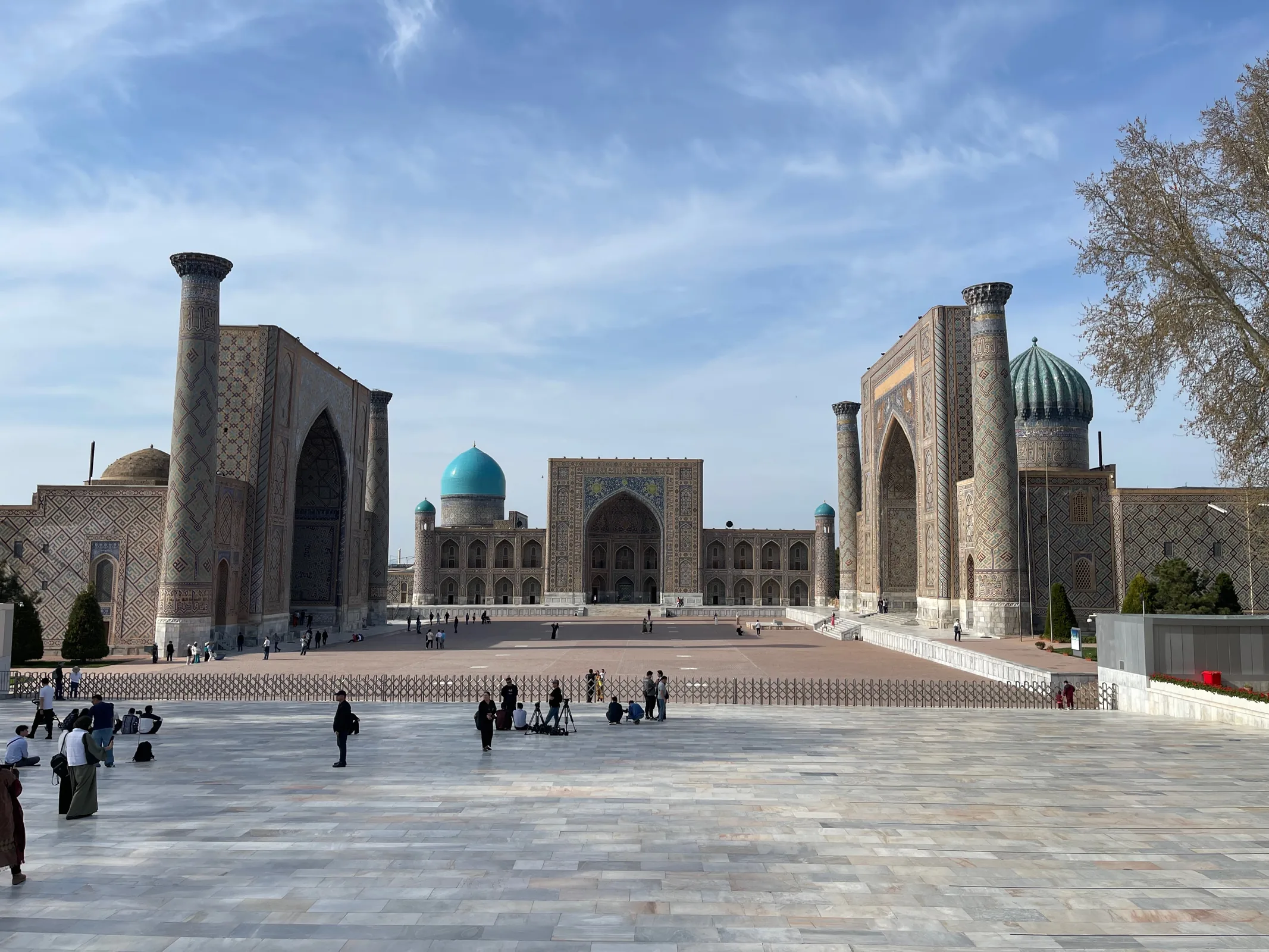 Samarkand heritage core
Samarkand’s great public square, framed by three Timurid madrasas and at its most memorable when given time to explore.
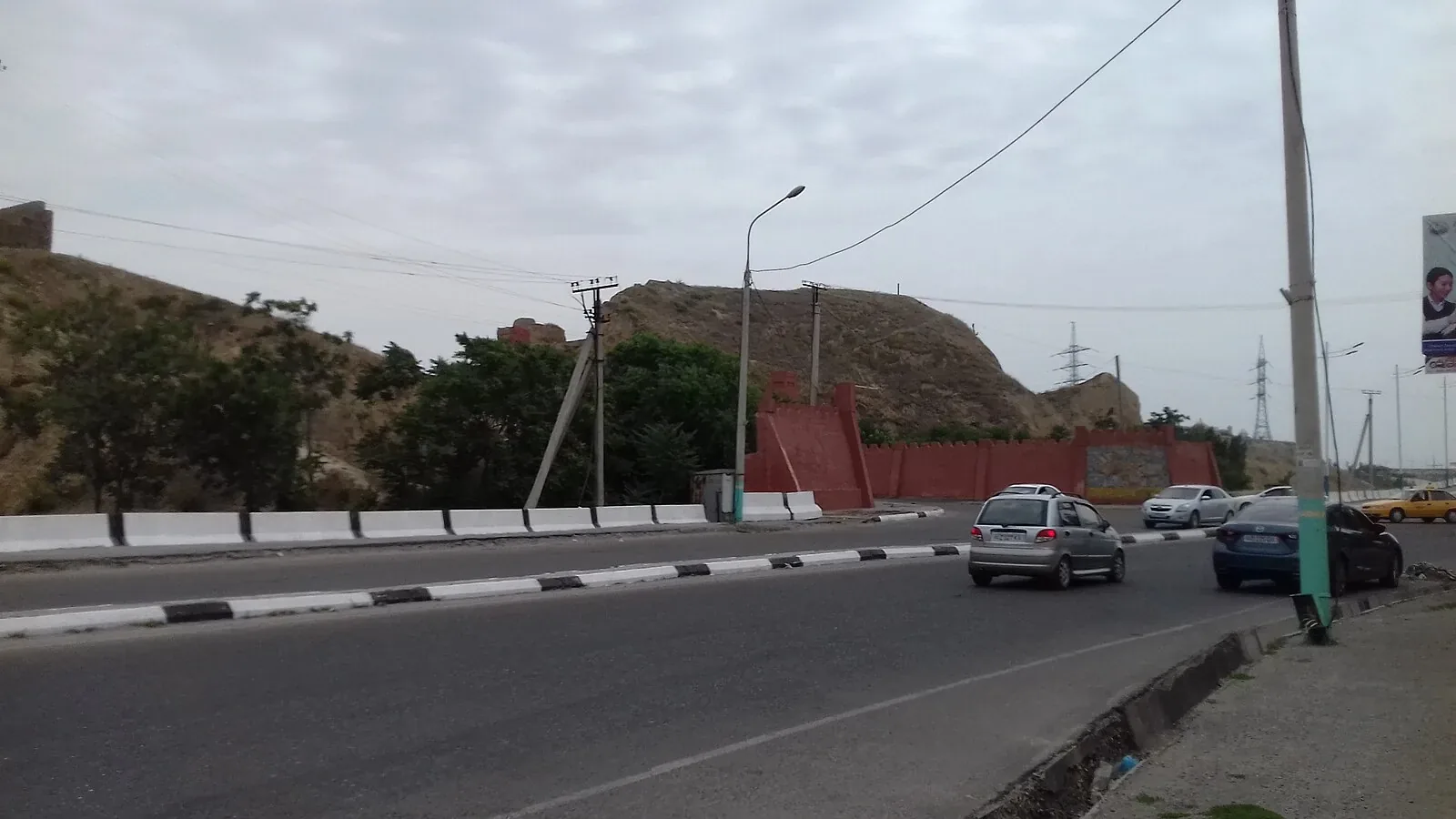 Afrasiab archaeological zone
The archaeological landscape of pre-Timurid Samarkand, where restored walls and open ground reveal the scale of the ancient city.
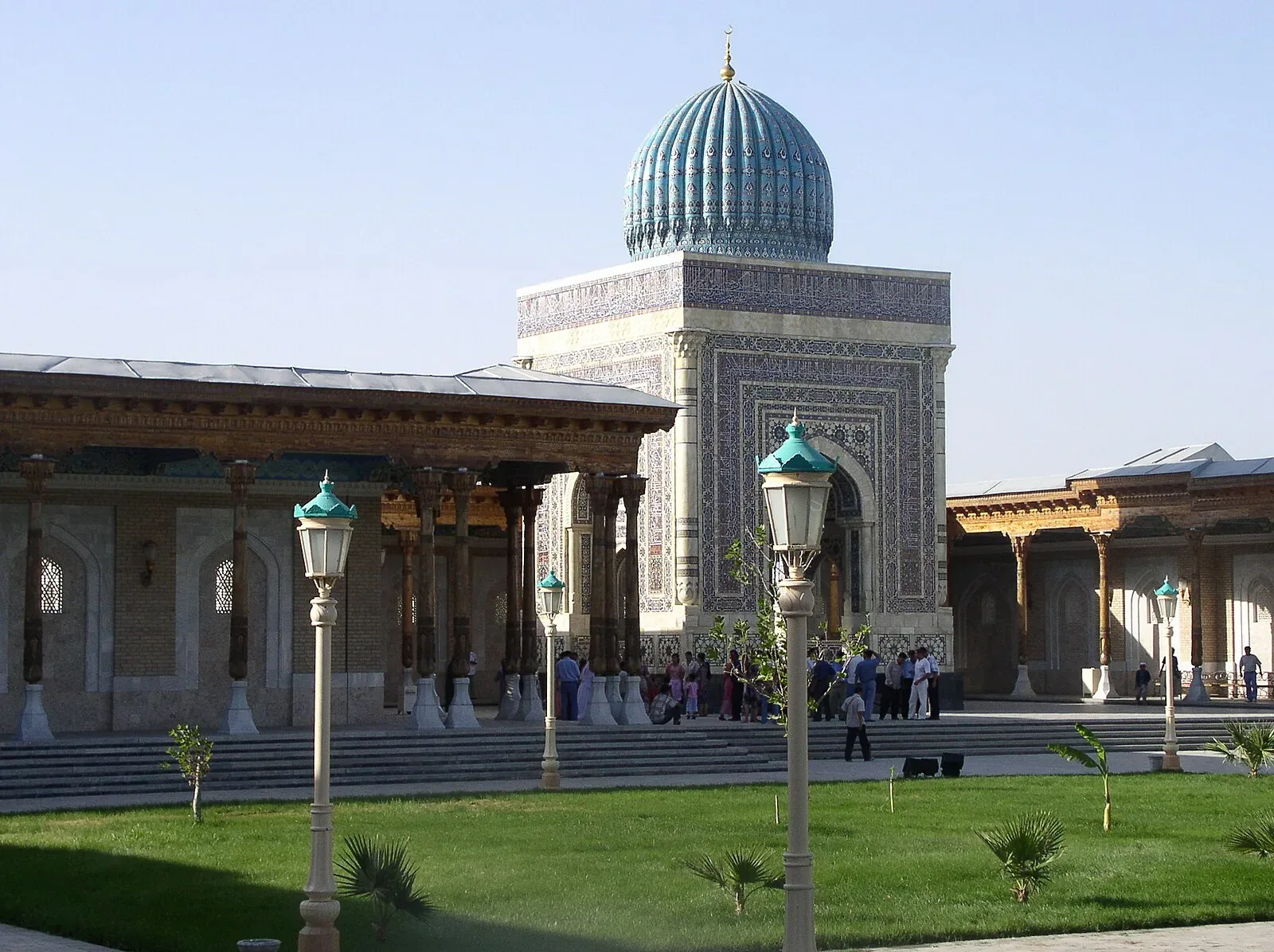 Samarkand
A memorial at Hartang outside Samarkand, centred on the burial place of Imam al-Bukhari and best visited as a dedicated excursion.
 Samarkand
The revered inner mausoleum at Shah-i-Zinda, set within one of Samarkand’s most richly tiled Timurid necropolises.
 Samarkand
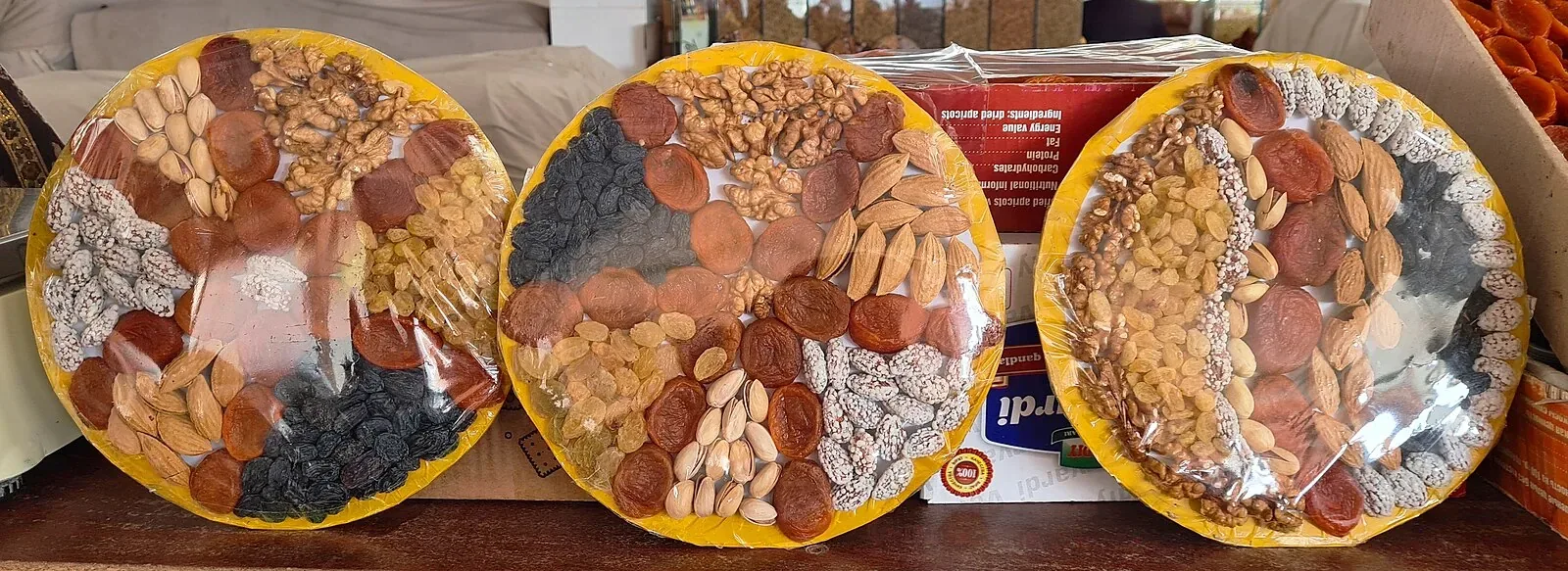
Samarkand’s working food market beside Bibi-Khanym, best for non bread, dried fruit, nuts, spices and everyday local shopping.
 Samarkand
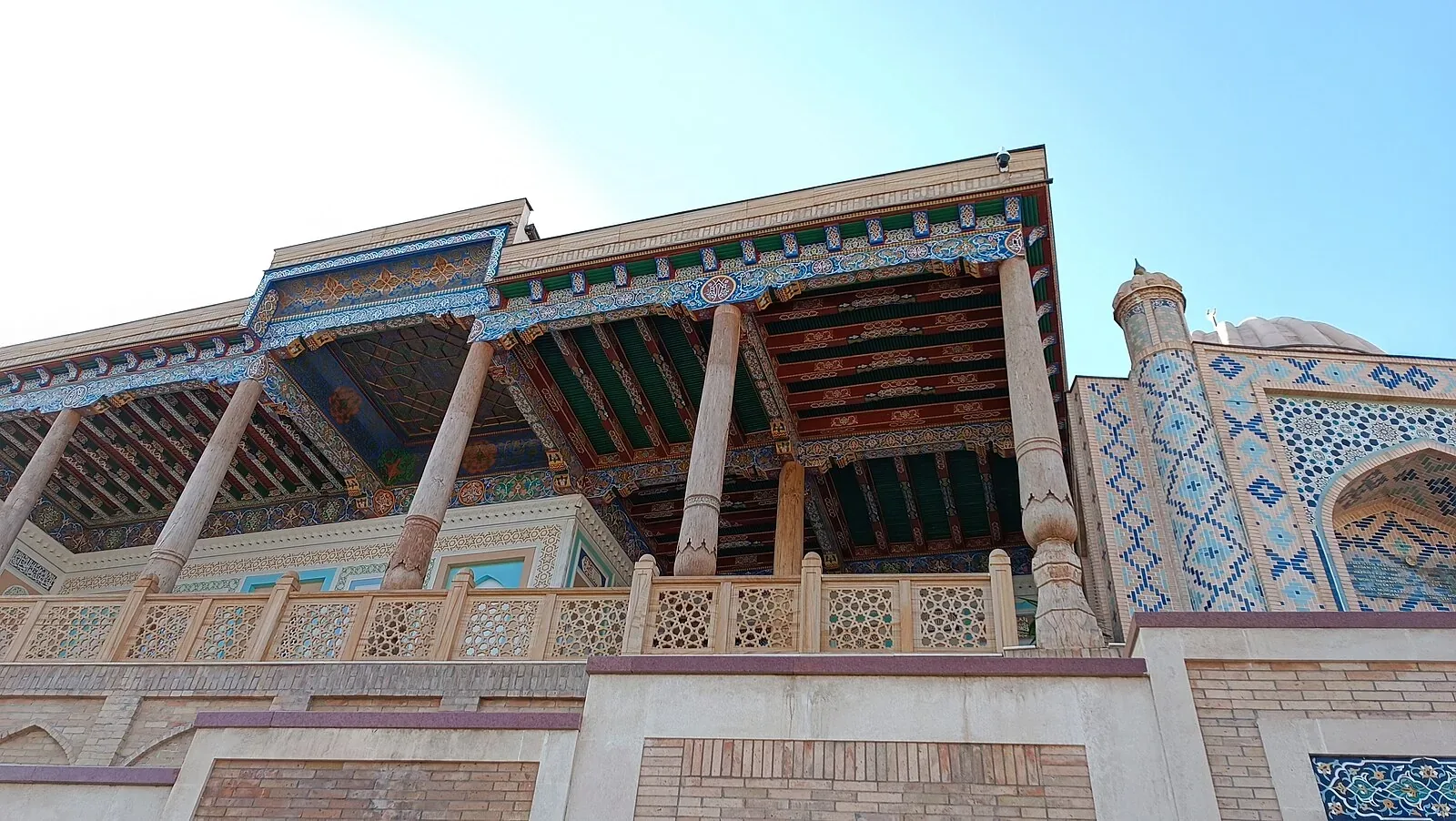
A hilltop mosque above the northern heritage route, valued for its veranda, graceful silhouette and broad Samarkand views.
 Samarkand
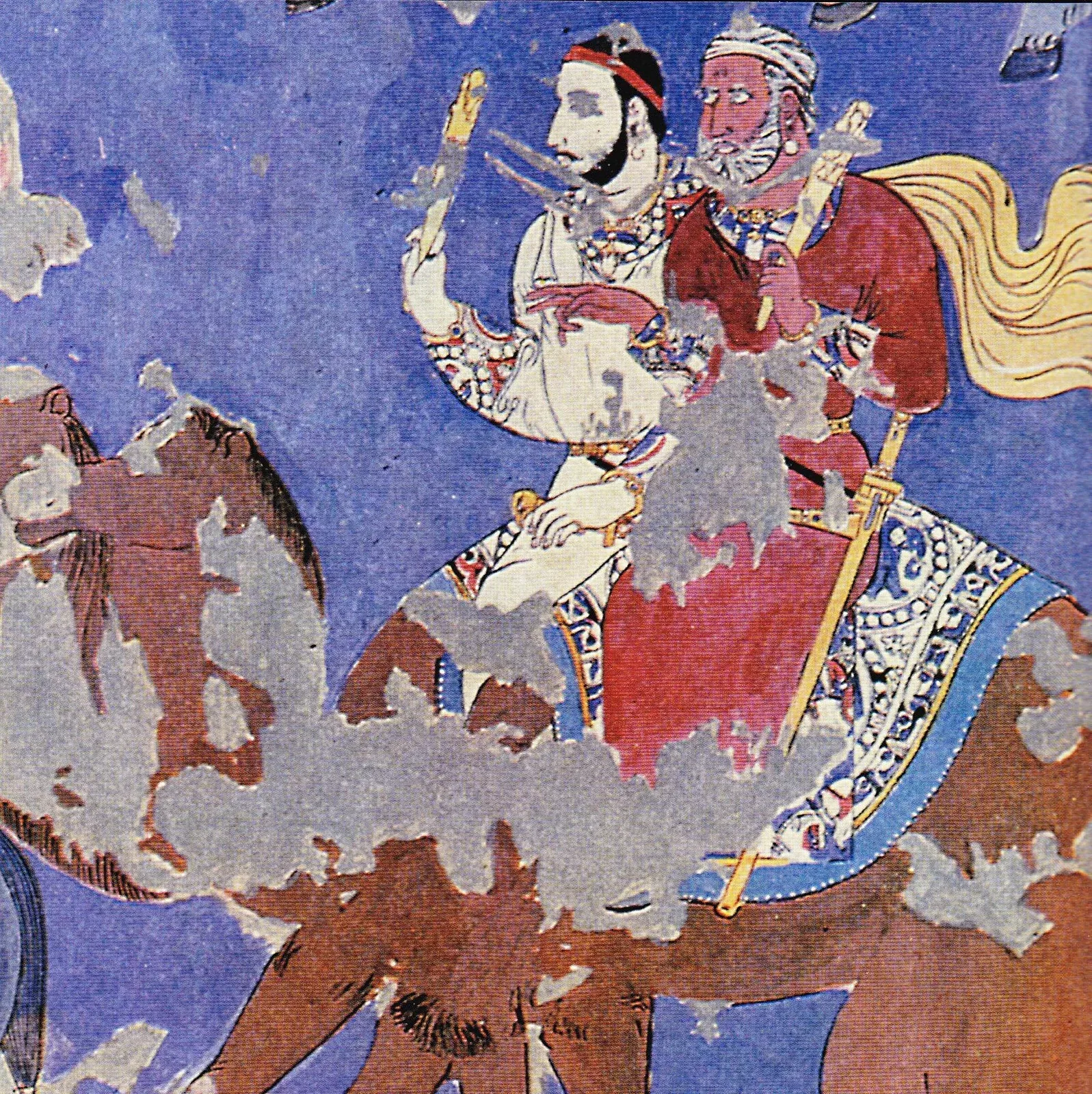
The essential introduction to ancient Samarkand, centred on the seventh-century Sogdian murals discovered at Afrasiab.
Keep exploring Samarkand and add more stops to your plan.
 Ibn Sino Street / university district
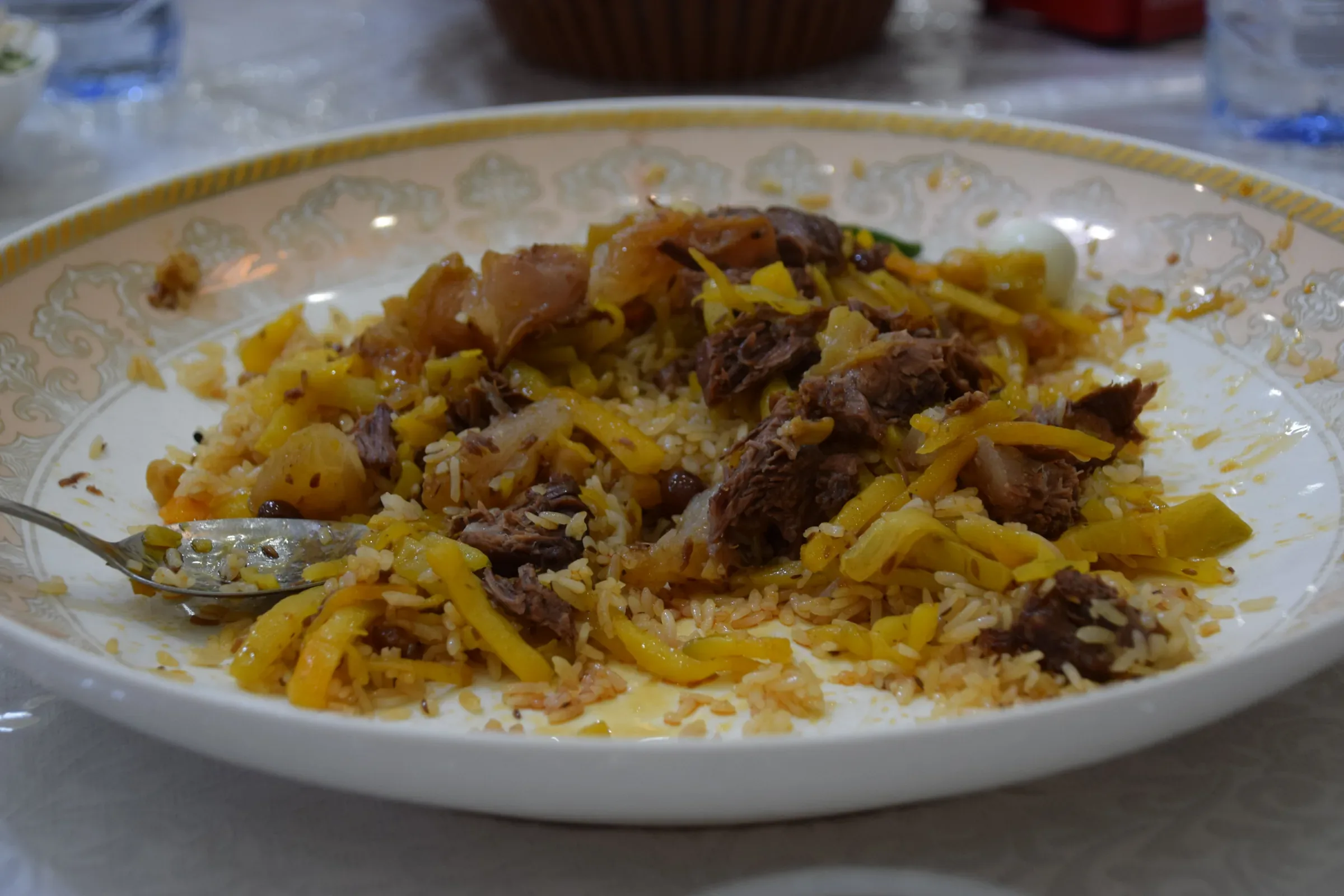
A focused Ibn Sino Street lunch stop for Samarkand plov, tomato salad, non bread and tea in a lively local dining hall.
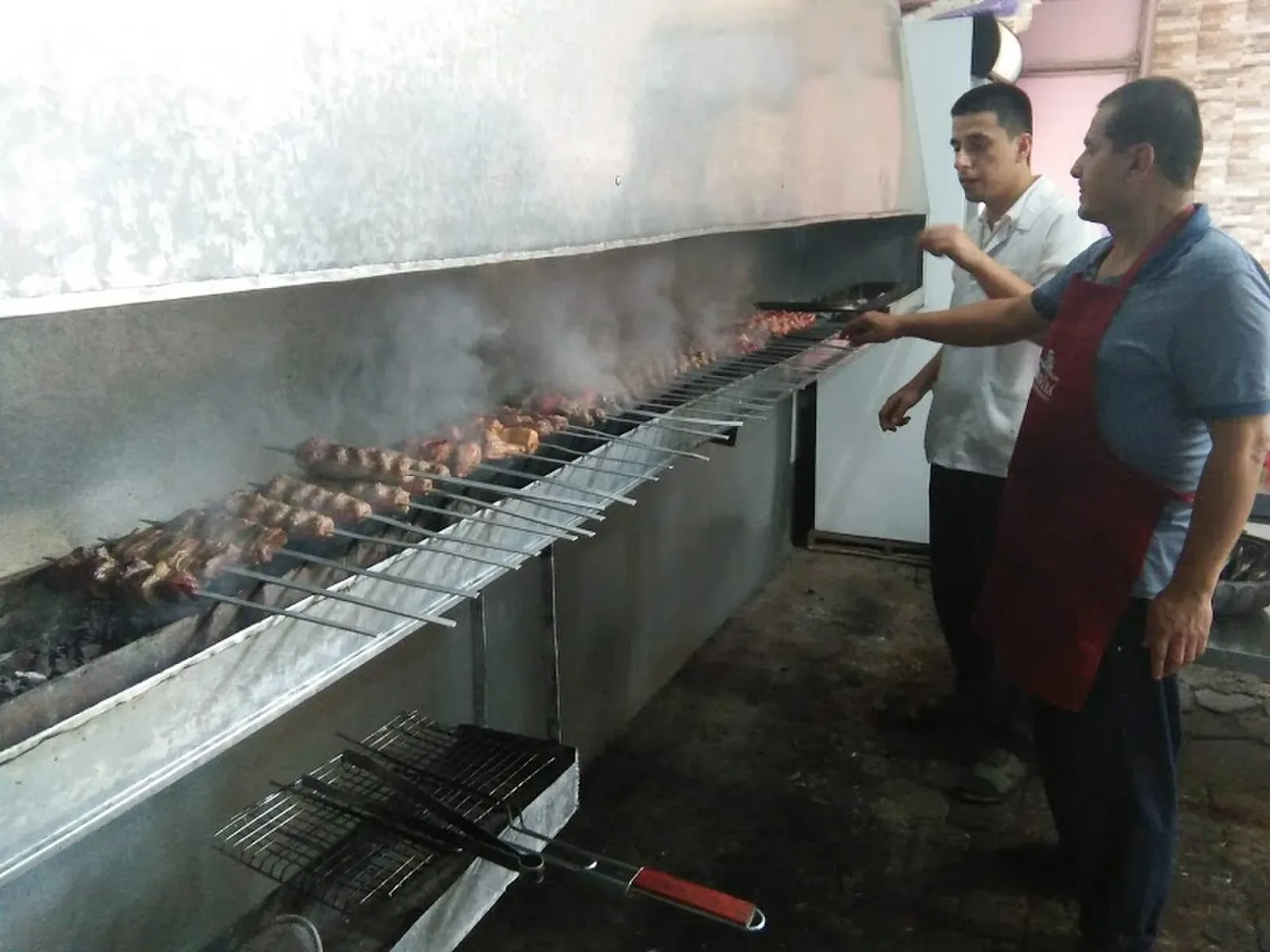 Bibi-Khanym / Siyob old-city edge
A casual Chorraxa Street grill near Bibi-Khanym and Siyob Bazaar, serving freshly prepared skewers with bread, salads and tea.
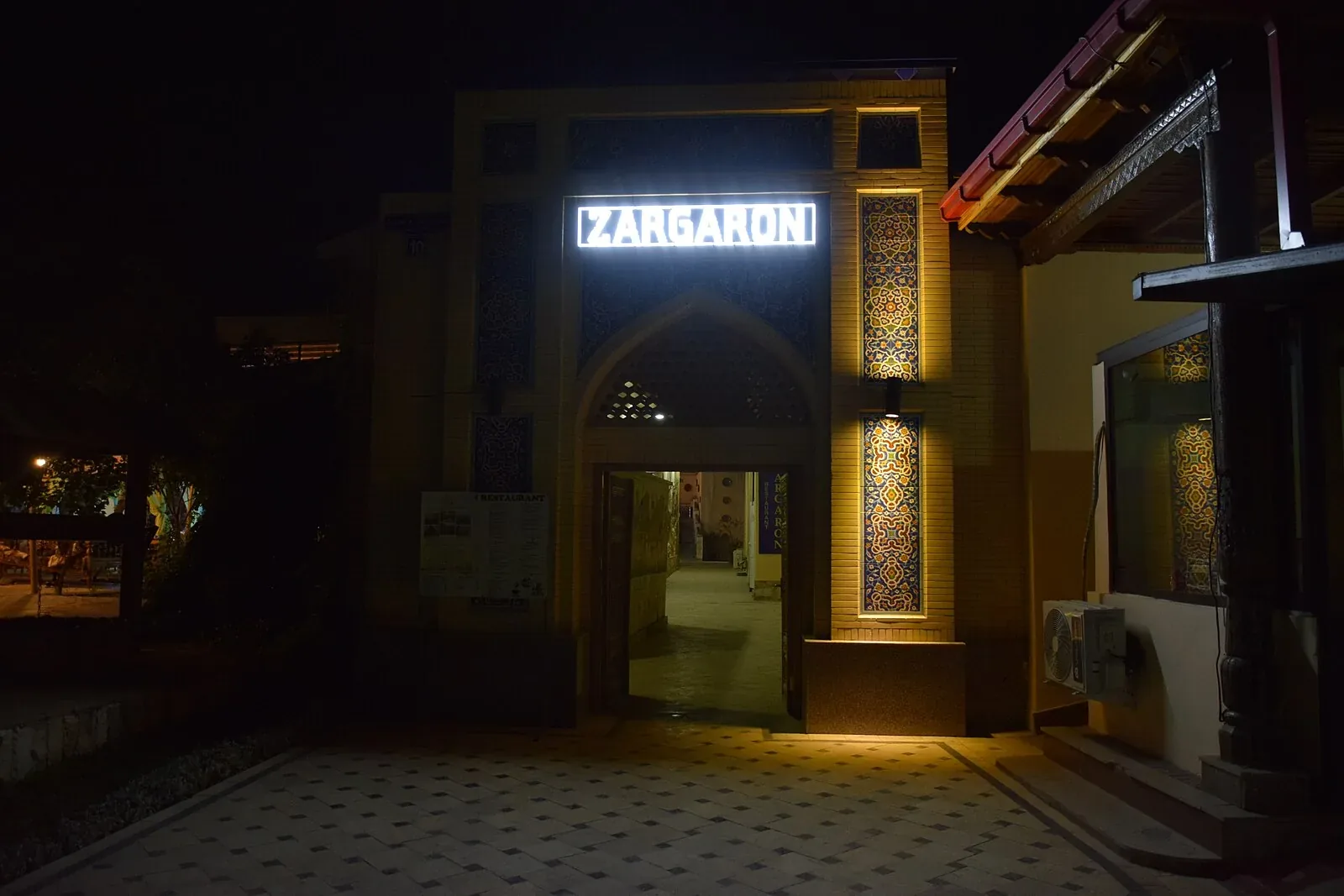 Bibi-Khanym / Siyob heritage core
A calm hotel restaurant beside Bibi-Khanym Mosque, ideal for a comfortable Uzbek meal between Siyob Bazaar and the heritage sights.
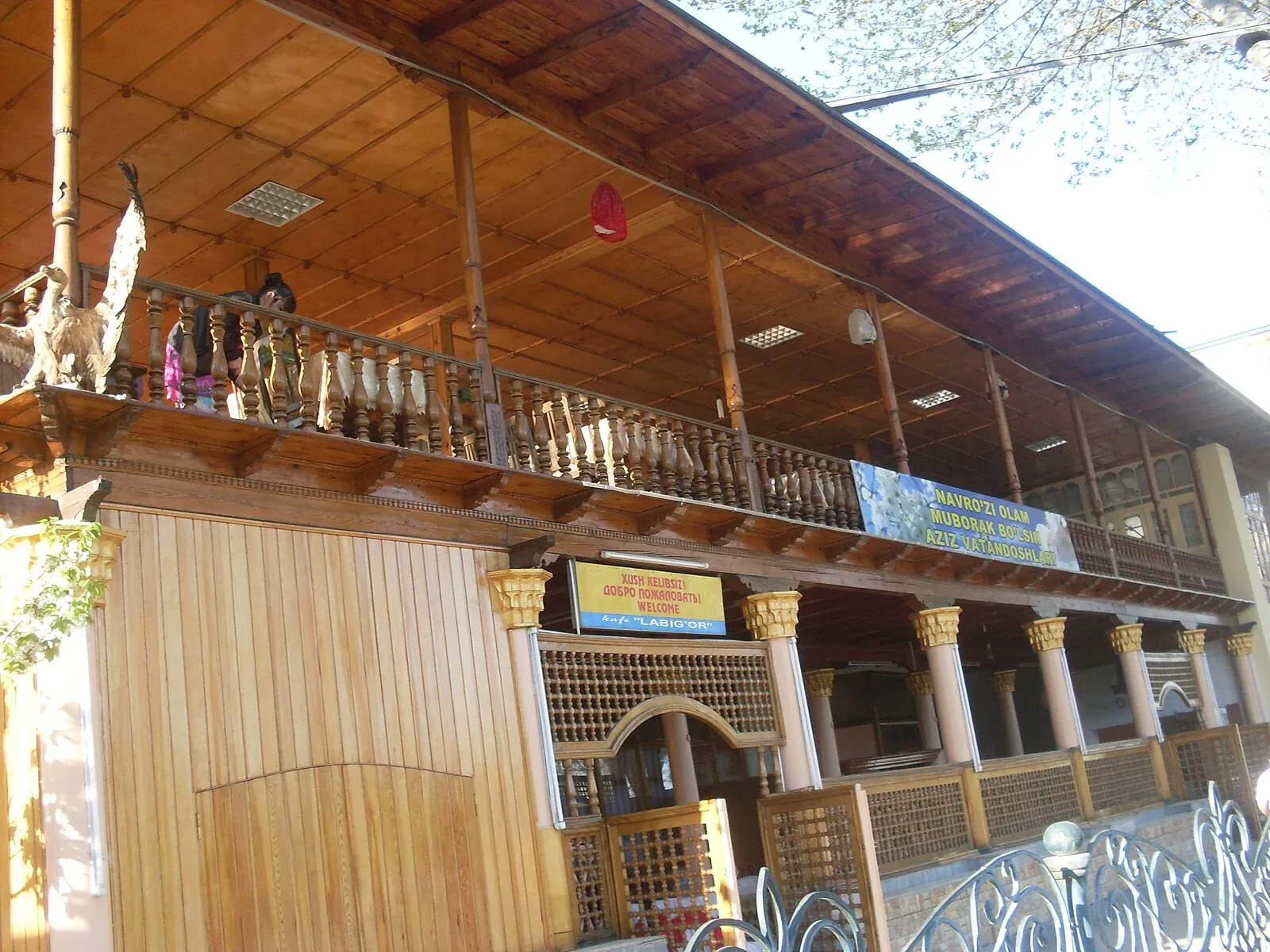 Registan Street / Gur-e Amir side
A central Registan Street restaurant for varied Uzbek dishes, tea and a flexible seated break close to the heritage core.
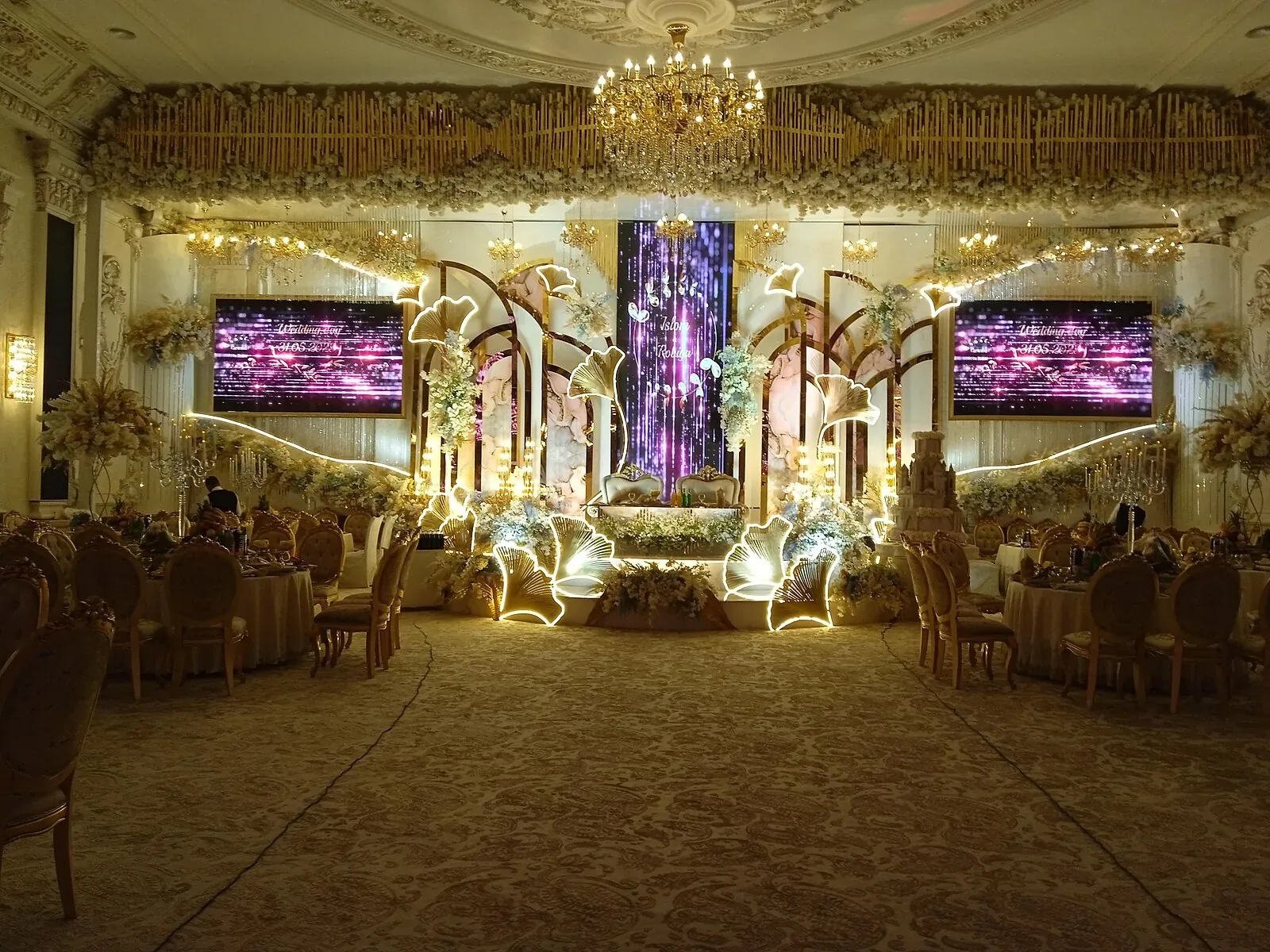 Vohid Abdullaev Street / northern modern city
A large northern Samarkand dining hall for extended families, celebrations and broad shared Uzbek meals away from the old-city core.
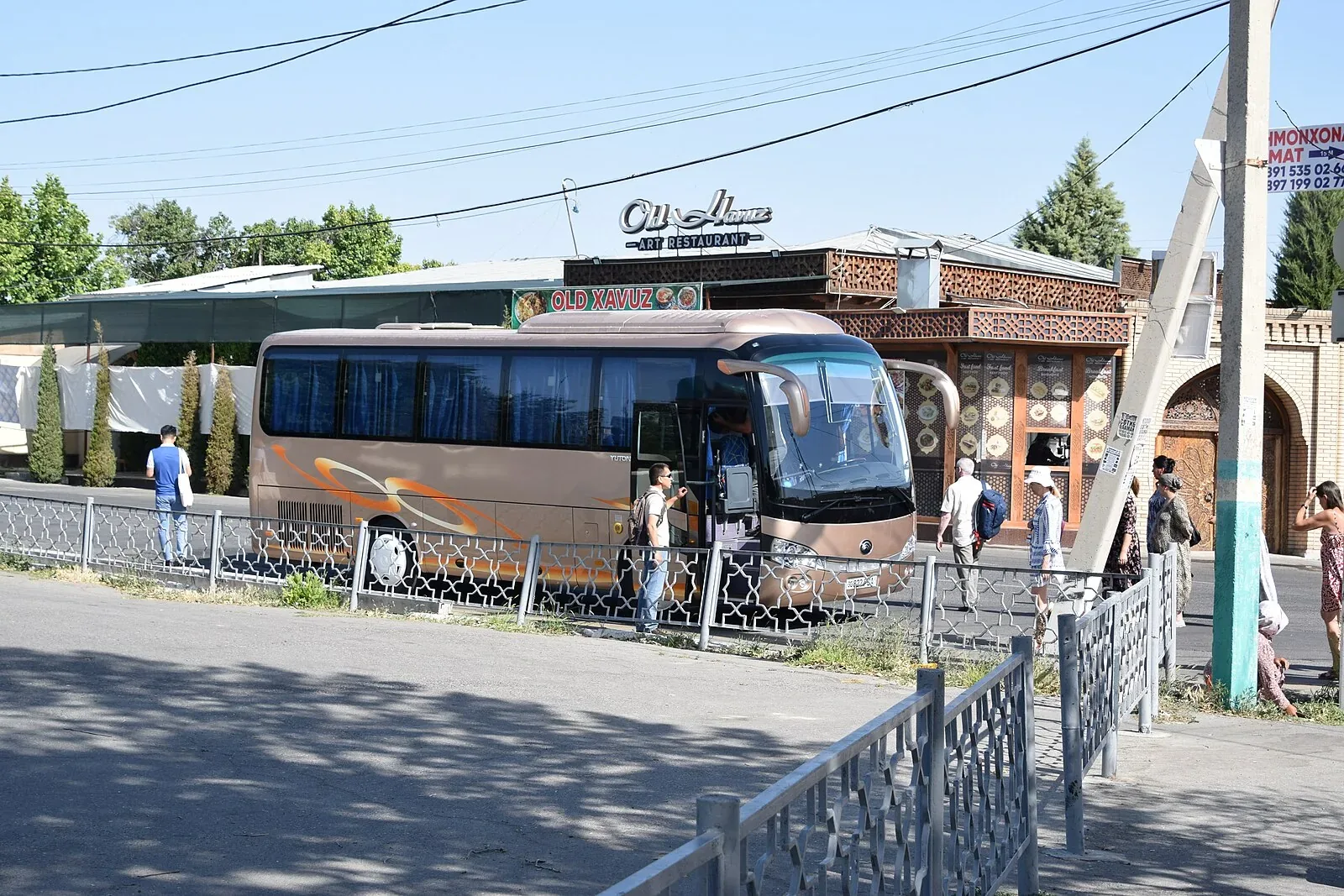 Pasdarg‘om Street / historic centre
A characterful Pasdarg‘om Street courtyard restaurant for shared Uzbek dishes, close to Registan, Gur-e Amir and the central heritage walks.
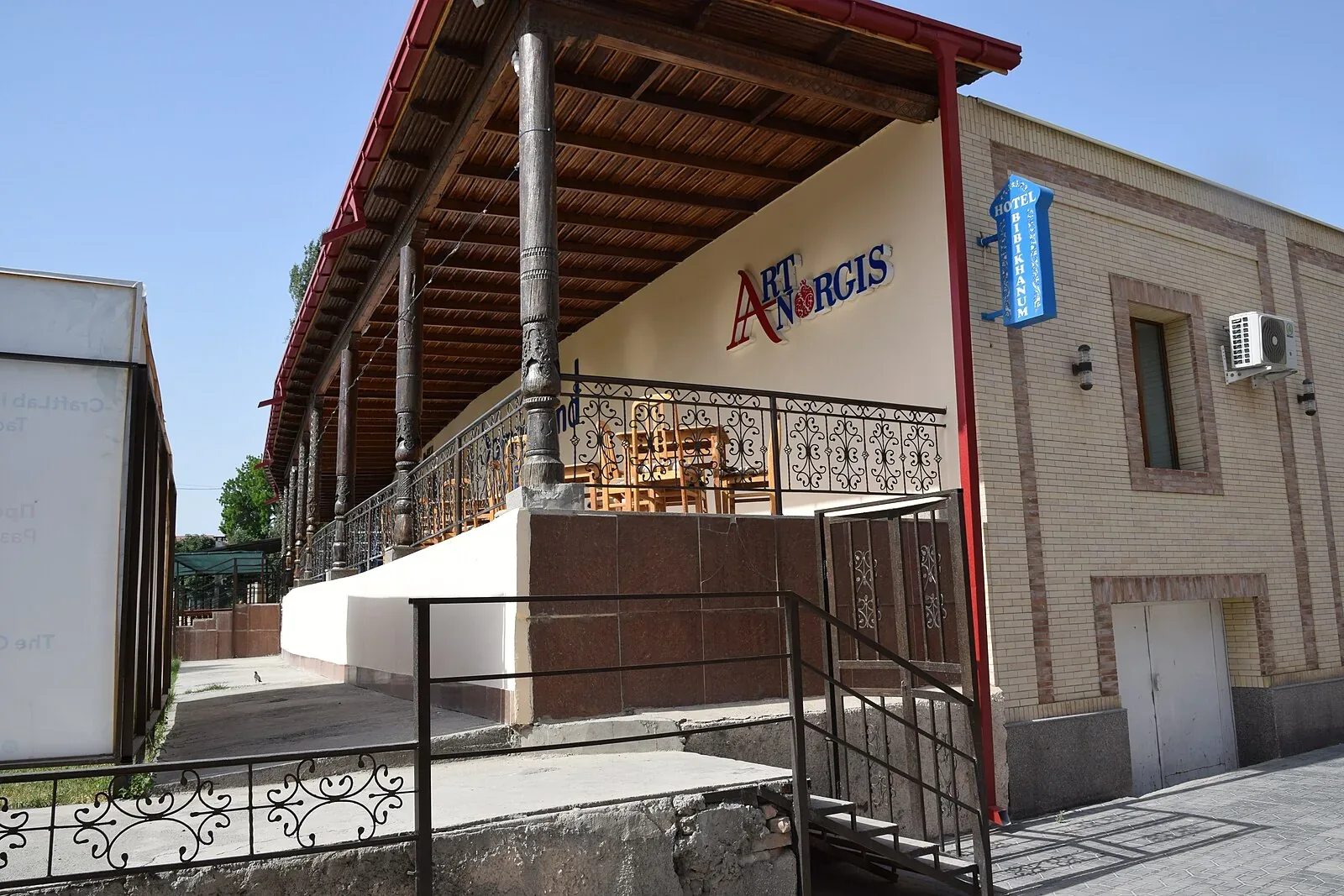 Islom Karimov Street / old city
A polished terrace restaurant on Islom Karimov Street, offering a comfortable Uzbek meal between Registan, Bibi-Khanym and Siyob Bazaar.
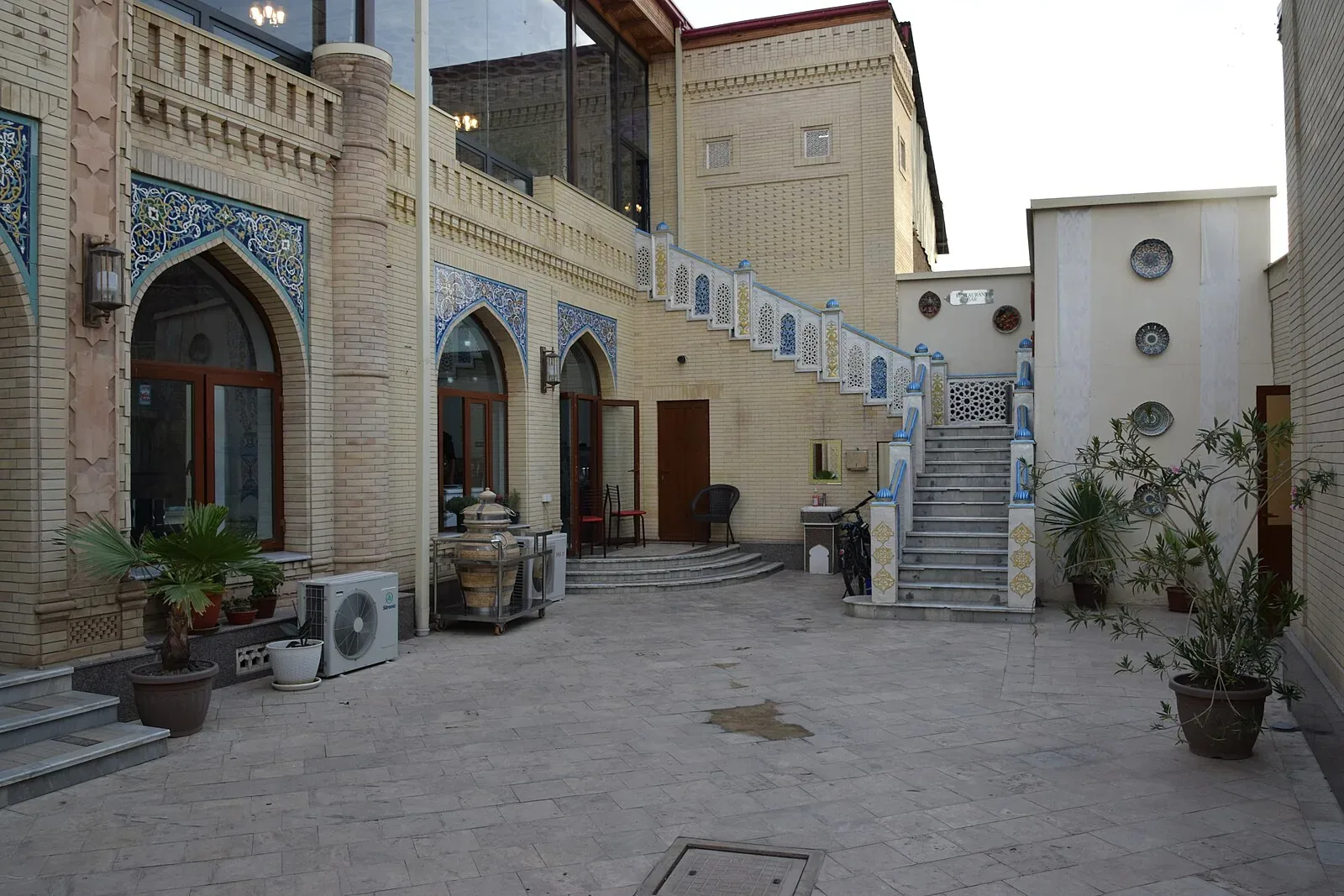 Bibi-Khanym / Siyob heritage core
A courtyard-style Uzbek restaurant beside Bibi-Khanym and Siyob, with flexible hours for a family meal in the northern heritage core.
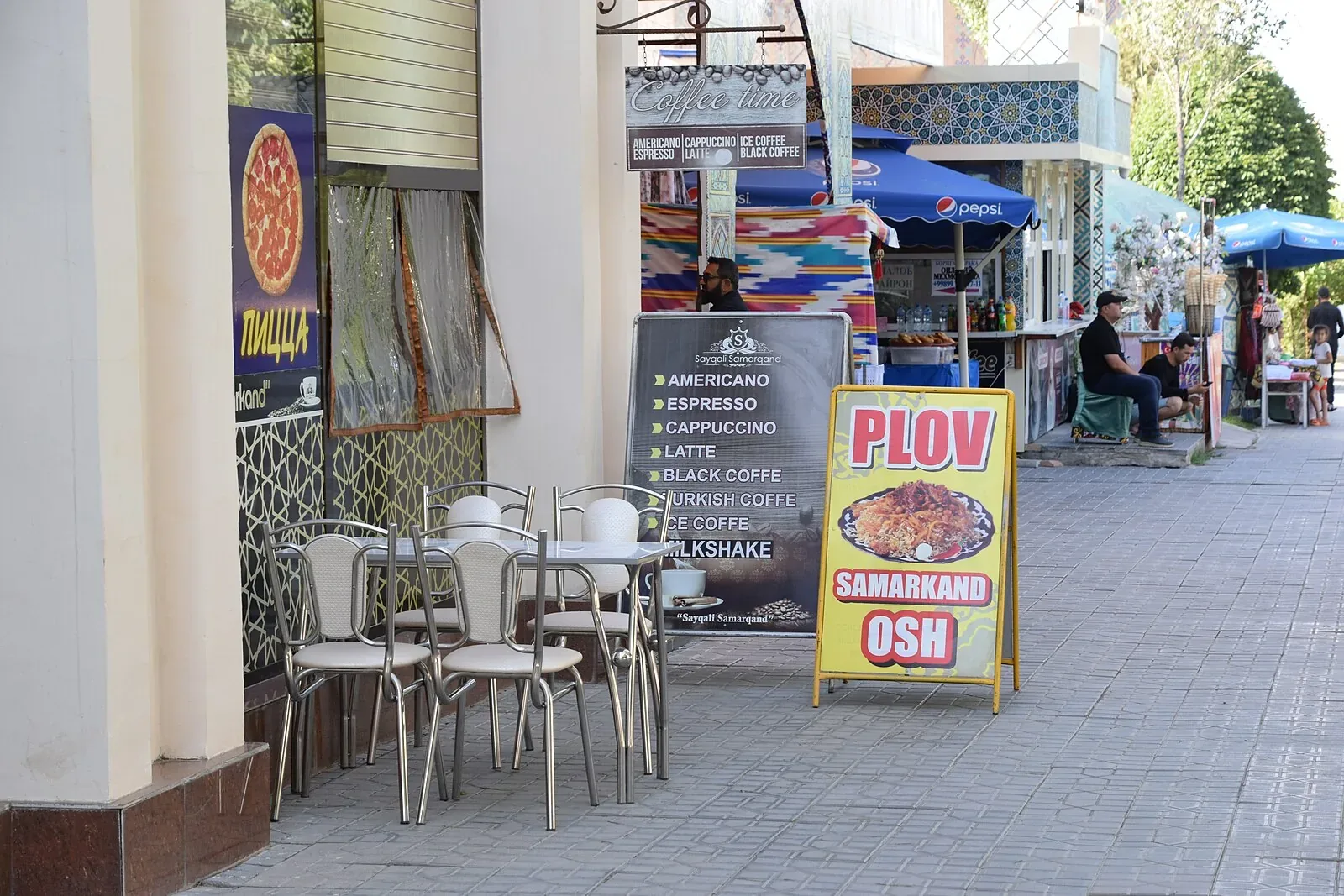 Islom Karimov pedestrian street
A compact Islom Karimov Street stop for plov, lavash and quick Uzbek comfort food between Registan and the Bibi-Khanym–Siyob cluster.
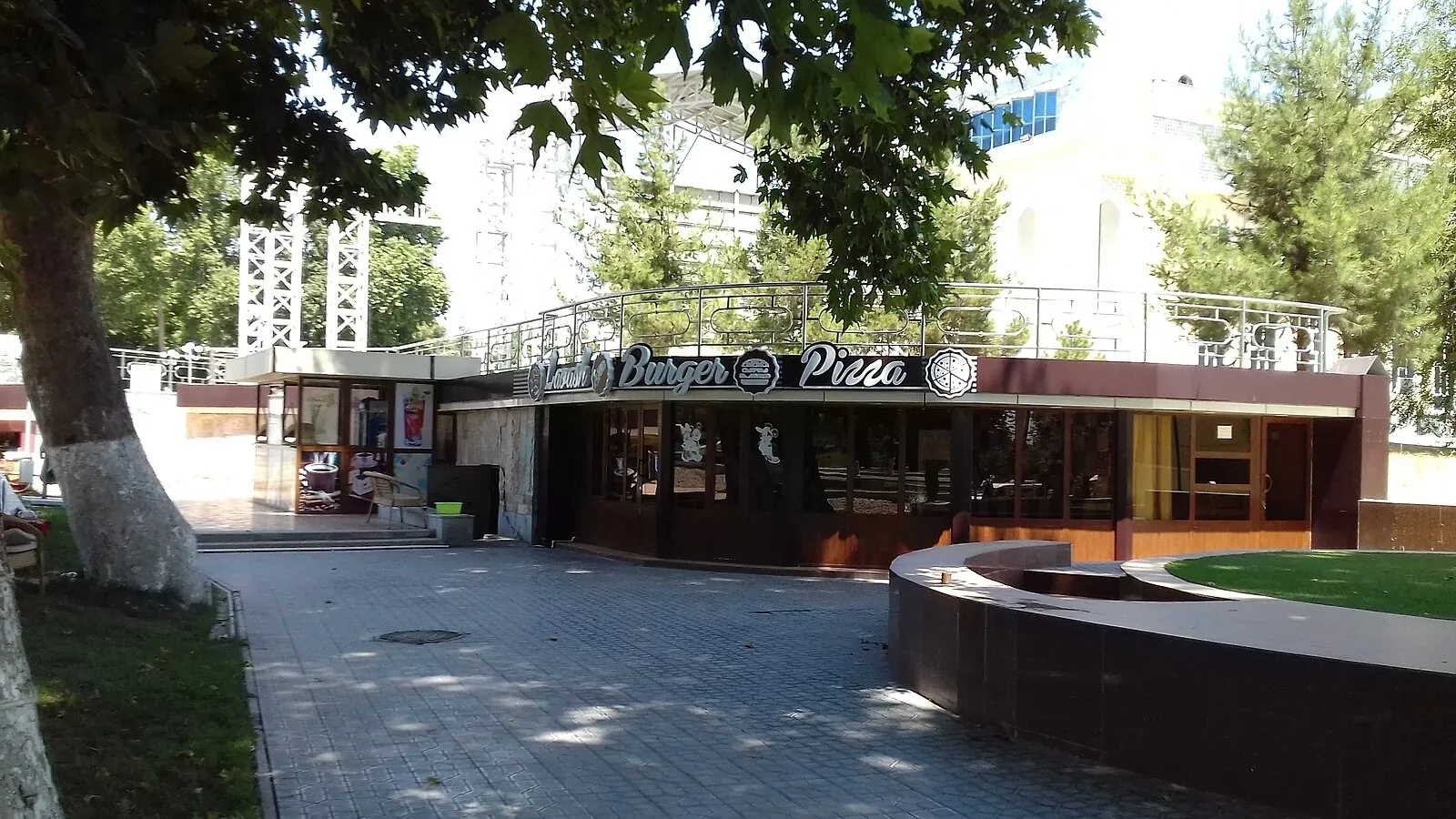 Registan Street / theatre area
A casual, low-cost café-and-fast-food stop near Samarkand theatre for flexible small orders between Registan and the boulevard area.
Keep exploring Samarkand and add more stops to your plan.
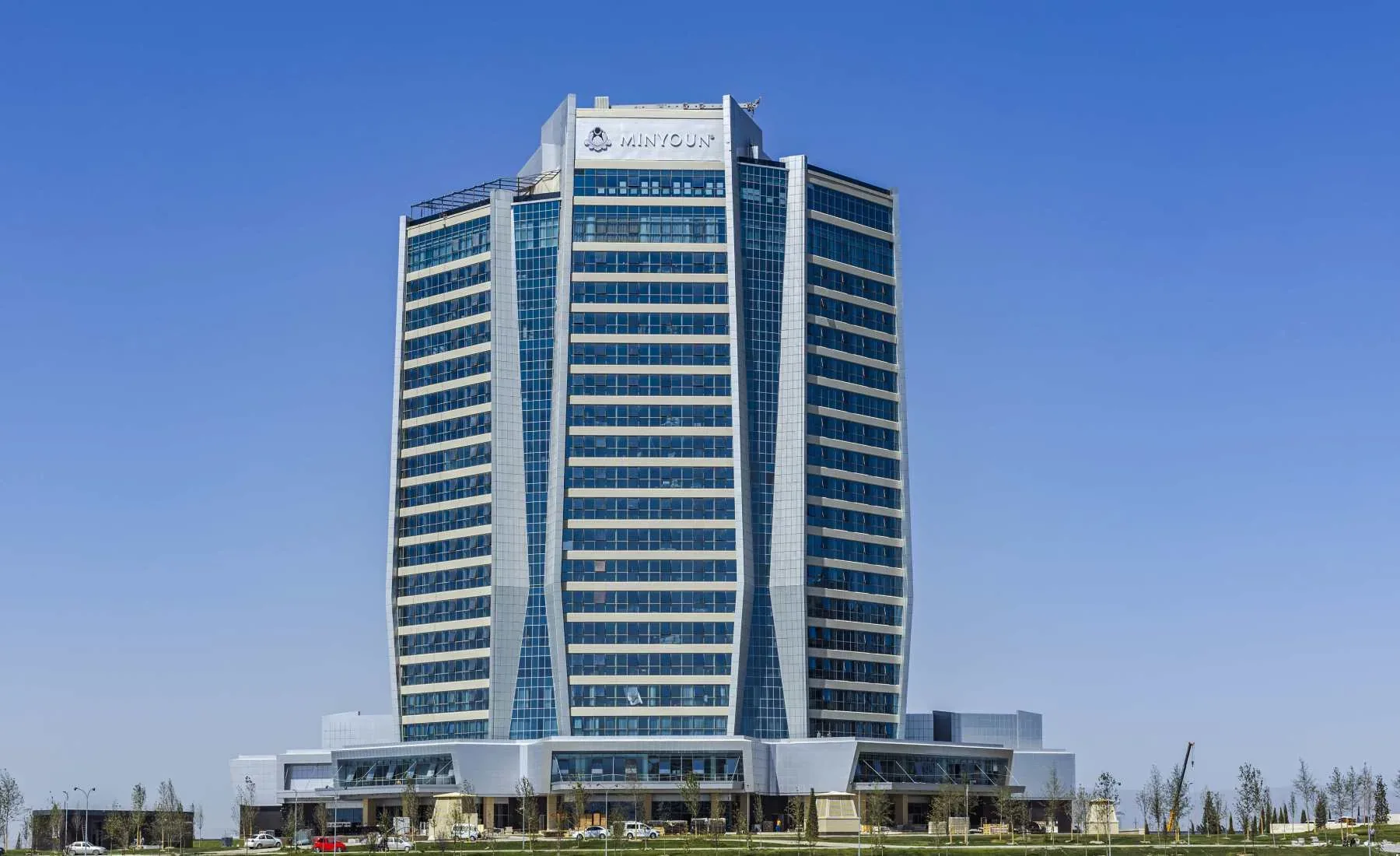 Silk Road Samarkand resort precinct
A five-star, 241-room resort hotel with a panoramic lounge, Pan-Asian dining and Mirage Spa & Wellness.
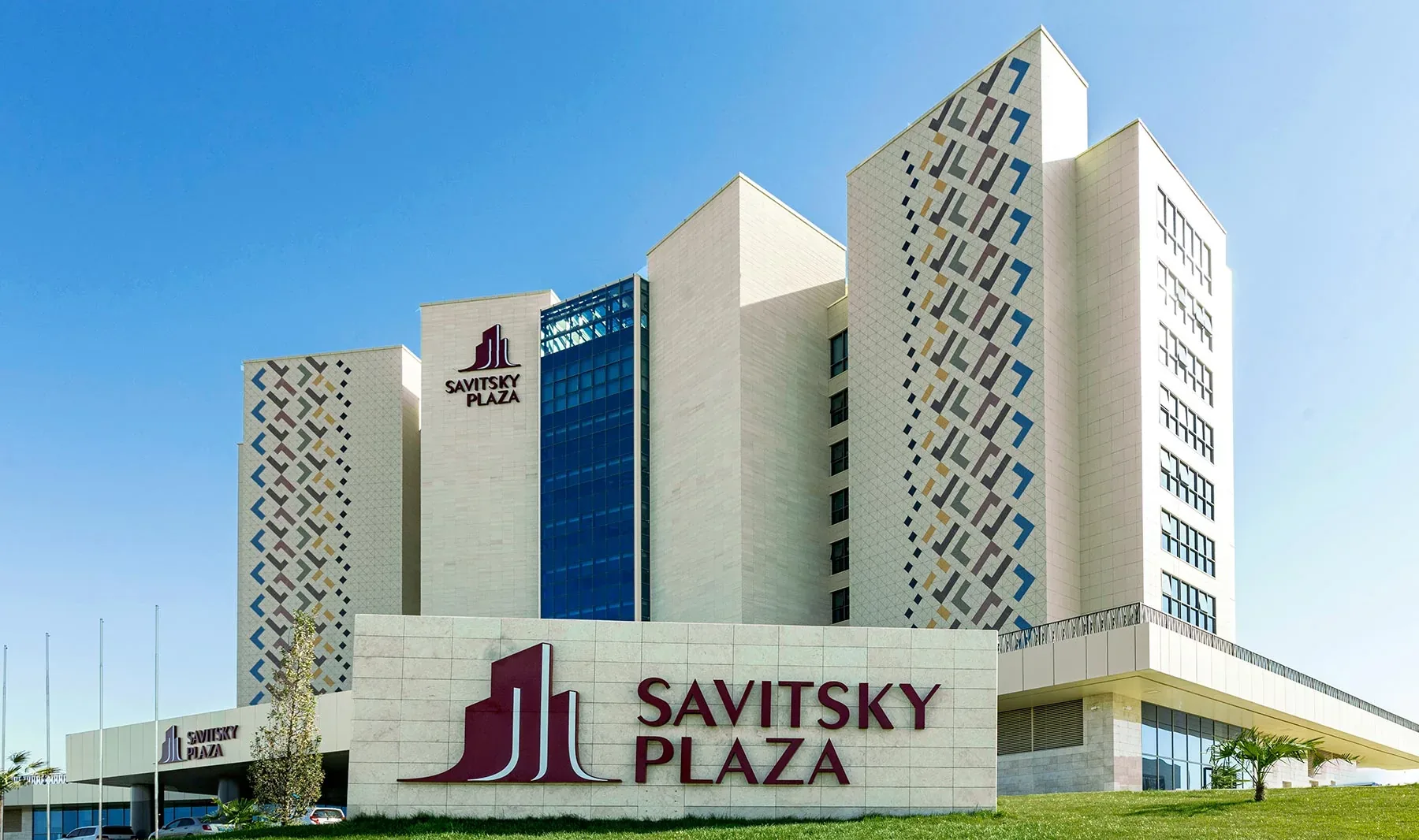 Silk Road Samarkand resort precinct
An art-led 175-room hotel with canal-view rooms, a restaurant and a cultural design theme inspired by Igor Savitsky.
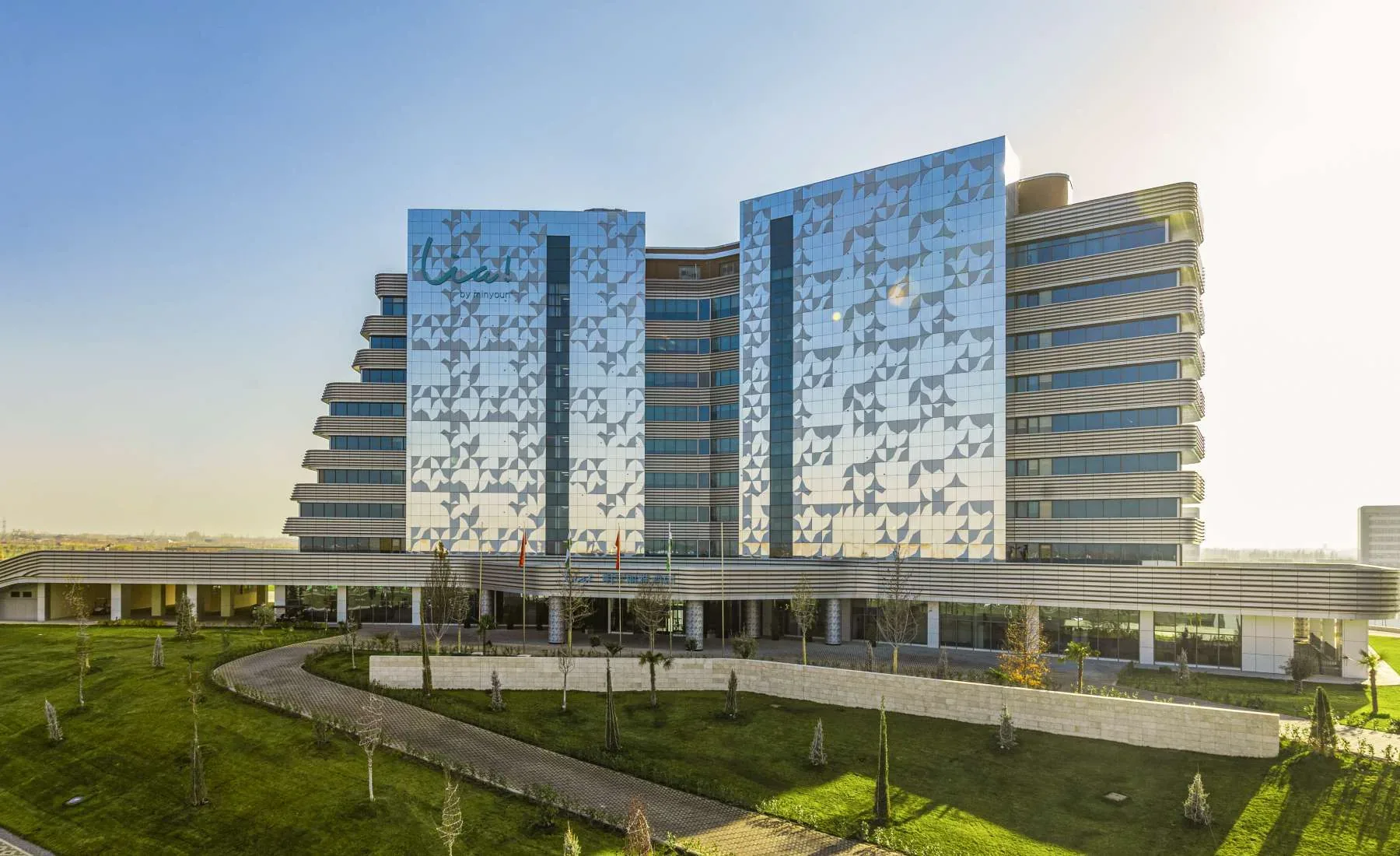 Silk Road Samarkand resort precinct
A four-star, 170-room hotel for active travelers, with Foodrink dining, Tea Station and an Ulugbek-inspired theme.
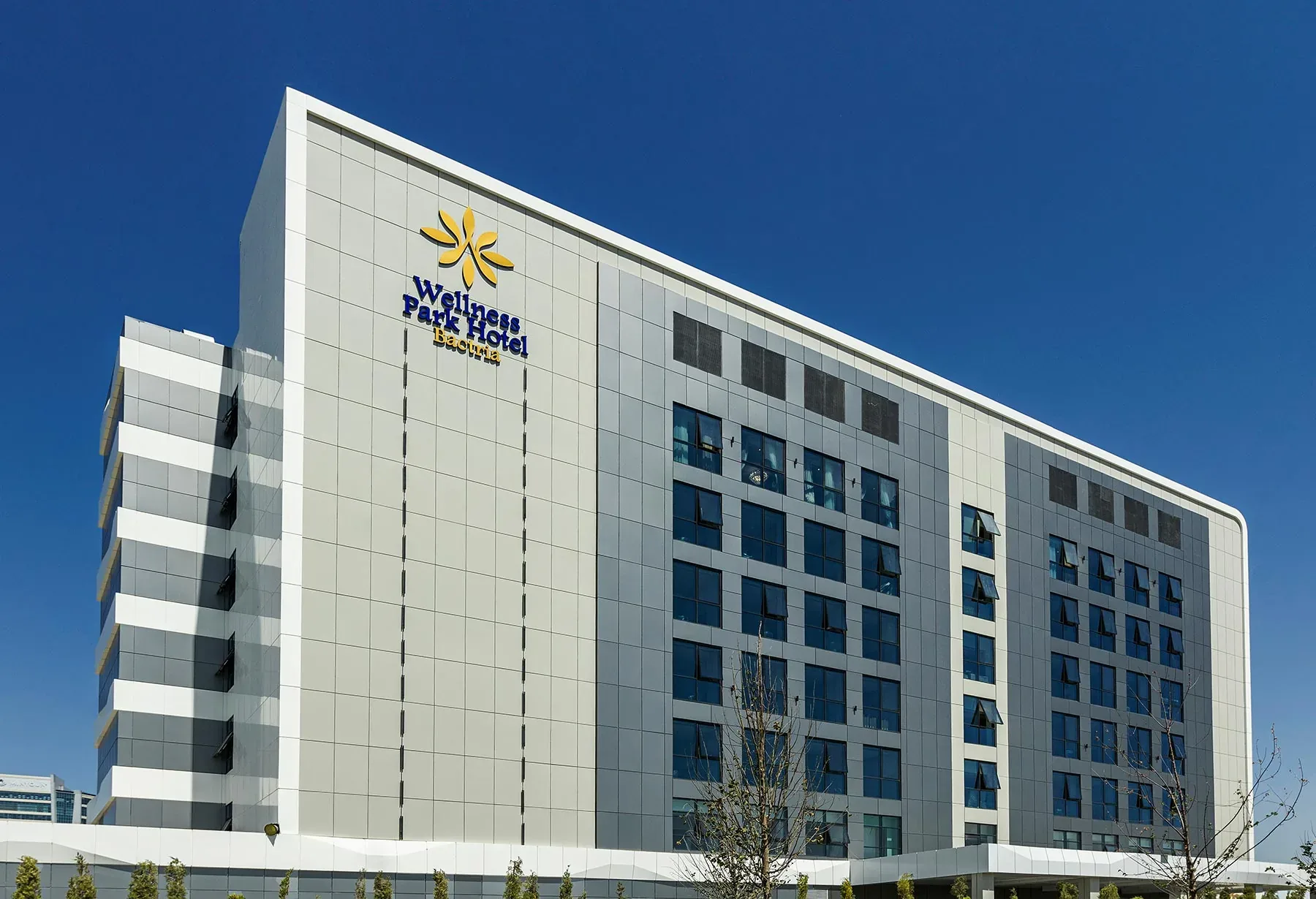 Silk Road Samarkand resort precinct
A canal-side 92-room wellness-oriented hotel with a fitness room, restaurant and Bactria-inspired design.
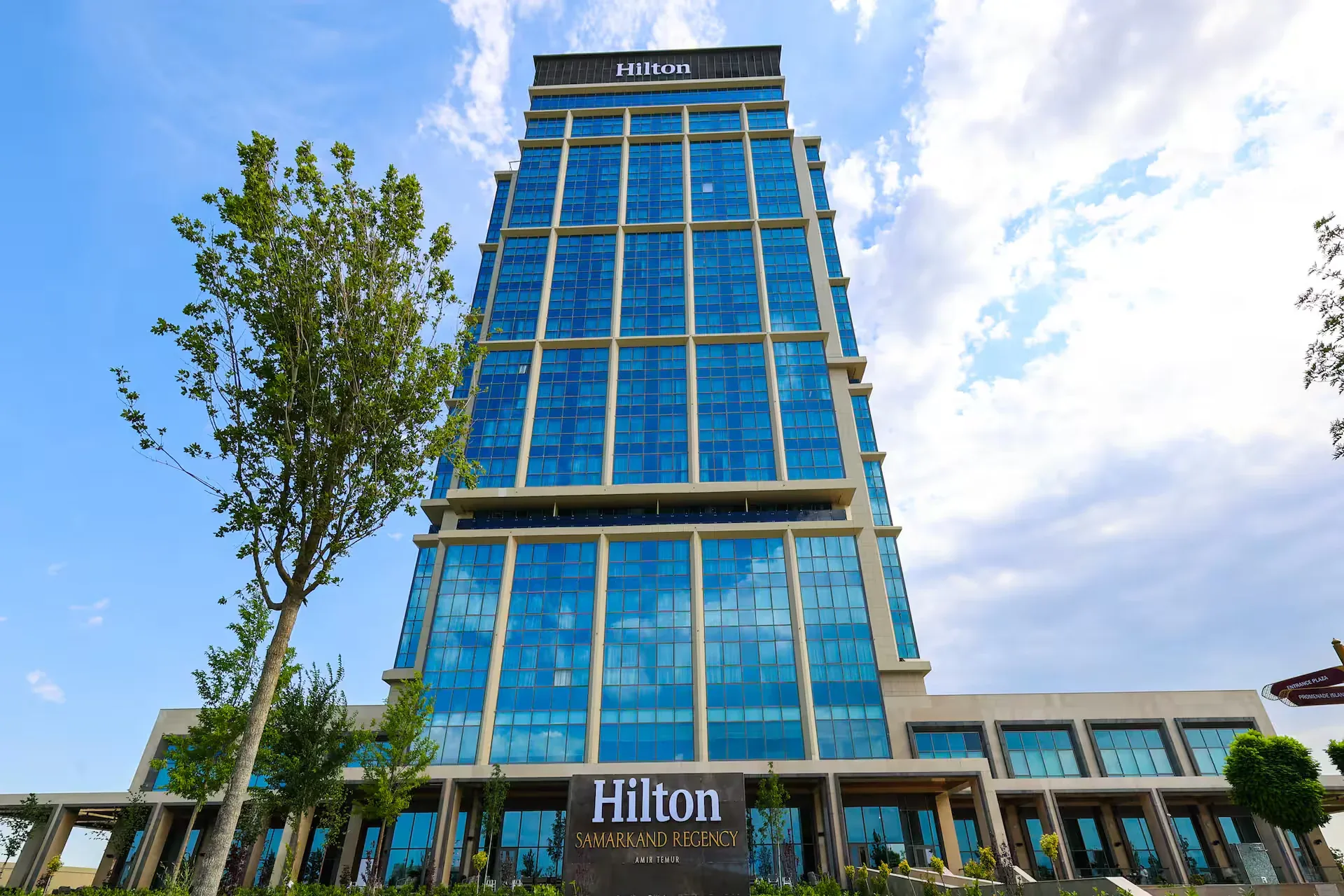 Silk Road Samarkand resort precinct
A full-service Hilton resort hotel by the Rowing Canal, with pools, spa, Sky Bar and family-ready amenities.
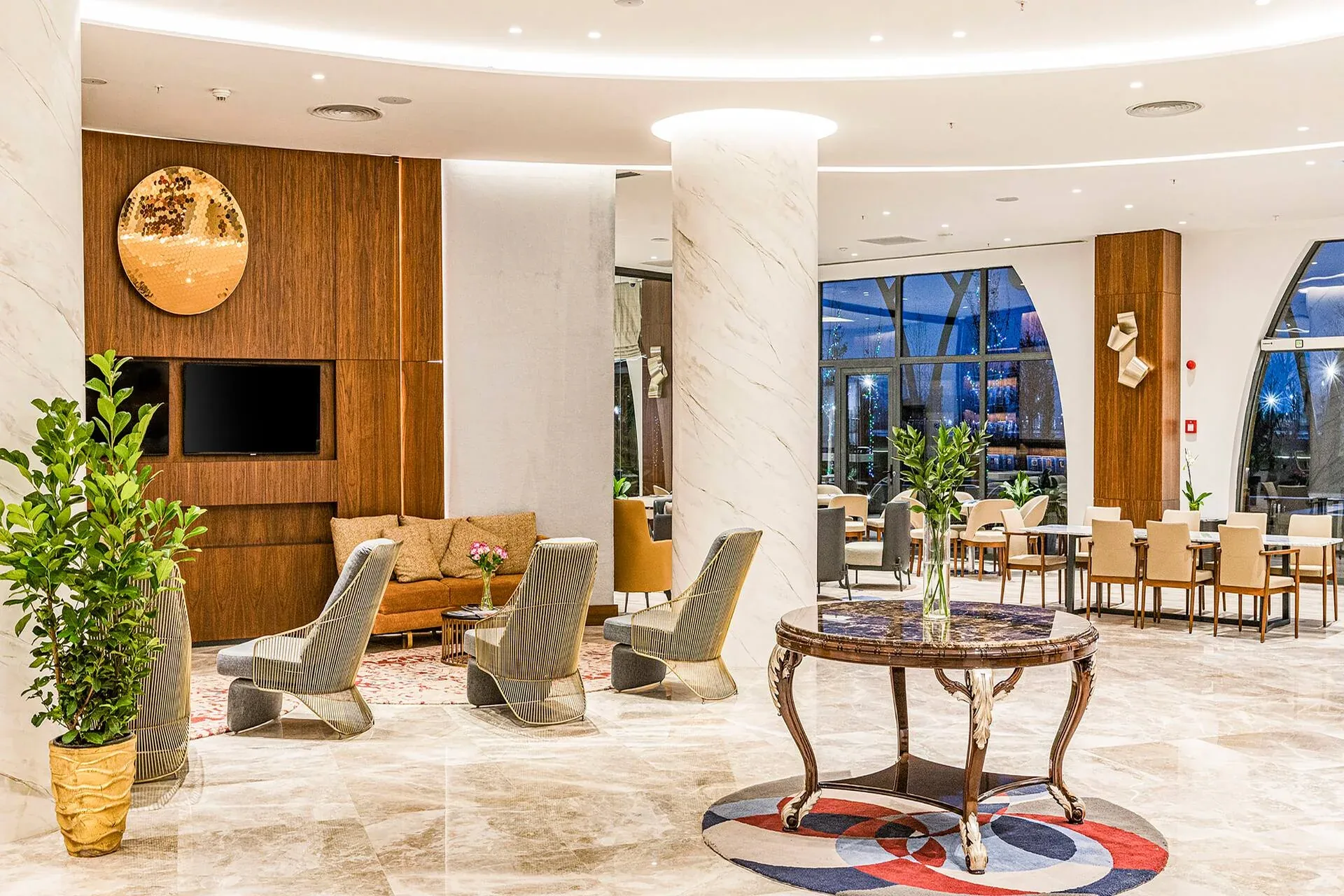 Silk Road Samarkand resort precinct
A Hilton Garden Inn inside the Silk Road complex, with terrace dining, wellness facilities and a 24-hour fitness centre.
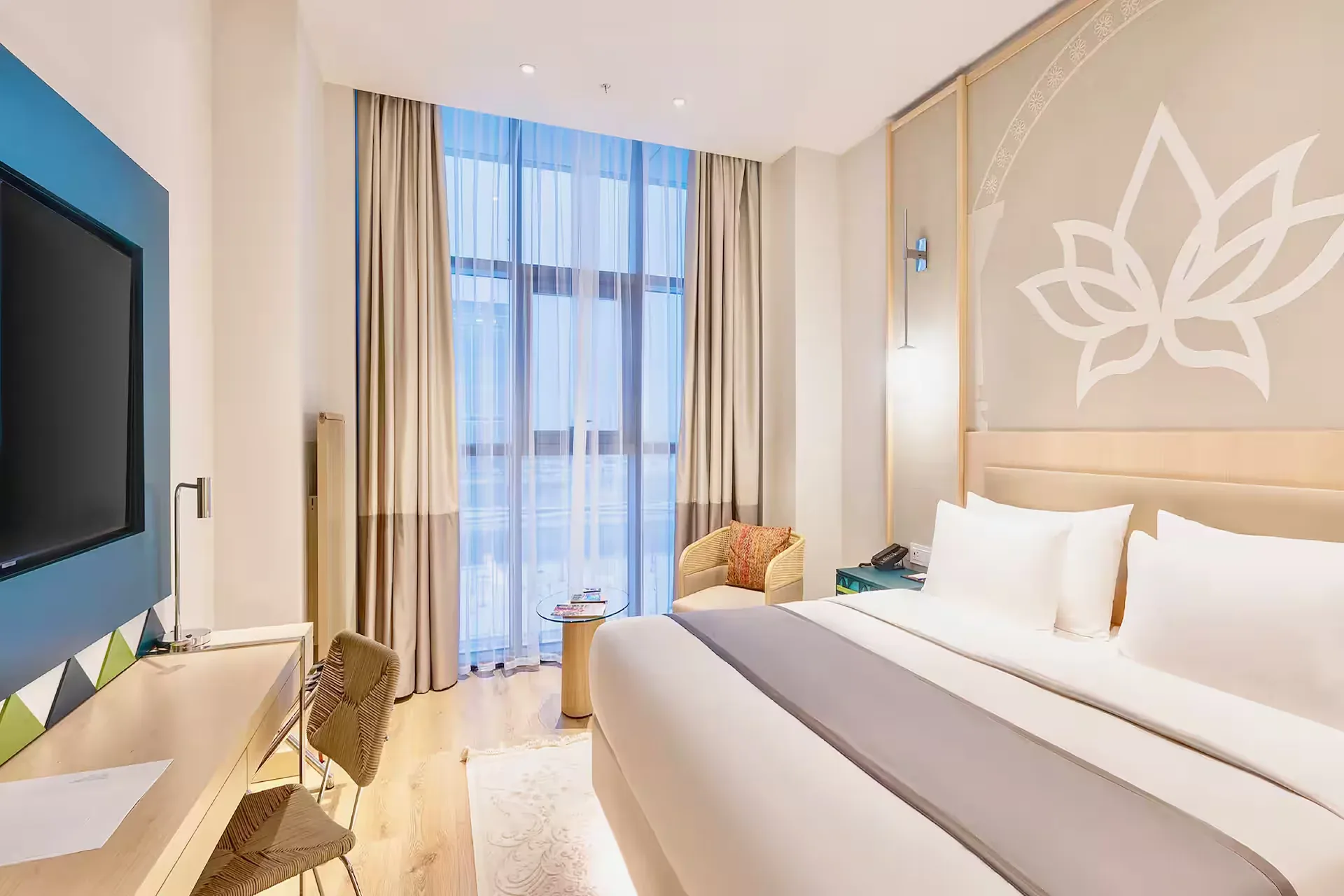 Silk Road Samarkand resort precinct
A Hilton Garden Inn resort stay at Grebnoy Kanal, pairing the Silk Road Samarkand precinct with a recognised hotel operator.
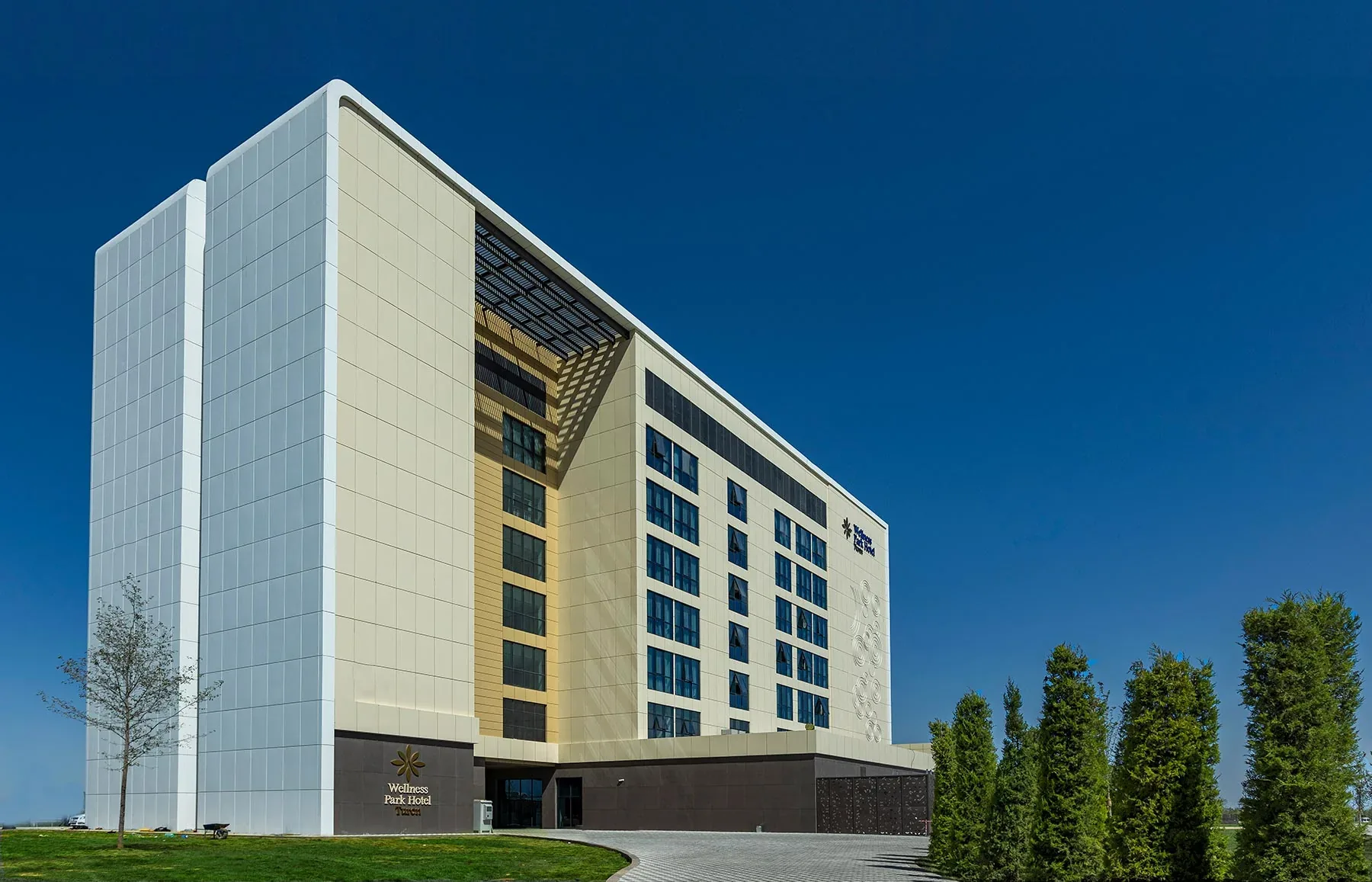 Silk Road Samarkand resort precinct
A canal-view wellness hotel with 82 rooms, fitness space, conference rooms and a lower-entry resort price.
 Samarkand
An art-led boutique hotel with handmade décor, buffet breakfast and individual room styles.
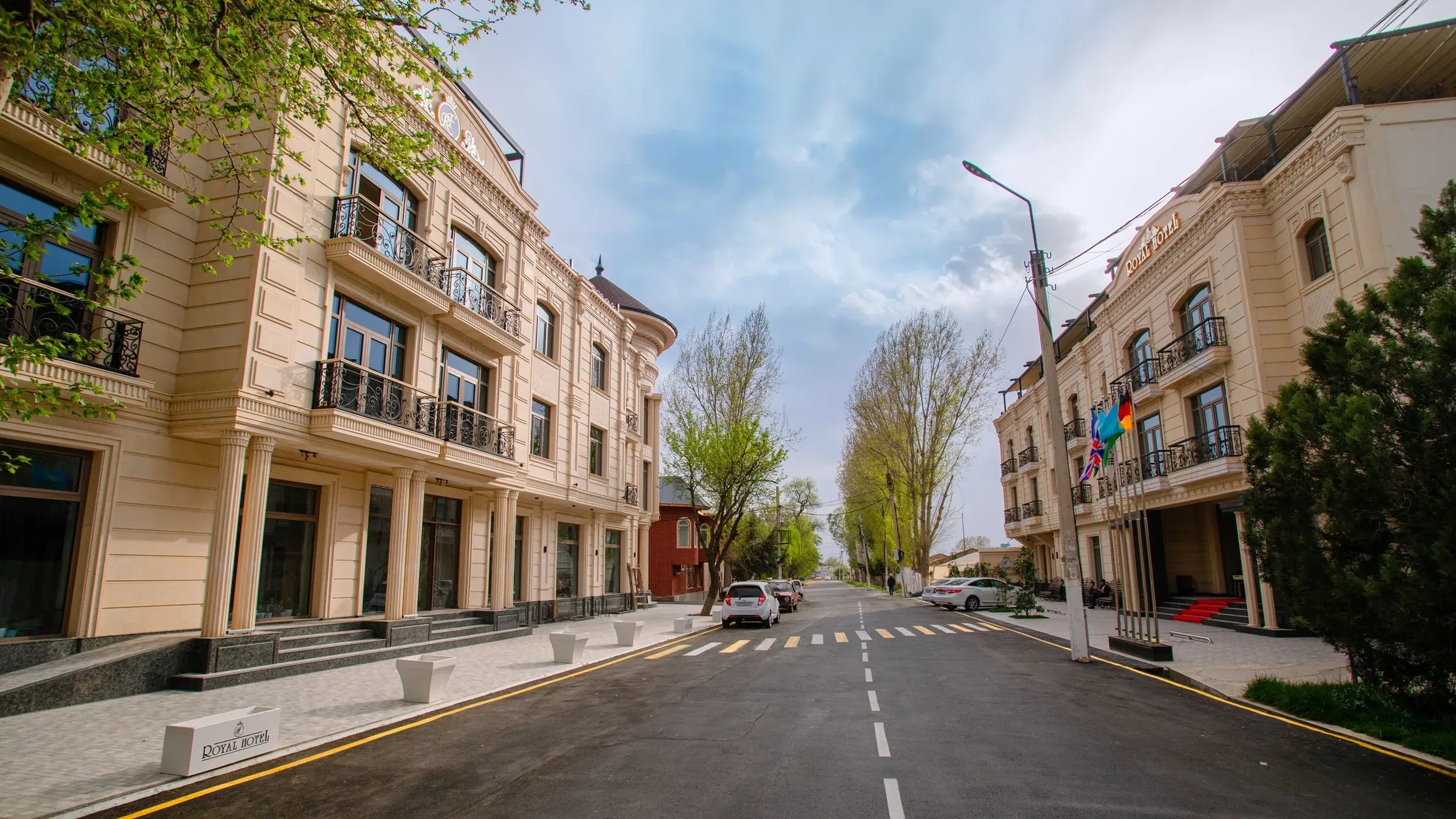 Samarkand
Royal Hotel Samarkand is a 50-room property with a restaurant, outdoor terrace, swimming pool, Jacuzzi and sauna, suited to travelers looking for a compact hotel base with leisure facilities.