Overview
The mahalla, or neighborhood community, remains important to social organization. Residential lanes are not open-air museums: doorways, courtyards, weddings, funerals and children's play belong to residents. Ask before photographing people or domestic architecture, keep voices low near mosques and cemeteries, and do not follow a group into a private ceremony simply because a gate is open.
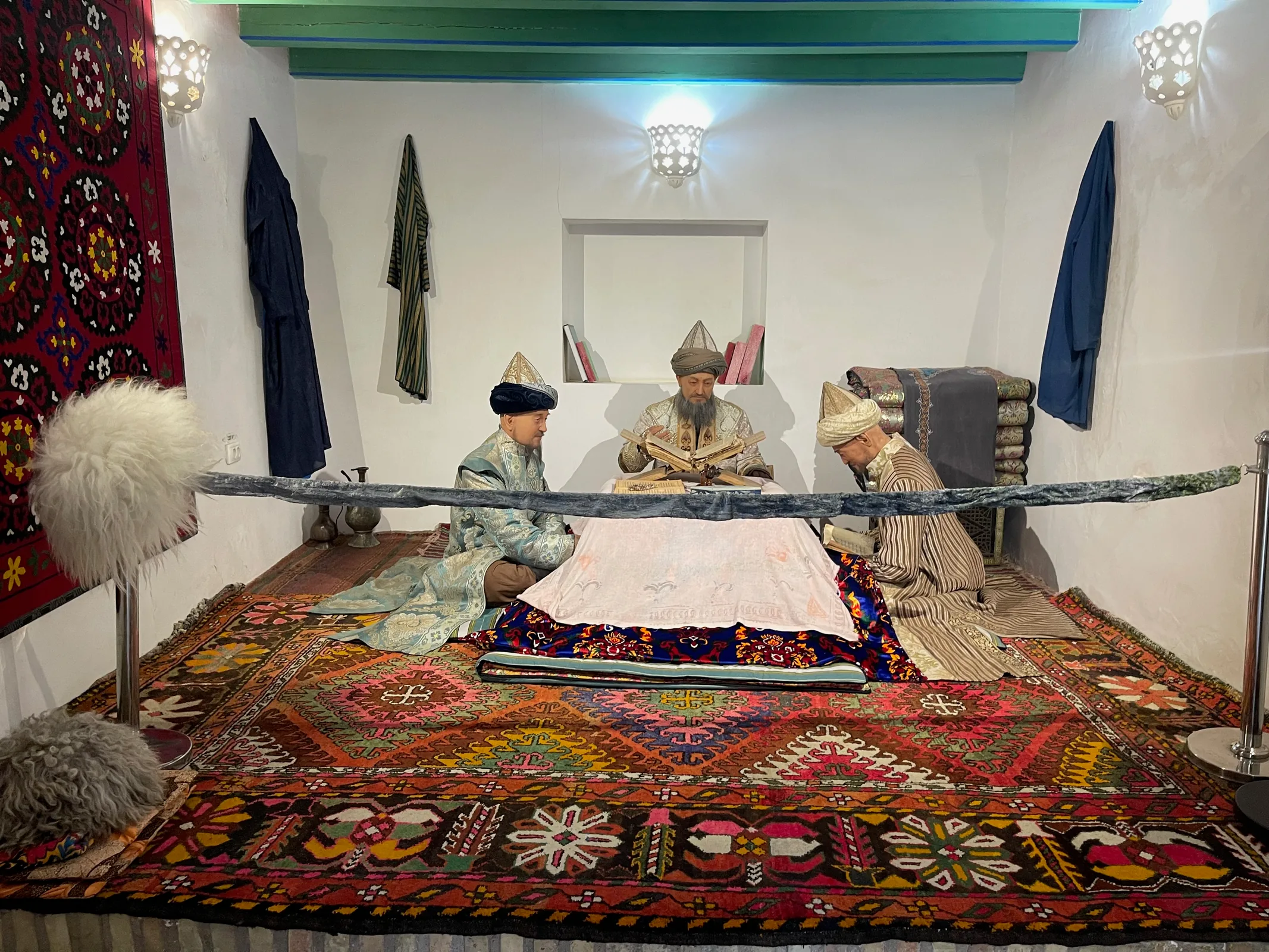
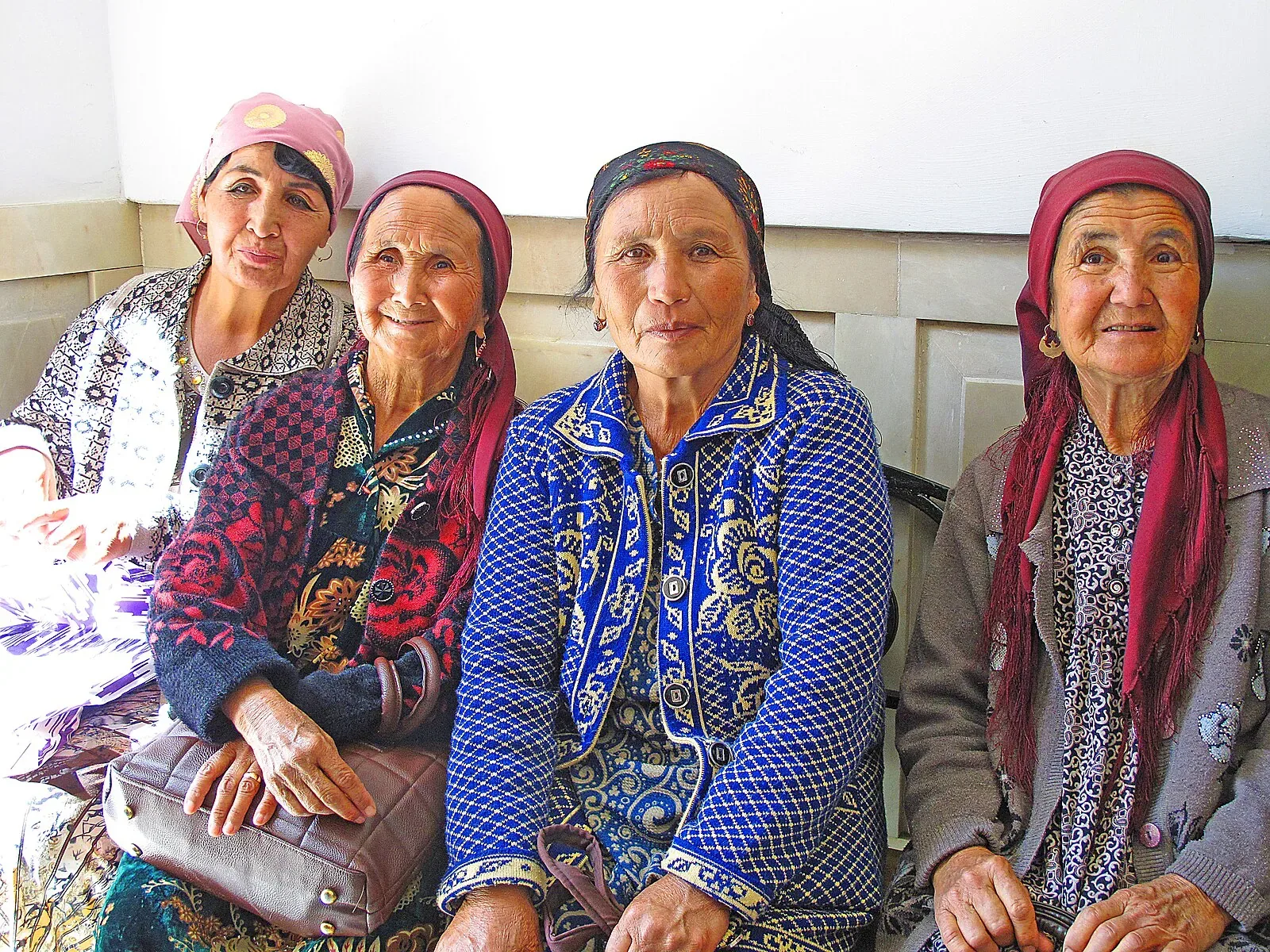
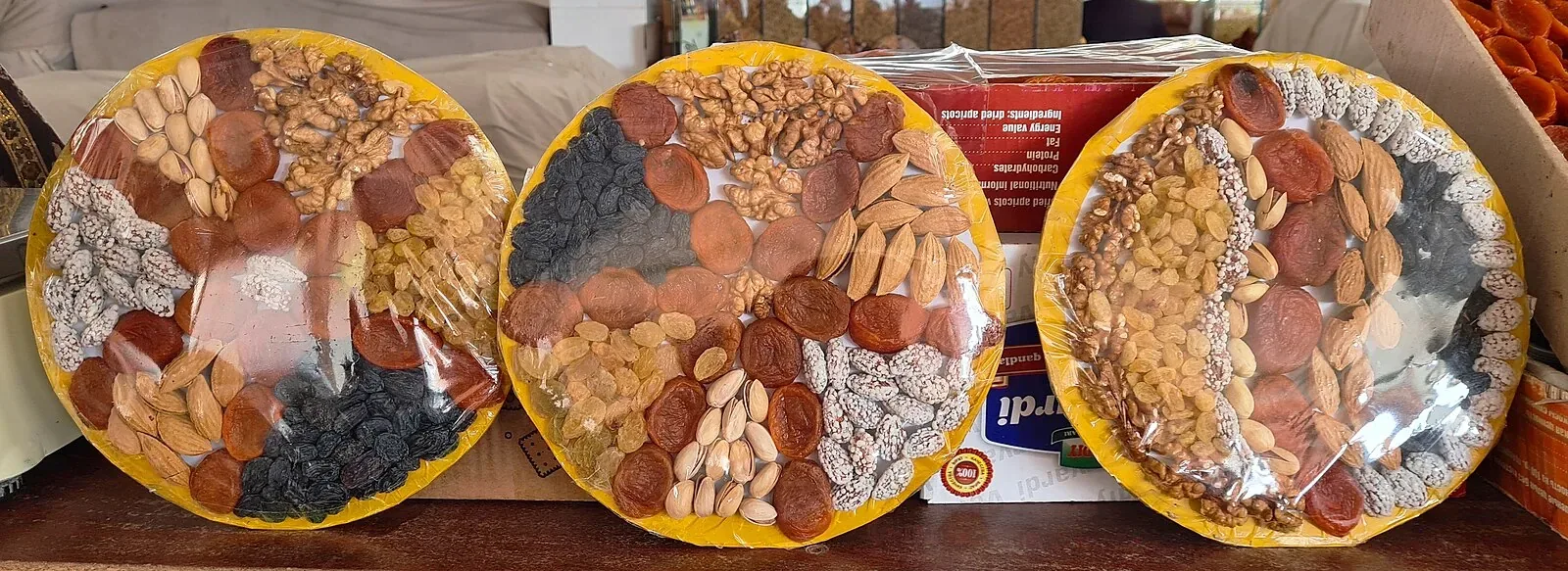
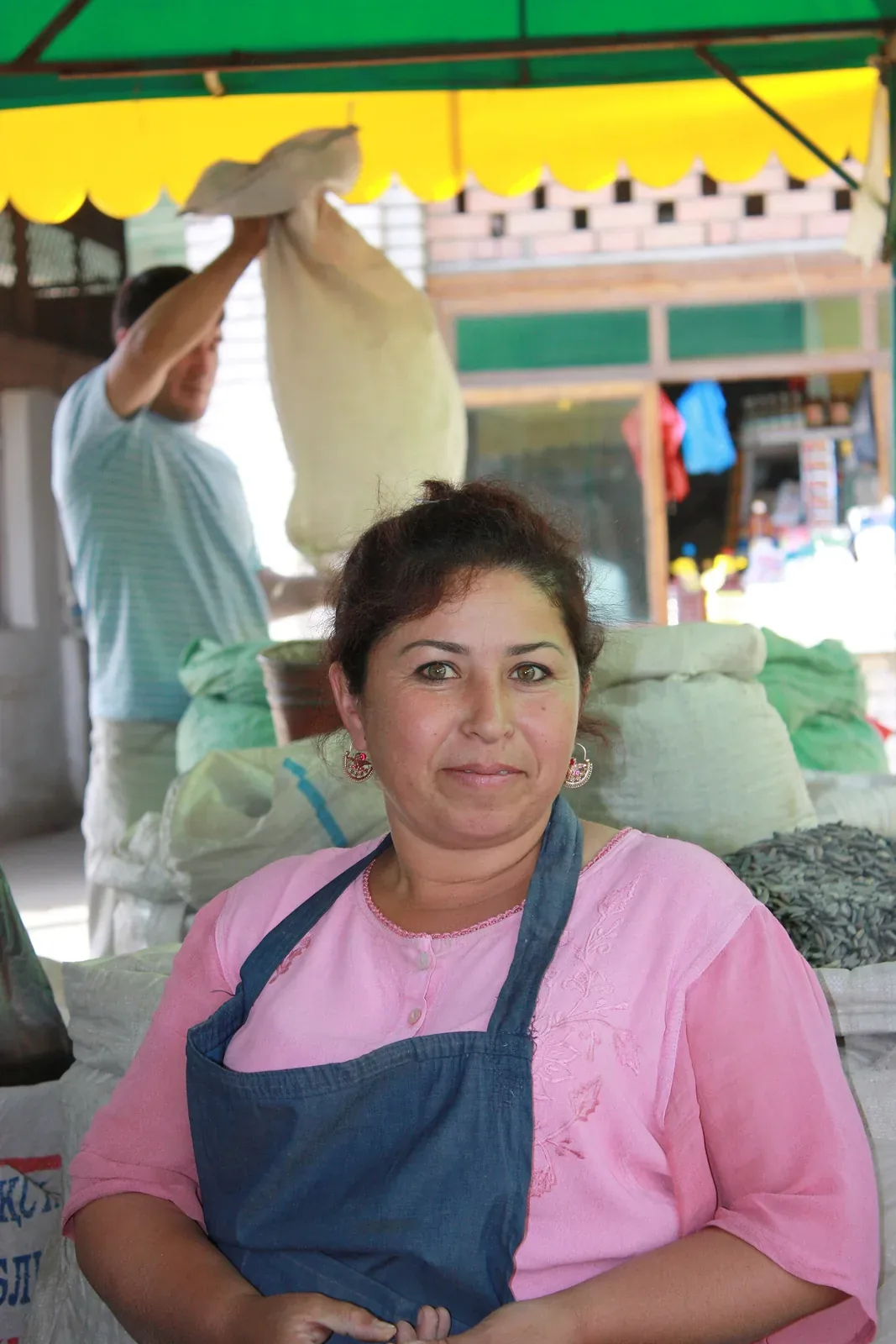
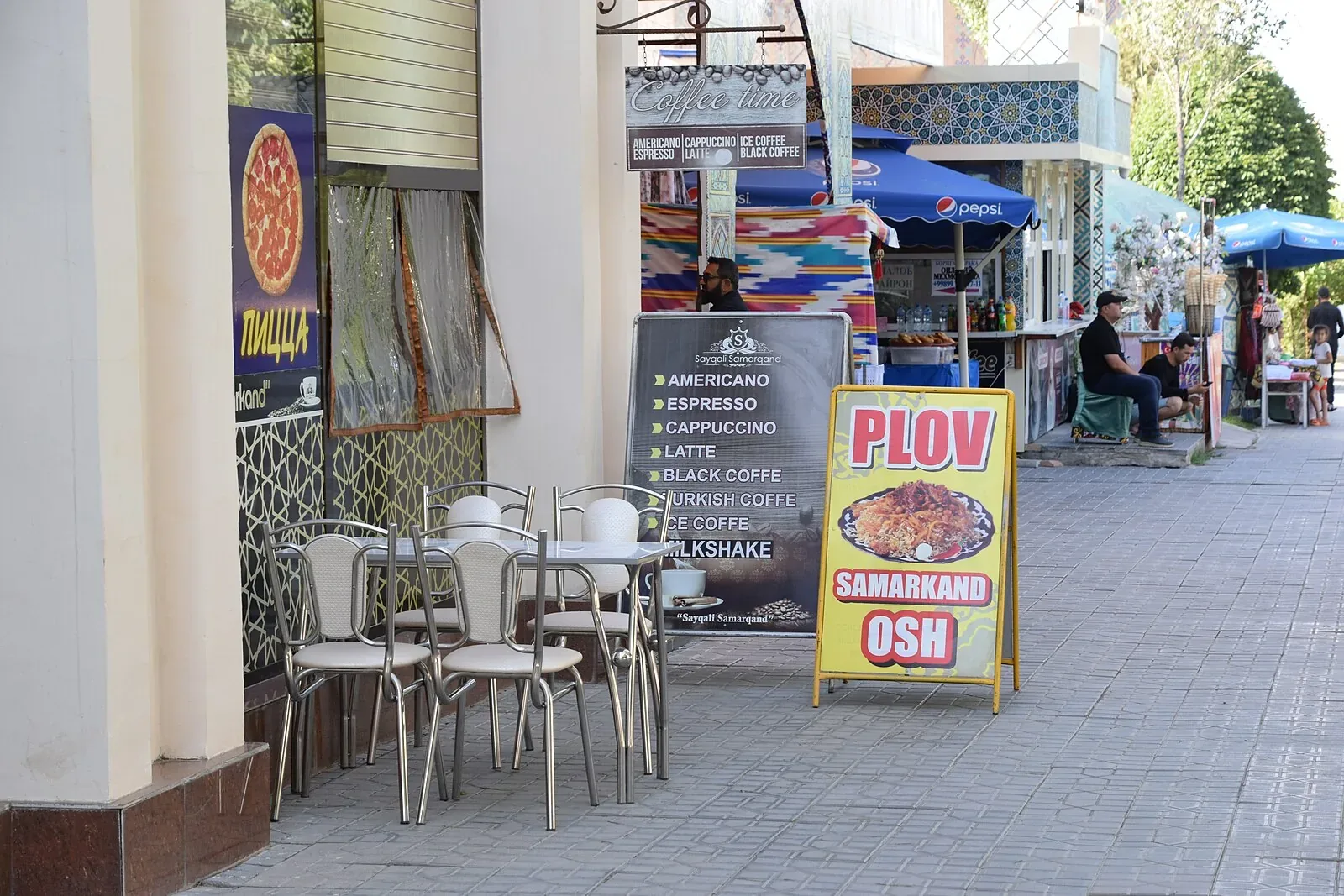
Hospitality often appears through tea, bread and extended conversation. Accept or decline politely, and avoid turning a personal invitation into content without explicit consent. Family life and religious practice vary; Samarkand should not be represented as uniformly conservative or uniformly secular. Markets and local restaurants offer better everyday contact than staged cultural shows, provided travelers greet vendors, negotiate without aggression and pay fairly for genuine craft work.