Why visit
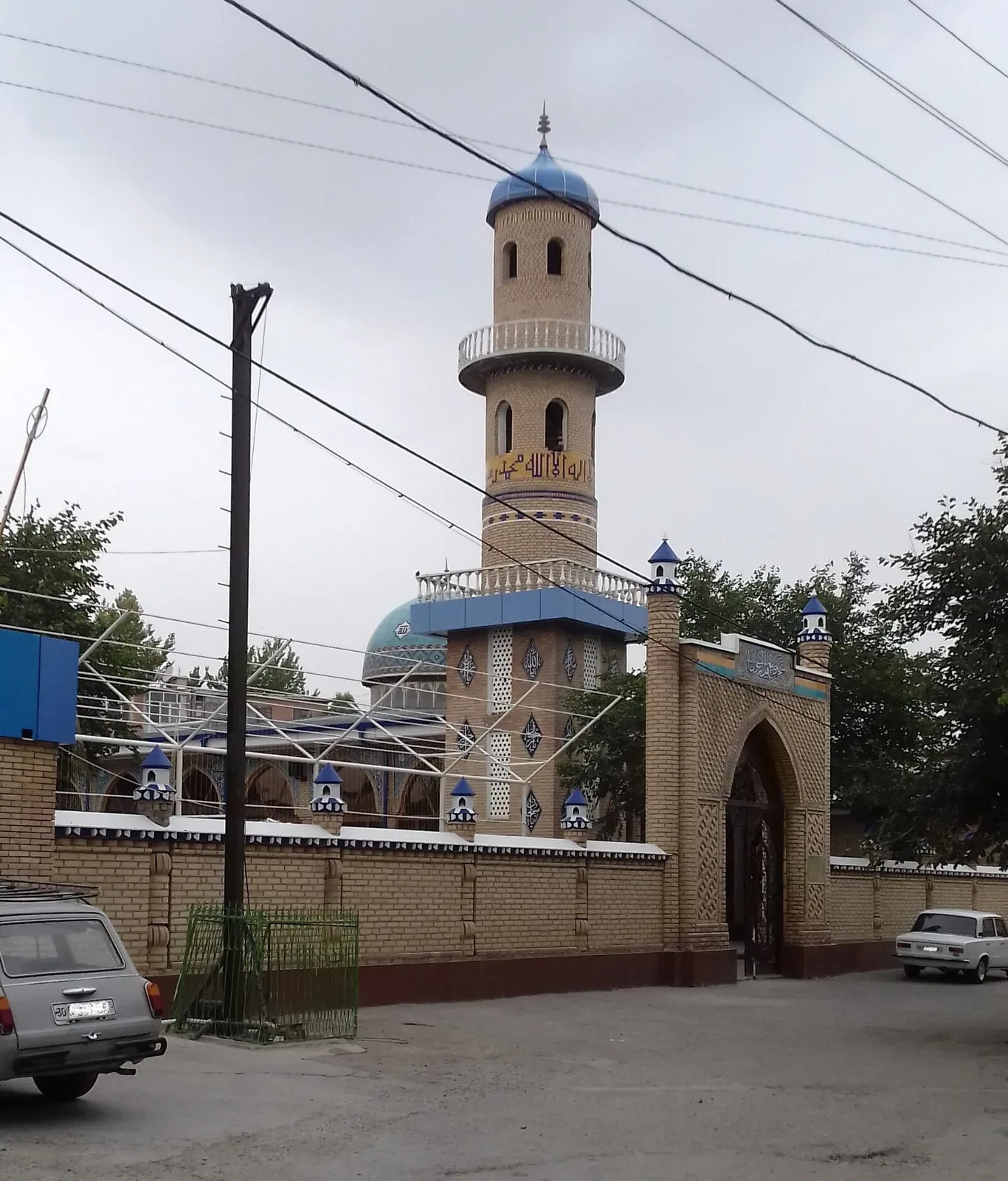
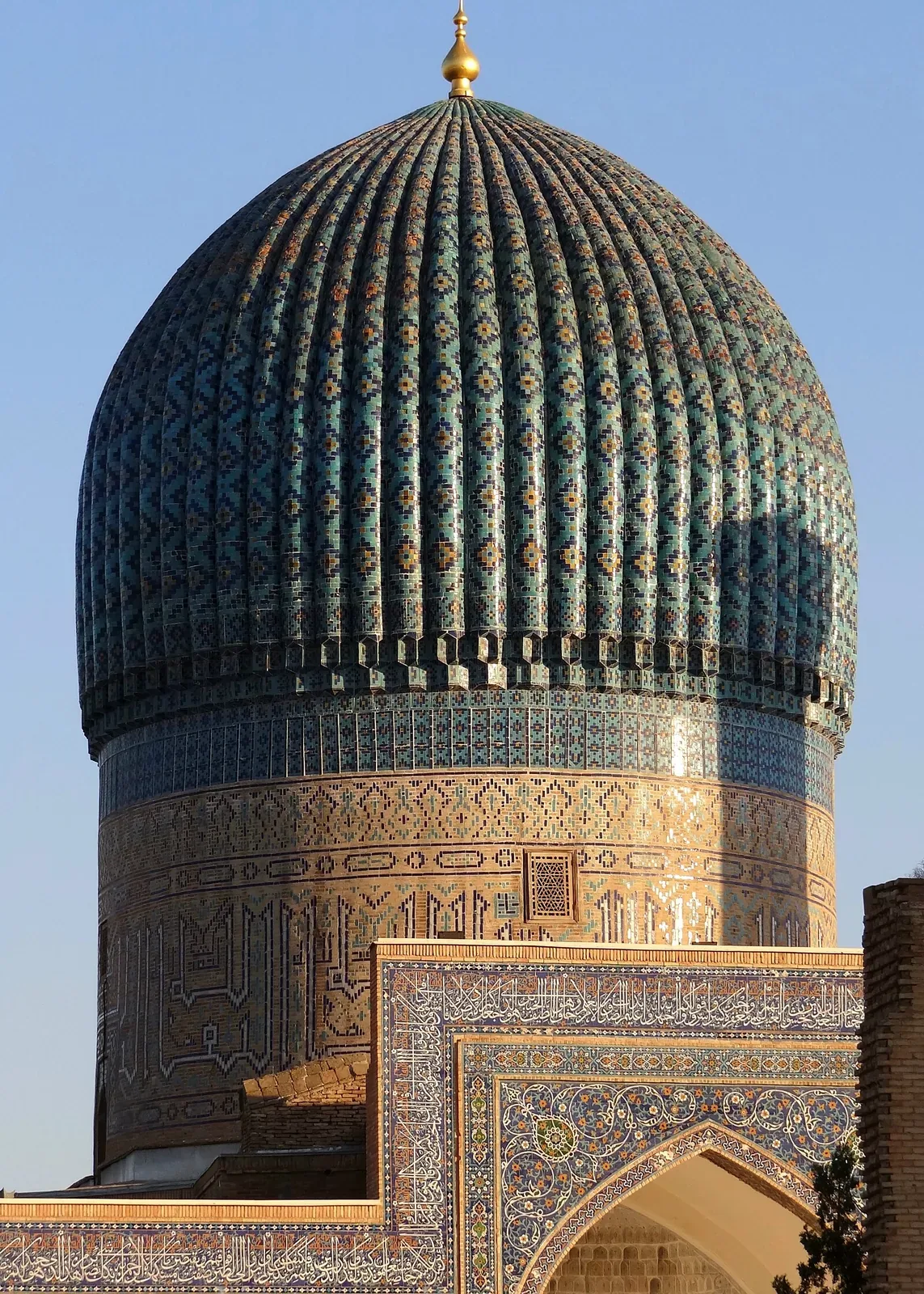
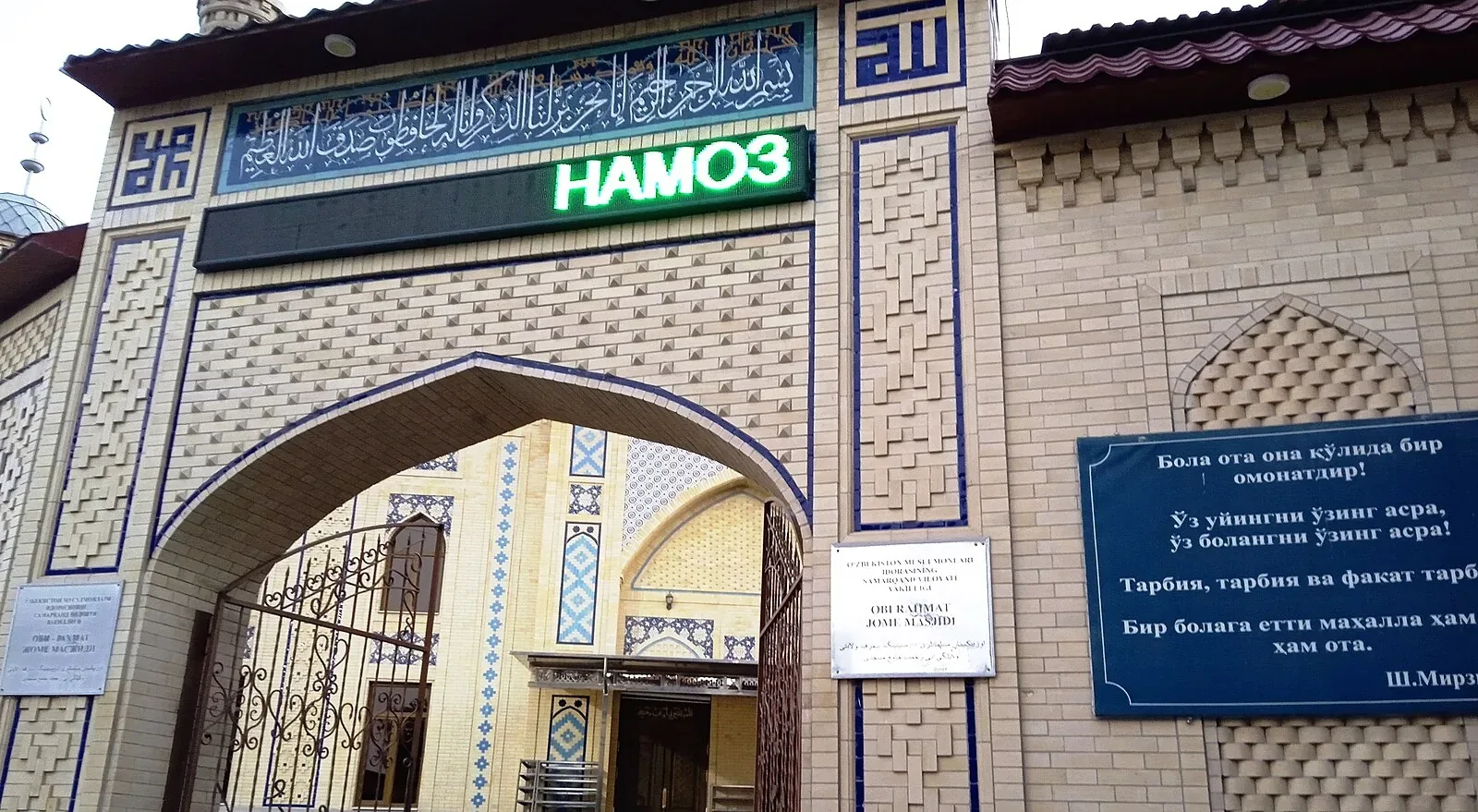
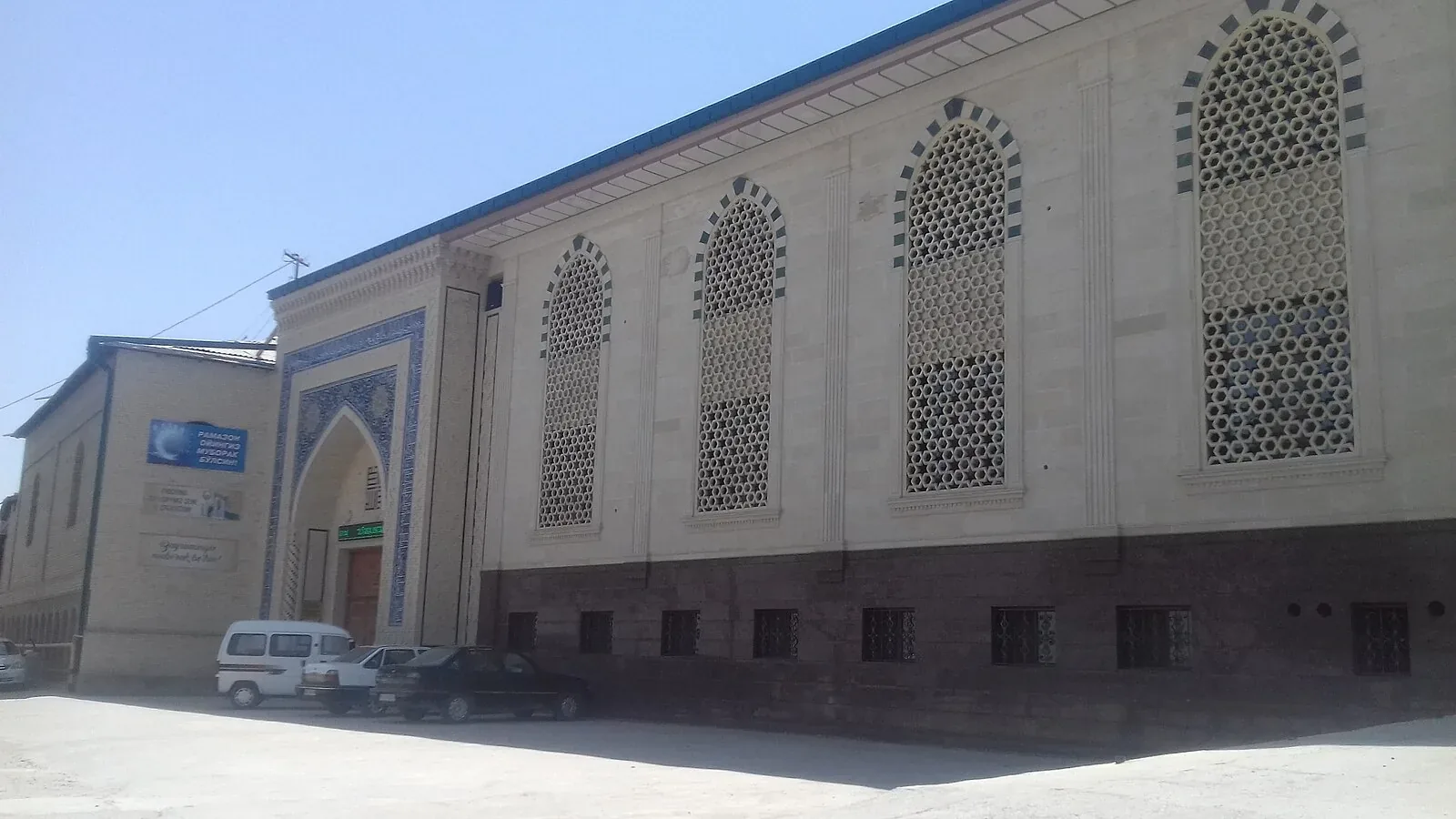
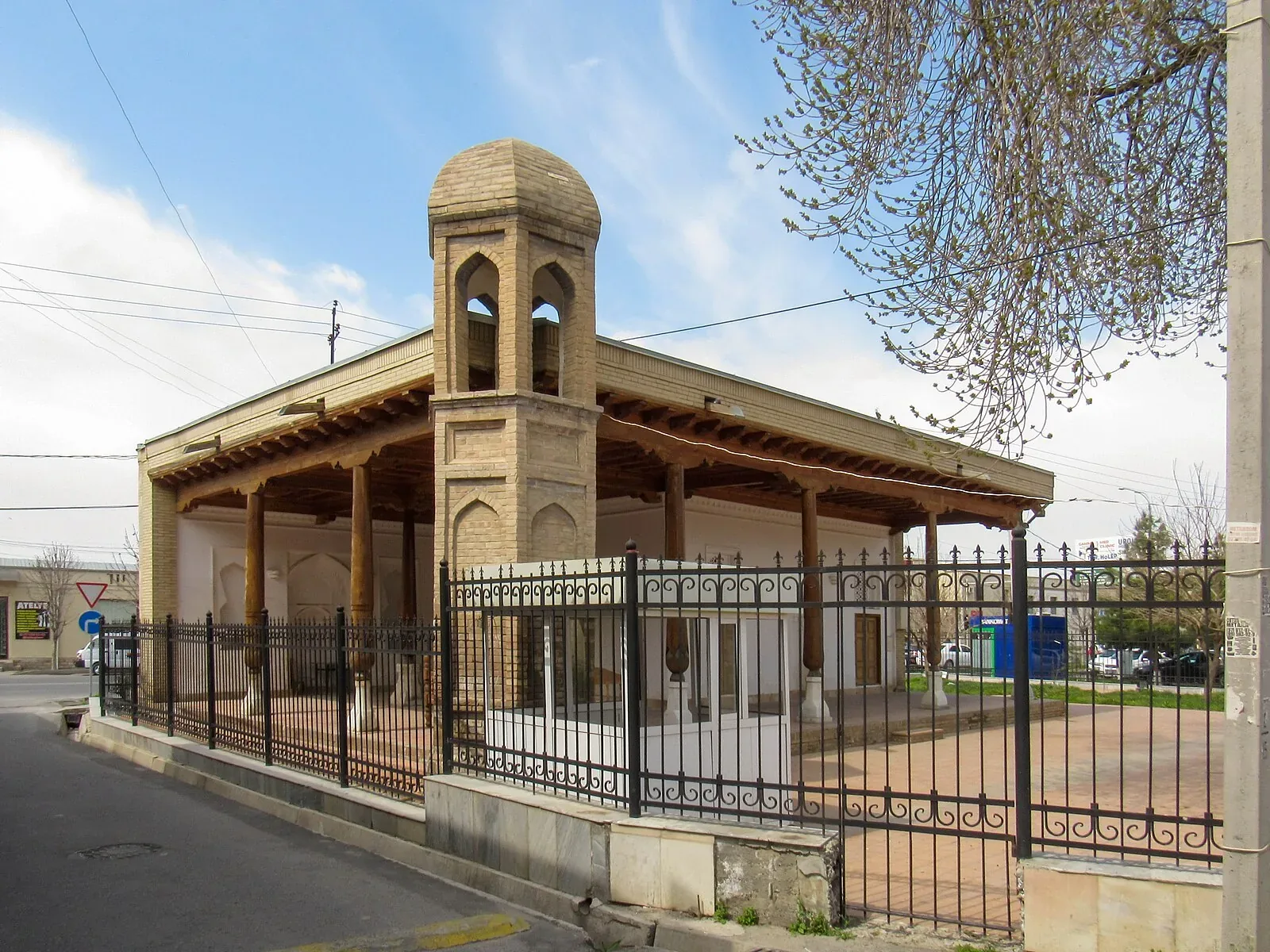
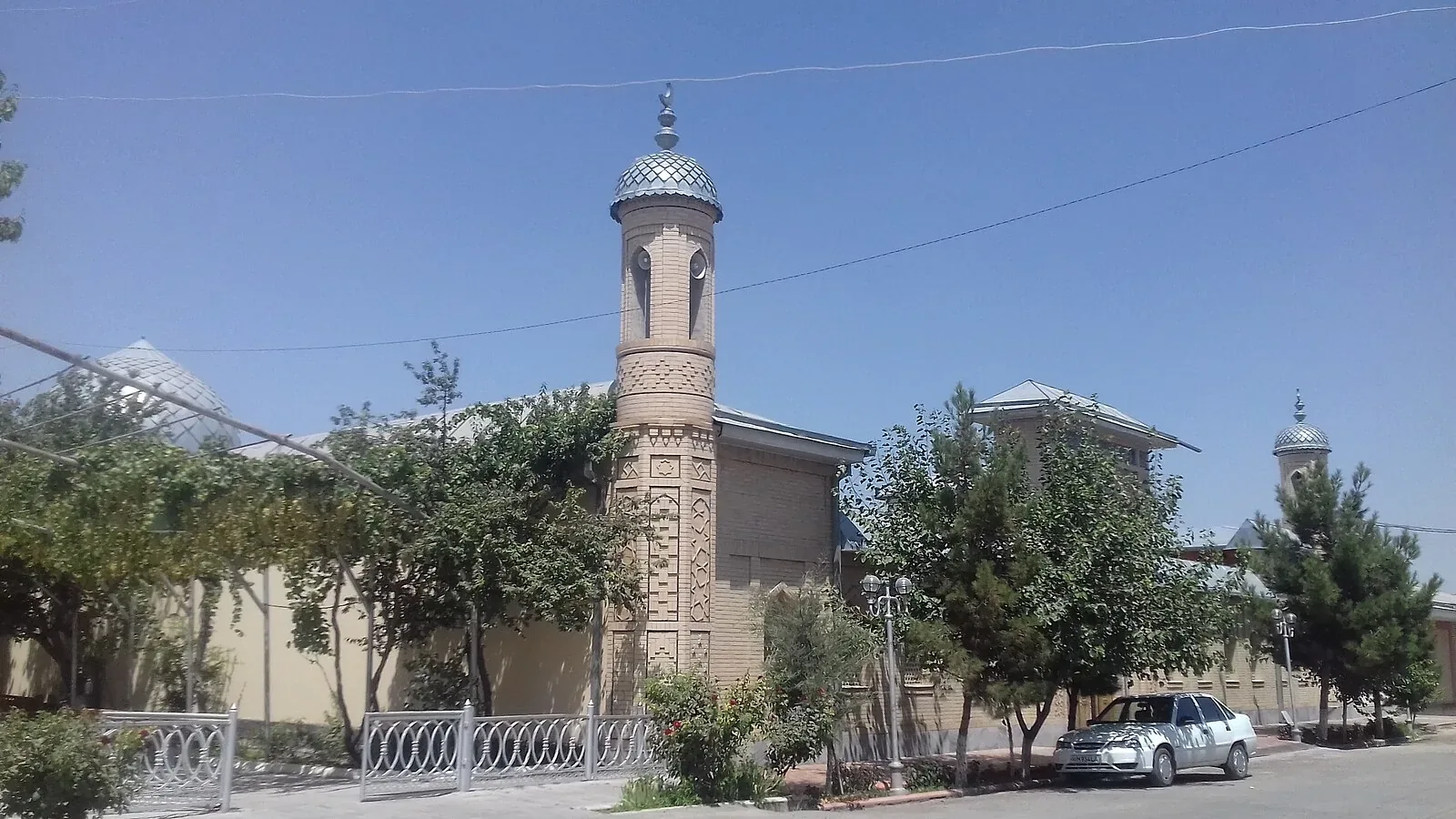
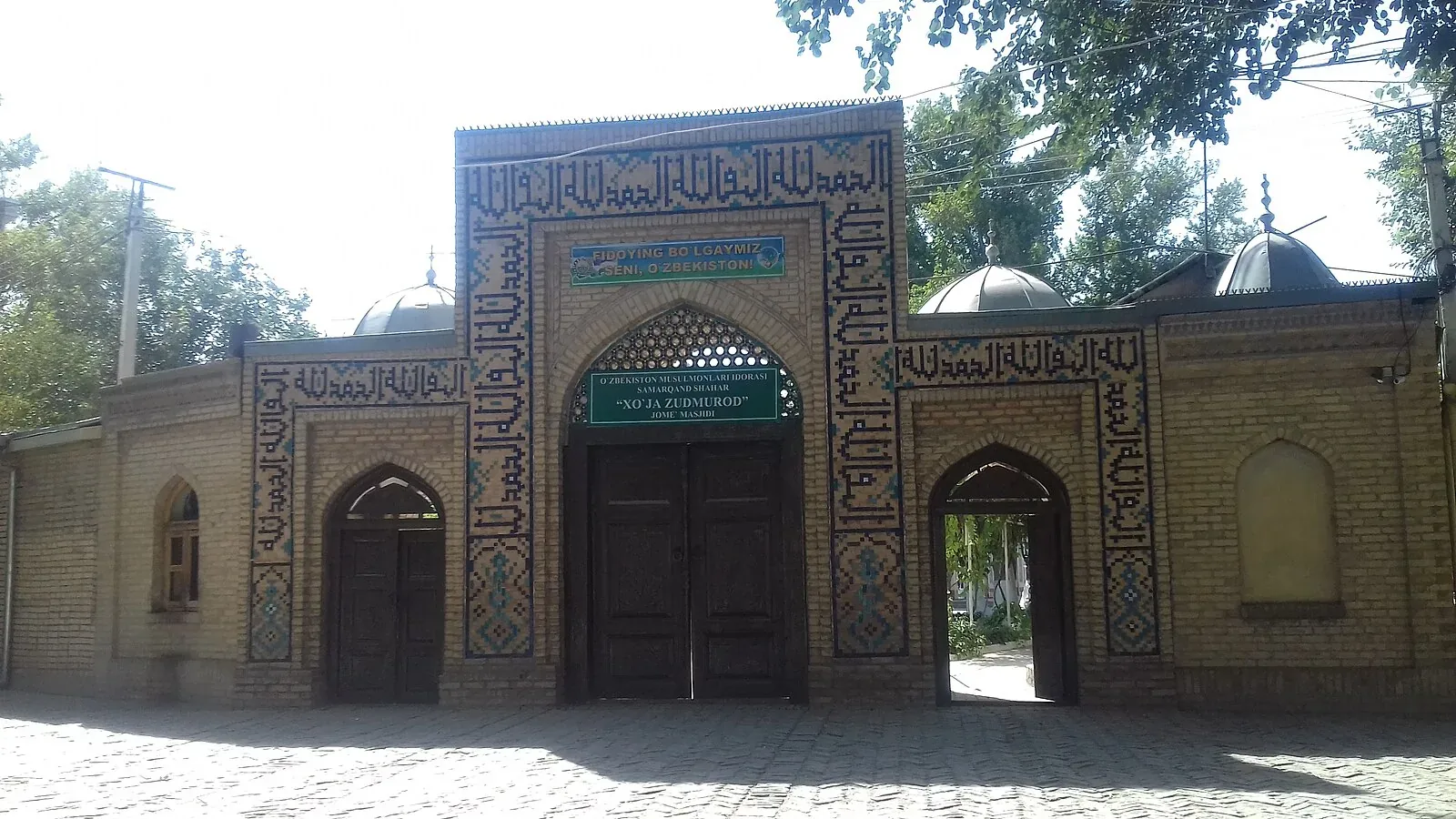
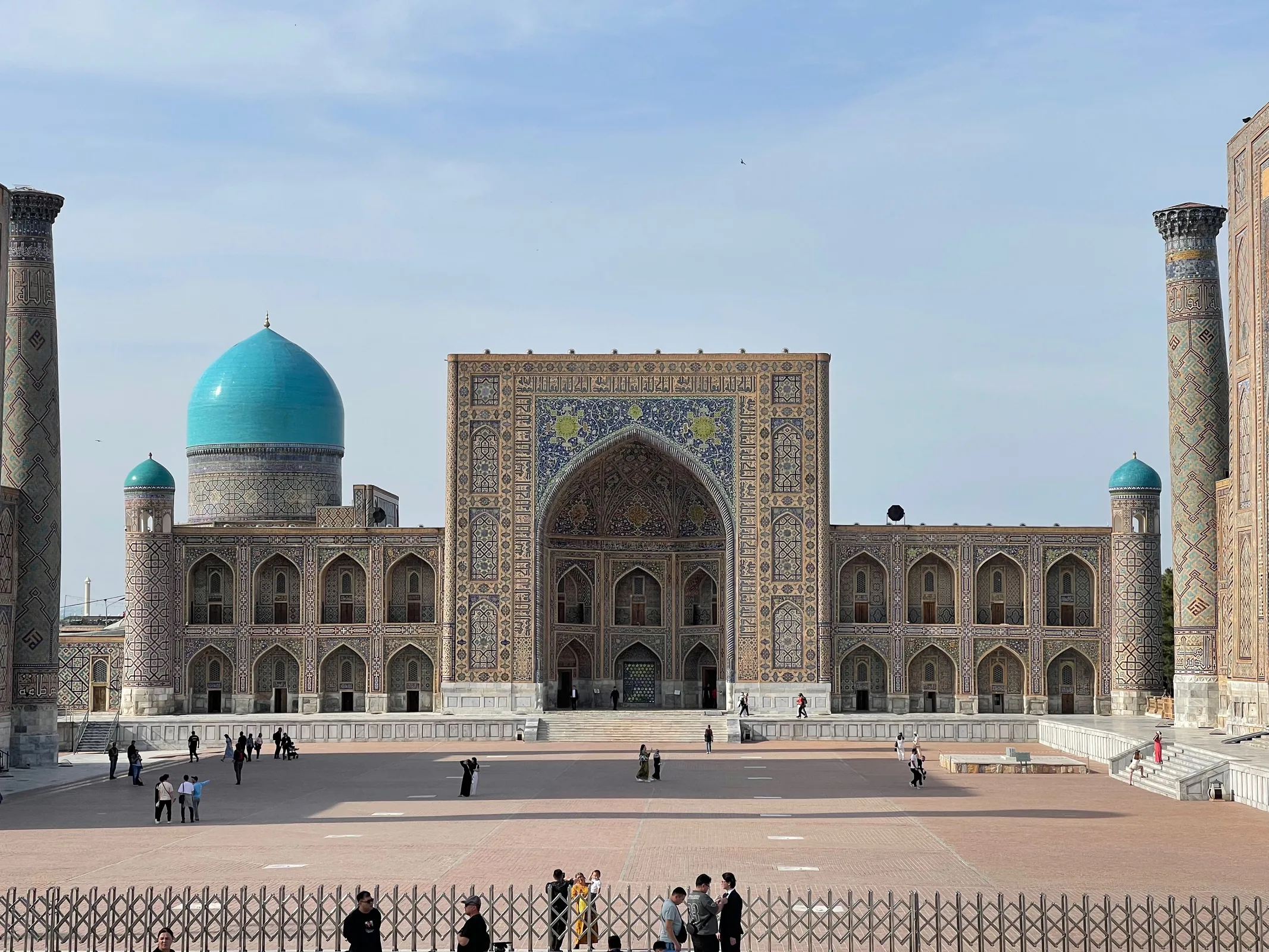
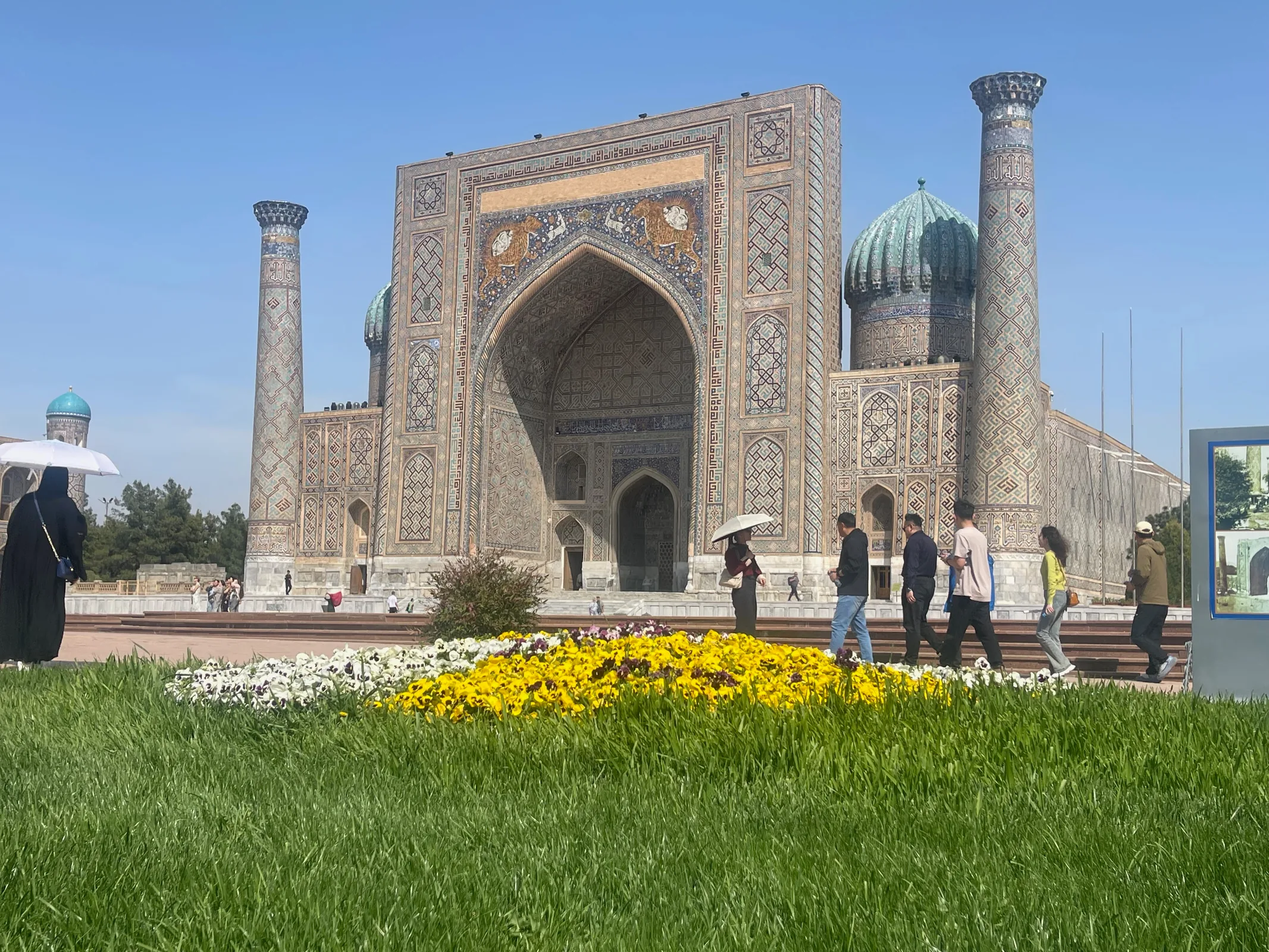
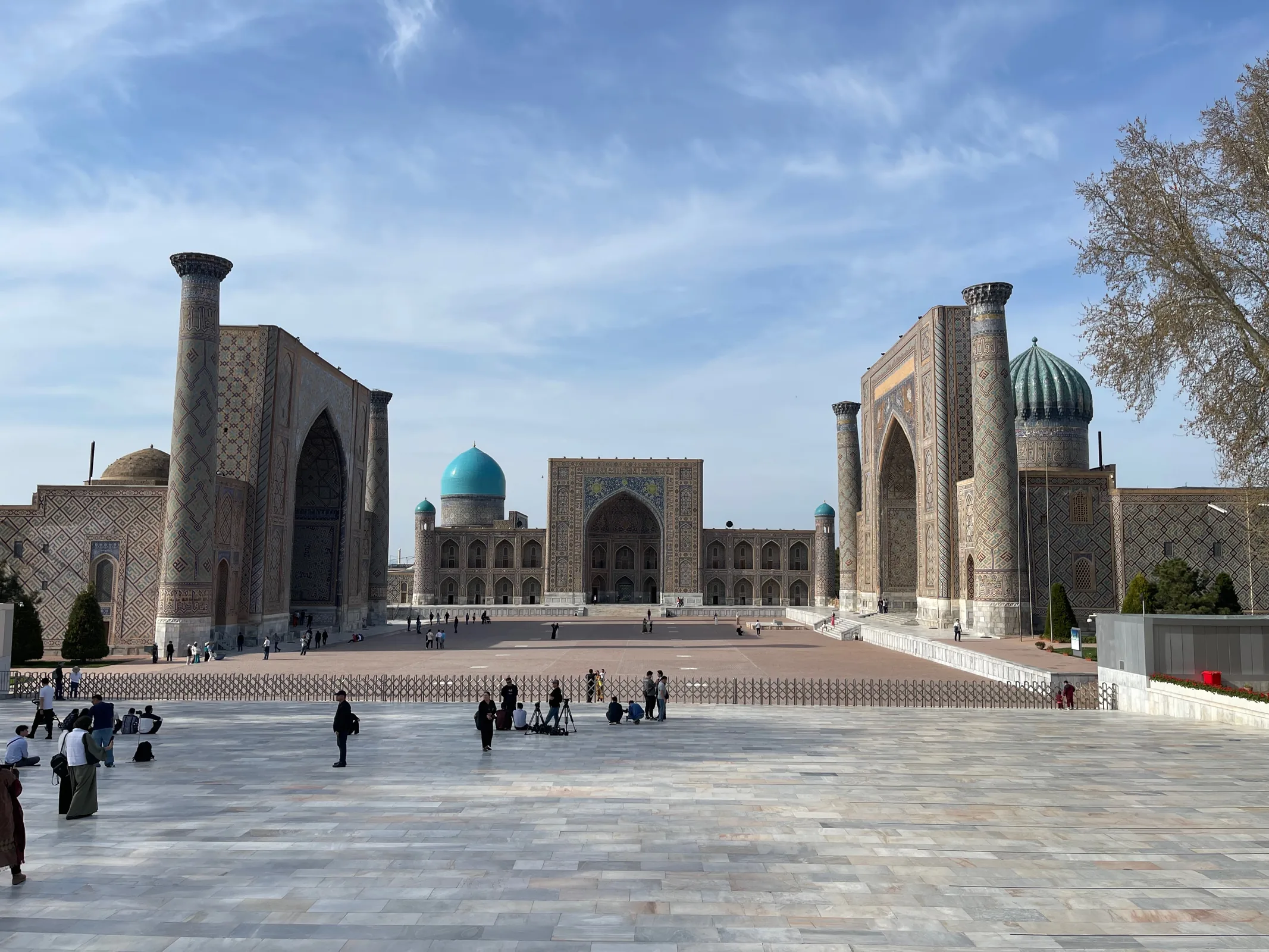
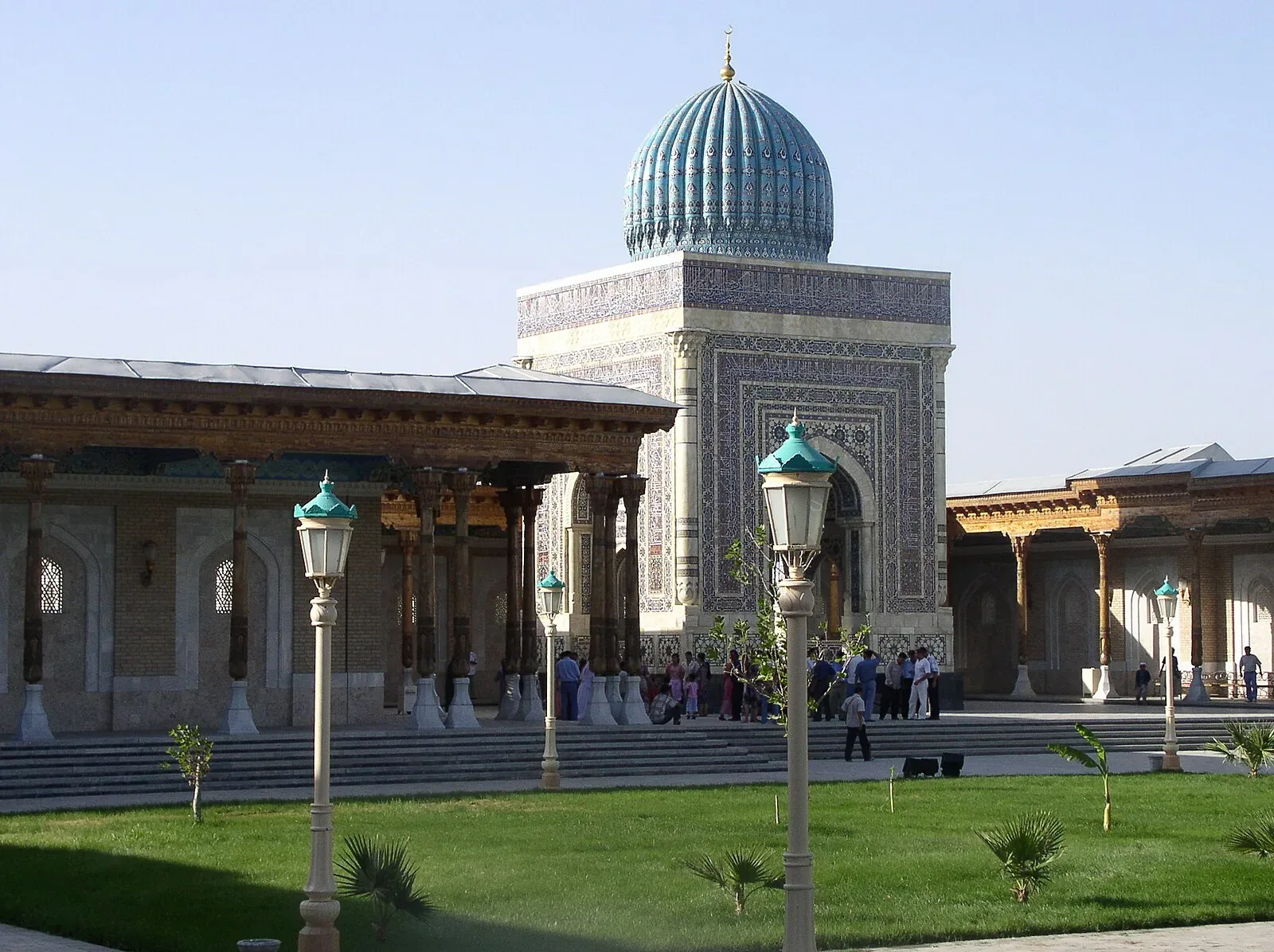
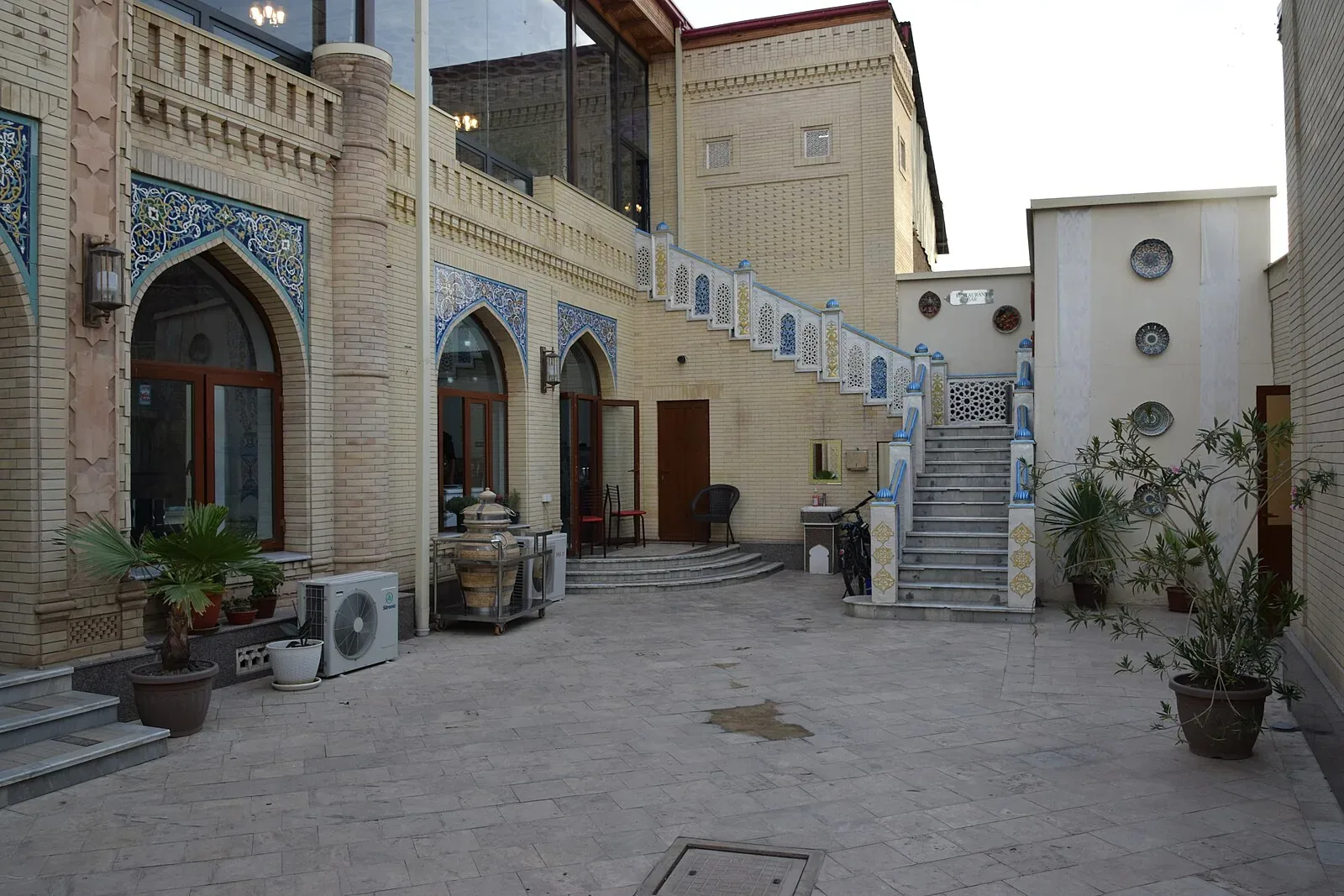
Ruhabad Mosque is a separate mosque on the central heritage route and should not be confused with Ruhabad Mausoleum. The mosque’s own prayer-space architecture gives it a different role in the area: it is part of the city’s religious built environment, while the mausoleum is a funerary monument. Seeing both makes the central route more precise and prevents a single name from flattening two distinct places.
What to expect
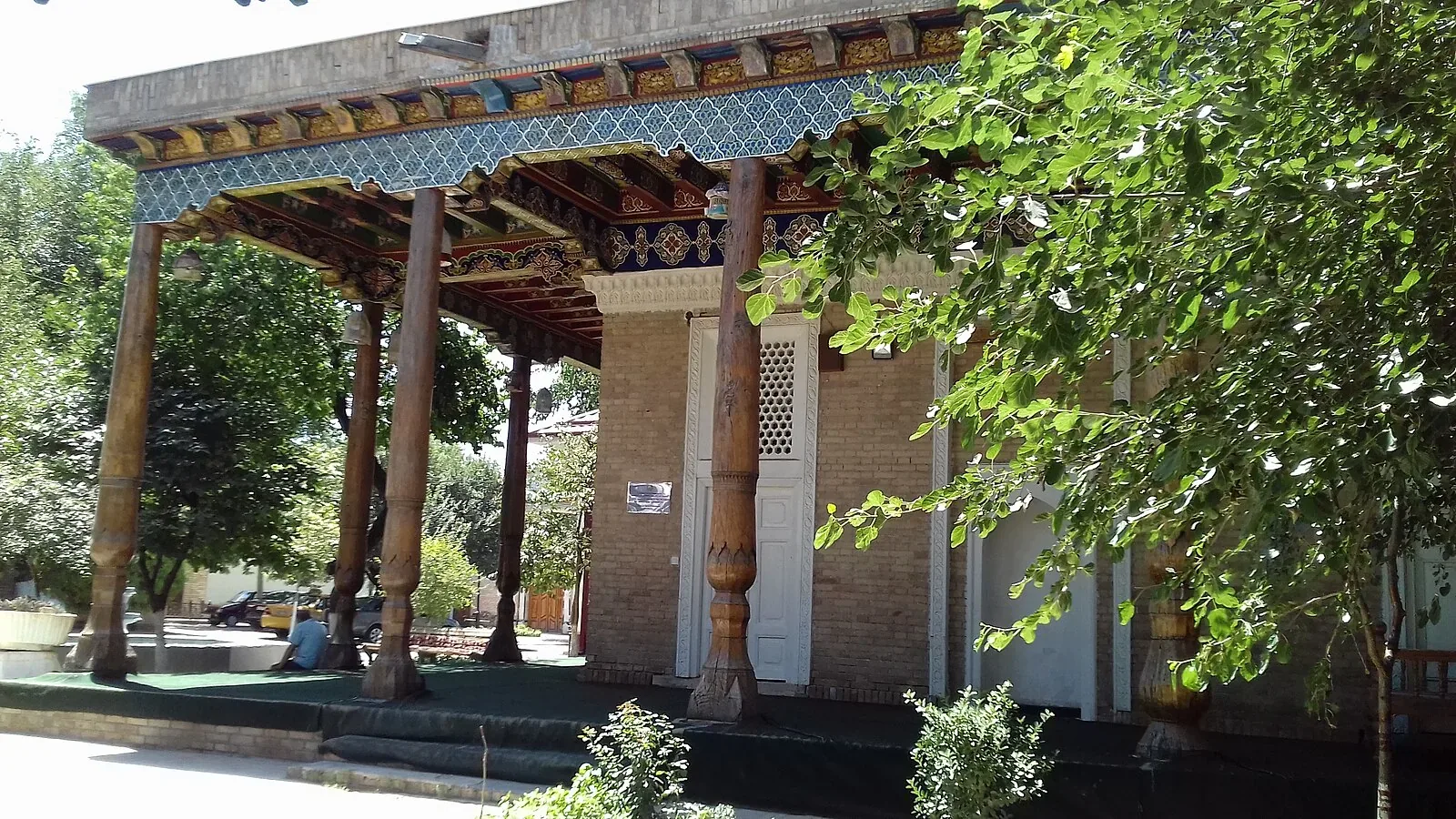
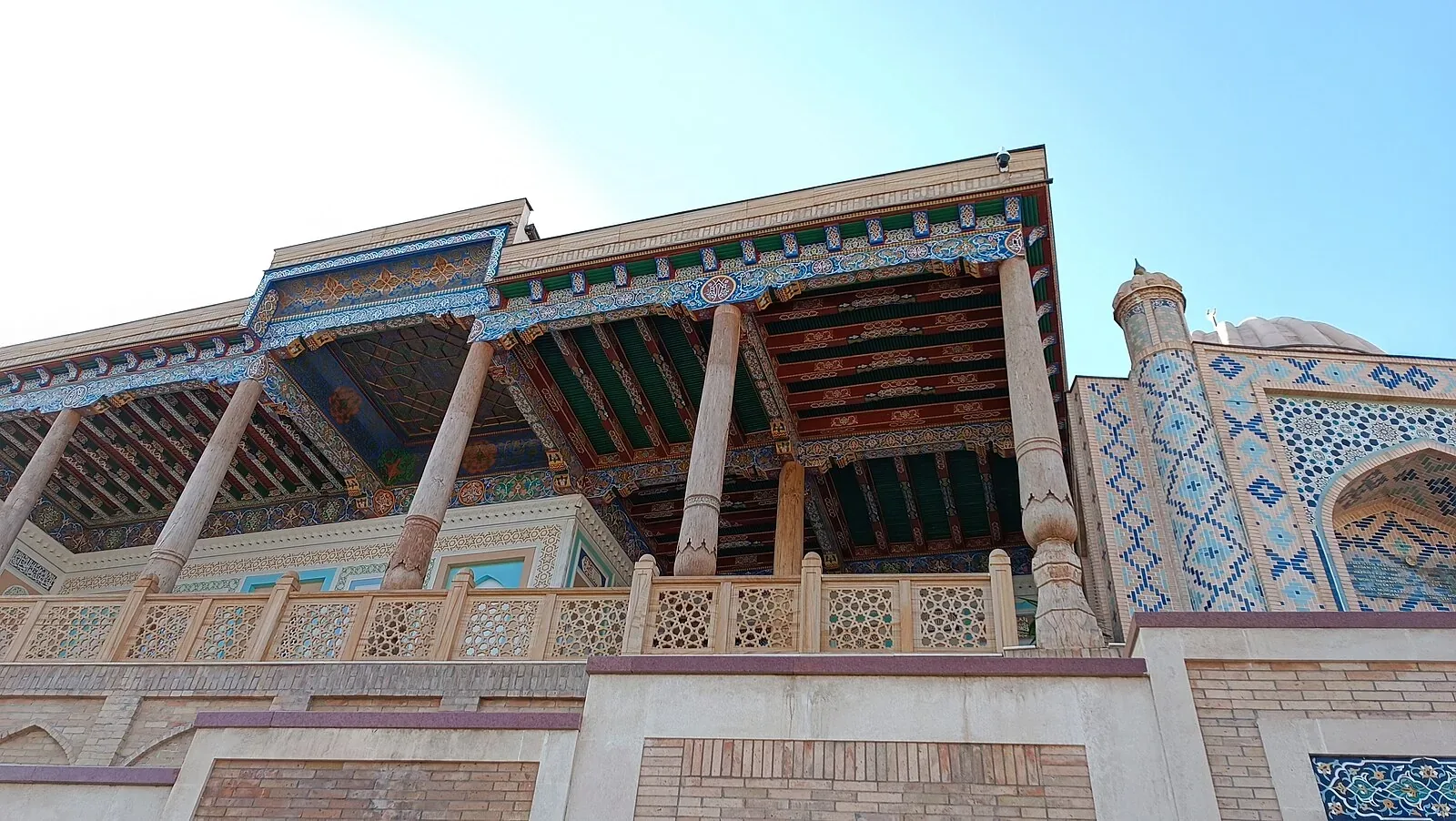
Look at the mosque as a prayer-space building, paying attention to its form and how it sits among the streets and monuments around it. The smaller scale can offer a useful pause between Registan and Gur-e Amir, where visitors often move quickly from one grand façade to another. A respectful visit keeps attention on the mosque’s sacred purpose and architectural presence.
Visitor guidance
Plan Ruhabad Mosque with the mausoleum only as a comparison, not as the same stop. The mosque adds a living religious architectural type to a route otherwise dominated by schools and tombs. That distinction gives travelers a clearer reading of central Samarkand and of the different ways sacred buildings serve the city. It helps visitors distinguish prayer-space architecture from the nearby mausoleum as they follow the central route.