Why visit
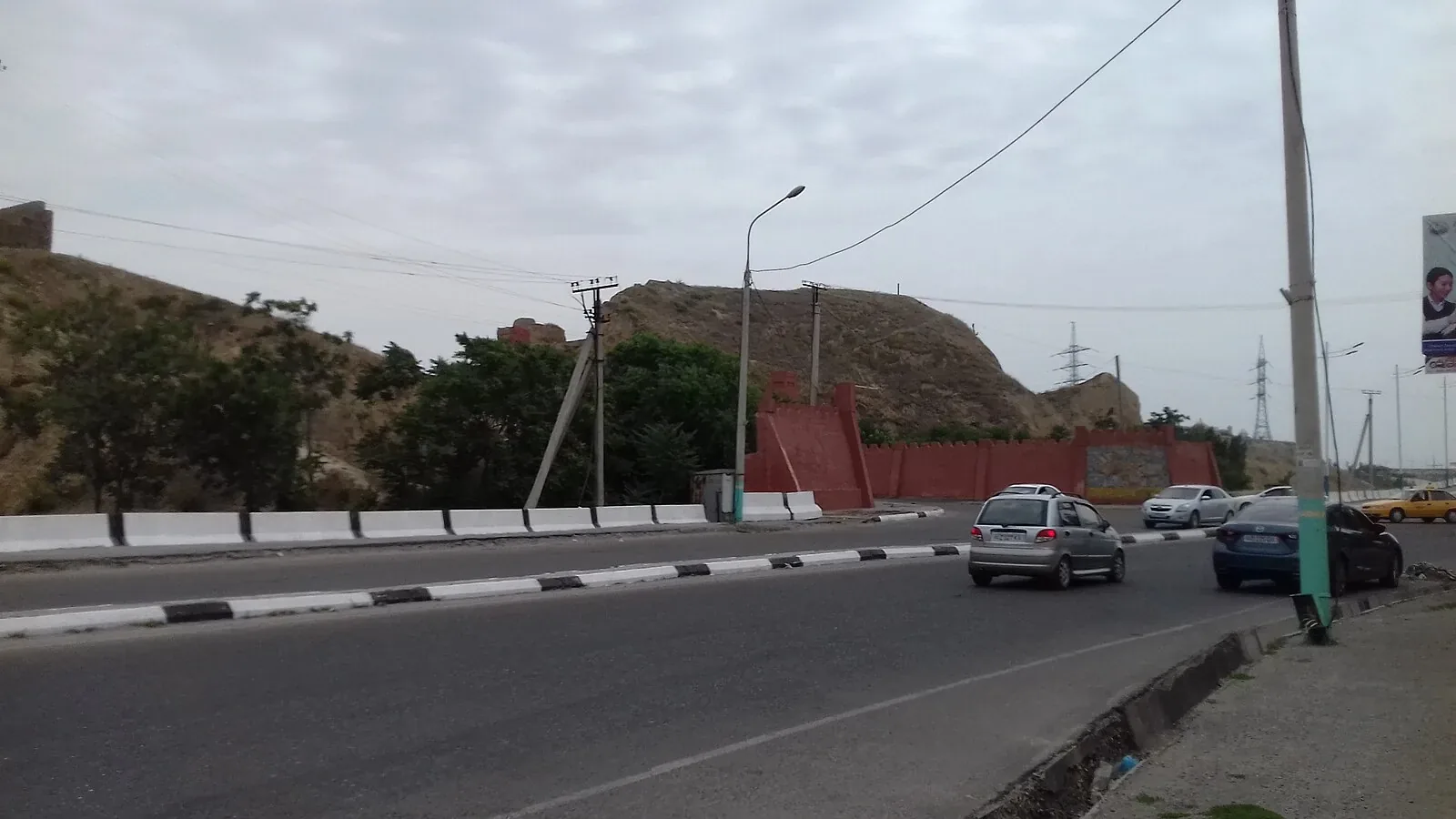
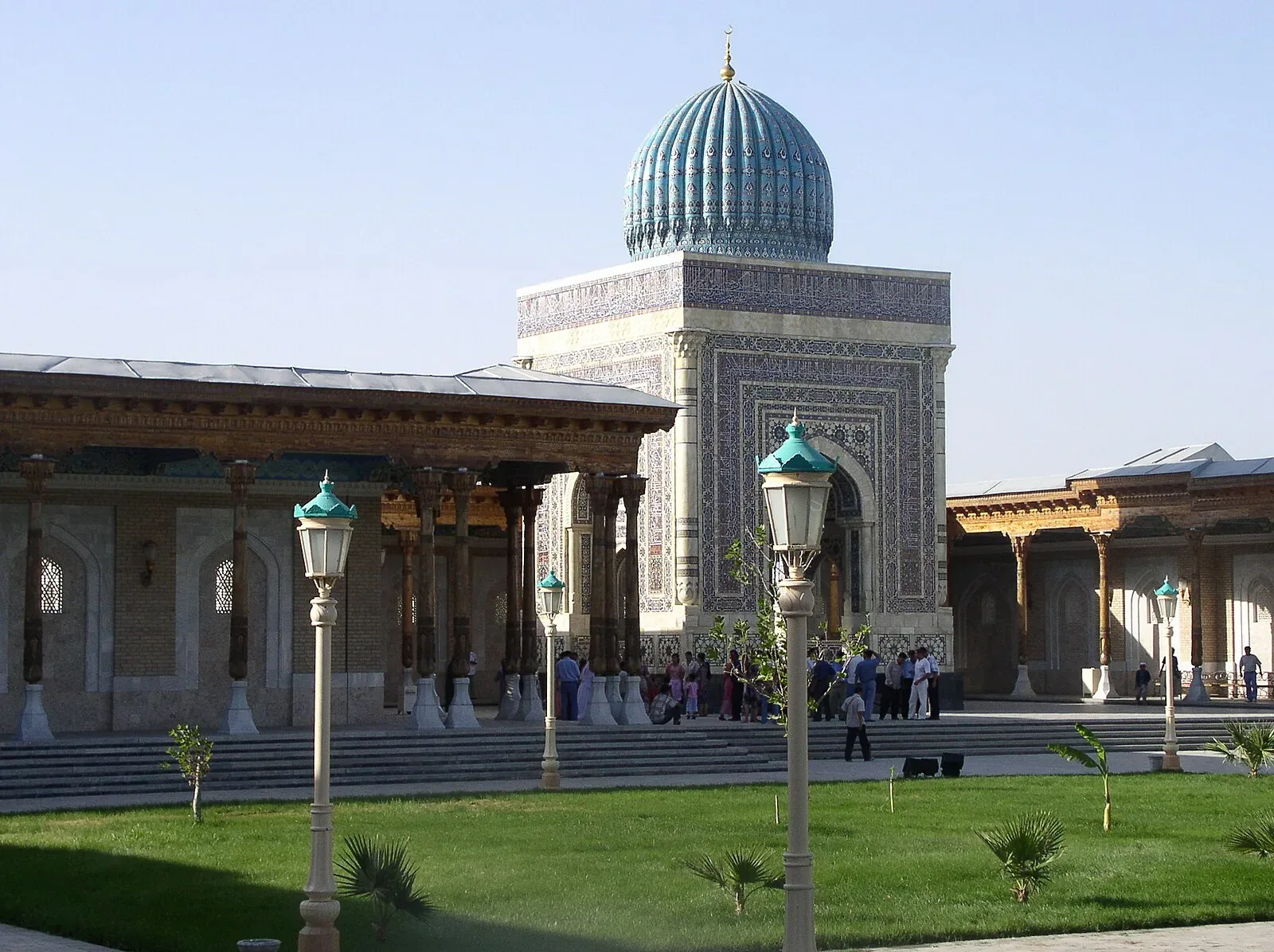
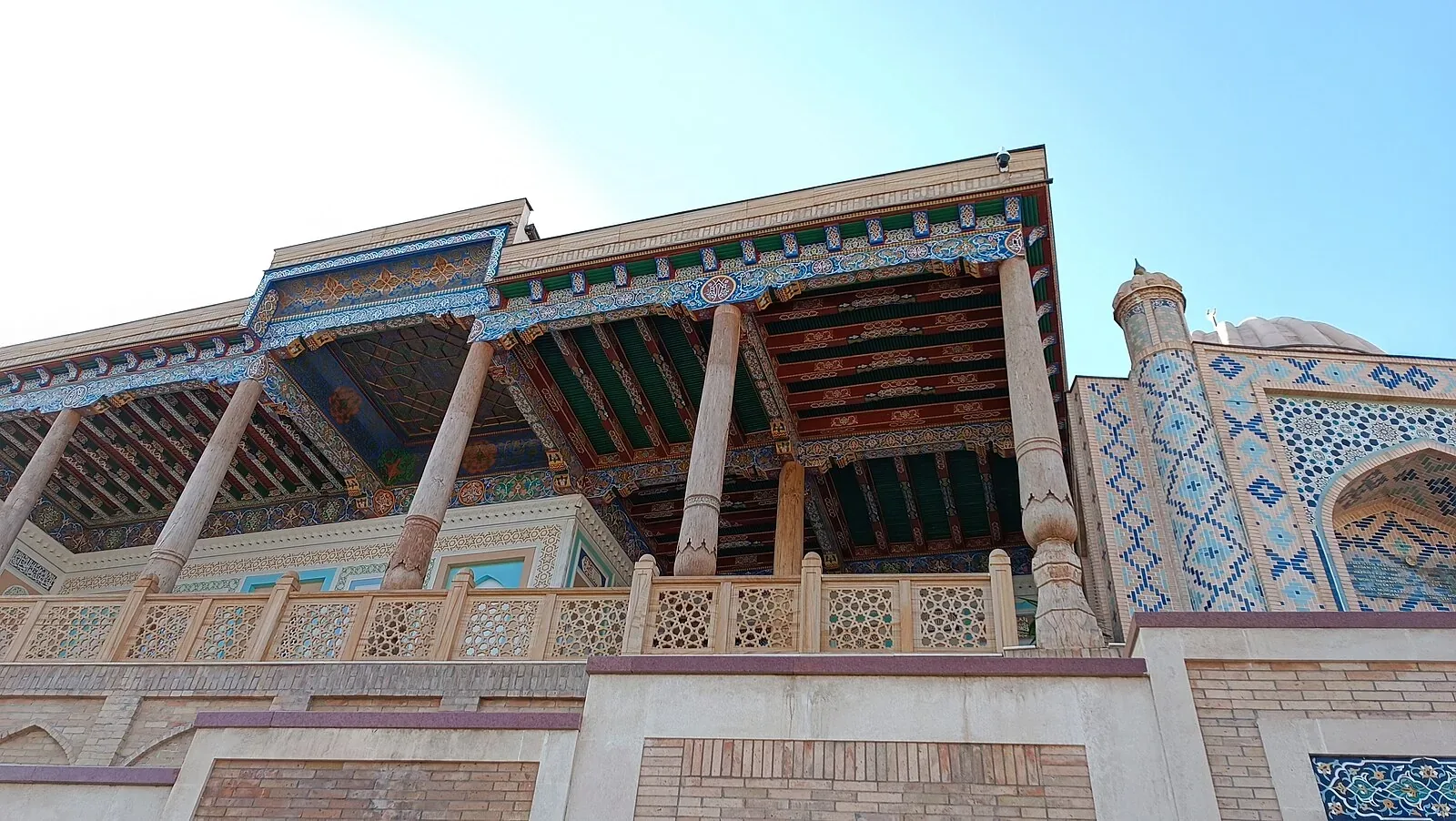
Khoja Daniyar Mausoleum sits beside the Siyob river in a quieter part of Samarkand’s northern heritage landscape. The site is associated with the Prophet Daniel tradition and is meaningful across Muslim, Jewish and Christian memory, giving the visit a different emphasis from the Timurid madrasahs and mausoleums in the city centre. Its long, low riverside form and tree-lined setting encourage a slower pace. Arrive ready to spend time with the atmosphere of the place rather than looking for a dramatic façade or a crowded architectural ensemble.
What to see
The riverside location is central to the experience. After the hard surfaces, portals and tilework of Registan or Shah-i-Zinda, Khoja Daniyar offers shade, water and a more contemplative scale. The mausoleum’s multi-faith associations make it a useful stop for travelers interested in how sacred traditions overlap in Central Asia. Families can use the visit to discuss shared stories across communities, while independent visitors may simply value the calm setting and the contrast it provides to the city’s headline monuments. Keep the visit respectful and let the riverside environment set the tone.
Plan your visit
Pair Khoja Daniyar with Afrasiab Museum and the ancient-city site, which are close enough to create a northern route focused on Samarkand before the Timurids. Continue to Shah-i-Zinda if the day calls for a stronger architectural finish, or return toward Bibi-Khanym and Siab Bazaar for food and market life. This sequence makes sense because each stop reveals a different register of the city: ancient settlement, sacred memory, Timurid craft and everyday trade. Khoja Daniyar is not a replacement for those larger sites; it is the quiet interlude that gives the route emotional balance.