Why visit
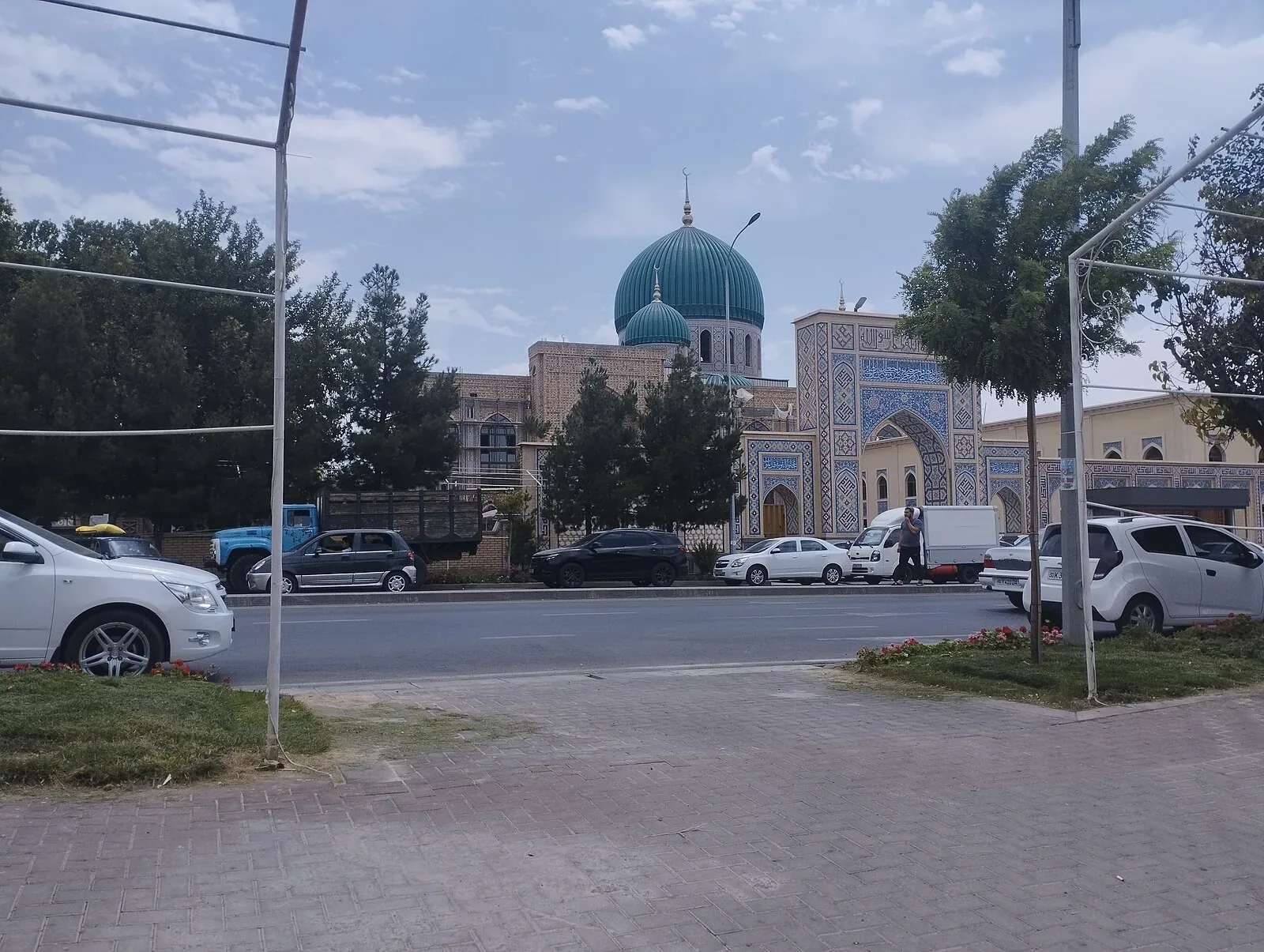
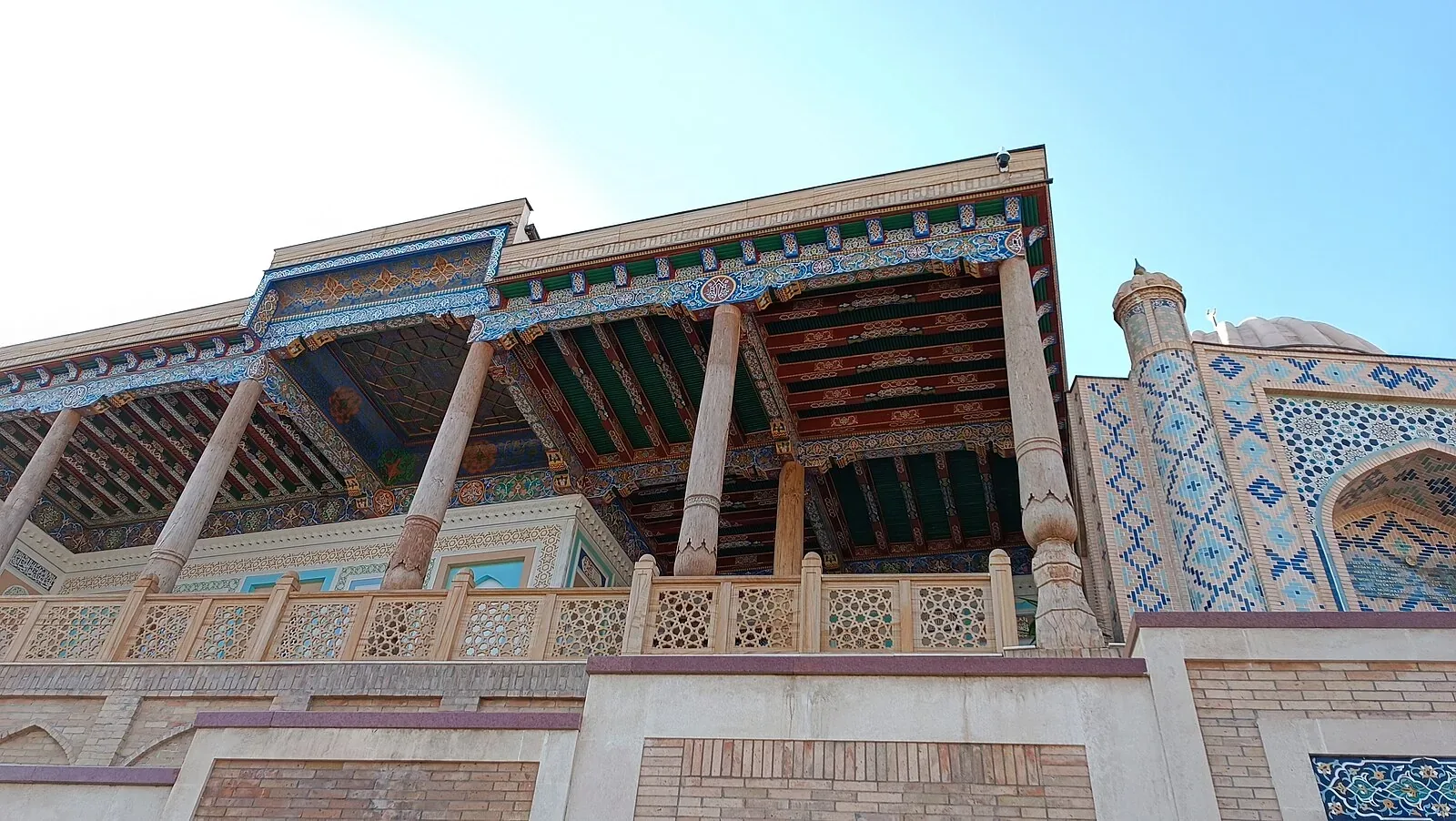
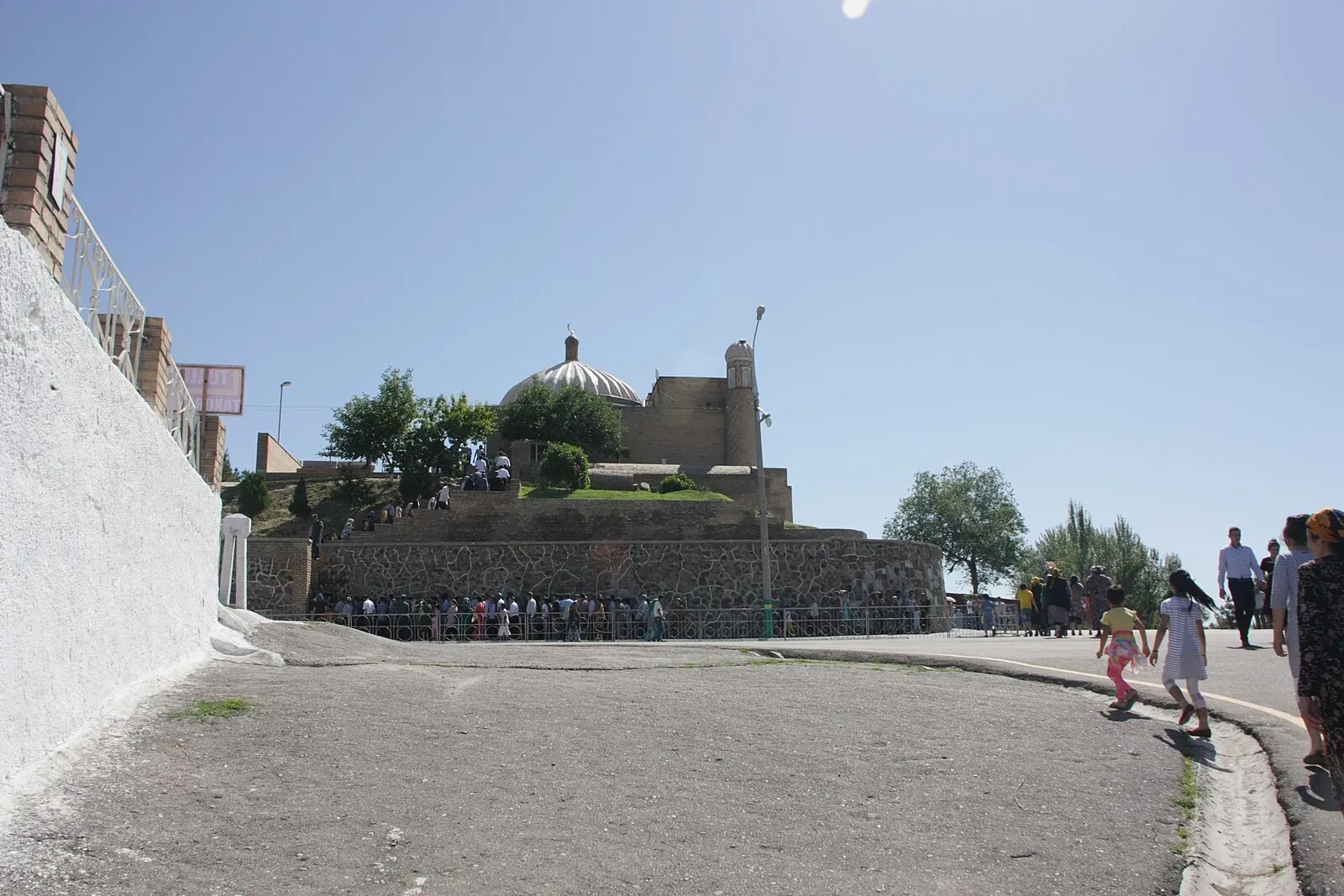
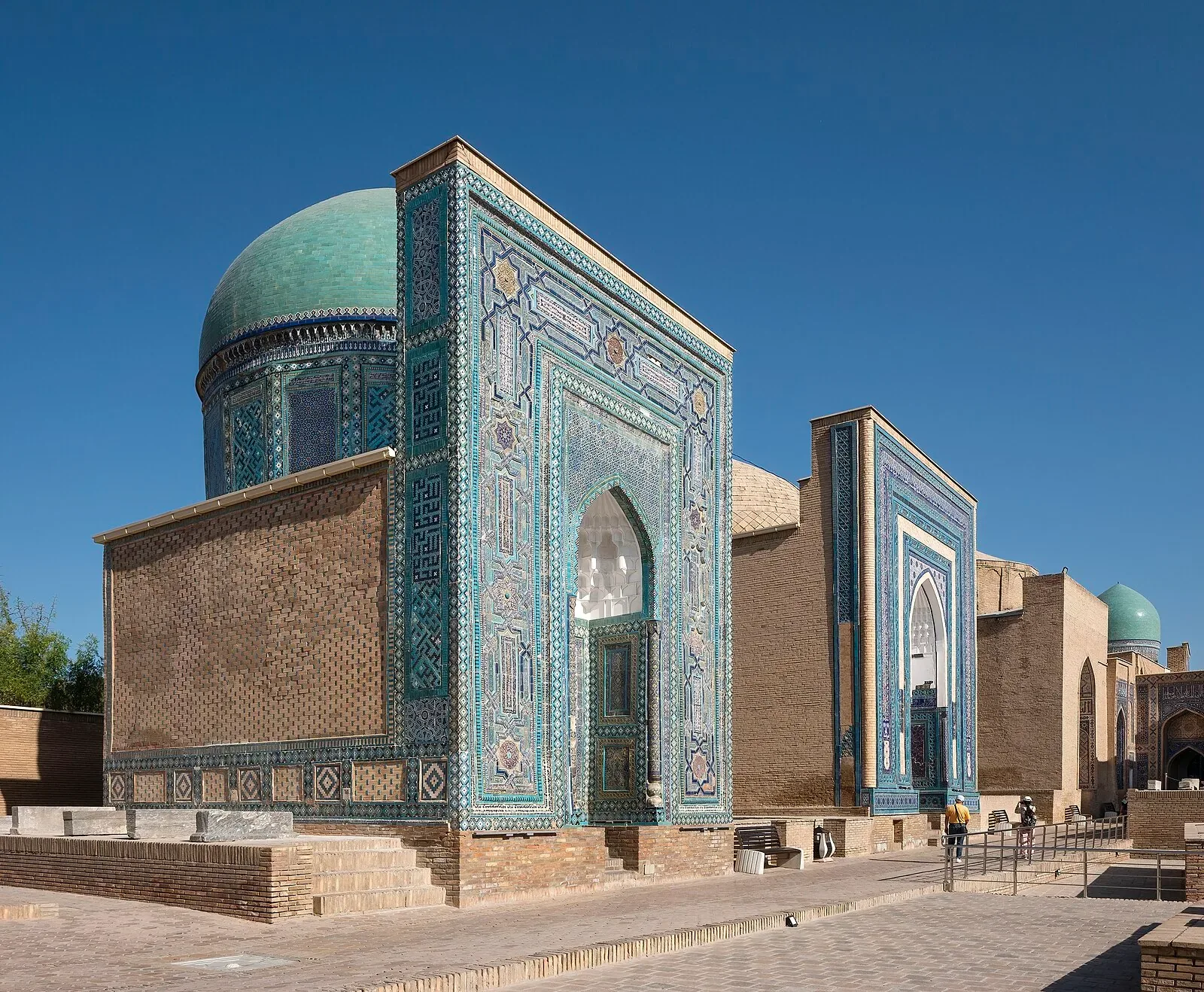
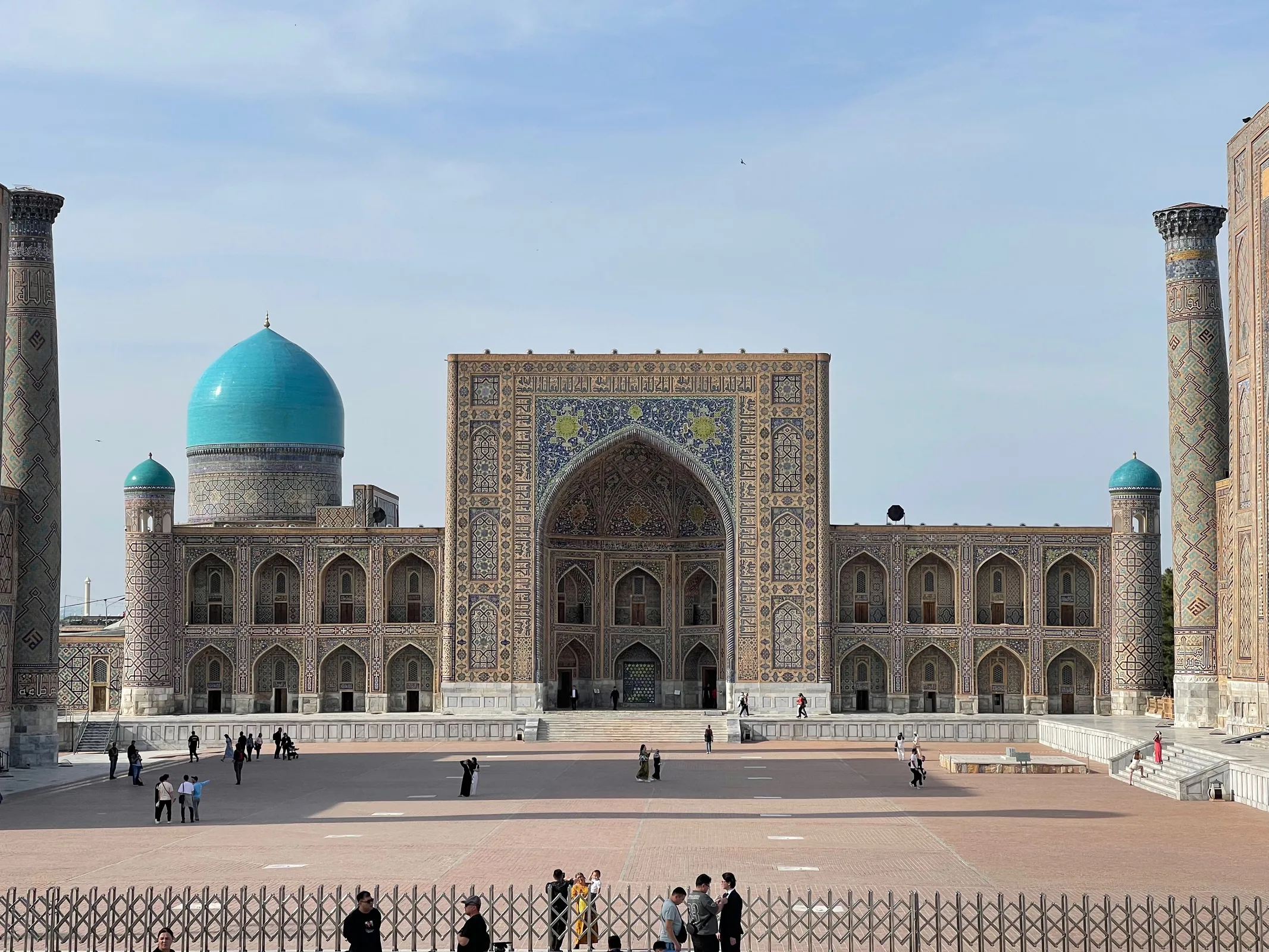
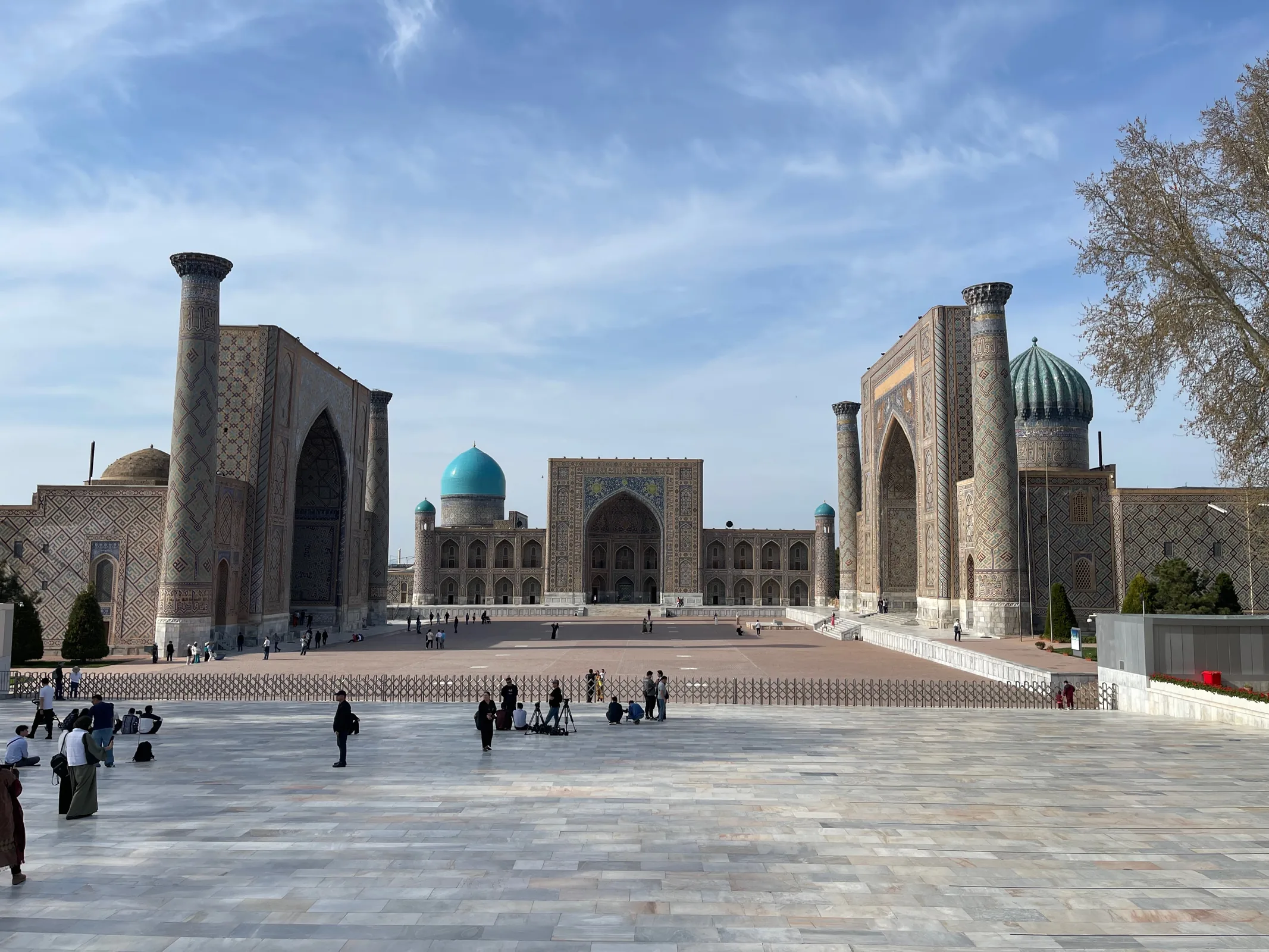
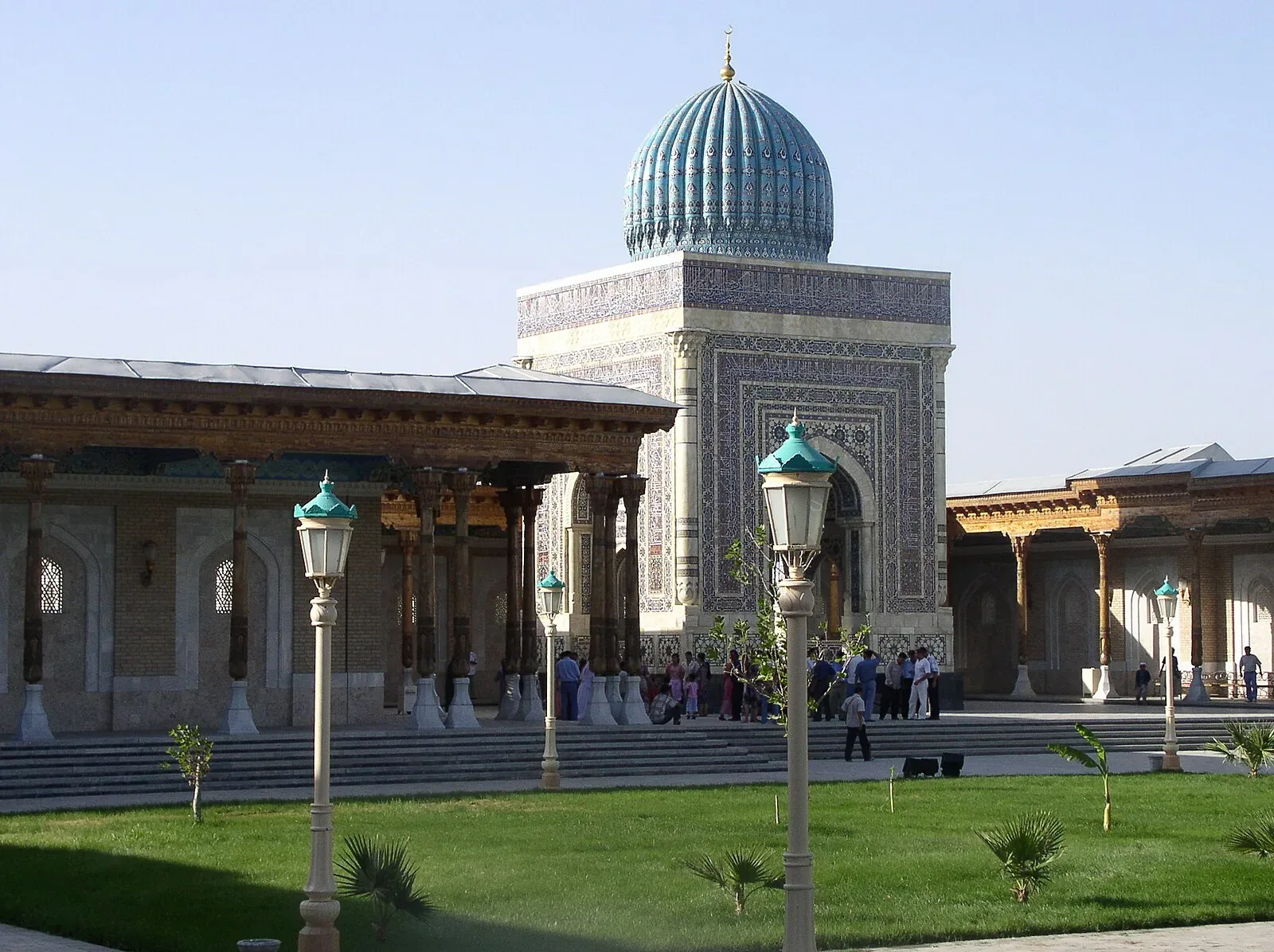
Ishrat Khana Mausoleum offers a different encounter with the late Timurid world: not a fully composed public square, but a funerary monument whose surviving structure carries the marks of time. Its damaged architectural character is part of the point. Fragments of tilework, the remains of its form and the relationship between loss and decoration make the building feel more archaeological than the polished ensembles at Registan. Visitors who have already seen Samarkand’s grand domes and portals will find that Ishrat Khana introduces a quieter, more vulnerable chapter in the city’s architecture.
What to see
Look closely at what survives rather than expecting the building to present one complete façade. The mausoleum’s tile fragments and structural remains invite attention to craft, colour and construction, while the damaged state makes absence visible as well. This is useful for anyone trying to understand that Timurid monuments have not all reached the present in the same condition. Architecture students and visually curious travelers may value the stop most, but families can also use it to discuss restoration, preservation and the difference between a monument as it was made and a monument as it is encountered centuries later.
Plan your visit
Place Ishrat Khana after the headline sites of the eastern heritage corridor, when Shah-i-Zinda and Afrasiab have already established the area’s larger historical setting. A taxi link makes it easy to include without compressing the day. The mausoleum adds depth because it changes the visitor’s gaze from spectacle to evidence: brick, tile, gaps and surviving outlines. It is not a substitute for Samarkand’s major ensembles, but it sharpens an itinerary by showing how much of the city’s heritage is carried in partial, delicate remains.