Why visit
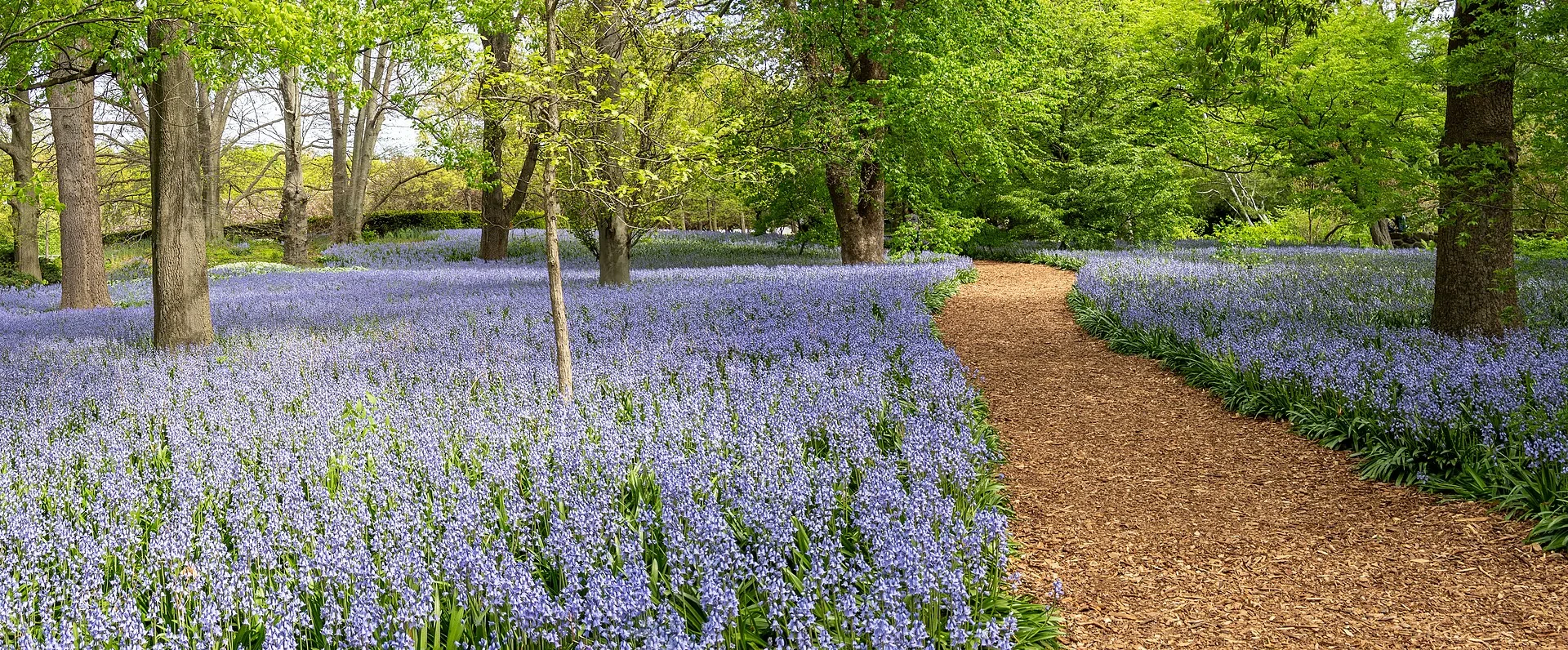
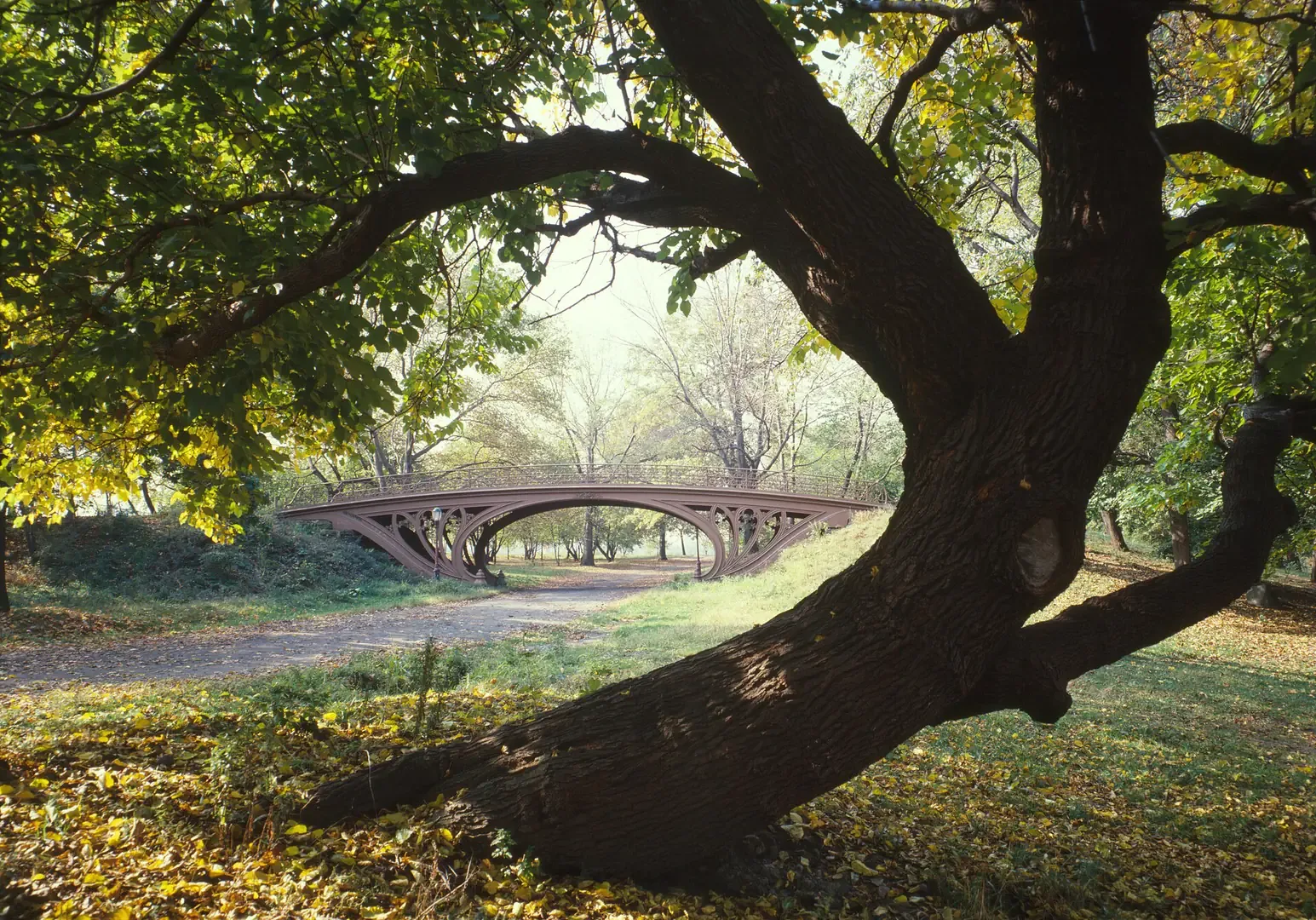
Prospect Park opened in 1867 from a design by Frederick Law Olmsted and Calvert Vaux, created after their work on Central Park. Its 585 acres use Brooklyn's glacial topography to produce a sequence of broad meadow, enclosed woodland, water and formal architecture rather than a collection of unrelated recreation fields.
What to see
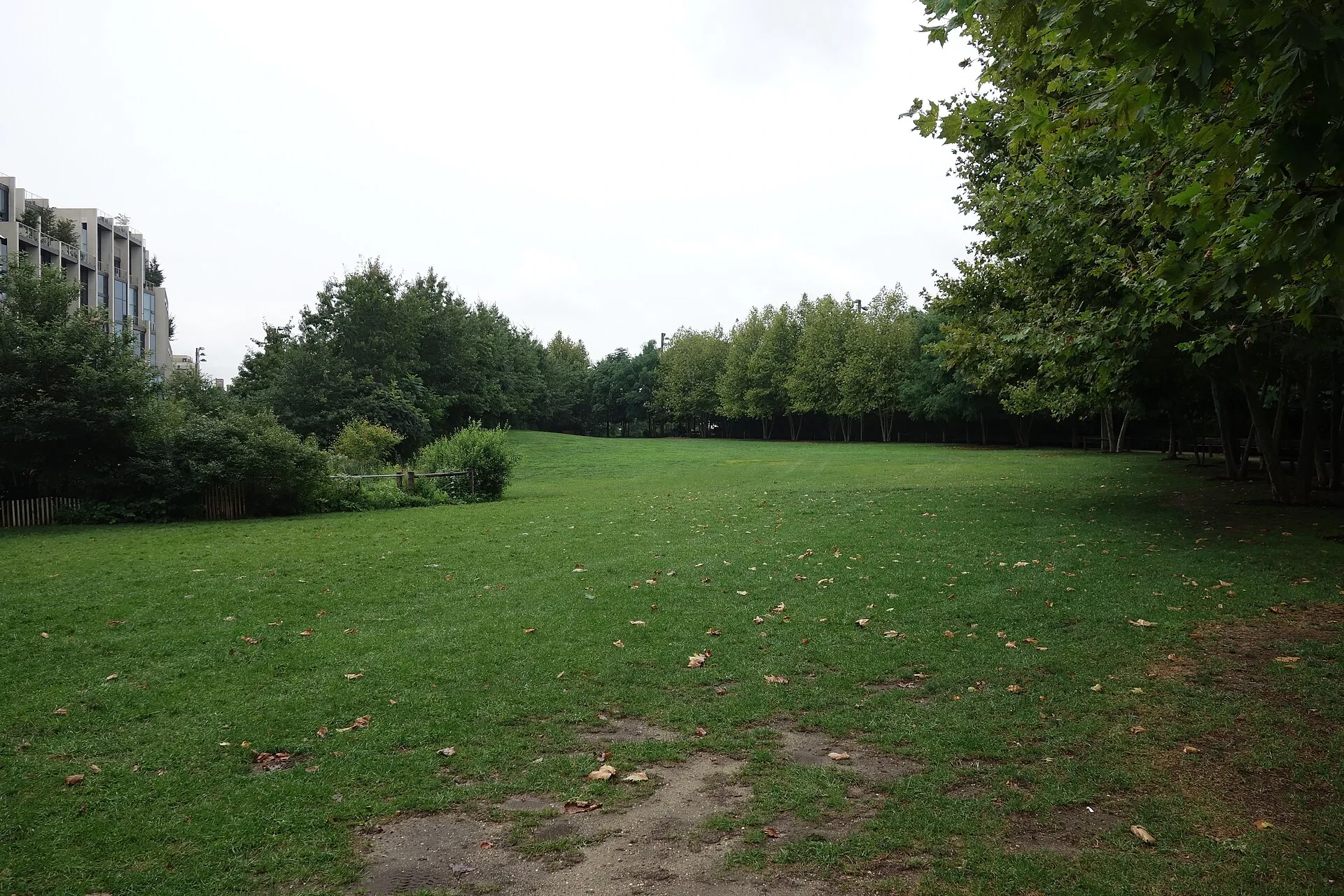
Long Meadow forms a sweeping open foreground, while the Ravine and woodland paths create a steep, shaded interior around reconstructed streams and waterfalls. The park's lake anchors the southern landscape; Grand Army Plaza, the Meadowport Arch, the Boathouse and Litchfield Villa provide contrasting architectural thresholds and focal points.
Plan your visit
The Prospect Park Zoo, LeFrak Center, sports fields, playgrounds and Bandshell add active public uses without erasing the original pastoral framework. The park's character lies in those transitions: urban avenues disappear behind planted ridges, a large crowd can occupy the meadow, and minutes later the Ravine feels spatially separate from surrounding Brooklyn.