Why visit
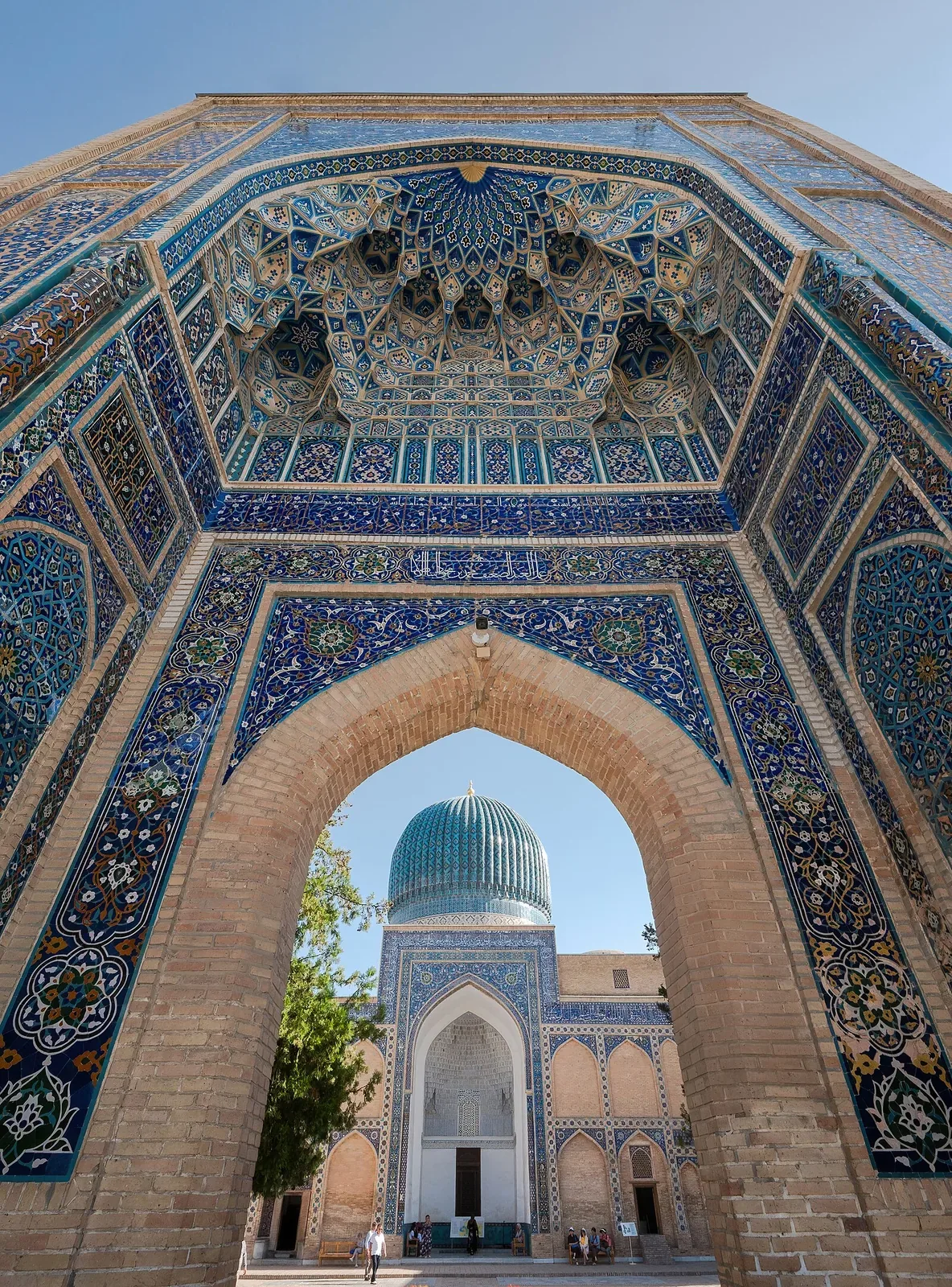
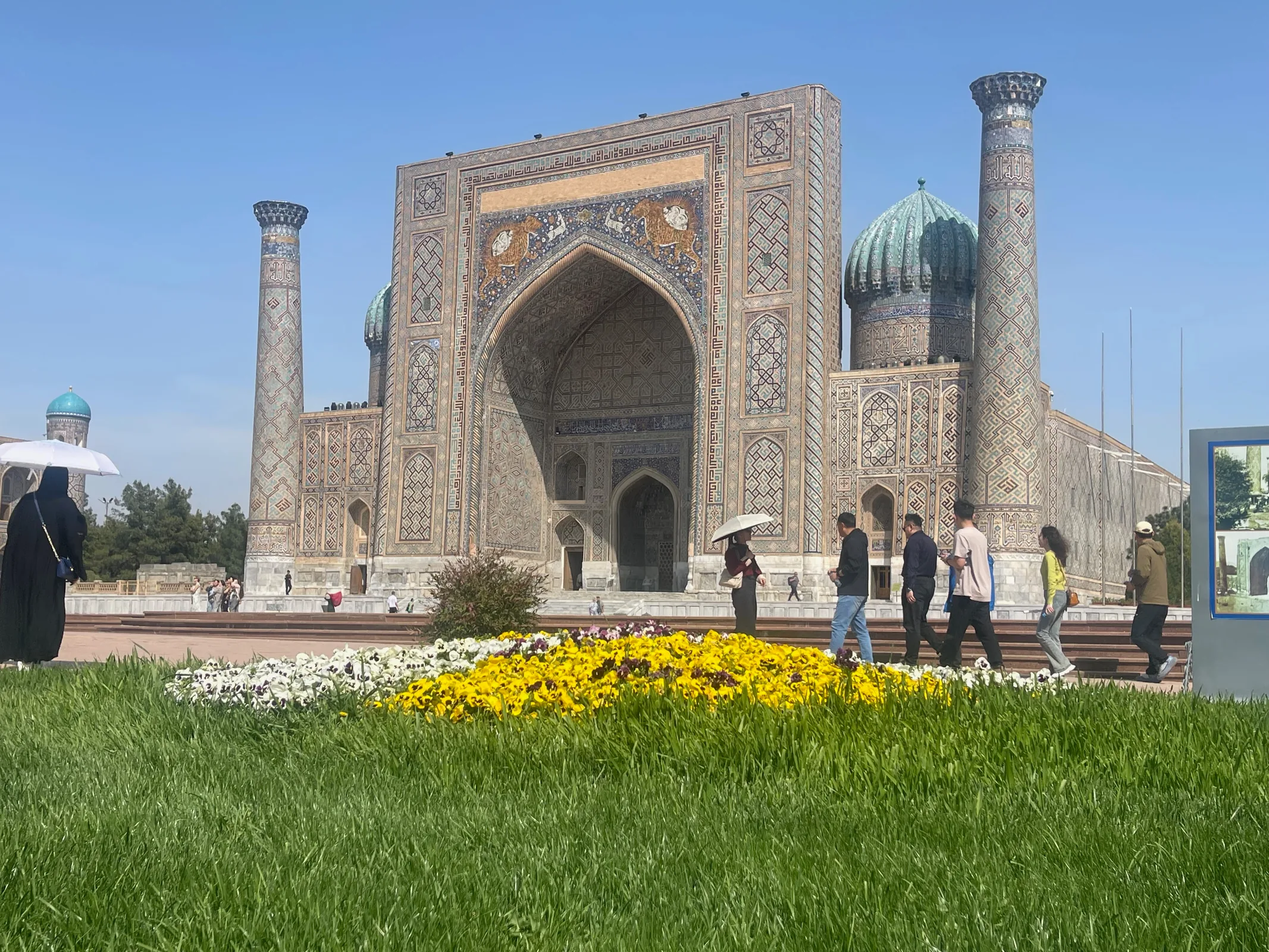
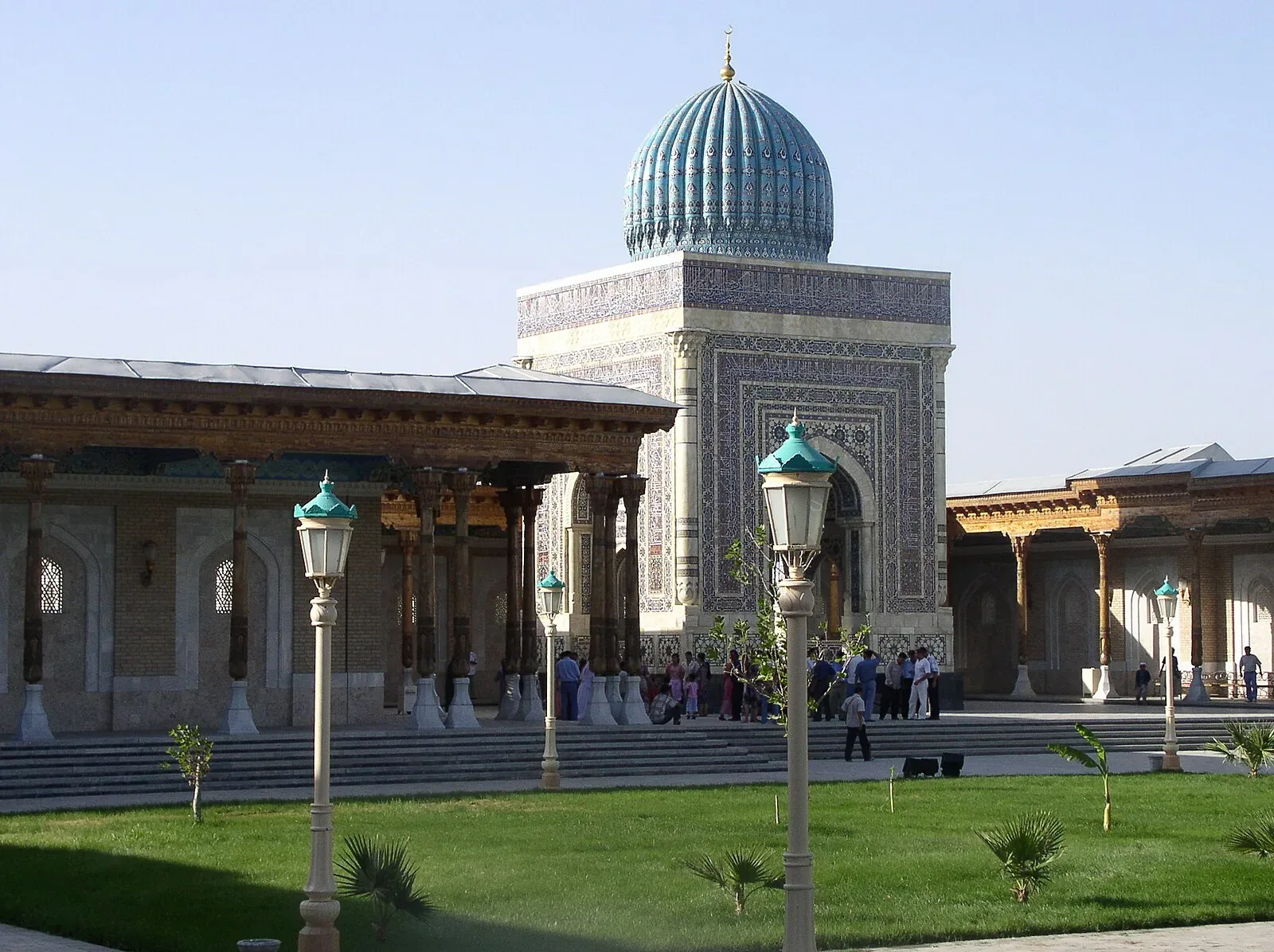
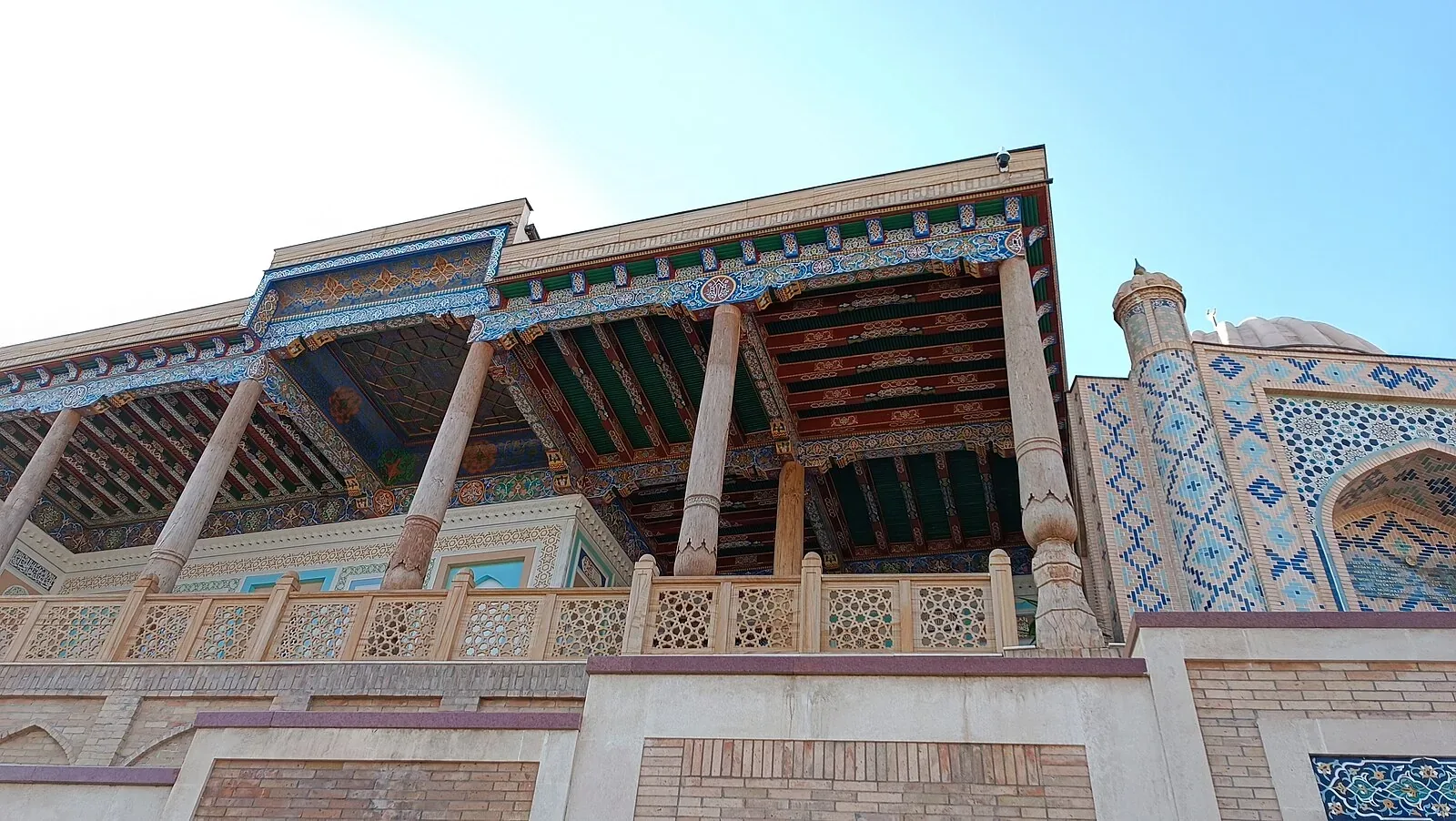
Ak-Saray Mausoleum is a Timurid-era funerary monument that rewards visitors who look beyond Samarkand’s most photographed façades. Its blue-tiled architectural character gives it a clear place in the city’s visual language, yet its scale and mood differ from the dominant ensembles nearby. The mausoleum offers a more concentrated encounter with dome, tile and brick, allowing the visitor to notice the materials without the pressure of a vast square or monumental portal. It is a useful stop for understanding how Timurid decoration could work on an intimate funerary building as well as on the city’s largest public structures.
What to see
See Ak-Saray after Ruhabad Mausoleum or before Gur-e Amir, when the differences between the three sites are easiest to read. Ruhabad’s restrained brick form, Ak-Saray’s blue-tiled surfaces and Gur-e Amir’s dynastic grandeur form a compact lesson in variation within Samarkand’s mausoleum tradition. Take time to look at the tilework from more than one angle and to notice how the building holds its own against the larger monuments around it. This is especially satisfying for architecture-minded travelers who want to move from headline sights toward the smaller works that give the central route depth.
Plan your visit
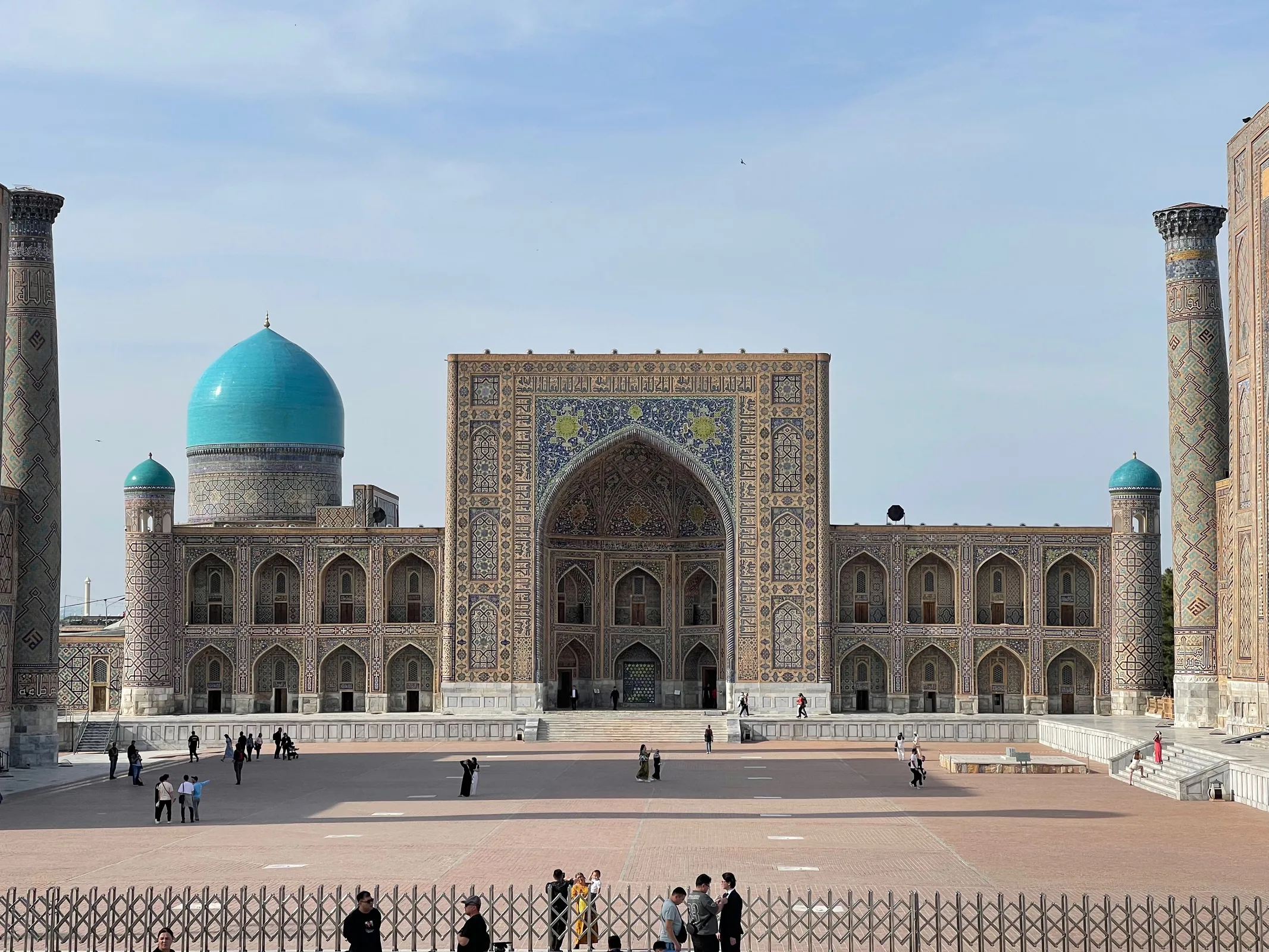
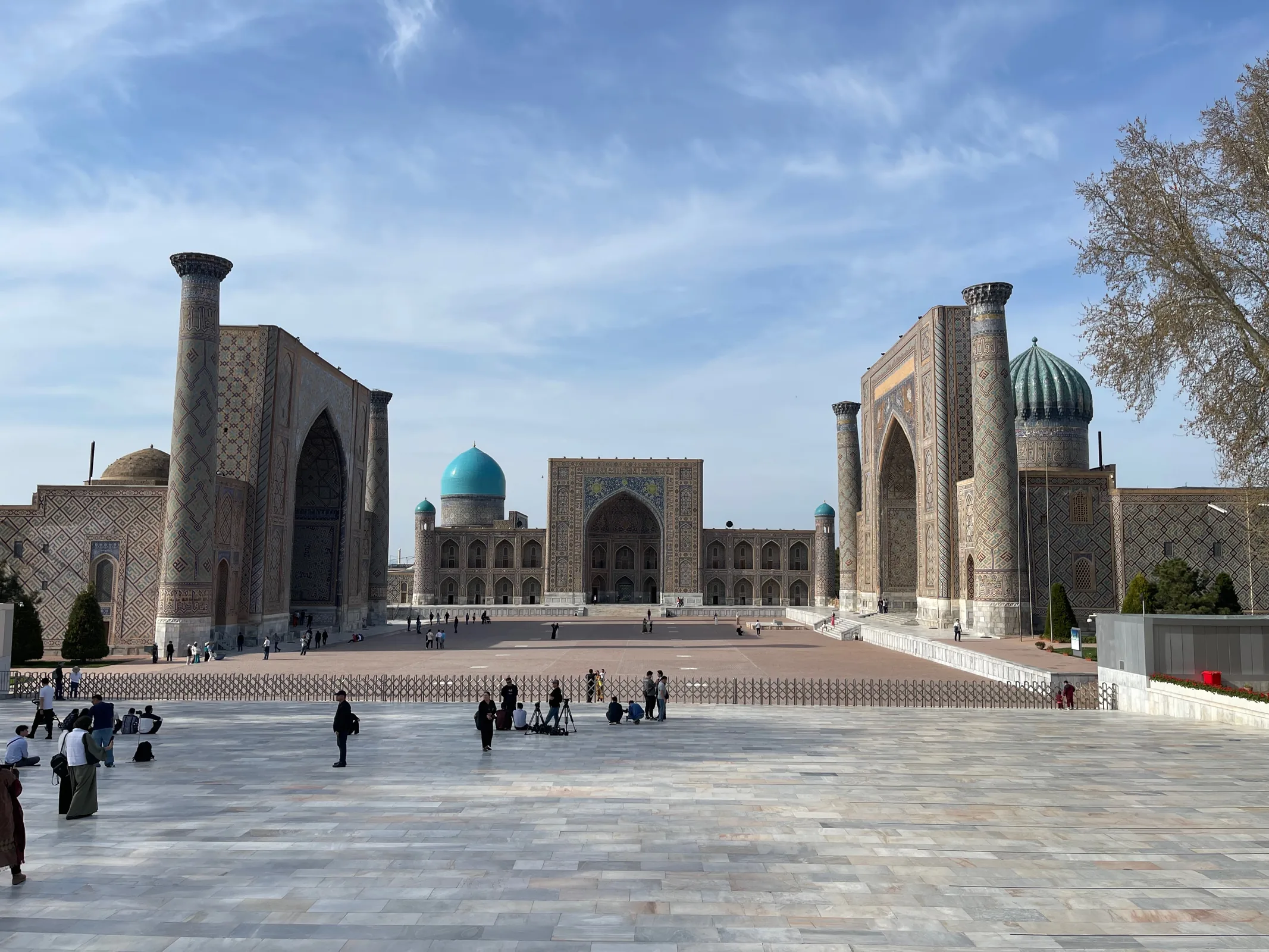
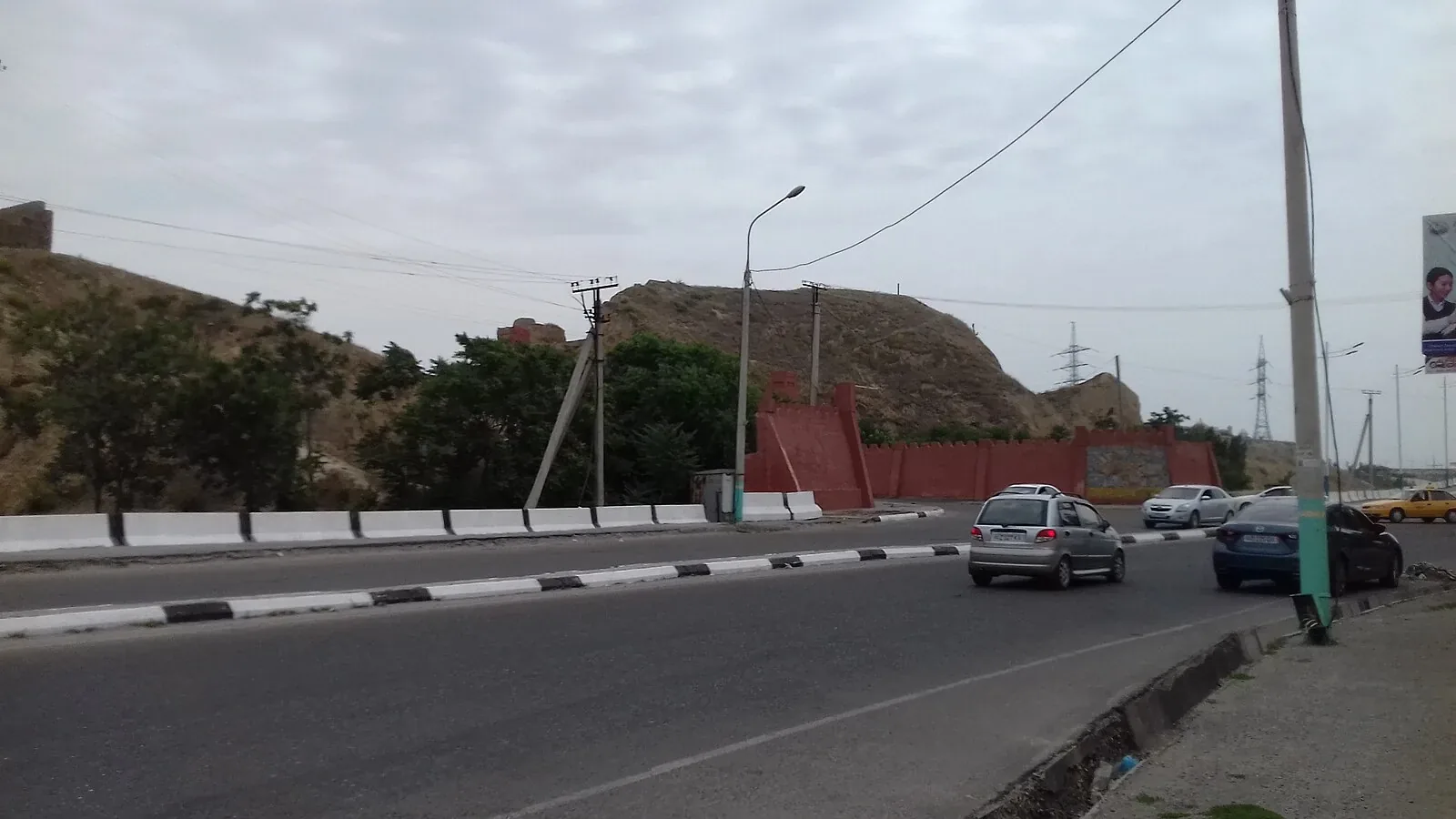
Ak-Saray fits naturally into a walking-and-taxi day around the centre. Begin at Registan, continue through Ruhabad, pause at Ak-Saray, then finish at Gur-e Amir when the itinerary calls for a stronger final monument. The sequence keeps distances manageable while avoiding the feeling of repeating the same building type. Families can use the stop as a shorter visual study between larger sites, and photographers may appreciate the contrast between tile detail and the surrounding streetscape. Ak-Saray’s value is precision: a modest-scale Timurid mausoleum that sharpens the eye for colour, proportion and funerary architecture.