Overview
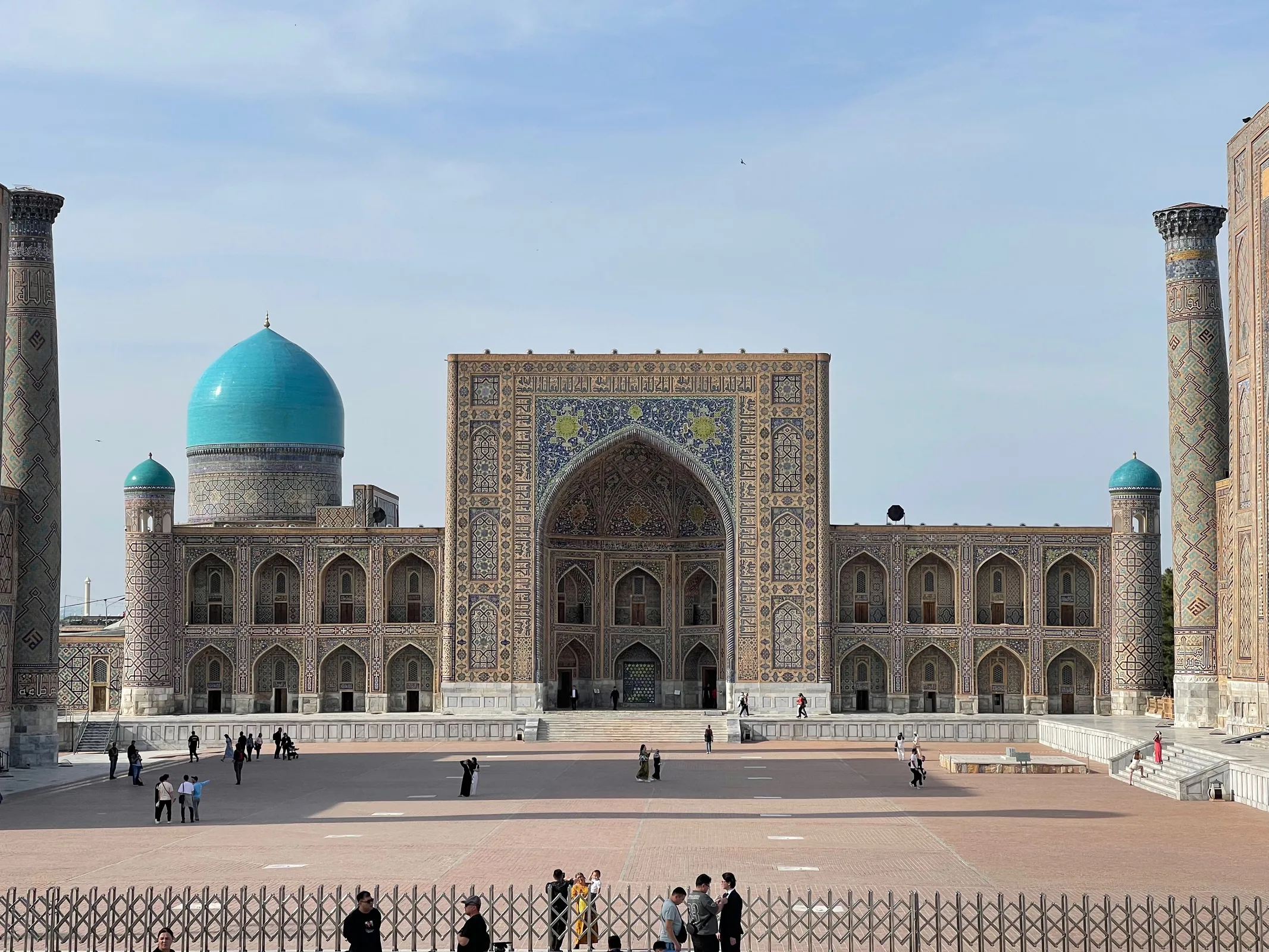
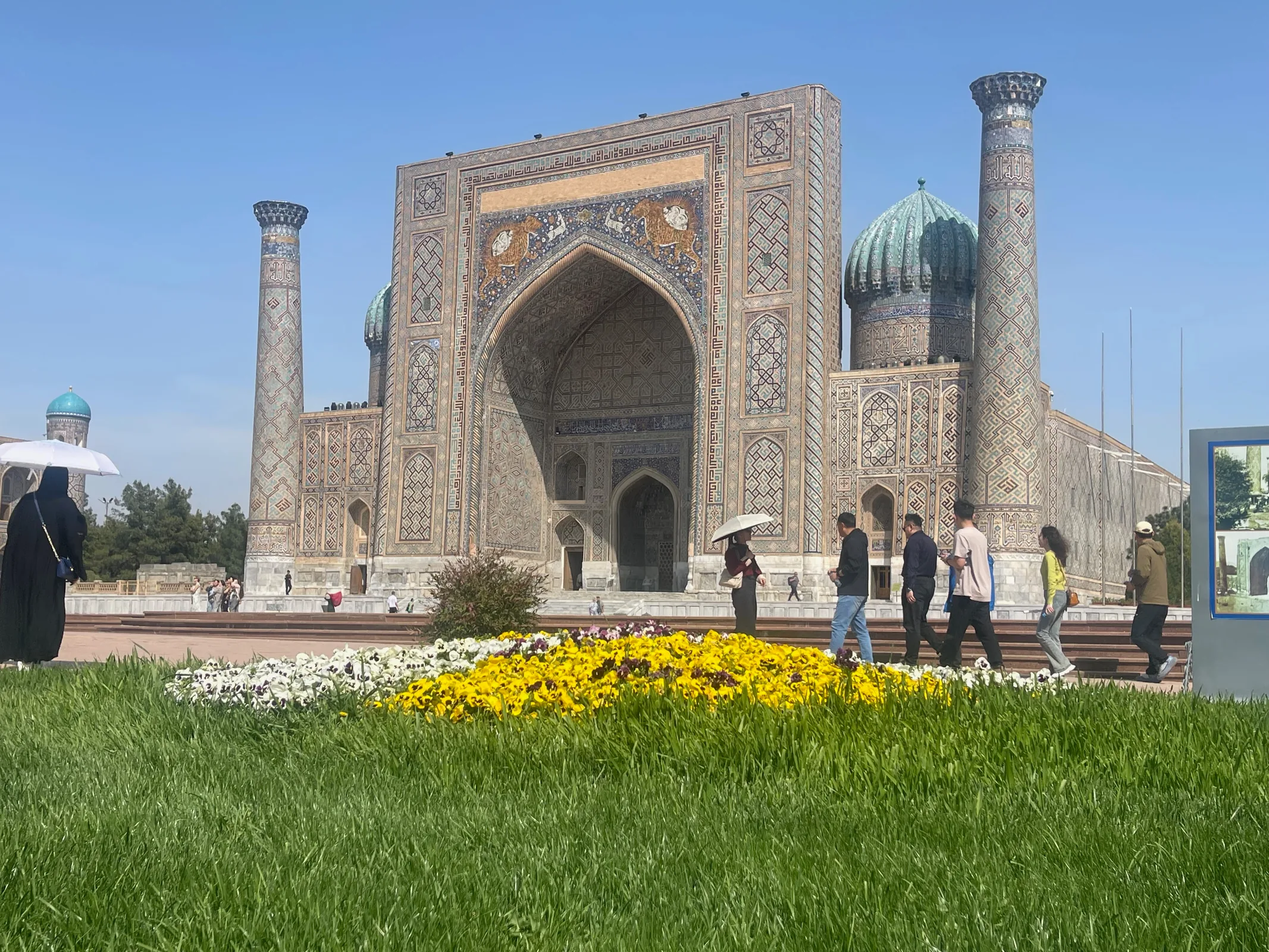
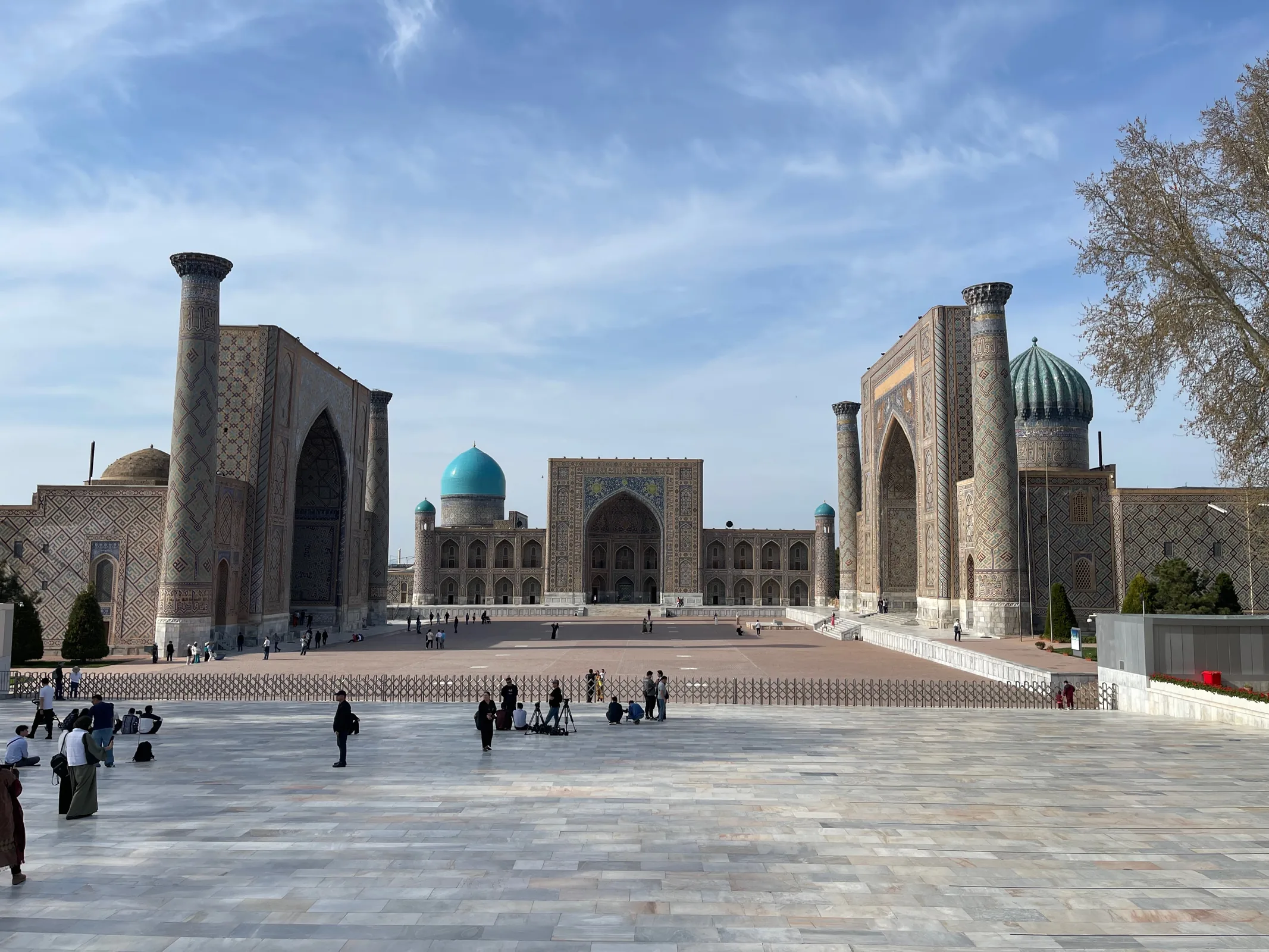
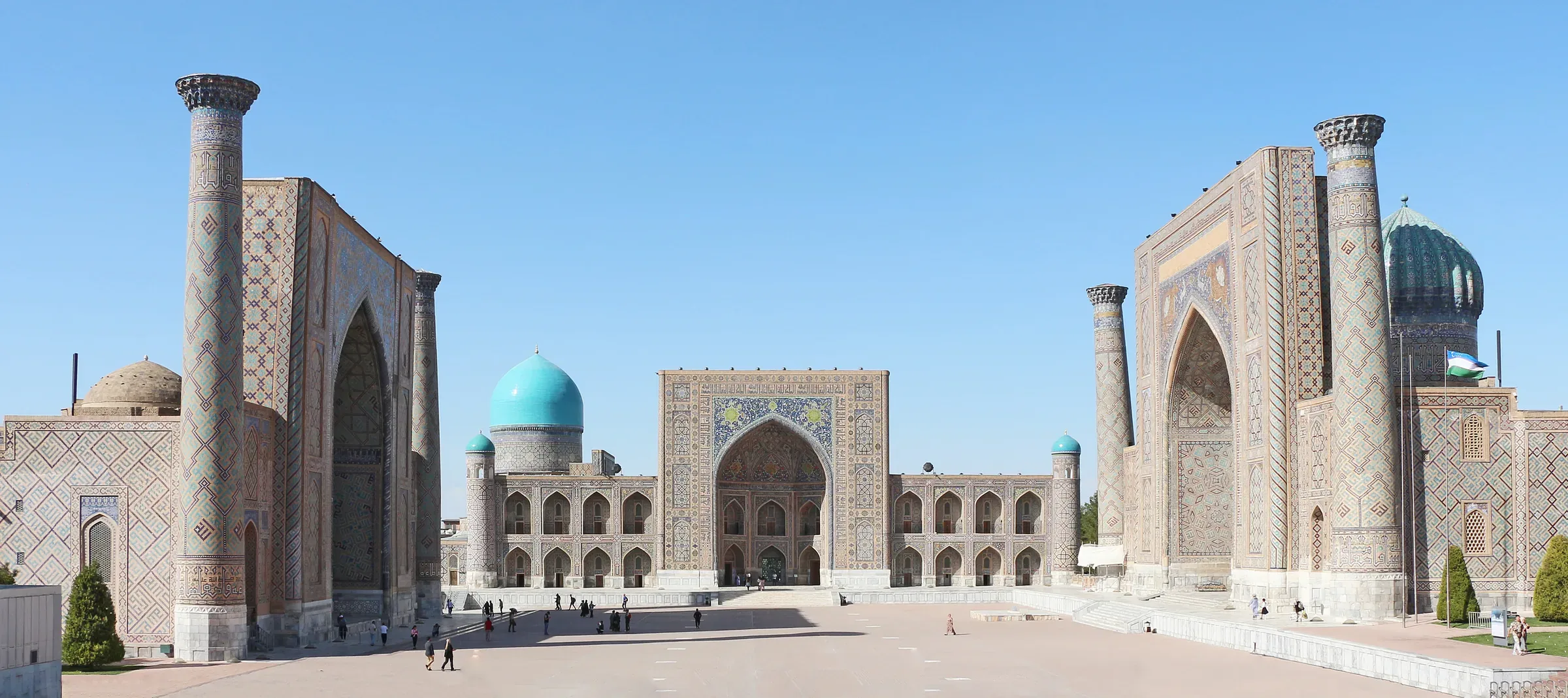
June through August can be intensely hot in exposed squares, so begin early, rest after lunch and return toward sunset. December through February can be cold, with short daylight and occasional snow or ice. Ramadan dates move each solar year; active mosques may be especially busy around prayers, while restaurant hours and evening patterns can shift. Treat religious spaces as living sites and avoid interrupting worship.
Annual temperature and climate guide
Long-term climate references describe a strong seasonal range rather than a mild year-round destination. July is typically the hottest part of the year, with powerful sun and limited shade around monumental plazas; January is usually the coldest. Spring and late autumn can change quickly, so a light waterproof layer and shoes with grip are useful even when the forecast looks settled.
Use official long-term climate material for packing decisions and a current forecast only near travel time. In summer carry water, sun protection and a hat, but dress respectfully at active religious sites. In winter allow extra time for slippery paving and reduced daylight. Air-conditioning, heating and step-free shelter should be confirmed directly when traveling with infants, older relatives or anyone sensitive to temperature.