Why visit
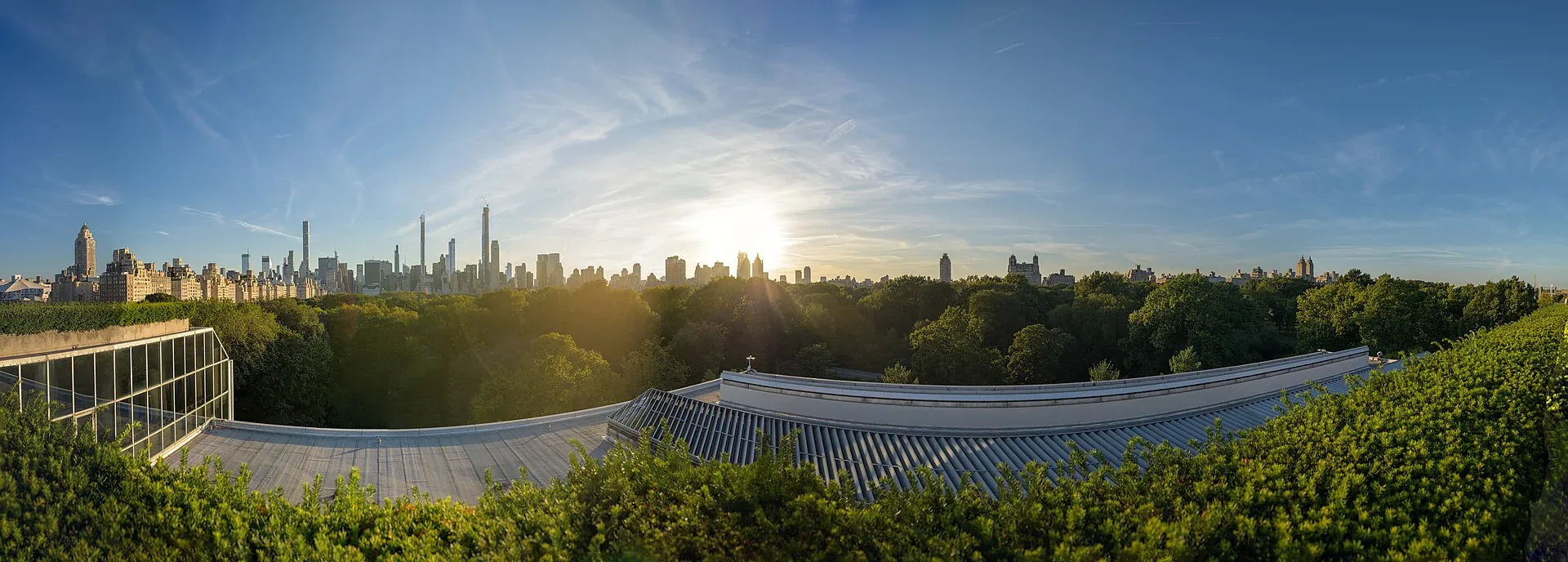
The American Museum of Natural History fills a large campus beside Central Park on the Upper West Side. Founded in 1869, it joins public exhibition with scientific research, maintaining vast collections in anthropology, paleontology, zoology, earth science and astrophysics behind and within its galleries.
What to see
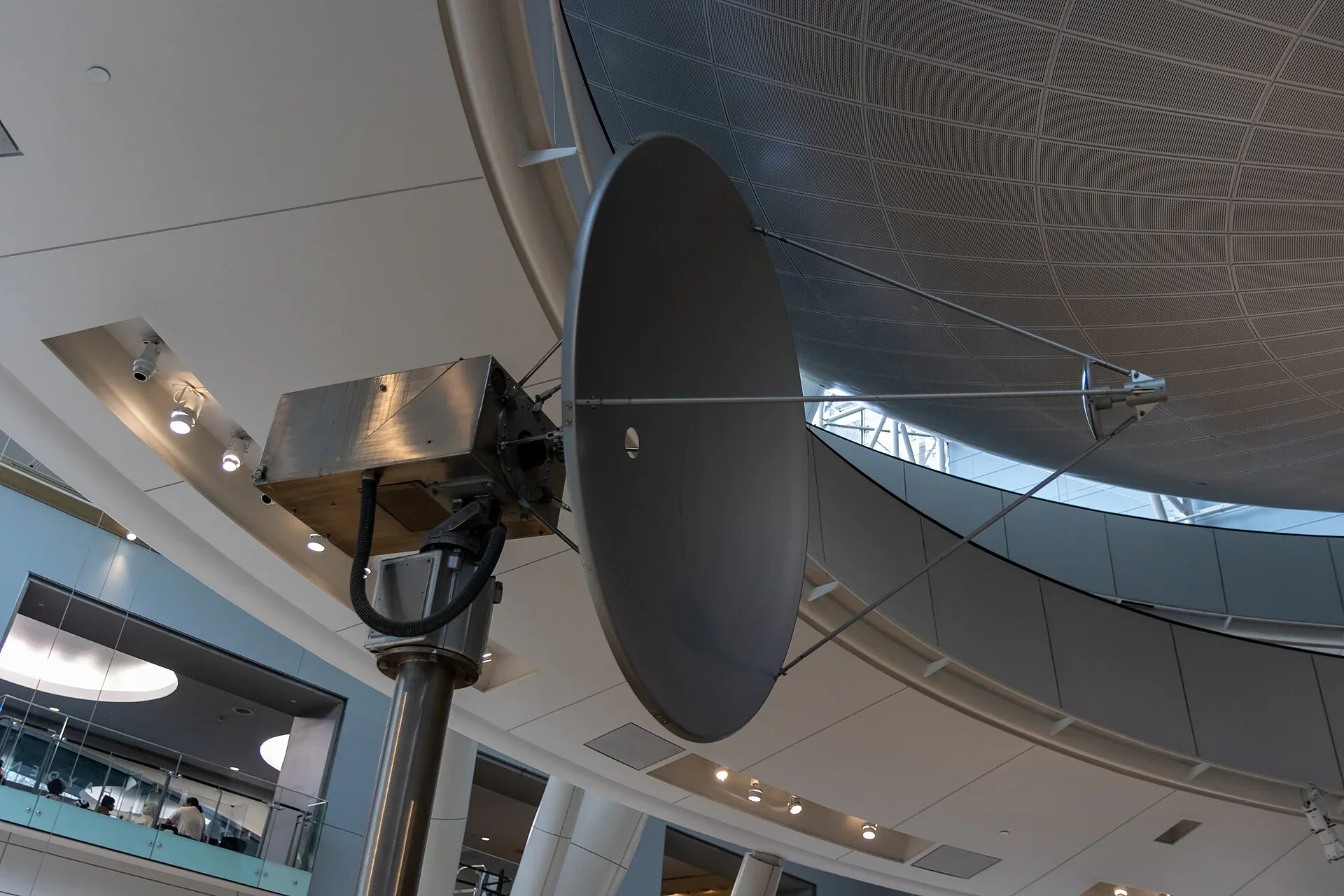
The fourth-floor fossil halls organize dinosaurs and other vertebrates by evolutionary relationships, including a 122-foot cast of Patagotitan. In the Hall of Ocean Life, a 94-foot blue-whale model hangs above ecosystem displays, while the Hayden Planetarium uses a spherical theater to place Earth within cosmic scale.
Plan your visit
The Richard Gilder Center adds an insectarium, butterfly vivarium, immersive Invisible Worlds experience and visible collections storage behind a flowing stone interior. Its connections to older wings make the museum's changing methods legible: classic habitat dioramas, monumental specimens, live organisms and active research collections coexist rather than replacing one another.