Overview
Dutch settlement began in the 1620s, with New Amsterdam established at the southern end of Manhattan. The English took control in 1664 and renamed the colony New York. Colonial prosperity was inseparable from enslavement. Enslaved Africans arrived under Dutch rule and helped build the settlement; the African Burial Ground in Lower Manhattan, used from the 1690s to the 1790s by free and enslaved Africans, preserves a history that was later covered by urban development.
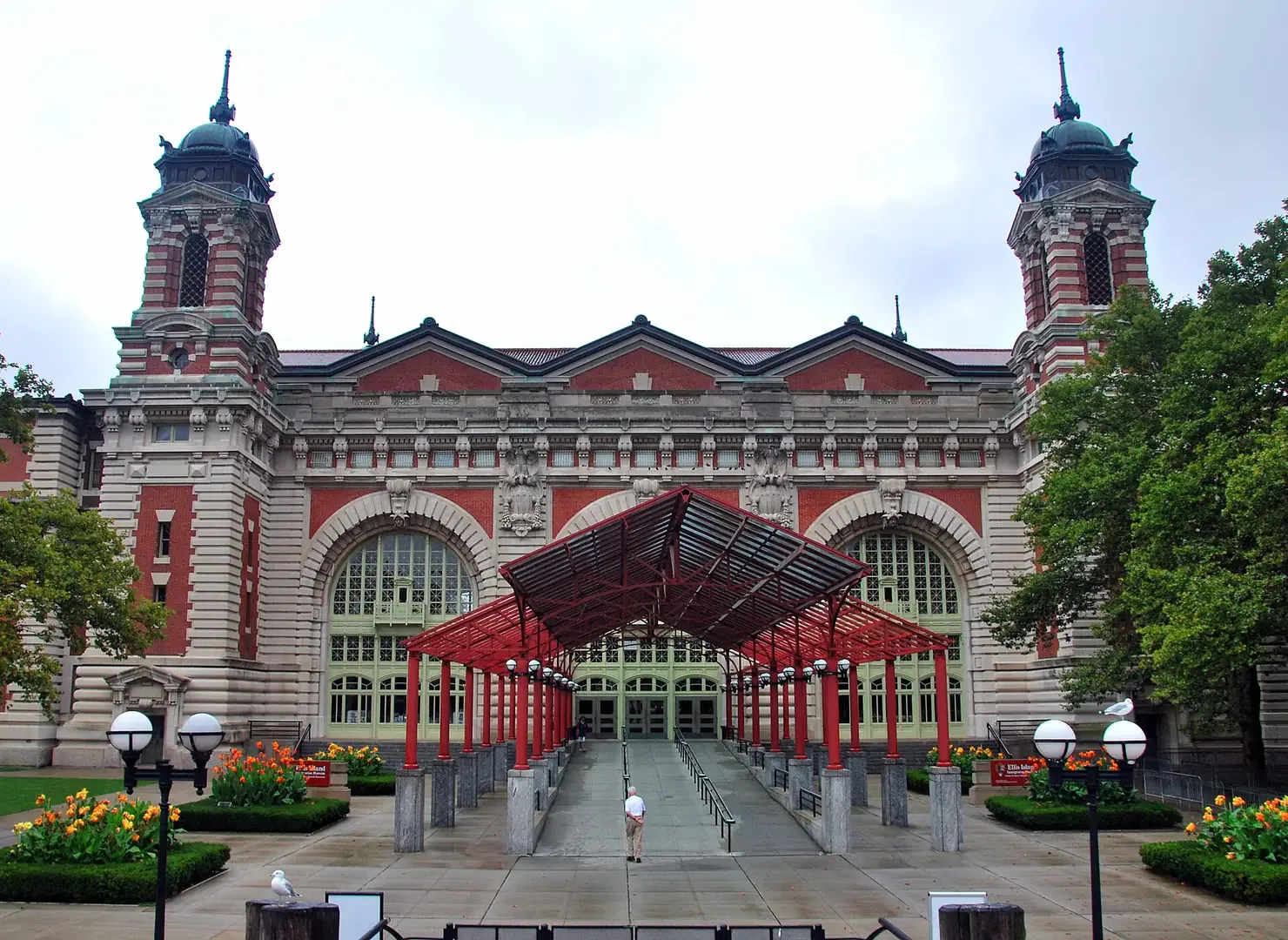
The harbor then powered New York's transformation into a commercial and industrial metropolis. Bridges, railways, tenements, factories and new neighborhoods expanded the urban world far beyond Lower Manhattan. Immigration was central to that growth. Ellis Island's federal immigration station opened in 1892, and more than twelve million immigrants passed through it during the mass-migration era from 1892 to 1954.
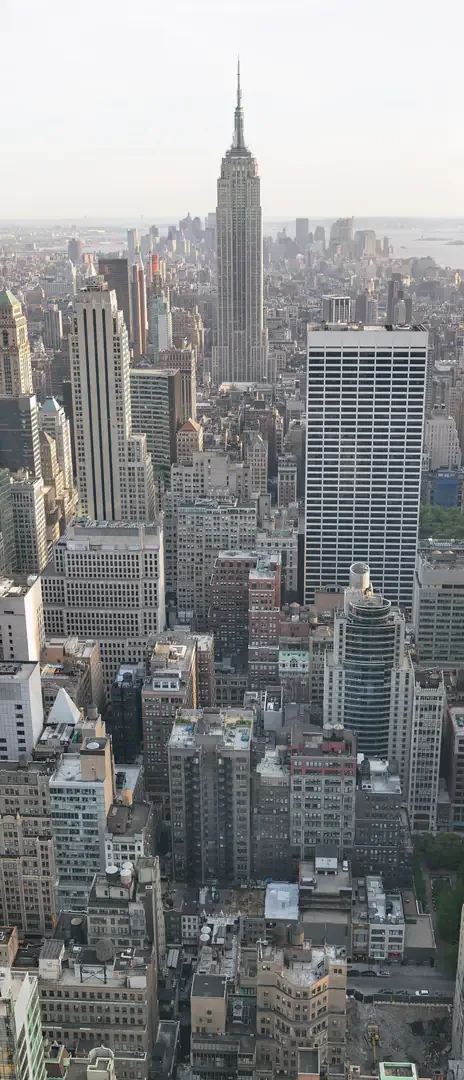
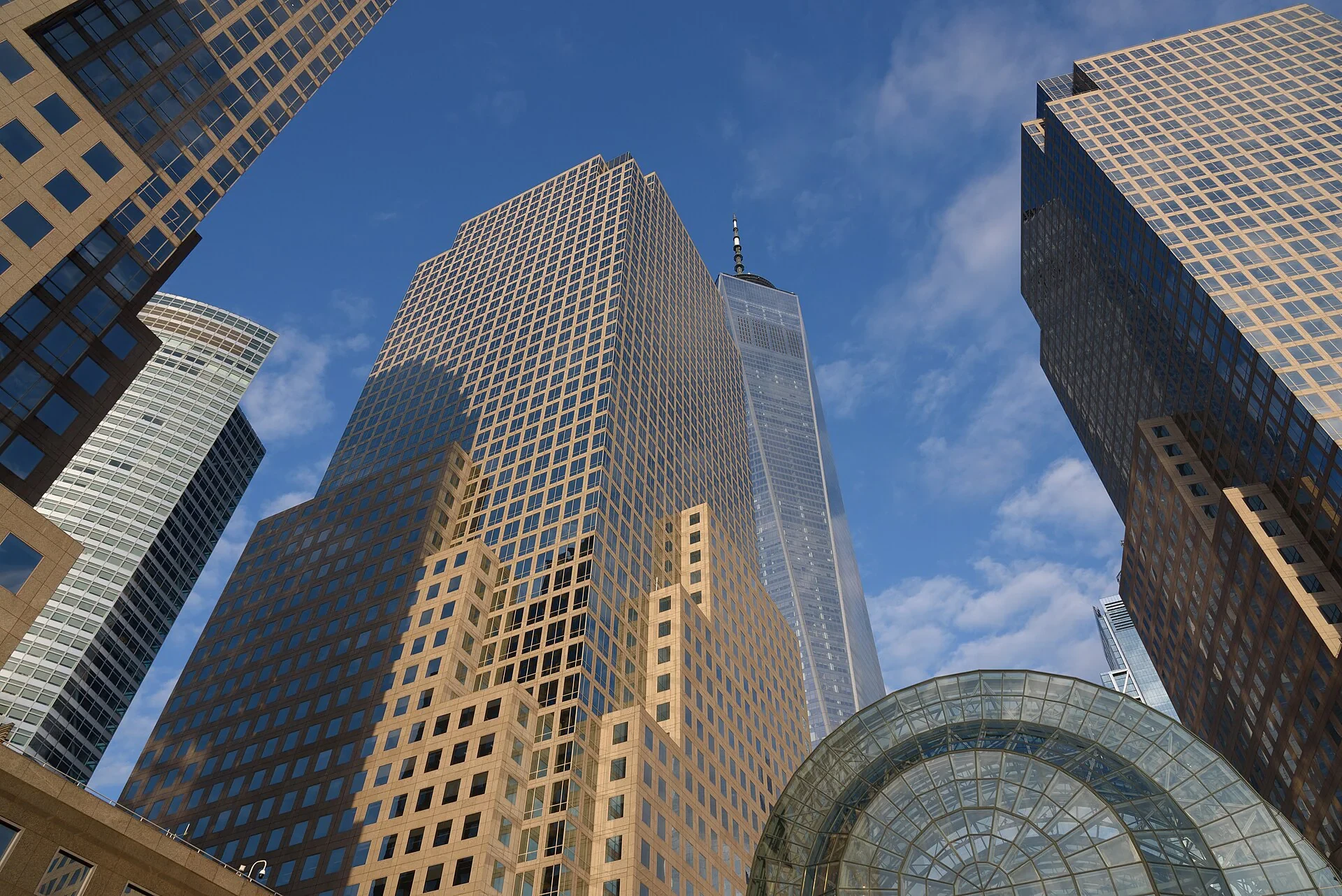
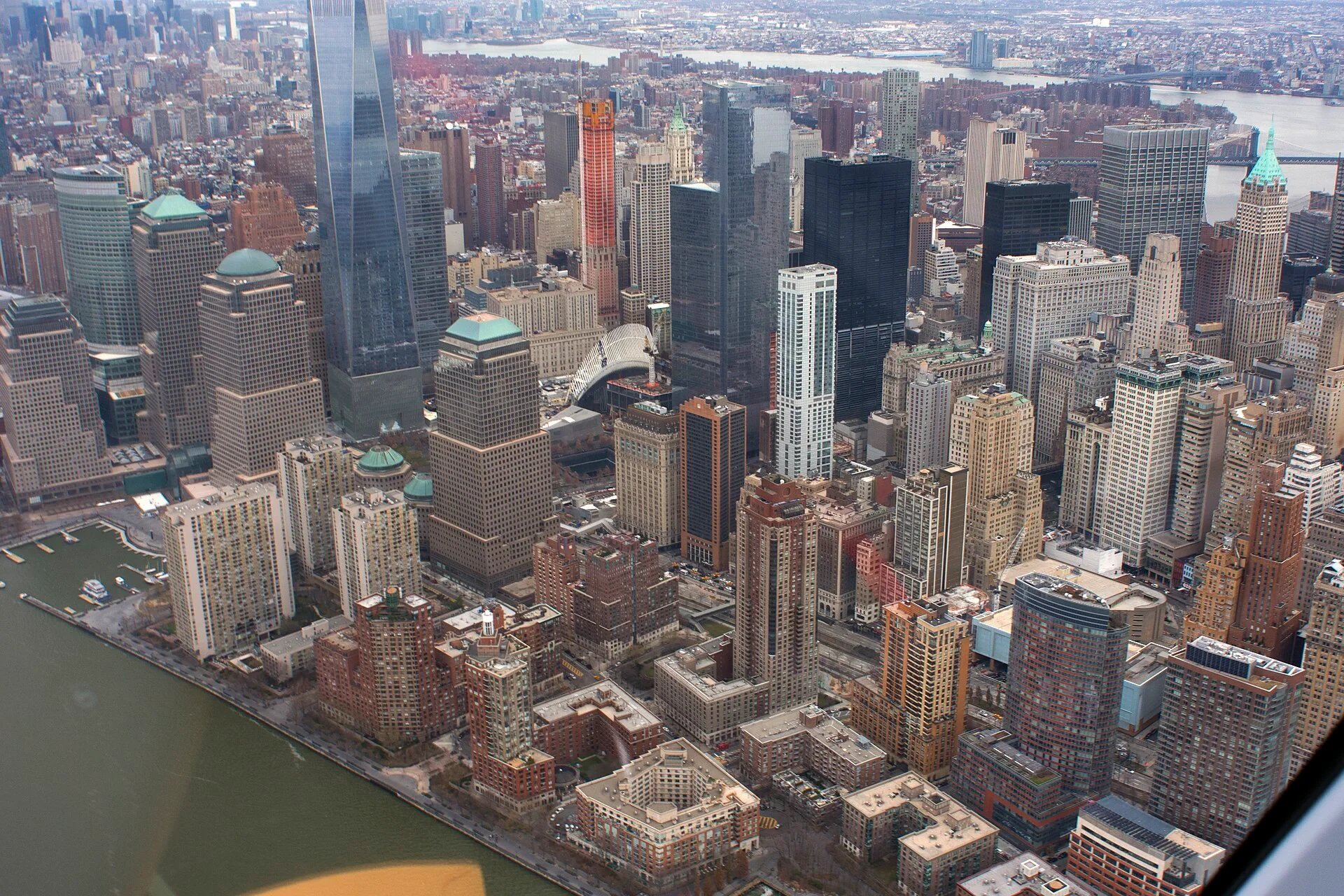
The twentieth century brought towers, finance, media, public housing, highways, cultural movements and repeated waves of redevelopment, but also displacement and sharp inequality. Harlem's artistic and political history, the growth of immigrant neighborhoods in Queens and Brooklyn, and the continuing reinvention of waterfront districts all complicate the postcard version of the city.
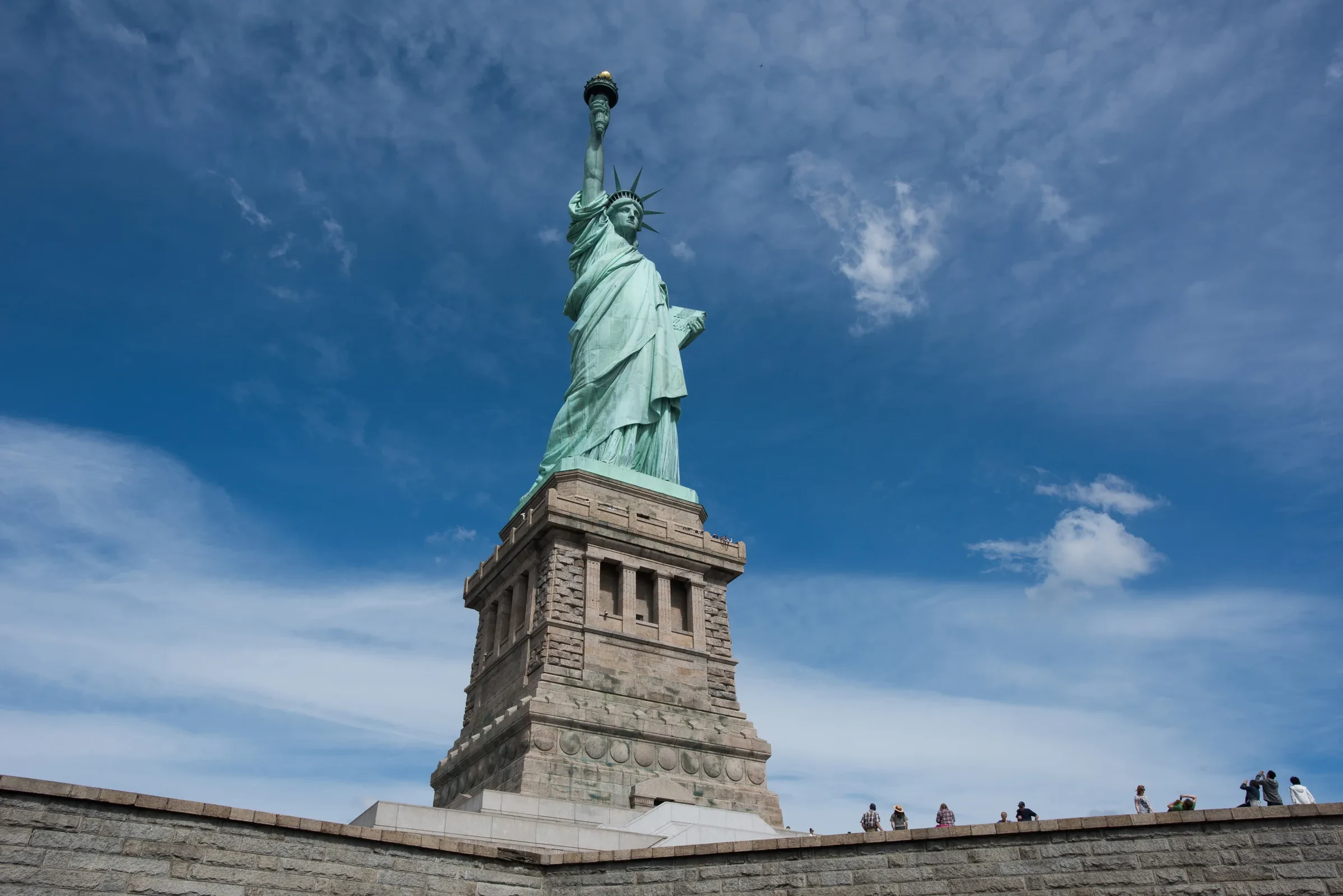
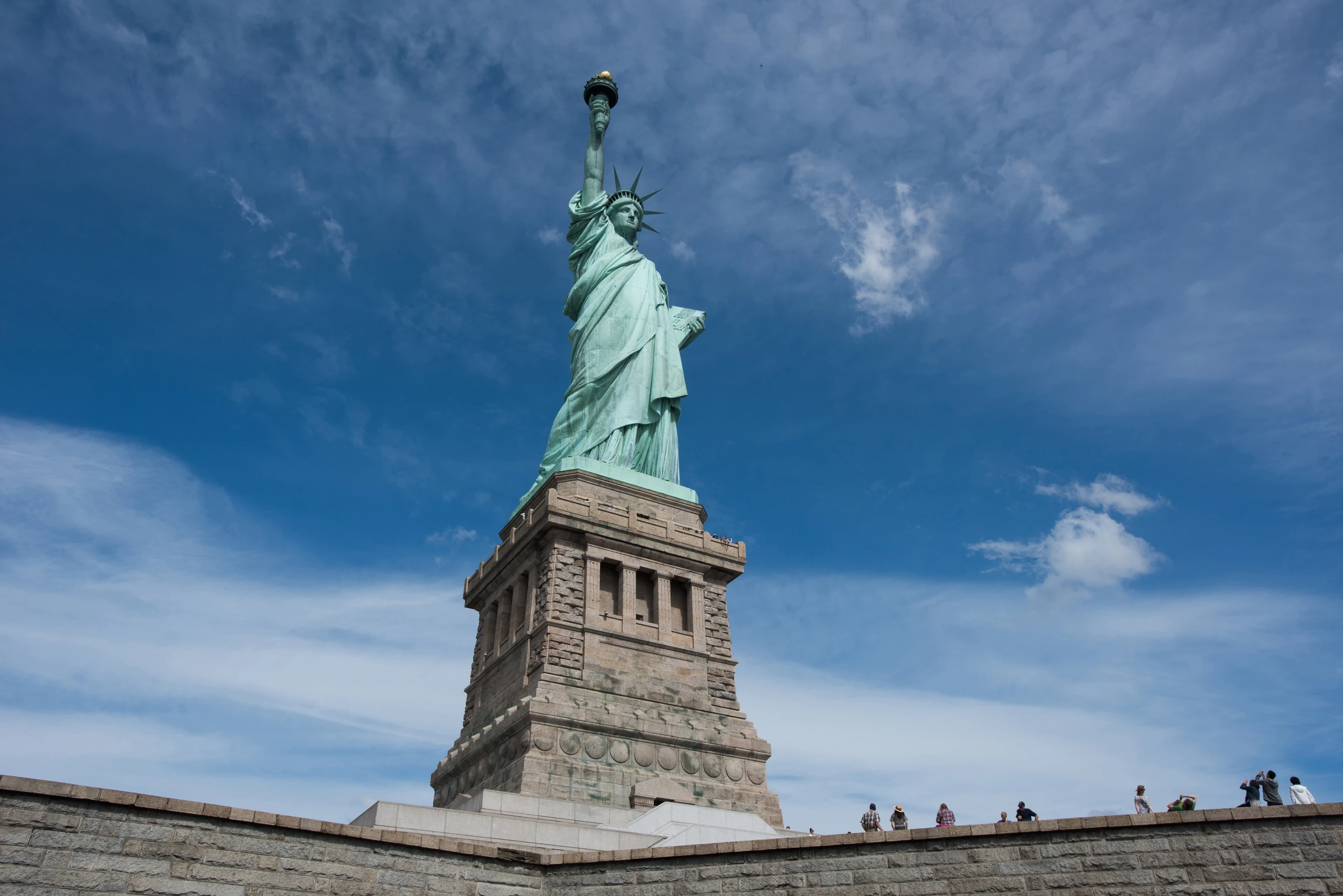
These historical layers remain embedded in the cityscape. Lower Manhattan connects colonial, African American, financial and civic history; the harbor links the Statue of Liberty and Ellis Island; Harlem records cultural movements and community institutions; and neighborhoods across the outer boroughs show how migration continues to reshape New York. The city's past is therefore not a single chronology contained in one museum, but a landscape distributed across streets, waterfronts, monuments and communities.