Overview
Migration remains fundamental to the population. New York City's 2026 Newest New Yorkers report records about 3.1 million foreign-born residents—more than one in three New Yorkers—and says that 48 percent of residents speak a language other than English at home. Two-thirds of the city's population are first- or second-generation New Yorkers. Queens and Brooklyn contain the largest foreign-born populations, while immigrant communities and new settlement patterns extend across all five boroughs.
That diversity appears in languages, places of worship, small businesses, food traditions, arts and neighborhood institutions. The phrase 'the Muslim community' therefore describes many communities rather than one uniform group. Mosques, halal businesses and Muslim cultural life are distributed across boroughs and shaped by distinct national, ethnic and linguistic histories. Their inclusion in the city's official tourism material reflects a longstanding civic presence that is woven into wider patterns of migration and neighborhood life.
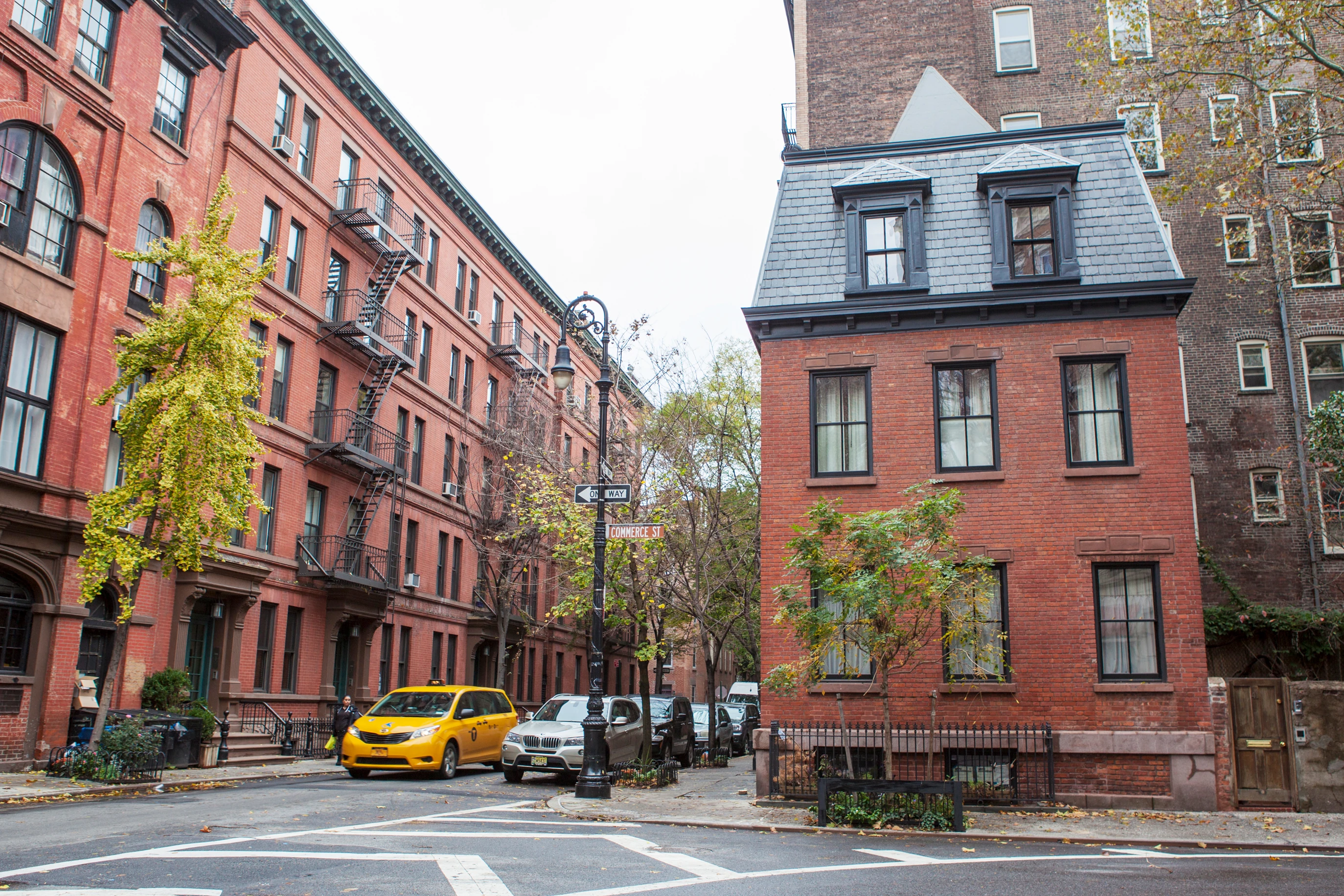
The etiquette associated with New Yorkers grows from density rather than a single personality type. Pavements, station entrances, queues and train doors are shared by large numbers of people moving at once, so public space depends on speed, clear passage and awareness of others. Residential streets, schools, parks, houses of worship and locally owned businesses form the everyday infrastructure behind the city's public image, revealing a rhythm built as much around ordinary routines as around major institutions and landmarks.