Overview
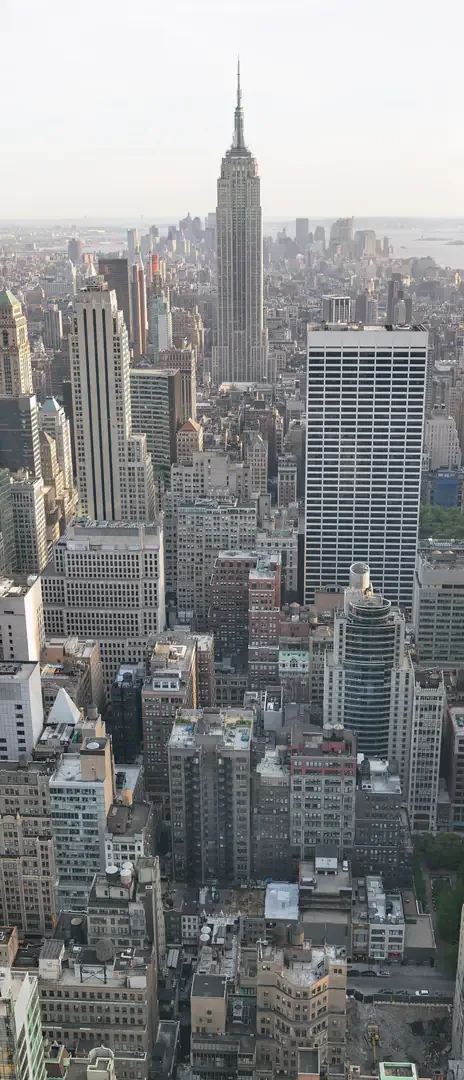
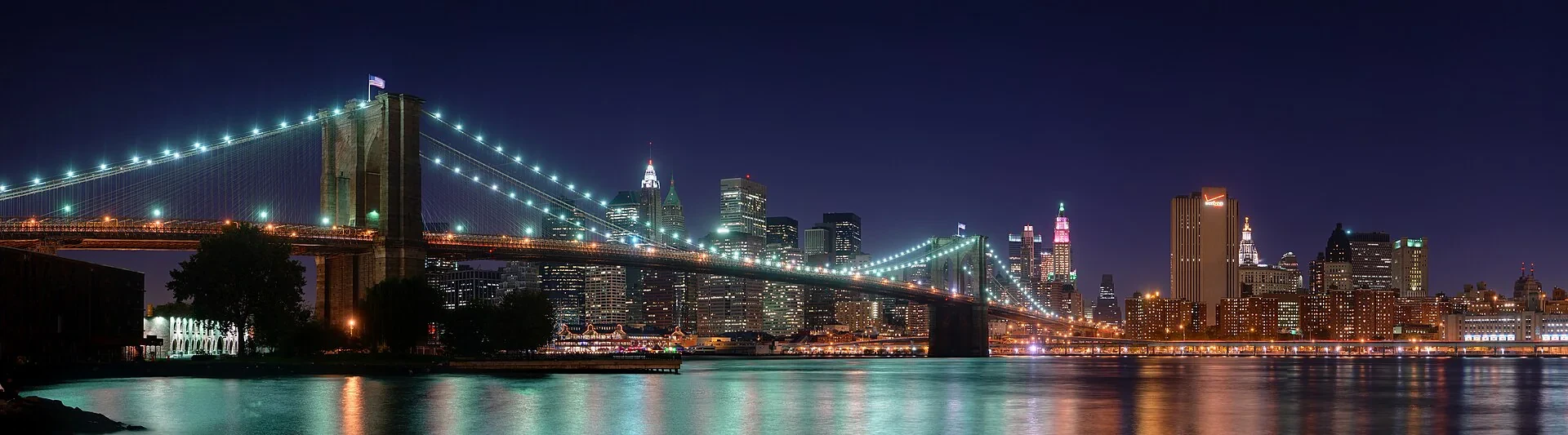
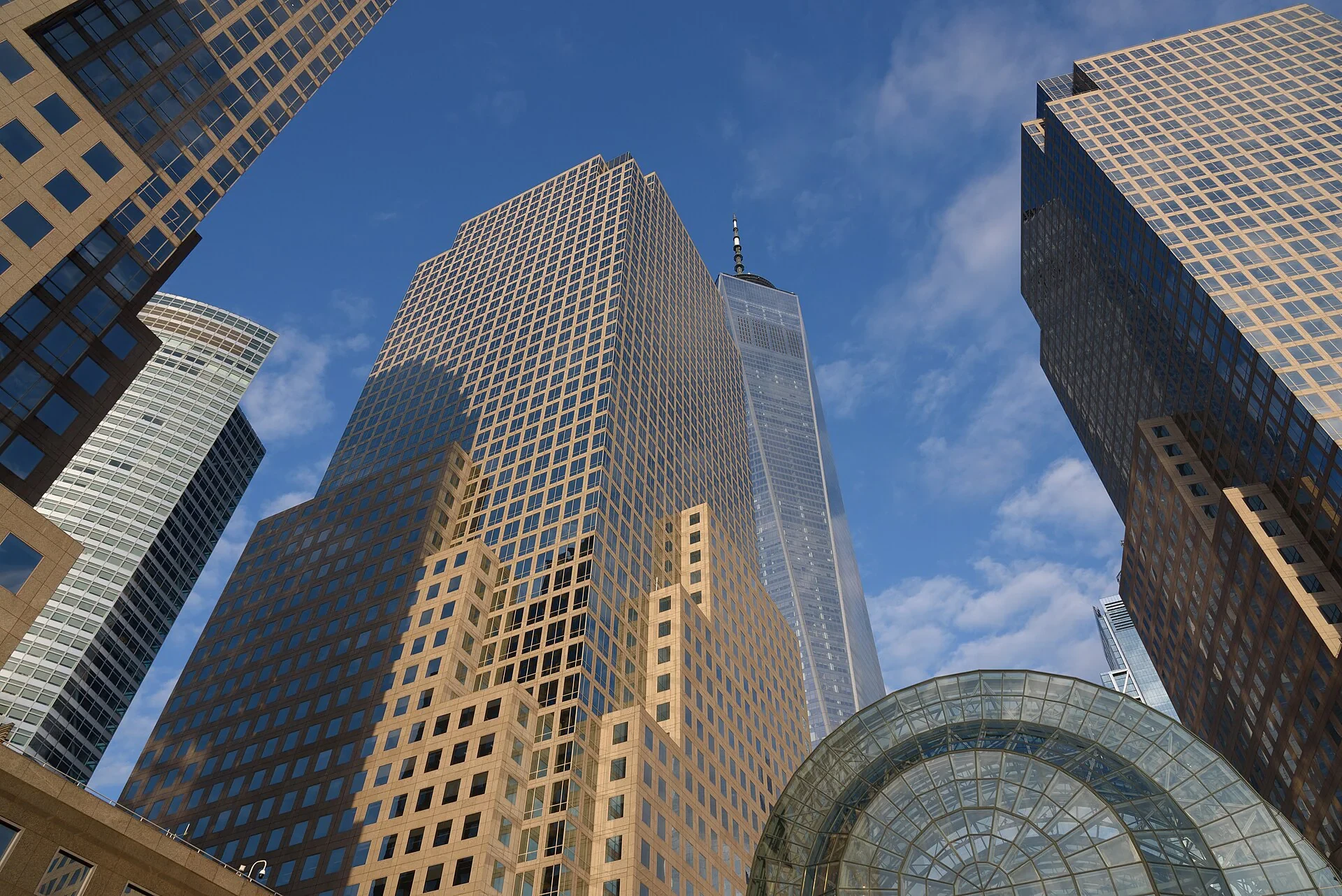
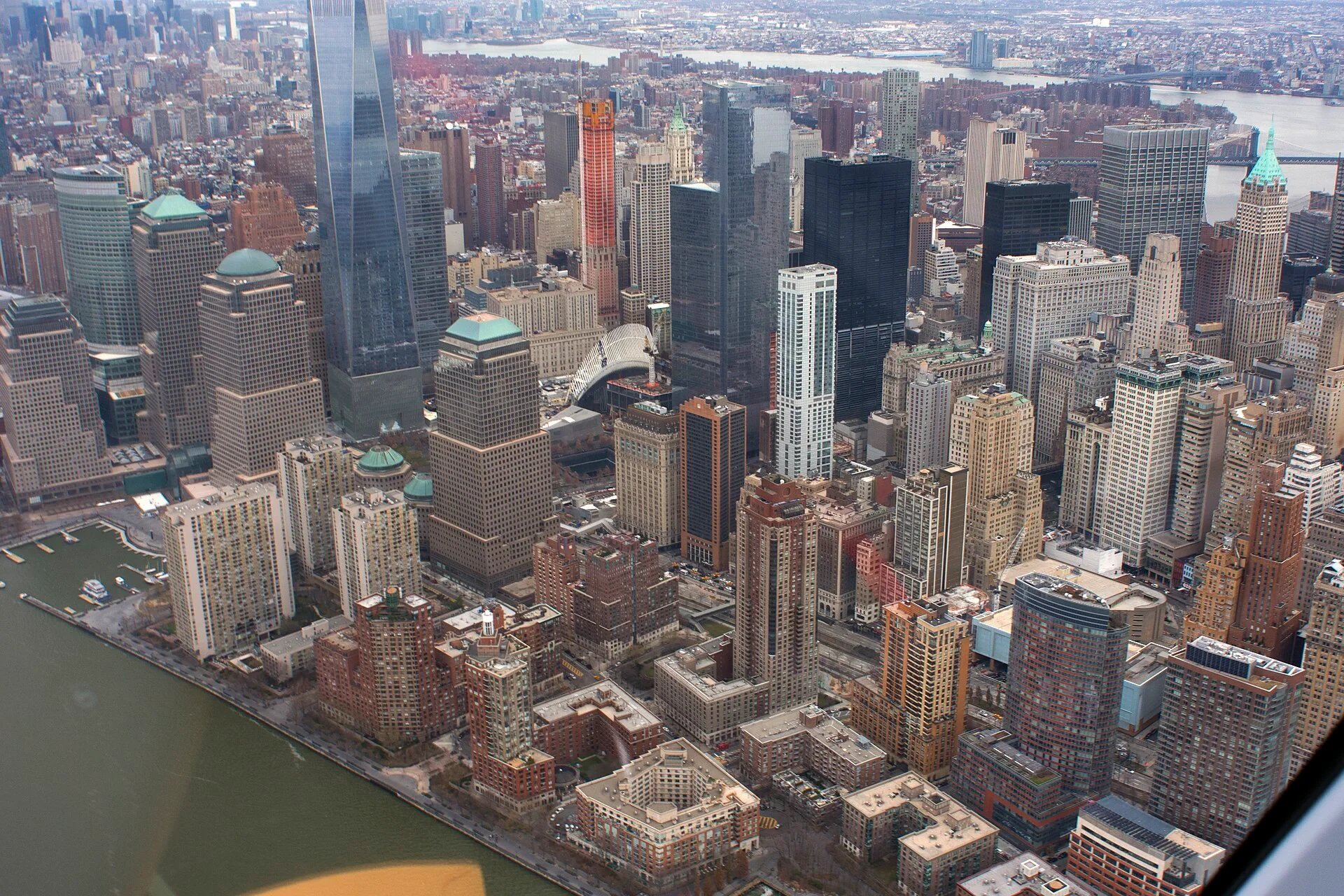
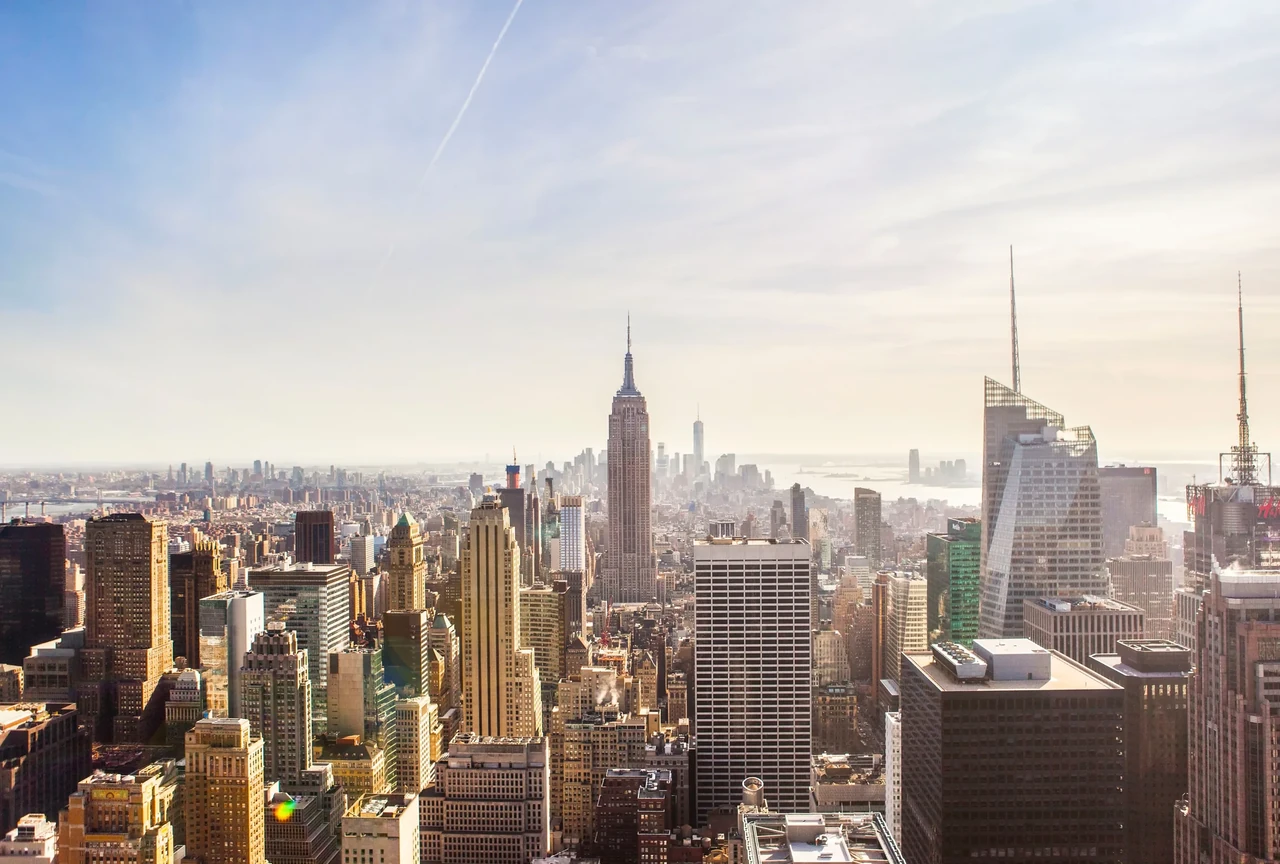
Public transport is part of the city's daily architecture. Subway lines, buses, commuter rail, ferries and walking routes bind together neighborhoods separated by rivers, expressways and long distances. Midtown and Lower Manhattan carry intense concentrations of offices, landmarks and transport interchanges, while downtown Brooklyn, Long Island City, Flushing, Harlem and other centers operate as destinations in their own right. The result is a polycentric city whose economic and cultural life extends far beyond its familiar skyline.
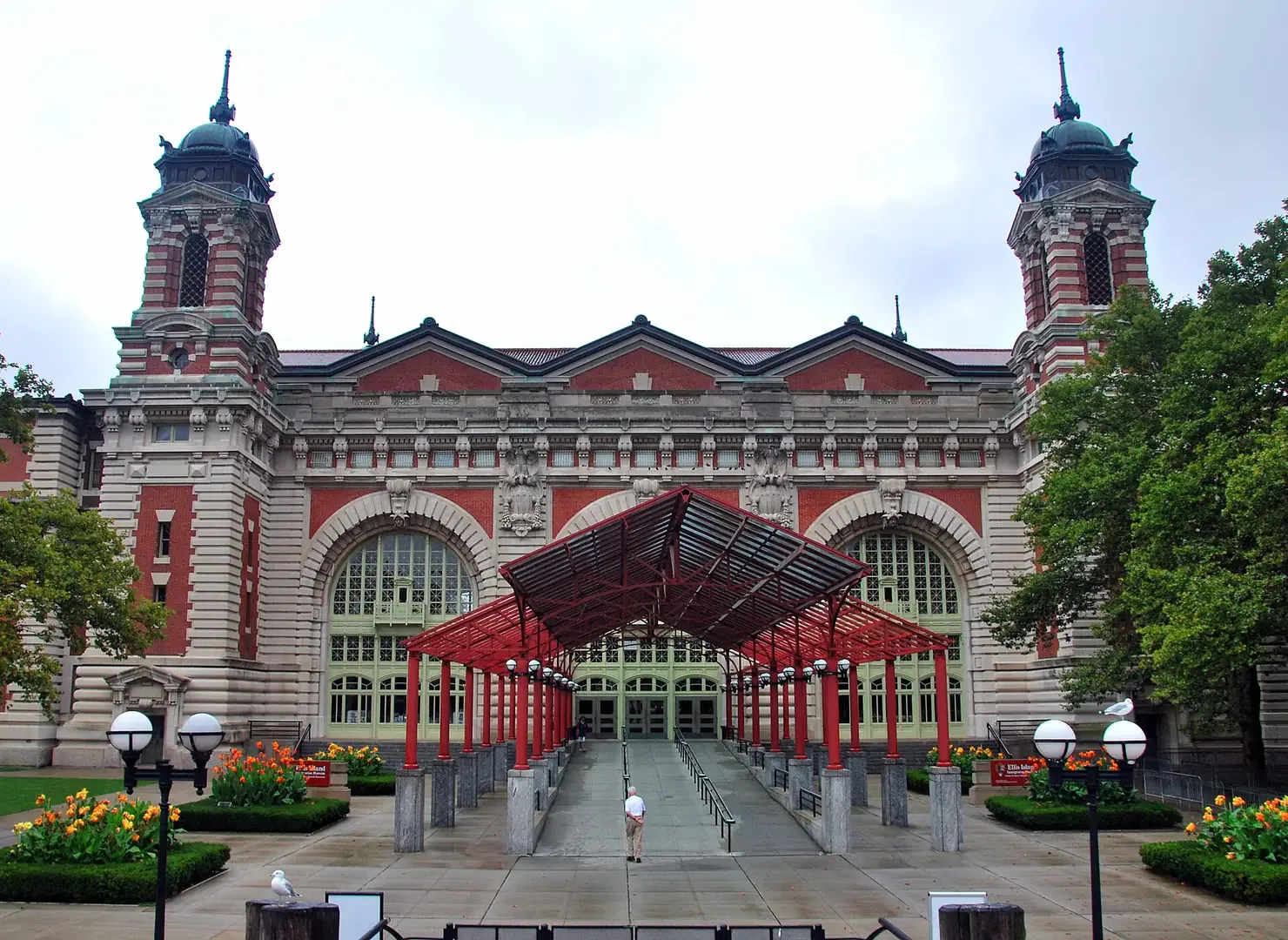
Contemporary New York is inseparable from migration. The Department of City Planning's 2026 Newest New Yorkers report records about 3.1 million foreign-born residents and describes a population with no single dominant racial, Hispanic or national-origin group. Languages, food businesses, arts organizations, religious institutions and neighborhood associations give each borough a continually changing social geography, with Queens and Brooklyn containing the city's largest foreign-born populations.
Muslim life is visible within that wider civic landscape through mosques, community organizations, halal restaurants, street-food businesses and cultural institutions distributed across the boroughs. NYC Tourism's Halal Travel Guide, developed with CrescentRating, brings restaurants, shopping, attractions, houses of worship and Muslim cultural references into the city's official visitor information. Its existence reflects a destination infrastructure that increasingly recognizes Muslim residents and international audiences as part of contemporary New York rather than as a separate niche.